 Critically Endangered
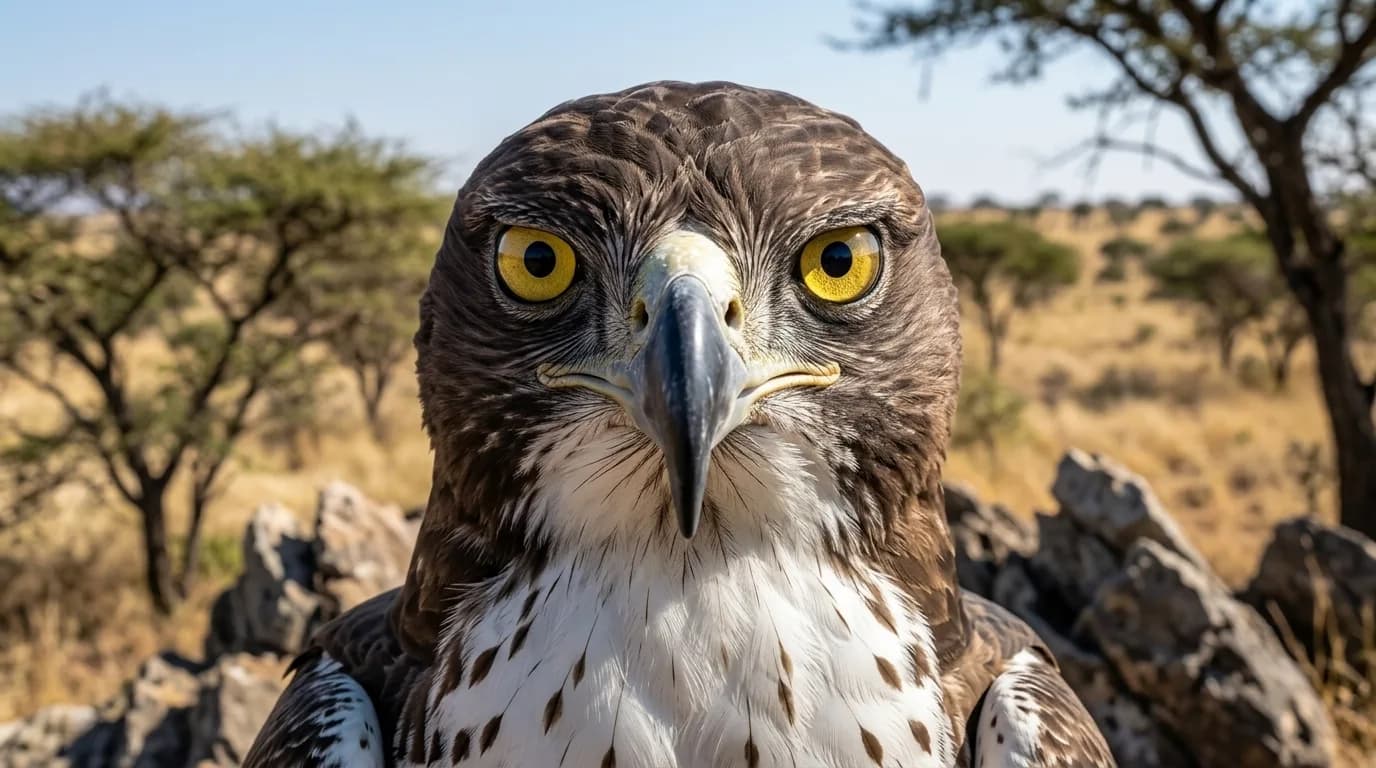
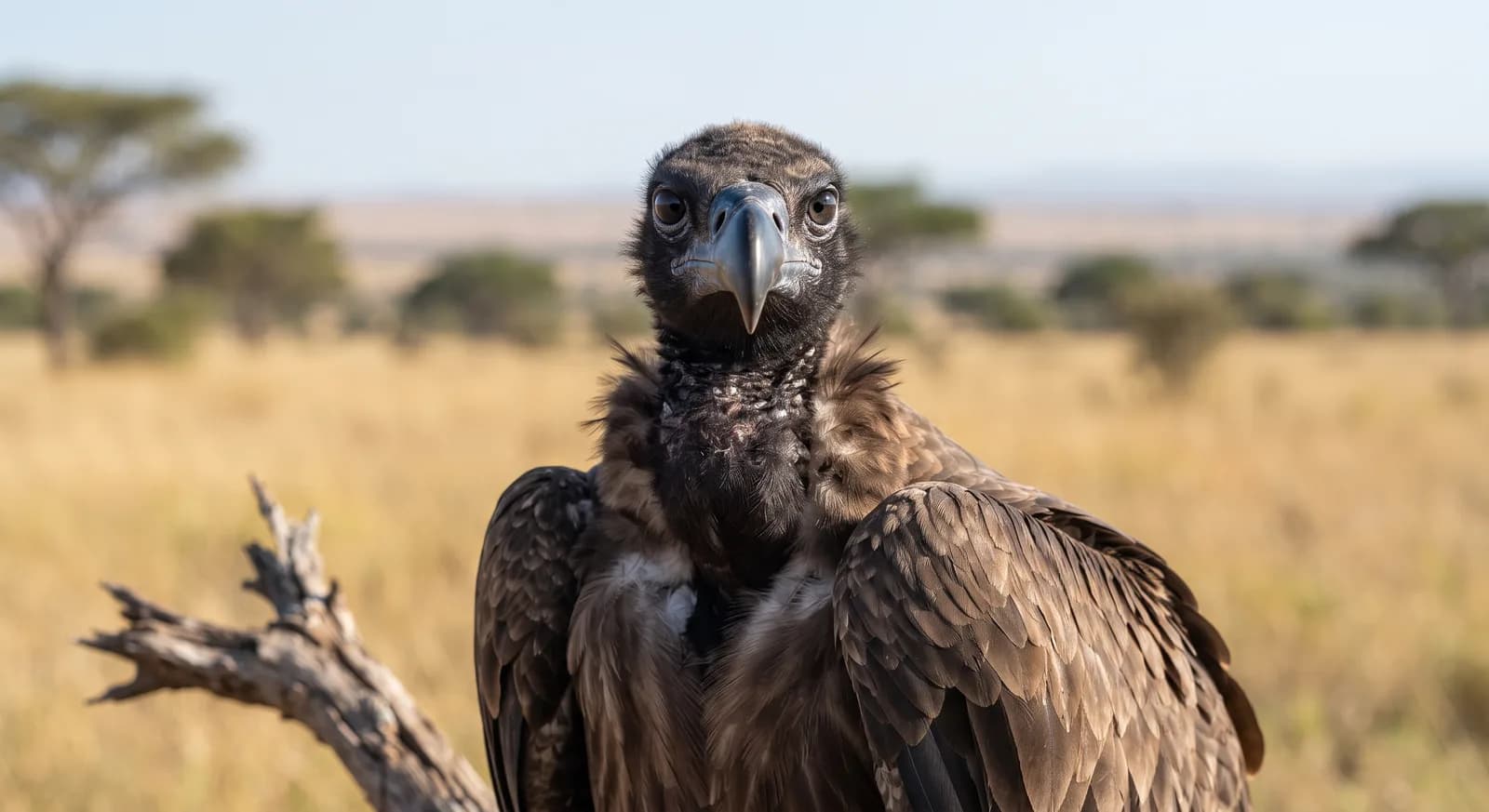
White-backed Vulture
Gyps africanus
Africa
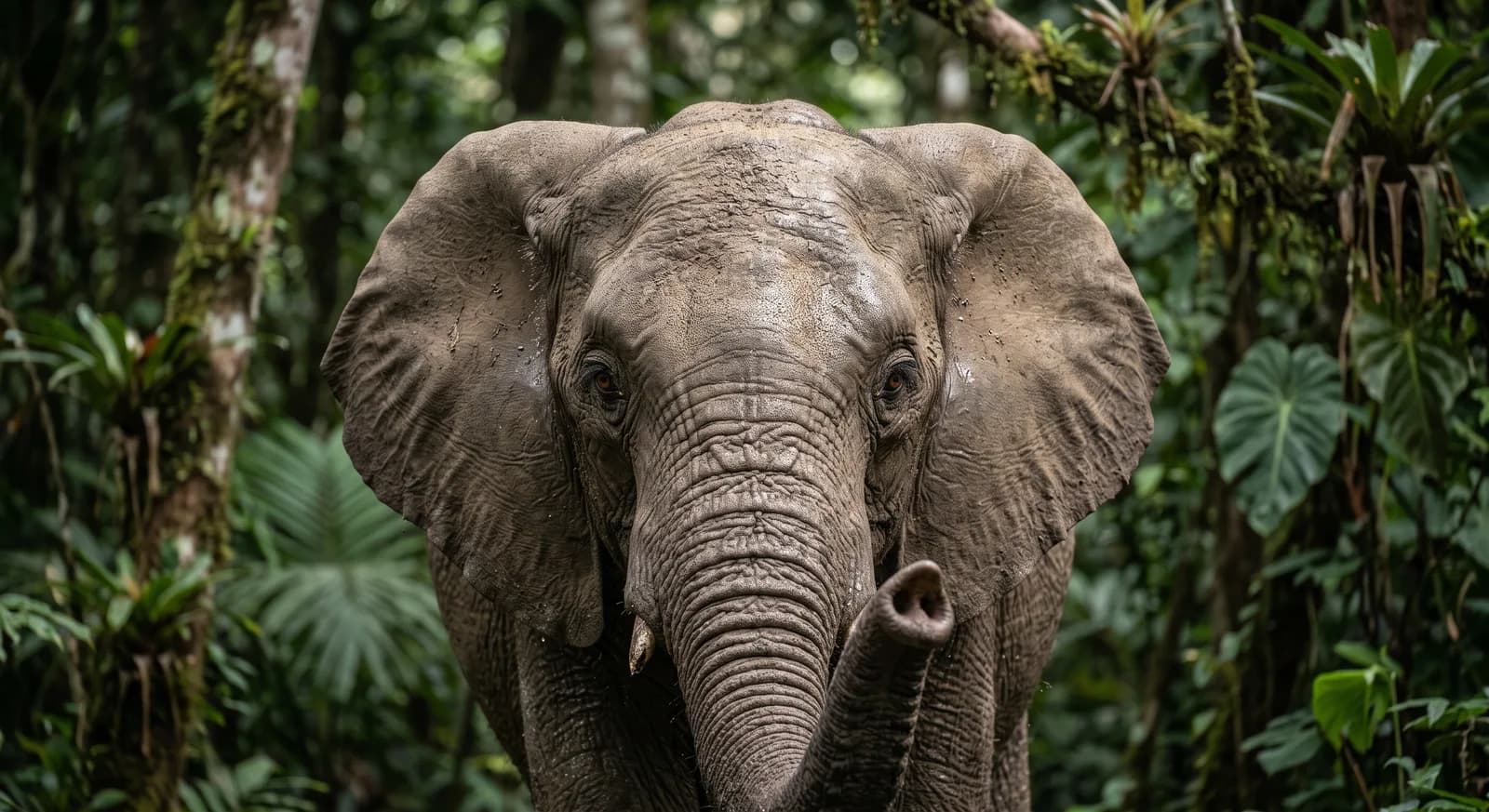
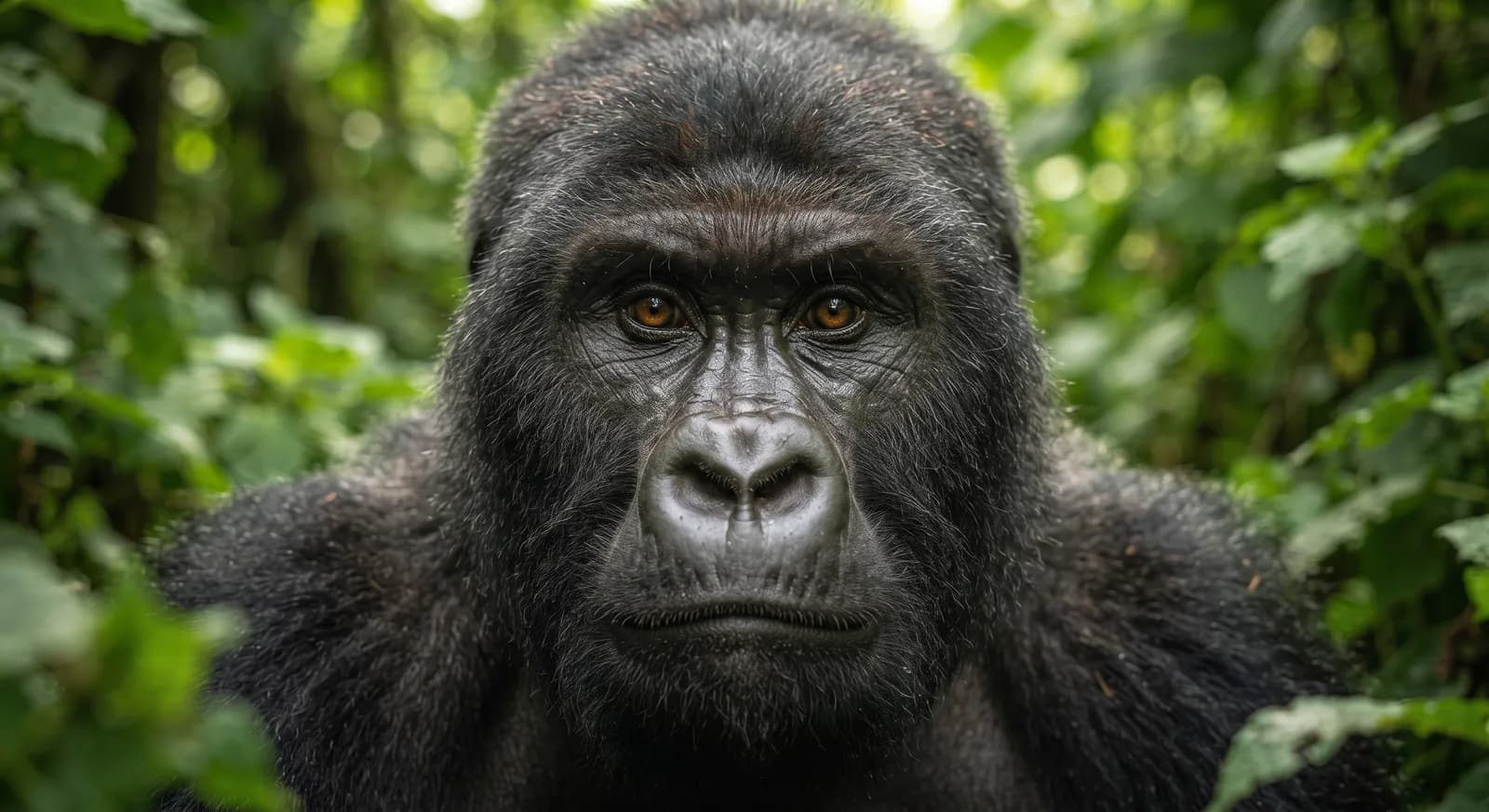
Cameroon is called Africa in miniature because it concentrates in a single country almost every one of the continent's great environments: from the semi-arid Sahel and the floodplains of the far north, with Waza park and its elephants and giraffes, to the equatorial rainforest of the south and southeast, where Dja and Lobéké keep western lowland gorillas, chimpanzees, forest elephants and mandrills. Between the two extremes rises the Cameroon volcanic line, crowned by Mount Cameroon, an active volcano of more than four thousand metres that lifts almost straight from the coast and strings together rainforest, cloud forest and high-altitude grassland with birds that live nowhere else. To the west, the Korup rainforest is one of the oldest and richest forests in Africa, a survivor of the glaciations.
National animal: The lion, national symbol and sporting emblem of the country
In the fast-flowing rivers of southwestern Cameroon lives the goliath frog, the largest in the world: it can exceed thirty centimetres of body length and weigh more than three kilos, as much as a small cat. Beyond its size, its behaviour is surprising: the adults move stones weighing several kilos with their legs to build small pools where they lay their eggs sheltered from the current, a rare case of nest building among amphibians.
The Dja is a World Heritage Site and one of the best-preserved blocks of rainforest in central Africa, under pressure from mining and plantations. The elephants of the north have suffered mass killings linked to cross-border ivory trafficking.
Dja and Lobéké in the dry season for gorillas and forest elephants in the clearings. Mount Cameroon year-round for endemic highland birds. Waza between March and May for savannah wildlife.
Where else might I want to travel?
Same region: Central Africa
Same region: Central Africa
Same region: Central Africa
Same region: Central Africa
275 species found
Based on what we already know about Cameroon.