 Critically Endangered
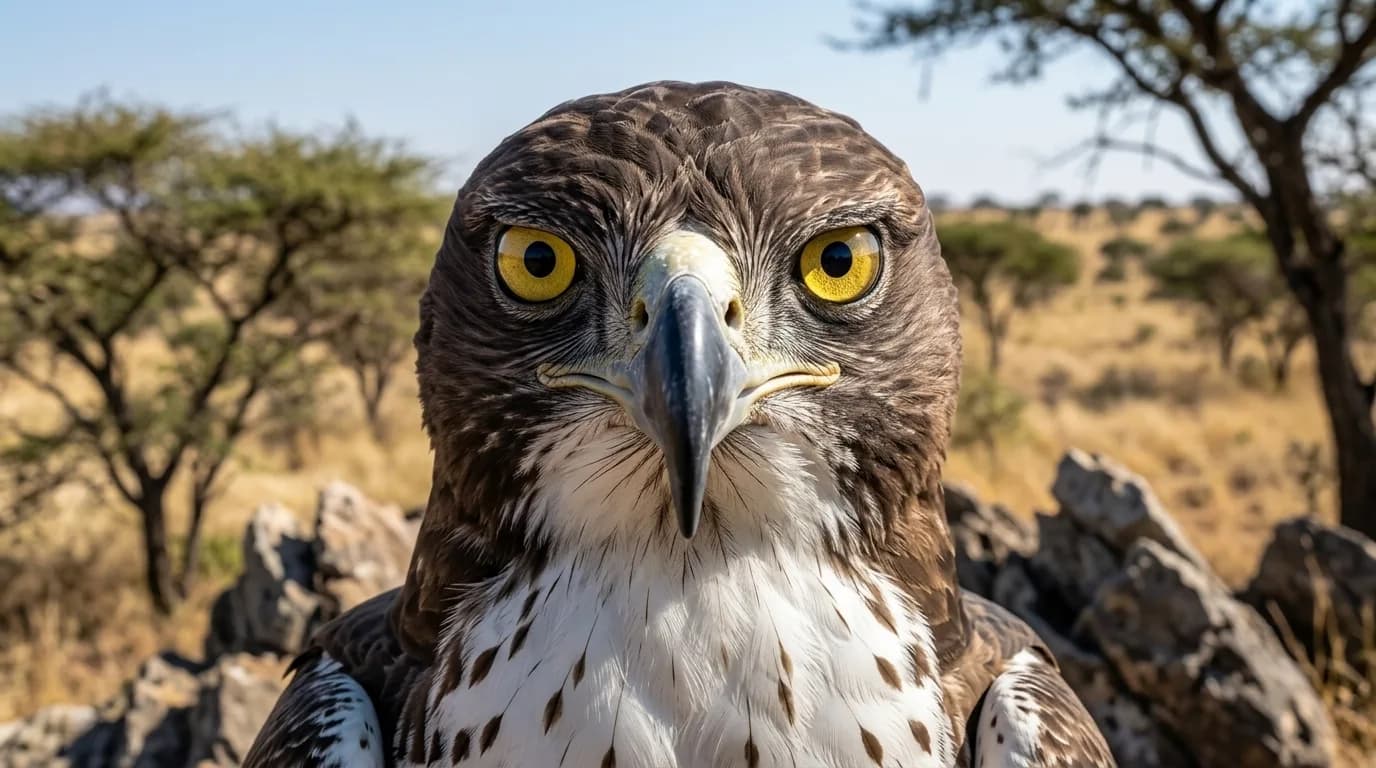
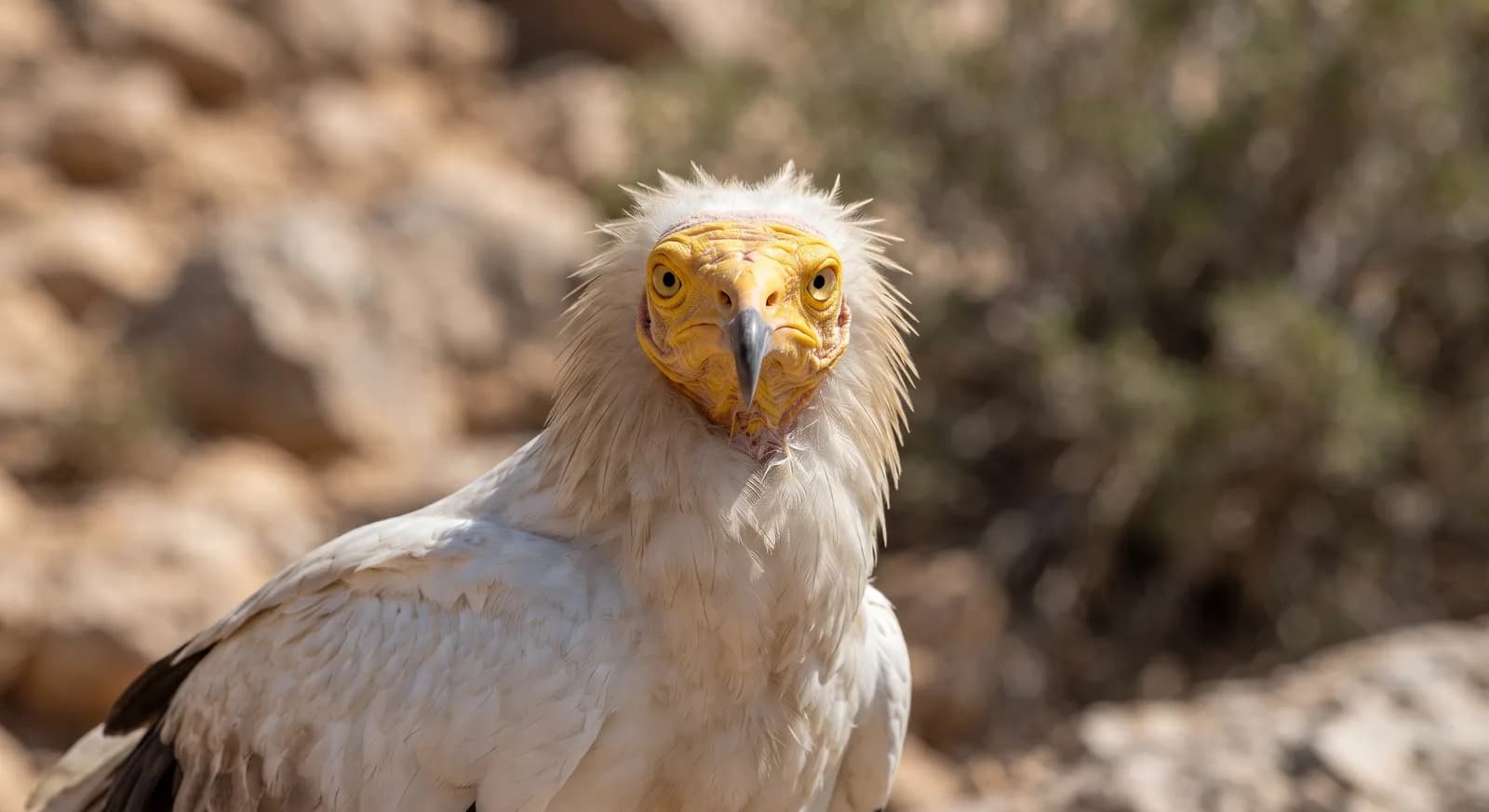
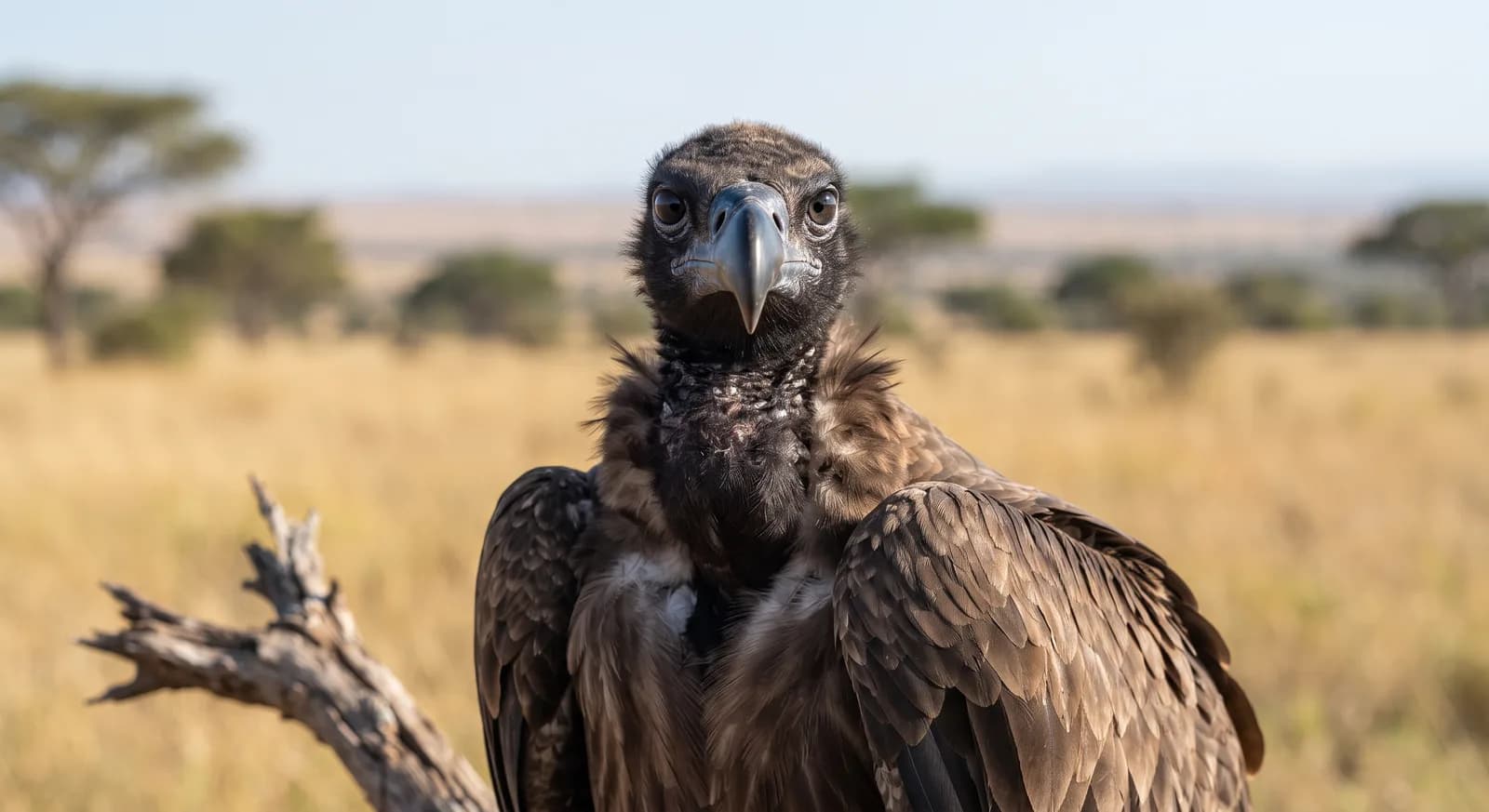
White-backed Vulture
Gyps africanus
Africa
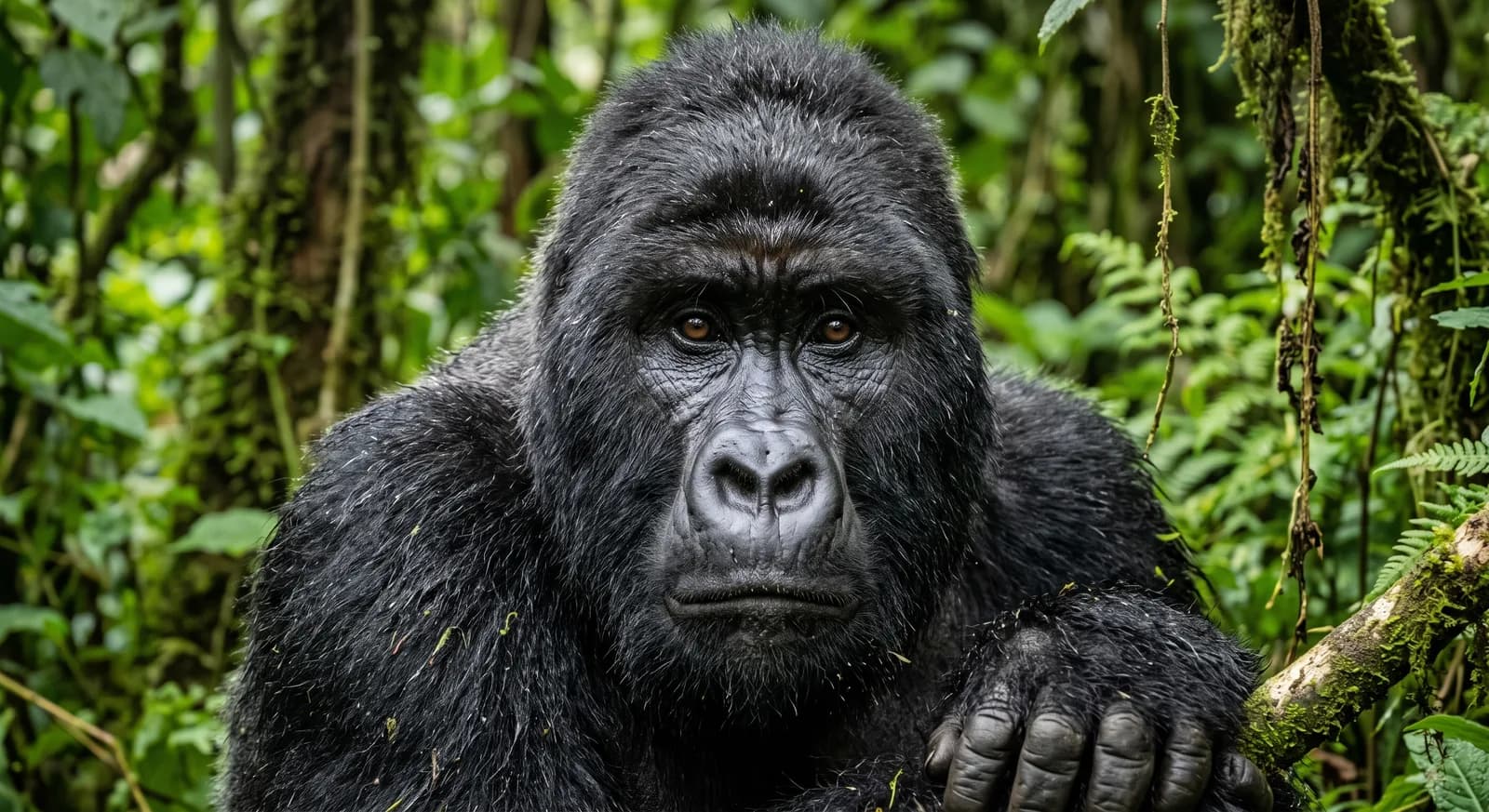
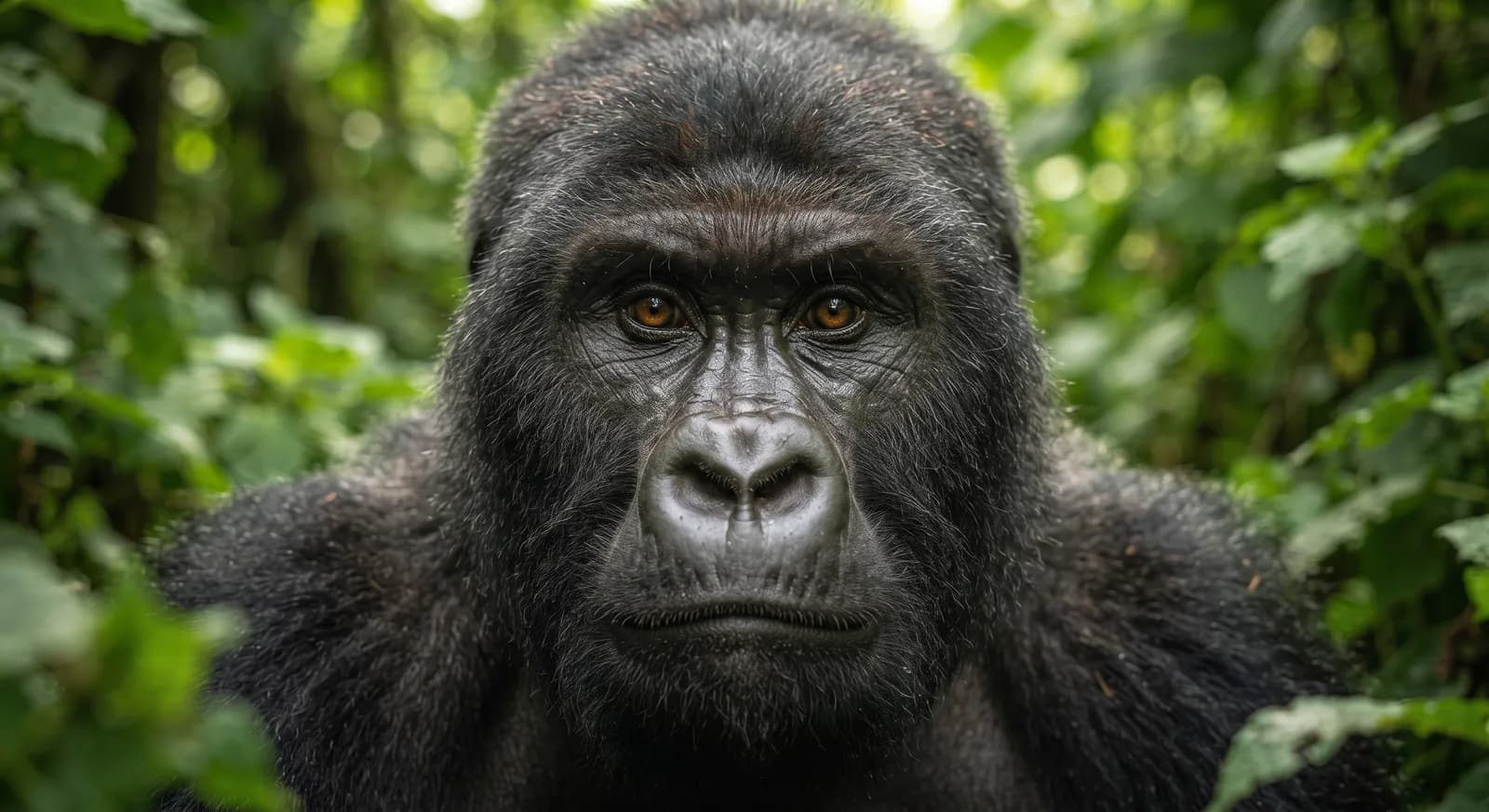
The Democratic Republic of the Congo holds the second-largest expanse of tropical rainforest in the world, after Amazonia, organised around the Congo River, the largest in Africa by discharge and the second largest on the planet. Its size and its variety of relief have generated a biodiversity unmatched on the continent: lowland rainforest in the central basin, montane forest and active volcanoes in the east, savannah in the south and high-altitude grassland on the Rwenzori and Virunga massifs. The country has five natural World Heritage Sites, all of them placed at some point on the list of sites in danger. Virunga, the oldest national park in Africa, created in 1925, combines mountain gorillas, incandescent lava on Nyiragongo and plains with hippopotamuses.
National animal: The okapi, national symbol and a species exclusive to the country
The okapi, an animal with a dark body and legs striped like a zebra's, was known to the peoples of the Ituri forest but came as a complete surprise to Western science, which did not describe it until 1901 and had regarded it as a legendary creature. It turned out to be no relative of the zebras but the only living relative of the giraffe, with which it shares a bluish prehensile tongue. It exists only in the forests of this country.
Salonga is the largest protected rainforest reserve in Africa and the main refuge of the bonobo, which lives only south of the Congo River. Armed conflict in the east has made patrolling Virunga one of the most dangerous jobs in the world for rangers.
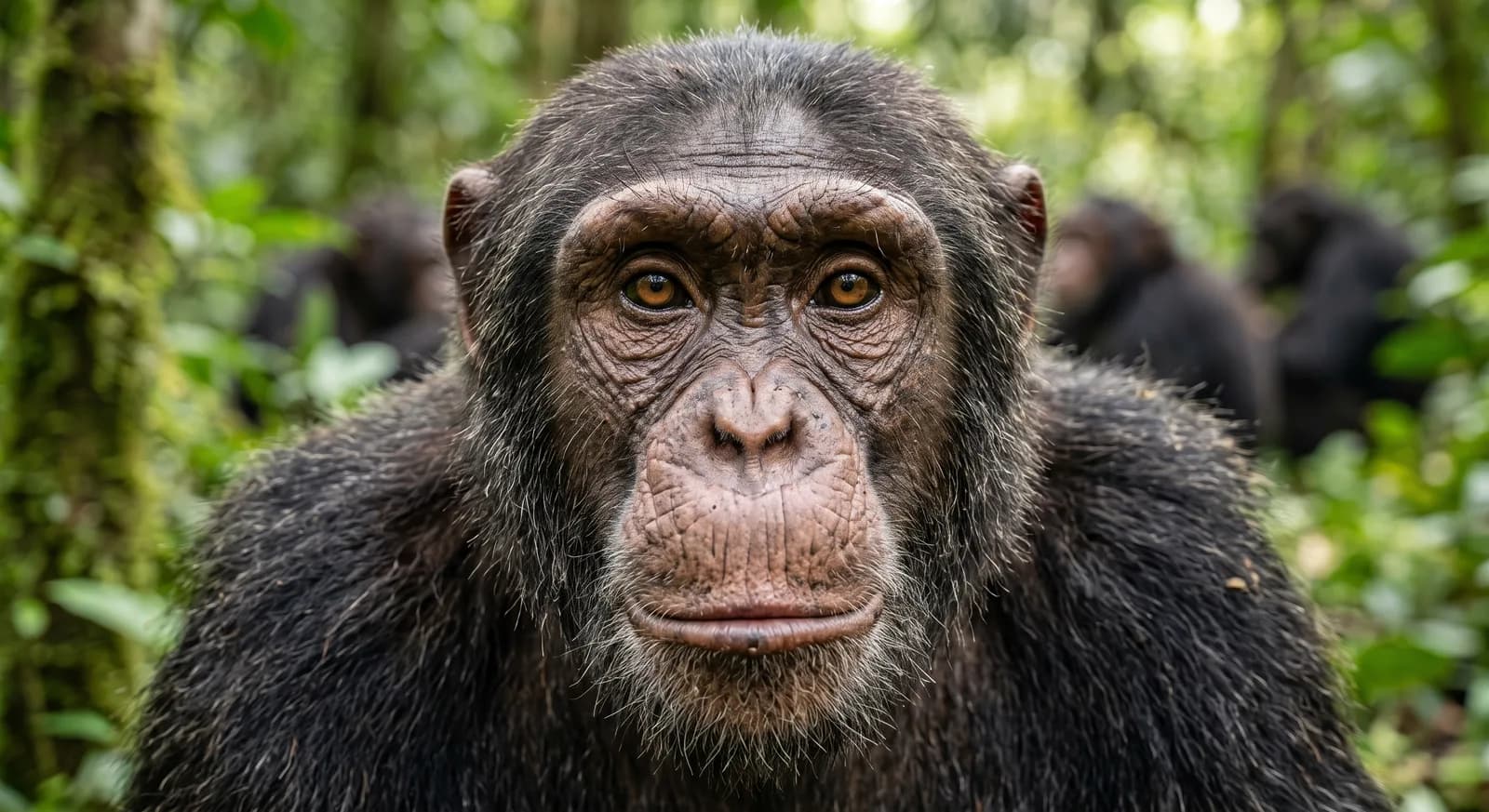
Virunga for mountain gorillas and the Nyiragongo lava lake, subject to security conditions. Kahuzi-Biega for eastern lowland gorillas. Ituri for okapis and forest communities.
Where else might I want to travel?
Same region: Central Africa
Same region: Central Africa
Same region: Central Africa
Same region: Central Africa
228 species found
Based on what we already know about Democratic Republic of the Congo.