Skip to content
WAnimals
  • Map
  • Species
  • Parks
  • Diving
Log inCreate account
WAnimals

The guide for travellers and animal lovers: discover, plan and share your wild adventures around the world.

Discover wildlife

  • Species
  • Ecosystems
  • Glossary
  • Tags

Explore places

  • Map
  • Countries
  • Parks
  • Diving

Plan experiences

  • Guides

Learn

  • Blog

Resources

  • Help centre
  • Contact
  • Install the app

Follow us

Account

  • Log in
  • Create account

© 2026 WAnimals. All rights reserved.

About usHow we build our profilesTerms of servicePrivacyLegal notice
MapSpeciesParksDiving
  1. Home
  2. countries
  3. Ecuador

Ecuador

South America

Capital: QuitoJune to September

341

Documented species

12

Parks and reserves

7

Dive sites

Ecuador is the smallest of the Andean countries and at the same time one of the most diverse on the planet per unit of area. Within a few hours you go from the mangroves and dry forest of the coast to the snow-capped volcanoes of the sierra, with páramo above three thousand five hundred metres, and from there to the Amazon, where Yasuní park holds some of the world records for numbers of tree, amphibian and insect species per hectare. A thousand kilometres offshore, the Galápagos archipelago, volcanic in origin and isolated since it formed, holds a fauna that evolved without land predators and that gave Darwin his theory on the origin of species. It was the first country in the world to recognise the rights of nature in its constitution.

Nature in Ecuador

National animal: The Andean condor, the national bird, on the country's coat of arms

Did you know?

The Galápagos marine iguana is the only lizard in the world that feeds in the sea: it dives several metres to graze algae off the rocks, expels the excess salt by sneezing jets that whiten its head, and basks on the lava to warm up again. And it does something thought impossible in a vertebrate: during the lean years brought by El Niño it shrinks its own skeleton by several centimetres so it needs less food, and grows again once the crisis passes.

Biodiversity profile

Conservation

Galápagos has carried out some of the most ambitious invasive species eradications in the world, including the removal of goats from entire islands, which has allowed the vegetation and the giant tortoises to recover. Yasuní overlaps with oil reserves, which has generated a national debate that reached a referendum.

Where and when to watch wildlife

Galápagos year-round, with peak breeding activity between December and May. Yasuní and Cuyabeno in the rainy season for Amazonian wildlife. Antisana and Cotopaxi for the Andean condor.

Natural phenomena in Ecuador

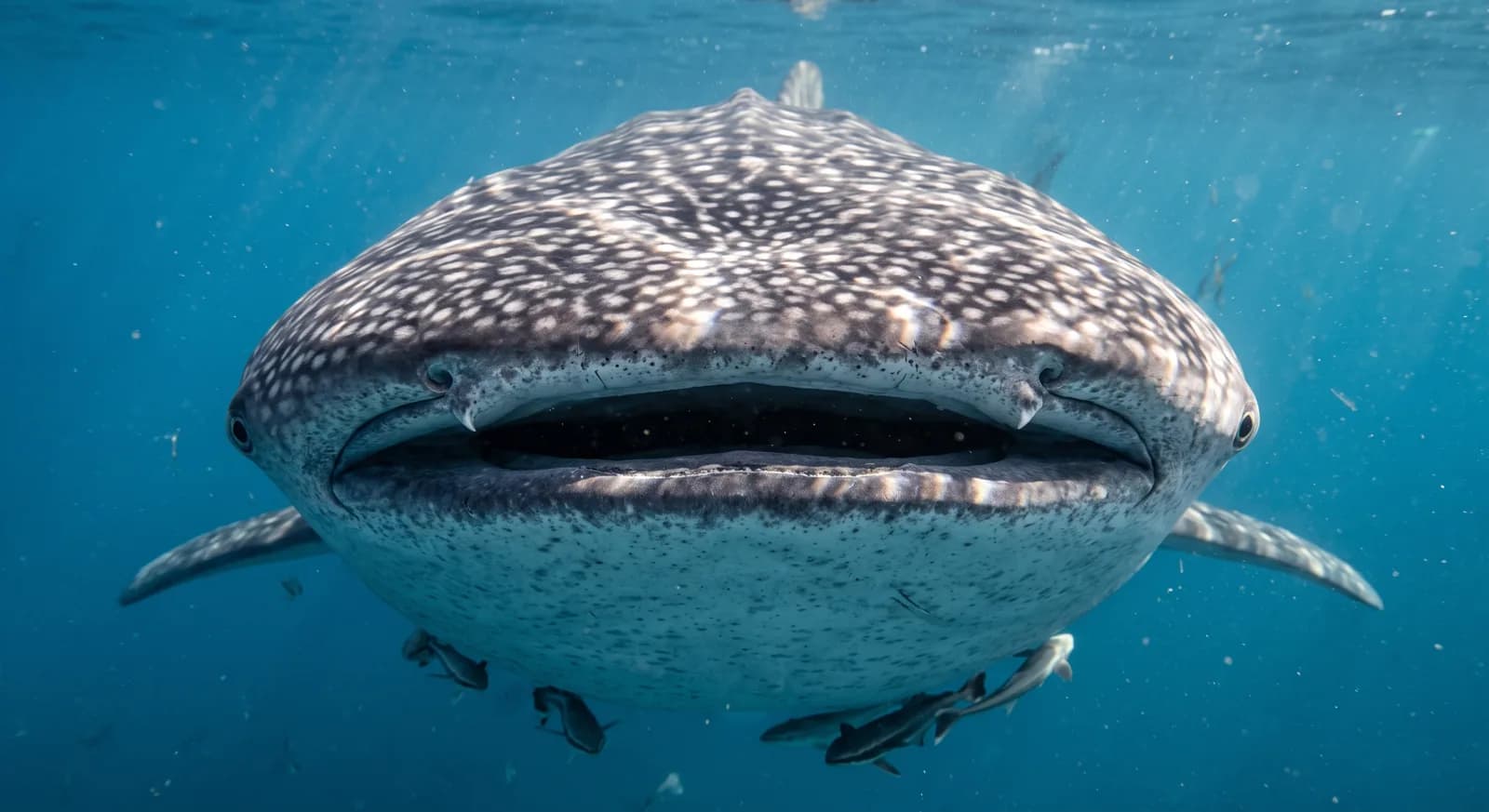
  • Whale shark and hammerhead aggregation at Darwin and Wolf — June to November (cool season)
Parks and reserves

National Park

Galápagos National Park

The natural laboratory that inspired Darwin, home to the giant tortoise and endemic wildlife without parallel.

See park
National Park

Sangay

One of the few places on the planet with an unbroken ecological gradient from the Amazon up to Andean glaciers

See park
National Park

Sumaco Napo-Galeras

It protects an almost perfectly conical volcano in the heart of the Ecuadorian Amazon

See park
National Park

Yasuní

Reckoned one of the most biodiverse places per hectare on the planet; home to indigenous peoples in voluntary isolation

See park
Ecological Reserve

Manglares Churute

The largest protected mangrove on Ecuador's mainland coast, less than an hour from Guayaquil

See park
Ecological Reserve

Antisana

One of the best places in the world to watch the Andean condor in the wild, with sightings all but guaranteed

See park
National Park

Cayambe Coca

It protects the Cayambe volcano, the only point on the planet sitting on the equator with permanent snow

See park
National Park

Cotopaxi

It protects the highest symmetrical active volcano in the world; the setting of Humboldt's scientific expeditions in 1802

See park
National Park

El Cajas

More than 230 Andean glacial lakes in a relatively compact area near the colonial city of Cuenca

See park
National Park

Llanganates

The legendary hiding place of the supposed lost treasure of the Inca Rumiñahui, hidden from the Spanish after Atahualpa's execution in 1533

See park
National Park

Machalilla

Ecuador's only mainland coastal national park; it takes in Isla de la Plata, nicknamed "the poor man's Galápagos" for its similar wildlife

See park
National Park

Podocarpus

Nicknamed the "botanical garden of the Americas" for its exceptional orchid diversity, with more than 4,000 plant species recorded

See park

Diving and snorkelling

Wall/Cleaning station

Cape Marshall

The northern point of Isabela with a notable cleaning station for giant Pacific manta rays.

See dive site
Pinnacle/Macrofauna

Cousin's Rock

An underwater pinnacle near Santa Cruz, known for its unique combination of macro life and large pelagics.

See dive site
Pinnacle/Current

Gordon Rocks

An eroded volcanic cone off Santa Cruz, one of the sites within day-trip reach where hammerheads can be seen.

See dive site
Wall/Pelagic

Darwin Island

Together with Wolf it forms the core of the no-take sanctuary declared in 2016. A study by the Charles Darwin Research Station and National Geographic put the area's average fish biomass at 17.5 tonnes per hectare, more than double that of the second place on the list, Cocos Island.

See dive site
Wall/Pelagic

Wolf Island

The other half of the northern no-take sanctuary, with the largest concentration of sharks recorded anywhere in the world, often in their thousands.

See dive site
Pinnacle/Pelagic

Kicker Rock (León Dormido)

A vertical rock formation shaped like a sleeping lion, more accessible than Darwin and Wolf but just as rich in wildlife.

See dive site
Reef/Pelagic

Machalilla / Isla de la Plata

The island is sometimes called "the poor man's Galápagos" for its birdlife and its accessibility from the mainland, although the diving is very different from that of the archipelago.

See dive site

Wildlife you can see now

What is worth looking out for this month in Ecuador?

Whale SharkEndangered

Whale Shark

Rhincodon typus

Now is a good time: Whale shark and hammerhead aggregation at Darwin and Wolf (June to November (cool season))

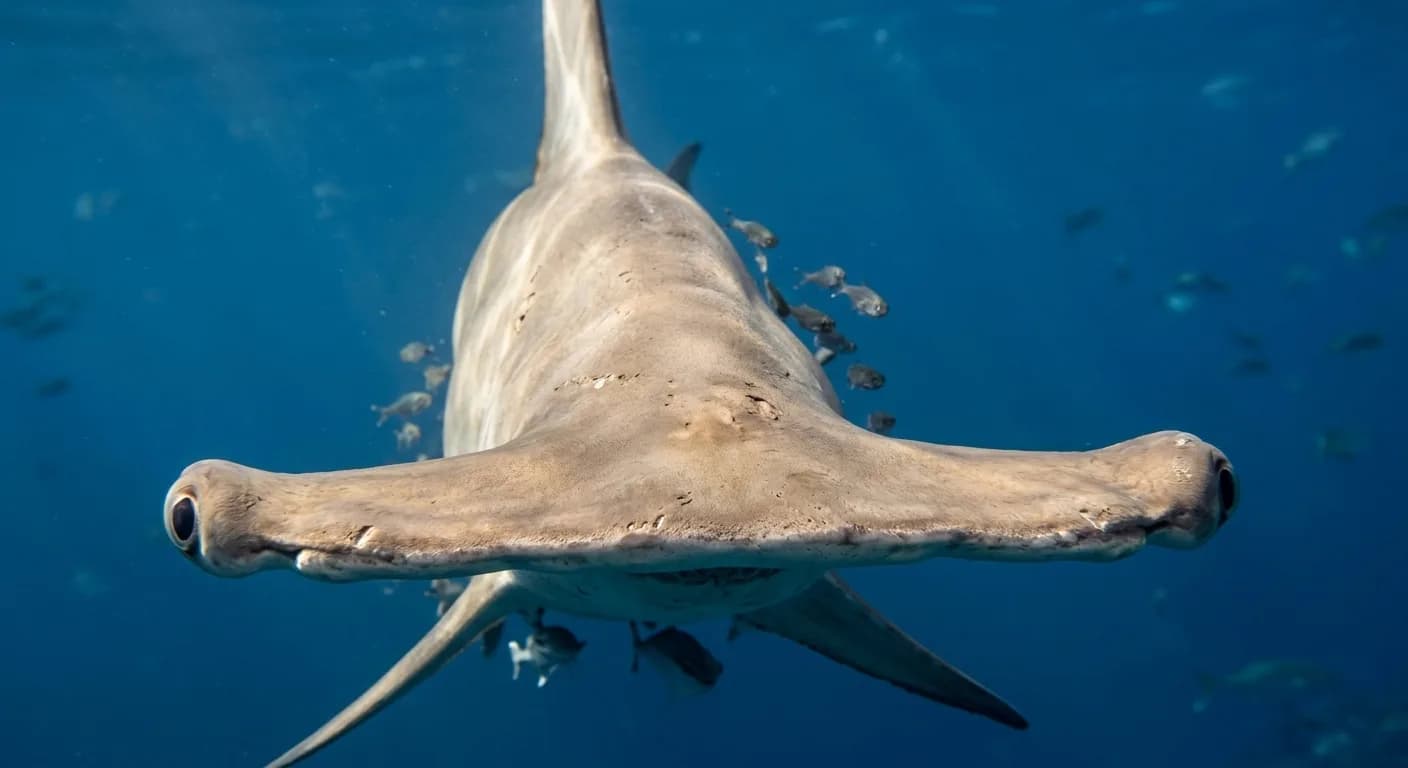
Scalloped HammerheadCritically Endangered

Scalloped Hammerhead

Sphyrna lewini

Now is a good time: Whale shark and hammerhead aggregation at Darwin and Wolf (June to November (cool season))

Similar countries

Where else might I want to travel?

Brazil

Same region: South America

Peru

Same region: South America

Colombia

Same region: South America

Venezuela

Same region: South America

Species documented in Ecuador

Filter
Class
Family
Habitat
Diet
Conservation

341 species found

Related guides

  • Threatened fish of Ecuador15 species
  • Threatened reptiles of Ecuador10 species
  • Birds of prey in Ecuador9 species
  • Fish in Ecuador7 species

Keep exploring

Based on what we already know about Ecuador.

ParkGalápagos National ParkDivingCape Marshall

Explore on the map

Interactive map

This page in other languages: Español · Deutsch · Français · Português · Italiano
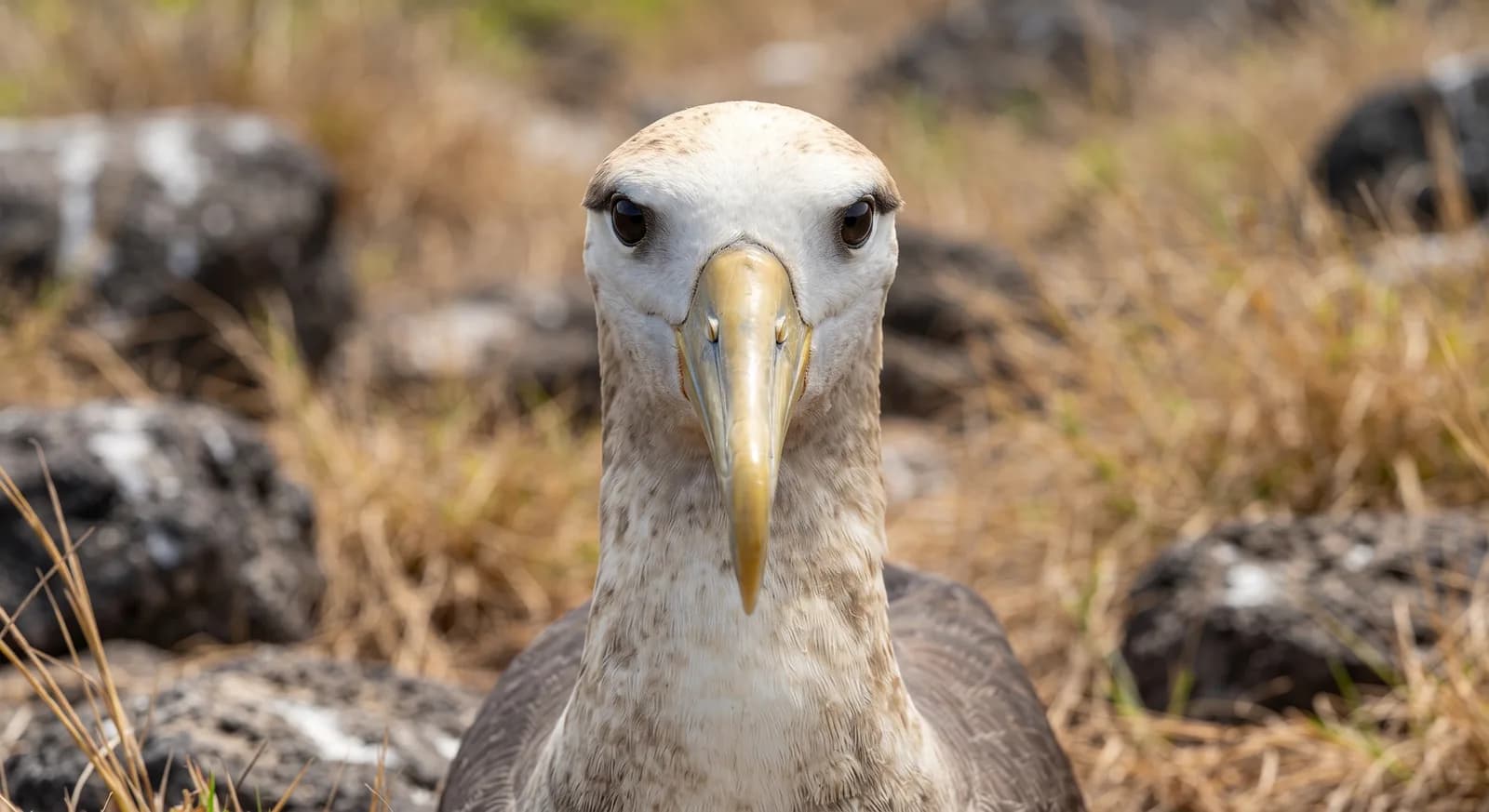
Waved AlbatrossCritically Endangered

Waved Albatross

Phoebastria irrorata

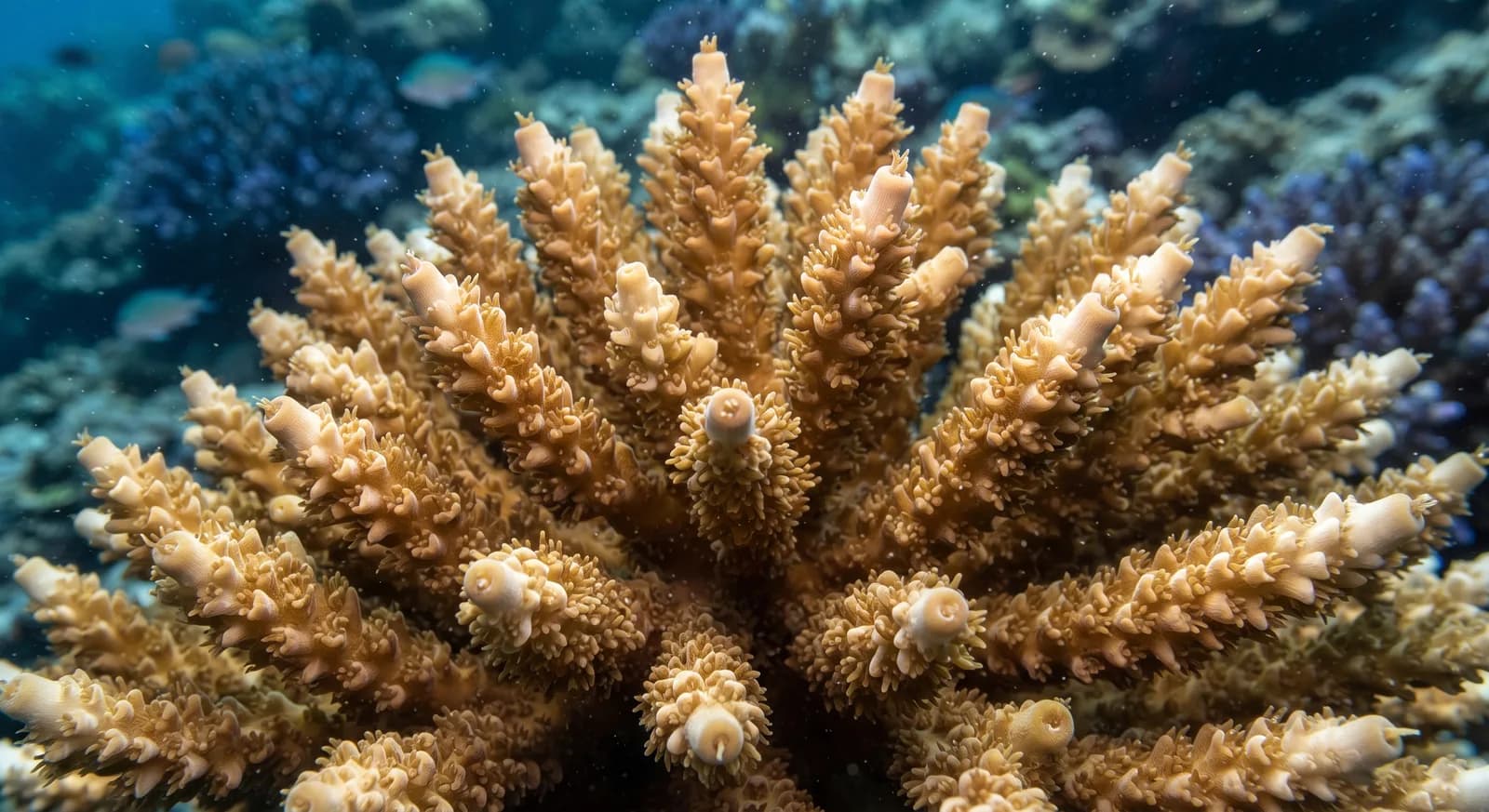
Staghorn CoralCritically Endangered

Staghorn Coral

Acropora cervicornis

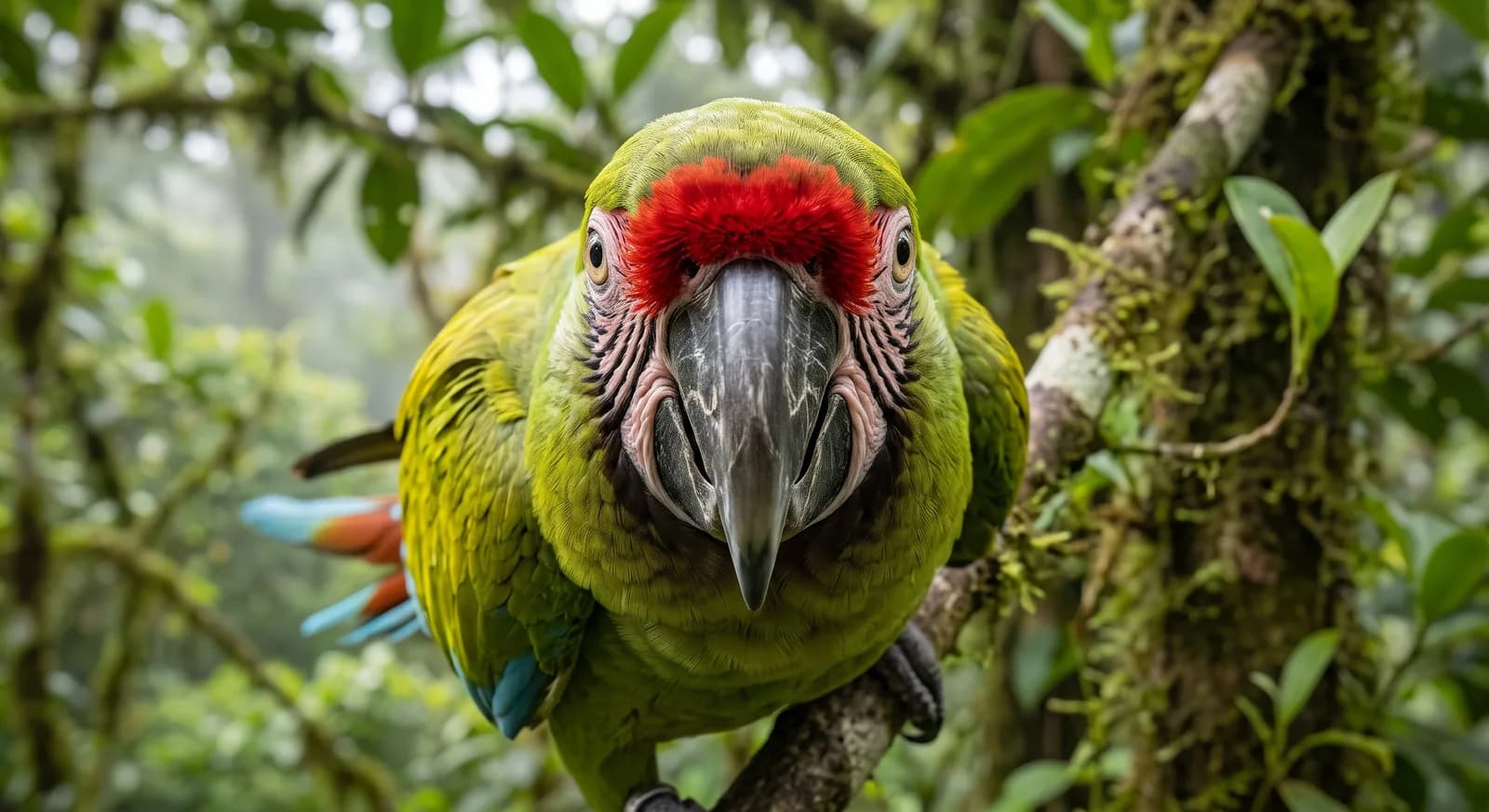
Great Green MacawCritically Endangered

Great Green Macaw

Ara ambiguus

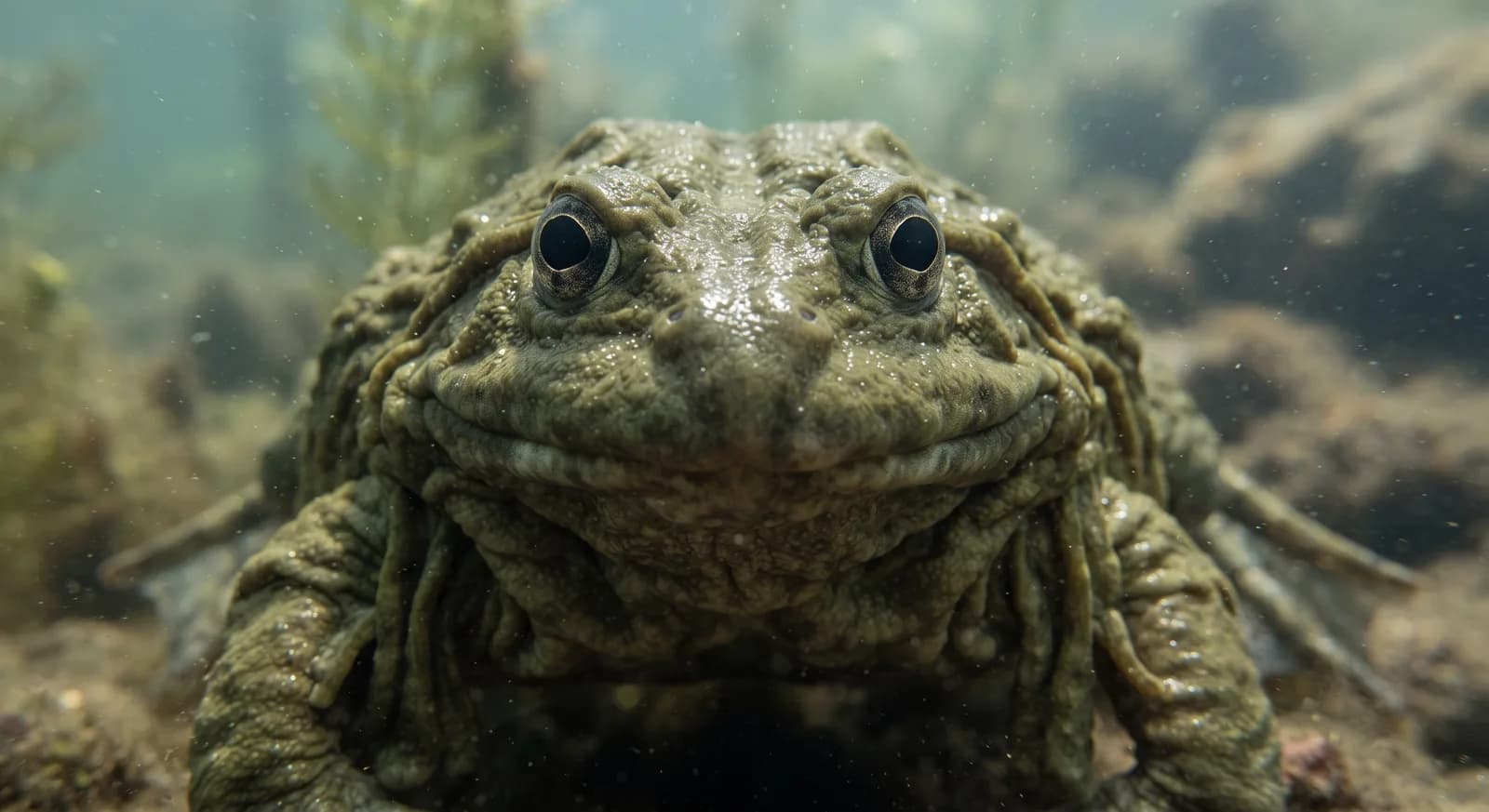
Titicaca Water FrogCritically Endangered

Titicaca Water Frog

Telmatobius culeus

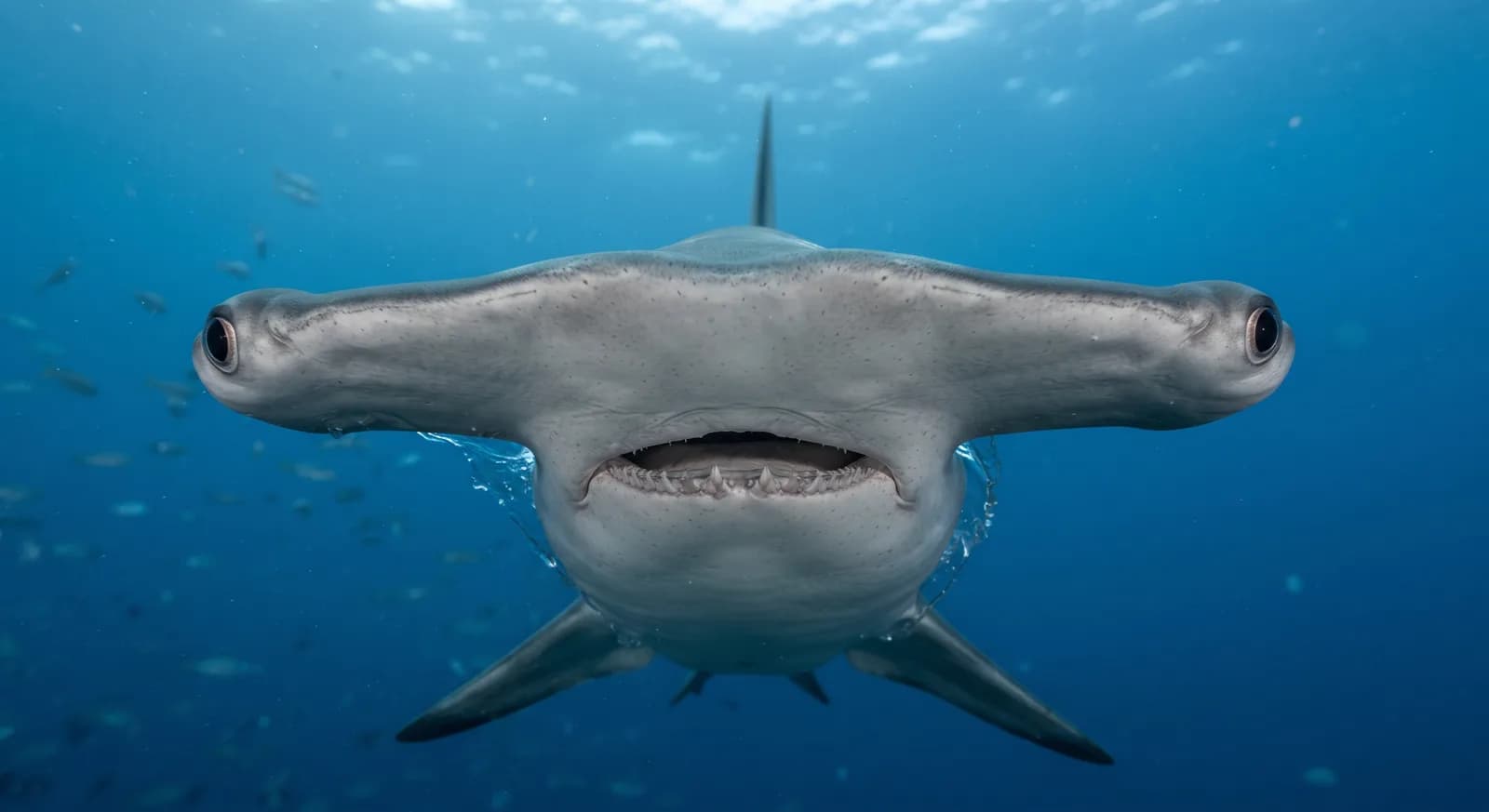
Great HammerheadCritically Endangered

Great Hammerhead

Sphyrna mokarran

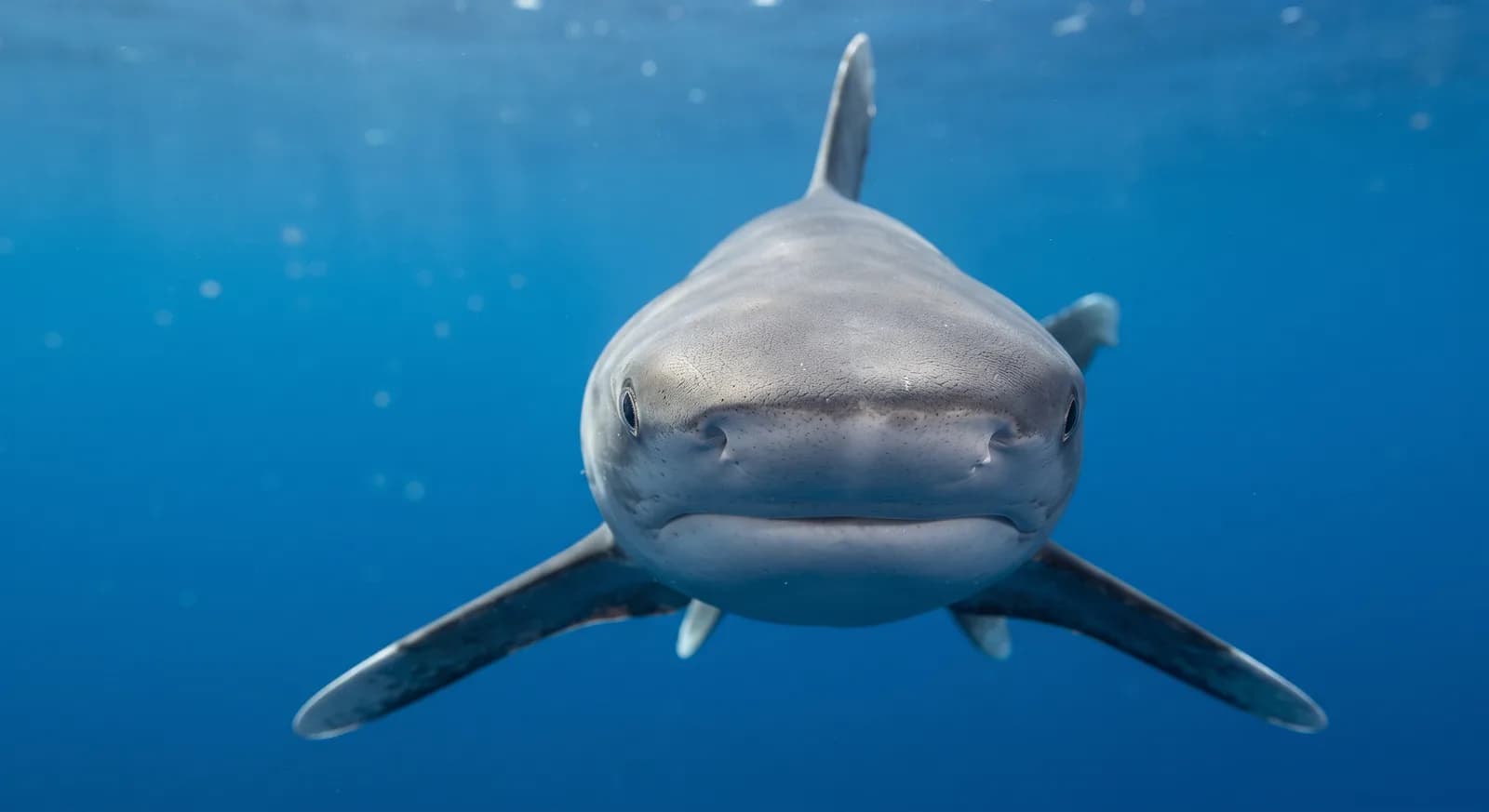
Oceanic Whitetip SharkCritically Endangered

Oceanic Whitetip Shark

Carcharhinus longimanus

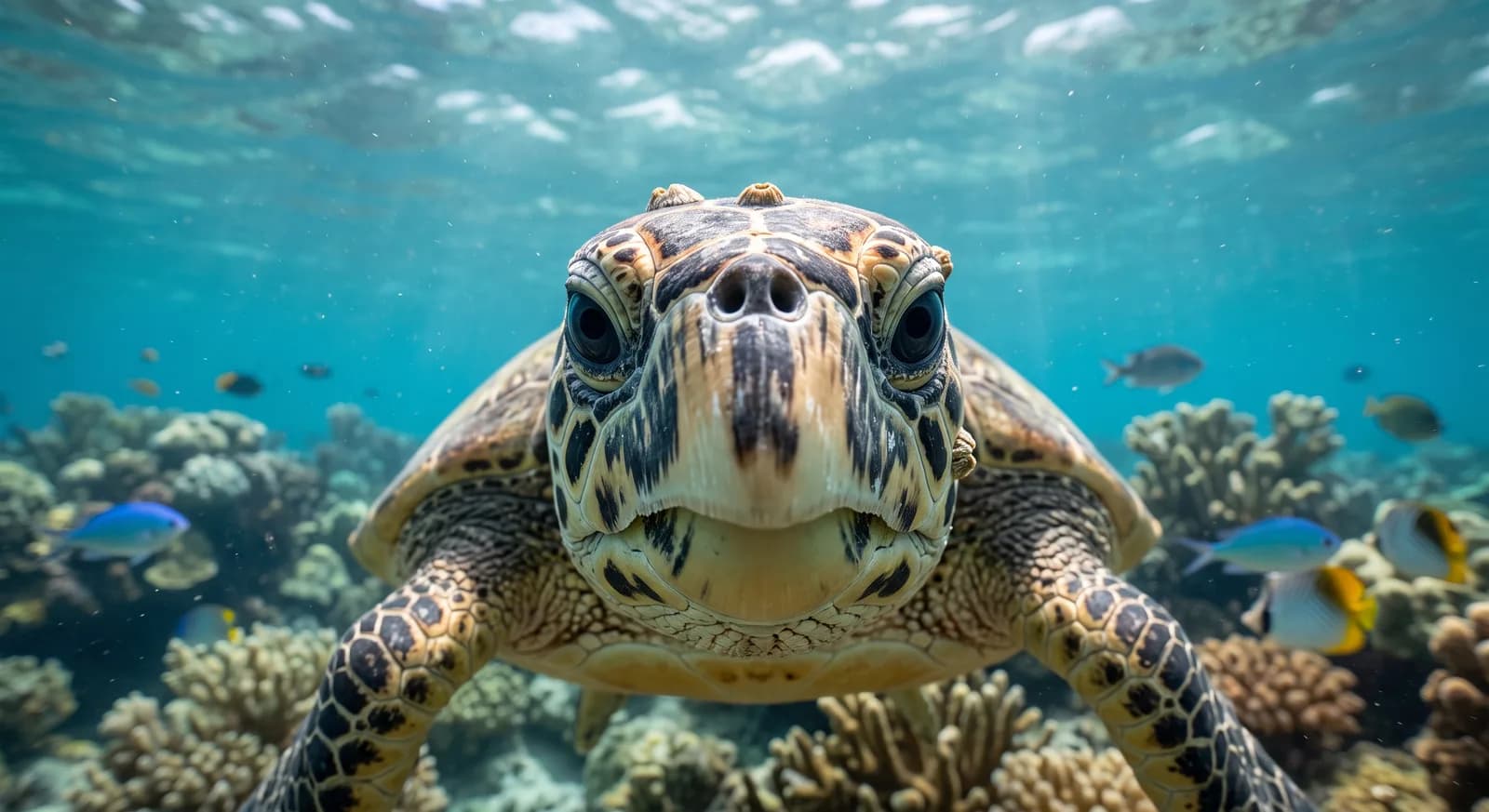
Hawksbill TurtleCritically Endangered

Hawksbill Turtle

Eretmochelys imbricata

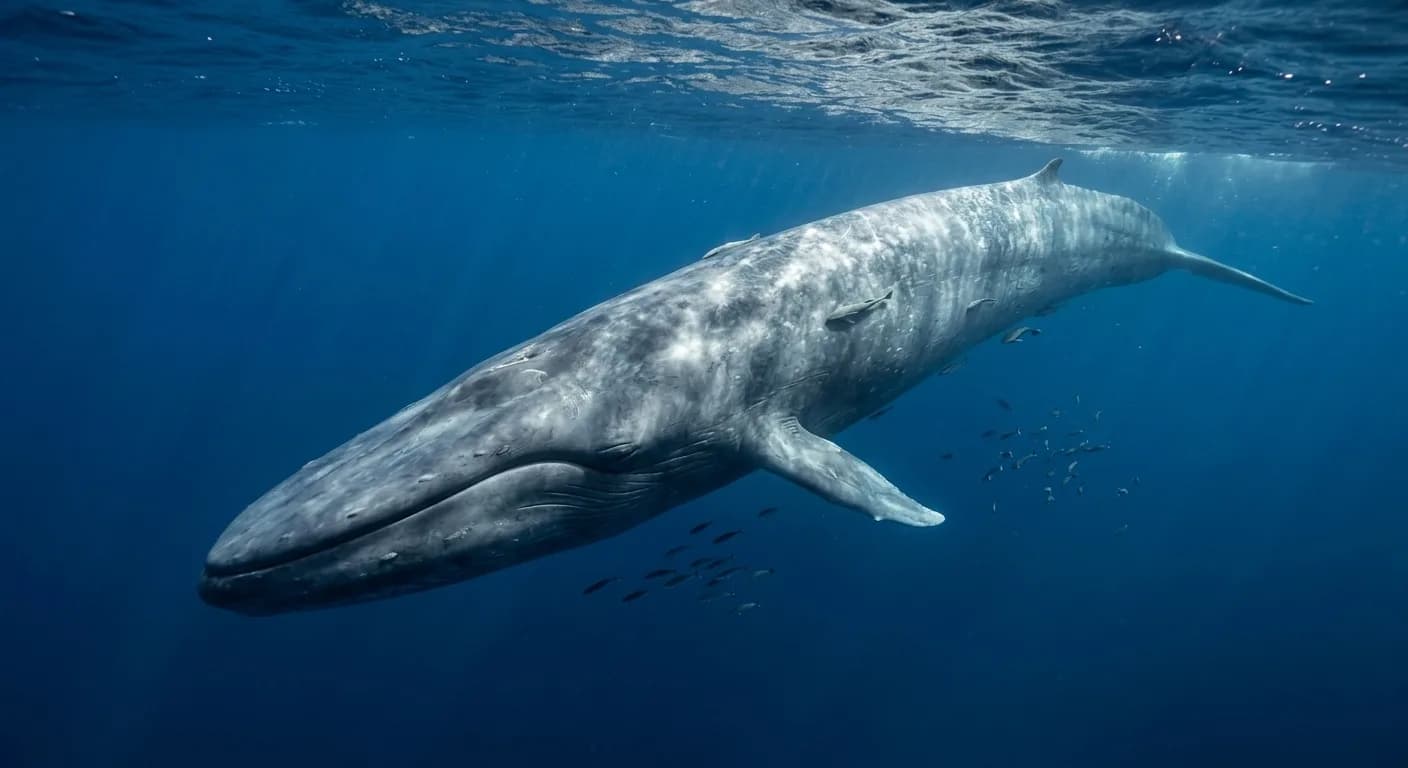
Blue WhaleEndangered

Blue Whale

Balaenoptera musculus

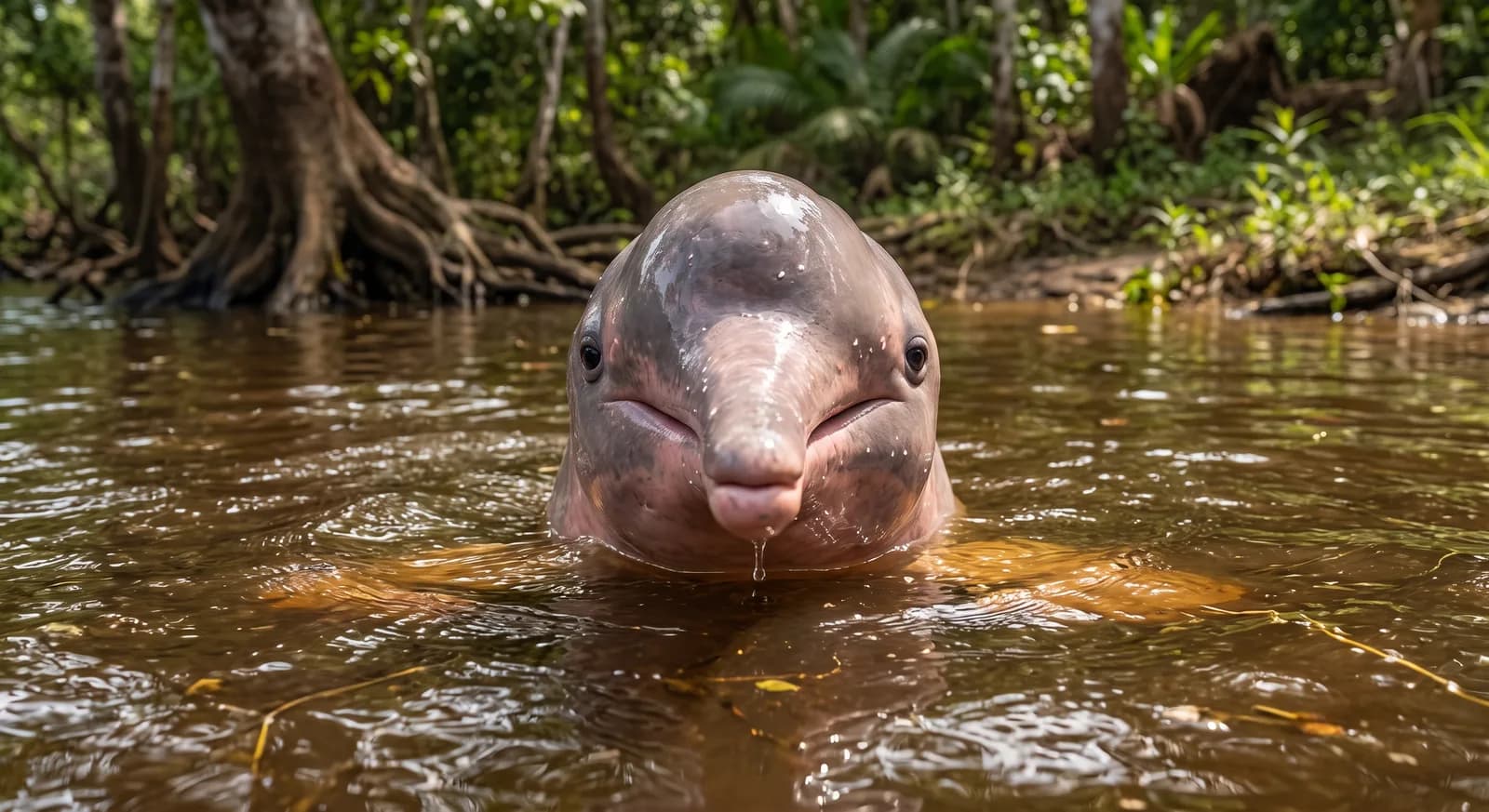
Amazon River DolphinEndangered

Amazon River Dolphin

Inia geoffrensis

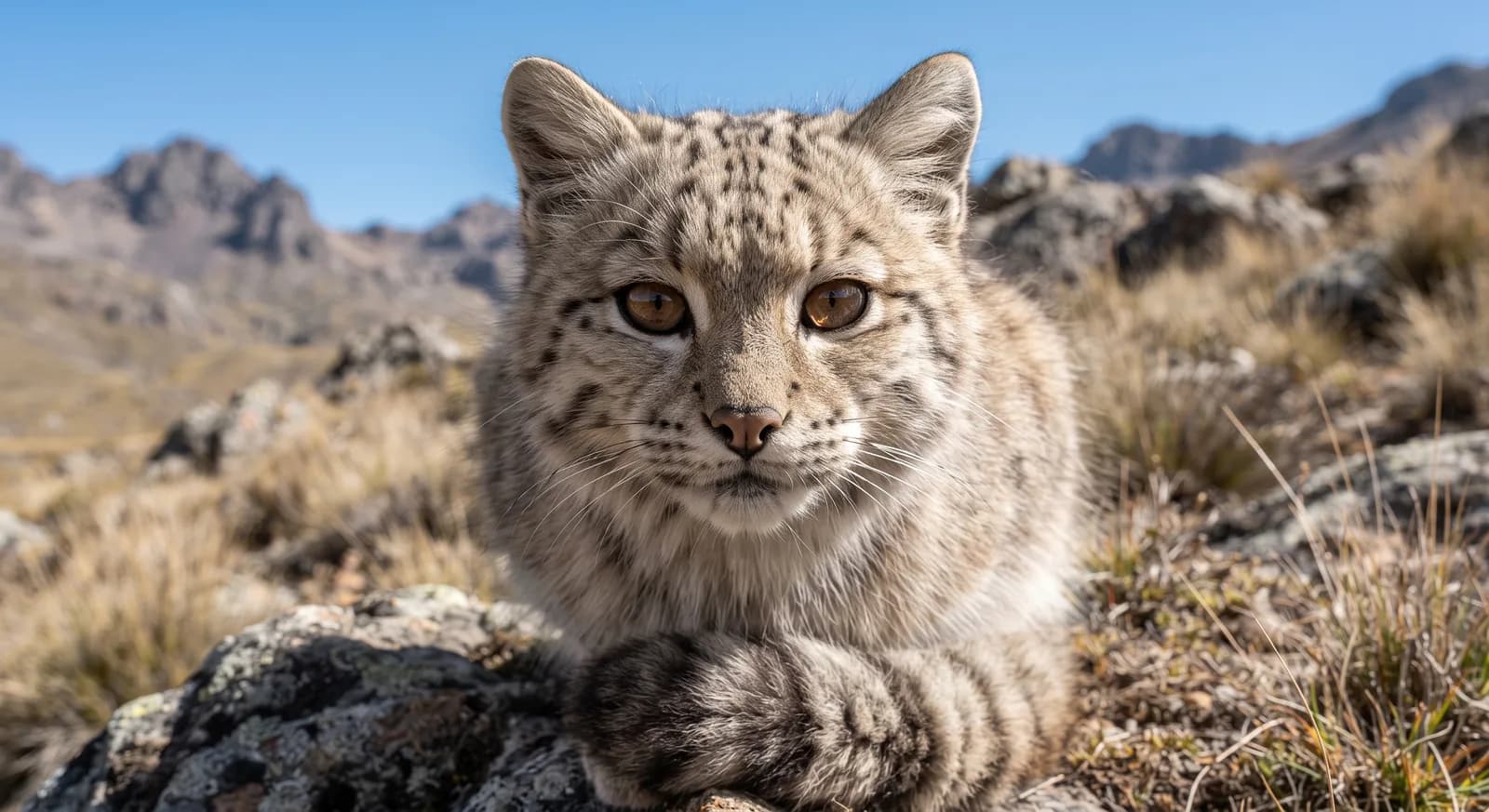
Andean CatEndangered

Andean Cat

Leopardus jacobita

Galapagos Sea LionEndangered

Galapagos Sea Lion

Zalophus wollebaeki

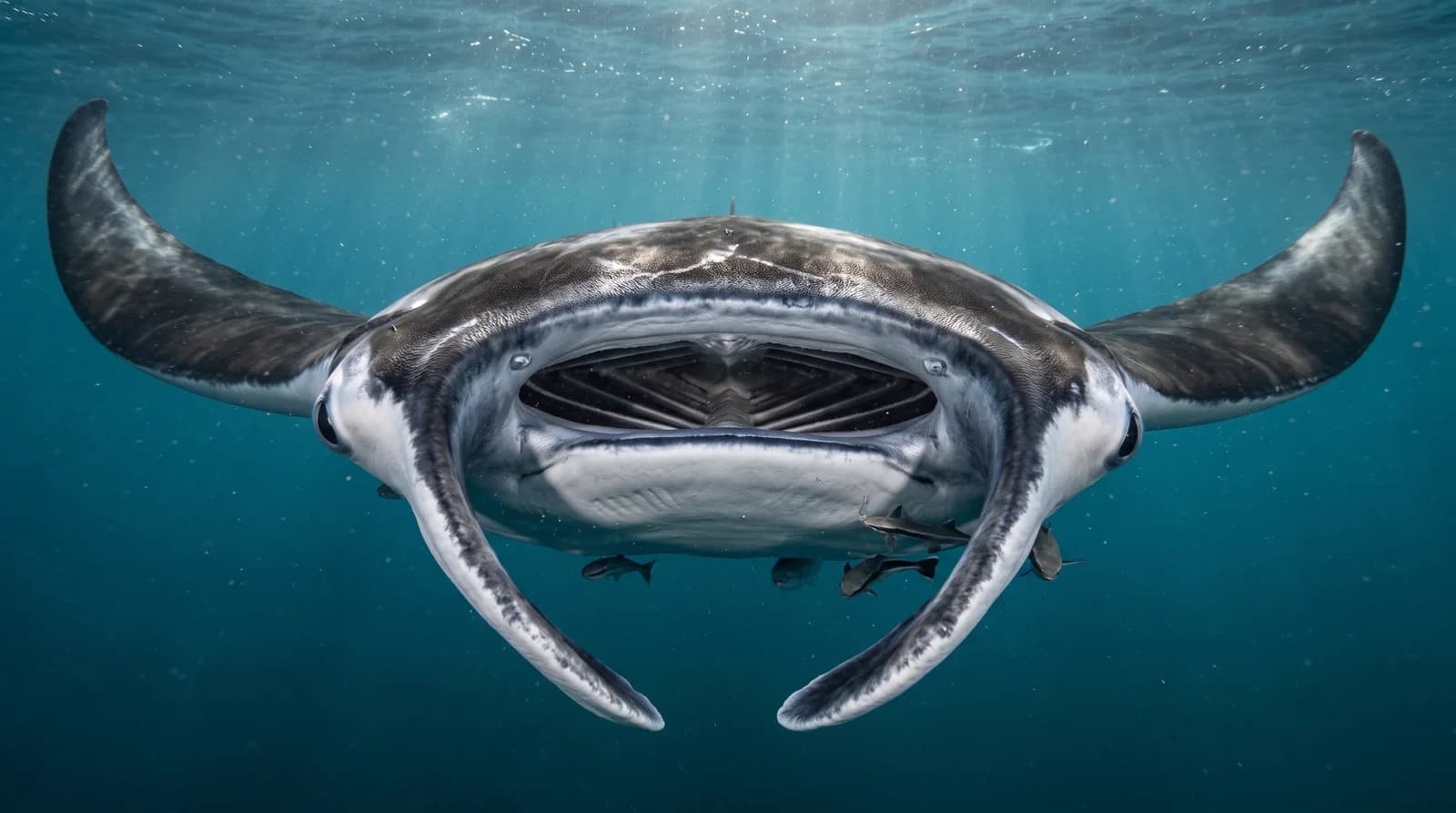
Giant MantaEndangered

Giant Manta

Mobula birostris

Page 1 of 29
Mountain
Tundra
Islands
Ocean