Skip to content
WAnimals
  • Map
  • Species
  • Parks
  • Diving
Log inCreate account
WAnimals

The guide for travellers and animal lovers: discover, plan and share your wild adventures around the world.

Discover wildlife

  • Species
  • Ecosystems
  • Glossary
  • Tags

Explore places

  • Map
  • Countries
  • Parks
  • Diving

Plan experiences

  • Guides

Learn

  • Blog

Resources

  • About us
  • How we build our profiles
  • Help centre
  • Contact
  • Install the app

Follow us

Account

  • Log in
  • Create account

© 2026 WAnimals. All rights reserved.

Terms of servicePrivacyCookiesLegal notice
MapSpeciesParksDiving
  1. Home
  2. Species
  3. Waved Albatross

One of the 5 albatrosses on WAnimals
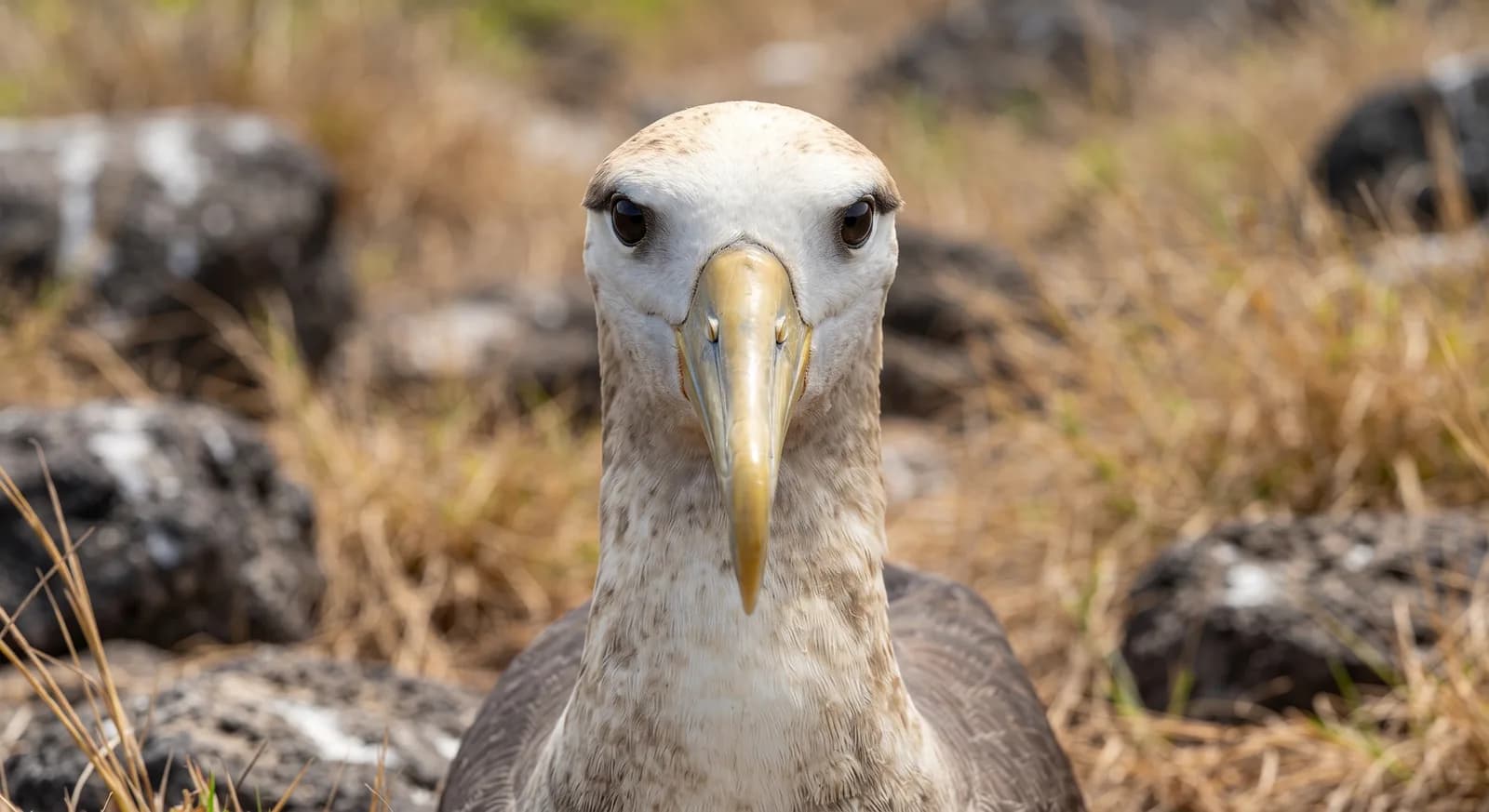
Waved Albatross (Phoebastria irrorata)

Birds · Procellariiformes · Diomedeidae

Waved Albatross

Phoebastria irrorata

Critically Endangered

At extremely high risk of imminent extinction in the wild.

Spotted something wrong?

The Galápagos albatross or waved albatross is the only member of the family Diomedeidae that lives in the tropics. It breeds only on Española Island in the Galápagos Islands, and on Isla de la Plata. The nests are built on lava fields. Outside the breeding season these birds live mainly off the coasts of Peru and Ecuador, and are vagrants to Chile and Colombia. This long-lived bird, which can reach 45 years of age, is one of the most efficient travellers thanks to its wingspan of up to 2.5 metres, built for gliding, with which it reaches speeds of 90 km an hour.

Weight

2.7 kg – 4 kg

Size

85 cm – 93 cm

Life expectancy
45 years

Diet

Carnivore

Feeds mainly on other animals.

Activity

Diurnal

Active mainly during the day.

Social structure

Colony

Lives in large concentrations, often for breeding reasons.

Estimated population

Around 35,000 individuals

OceanIslands
2countries1parks4same family

AI-generated images: illustrations, not photographs.

Fun facts

  • conservaciónIt breeds almost entirely on a single island of the archipelago, Española, which gives it one of the most restricted breeding ranges of any seabird in the world.
  • It is the only tropical albatross in the world, and its entire breeding population fits on an island of sixty square kilometres.
  • Its courtship dance includes a bill duel in which the pair clatter them together with a rattle audible from a distance, alternating bows and swaying and ending with both pointing at the sky: each pair perfects its own version over the years.
  • The birds roll their eggs along the ground during incubation, sometimes for several metres, a behaviour that has never been fully explained.

Life cycle and biology

Skeleton type
Vertebrate - internal bony skeleton (bird)
Habitat and environment
The Humboldt Current off Peru and Ecuador; breeds almost exclusively on Española island, in the Galápagos
Sexual maturity
8.3 years
Gestation / incubation
62 days of incubation
Litter / clutch size
1 egg

Sources consulted: Wikipedia (es): Phoebastria irrorata

Where to find it

Loading map…

The pins mark the parks where its presence is documented.

Where to see it

Parks and dive sites where this species has been documented.

Related species

Other species in the catalogue with the most in common with Waved Albatross — same habitat, park, country, tags or family.

Same taxonomic family
Shares a park
Shares a park
Shares a park

How to help

The waved albatross is classified as critically endangered. Organisations such as the IUCN, WWF and the Wildlife Conservation Society work specifically on its conservation and that of its habitat; looking into their programmes is a good starting point if you want to get involved.

It's documented in 1 protected area — one reason why protecting these places matters for its conservation.

Keep exploring

Based on what we already know about waved albatross.

Share an experience, a fun fact or a tip for seeing the waved albatross.
See full glossary
This page in other languages: Español · Deutsch · Français · Português · Italiano
See its range on the interactive map→
Galápagos National ParkEcuador
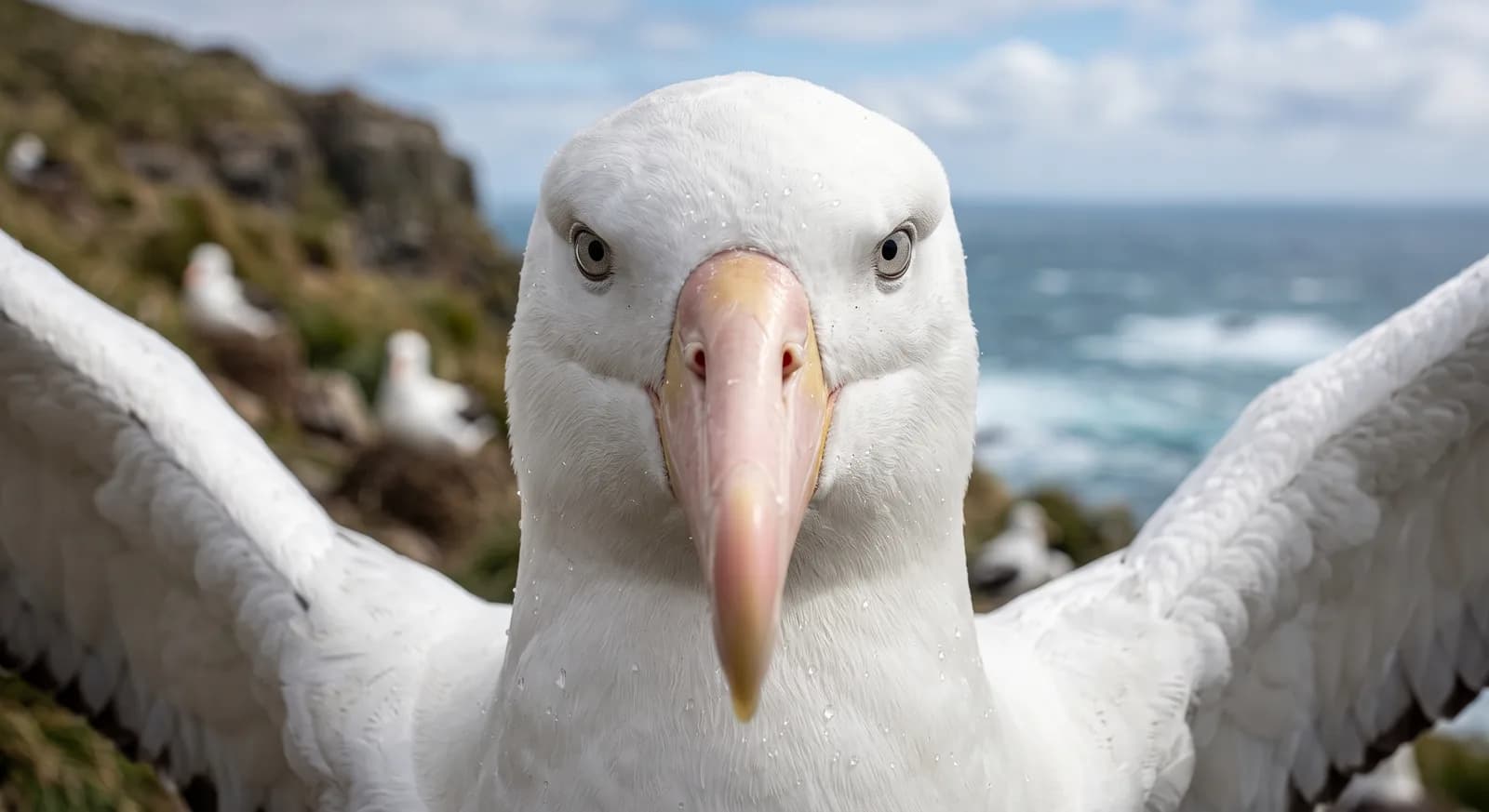
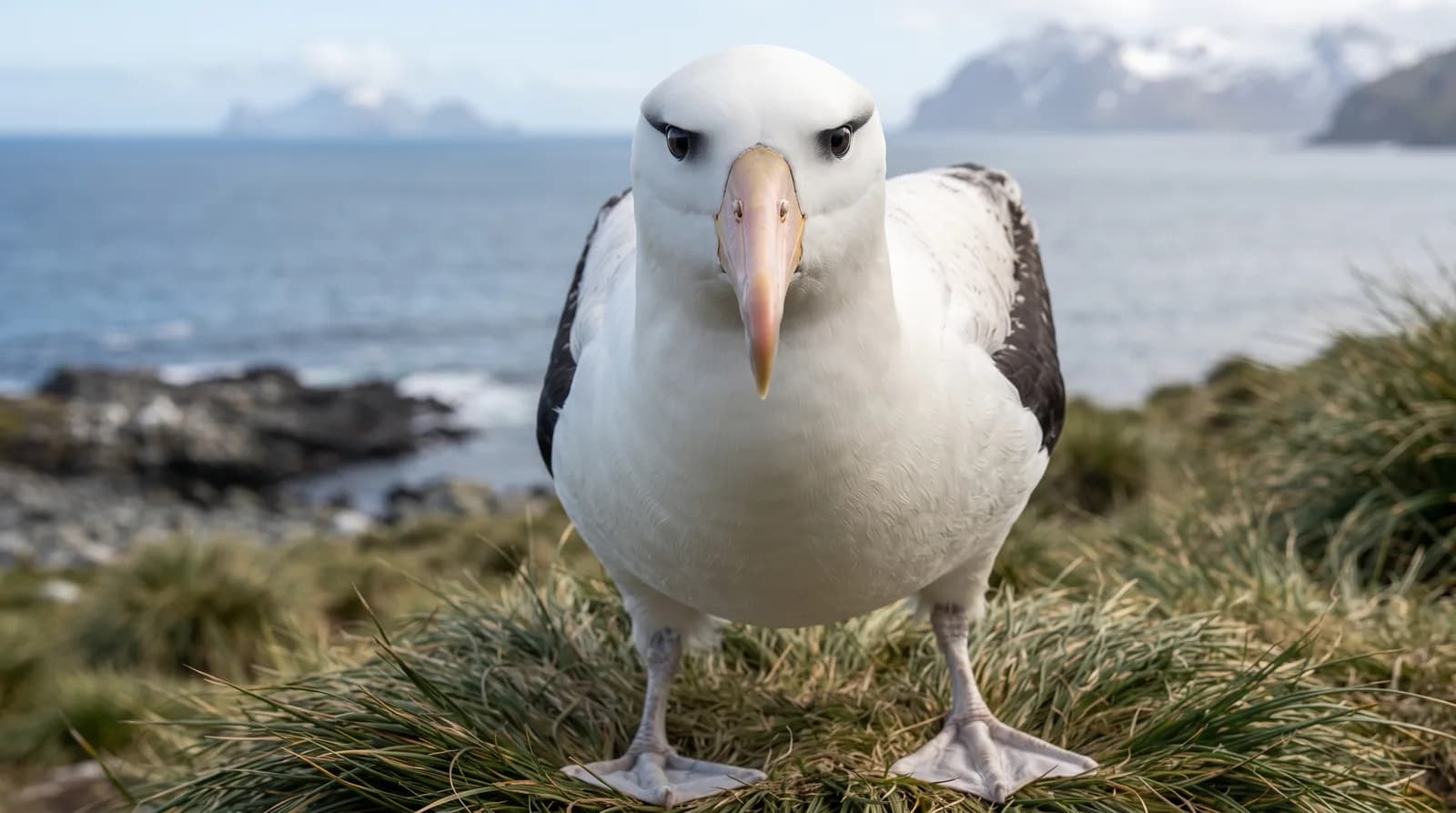
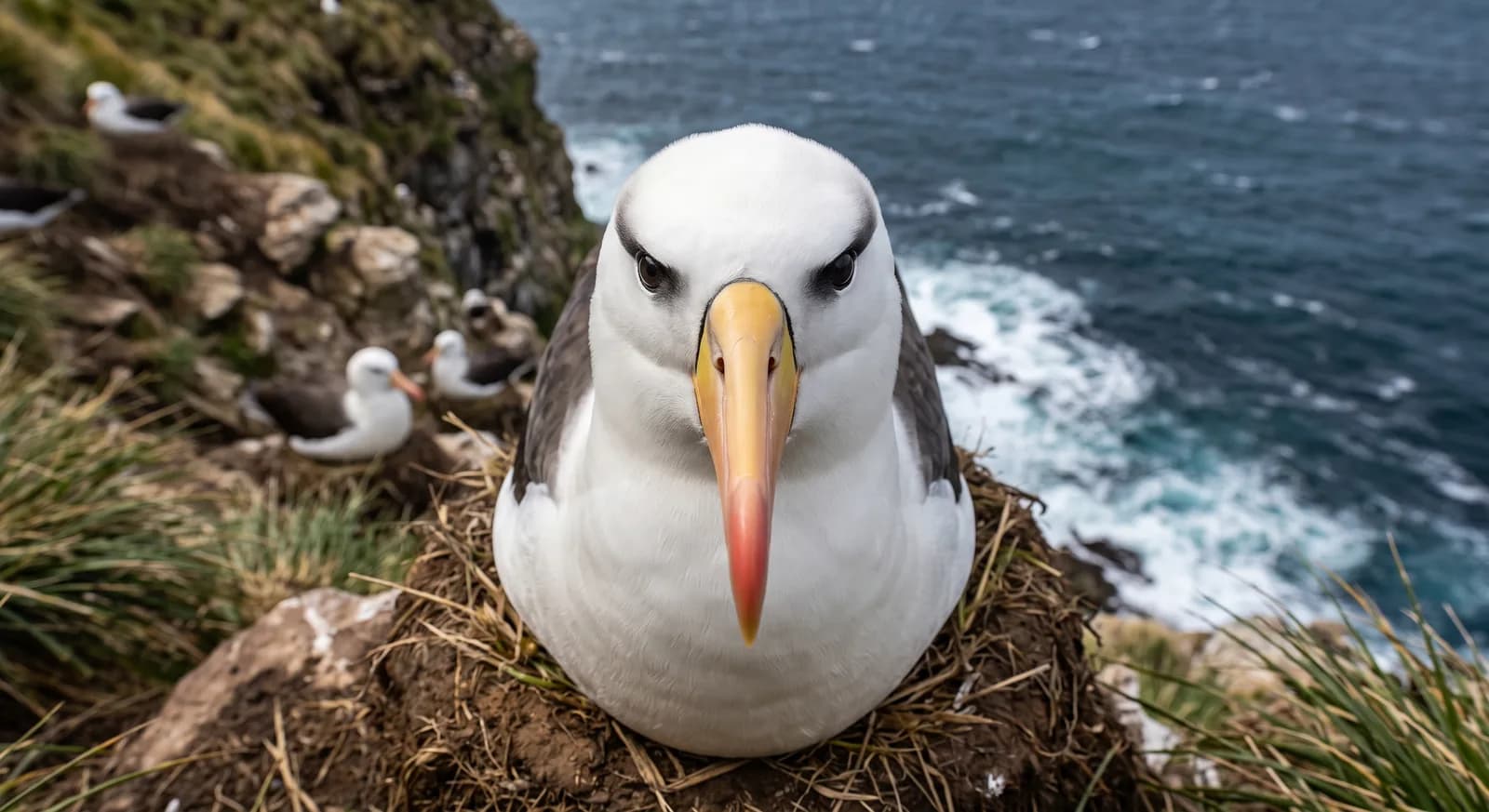
Black-browed AlbatrossLeast Concern

Black-browed Albatross

Thalassarche melanophris

Southern Royal AlbatrossVulnerable

Southern Royal Albatross

Diomedea epomophora

Wandering AlbatrossVulnerable

Wandering Albatross

Diomedea exulans

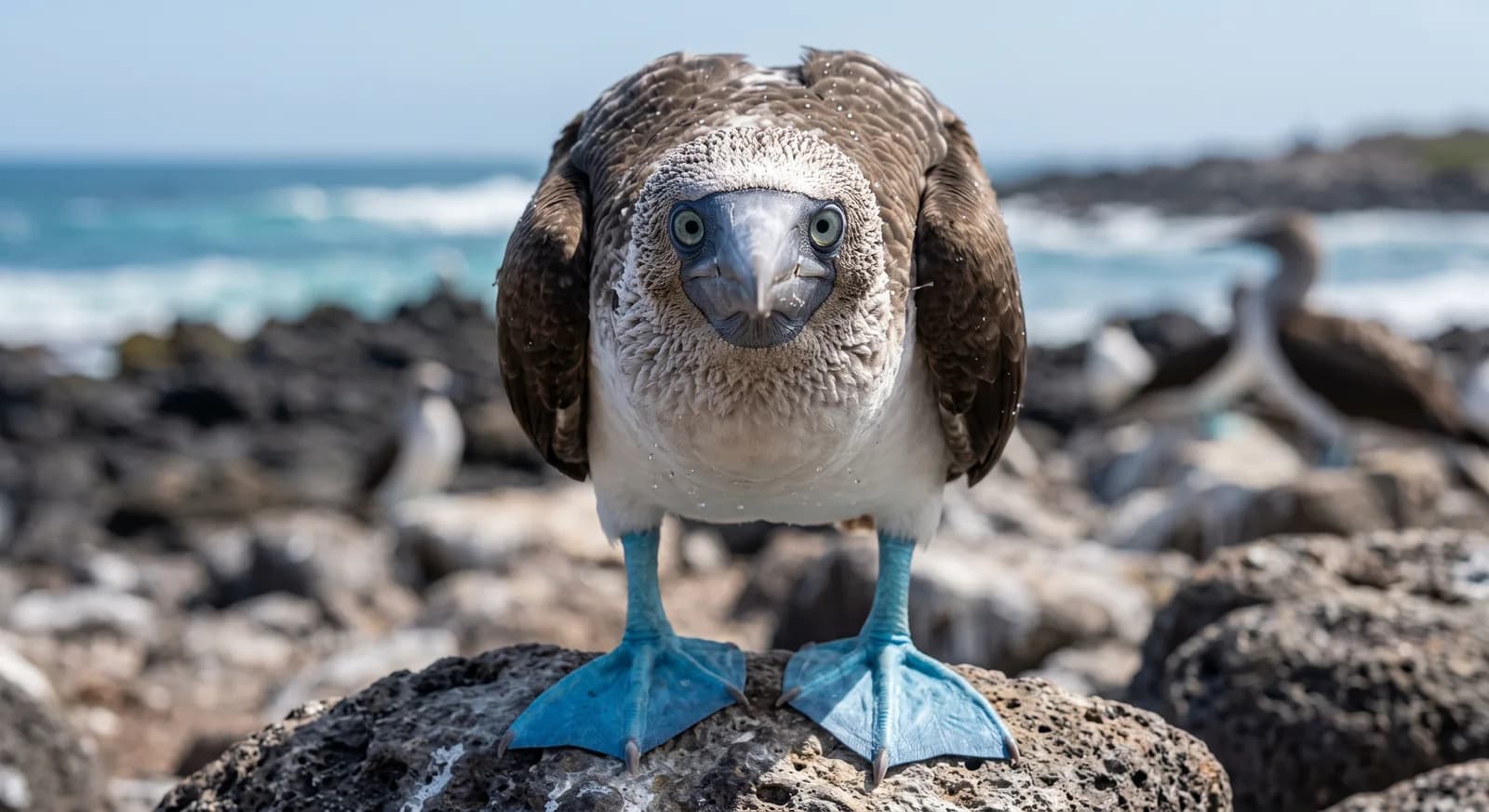
Blue-footed BoobyLeast Concern

Blue-footed Booby

Sula nebouxii

Vulnerable

Flightless Cormorant

Nannopterum harrisi

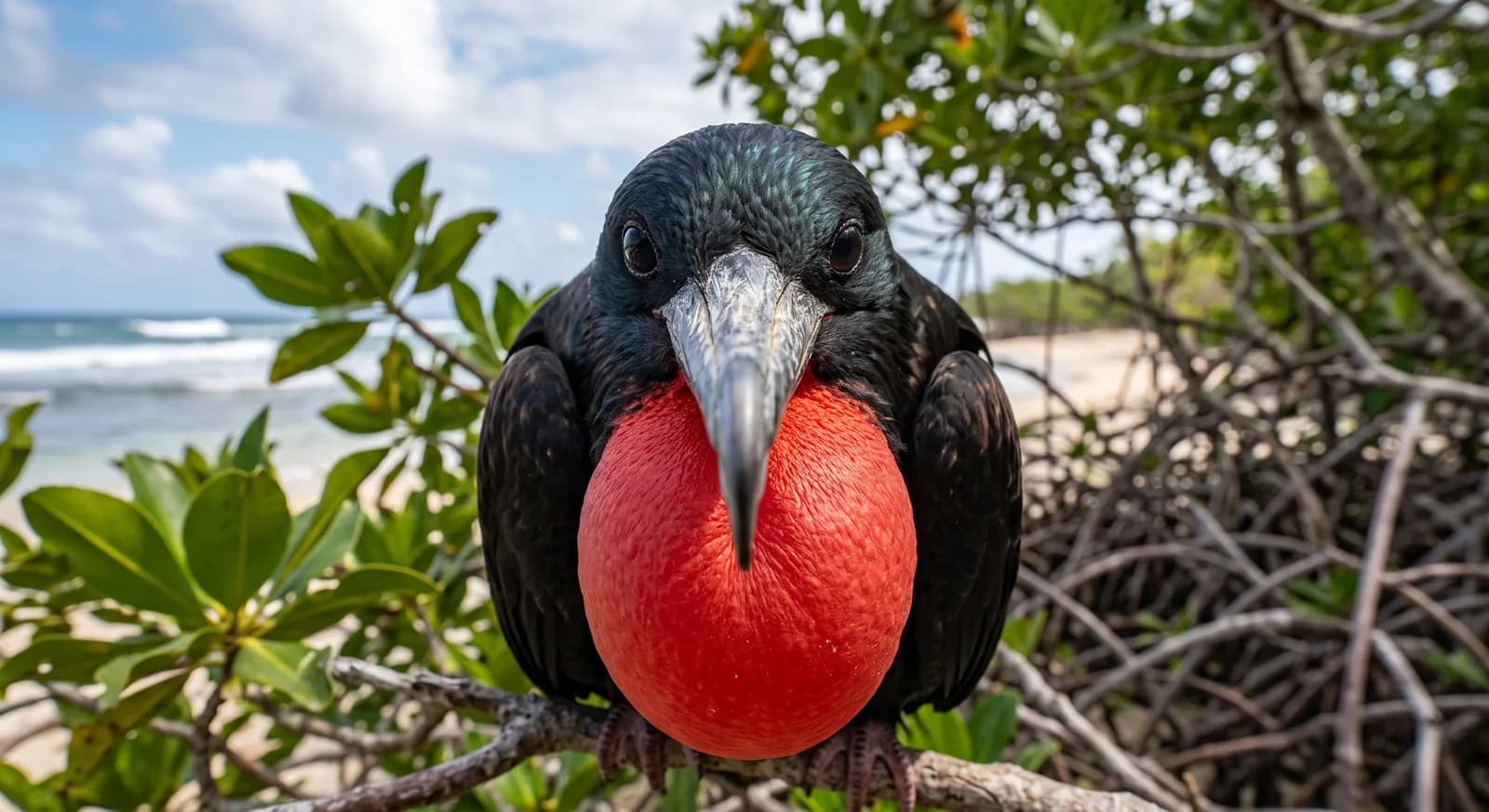
Magnificent FrigatebirdLeast Concern

Magnificent Frigatebird

Fregata magnificens

CountriesEcuador
ParksGalápagos National ParkEcuador
TagsCarnivore
Carnivore
Diurnal
Colonial
Critically Endangered
Bird
Ocean
Islands
Ecuador
Peru