Skip to content
WAnimals
  • Map
  • Species
  • Parks
  • Diving
Log inCreate account
WAnimals

The guide for travellers and animal lovers: discover, plan and share your wild adventures around the world.

Discover wildlife

  • Species
  • Ecosystems
  • Glossary
  • Tags

Explore places

  • Map
  • Countries
  • Parks
  • Diving

Plan experiences

  • Guides

Learn

  • Blog

Resources

  • Help centre
  • Contact
  • Install the app

Follow us

Account

  • Log in
  • Create account

© 2026 WAnimals. All rights reserved.

About usHow we build our profilesTerms of servicePrivacyLegal notice
MapSpeciesParksDiving
  1. Home
  2. countries
  3. Peru

Peru

South America

Capital: LimaMay to October

321

Documented species

14

Parks and reserves

3

Dive sites

Peru is arranged in three parallel bands: a desert coast washed by the cold Humboldt Current, the Andean sierra with the largest tropical mountain range in the world and its glaciers, and the Amazon rainforest, which covers more than half the country. That cold current generates one of the most productive seas on the planet and sustains immense seabird colonies and the largest single-species fishery in the world, that of the anchoveta. In the Amazon, Manu and Tambopata bring together a number of bird and butterfly species hard to match, with clay licks where hundreds of macaws and parrots gather each morning to take in minerals. In the Andes live vicuñas, condors and Andean bears.

Nature in Peru

National animal: The vicuña, the national animal, on the coat of arms; the Andean cock-of-the-rock is the national bird

Did you know?

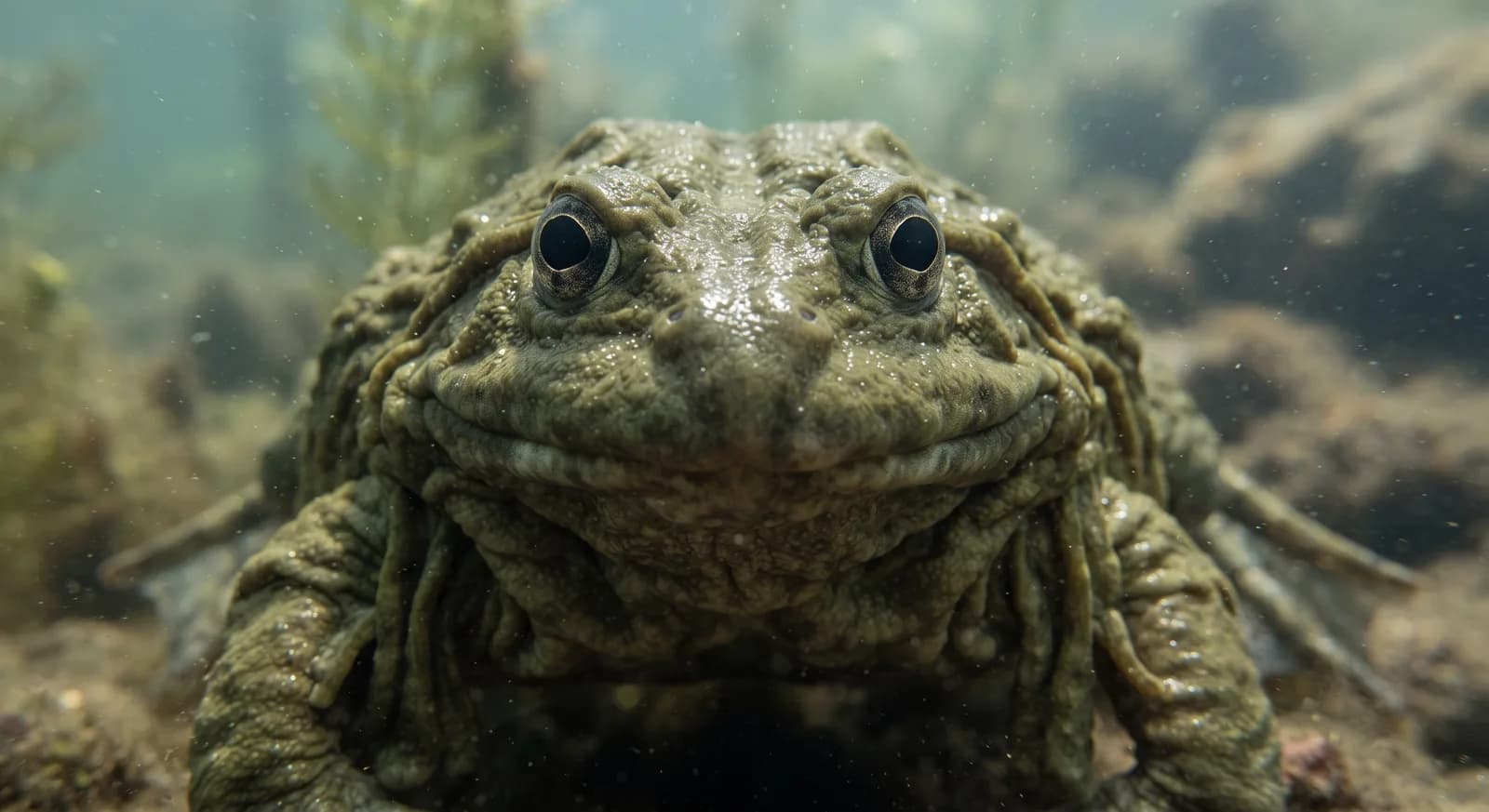
The Titicaca water frog lives at almost four thousand metres and never comes to the surface to breathe. It has solved the shortage of oxygen in cold high-altitude water with an enormous baggy skin, gathered into folds that multiply its surface area and through which it absorbs oxygen directly. When it needs to, it rocks back and forth on the bottom to refresh the water around those folds, like someone fanning themselves.

Biodiversity profile

Conservation

The guano of the coastal islands, piled up over centuries by millions of seabirds thanks to the productivity of the Humboldt Current, supported a nineteenth-century fertiliser industry that financed the state and is today harvested under regulation every few years. The vicuña recovered from a few thousand animals through community shearing.

Where and when to watch wildlife

The clay licks of Tambopata and Manu at dawn for macaws. The Colca canyon in the morning for condors. Paracas and the Ballestas islands year-round for seabirds and sea lions.

Natural phenomena in Peru

  • Macaw clay licks at Tambopata — November to April (highest numbers, depending on source)
  • Best time to see Amazon river dolphins — June to November (low-water season)

Parks and reserves

National Park

Huascaran

It protects 27 snow peaks above 6,000 metres in the Cordillera Blanca, the highest tropical range in the world

See park
National Park

Manu

The only national park in Latin America running unbroken from lowland Amazon rainforest up to high-mountain puna

See park
National Park

Río Abiseo

A dual UNESCO listing, natural and cultural; it holds the archaeological site of Gran Pajatén, a pre-Inca citadel lost in the forest

See park
World Heritage Site (Mixed)

Historic Sanctuary of Machu Picchu

The Inca citadel and the cloud forest around it, one of the first mixed properties inscribed by UNESCO.

See park
National Park

Cerros de Amotape

Peru's largest protected equatorial dry forest, the core of the country's first biosphere reserve.

See park
National Reserve

Paracas

The only large coastal and marine reserve in the Peruvian desert; home to one of the greatest guano bird colonies in the Pacific

See park
National Park

Alto Purús

Peru's largest national park; the land of several indigenous peoples in voluntary isolation, with no contact with the rest of society

See park
National Park

Bahuaja-Sonene

It holds the largest stretch of protected tropical wet savannah in the Peruvian Amazon, the Pampas del Heath

See park
National Park

Cordillera Azul

One of Peru's largest and least explored national parks, with all but untouched ecosystems

See park
National Park

Cutervo

Peru's first national park, declared in 1961 to protect caves inhabited by the oilbird, a nocturnal bird that uses echolocation

See park
National Reserve

Pacaya-Samiria National Reserve

The largest protected area in the Peruvian Amazon; known as "the forest of mirrors" for water so still it reflects the surrounding trees

See park
National Reserve

Tambopata

One of the largest macaw clay licks in the world, with hundreds of birds gathering every day

See park
National Park

Tingo María

One of Peru's first national parks, with the Sleeping Beauty ridge and a cave of oilbirds.

See park
National Park

Yanachaga-Chemillen

Founded after a direct request from the Austro-German settlers of Pozuzo and Oxapampa, descendants of 19th-century European immigrants

See park

Diving and snorkelling

Cold rocky reef

Ballestas Islands

Cold Humboldt Current water with abundant marine life, nicknamed "the Peruvian Galápagos".

See dive site
High-altitude lake

Lake Titicaca

The highest navigable lake in the world (3,812 m), with special decompression procedures because of the extreme altitude.

See dive site
Tropical rocky reef

Máncora

The only stretch of warm tropical water on the Peruvian coast, thanks to the influence of the El Niño current.

See dive site

Wildlife you can see now

What is worth looking out for this month in Peru?
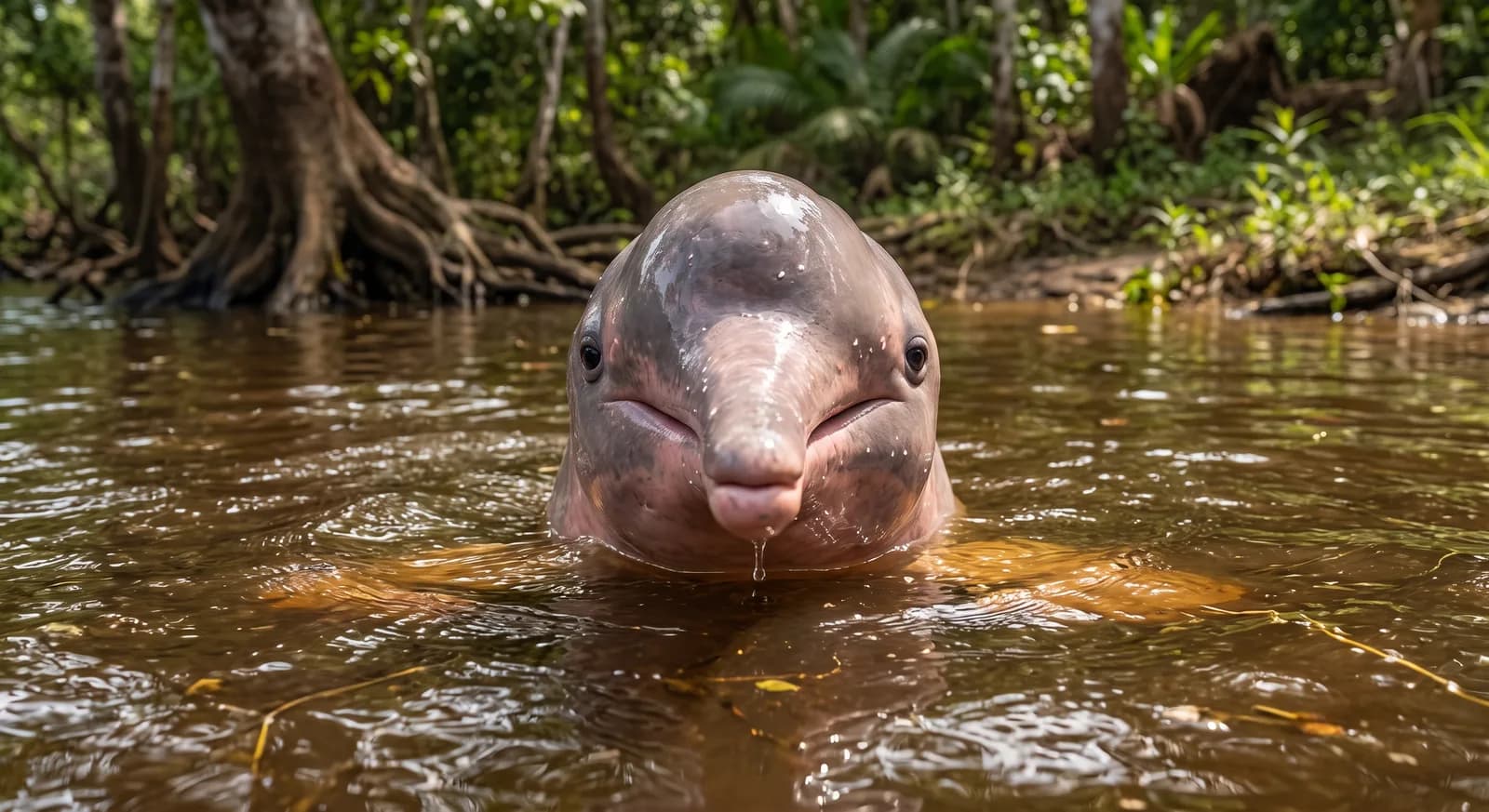
Amazon River DolphinEndangered

Amazon River Dolphin

Inia geoffrensis

Now is a good time: Best time to see Amazon river dolphins (June to November (low-water season))

Similar countries

Where else might I want to travel?

Brazil

Same region: South America

Ecuador

Same region: South America

Argentina

Same region: South America

Colombia

Same region: South America

Species documented in Peru

Filter
Class
Family
Habitat
Diet
Conservation

321 species found

Related guides

  • Threatened species of Peru45 species
  • Threatened mammals of Peru23 species
  • Threatened birds of Peru11 species
  • Birds of prey in Peru9 species
  • Primates in Peru8 species
  • Reptiles in Peru7 species

Keep exploring

Based on what we already know about Peru.
ParkHuascaranDivingBallestas Islands

Explore on the map

Interactive map

This page in other languages: Español · Deutsch · Français · Português · Italiano
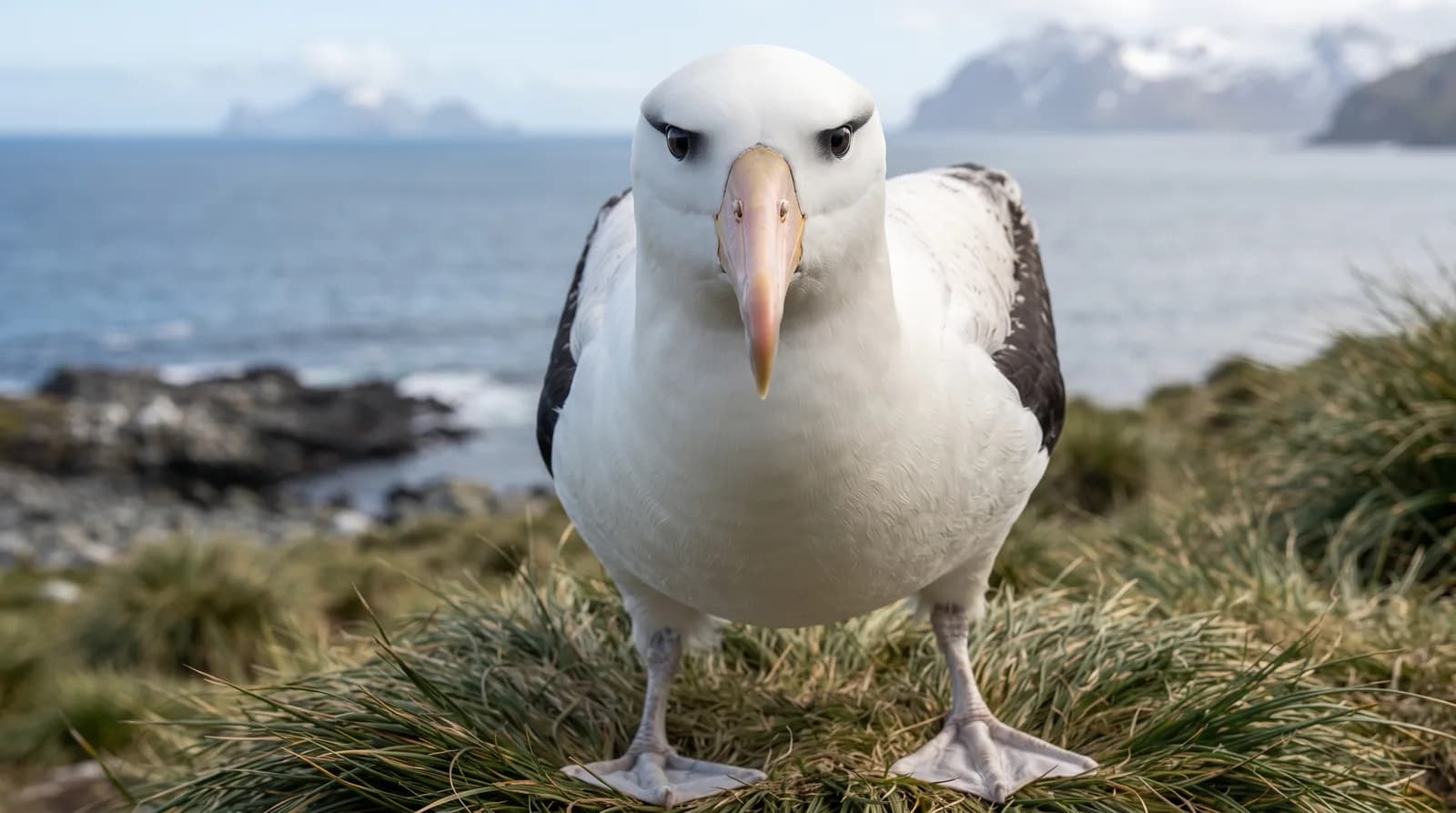
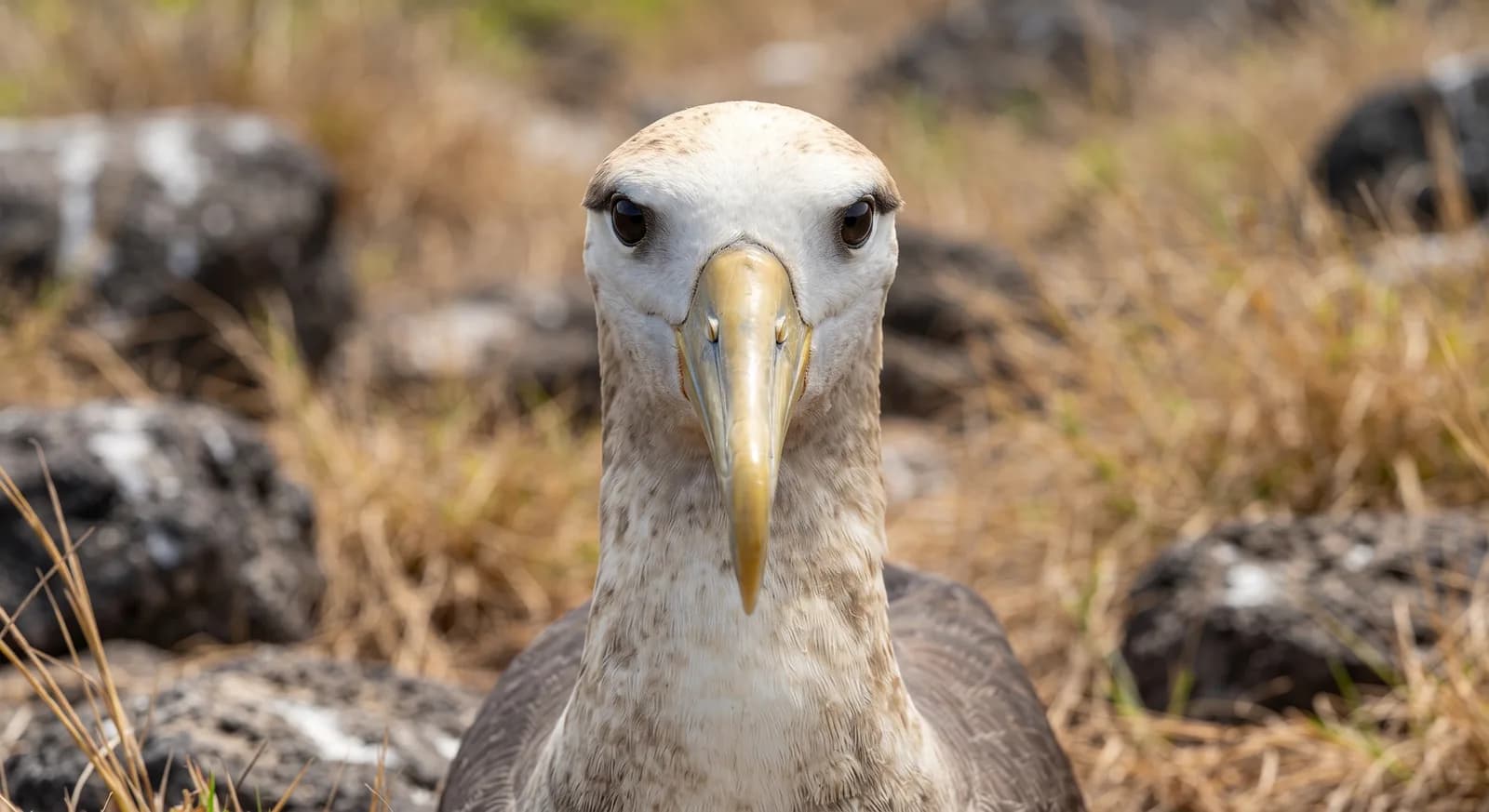
Waved AlbatrossCritically Endangered

Waved Albatross

Phoebastria irrorata

Titicaca Water FrogCritically Endangered

Titicaca Water Frog

Telmatobius culeus

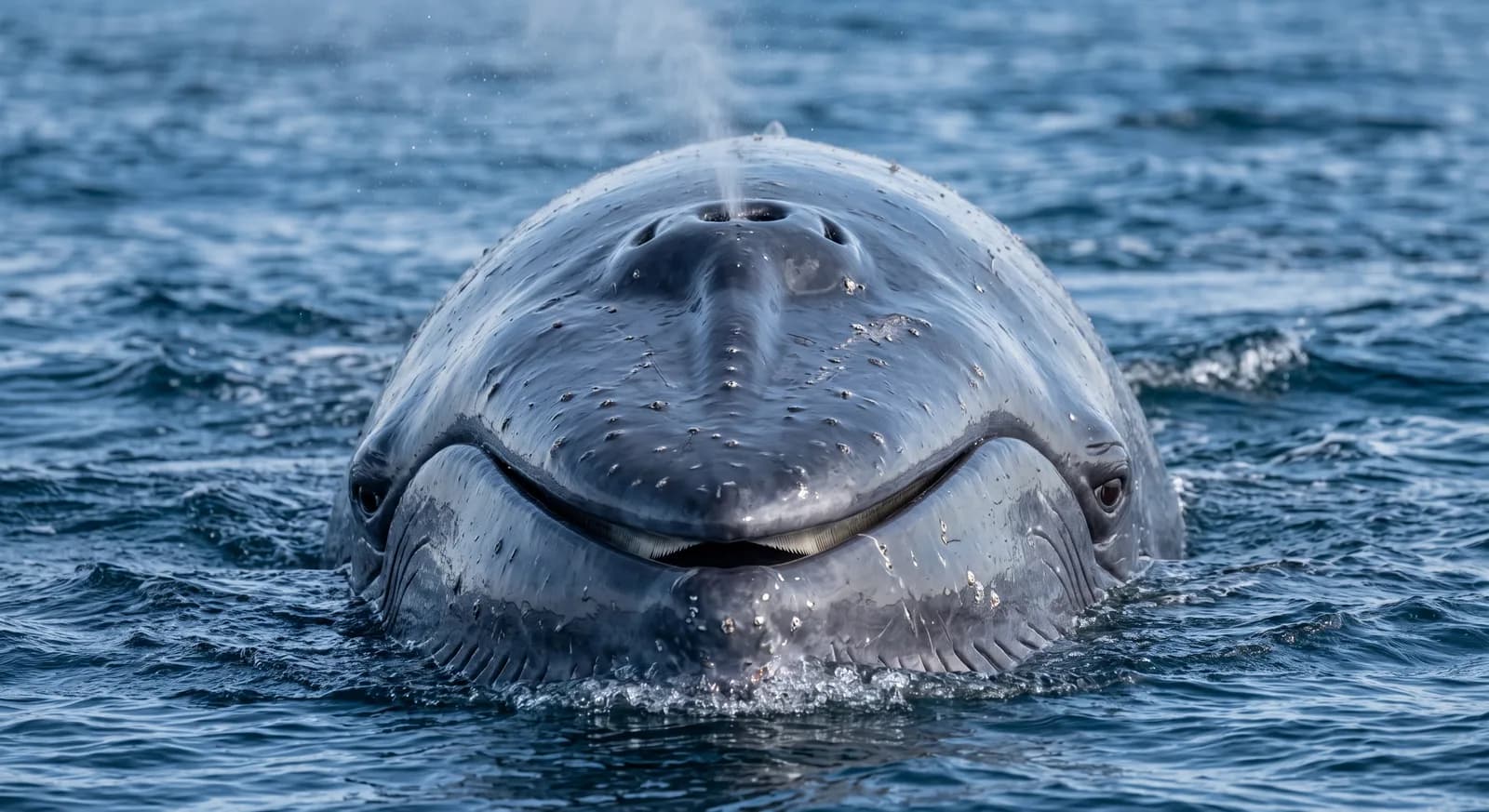
Blue WhaleEndangered

Blue Whale

Balaenoptera musculus

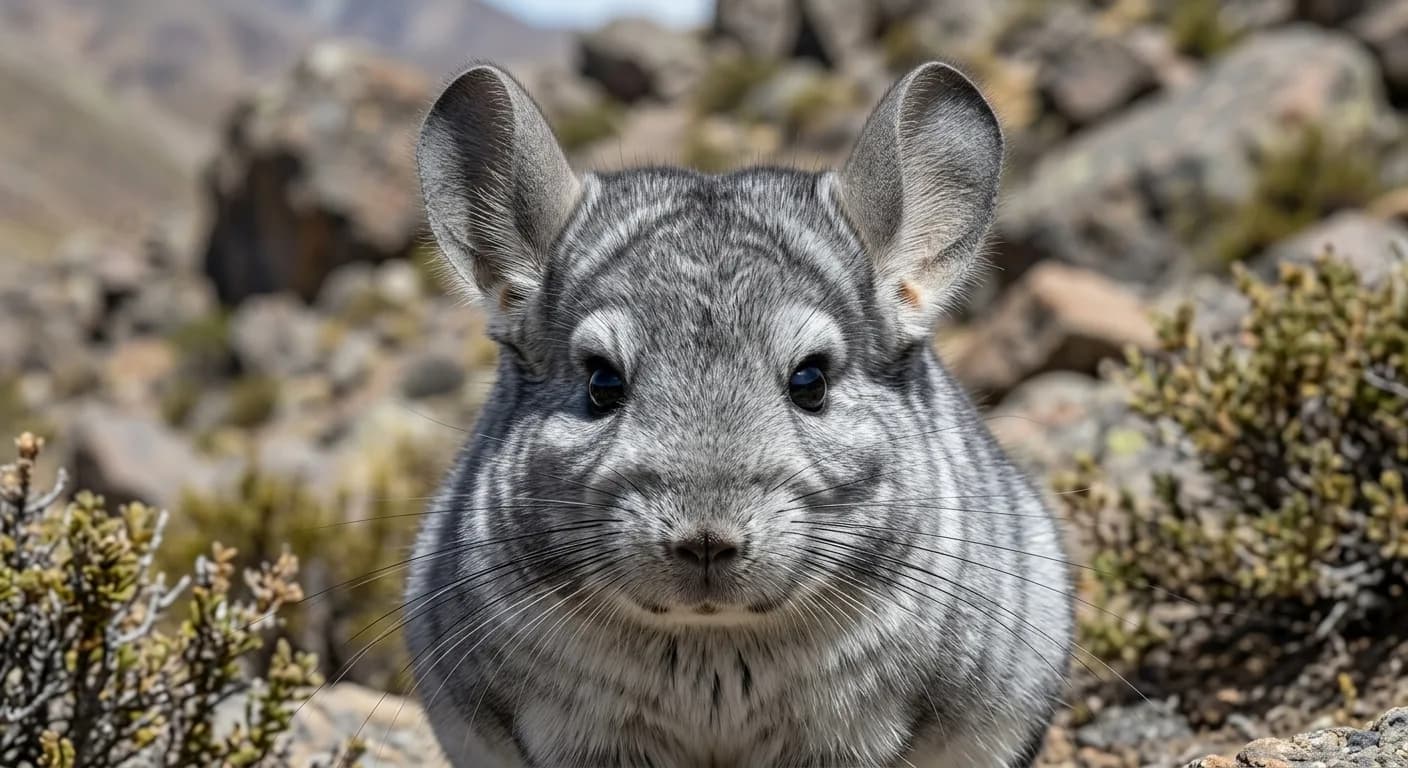
Short-tailed ChinchillaEndangered

Short-tailed Chinchilla

Chinchilla chinchilla

Amazon River DolphinEndangered

Amazon River Dolphin

Inia geoffrensis

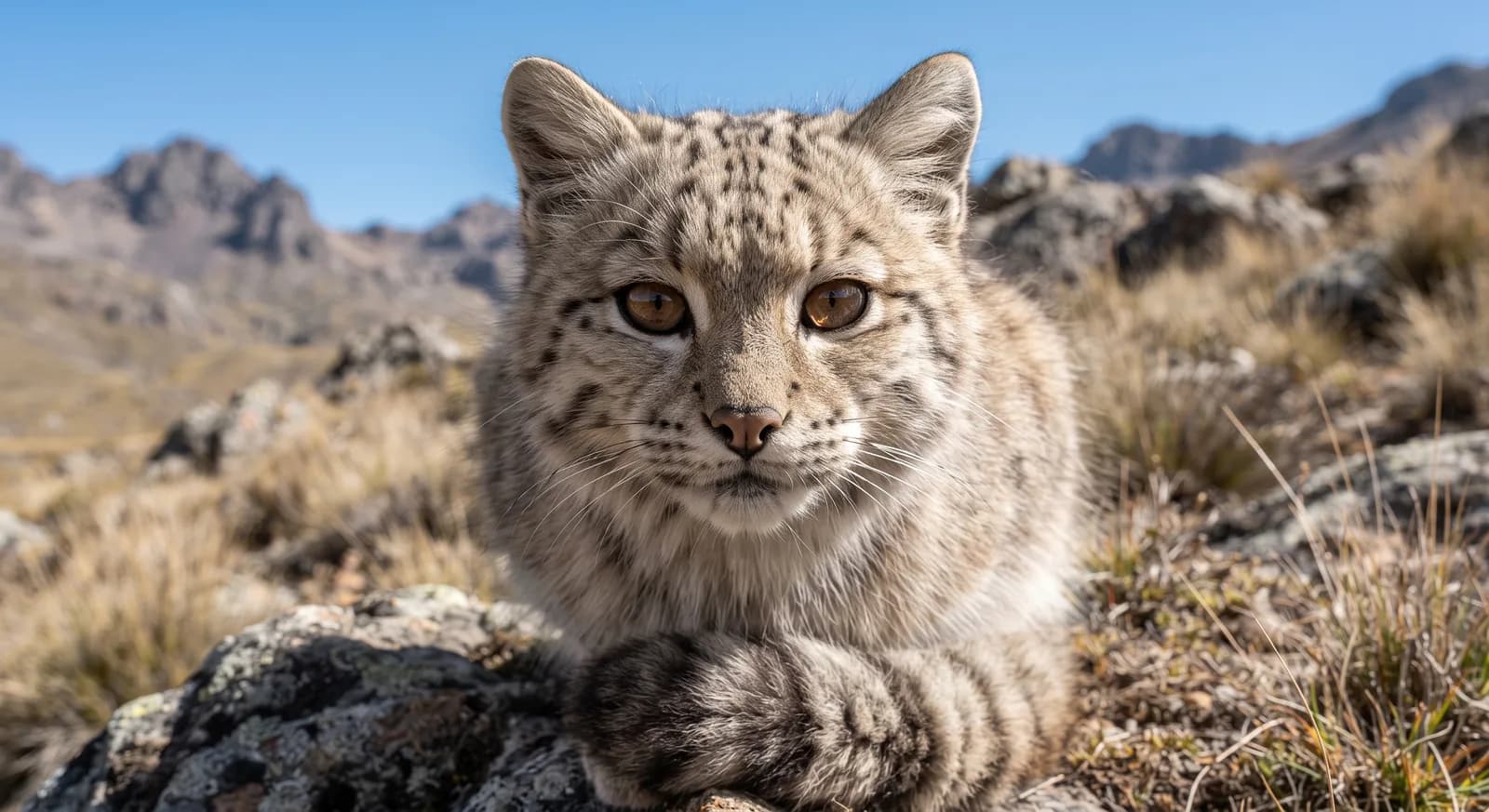
Andean CatEndangered

Andean Cat

Leopardus jacobita

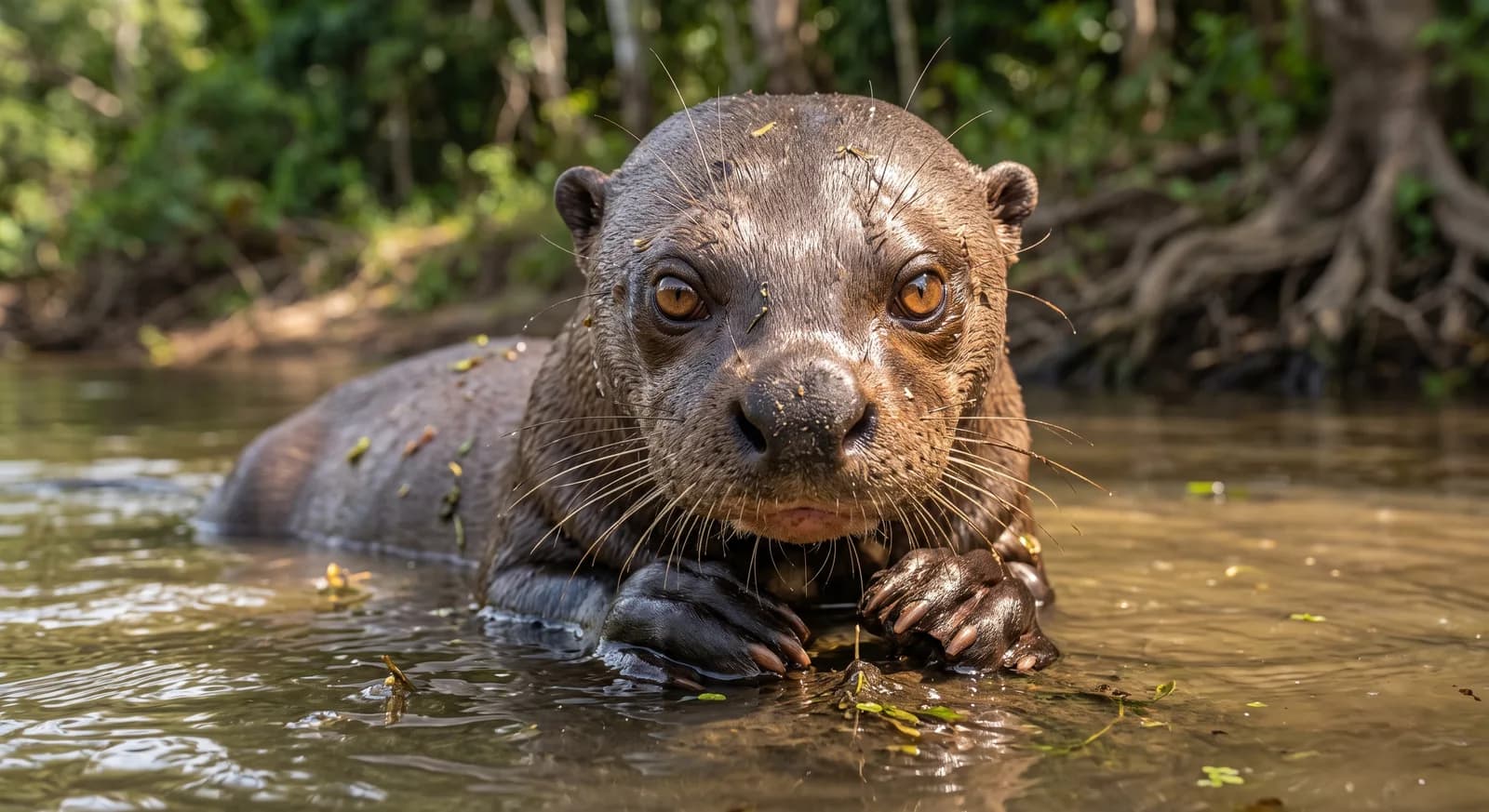
Giant OtterEndangered

Giant Otter

Pteronura brasiliensis

Sei WhaleEndangered

Sei Whale

Balaenoptera borealis

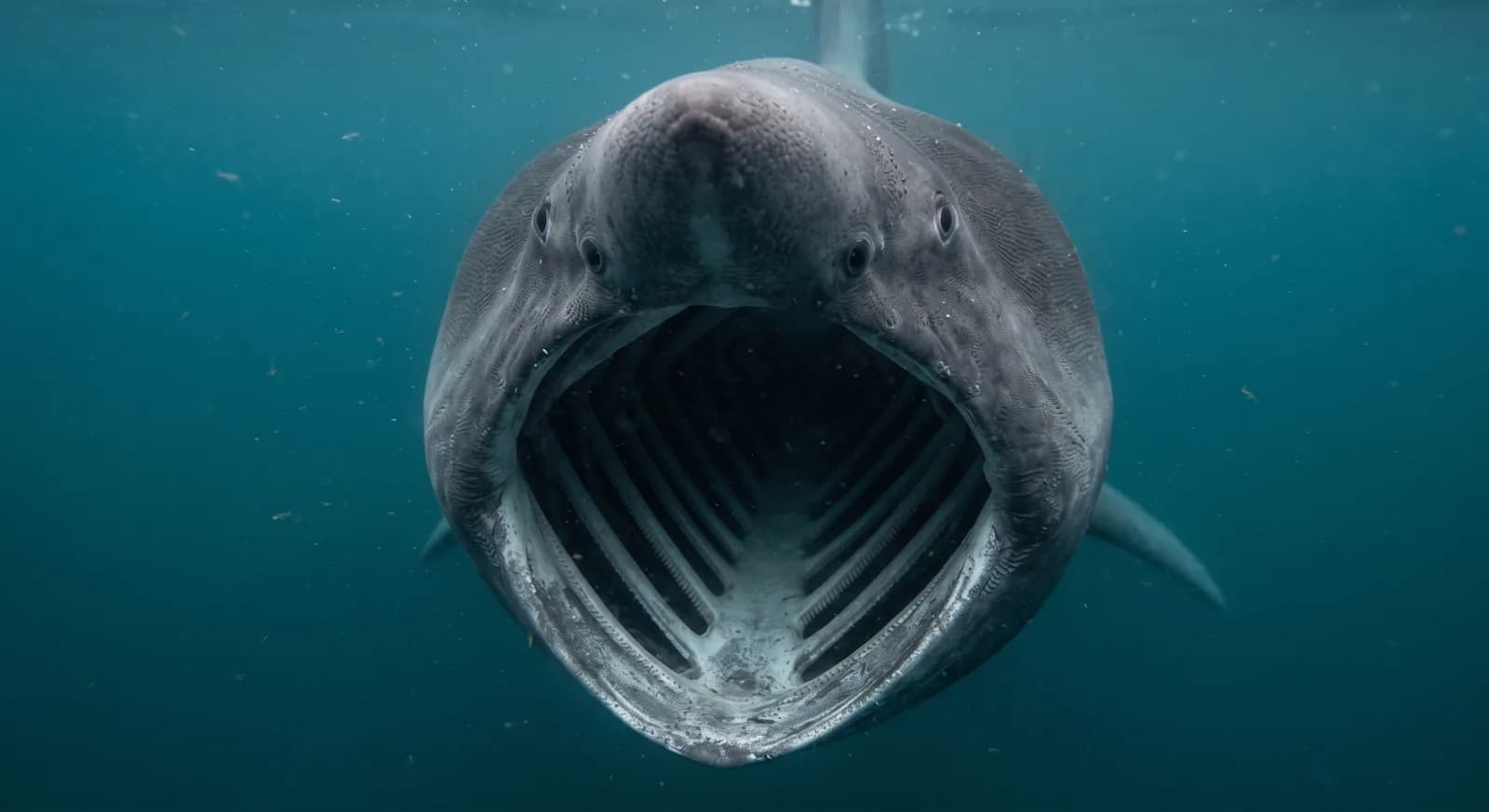
Basking SharkEndangered

Basking Shark

Cetorhinus maximus

Southern Royal AlbatrossVulnerable

Southern Royal Albatross

Diomedea epomophora

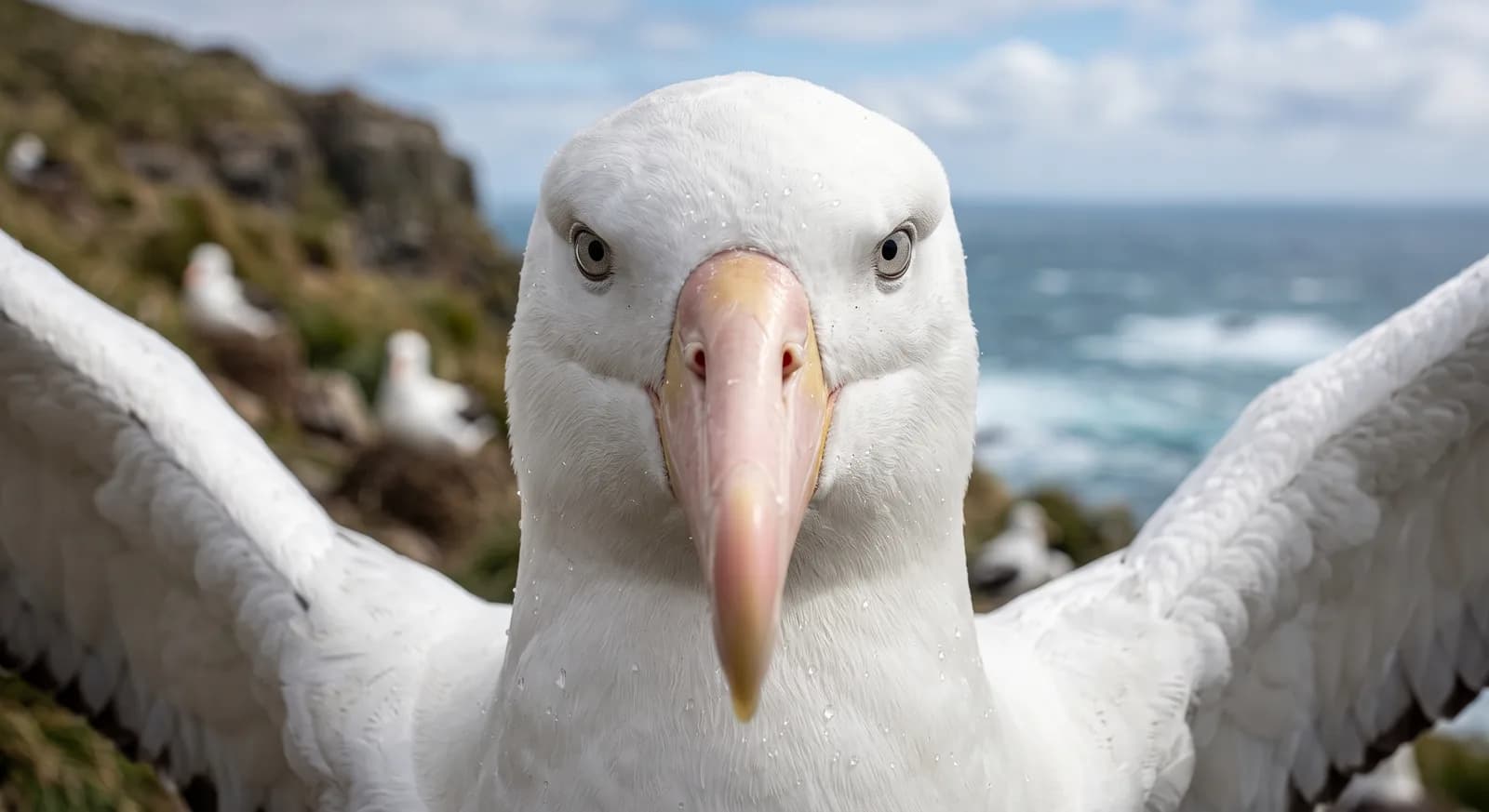
Wandering AlbatrossVulnerable

Wandering Albatross

Diomedea exulans

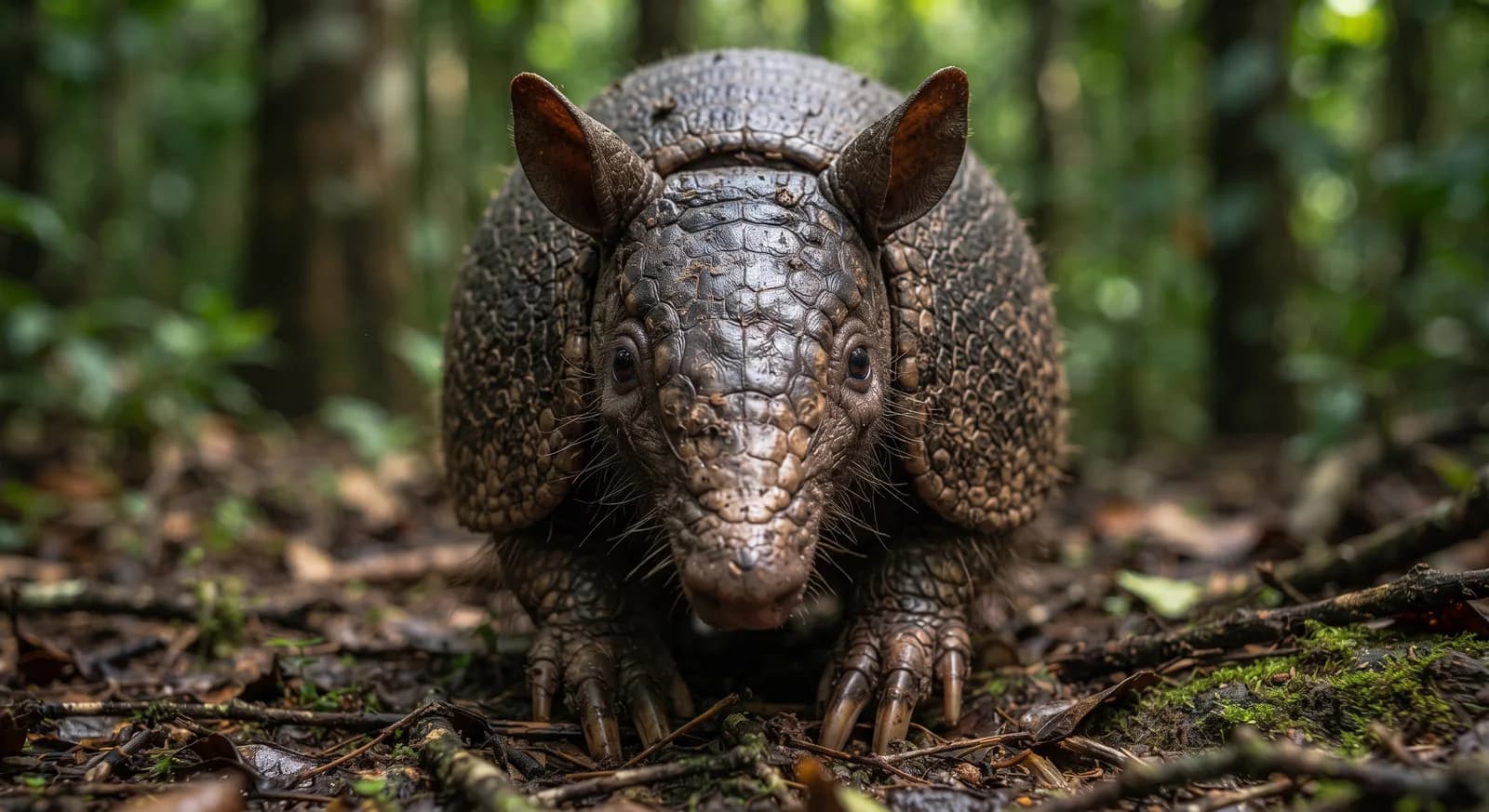
Giant ArmadilloVulnerable

Giant Armadillo

Priodontes maximus

Page 1 of 27
Mountain