Skip to content
WAnimals
  • Map
  • Species
  • Parks
  • Diving
Log inCreate account
WAnimals

The guide for travellers and animal lovers: discover, plan and share your wild adventures around the world.

Discover wildlife

  • Species
  • Ecosystems
  • Glossary
  • Tags

Explore places

  • Map
  • Countries
  • Parks
  • Diving

Plan experiences

  • Guides

Learn

  • Blog

Resources

  • Help centre
  • Contact
  • Install the app

Follow us

Account

  • Log in
  • Create account

© 2026 WAnimals. All rights reserved.

About usHow we build our profilesTerms of servicePrivacyLegal notice
MapSpeciesParksDiving
  1. Home
  2. Species
  3. Andean Cat

One of the 14 cats on WAnimals
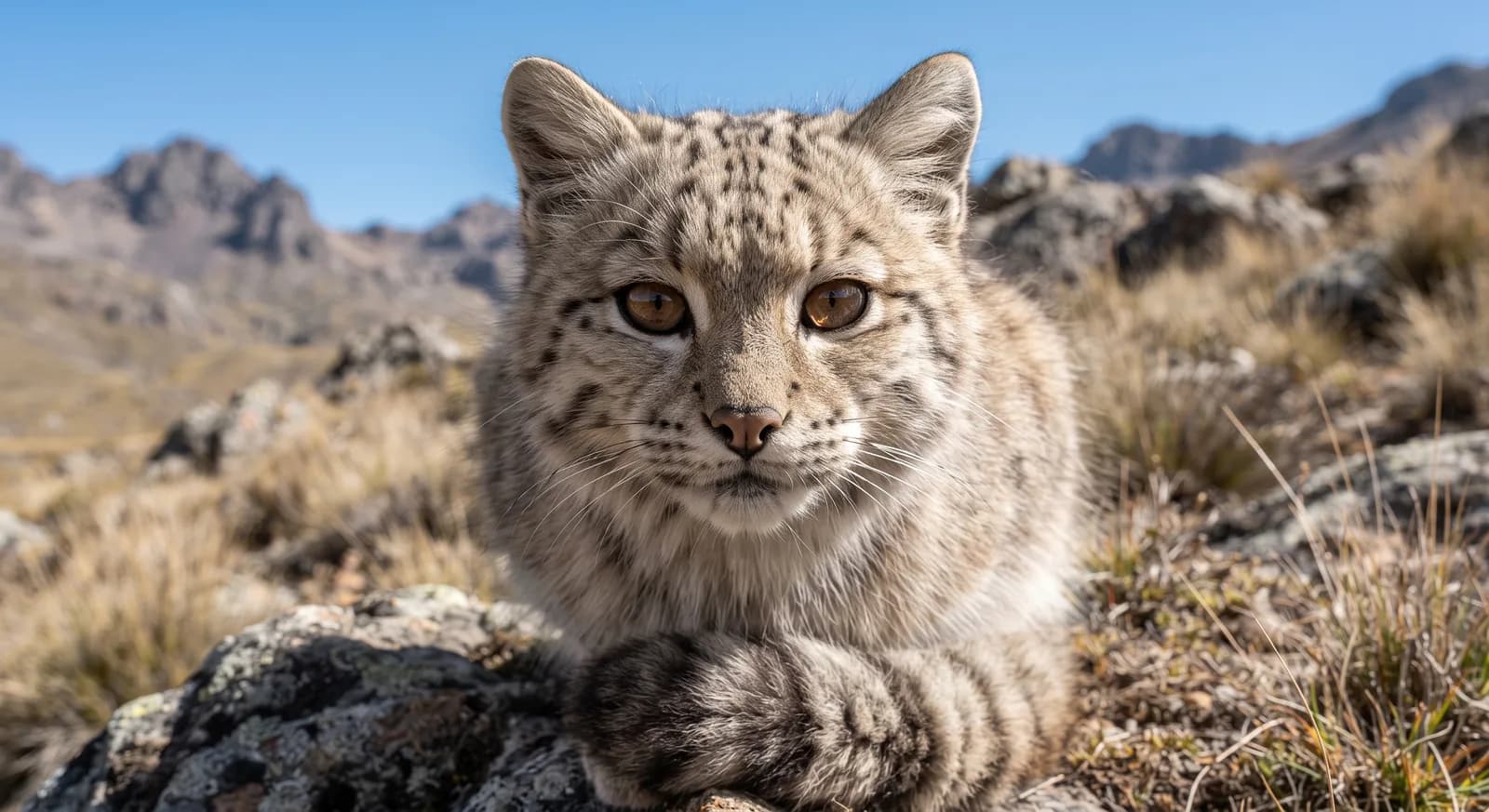
Andean Cat (Leopardus jacobita)

Mammals · Carnivora · Felidae

Andean Cat

Leopardus jacobita

Endangered

At very high risk of extinction in the wild in the near future.

Spotted something wrong?

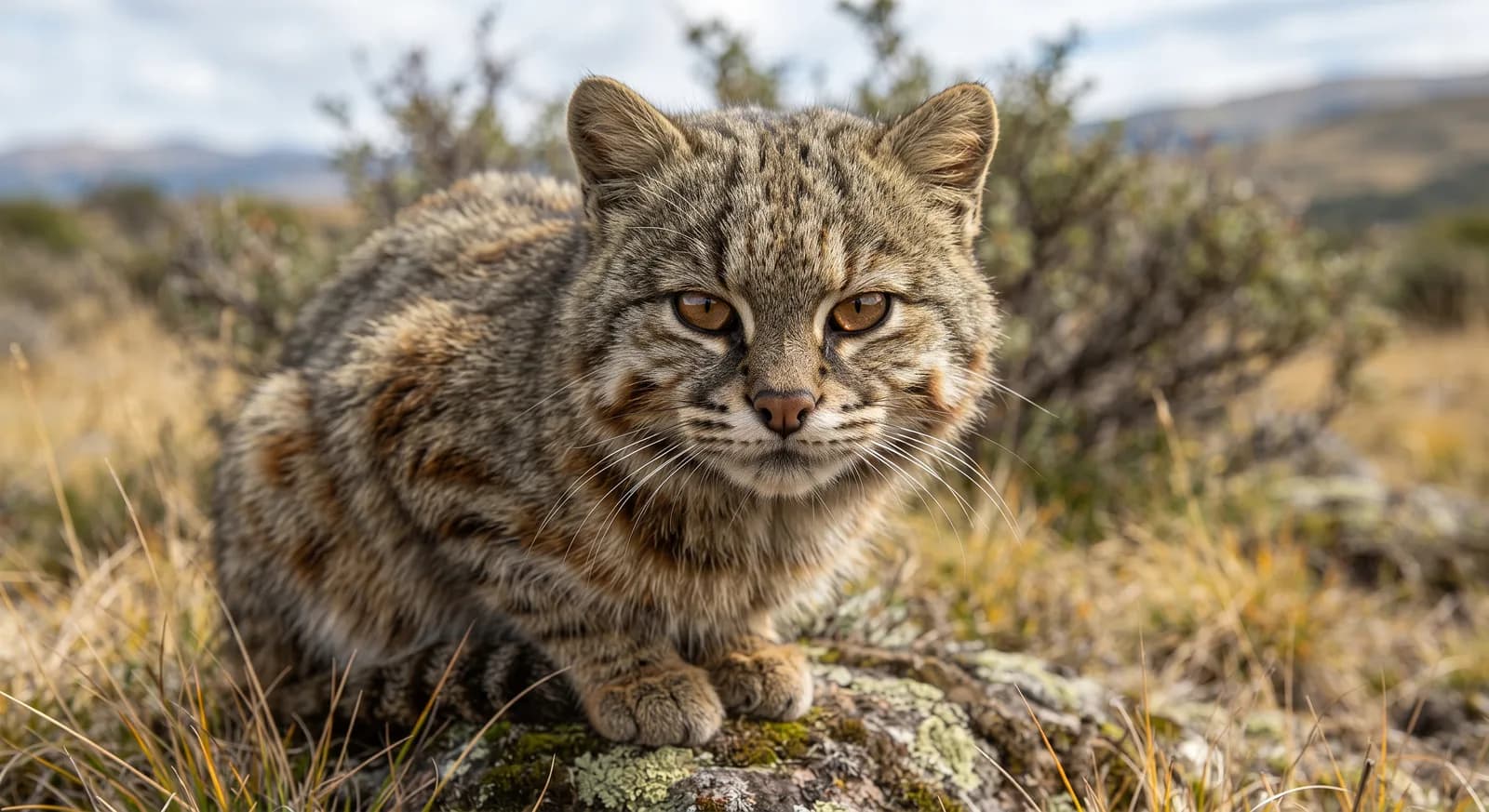
The Andean cat is one of the least known and most threatened cats in the world. It lives among the rocks and scree of the puna and the high Andean steppe of Peru, Bolivia, Chile and Argentina, where it depends largely on the mountain viscacha as its main prey. It has an ash-grey coat with reddish blotches and a thick, ringed tail almost as long as its body, which it uses as a counterweight when moving among the rocks. Its populations are small and highly fragmented.

Weight

3 kg – 5.5 kg

Size

57 cm – 85 cm

Diet

Carnivore
Feeds mainly on other animals.

Activity

Nocturnal

Active mainly at night.

Social structure

Solitary

Lives and hunts alone, joining others only to breed.

Sighting difficulty

Hard

Estimated population

Fewer than 1,400 mature individuals

Mountain
7countries6parks39same family

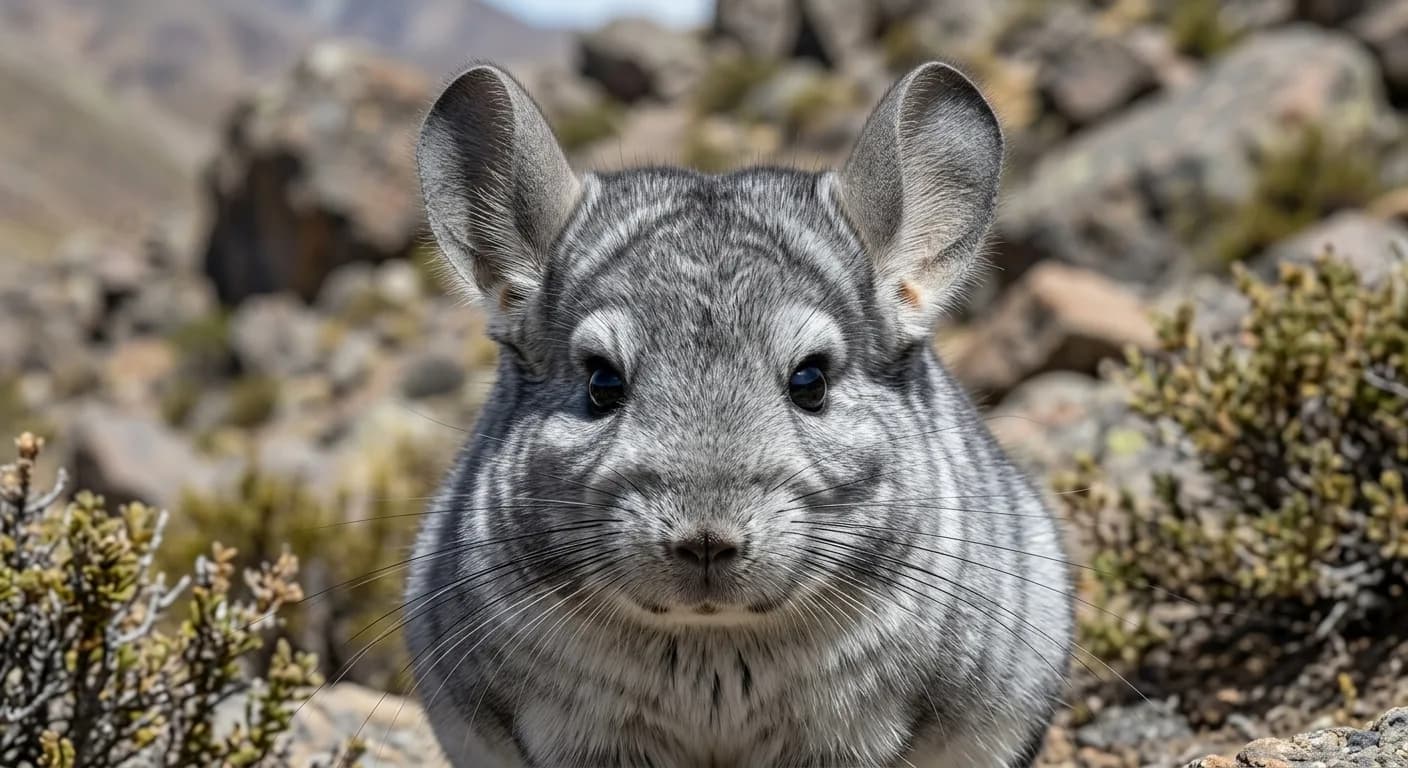
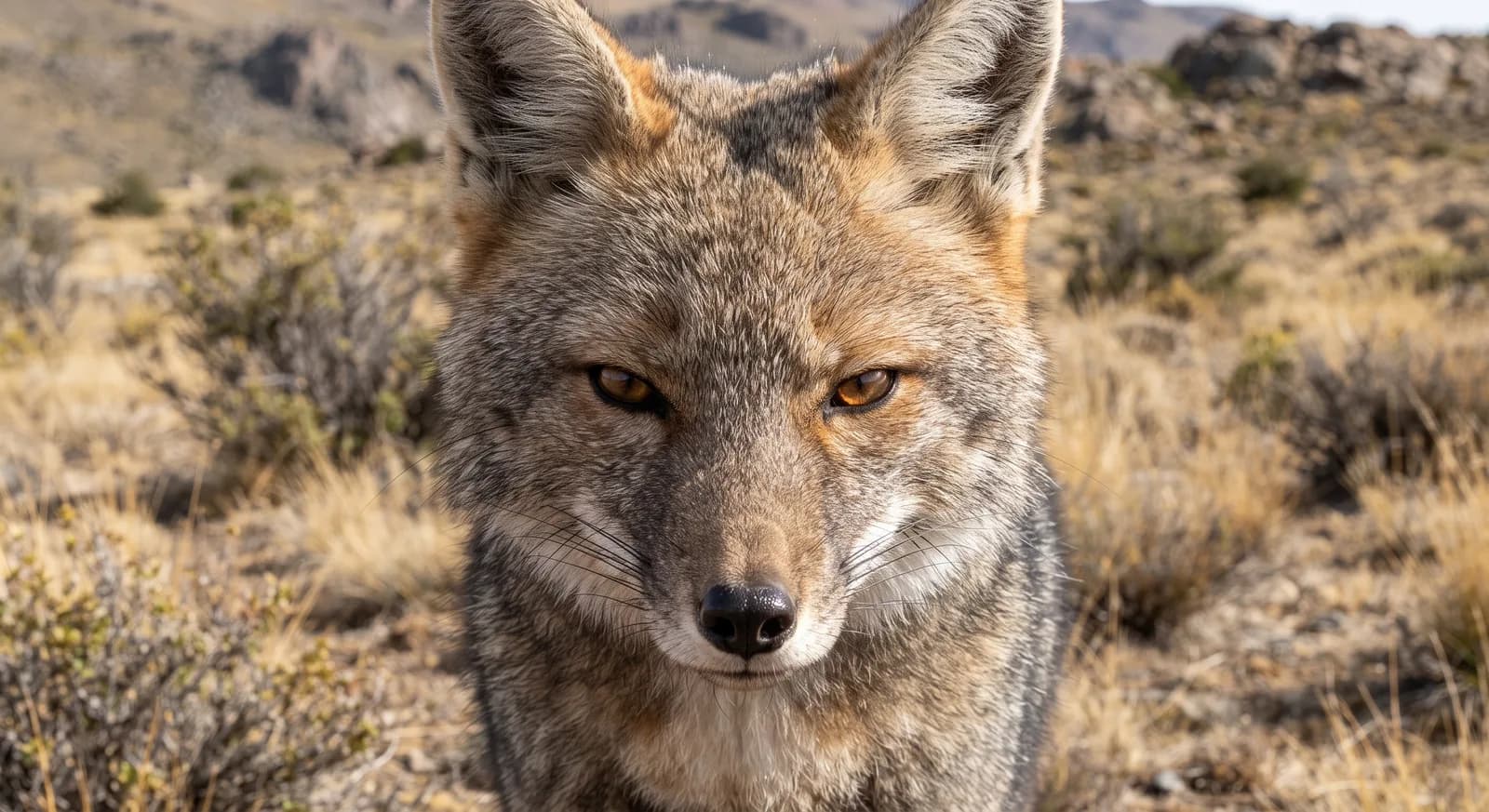
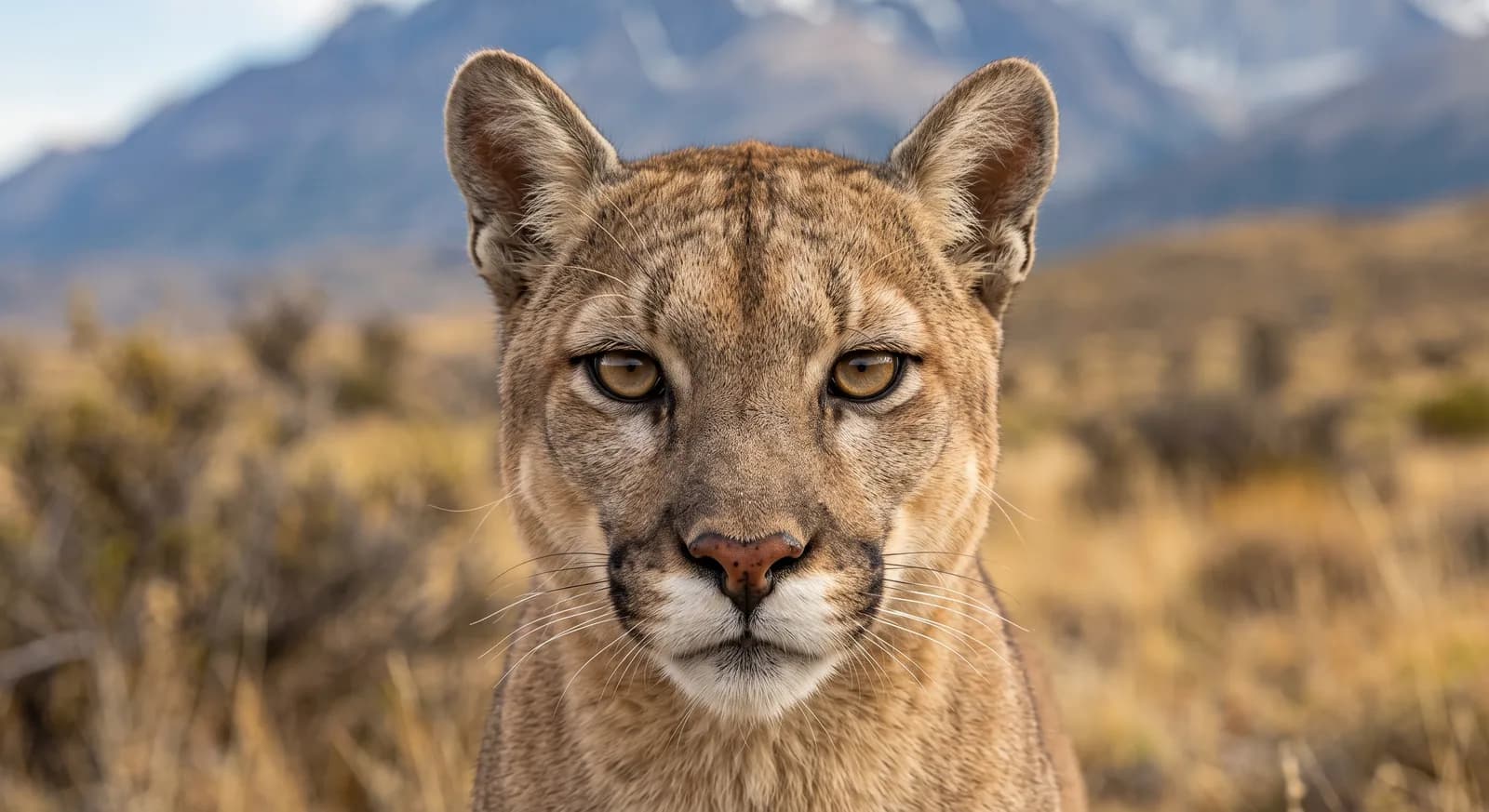
AI-generated images: illustrations, not photographs.

Fun facts

  • GeneralOne of the rarest cats in the world; it hunts viscachas among the rocks.
  • No live animal was photographed in the wild until 1998, despite the species having been described scientifically in 1865.
  • It is a sacred animal for Andean communities, which keep preserved skins for livestock-marking and fertility rituals.

Life cycle and biology

Skeleton type
Vertebrate - internal bony skeleton (mammal)
Habitat and environment
High-Andean steppe, puna and rocky ground above 3,000 metres

Sources consulted: https://www.iucnredlist.org/ | https://animaldiversity.org/ | https://es.wikipedia.org/

Where to find it

See its range on the interactive map→
Loading map…

The pins mark the parks where its presence is documented.

Where to see it

Parks and dive sites where this species has been documented.

Related species

Other species in the catalogue with the most in common with Andean Cat — same habitat, park, country, tags or family.

Same taxonomic family
Shares a park
Shares a park

How to help

The andean cat is classified as endangered. Organisations such as the IUCN, WWF and the Wildlife Conservation Society work specifically on its conservation and that of its habitat; looking into their programmes is a good starting point if you want to get involved.

It's documented in 6 protected areas — one reason why protecting these places matters for its conservation.

Related guides

Keep exploring

Based on what we already know about andean cat.

Comments

Share an experience, a fun fact or a tip for seeing the andean cat.

Be the first to comment.

See full glossary
This page in other languages: Español · Deutsch · Français · Português · Italiano
LaucaChile
Los FlamencosChile
HuascaranPeru
Eduardo AvaroaBolivia
SajamaBolivia
San GuillermoArgentina
PumaLeast Concern

Puma

Puma concolor

Vulnerable

Northern Tiger Cat

Leopardus tigrinus

Pampas CatNear Threatened

Pampas Cat

Leopardus colocolo

Least Concern

Geoffroy's Cat

Leopardus geoffroyi

Short-tailed ChinchillaEndangered

Short-tailed Chinchilla

Chinchilla chinchilla

CulpeoLeast Concern

Culpeo

Lycalopex culpaeus

Where to see Andean Cat6 places
CountriesBolivia
ParksLaucaChile
TagsCarnivore
Carnivore
Nocturnal
Solitary
Endangered
Feline
Mountain
Mammal
Bolivia
Chile
Argentina
Peru
Colombia
Ecuador
Venezuela