 Critically Endangered
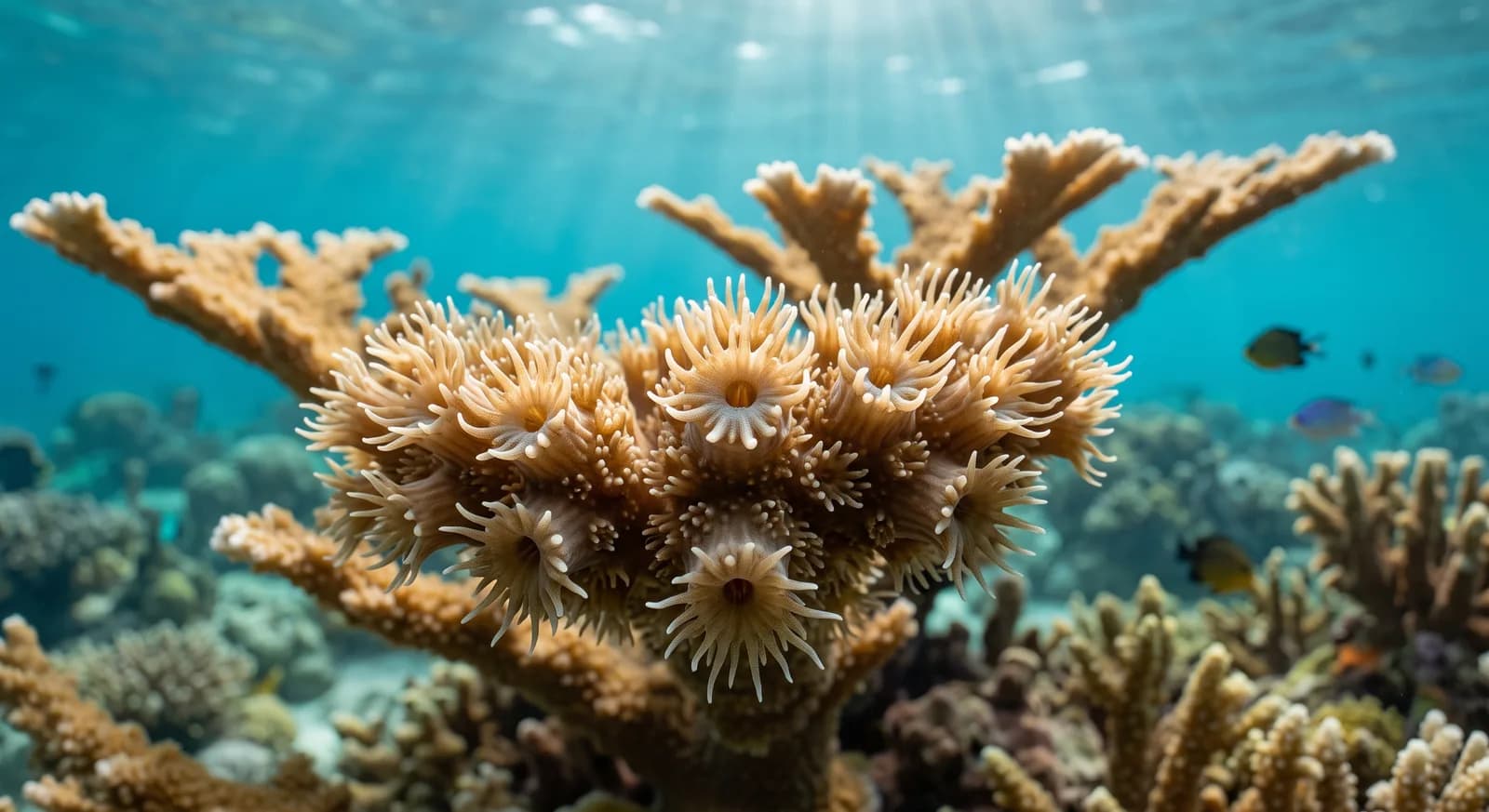
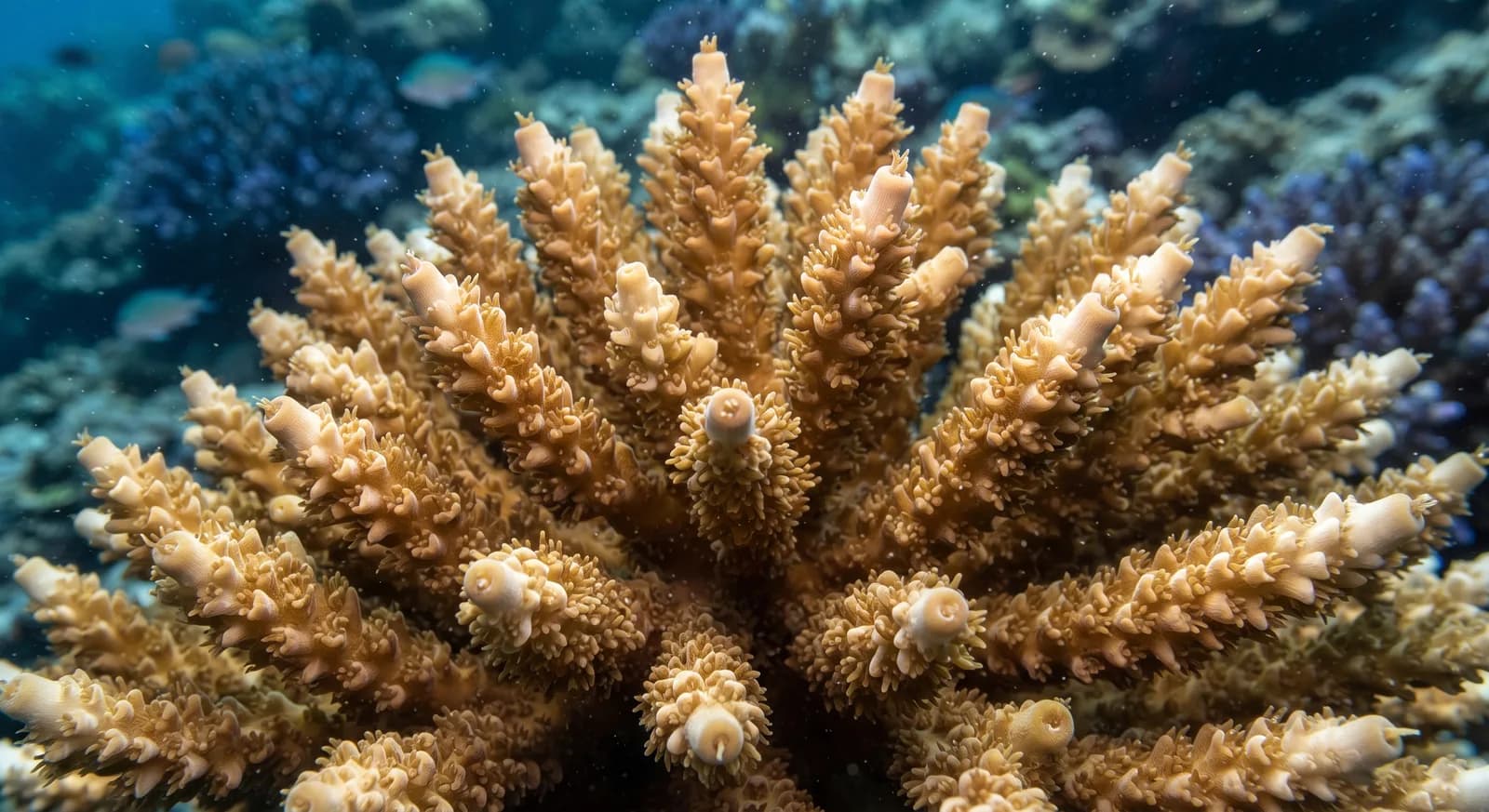
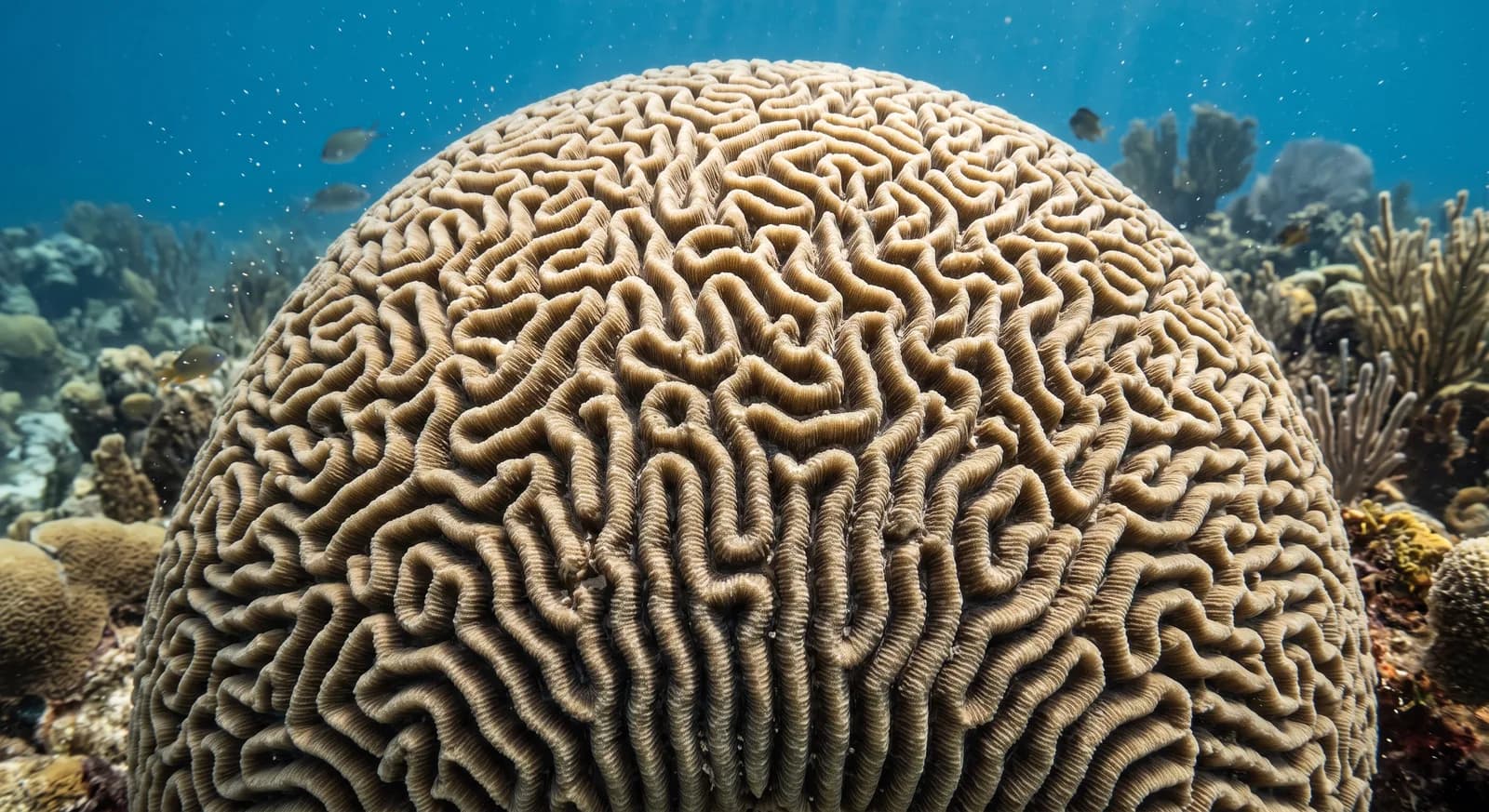
Grooved Brain Coral
Diploria labyrinthiformis
South America
Venezuela combines four great natural regions: the Andes in the west, the Coastal Range along the Caribbean, the Orinoco Llanos in the centre and, south of the river, the Guiana Shield, one of the oldest rock formations on the planet. There rise the tepuis, sandstone tabletops with vertical walls that emerge from the forest like islands in the air and that have spent millions of years isolated from one another. From one of them falls Angel Falls, the highest waterfall in the world. The Llanos, by contrast, flood every year and in the dry season concentrate one of the highest wildlife densities on the continent, with capybaras, caimans, anacondas and waterbirds by the thousand.
National animal: The Venezuelan troupial, the country's national bird
On the summits of the tepuis lives a tiny toad that can neither swim nor jump well. When a tarantula threatens it, it does something extraordinary: it tucks itself into a compact ball, lets go of the rock and bounces down the slope like a rubber ball until it is out of the predator's reach, at which point it unfolds and walks away without any injury at all.
The Orinoco crocodile, one of the most endangered crocodilians in the world, was hunted almost to extinction for its skin and survives thanks to programmes breeding and releasing juveniles. Canaima is a World Heritage Site and protects the most extensive set of tepuis on the planet.
The Llanos between January and April, at the height of the dry season, for capybaras, caimans and waterbirds. Canaima in the rainy season for the falls in full flow. Henri Pittier in spring for the bird migration.
367 species found
Based on what we already know about Venezuela.