Skip to content
WAnimals
  • Map
  • Species
  • Parks
  • Diving
Log inCreate account
WAnimals

The guide for travellers and animal lovers: discover, plan and share your wild adventures around the world.

Discover wildlife

  • Species
  • Ecosystems
  • Glossary
  • Tags

Explore places

  • Map
  • Countries
  • Parks
  • Diving

Plan experiences

  • Guides

Learn

  • Blog

Resources

  • Help centre
  • Contact
  • Install the app

Follow us

Account

  • Log in
  • Create account

© 2026 WAnimals. All rights reserved.

About usHow we build our profilesTerms of servicePrivacyLegal notice
MapSpeciesParksDiving
  1. Home
  2. countries
  3. Chile

Chile

South America

246

Documented species

26

Parks and reserves

3

Dive sites

Chile is a narrow strip more than four thousand kilometres long wedged between the Andes and the Pacific, and that shape turns it into a biogeographical island: the desert to the north, the cordillera to the east and the ocean to the west have isolated its flora and fauna, producing very high endemism. In the north, the Atacama is the driest desert on the planet, with areas where no rain has been recorded in decades. The centre has a Mediterranean climate and is one of the world's biodiversity hotspots. To the south lies the Valdivian rainforest, a temperate wet woodland with thousand-year-old alerce trees, and beyond that the fjords, icefields and Patagonia. The Humboldt Current brings a cold and extraordinarily productive sea.

Nature in Chile

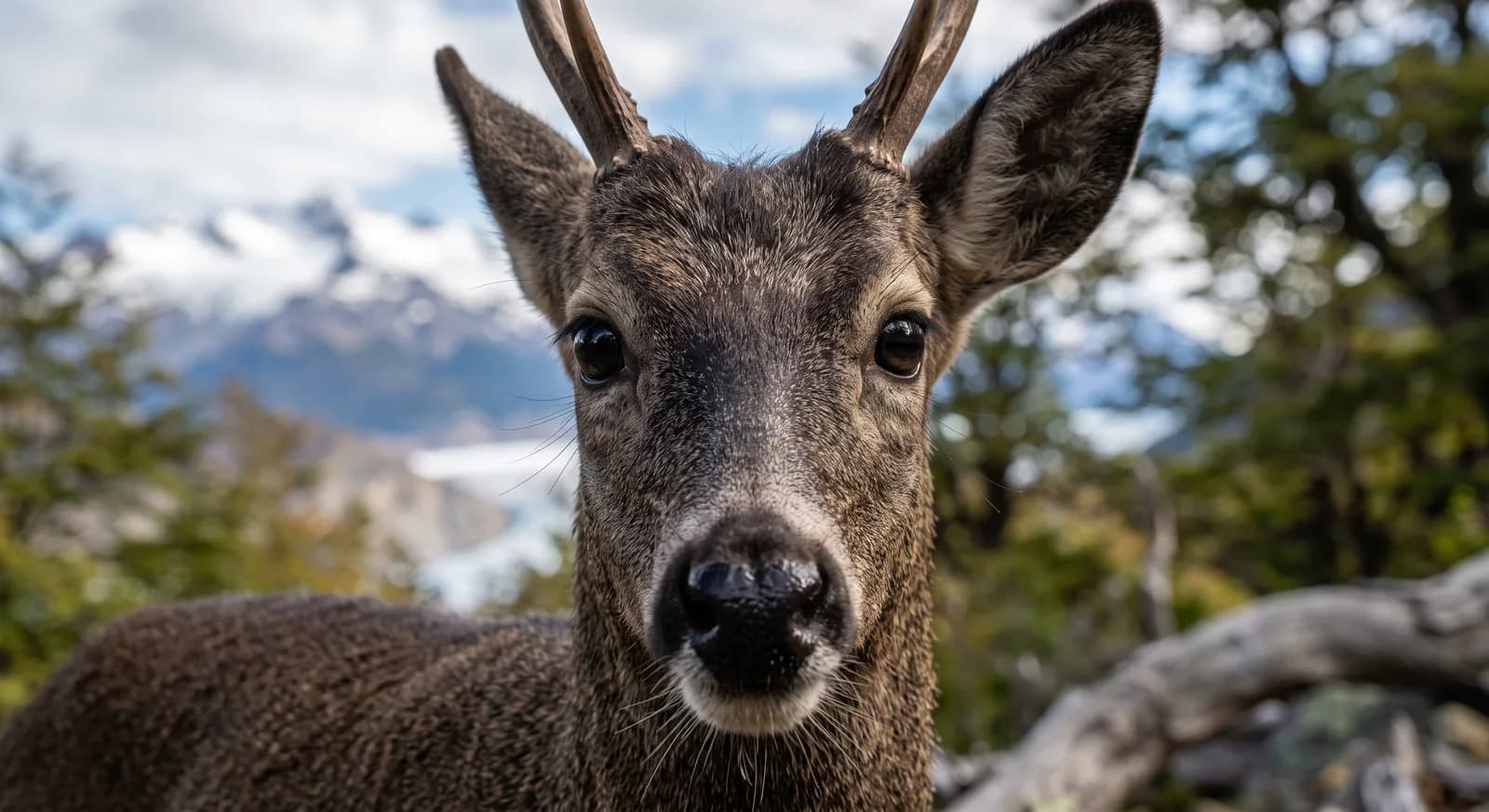
National animal: The huemul and the Andean condor, which together support the national coat of arms

Did you know?

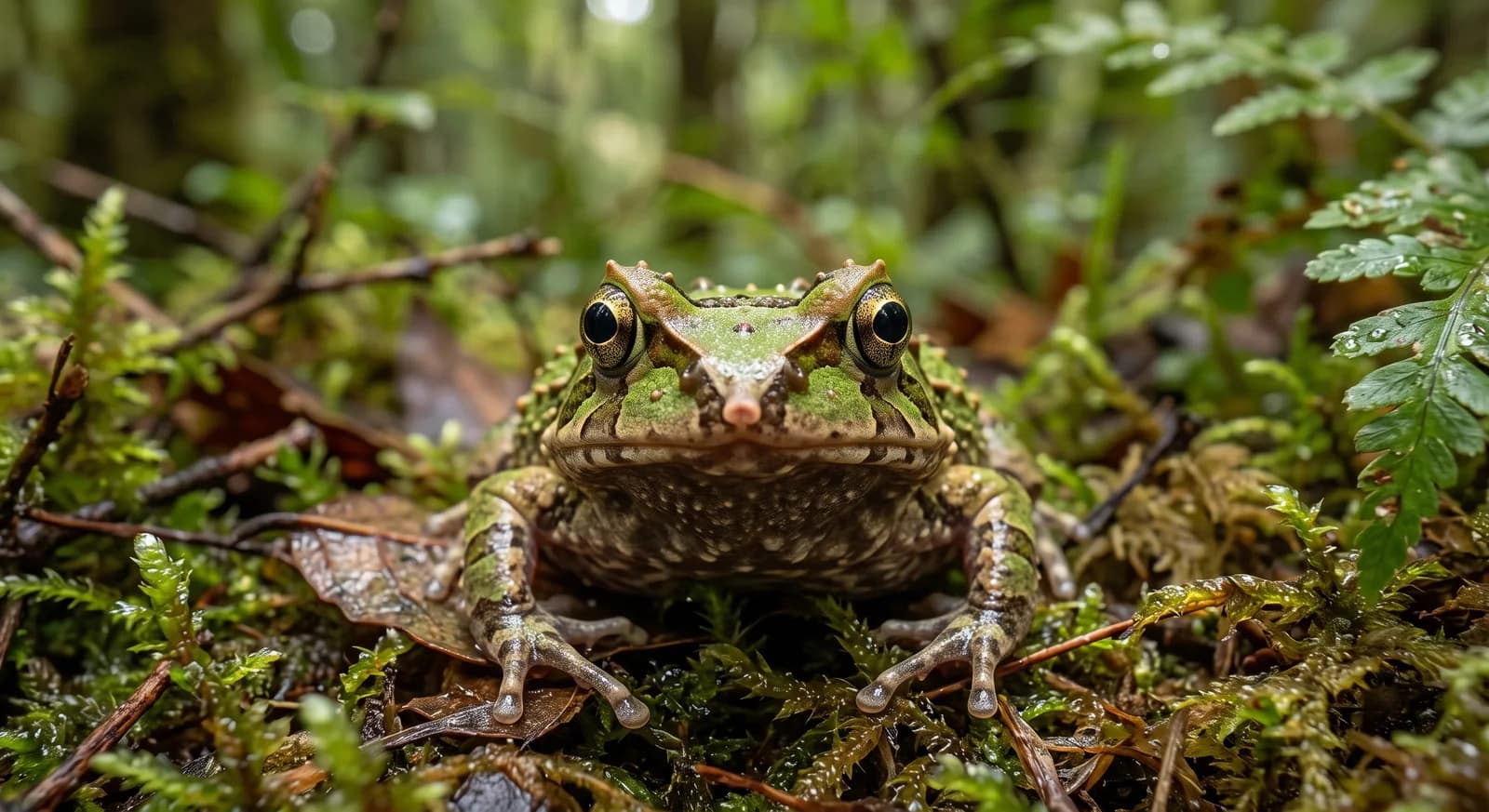
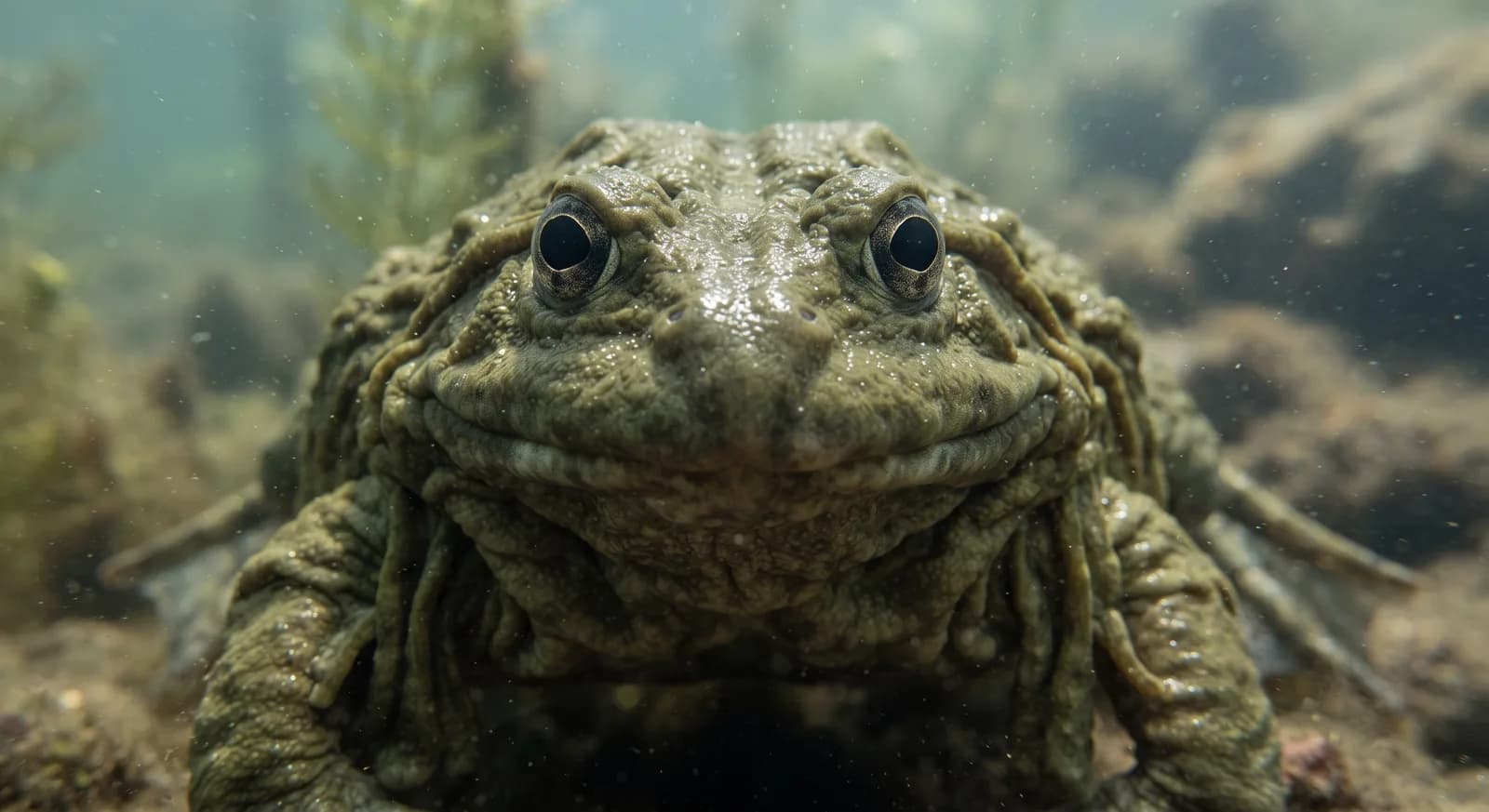
Darwin's frog, discovered by Darwin himself during his journey through southern Chile, has a form of parental care shared with no other living vertebrate: the male swallows the eggs when they are about to hatch and houses them inside his vocal sac, where the tadpoles develop for weeks on their own yolk reserves. When they are ready, the father opens his mouth and fully formed miniature frogs hop out.

Biodiversity profile

Conservation

In 2018 Chile created the Route of Parks of Patagonia, a network of seventeen connected national parks stretching more than two thousand kilometres, after private land was donated to the state. The monito del monte, the sole survivor of an order of marsupials related to the Australian ones, is a living fossil of the Valdivian forest.

Where and when to watch wildlife

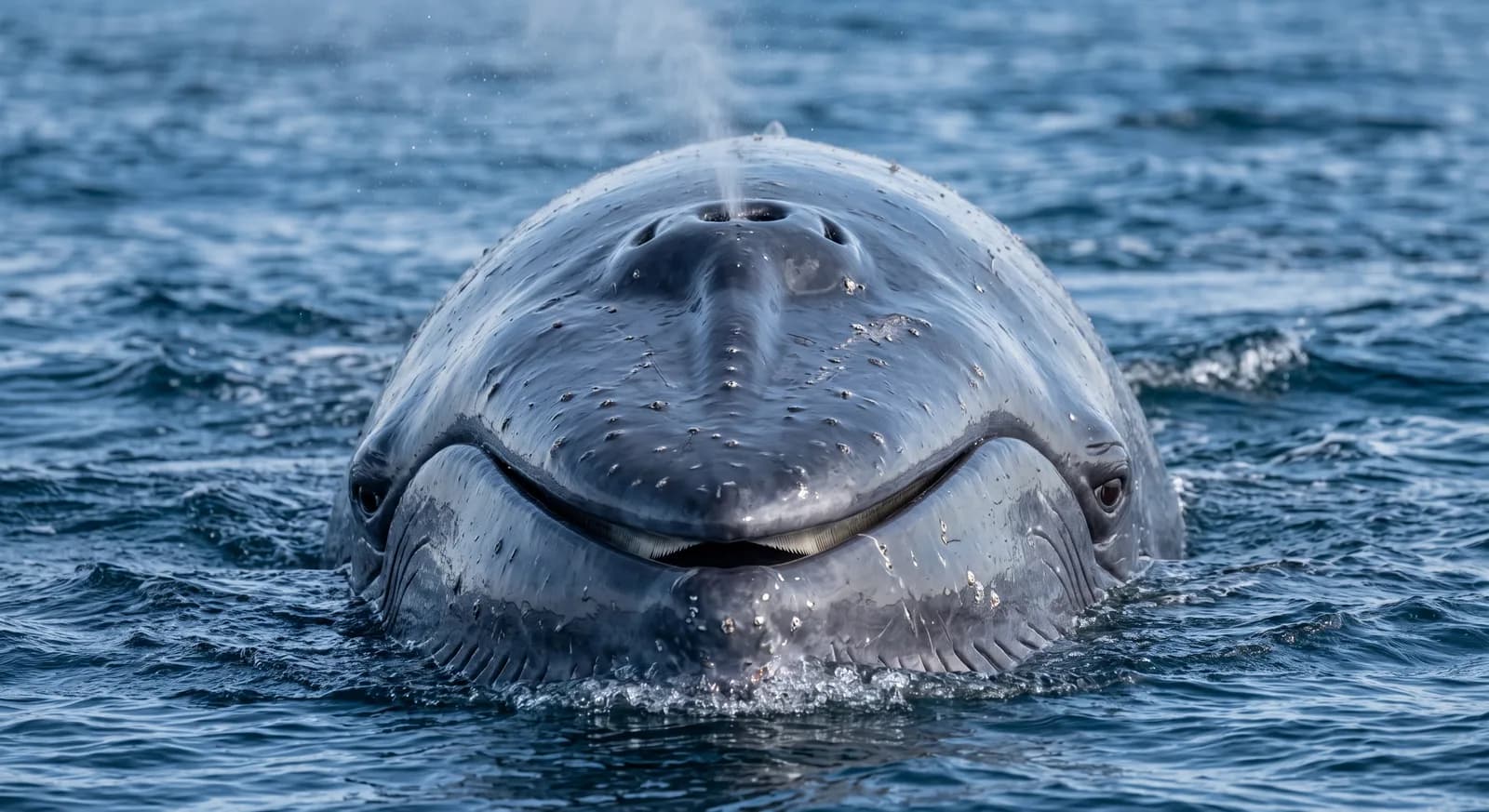
Torres del Paine between April and September for pumas. Chiloé and the Gulf of Corcovado between December and April for blue whales. Lauca and the northern salt flats for flamingos and vicuñas.

Natural phenomena in Chile

  • Blue whale feeding in the Gulf of Corcovado — December to April (some sources place watching trips between April and June)

Parks and reserves

National Reserve

Los Flamencos

It holds three of the world's six flamingo species in the middle of the driest desert on the planet

See park
National Park

Rapa Nui

It protects the moai and the archaeological heritage of the Rapa Nui culture on Easter Island

See park
National Park

Lauca

Andean altiplano above 4,500 metres; Lake Chungará is one of the highest navigable lakes in the world

See park
National Park

Alberto de Agostini

Fjords, glaciers and the Darwin range at the southern tip of the Americas, within the Cape Horn Biosphere Reserve.

See park
National Park

Juan Fernández Archipelago

The island that inspired Daniel Defoe's Robinson Crusoe, after the real-life marooning of the Scottish sailor Alexander Selkirk there in 1704

See park
National Park

Fray Jorge

A relict Valdivian forest that lives off the fog in the middle of semi-desert, Chile's first biosphere reserve.

See park
National Park

Huerquehue

Thousand-year-old monkey puzzle trees and mountain lakes in La Araucanía, within the Araucarias Biosphere Reserve.

See park
National Park

La Campana

The largest Chilean wine palm grove in the world, on the hill Darwin climbed in 1834.

See park
National Park

Laguna San Rafael

One of the most accessible tidewater glaciers in the southern hemisphere, with the Northern Patagonian Ice Field behind it

See park
National Park

Puyehue

Valdivian forest and active volcanoes in Los Lagos, within the first transboundary biosphere reserve in the Americas.

See park
National Park

Torres del Paine

The Torres del Paine, three granite spires above 2,500 metres, are a world icon of Patagonian trekking

See park
National Park

Villarrica

One of the most active volcanoes in South America, surrounded by monkey puzzle trees and lying in two biosphere reserves at once.

See park
National Park

Alerce Andino

Forests of Patagonian alerce up to 3,000 years old, barely 40 km from the city of Puerto Montt

See park
National Park

Bernardo O'Higgins

Chile's largest national park; it holds Lake O'Higgins/San Martín, the deepest in the Americas

See park
National Reserve

Cerro Castillo

Nicknamed "Torres del Paine without the crowds" for its landscape likeness to the celebrated neighbouring park but with far fewer visitors

See park
National Park

Chiloe

Valdivian temperate rainforest on the west coast of Chiloé Island, cradle of Darwin's fox

See park
National Park

Conguillio

Forests of araucaria, a living tree of Jurassic lineage held sacred by the Mapuche Pehuenche people

See park
Marine Park

Diego Ramírez Islands

Chile's largest marine protected area; the southernmost permanently inhabited point in the Americas outside Antarctica itself

See park
Natural Monument

Los Pingüinos Natural Monument (Magdalena Island)

It holds the largest accessible Magellanic penguin colony in South America, with more than 60,000 breeding pairs on a tiny island

See park
National Park

Nevado Tres Cruces

High Andean salt flats and lagoons in the Atacama Desert, with large flamingo gatherings above four thousand metres.

See park
National Park

Pan de Azucar

One of the few places where the most arid desert in the world runs straight down to beaches and marine wildlife colonies

See park
National Park

Patagonia (Patagonia National Park)

Born of the largest private land donation for conservation in history, driven by Douglas and Kristine Tompkins

See park
National Park

Pumalin Douglas Tompkins

The original core of Douglas Tompkins's private conservation project, begun in 1991 with secret land purchases that raised suspicions of espionage in Chile

See park
National Park

Queulat

The Ventisquero Colgante, a glacier suspended between two peaks, spilling waterfalls straight into the void

See park
National Park

Radal Siete Tazas

Seven stepped pools cut by the Claro River into volcanic rock, each with its own connecting waterfall

See park
National Park

Vicente Perez Rosales

Chile's oldest national park, and South America's alongside Nahuel Huapi; it holds the Petrohué falls over lava from the Osorno volcano

See park

Diving and snorkelling

Volcanic rock/Wall

Robinson Crusoe Island (Juan Fernández)

A remote archipelago and UNESCO Biosphere Reserve, with an endemic fur seal species.

See dive site
Cold rocky reef

Punta de Choros

A marine reserve off Isla Damas, within the Humboldt Current, with wildlife endemic to the South Pacific.

See dive site
Volcanic/Archaeological

Rapa Nui (Easter Island)

Some of the best visibility in the world thanks to the absence of river sediment; it includes a submerged moai replica.

See dive site

Similar countries

Where else might I want to travel?

Peru

Same region: South America

Ecuador

Same region: South America

Argentina

Same region: South America

Brazil

Same region: South America

Species documented in Chile

Filter
Class
Family
Habitat
Diet
Conservation

246 species found

Related guides

  • Where to see Foxes in Chile15 species
  • Threatened birds of Chile13 species
  • Where to see Dolphins in Chile11 species

Keep exploring

Based on what we already know about Chile.

ParkLos FlamencosDivingRobinson Crusoe Island (Juan Fernández)

Explore on the map

Interactive map

This page in other languages: Español · Deutsch · Français · Português · Italiano
Titicaca Water FrogCritically Endangered

Titicaca Water Frog

Telmatobius culeus

Grey-Headed AlbatrossEndangered

Grey-Headed Albatross

Thalassarche chrysostoma

Blue WhaleEndangered

Blue Whale

Balaenoptera musculus

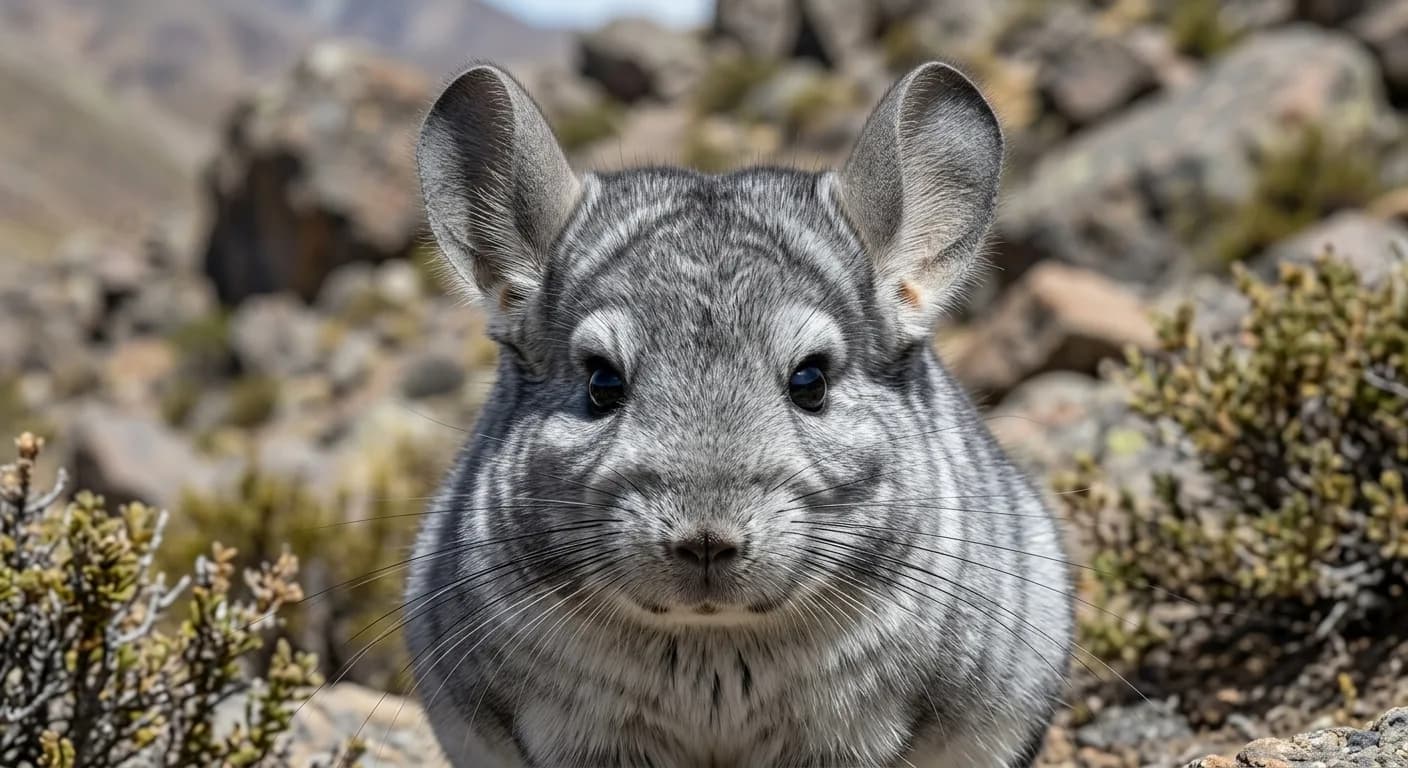
Short-tailed ChinchillaEndangered

Short-tailed Chinchilla

Chinchilla chinchilla

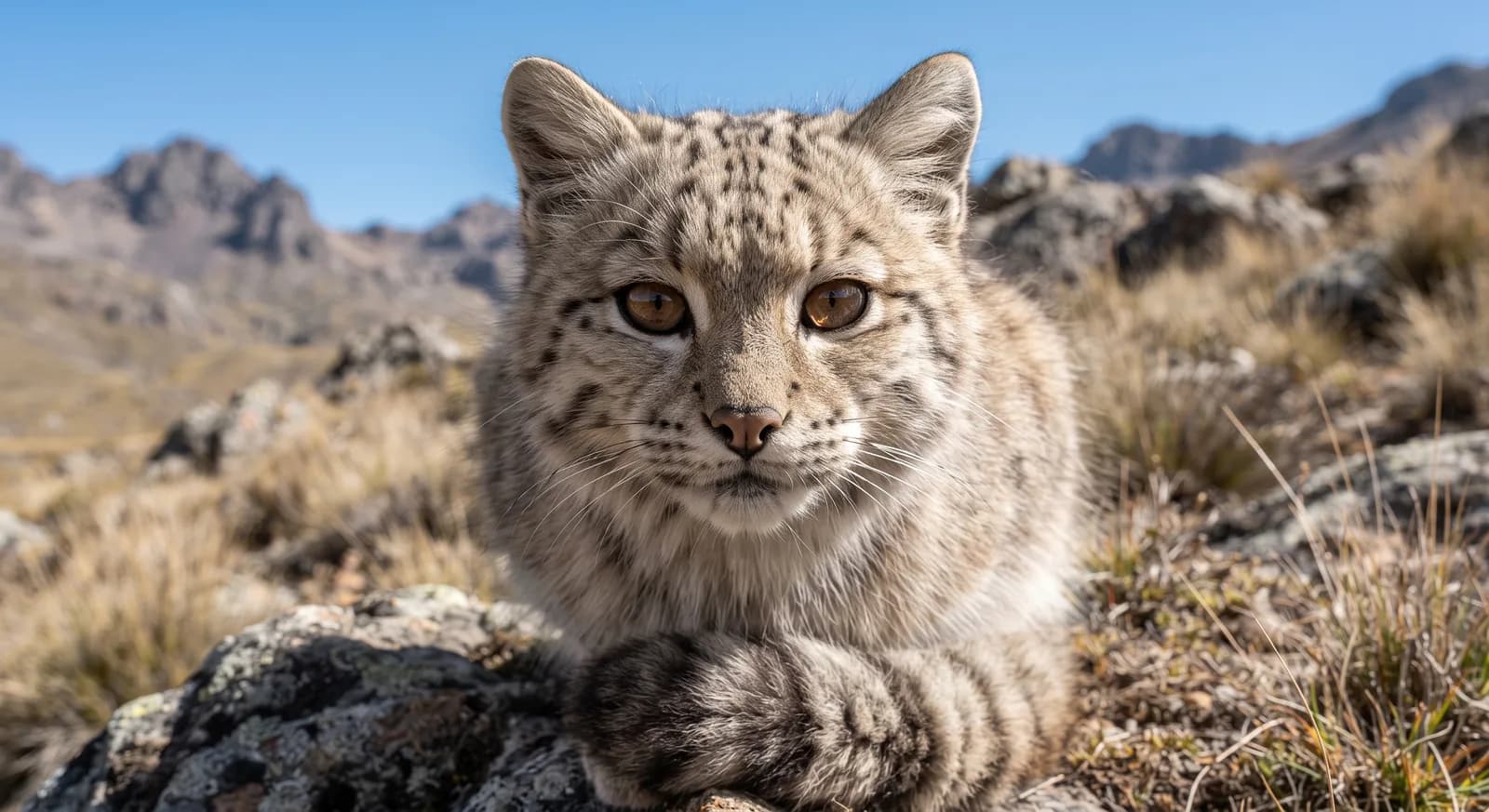
Andean CatEndangered

Andean Cat

Leopardus jacobita

Patagonian HuemulEndangered

Patagonian Huemul

Hippocamelus bisulcus

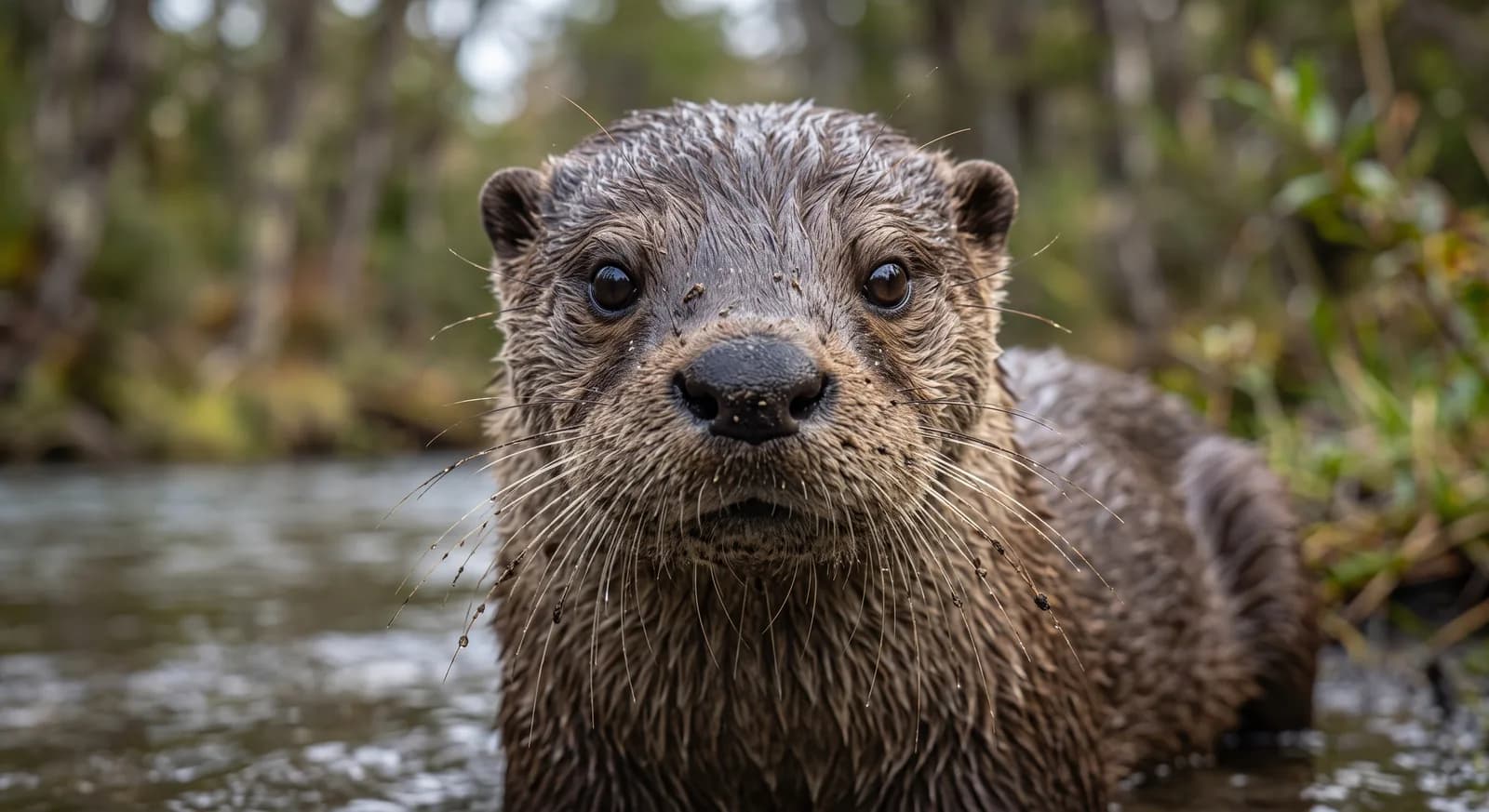
Southern River OtterEndangered

Southern River Otter

Lontra provocax

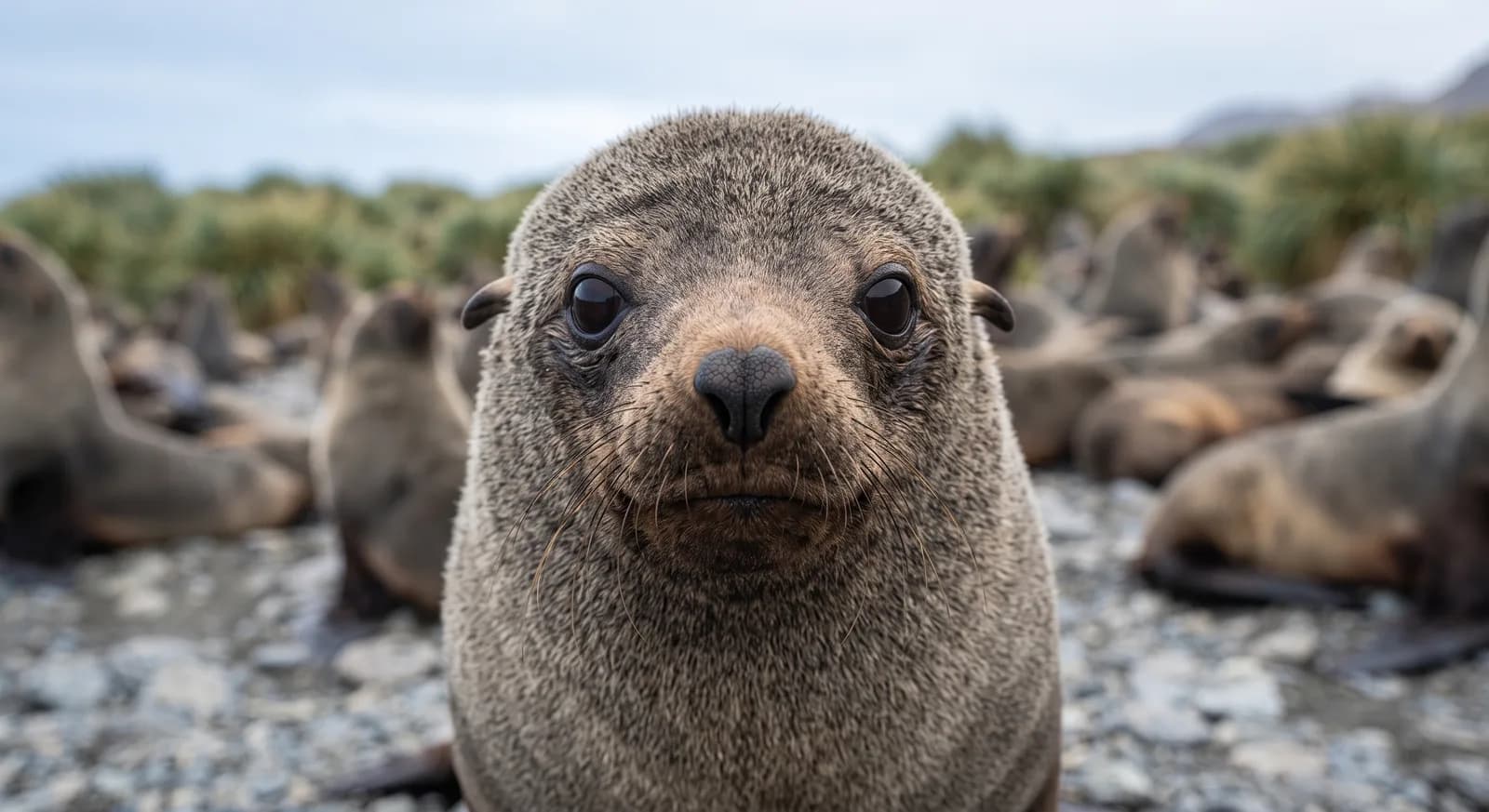
Antarctic Fur SealEndangered

Antarctic Fur Seal

Arctocephalus gazella

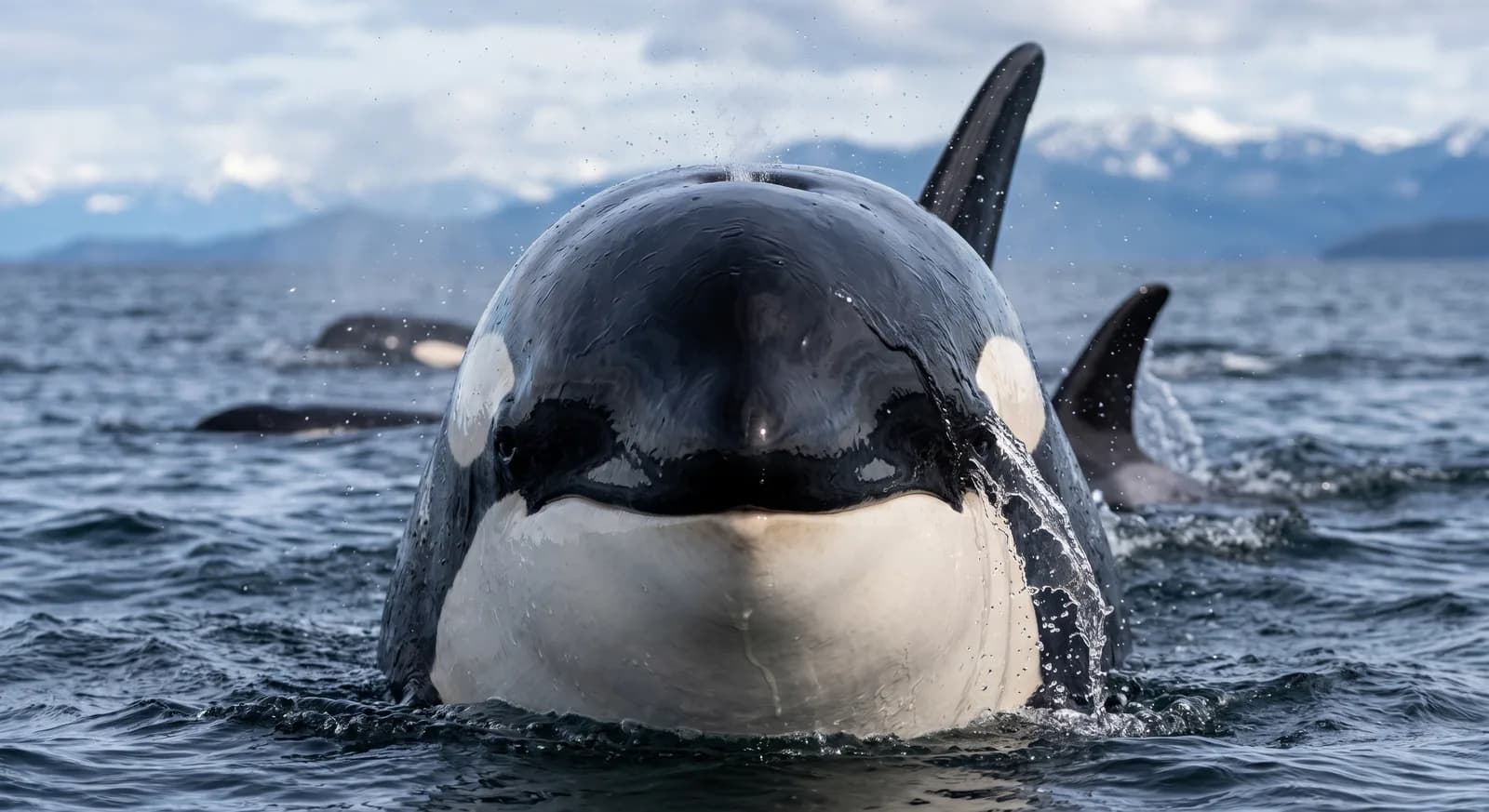
Killer WhaleEndangered

Killer Whale

Orcinus orca

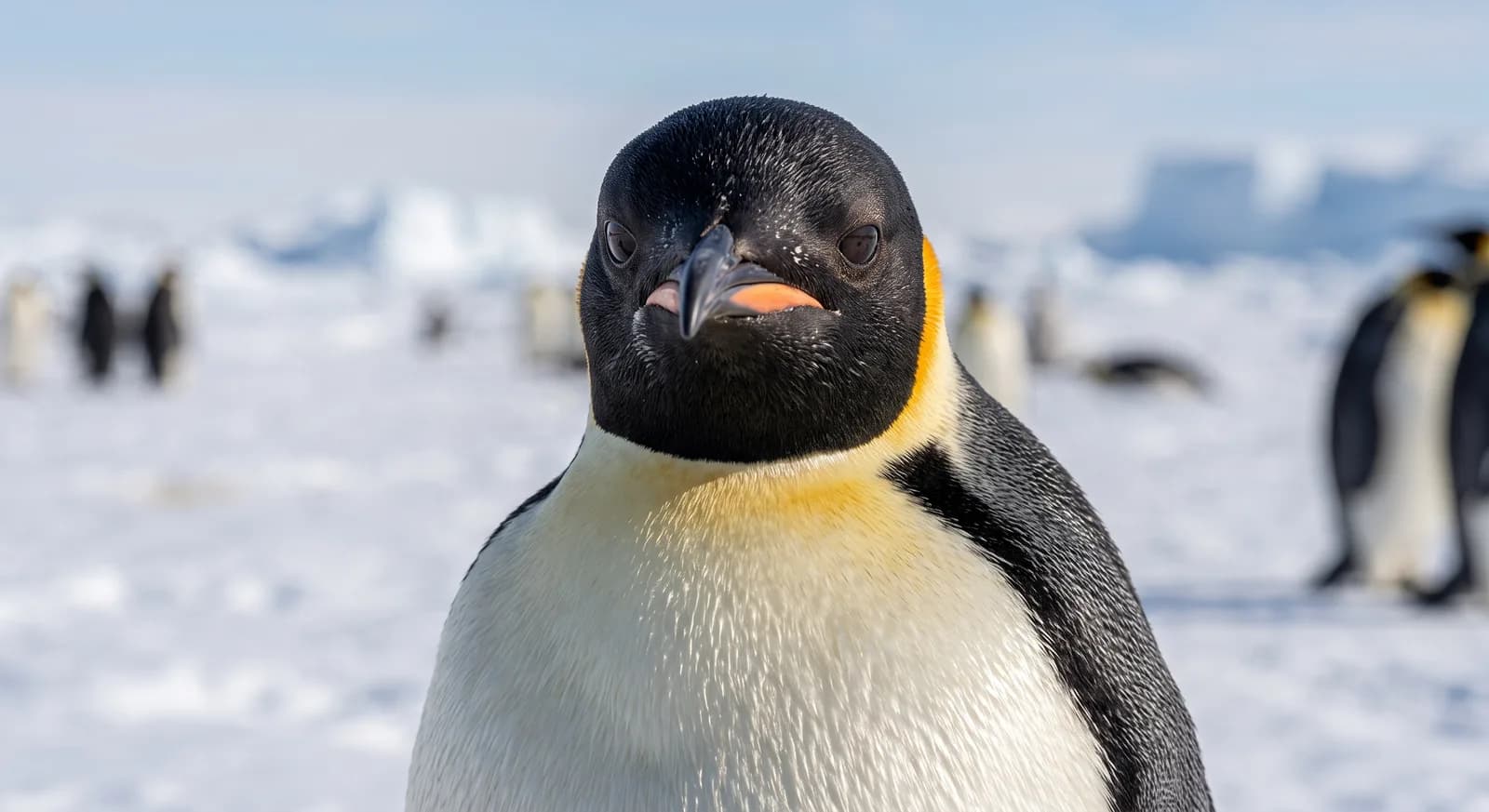
Emperor PenguinEndangered

Emperor Penguin

Aptenodytes forsteri

Southern Darwin's FrogEndangered

Southern Darwin's Frog

Rhinoderma darwinii

Sei WhaleEndangered

Sei Whale

Balaenoptera borealis

Page 1 of 21
Desert
Temperate forest
Grassland
Islands