National ParkBiosphere Reserve
Torres del Paine
Patagonia (Magallanes)Designated in 19592,422 km²
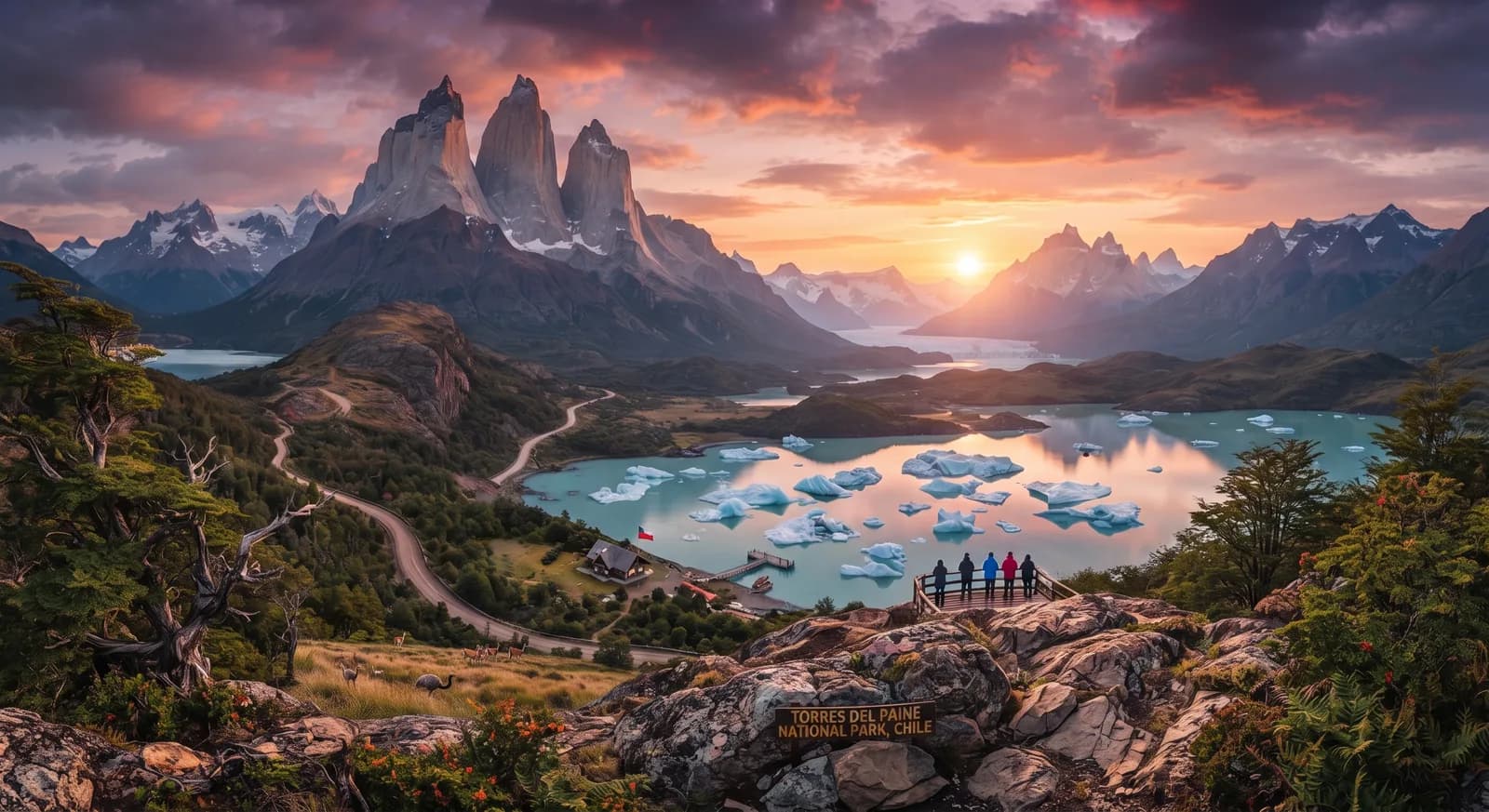
The Torres del Paine, three granite spires above 2,500 metres, are a world icon of Patagonian trekking
Area
2,422 km²
Protection category
IUCN II
Parque nacional —
Designated in
1959
Declared in 1959, it is the most emblematic national park in Chilean Patagonia. Its name combines the Spanish torres, towers, with paine, which in the indigenous Tehuelche language means blue, after the colour of its glacial lakes. The three granite towers it is named for were formed some 12 million years ago when magma forced its way up through older sedimentary rock, which later erosion wore away to leave the granite spires standing. It has been a UNESCO Biosphere Reserve since 1978 and holds one of the best-studied puma densities in the world, thanks to decades of research that have made the park a global model for how mountain tourism and big-cat conservation can sit together.
Location
Loading map…
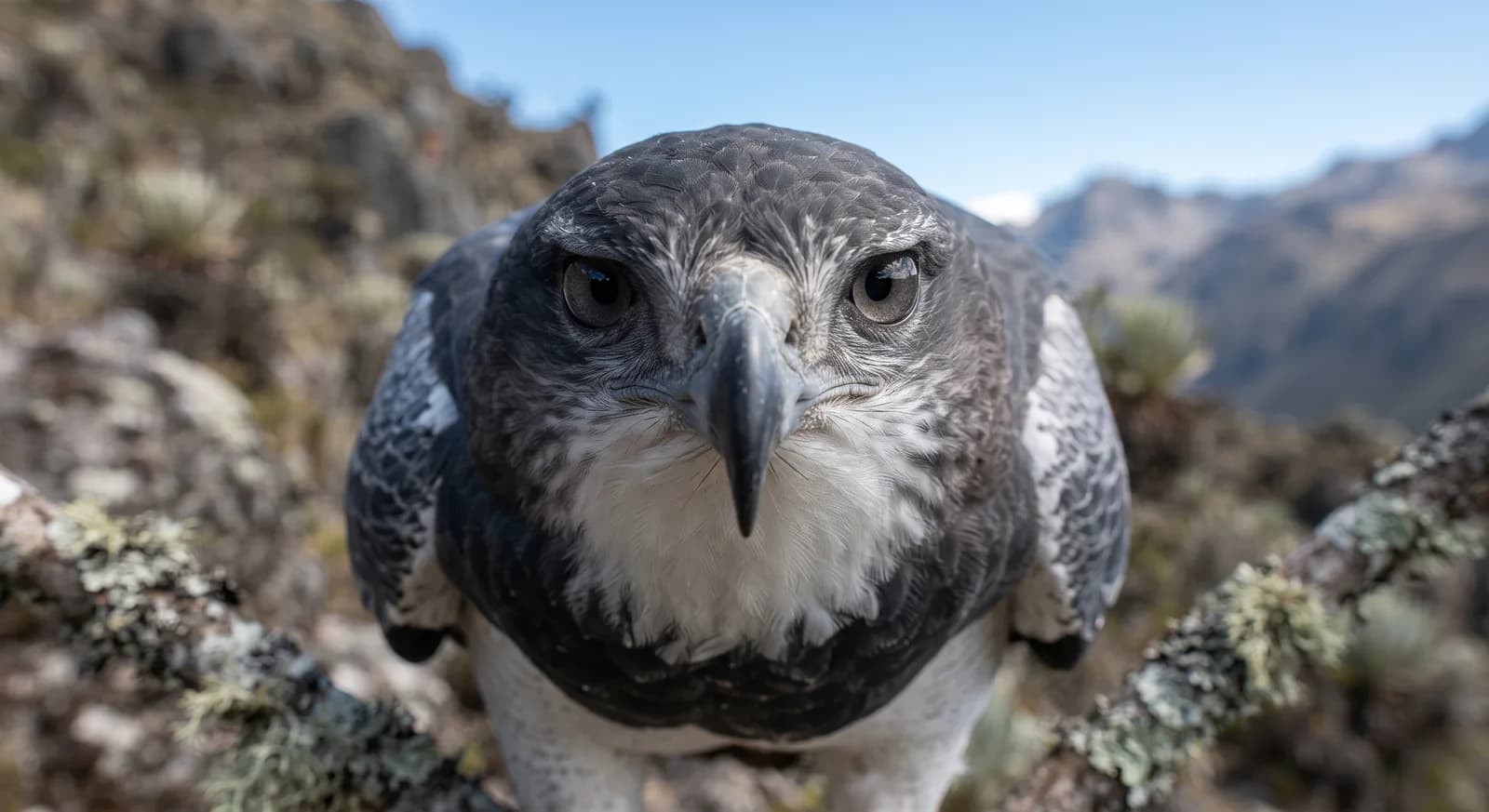
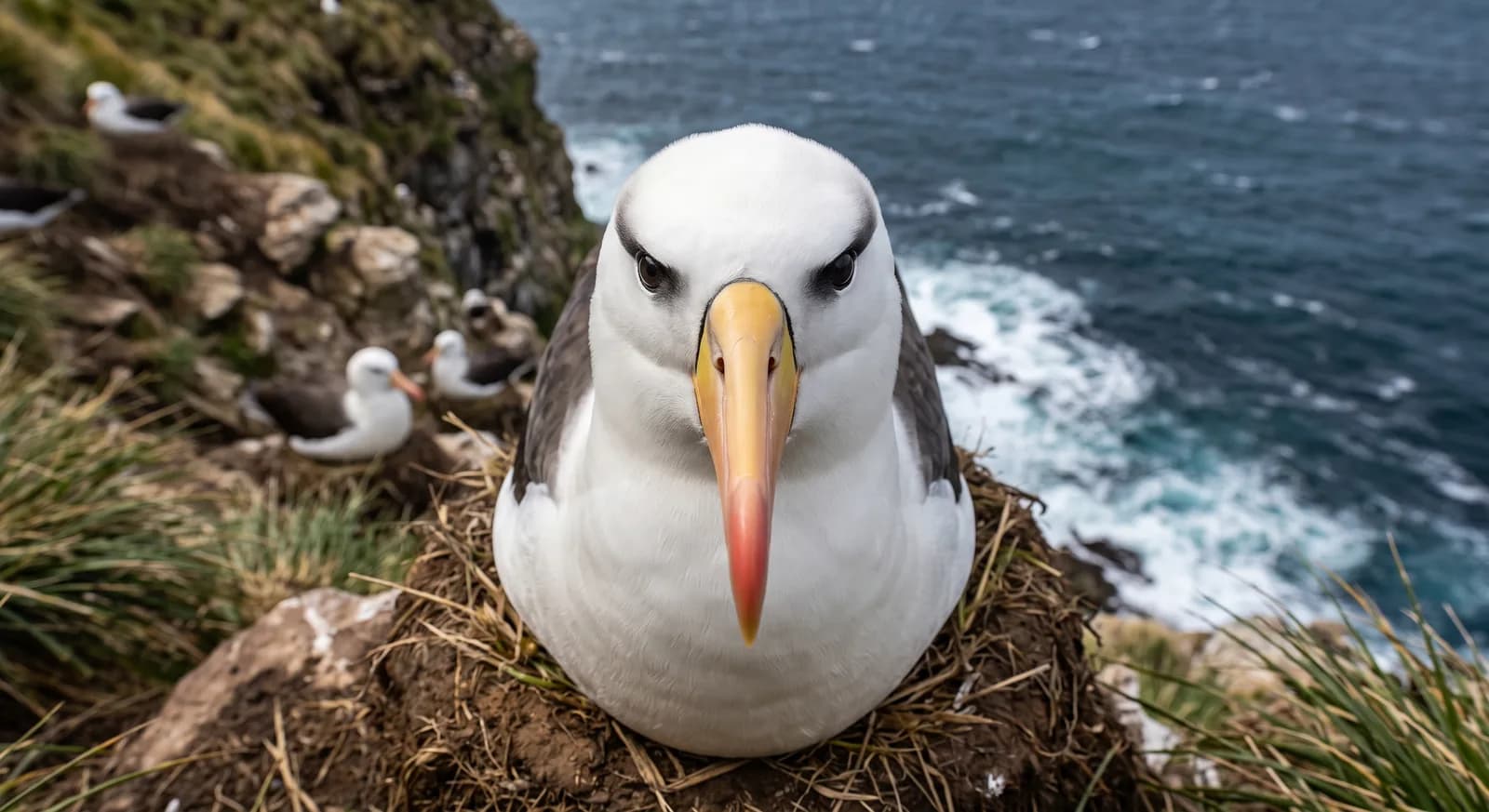
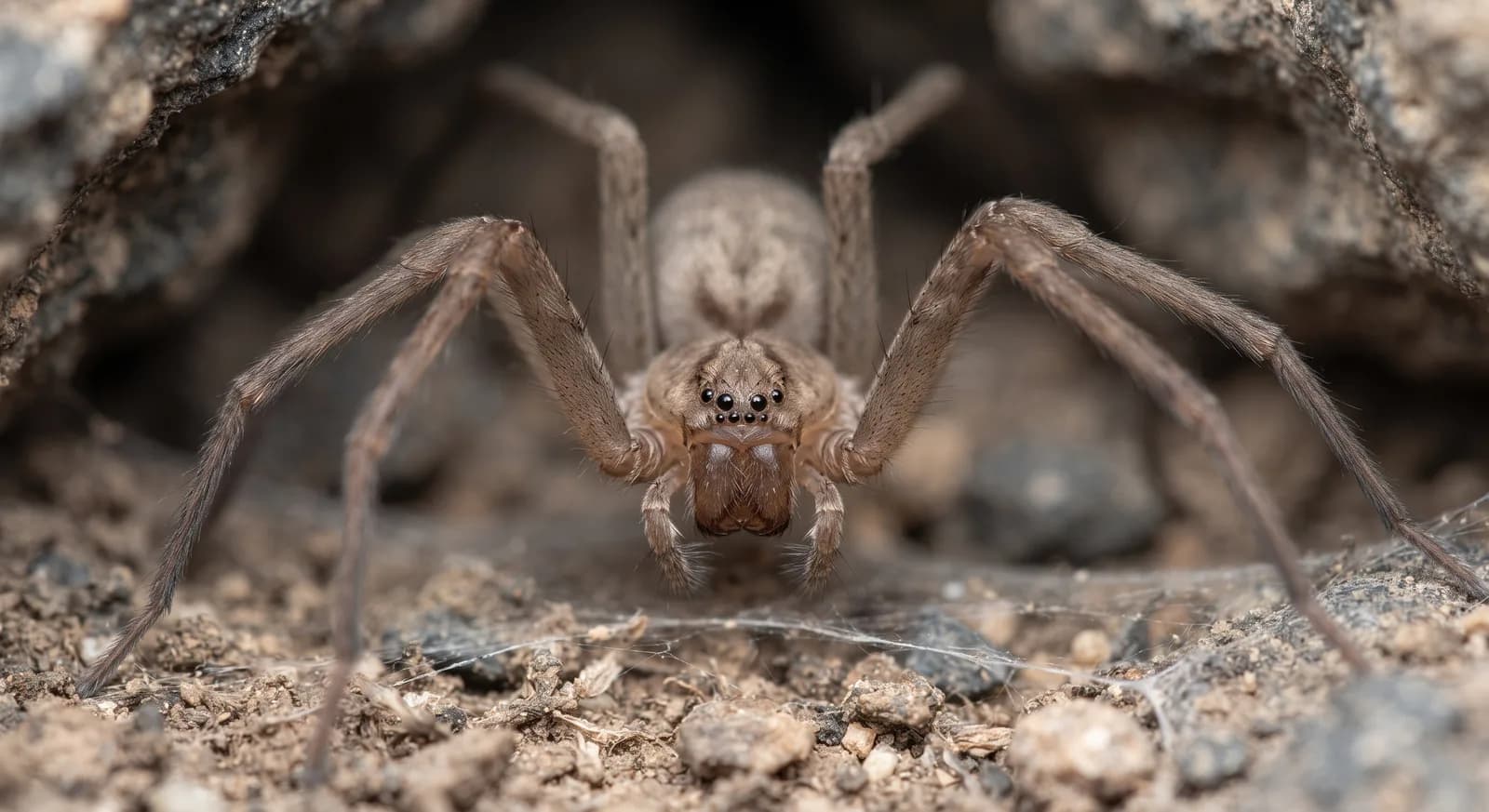
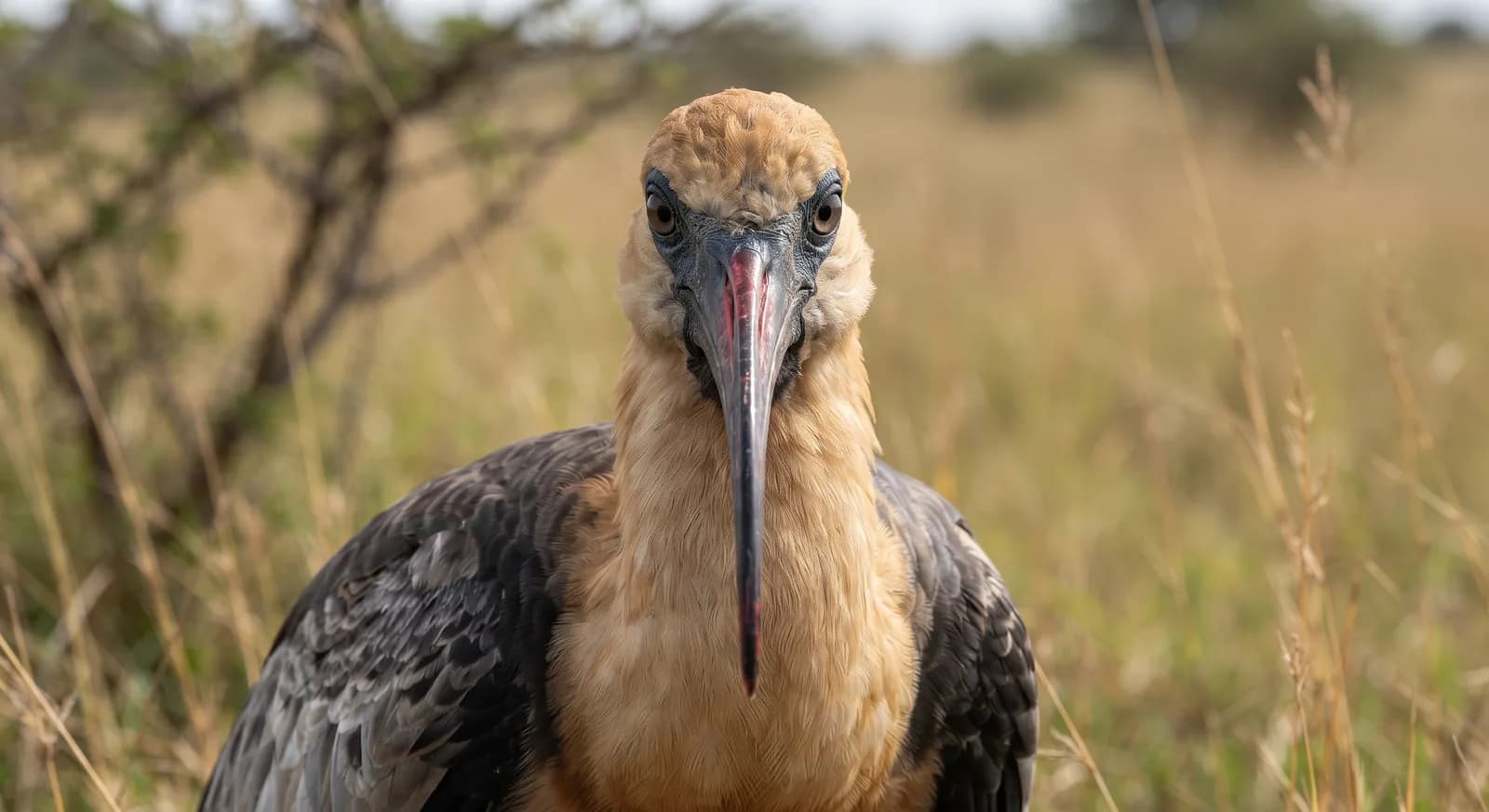
Torres del Paine: 28 documented species
Mammals10Birds16Arachnida2
Threatened:
Flora and ecosystems
Ecosystems found in Chile, where Torres del Paine lies.
DesertTemperate forestTundra / polar
Experiences in this park
HikingBirdwatching
Similar parks
Which other parks are like this one?
Same country: Chile
Same country: Chile
Same country: Chile
Same country: Chile
Keep exploring
Based on what we already know about this park.
Comments
Share your experience visiting Torres del Paine, or a tip for other travellers.
Be the first to comment.
 Chile