Skip to content
WAnimals
  • Map
  • Species
  • Parks
  • Diving
Log inCreate account
WAnimals

The guide for travellers and animal lovers: discover, plan and share your wild adventures around the world.

Discover wildlife

  • Species
  • Ecosystems
  • Glossary
  • Tags

Explore places

  • Map
  • Countries
  • Parks
  • Diving

Plan experiences

  • Guides

Learn

  • Blog

Resources

  • About us
  • How we build our profiles
  • Help centre
  • Contact
  • Install the app

Follow us

Account

  • Log in
  • Create account

© 2026 WAnimals. All rights reserved.

Terms of servicePrivacyCookiesLegal notice
MapSpeciesParksDiving
  1. Home
  2. Species
  3. American Kestrel

One of the 4 kestrels on WAnimals
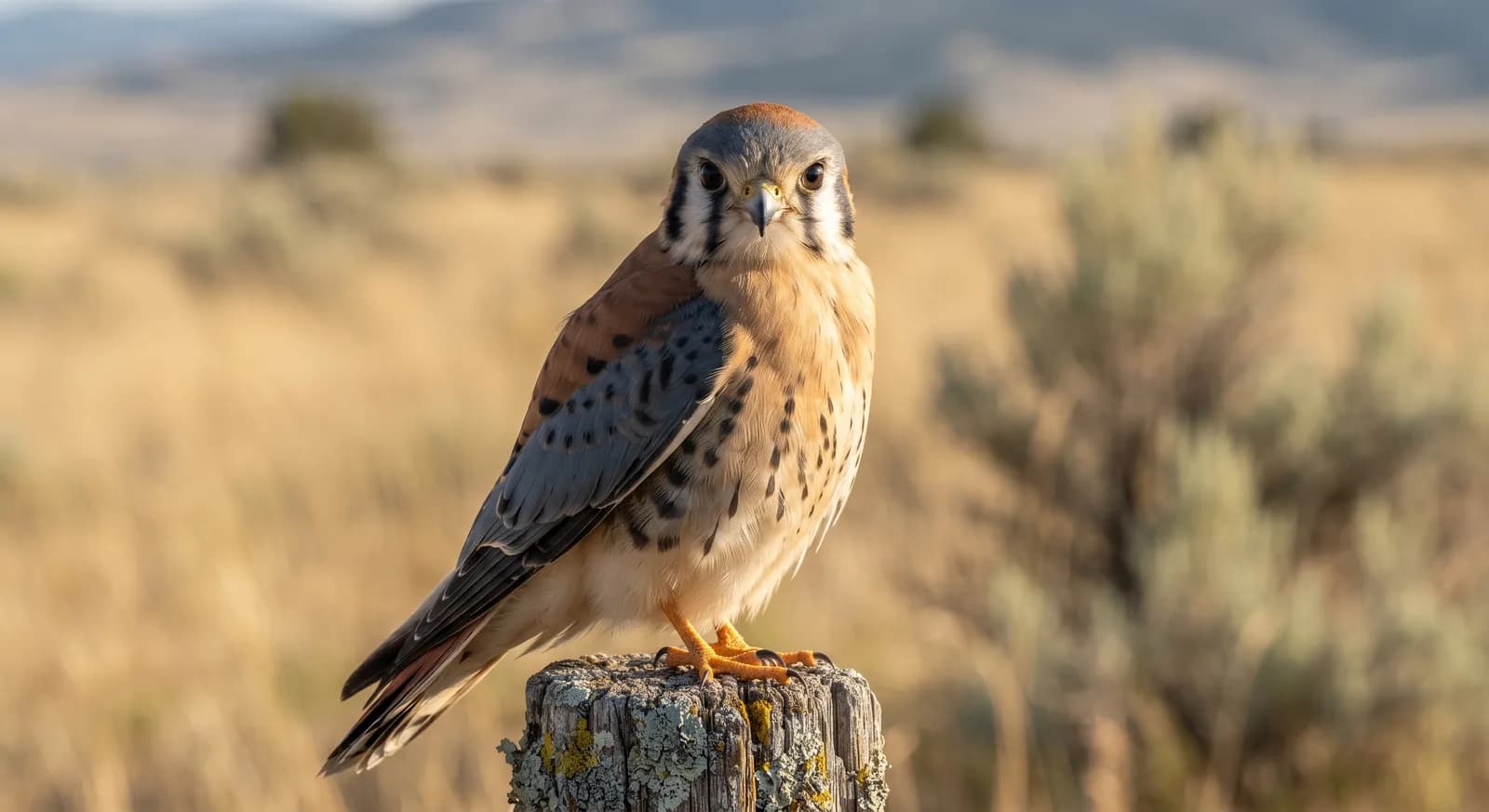
American Kestrel (Falco sparverius)

Birds · Falconiformes · Falconidae

American Kestrel

Falco sparverius

Least Concern

The species is abundant and widely distributed; it faces no significant short-term risk.

Spotted something wrong?

The American kestrel is the smallest and most colourful falcon in the Americas: the male has a chestnut back, slate-blue wings and a face with a strongly marked pattern of black moustachial stripes. It hunts insects, rodents and lizards from perches or by hovering. It nests in cavities, and its recent decline in North America, still without a clear cause, is one of the most debated puzzles in the continent's ornithology.

Weight

80 g – 165 g

Size

22 cm – 31 cm

Life expectancy

17 years
Diet

Insectivore

Feeds mainly on insects and other invertebrates.

Activity

Diurnal

Active mainly during the day.

Social structure

In pairs

Usually lives in pairs, sometimes for life.

Temperate forestDesertGrassland
35countries65parks10same family

AI-generated images: illustrations, not photographs.

Fun facts

  • It can see rodent urine: the urine of voles and mice reflects ultraviolet light, which the kestrel perceives, so it picks out the busiest trails from the air as though they were marked roads.
  • Its decline in North America is an open mystery: the population has fallen by more than half since 1970 without a single cause being identified, and everything from insecticides to the loss of nest cavities is under investigation.
  • It is one of the few falcons that hovers, beating its wings to hold position over a fixed point, like its European relative the common kestrel.

Life cycle and biology

Skeleton type
Vertebrate - internal bony skeleton (bird)
Habitat and environment
Grassland, farmland, roadsides, deserts and urban parks throughout the Americas
Sexual maturity
12 months
Gestation / incubation
29 days
Litter / clutch size
4.6 (average)

Sources consulted: Wikipedia (es): Falco sparverius

Where to find it

Loading map…

Where to see it

Parks and dive sites where this species has been documented — showing 10 of 65.

Related species

Other species in the catalogue with the most in common with American Kestrel — same habitat, park, country, tags or family.

Same taxonomic family
Shares a park
Shares a park
Shares a park

Keep exploring

Based on what we already know about american kestrel.

Share an experience, a fun fact or a tip for seeing the american kestrel.
See full glossary
This page in other languages: Español · Deutsch · Français · Português · Italiano

The pins mark the parks where its presence is documented.

See its range on the interactive map→
Yellowstone National ParkUnited States
YosemiteUnited States
Grand CanyonUnited States
EvergladesUnited States
GlacierUnited States
Great Smoky MountainsUnited States
RedwoodUnited States
Death ValleyUnited States
AcadiaUnited States
OlympicUnited States
See all 65 parks
Least Concern

Crested Caracara

Caracara plancus

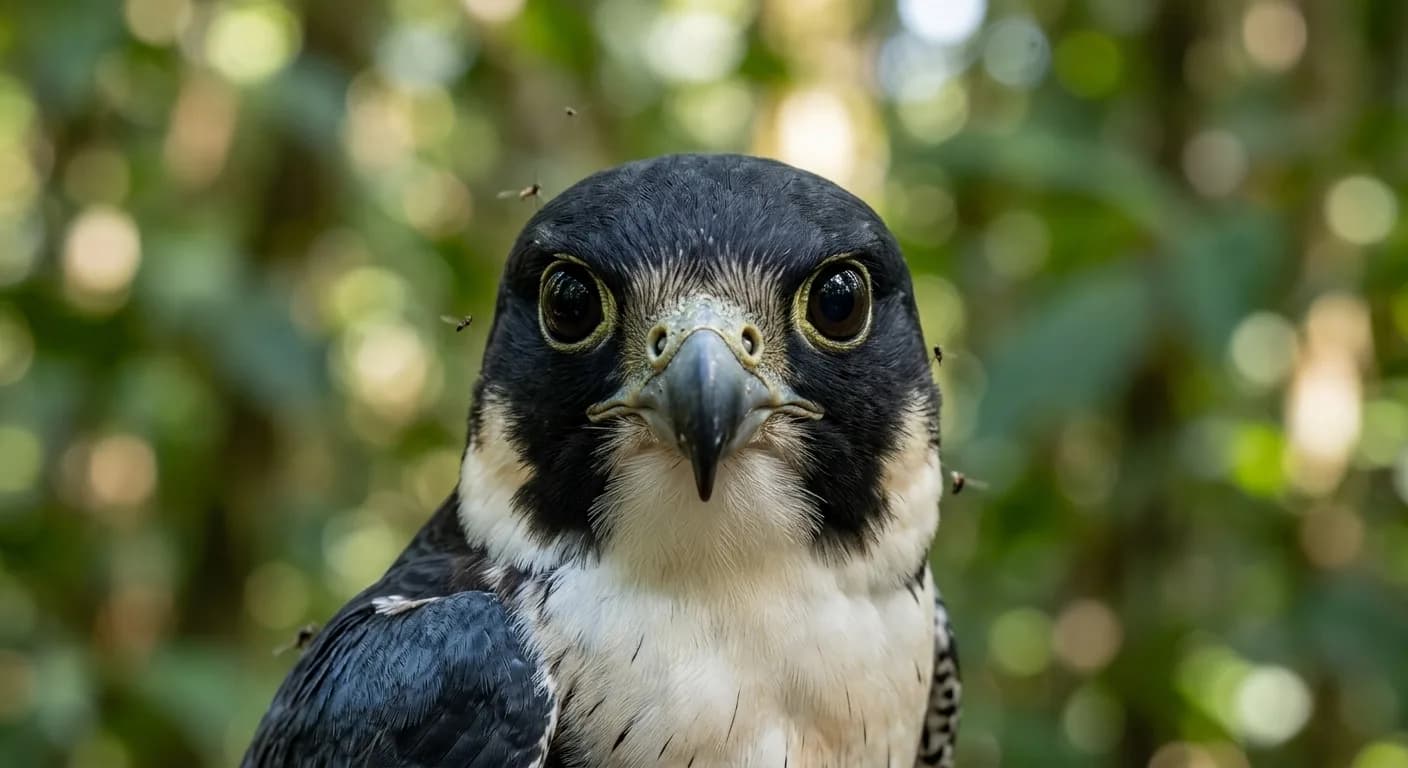
Bat FalconLeast Concern

Bat Falcon

Falco rufigularis

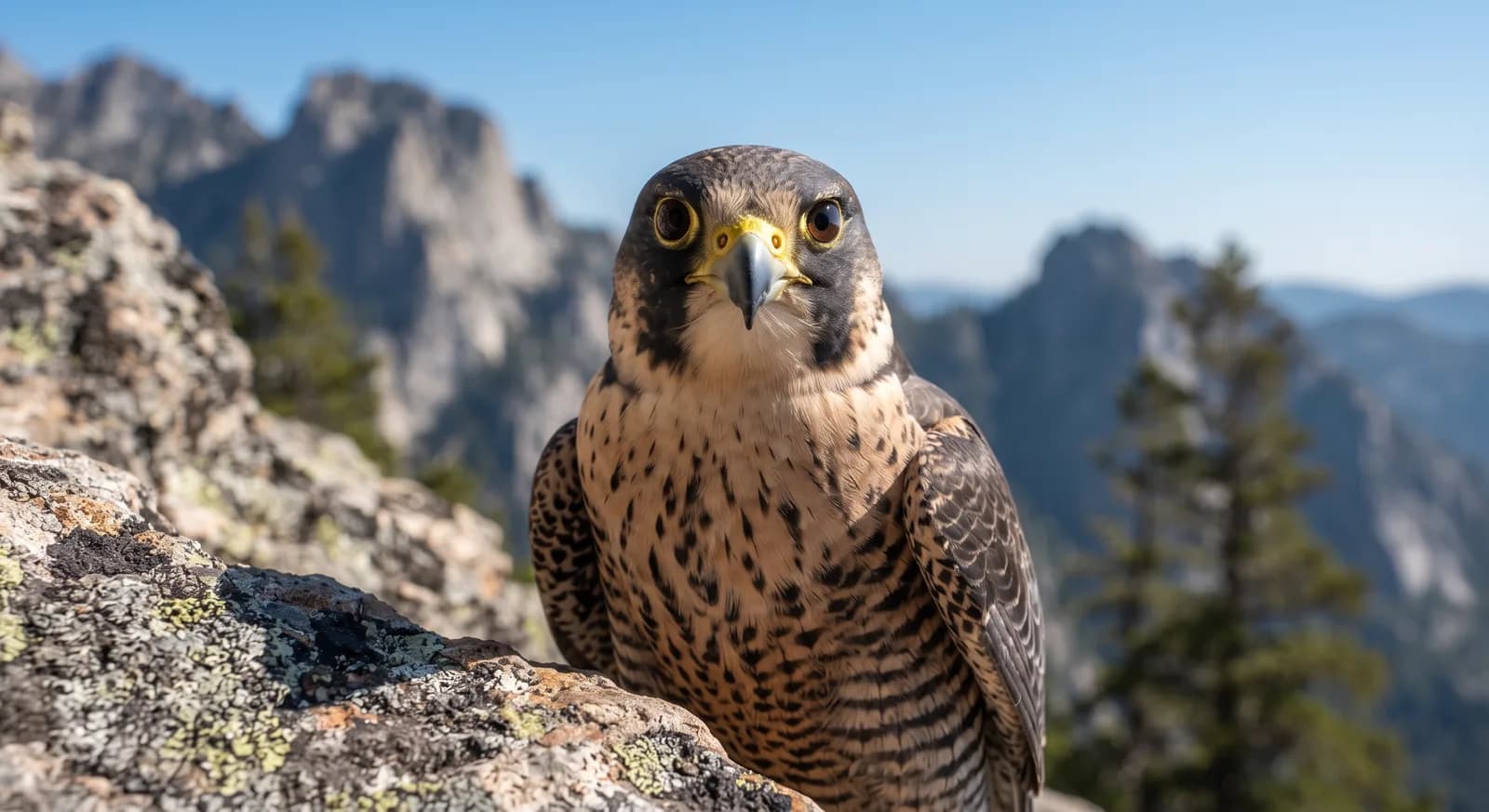
Peregrine FalconLeast Concern

Peregrine Falcon

Falco peregrinus

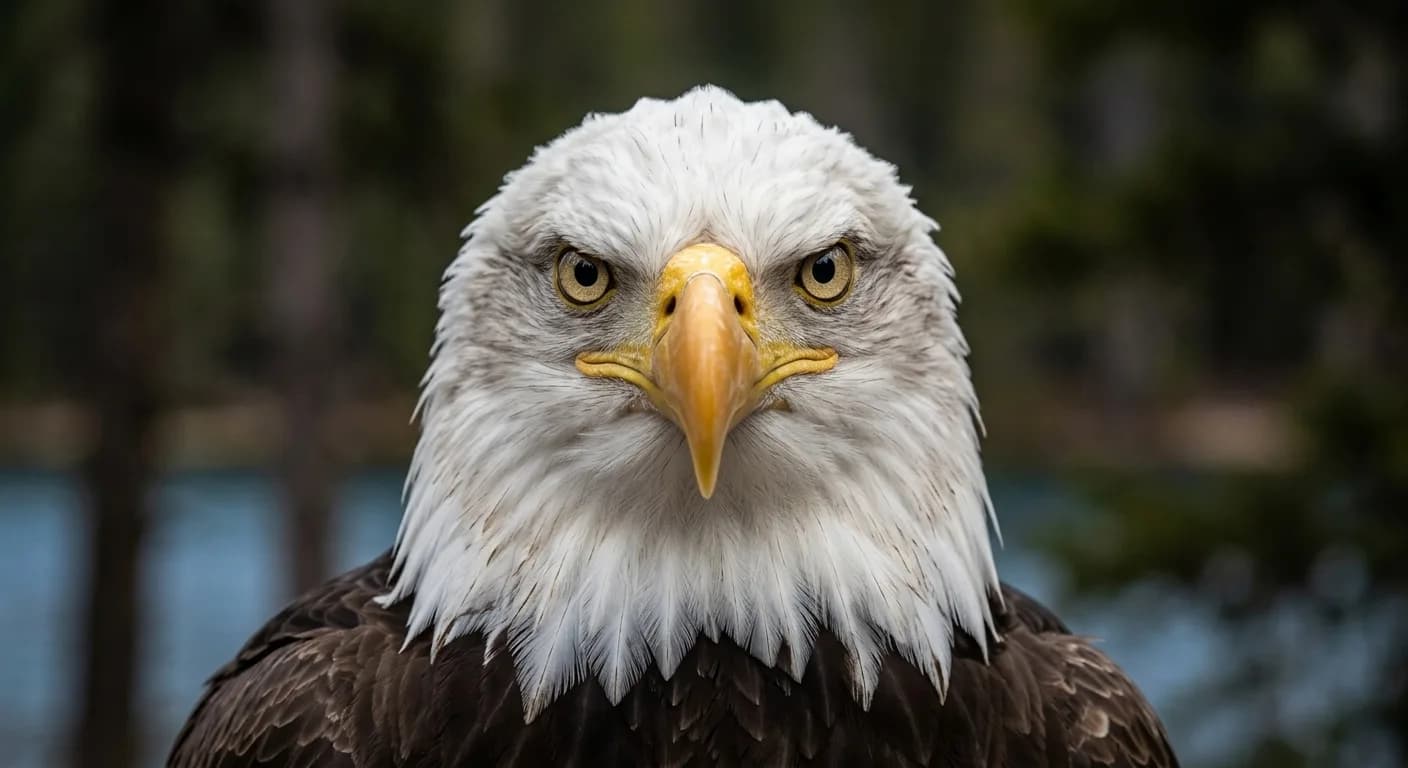
Bald EagleLeast Concern

Bald Eagle

Haliaeetus leucocephalus

Least Concern

Big Brown Bat

Eptesicus fuscus

Least Concern

Wood Duck

Aix sponsa

CountriesUnited States
ParksYellowstone National ParkUnited States
TagsInsectivore
Insectivore
Diurnal
In pairs
Bird
Temperate forest
Desert
Grassland

North America22

South America13

United States
Canada
Argentina
Mexico
Brazil
Chile
Aruba
Bahamas
Belize
British Virgin Islands
Canada
Cayman Islands
Costa Rica
Cuba
Curaçao
Dominican Republic
El Salvador
Guatemala
Haiti
Honduras
Jamaica
Mexico
Nicaragua
Panama
Puerto Rico
Trinidad and Tobago
U.S. Virgin Islands
United States
Argentina
Bolivia
Brazil
Chile
Colombia
Ecuador
French Guiana
Guyana
Paraguay
Peru
Suriname
Uruguay
Venezuela