Skip to content
WAnimals
  • Map
  • Species
  • Parks
  • Diving
Log inCreate account
WAnimals

The guide for travellers and animal lovers: discover, plan and share your wild adventures around the world.

Discover wildlife

  • Species
  • Ecosystems
  • Glossary
  • Tags

Explore places

  • Map
  • Countries
  • Parks
  • Diving

Plan experiences

  • Guides

Learn

  • Blog

Resources

  • About us
  • How we build our profiles
  • Help centre
  • Contact
  • Install the app

Follow us

Account

  • Log in
  • Create account

© 2026 WAnimals. All rights reserved.

Terms of servicePrivacyCookiesLegal notice
MapSpeciesParksDiving
  1. Home
  2. Species
  3. Big Brown Bat

One of the 29 bats on WAnimals

Mammals · Chiroptera · Vespertilionidae

Big Brown Bat

Eptesicus fuscus

Least Concern

The species is abundant and widely distributed; it faces no significant short-term risk.

Spotted something wrong?

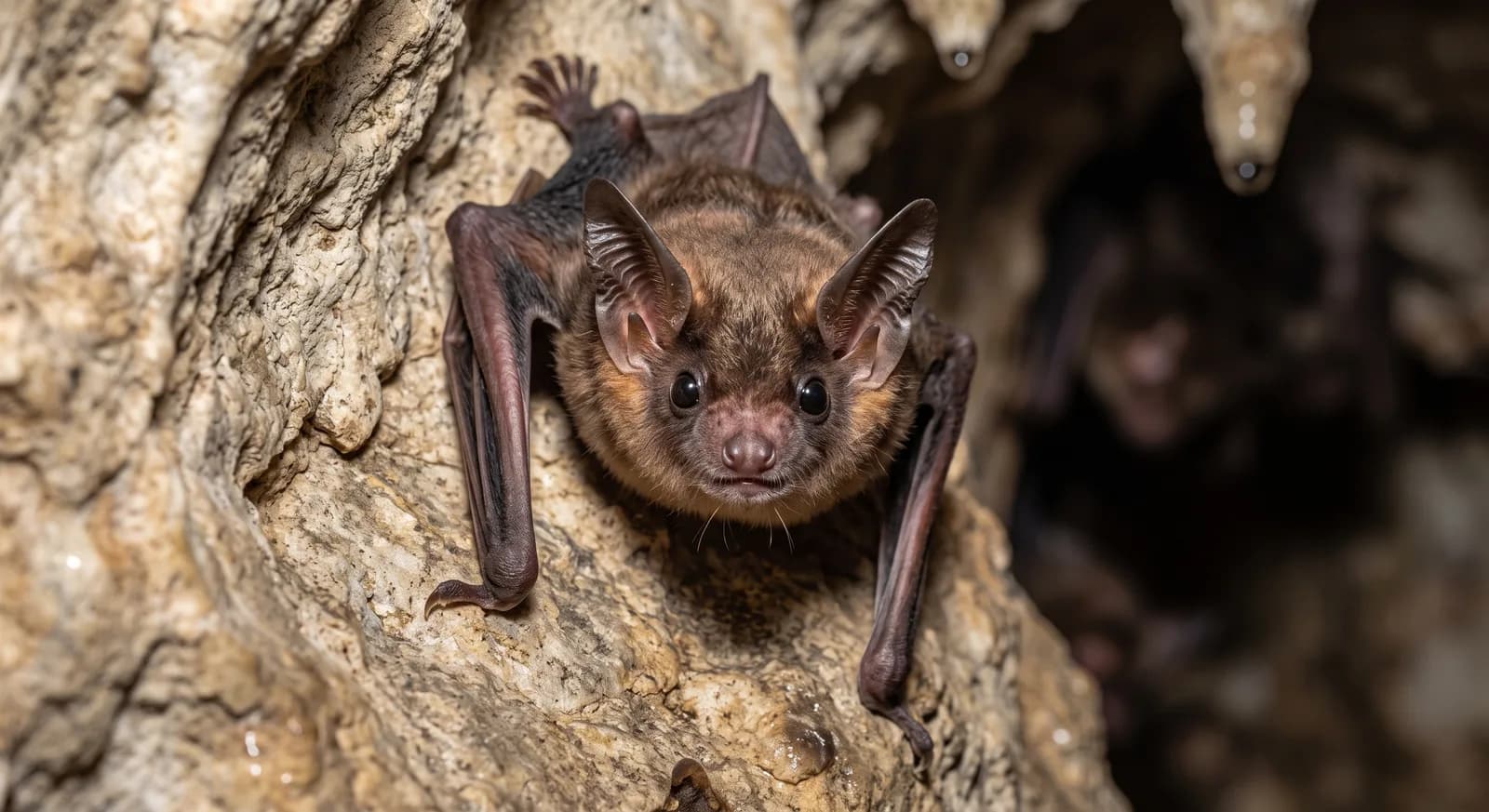
The big brown bat is one of the commonest and most urban bats in North America. It breeds in attics, barns and cavities in buildings, and in winter hibernates in caves, mines or even in the buildings themselves. It specialises in beetles, whose hard elytra it crushes with powerful jaws, and for that reason it is regarded as a first-rate agricultural ally. It has withstood the white-nose syndrome fungus far better than other species.

Weight

14 g – 21 g

Size

8 cm – 13 cm

Life expectancy

19 years

Diet

Insectivore

Feeds mainly on insects and other invertebrates.

Activity

Nocturnal

Active mainly at night.

Social structure

Colony

Lives in large concentrations, often for breeding reasons.

Temperate forestDesertGrassland
8countries45parks14same family

Fun facts

  • It eats mainly beetles, including several of the main pests of maize and lucerne: a medium-sized colony has been calculated to prevent the hatching of millions of crop-damaging larvae every summer.
  • It has withstood white-nose syndrome far better than other North American bats, which have lost more than 90% of their numbers: it is one of the few cases that make it possible to study why some species resist and others do not.

Life cycle and biology

Skeleton type
Vertebrate - internal bony skeleton (mammal)
Habitat and environment
Attics, barns, tree hollows and caves in woodland, farmland and cities across the Americas
Sexual maturity
18 months
Gestation / incubation
35 days
Litter / clutch size
2

Sources consulted: Wikipedia (en): Big brown bat

Where to find it

Loading map…

Where to see it

Parks and dive sites where this species has been documented — showing 10 of 45.

Related species

Other species in the catalogue with the most in common with Big Brown Bat — same habitat, park, country, tags or family.

Same taxonomic family
Shares a park
Shares a park
Shares a park

Keep exploring

Based on what we already know about big brown bat.

Share an experience, a fun fact or a tip for seeing the big brown bat.
See full glossary
This page in other languages: Español · Deutsch · Français · Português · Italiano

The pins mark the parks where its presence is documented.
See its range on the interactive map→
Grand CanyonUnited States
EvergladesUnited States
Great Smoky MountainsUnited States
ZionUnited States
AcadiaUnited States
Big BendUnited States
Mammoth CaveUnited States
Gros MorneCanada
FundyCanada
Point PeleeCanada
See all 45 parks
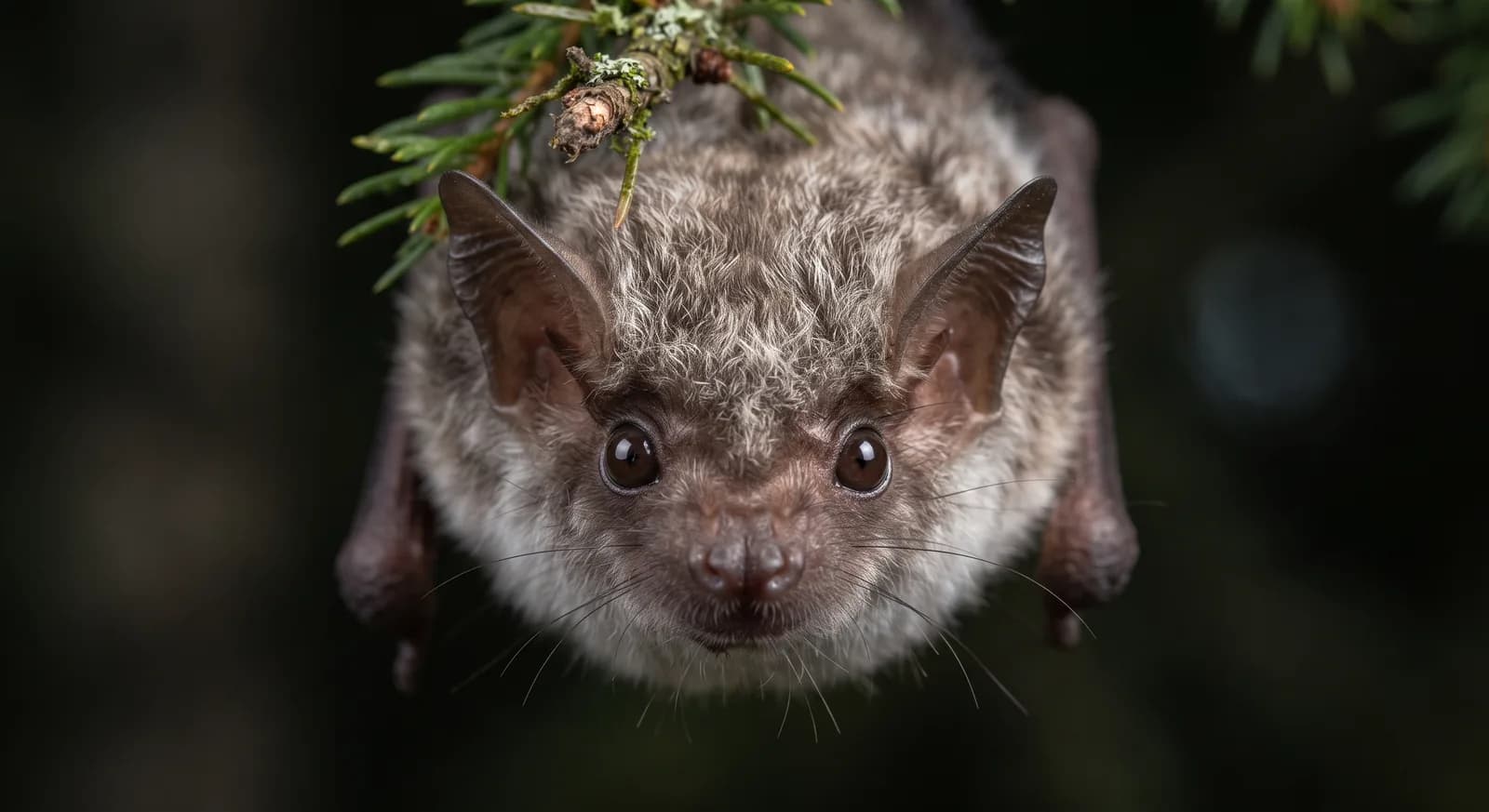
North American Hoary BatLeast Concern

North American Hoary Bat

Lasiurus cinereus

Critically Endangered

Little Brown Bat

Myotis lucifugus

Near Threatened

Indiana Bat

Myotis sodalis

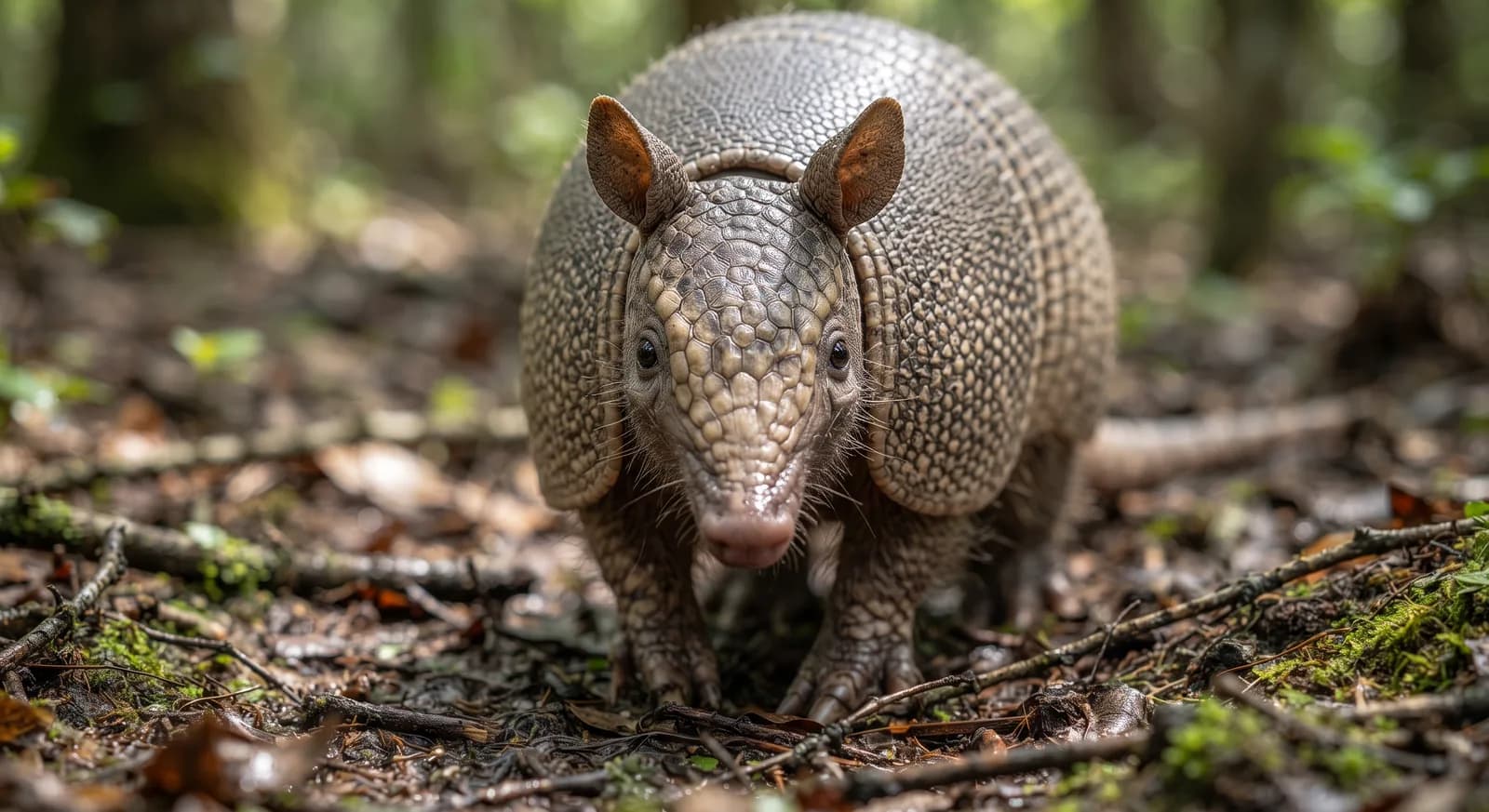
Nine-banded ArmadilloLeast Concern

Nine-banded Armadillo

Dasypus novemcinctus

Least Concern

Eastern Mole

Scalopus aquaticus

Mexican Free-tailed BatLeast Concern

Mexican Free-tailed Bat

Tadarida brasiliensis

CountriesUnited States
ParksGrand CanyonUnited States
TagsInsectivore
Insectivore
Nocturnal
Colonial
Temperate forest
Desert
Grassland
Mammal
United States
Canada
Mexico
Bahamas
Colombia
Cuba
Guatemala
Honduras