Skip to content
WAnimals
  • Map
  • Species
  • Parks
  • Diving
Log inCreate account
WAnimals

The guide for travellers and animal lovers: discover, plan and share your wild adventures around the world.

Discover wildlife

  • Species
  • Ecosystems
  • Glossary
  • Tags

Explore places

  • Map
  • Countries
  • Parks
  • Diving

Plan experiences

  • Guides

Learn

  • Blog

Resources

  • Help centre
  • Contact
  • Install the app

Follow us

Account

  • Log in
  • Create account

© 2026 WAnimals. All rights reserved.

About usHow we build our profilesTerms of servicePrivacyLegal notice
MapSpeciesParksDiving
  1. Home
  2. countries
  3. Mexico

Mexico

North America

Capital: Mexico CityNovember to April

509

Documented species

29

Parks and reserves

25

Dive sites

Mexico is one of the planet's megadiverse countries and the point where the fauna and flora of North America meet those of the American tropics. Its two Sierra Madre ranges enclose a highland of scrub and pine-oak forest holding more pine and oak species than anywhere else in the world, while the south harbours rainforest and cloud forest. Baja California combines desert with coastal lagoons where grey whales calve after crossing the whole Pacific, and the Yucatán peninsula hides beneath its limestone platform the largest flooded cave system on the planet. The Gulf of California, with its high productivity, was called the aquarium of the world by Jacques Cousteau.

Nature in Mexico

National animal: The golden eagle, the national bird, on the coat of arms and the flag; the Xoloitzcuintle is the national dog

Did you know?

Every autumn, hundreds of millions of monarch butterflies travel up to four thousand kilometres from Canada and the United States to a handful of oyamel fir forests in Michoacán and the State of Mexico, where they cover the trees until the branches bend. The extraordinary part is that no single butterfly makes the round trip: it takes several generations, and even so the granddaughters and great-granddaughters return to the same stands they have never seen.

Biodiversity profile

Conservation

The vaquita, a small cetacean found only in the northern Gulf of California, is the most endangered marine mammal in the world, with fewer than ten individuals left, a victim of the illegal nets used to catch totoaba. The axolotl survives in the canals of Xochimilco and is a worldwide scientific model for its ability to regenerate limbs and organs.

Where and when to watch wildlife

The Michoacán sanctuaries between November and March for the monarch. The Baja California lagoons between January and March for grey whales. Revillagigedo in winter for giant mantas and sharks.

Natural phenomena in Mexico

  • Veracruz River of Raptors — 20 August to 20 November (peak in the first two weeks of October)
  • Mobula ray aggregation in the Sea of Cortez — April to July (largest concentrations in May and June)
  • Monarch butterfly migration — November to March (peak Dec-Feb)
  • Grey whales calving in the lagoons of Baja California — December to April (peak Jan-Mar)
  • Great white shark aggregation at Guadalupe Island — July to November (some years into January)
  • Ruby-throated hummingbird migration — March to May (spring migration)

Parks and reserves

Biosphere Reserve

El Vizcaino

The largest biosphere reserve in Latin America; a world breeding sanctuary for the grey whale

See park
Biosphere Reserve

Sian Ka'an

The largest protected area in the Mexican Caribbean; its Maya name means "where the sky is born"

See park
Biosphere Reserve

Calakmul

Mexico's largest rainforest reserve; it holds one of the largest Maya cities ever found

See park
Biosphere Reserve

El Pinacate and Gran Desierto de Altar

A volcanic landscape NASA used to train the Apollo astronauts before they went to the Moon

See park
Biosphere Reserve

Monarch Butterfly

The overwintering site of the monarch butterfly, after a migration of up to 4,500 km from Canada

See park
National Park

Revillagigedo Archipelago

The Mexican Galápagos; the largest fully protected marine reserve in North America

See park
National Park

Loreto Bay

Five islands and a stretch of the Gulf of California off Loreto, with one of the largest concentrations of cetaceans in the gulf.

See park
National Park

Cabo Pulmo

The northernmost coral reef in the eastern Pacific, famous for the greatest recovery of marine biomass ever documented.

See park
World Heritage Site (Natural)

Islands and Protected Areas of the Gulf of California

244 islands, islets and coastal areas of the Gulf of California, a natural laboratory of speciation, on the List in Danger since 2019.

See park
National Park

Palenque

Tropical rainforest in northern Chiapas wrapped around one of the great Maya cities, inscribed as a cultural property in 1987.

See park
National Park

Revillagigedo

Mexico's largest national park and the biggest fully protected marine reserve in North America.

See park
National Park

Huatulco

Nine bays on the Oaxaca coast with dry forest, mangrove and the northernmost reefs of the Mexican Pacific.

See park
Biosphere Reserve

Sierra Gorda

The Mexican reserve with the greatest diversity of ecosystems, from semi-desert to rainforest and cloud forest

See park
National Park

Cozumel Reefs

The northern end of the Mesoamerican Reef System, off the island of Cozumel, with coral walls and strong currents.

See park
National Park

Sumidero Canyon

A river canyon up to 1,000 metres deep, the scene of the Chiapanec people's last stand against the Spanish

See park
National Park

Constitución de 1857

Conifer forest and Laguna Hanson in the Sierra de Juárez, a mountain oasis in the Baja California desert.

See park
National Park

Cumbres de Monterrey

Northern Mexico's largest national park, in the Sierra Madre Oriental, with deep canyons and conifer forests.

See park
National Park

Desierto de los Leones

Mexico's first national park, a sacred fir forest on the doorstep of Mexico City around an old Carmelite monastery.

See park
National Park

Cacahuamilpa Caverns

One of the largest cave systems in the world, with chambers tens of metres high in northern Guerrero.

See park
National Park

Isla Contoy

An uninhabited islet in the Mexican Caribbean that serves as a seabird sanctuary and a turtle nesting site.

See park
Biosphere Reserve

Guadalupe Island

One of the best places in the world for cage diving with the great white shark

See park
National Park

Marietas Islands

Volcanic islets off Nayarit, with the famous Playa del Amor inside an open crater and blue-footed booby colonies.

See park
National Park

Iztaccíhuatl-Popocatépetl

The two great volcanoes of central Mexico, with Popocatépetl in continuous activity since 1994.

See park
National Park

Lagunas de Montebello

A system of dozens of karst lakes in different colours on the Chiapas border with Guatemala.

See park
National Park

La Malinche

A dormant volcano between Tlaxcala and Puebla, an island of high-altitude forest in one of Mexico's most populated regions.

See park
National Park

Nevado de Colima

It takes in the Volcán de Fuego, one of the most active volcanoes in North America, and its inactive neighbour the Nevado

See park
Protection Area

Nevado de Toluca

Mexico's fourth-highest volcano, with two lakes in its crater, reclassified in 2013 from national park to protected area.

See park
National Park

Pico de Orizaba

The roof of Mexico and the volcano holding the country's last significant glaciers.

See park
National Park

Sierra de San Pedro Mártir

The highest range in Baja California, with the clearest skies in Mexico and the California condor reintroduction project.

See park

Diving and snorkelling

Wall/Pelagic

Revillagigedo Islands (Socorro)

Four volcanic islands — Socorro, Clarión, San Benedicto and the Roca Partida stack — that are the peaks of an emergent underwater range. The abundance of large pelagics is their defining feature, and Roca Partida, a tiny stack surrounded by open ocean, is usually the site that impresses most.

See dive site
Living coral reef

Cabo Pulmo National Park

One of the few living hard coral reefs in the eastern Pacific, commonly cited as the best-documented case of biomass recovery in the world after fishing was banned.

See dive site
Marine park reef

Chankanaab Reef (Cozumel)

A national park with a shore-accessible reef, ideal for beginners and with artificial underwater sculptures.

See dive site
Drift wall

Cozumel (Santa Rosa Wall)

A vertical drop beginning at around 15 m, with overhangs and swim-throughs that make it one of the classic walls of the Caribbean. It is always dived as a drift on the island's permanent current.

See dive site
Wall reef

Palancar Reef

A band some 5 km long of coral formations on the south-west of the island, with tunnels, caves and deep walls. It divides into several sectors — Gardens, Caves, Bricks, Horseshoe — of differing difficulty.

See dive site
Atoll/Wreck

Banco Chinchorro

The largest coral atoll in the northern hemisphere, a Biosphere Reserve with more than 90 historic wrecks and saltwater crocodiles.

See dive site
Cenote/Halocline

Cenote Angelita

An open cenote in which, at around 30 m, a layer of hydrogen sulphide separates the fresh water from the salt and forms a dense cloud. Branches and trunks of fallen trees rise from the bottom through that layer, so that the diver seems to float above a landscape of fog with trees emerging from it.

See dive site
Cave/Cenote

Cenote Calavera

A cenote with vertical access through three skull-shaped openings, popular for its halocline and stalactite formations.

See dive site
Cave/Coastal cenote

Cenote Casa Cenote

An open, channel-shaped cenote fringed with mangroves, where the fresh water of the aquifer meets the salt water. Being shallow and open to the sky, it is not an overhead environment.

See dive site
Cave/Cenote

Cenote Chac Mool

A cenote with a striking visible halocline between fresh and salt water, popular with photographers.

See dive site
Cave/Cenote

Cenote Dos Ojos

Two cenotes linked by a passage. It is one of the most heavily dived cavern routes on the Riviera Maya, and its system was found to be part of Sac Actun in 2018.

See dive site
Cave/Cenote

Gran Cenote

One of the most photogenic cenotes in the Riviera Maya, with stalactite formations and spectacular filtered light.

See dive site
Reef/Pelagic

Contoy Island

A biosphere reserve north of Isla Mujeres, the site of the world's largest whale shark aggregation, at "Afuera".

See dive site
Pelagic/Cage

Guadalupe Island (great white shark)

A remote volcanic island with one of the greatest concentrations of great white sharks in the world; cage diving.

See dive site
Surface pelagic

Isla Mujeres (whale shark)

A summer aggregation point for hundreds of whale sharks; the diving is generally supervised snorkelling.

See dive site
Kelp forest/Wreck

Coronado Islands

Islands on the Mexico-United States border with kelp forests and an active sea lion colony.

See dive site
Reef/Pelagic

Loreto Bay National Park

A marine national park in the Sea of Cortez, with five volcanic islands and great pelagic diversity.

See dive site
Rock/Sea lion colony

Los Islotes (sea lions)

A colony of extremely playful sea lions on a rocky islet in the Sea of Cortez, ideal for all levels.

See dive site
Lagoon reef

Molasses Reef (Isla Mujeres)

An easily reached reef at the north of the island, a quiet alternative to the busier whale shark spots.

See dive site
Reef/Underwater sculpture

Manchones Reef (Cancún)

The site of Jason deCaires Taylor's Underwater Museum of Art (MUSA), with more than 500 submerged human sculptures.

See dive site
Rock formation/Cave

Puerto Vallarta (Los Arcos)

Rock formations designated an underwater park, with tunnels and caves carved by the Pacific swell.

See dive site
Cave (one of the longest in the world)

Ox Bel Ha System

A system discovered in February 1996 whose name means "three paths of water" in Yucatec Maya. As of January 2023 it was the longest underwater cave system in the world, with 435.8 km surveyed against Sac Actun's 259.5 km; the English Wikipedia gives an updated figure of 541.7 km. It has at least 160 entrance cenotes and a maximum recorded depth of around 57 m. The halocline varies between about 10 m near the coast and about 20 m inland; CINDAQ estimated that 27% of the system is salt water and 73% fresh.

See dive site
Cave (the longest system in the world)

Sac Actun System

Its name means "white cave" in Yucatec Maya. Exploration began in 1987 from the Gran Cenote, some 5 km from Tulum. In early 2007 it was connected to the Nohoch Nah Chich system and became the longest in the world; in January 2018, as part of the Gran Acuífero Maya project, the connection to the Dos Ojos system (83 km) was found, bringing the whole to some 347 km. As of January 2023 its surveyed length was 259.5 km, behind Ox Bel Ha.

See dive site
Reef/Wreck

Veracruz (Veracruz Reef System)

The largest reef system in the Gulf of Mexico, a Biosphere Reserve with wrecks from the Spanish colonial period.

See dive site
Reef/Wall

Xcalak

A remote village on the Belize border, with access to the same Mesoamerican Reef system without the crowds of Cancún.

See dive site

Wildlife you can see now

What is worth looking out for this month in Mexico?
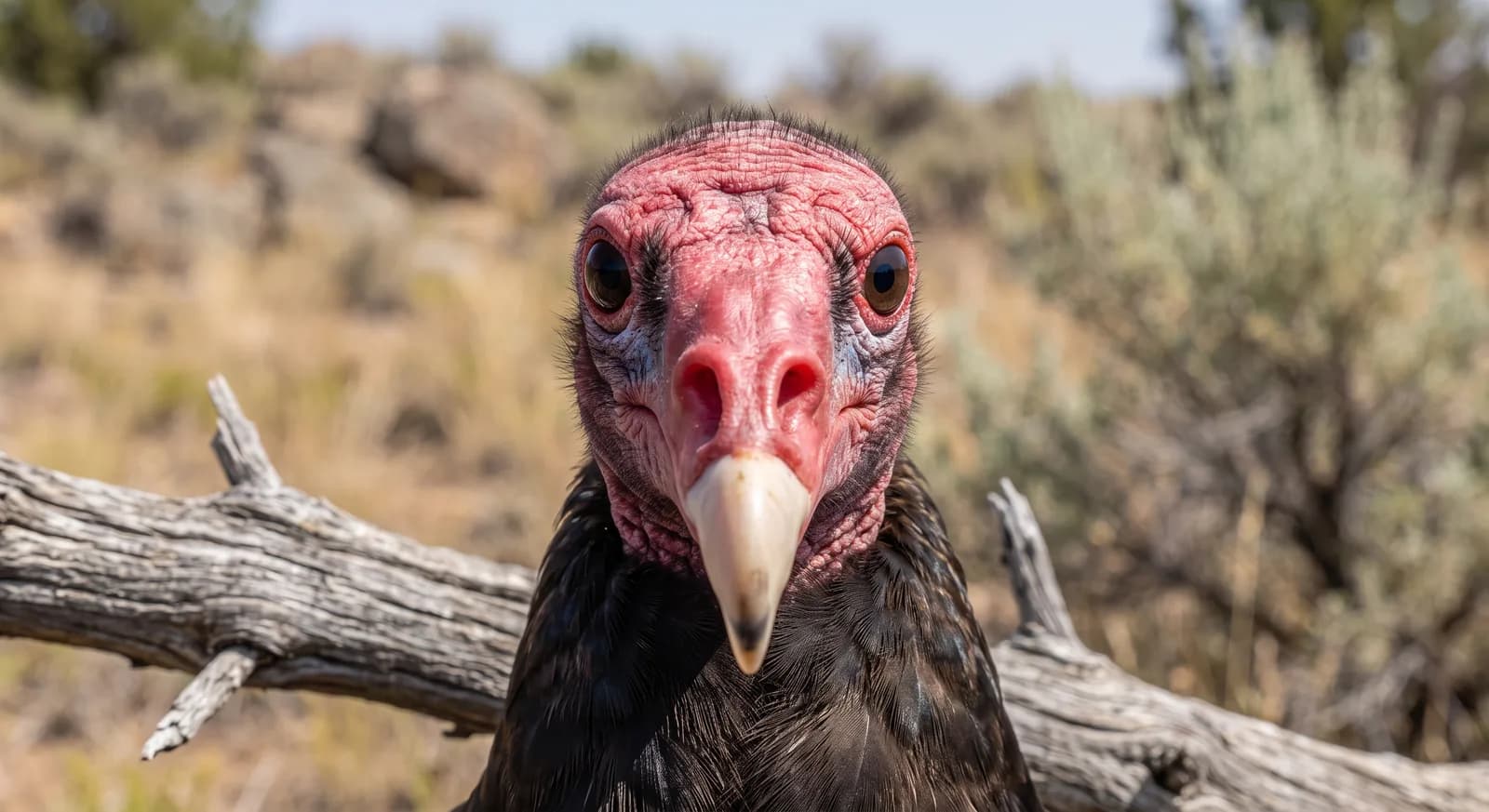
Turkey VultureLeast Concern

Turkey Vulture

Cathartes aura

Now is a good time: Veracruz River of Raptors (20 August to 20 November (peak in the first two weeks of October))
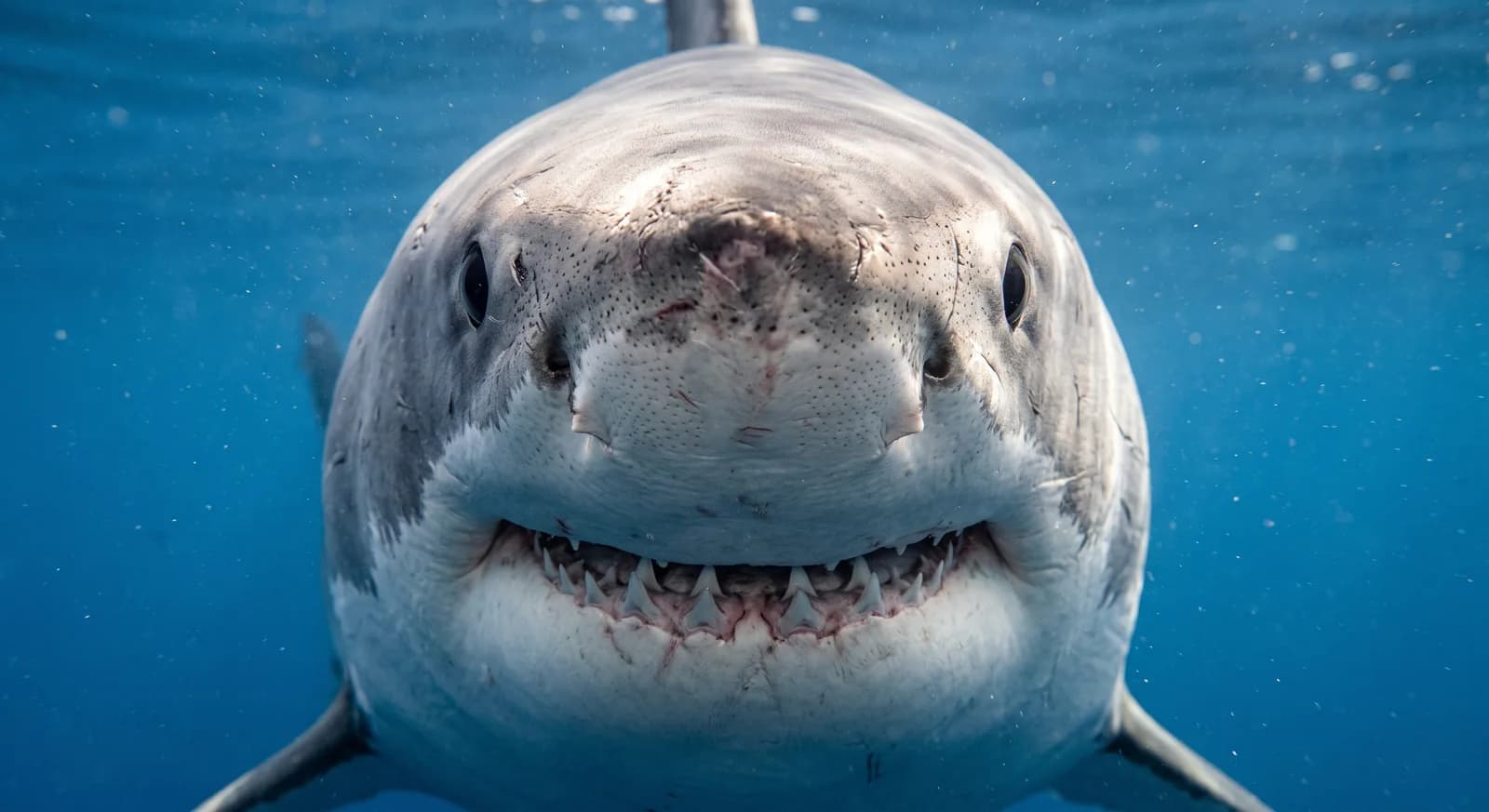
Great White SharkVulnerable

Great White Shark

Carcharodon carcharias

Now is a good time: Great white shark aggregation at Guadalupe Island (July to November (some years into January))
Similar countries

Where else might I want to travel?

United States

Same region: North America

Canada

Same region: North America

Species documented in Mexico

Filter
Class
Family
Habitat
Diet
Conservation

509 species found

Related guides

  • Where to see Sharks in Mexico13 species
  • Where to see Hawksbill Turtle in Mexico12 species
  • Where to see Whales in Mexico10 species
  • Threatened birds of Mexico9 species
  • Threatened reptiles of Mexico9 species
  • Birds of prey in Mexico5 species

Keep exploring

Based on what we already know about Mexico.

ParkEl VizcainoDivingRevillagigedo Islands (Socorro)

Explore on the map

Interactive map

This page in other languages: Español · Deutsch · Français · Português · Italiano
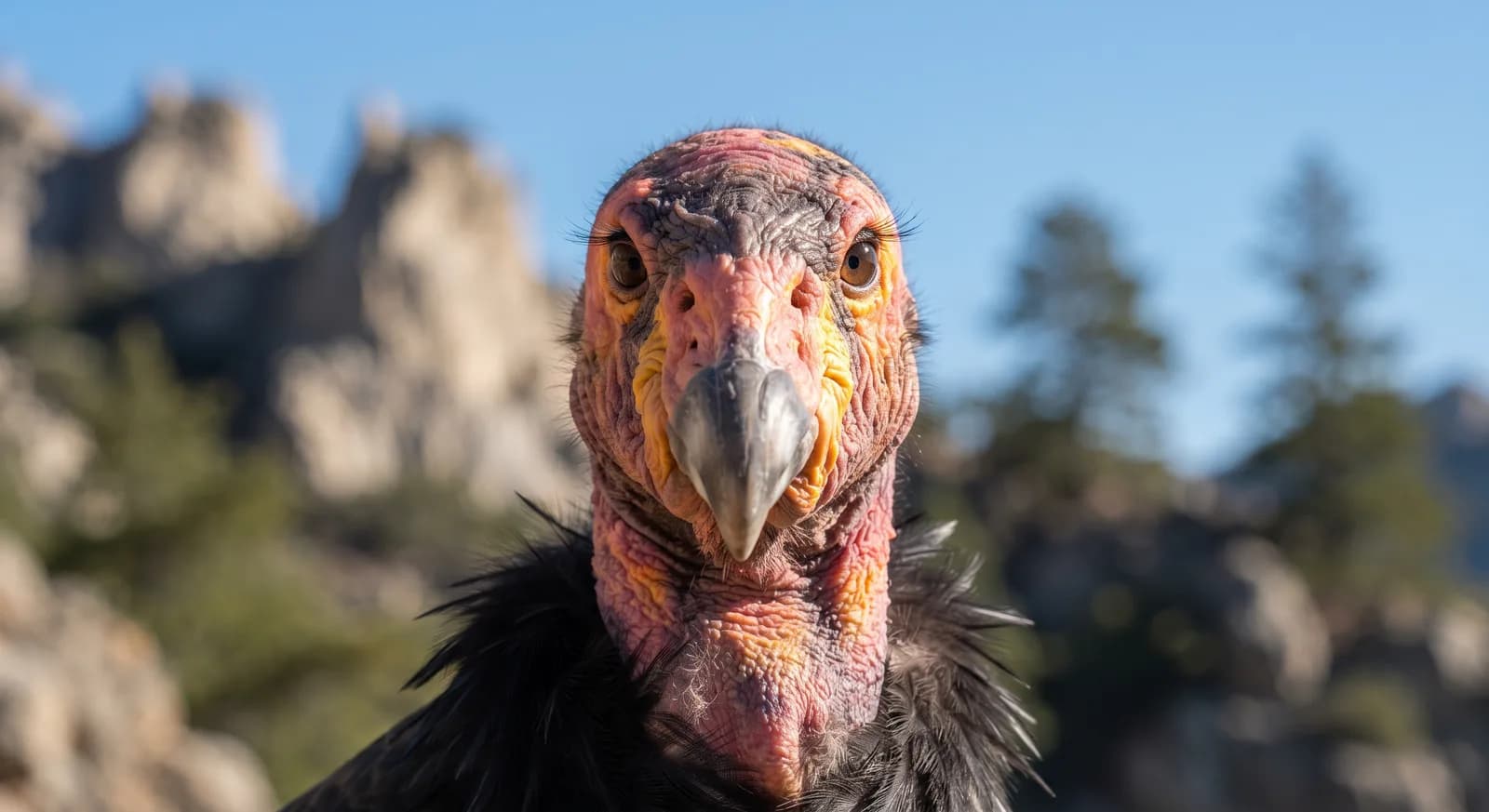
California CondorCritically Endangered

California Condor

Gymnogyps californianus

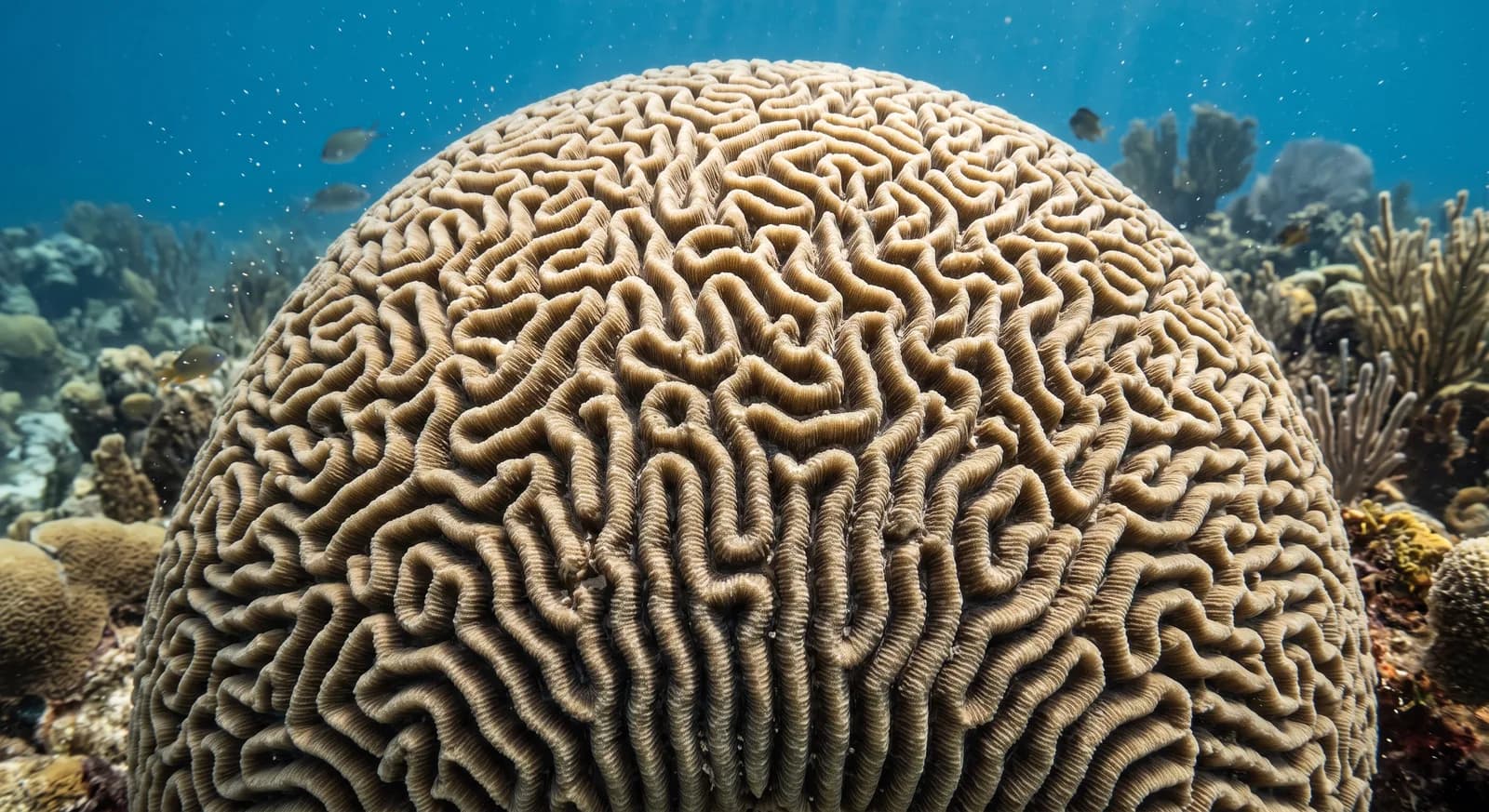
Grooved Brain CoralCritically Endangered

Grooved Brain Coral

Diploria labyrinthiformis

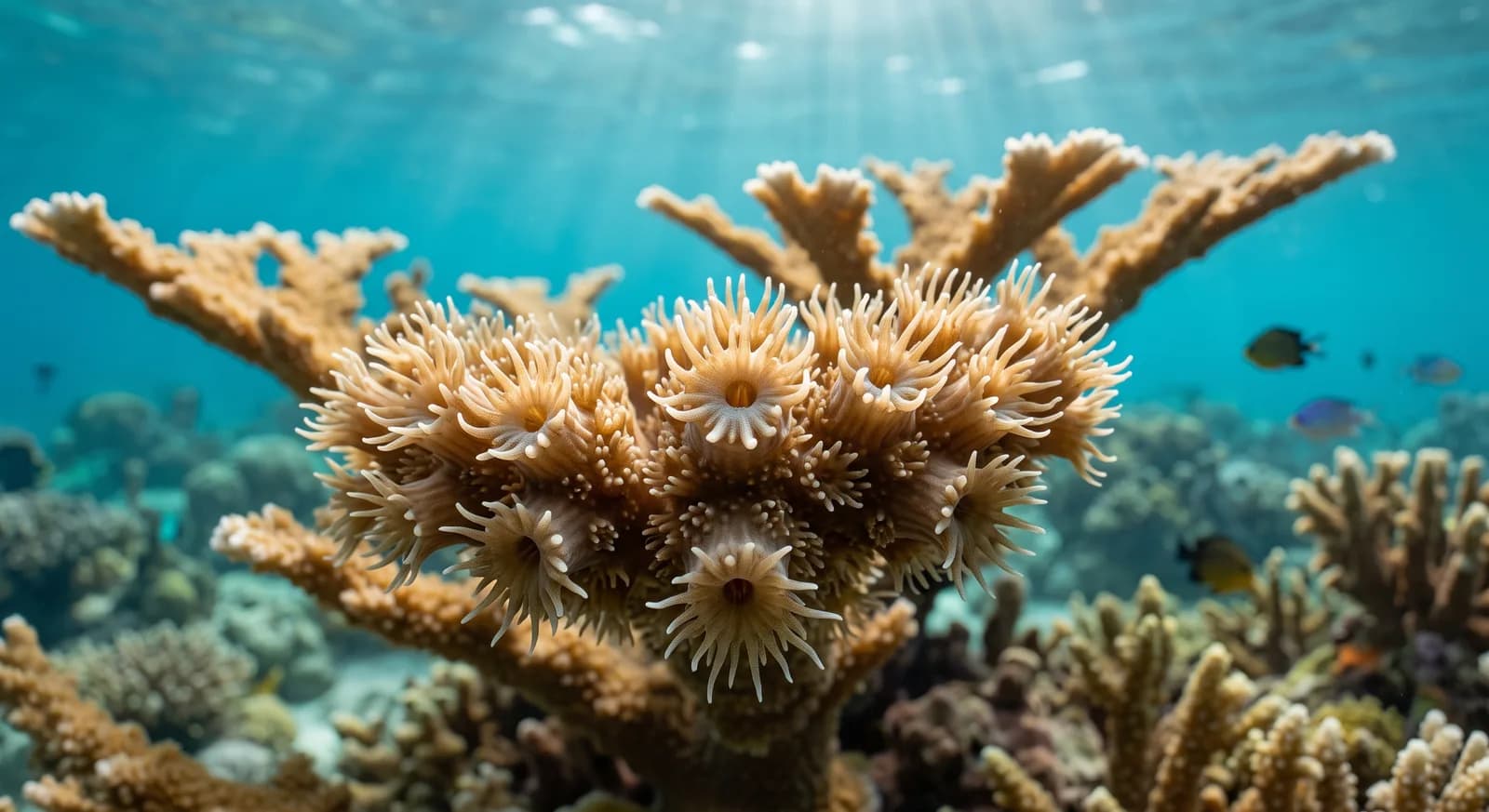
Elkhorn CoralCritically Endangered

Elkhorn Coral

Acropora palmata

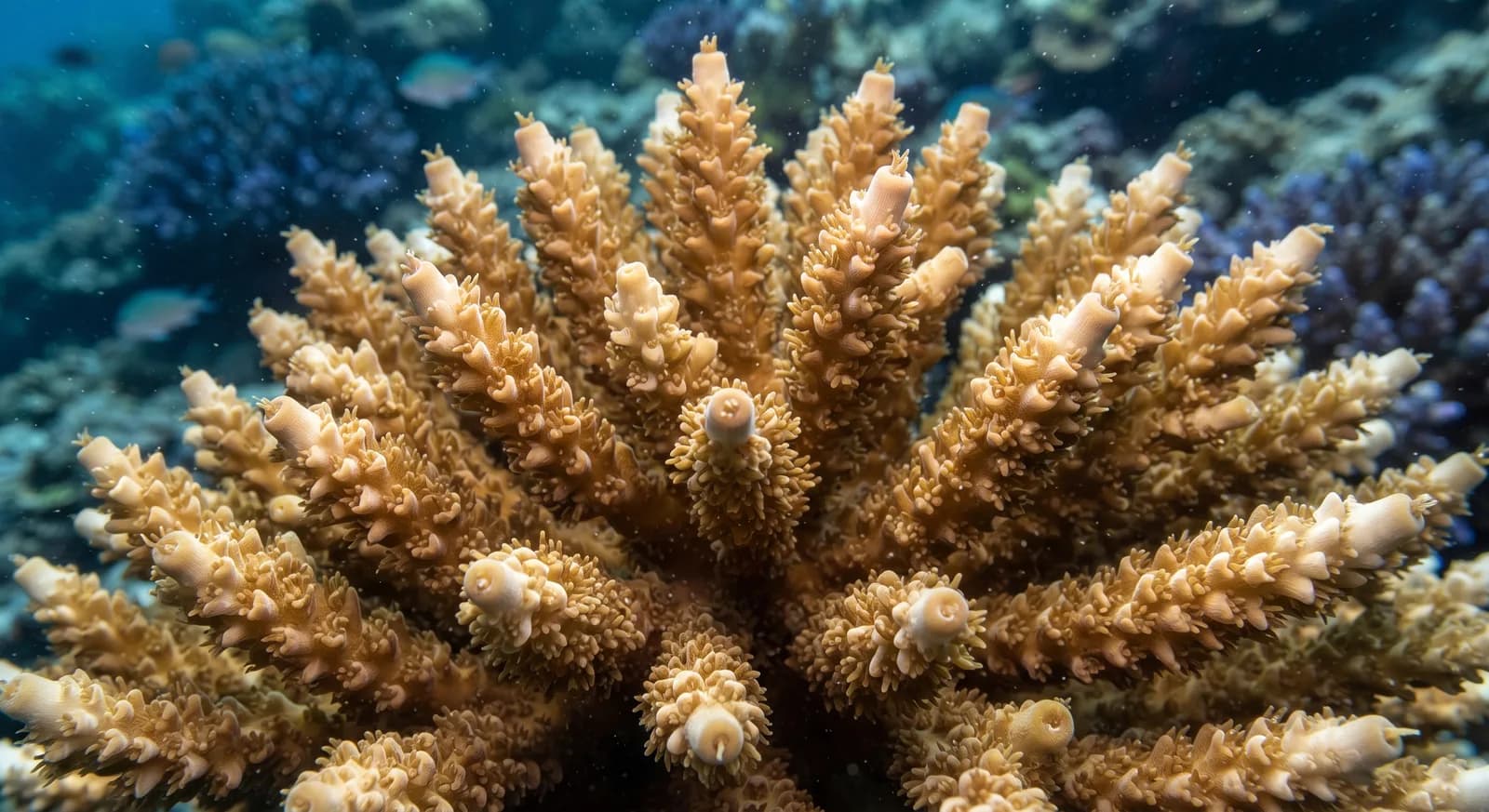
Staghorn CoralCritically Endangered

Staghorn Coral

Acropora cervicornis

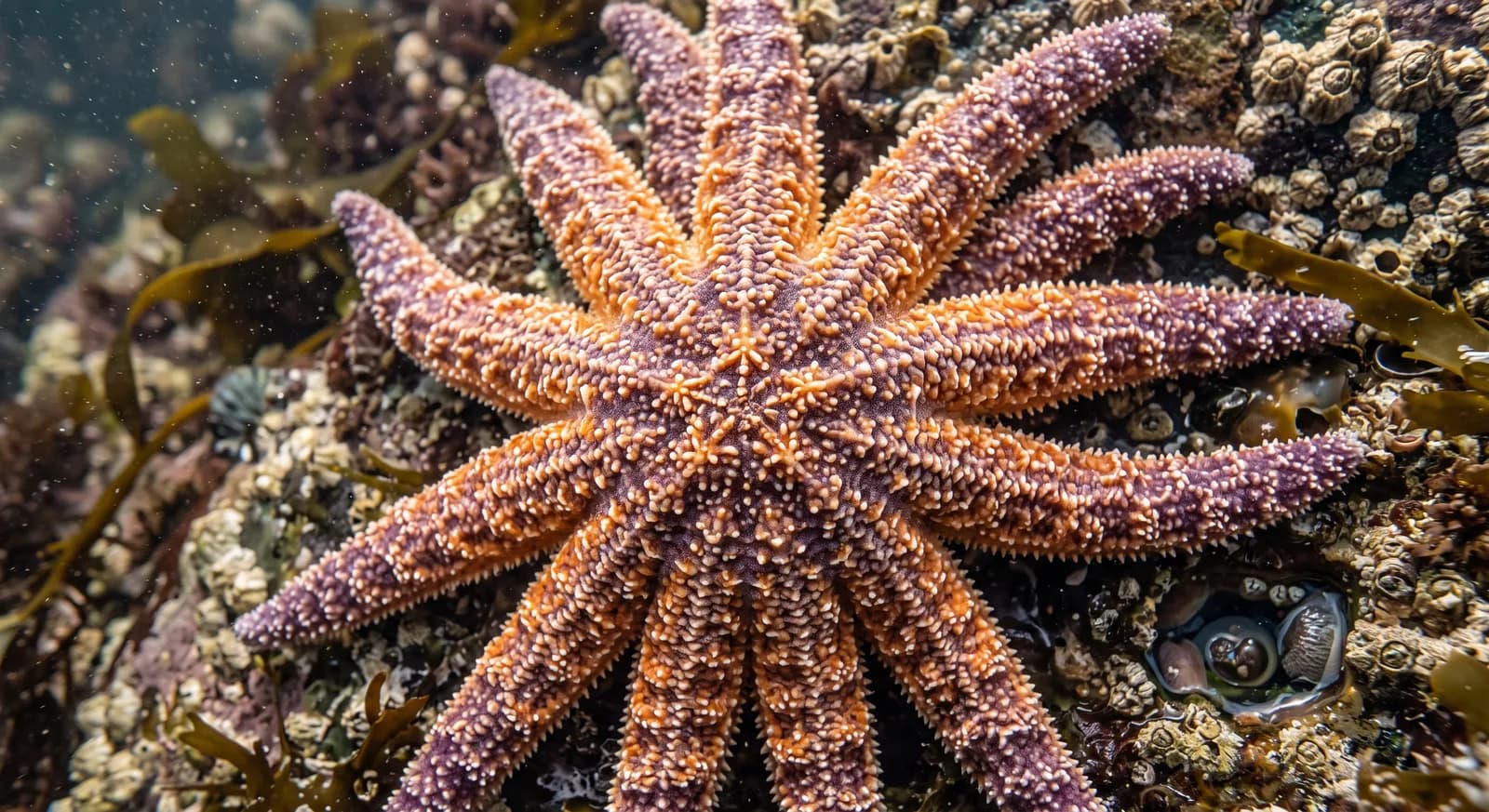
Sunflower Sea StarCritically Endangered

Sunflower Sea Star

Pycnopodia helianthoides

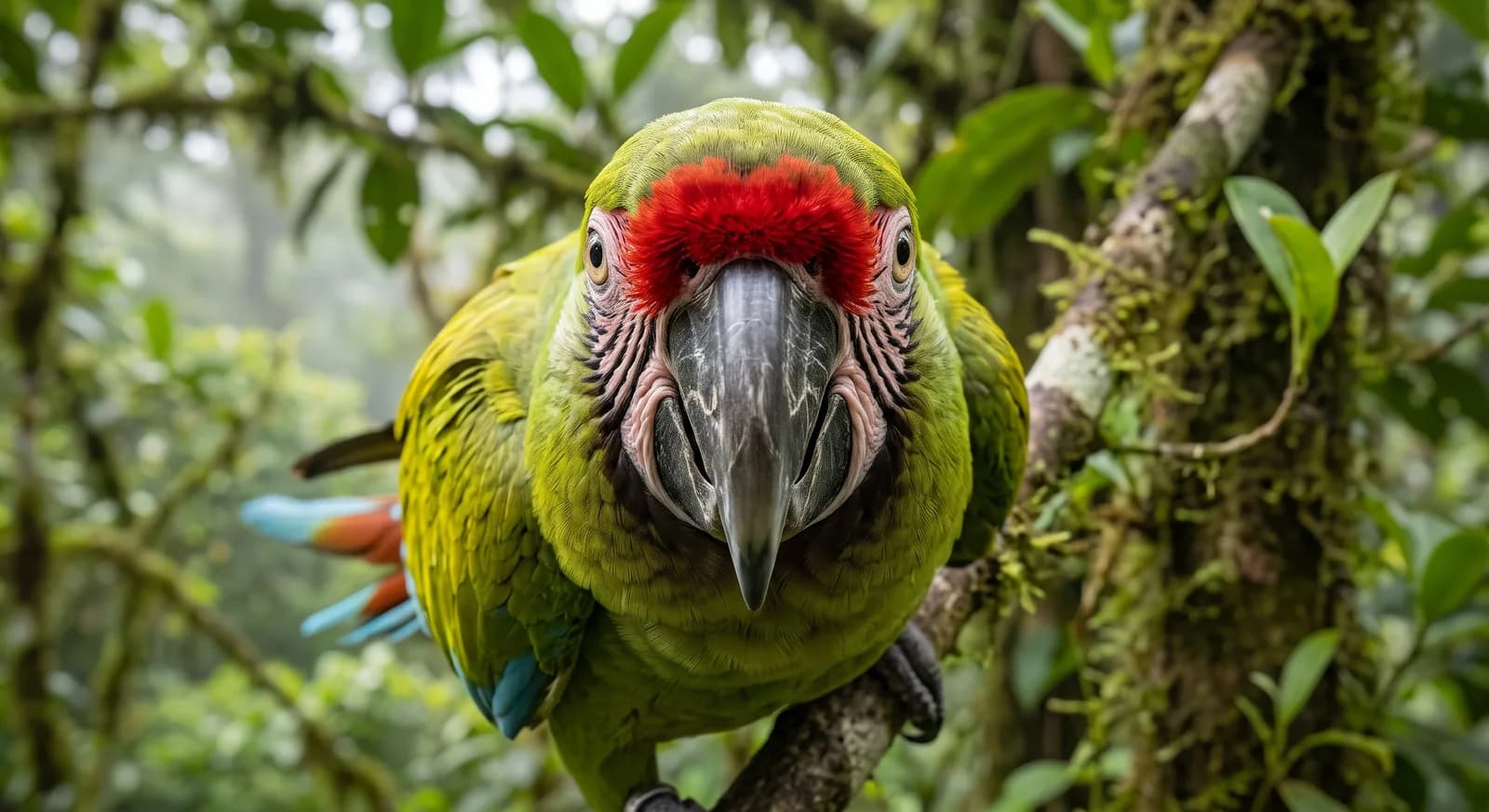
Great Green MacawCritically Endangered

Great Green Macaw

Ara ambiguus

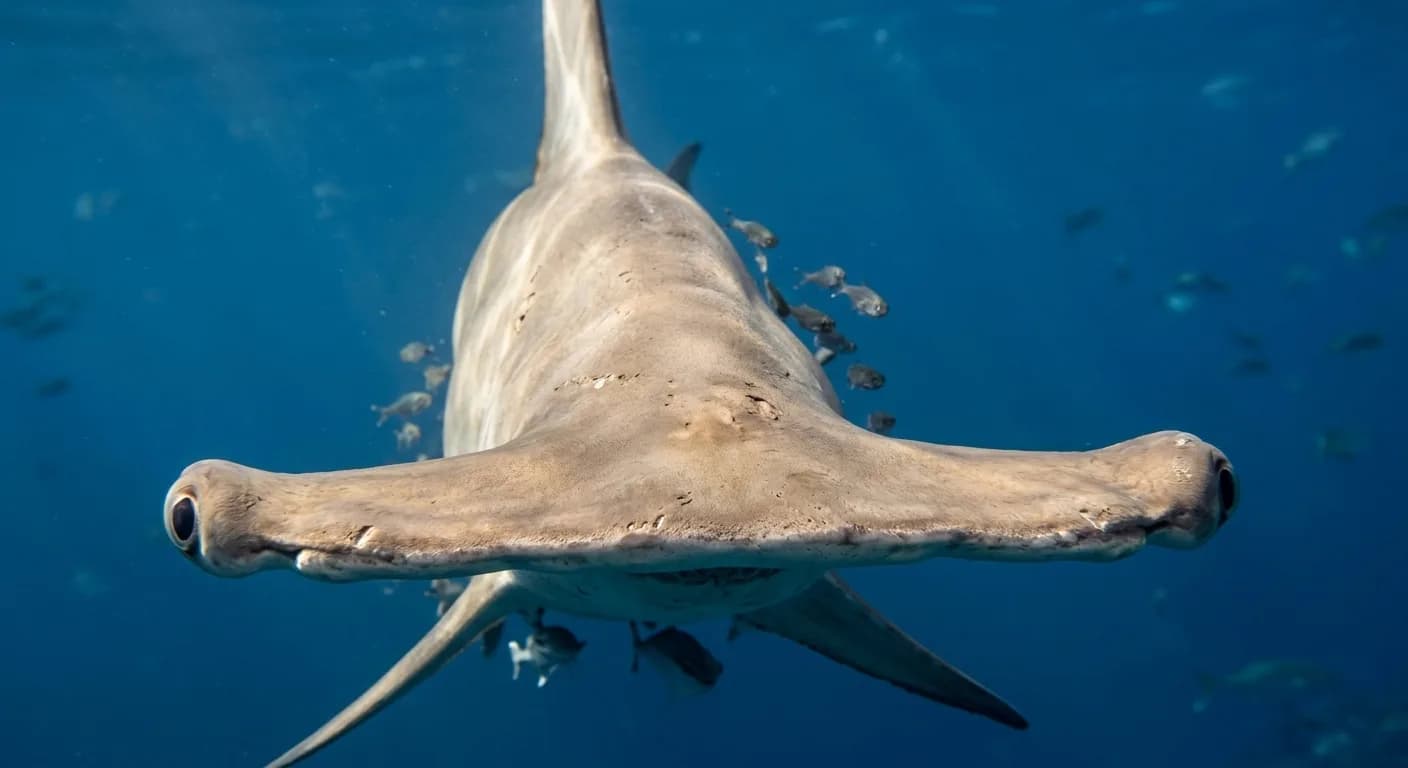
Scalloped HammerheadCritically Endangered

Scalloped Hammerhead

Sphyrna lewini

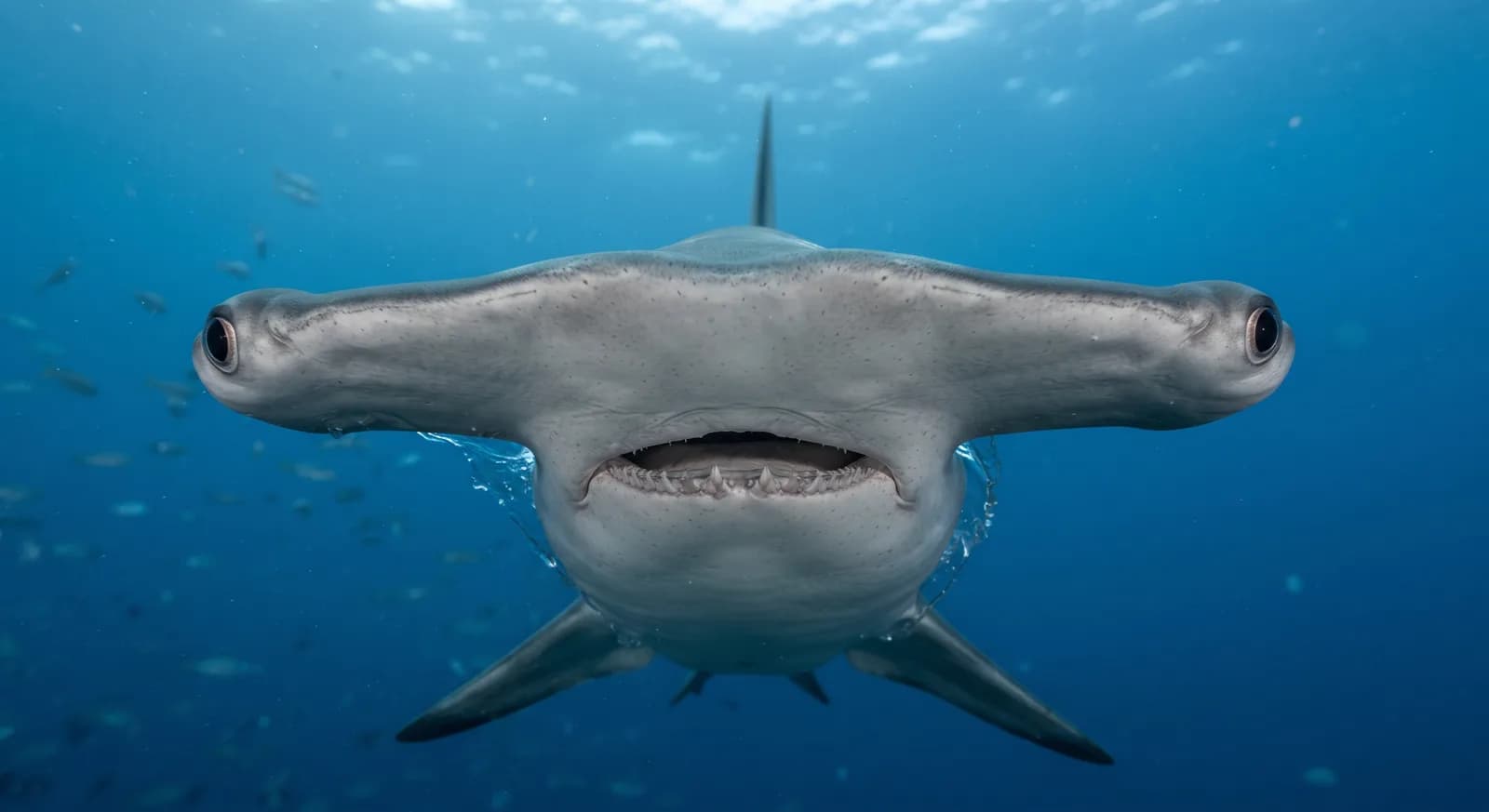
Great HammerheadCritically Endangered

Great Hammerhead

Sphyrna mokarran

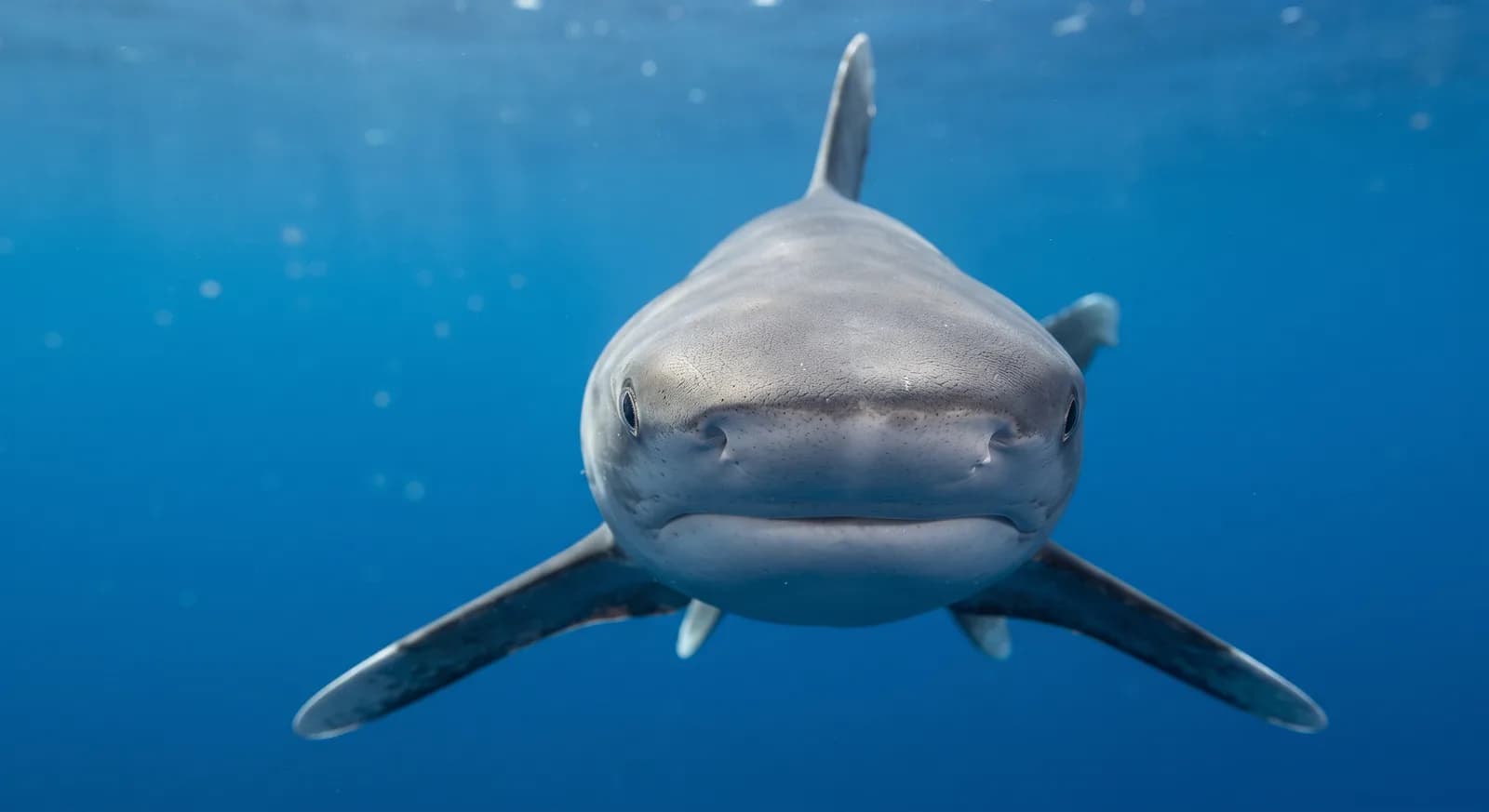
Oceanic Whitetip SharkCritically Endangered

Oceanic Whitetip Shark

Carcharhinus longimanus

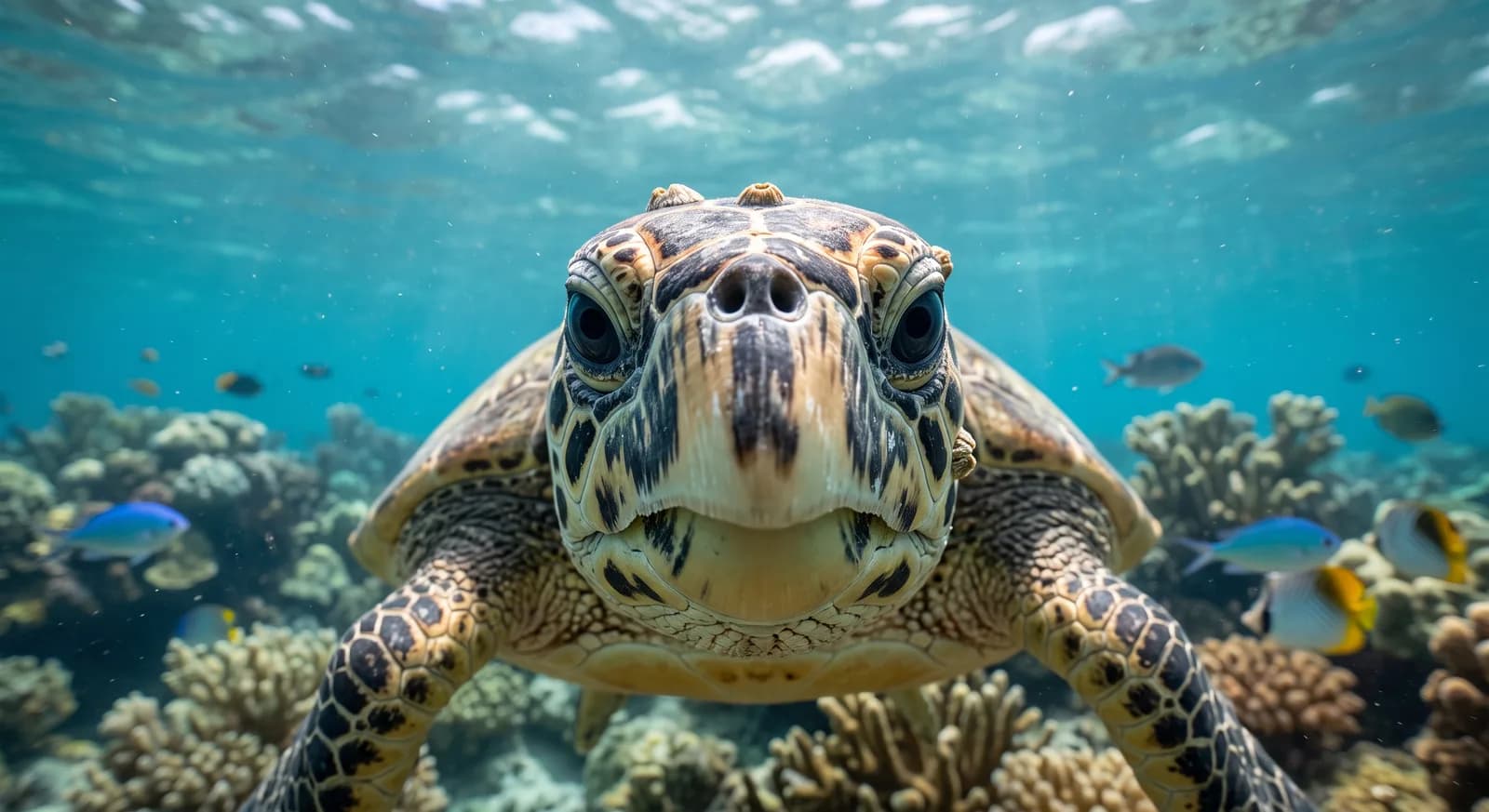
Hawksbill TurtleCritically Endangered

Hawksbill Turtle

Eretmochelys imbricata

Kemp's RidleyCritically Endangered

Kemp's Ridley

Lepidochelys kempii

American EelEndangered

American Eel

Anguilla rostrata

Page 1 of 43
Rainforest
Desert
Mountain
Ocean