Iztaccíhuatl-Popocatépetl National Park was decreed in 1935 and protects the two great stratovolcanoes that separate the Valley of Mexico from the Puebla plain, across the states of Mexico, Puebla and Morelos. It is one of the oldest national parks in the country and the most recognisable landscape in central Mexico.
Popocatépetl, whose name means the smoking mountain, rises above 5,400 metres and is one of the most dangerous active volcanoes in the world because of the enormous population living at its foot: more than twenty million people within a hundred-kilometre radius. After decades of quiet, it resumed activity in December 1994 and has since kept up a regime of ash emissions, exhalations and explosive episodes that requires a permanent alert system and has closed access to its cone. Iztaccíhuatl, the sleeping woman, is around 5,200 metres and is extinct; its profile, which evokes a reclining female figure, feeds one of the best-known pre-Hispanic legends in Mexico and remains open to mountaineering. Both kept glaciers until recently: those of Popocatépetl disappeared through volcanic activity and those of Iztaccíhuatl have shrunk drastically through warming.
Between the two volcanoes opens the Paso de Cortés, the route the Spanish expedition followed towards Tenochtitlan in 1519. The vegetation is tiered in pine and sacred fir woods and alpine bunchgrass grassland up to the limit of vegetation, and it holds high-mountain wildlife such as the volcano rabbit, endemic to the Trans-Mexican Volcanic Belt and threatened, along with the bobcat, the coyote and the Sierra Madre sparrow.
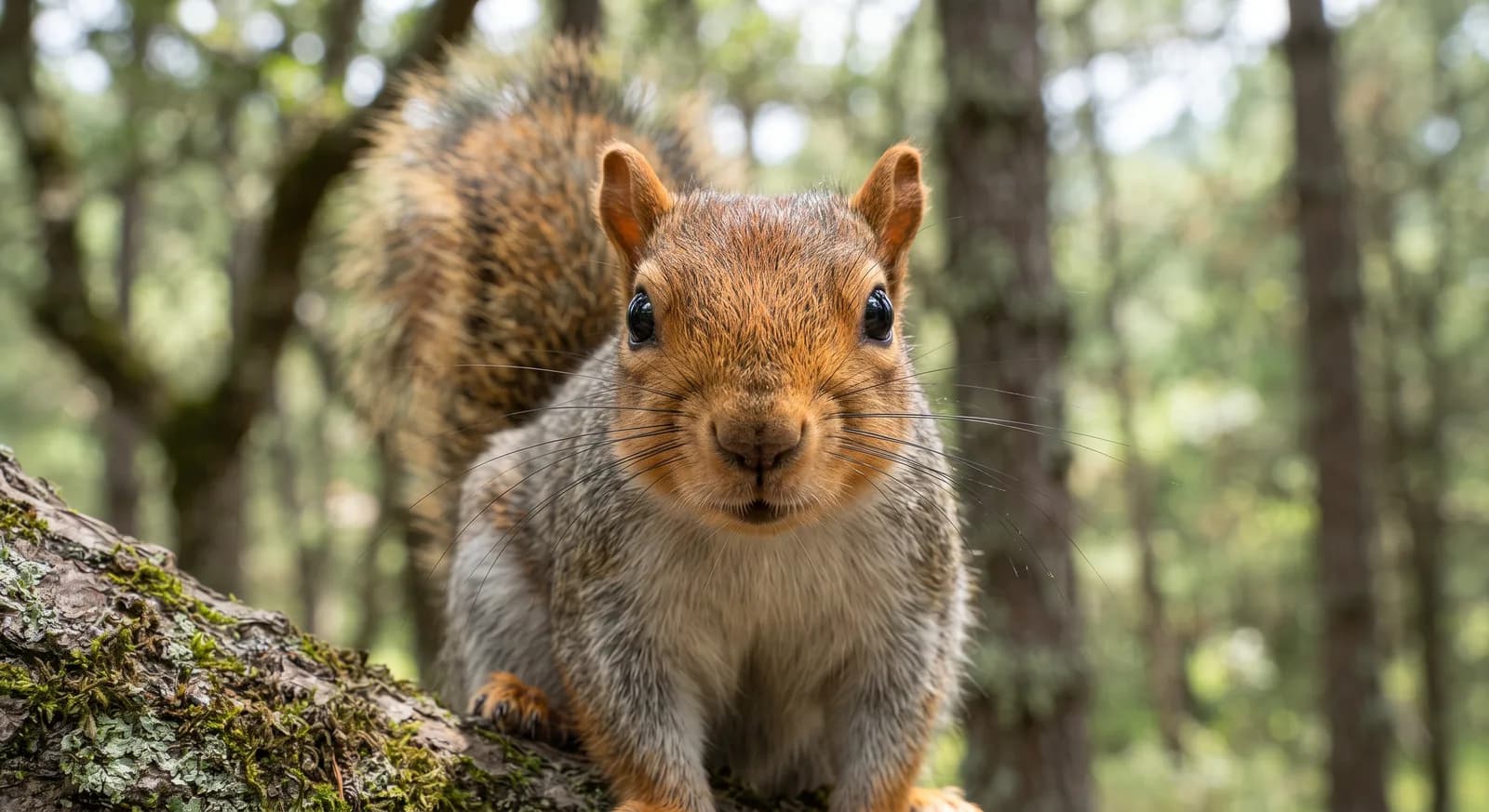 Least Concern
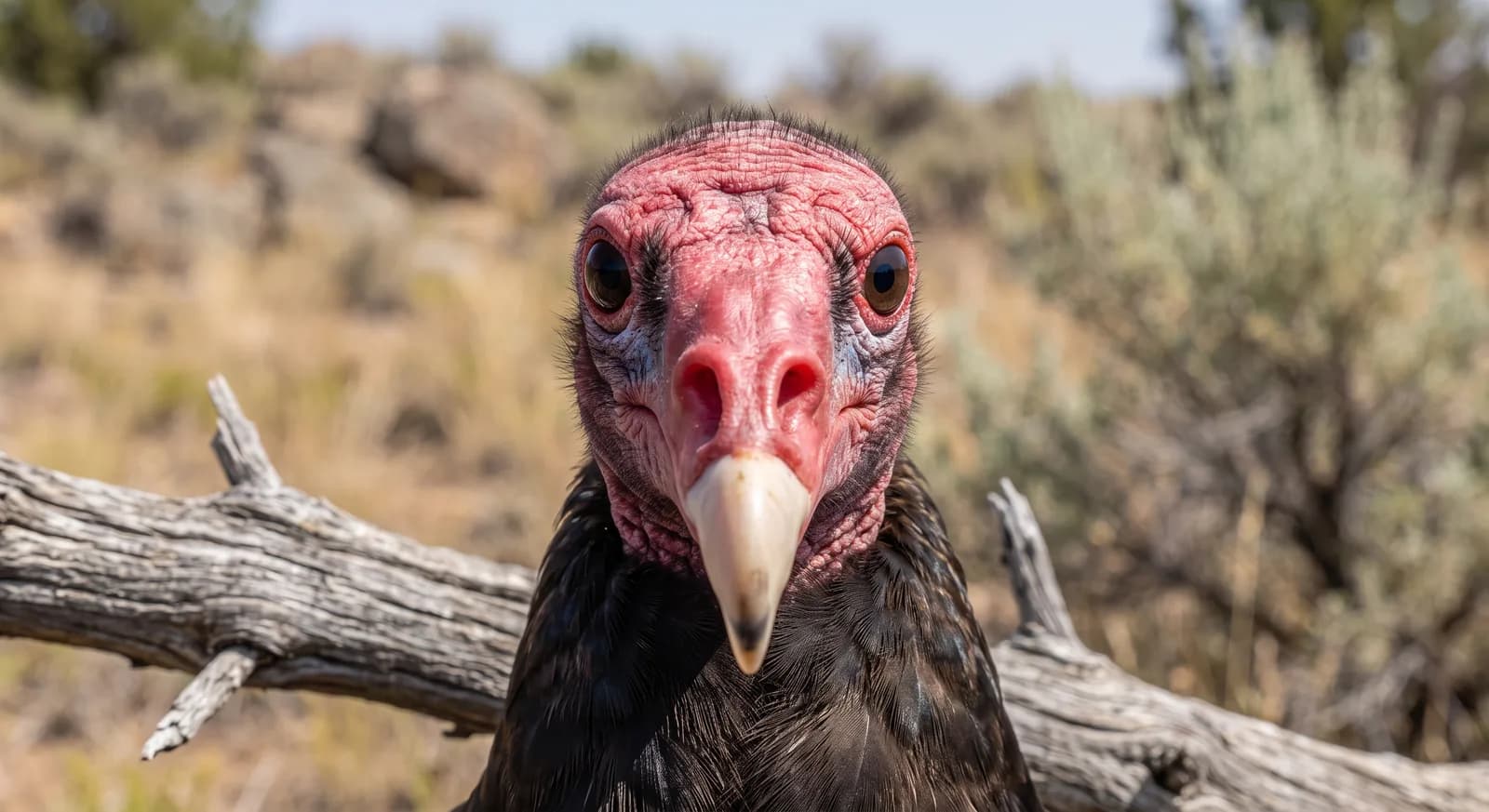 Least Concern
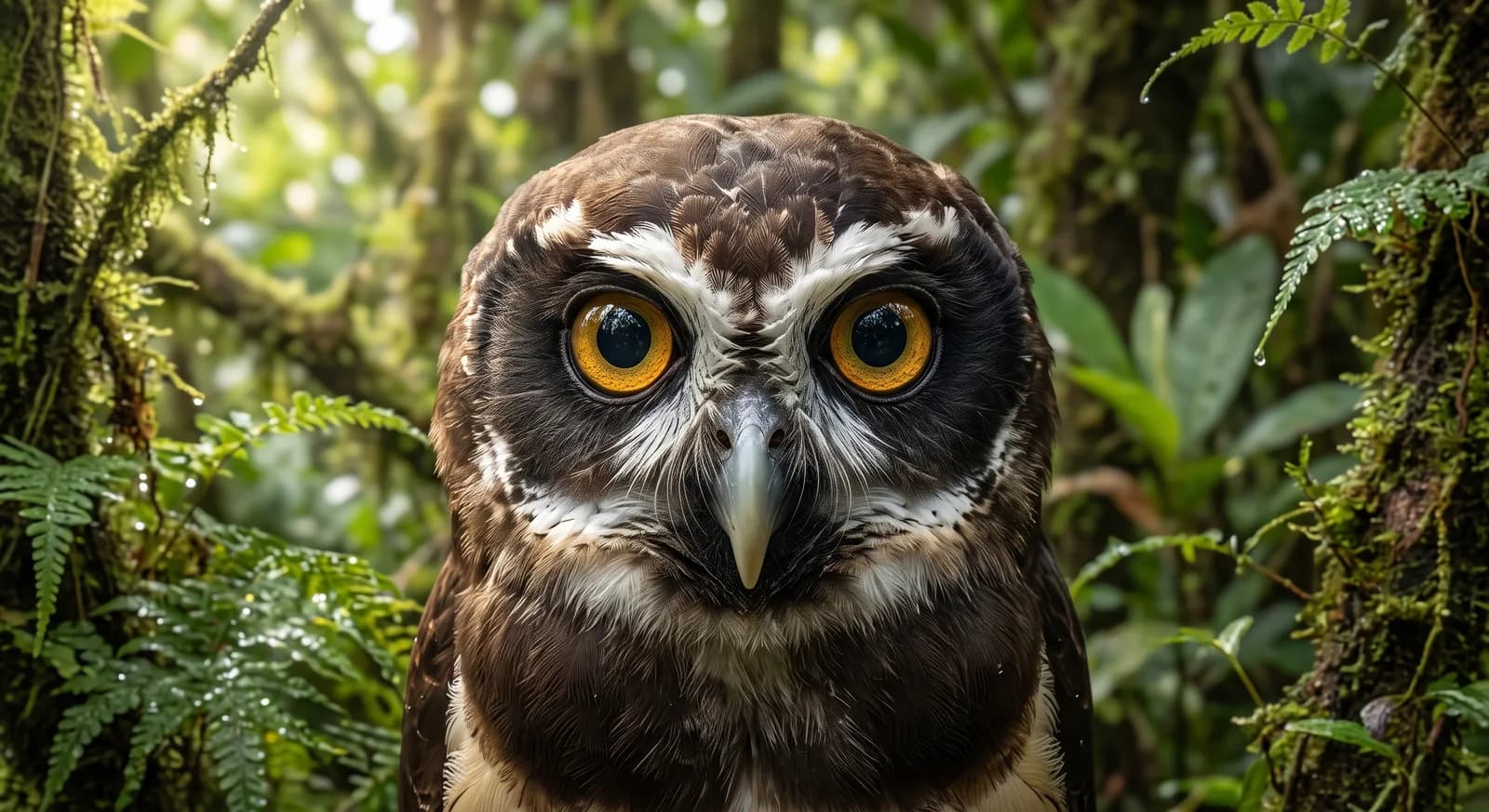 Least Concern
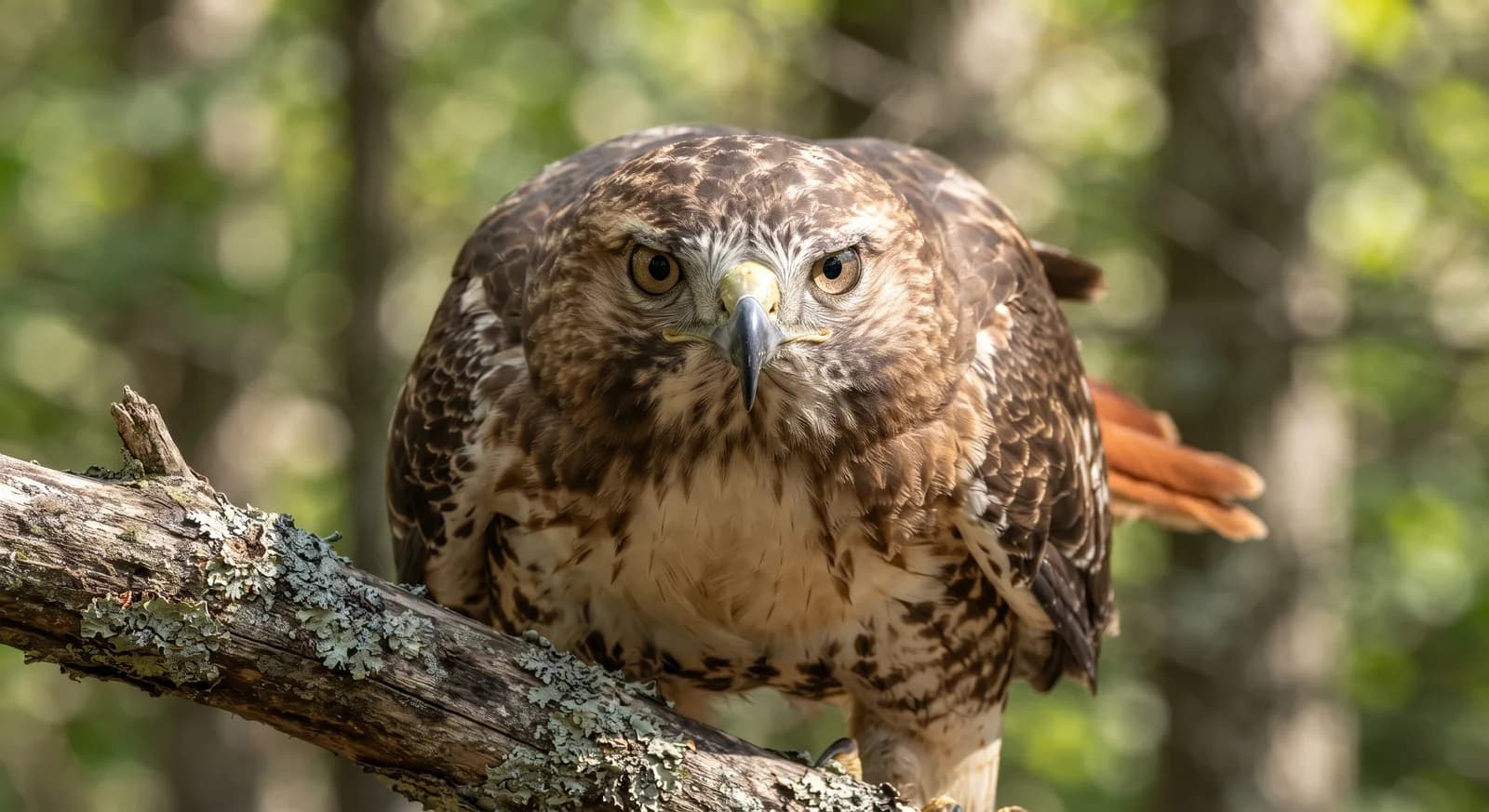 Least Concern
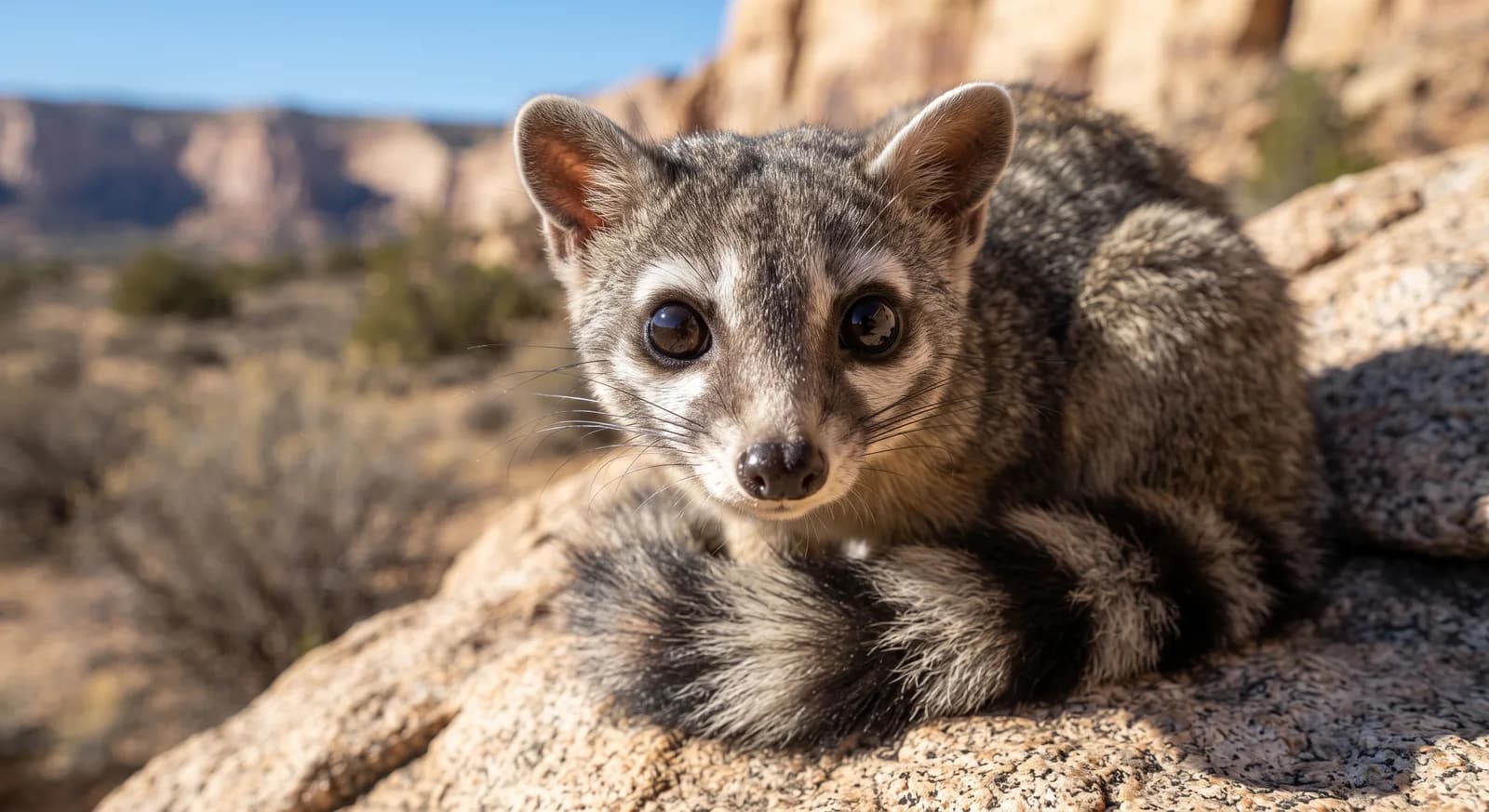 Least Concern
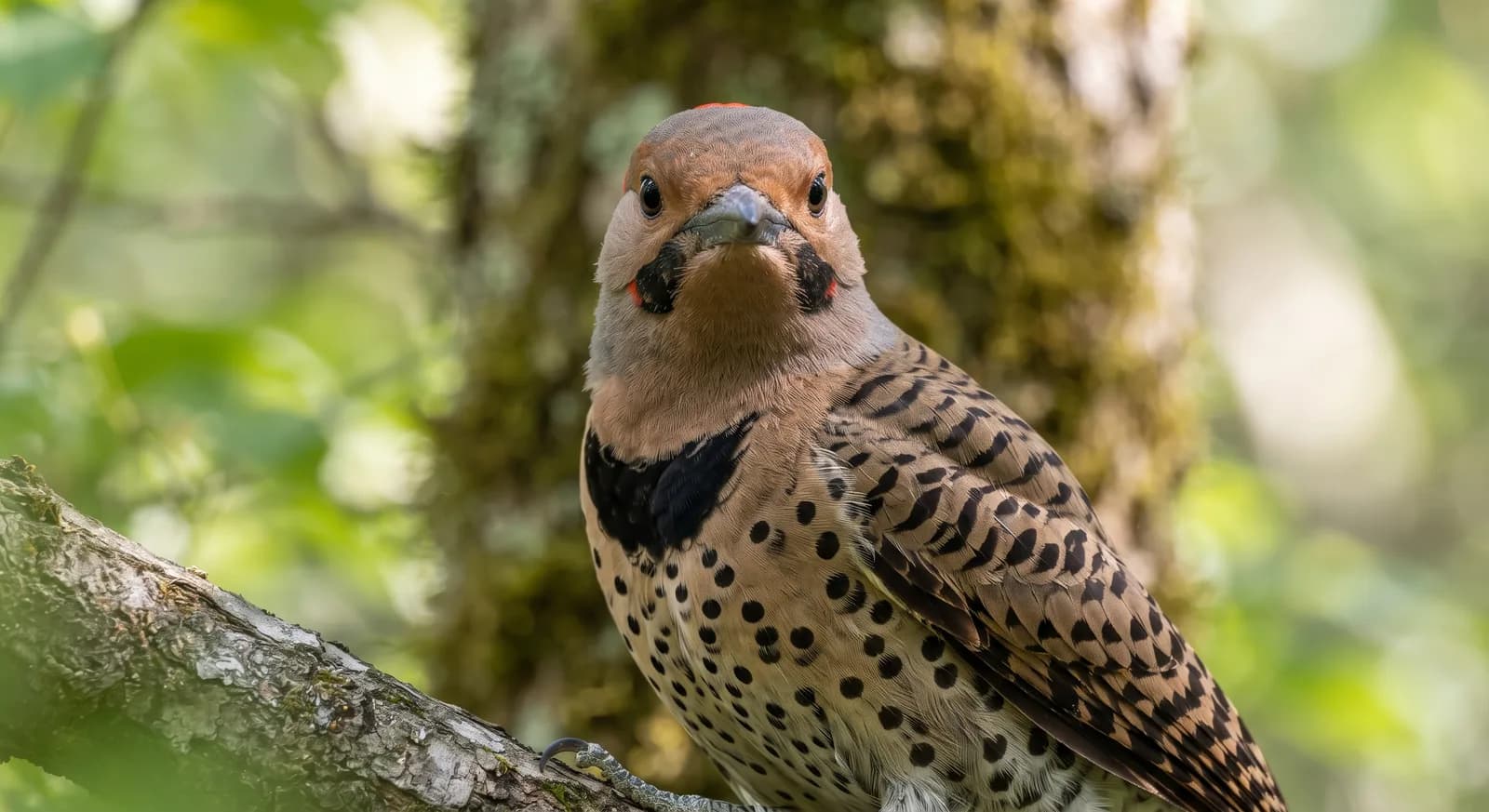 Least Concern
 Vulnerable
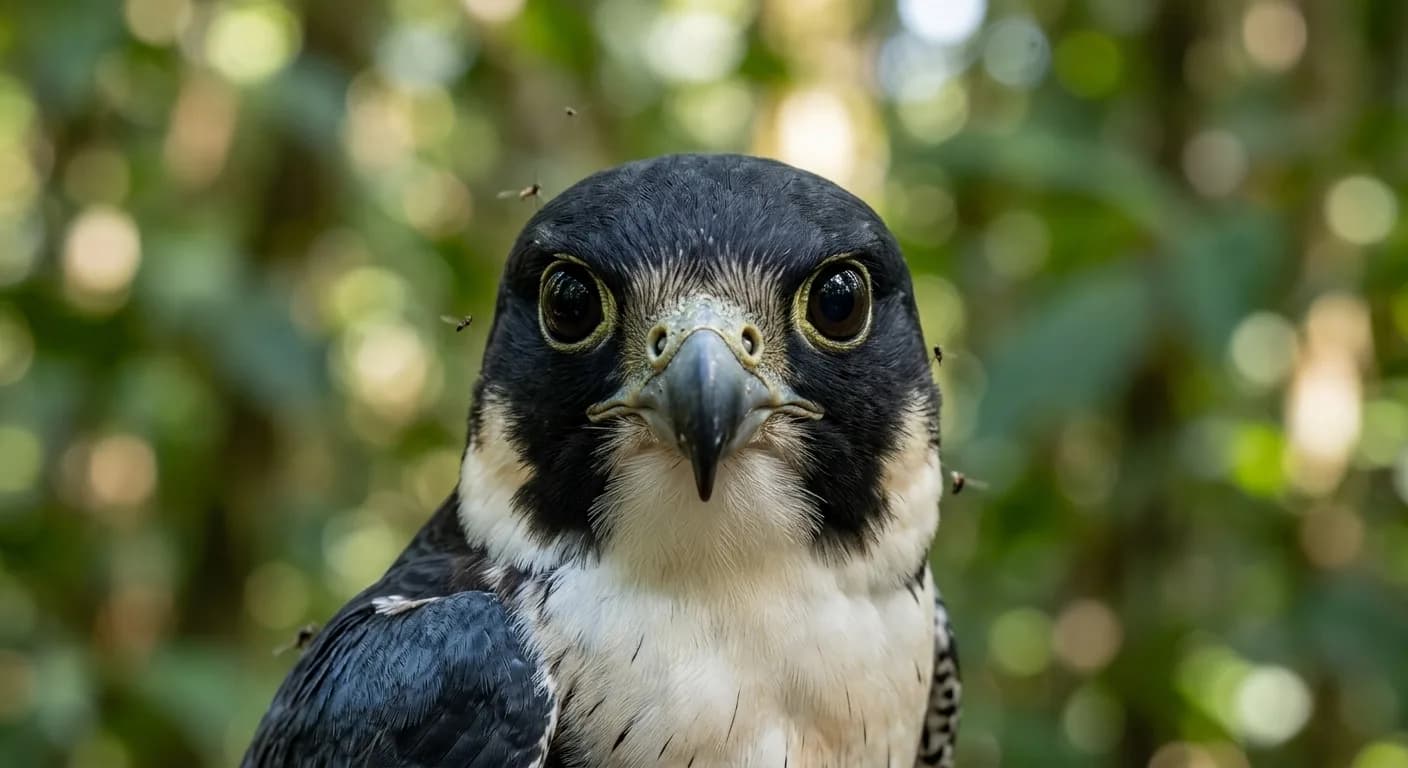 Least Concern
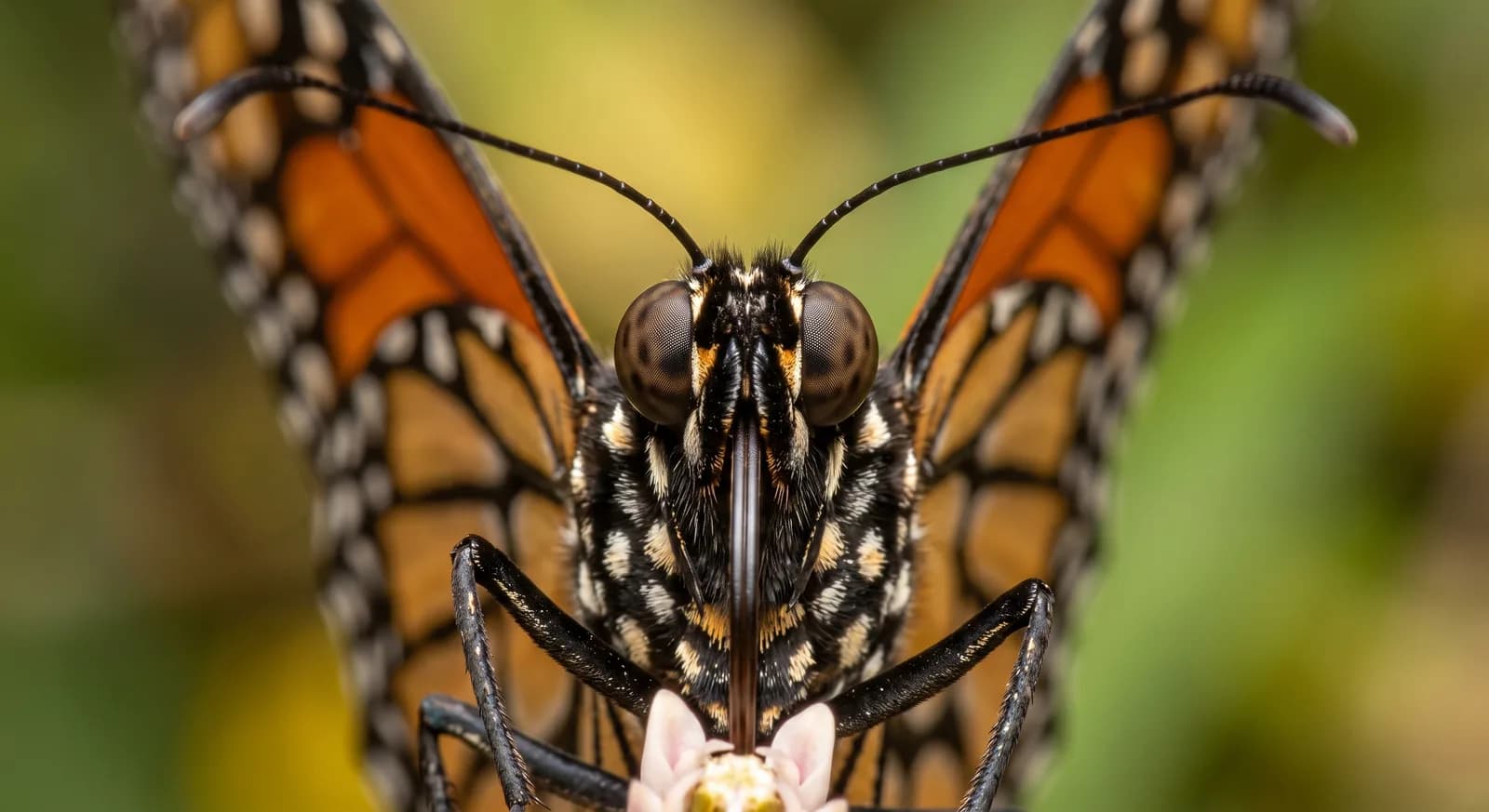 Not Evaluated
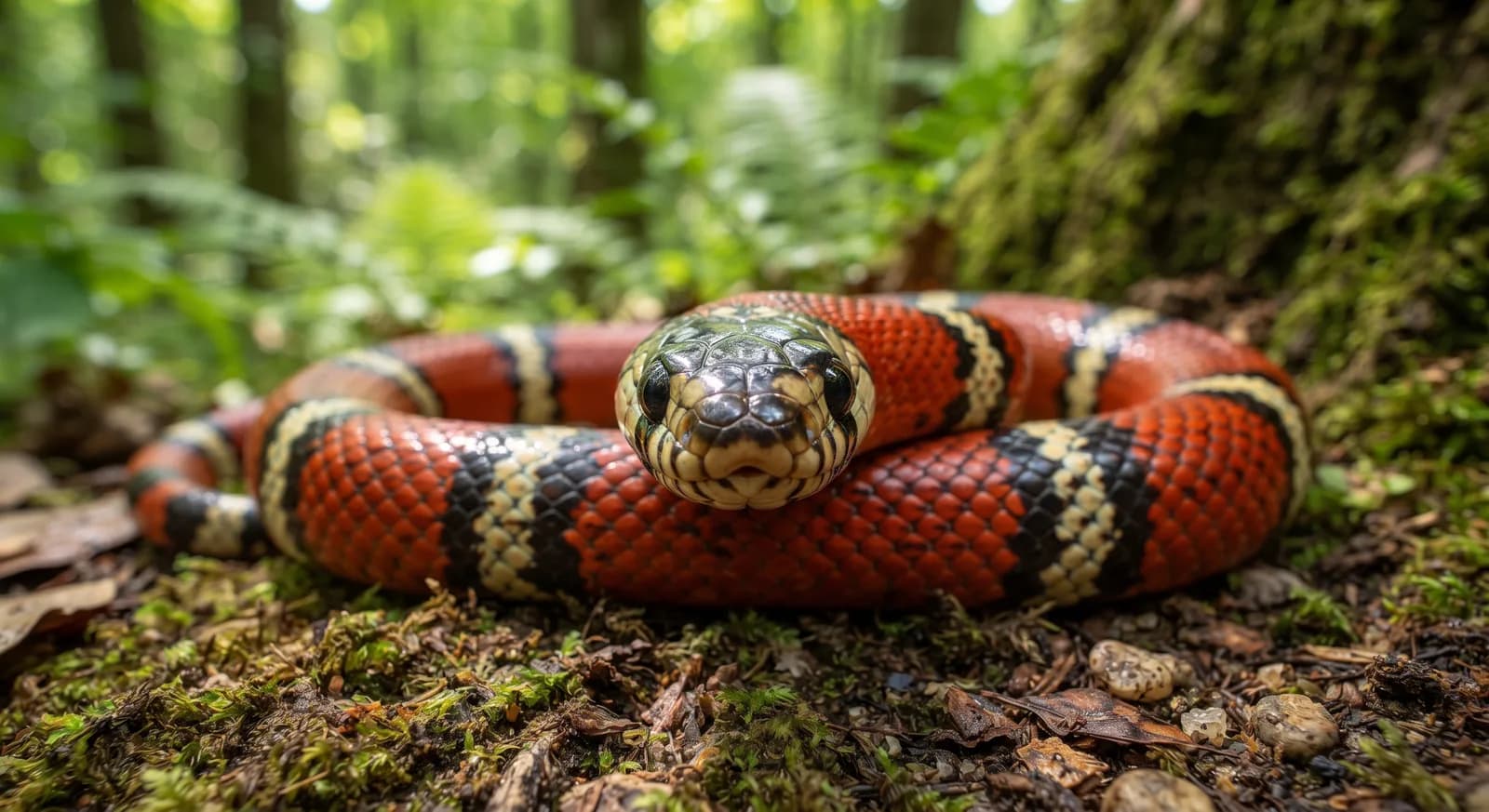 Least Concern
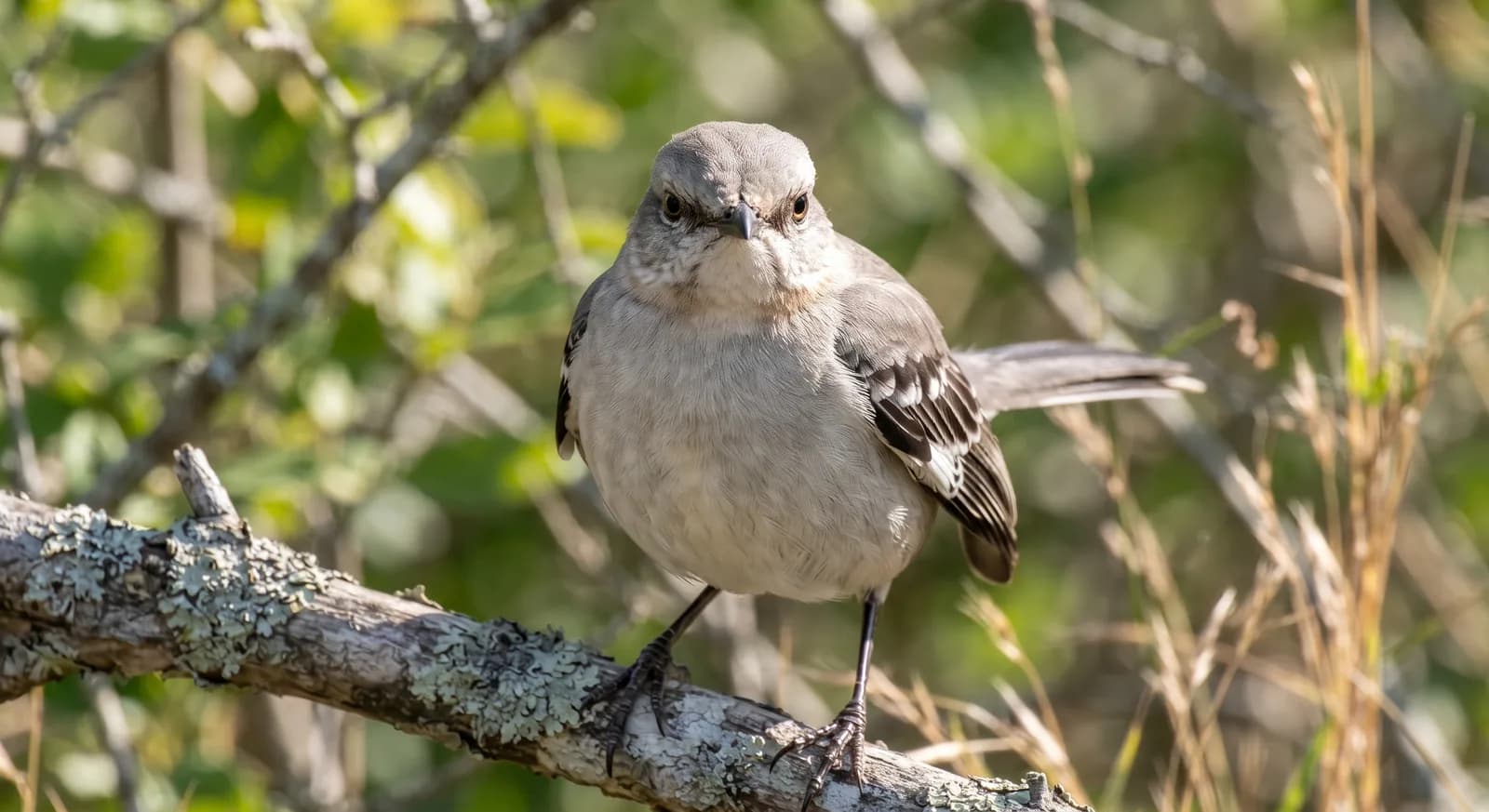 Least Concern
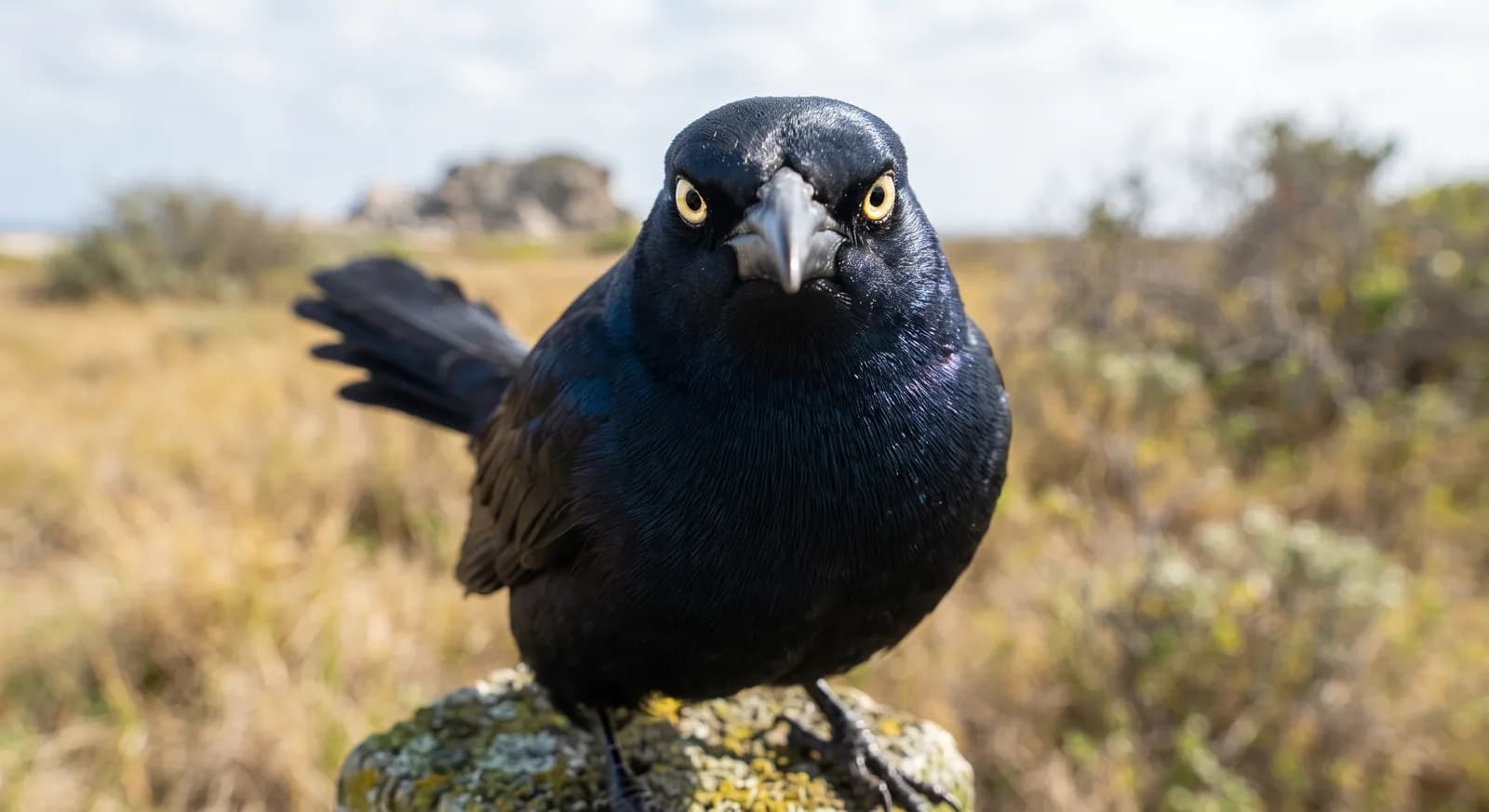 Least Concern
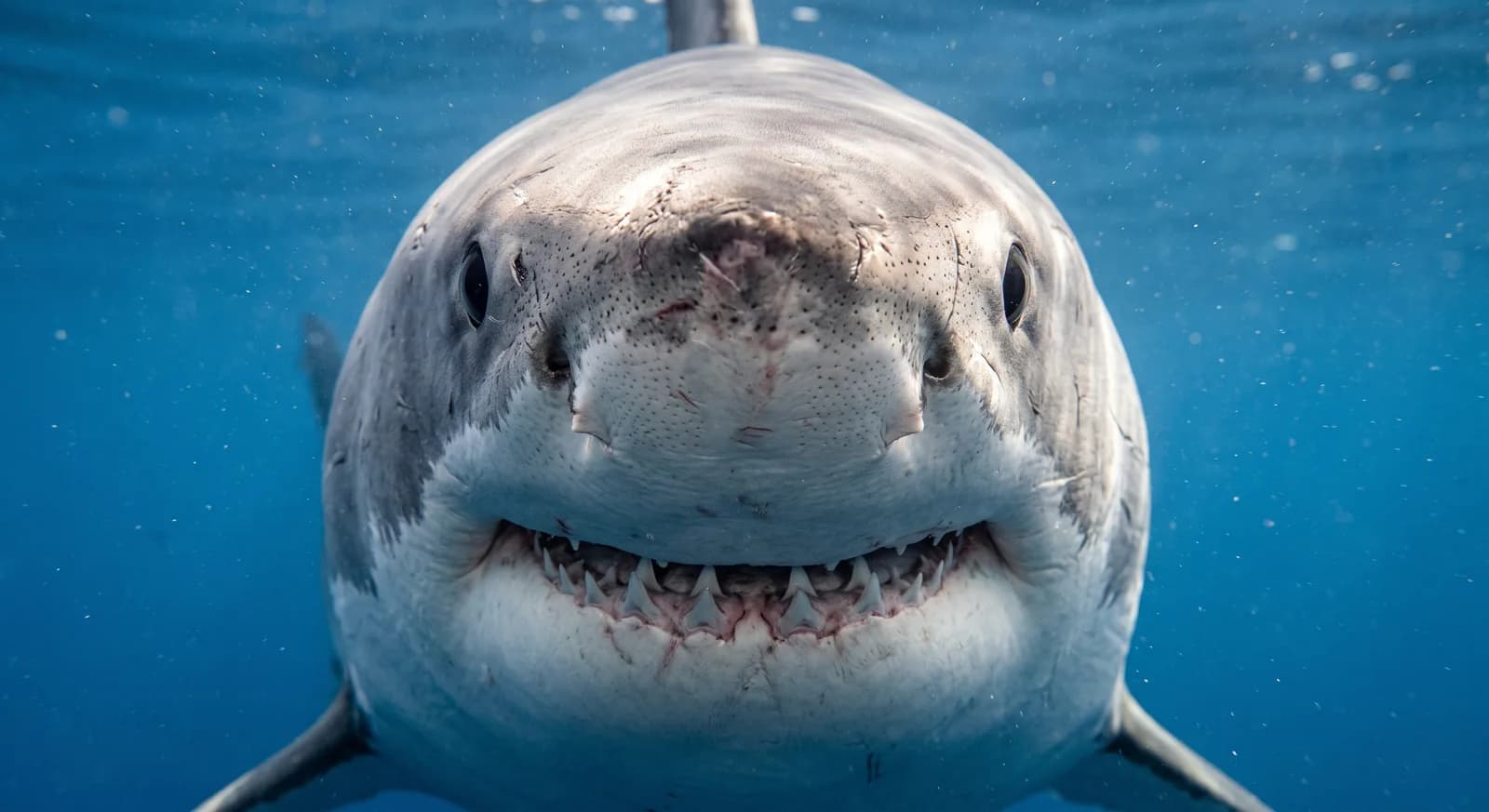
 Mexico