Skip to content
WAnimals
  • Map
  • Species
  • Parks
  • Diving
Log inCreate account
WAnimals

The guide for travellers and animal lovers: discover, plan and share your wild adventures around the world.

Discover wildlife

  • Species
  • Ecosystems
  • Glossary
  • Tags

Explore places

  • Map
  • Countries
  • Parks
  • Diving

Plan experiences

  • Guides

Learn

  • Blog

Resources

  • Help centre
  • Contact
  • Install the app

Follow us

Account

  • Log in
  • Create account

© 2026 WAnimals. All rights reserved.

About usHow we build our profilesTerms of servicePrivacyLegal notice
MapSpeciesParksDiving
  1. Home
  2. Species
  3. Ringtail
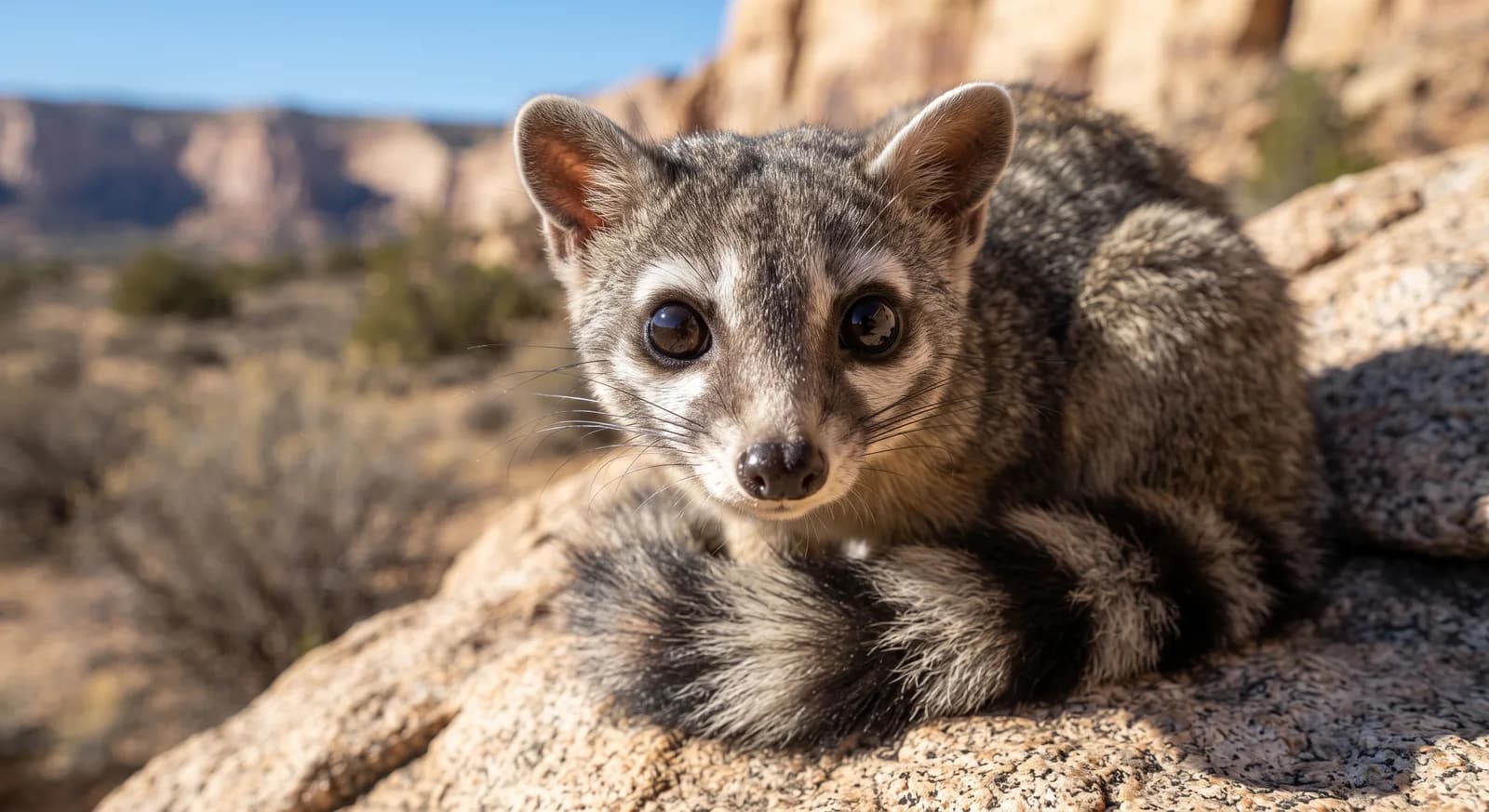
Ringtail (Bassariscus astutus)

Mammals · Carnivora · Procyonidae

Ringtail

Bassariscus astutus

Least Concern

The species is abundant and widely distributed; it faces no significant short-term risk.

Spotted something wrong?

Popularly known as the miner's cat, it was informally domesticated in the 19th century to keep rodents down. Its other name, cacomistle, comes from Nahuatl and means "nimble thief", a nod to its skill at climbing by night.

Weight

800 g – 1.3 kg

Size

61 cm – 84 cm

Life expectancy

7 years
Diet

Omnivore

Combines animal and plant food depending on availability.

Activity

Nocturnal

Active mainly at night.

Social structure

Solitary

Lives and hunts alone, joining others only to breed.

Sighting difficulty

Easy

DesertMountain
3countries24parks6same family

AI-generated images: illustrations, not photographs.

Fun facts

  • It was informally domesticated by 19th-century gold prospectors to keep rodents out of their cabins.
  • Its ringed tail, up to 44 cm long with 14 to 16 black and white bands, is almost as long as its body.
  • Its Spanish name comes from Nahuatl and means "nimble thief".

Life cycle and biology

Skeleton type
Vertebrate - internal bony skeleton (mammal)
Habitat and environment
Rocky country, canyons, woodland and arid scrub of the south-western United States and much of Mexico
Birth weight
28 grams
Size at birth
Blind and all but helpless at birth
Sexual maturity
10 months
Gestation / incubation
51-54 days
Litter / clutch size
1 to 5 young per litter (most commonly 2-4)
Life expectancy in captivity
A documented record of up to 16-24 years in captivity, depending on the subspecies

Sources consulted: Animal Diversity Web; AnAge; Britannica; AnimalHub; American Society of Mammalogists; MSU Brain Museum; SDZWA Library Fact Sheet; The Animal Files

Where to find it

Loading map…

The pins mark the parks where its presence is documented.

Where to see it

Parks and dive sites where this species has been documented — showing 10 of 24.

Related species

Other species in the catalogue with the most in common with Ringtail — same habitat, park, country, tags or family.

Same taxonomic family
Shares a park
Shares a park
Shares a park
Shares a park

Keep exploring

Based on what we already know about ringtail.

Comments

Share an experience, a fun fact or a tip for seeing the ringtail.

Be the first to comment.

See full glossary
This page in other languages: Español · Deutsch · Français · Português · Italiano
See its range on the interactive map→
YosemiteUnited States
Grand CanyonUnited States
Death ValleyUnited States
ZionUnited States
Big BendUnited States
Monarch ButterflyMexico
Sumidero CanyonMexico
Sierra GordaMexico
Nevado de ColimaMexico
Sequoia National ParkUnited States
See all 24 parks
Least Concern

Raccoon

Procyon lotor

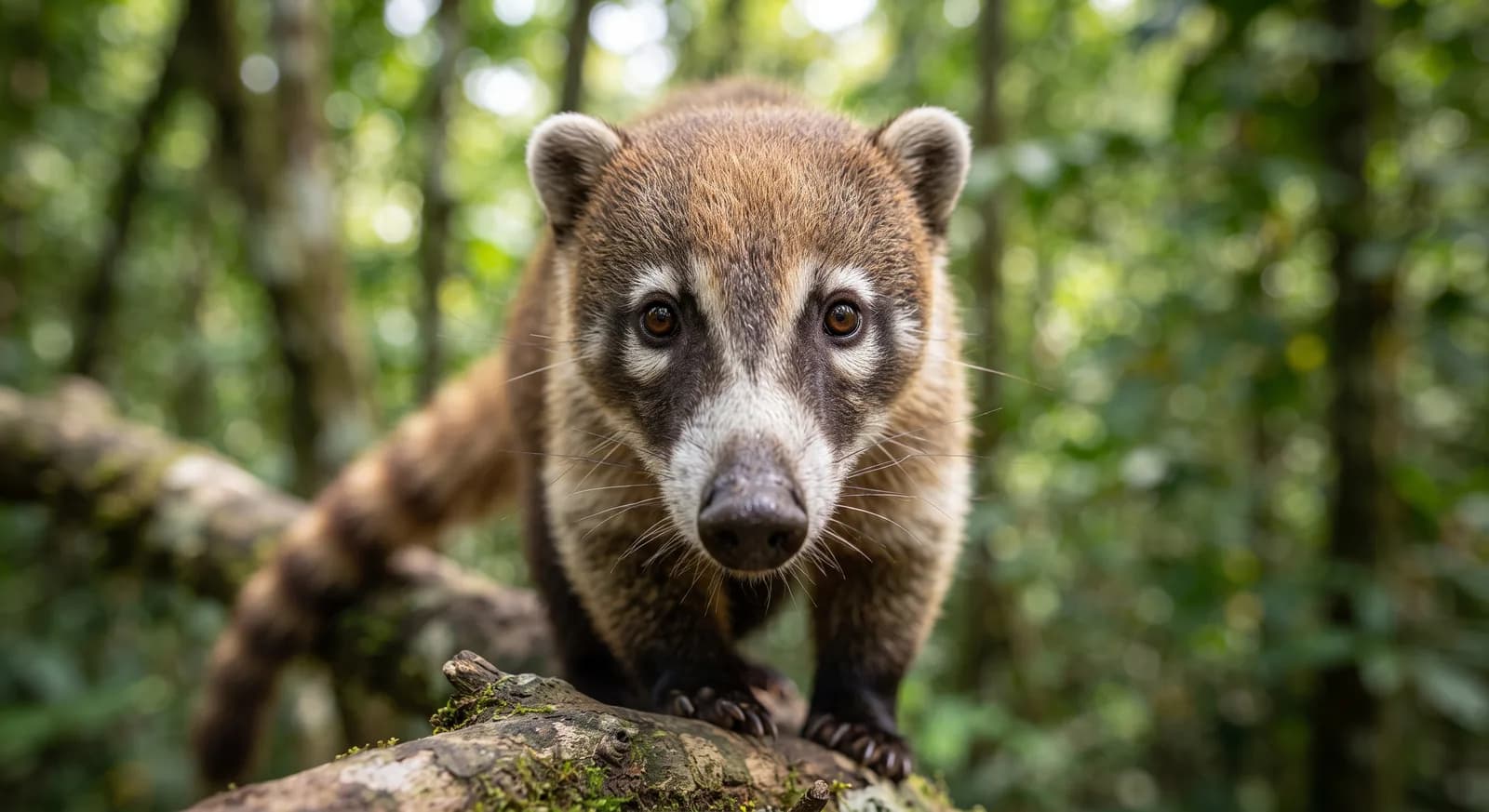
White-nosed CoatiLeast Concern

White-nosed Coati

Nasua narica

Least Concern

Bushy-tailed Woodrat

Neotoma cinerea

Least Concern

Ord's Kangaroo Rat

Dipodomys ordii

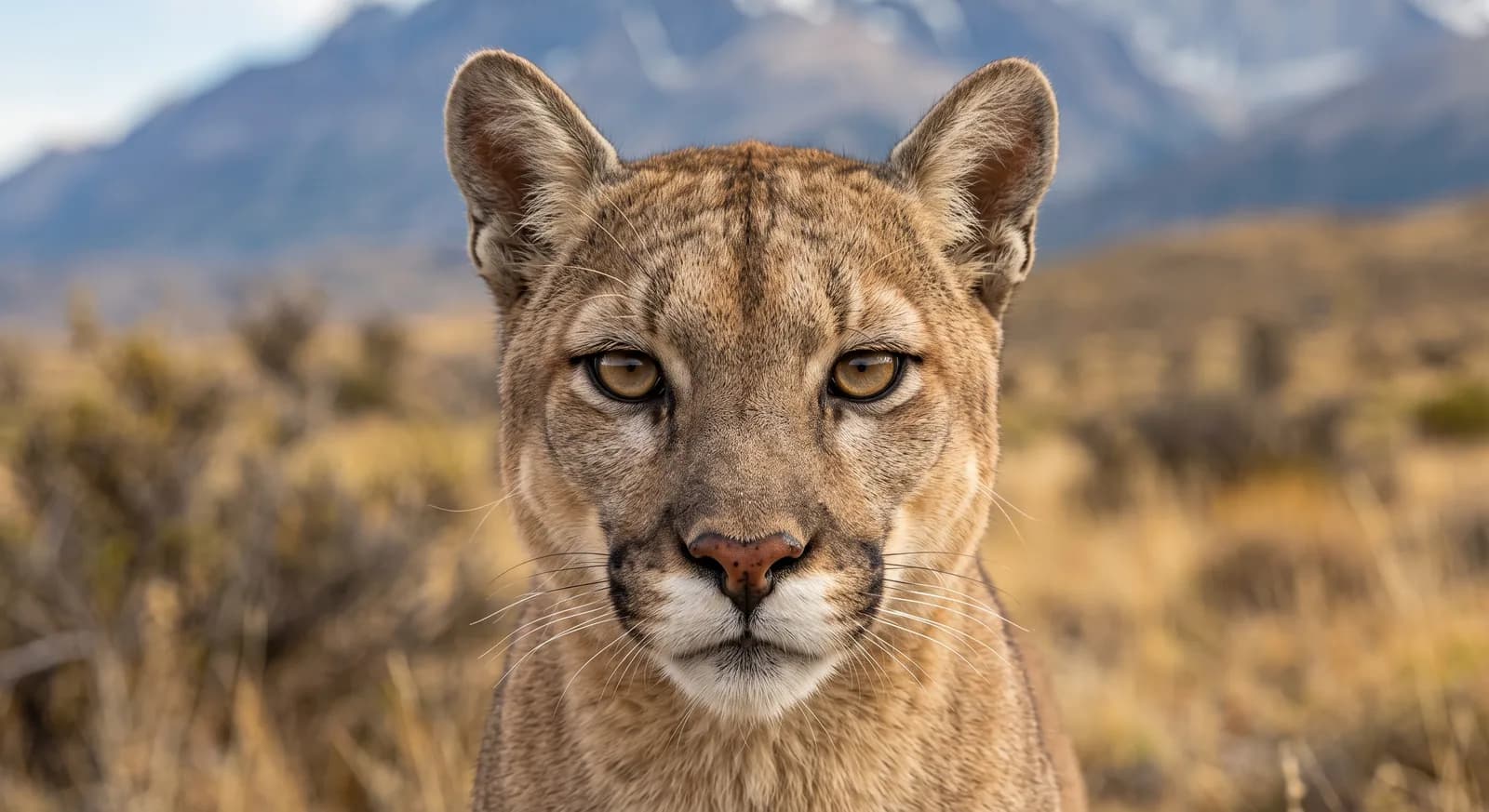
PumaLeast Concern

Puma

Puma concolor

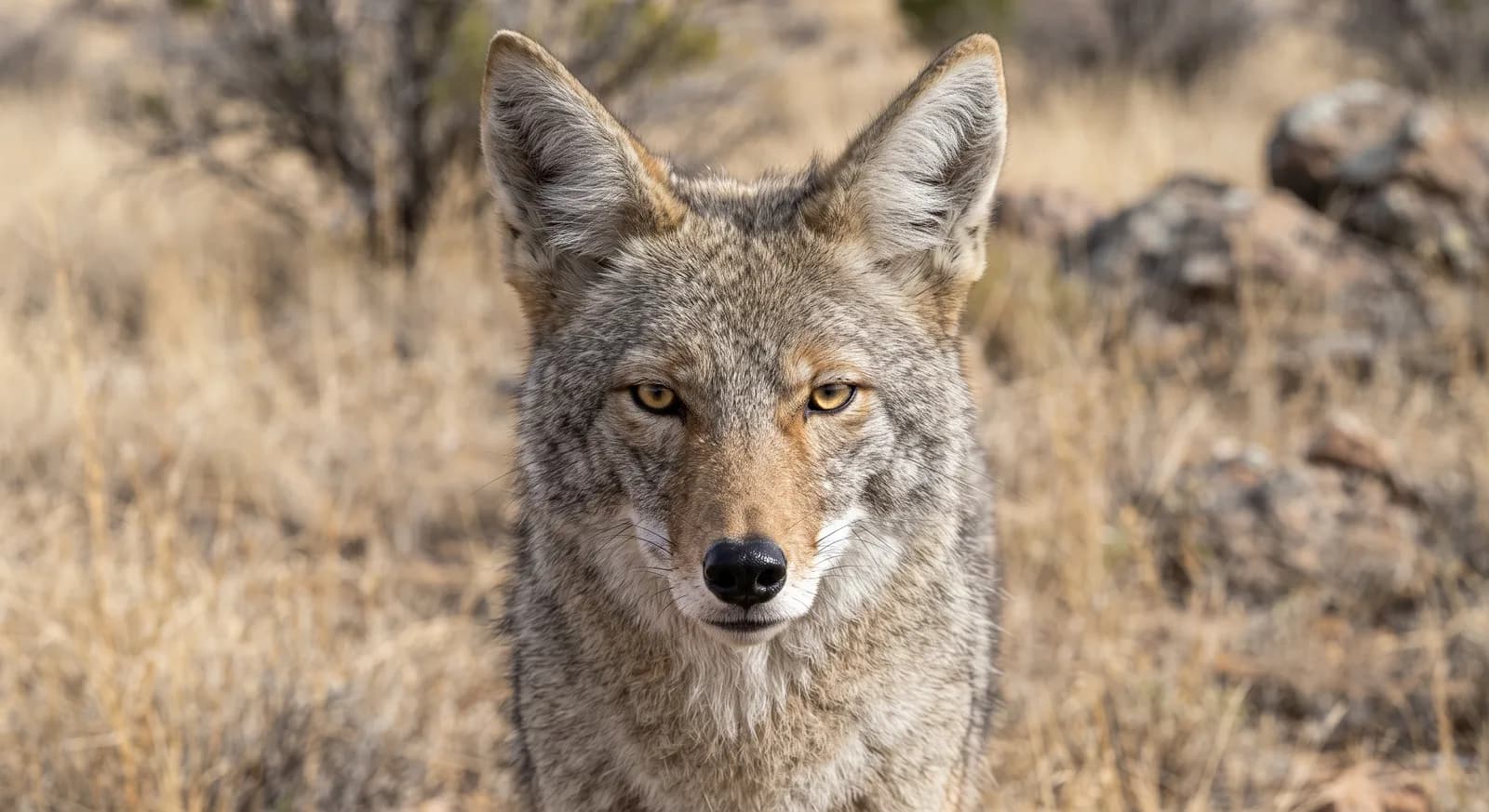
CoyoteLeast Concern

Coyote

Canis latrans

CountriesUnited States
ParksYosemiteUnited States
TagsOmnivore
Omnivore
Nocturnal
Solitary
Desert
Mountain
Mammal
United States
Mexico
Canada