Skip to content
WAnimals
  • Map
  • Species
  • Parks
  • Diving
Log inCreate account
WAnimals

The guide for travellers and animal lovers: discover, plan and share your wild adventures around the world.

Discover wildlife

  • Species
  • Ecosystems
  • Glossary
  • Tags

Explore places

  • Map
  • Countries
  • Parks
  • Diving

Plan experiences

  • Guides

Learn

  • Blog

Resources

  • About us
  • How we build our profiles
  • Help centre
  • Contact
  • Install the app

Follow us

Account

  • Log in
  • Create account

© 2026 WAnimals. All rights reserved.

Terms of servicePrivacyCookiesLegal notice
MapSpeciesParksDiving
  1. Home
  2. Species
  3. Raccoon

One of the 2 raccoons on WAnimals

Mammals · Carnivora · Procyonidae

Raccoon

Procyon lotor

Least Concern

The species is abundant and widely distributed; it faces no significant short-term risk.

Spotted something wrong?

Its scientific name, lotor, literally means "the washer", after its characteristic habit of handling and wetting its food with extraordinarily sensitive front paws.

Weight

1.8 kg – 10.4 kg

Size

60.3 cm – 90.5 cm

Life expectancy

3 years

Diet

Omnivore

Combines animal and plant food depending on availability.

Activity

Nocturnal

Active mainly at night.

Social structure

Solitary

Lives and hunts alone, joining others only to breed.

Temperate forest
38countries67parks6same family

Fun facts

  • Its considerable intelligence and adaptability have let it colonise towns across the continent with great success.
  • It eats fruit, nuts, invertebrates, eggs, rodents, frogs, fish and human refuse.
  • It lives in mixed woodland, coastal marsh, mountain country and towns across North and Central America.
  • sentidosIts front paws carry a very high density of touch receptors, so it can identify objects by feel almost as well as by sight.

Life cycle and biology

Skeleton type
Vertebrate - internal bony skeleton (mammal)
Habitat and environment
Mixed woodland, coastal marsh, mountain country and towns across North and Central America
Birth weight
~80 grams at birth, blind and hairless
Size at birth
Tiny at birth
Sexual maturity
Female: ~1 year | Male: ~2 years
Gestation / incubation
63-65 days
Litter / clutch size
2 to 7 young per litter (most commonly 3-5)
Life expectancy in captivity
Documented record of up to 20-21 years in captivity

Sources consulted: Zoo Idaho Fact Sheet · AnAge (genomics.senescence.info) · Encyclopedia MDPI · Animal Diversity Web · Raccoon Resource · Outdoor Doer · NPS · Texas Parks & Wildlife

Where to find it

Best time: All year round, at night; both in North America and in the introduced populations of Europe it is common in urban and suburban areas.

Loading map…

Where to see it

Parks and dive sites where this species has been documented — showing 10 of 67.

Related species

Other species in the catalogue with the most in common with Raccoon — same habitat, park, country, tags or family.

Same taxonomic family
Shares a park
Shares a park
Shares a park
Shares a park

Keep exploring

Based on what we already know about raccoon.

Share an experience, a fun fact or a tip for seeing the raccoon.
See full glossary
This page in other languages: Español · Deutsch · Français · Português · Italiano

The pins mark the parks where its presence is documented.
See its range on the interactive map→
YosemiteUnited States
Grand CanyonUnited States
EvergladesUnited States
Great Smoky MountainsUnited States
RedwoodUnited States
AcadiaUnited States
Big BendUnited States
Mammoth CaveUnited States
Gros MorneCanada
FundyCanada
See all 67 parks
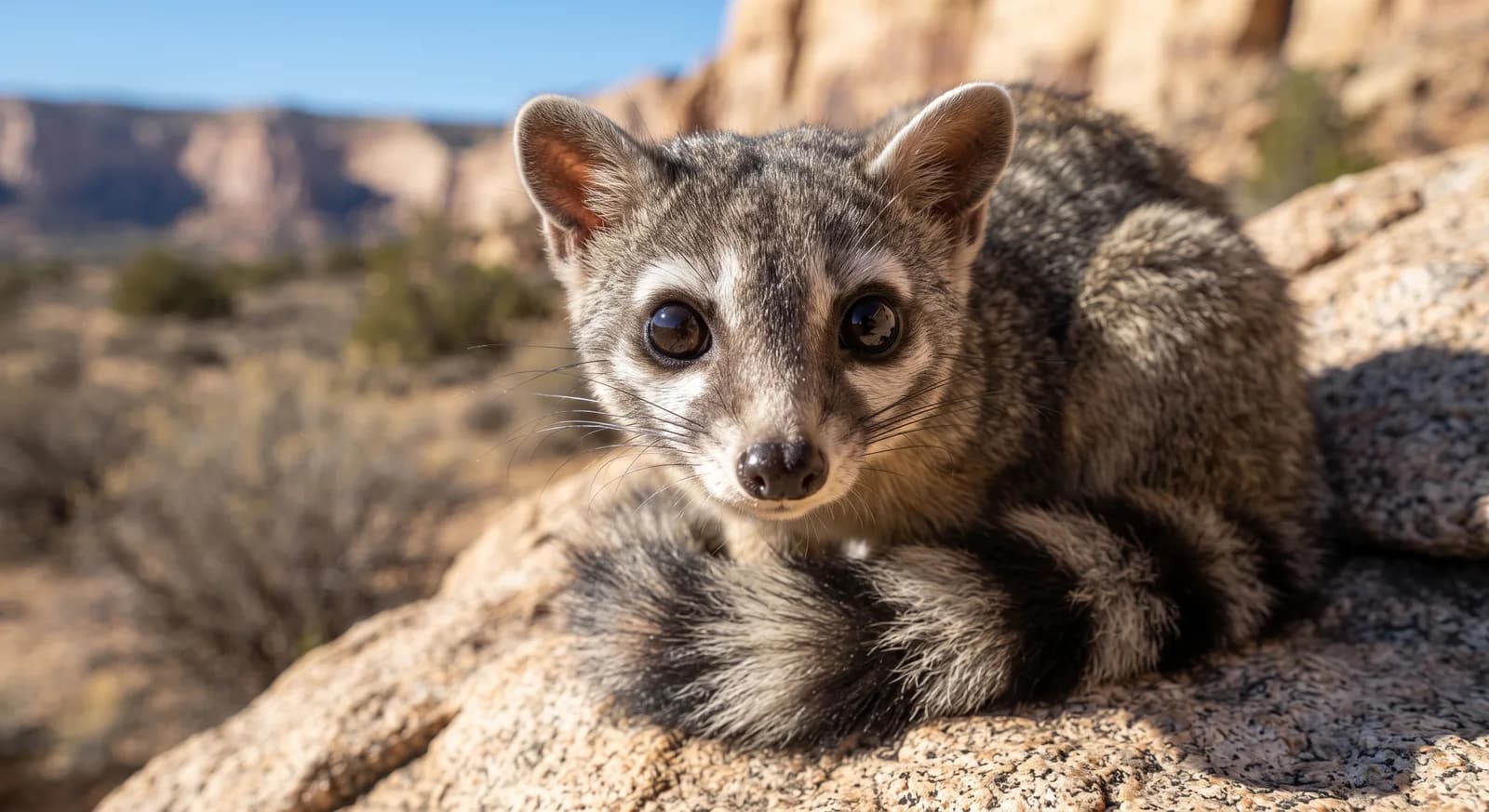
RingtailLeast Concern

Ringtail

Bassariscus astutus

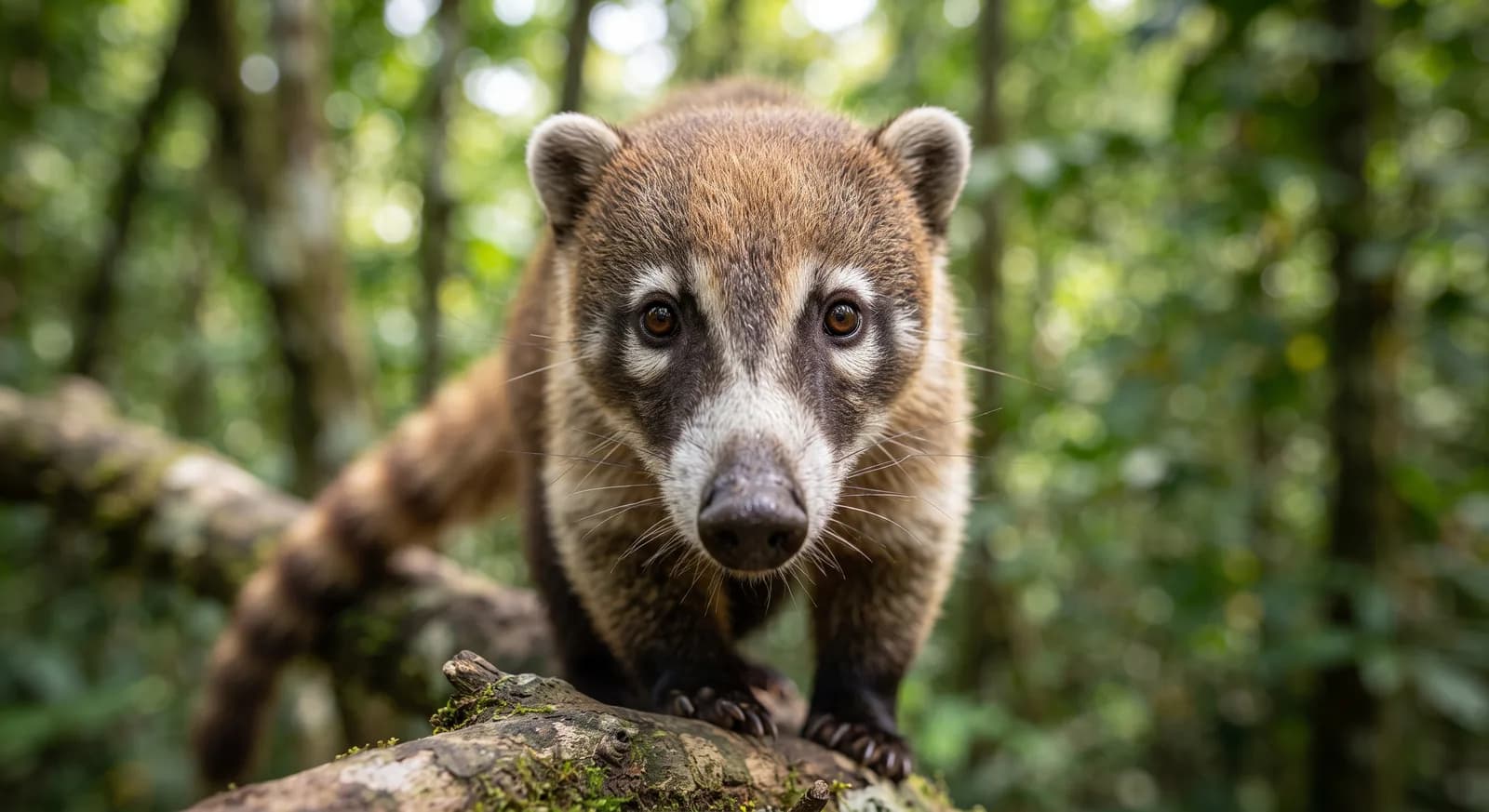
White-nosed CoatiLeast Concern

White-nosed Coati

Nasua narica

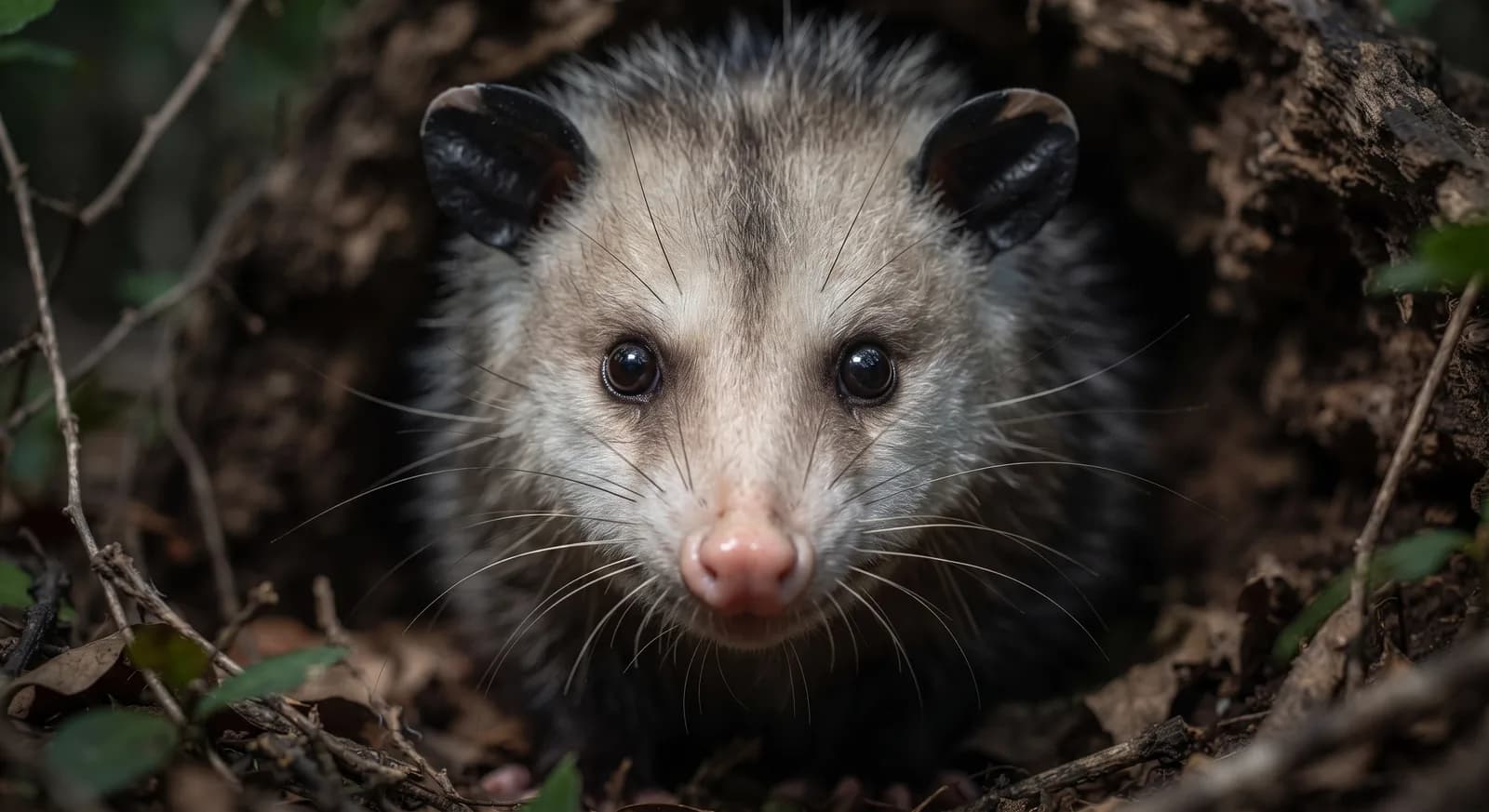
Virginia OpossumLeast Concern

Virginia Opossum

Didelphis virginiana

Least Concern

Mexican Mouse Opossum

Marmosa mexicana

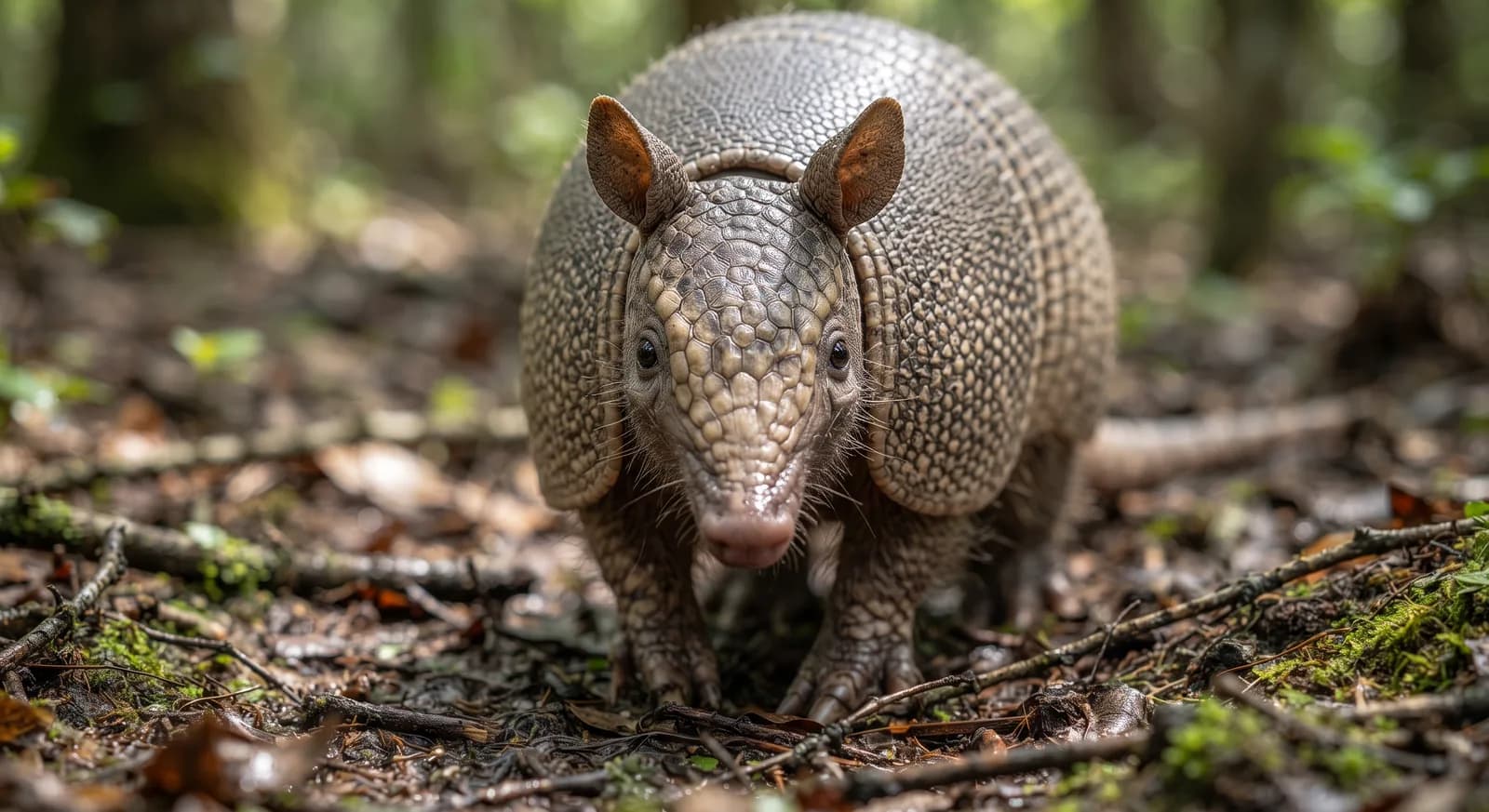
Nine-banded ArmadilloLeast Concern

Nine-banded Armadillo

Dasypus novemcinctus

Least Concern

Bushy-tailed Woodrat

Neotoma cinerea

CountriesUnited States
ParksYosemiteUnited States
TagsOmnivore
Omnivore
Nocturnal
Solitary
Temperate forest
Mammal

Europe30

Asia5

North America3

United States
Canada
Mexico
Germany
Armenia
Austria
Austria
Belarus
Bosnia and Herzegovina
Bulgaria
Croatia
Czechia
Estonia
Finland
France
Germany
Greece
Hungary
Italy
Kosovo
Latvia
Lithuania
Moldova
Montenegro
North Macedonia
Norway
Poland
Portugal
Romania
Serbia
Slovakia
Slovenia
Spain
Sweden
Switzerland
Ukraine
Armenia
Azerbaijan
Georgia
Russia
Türkiye
Canada
Mexico
United States