Skip to content
WAnimals
  • Map
  • Species
  • Parks
  • Diving
Log inCreate account
WAnimals

The guide for travellers and animal lovers: discover, plan and share your wild adventures around the world.

Discover wildlife

  • Species
  • Ecosystems
  • Glossary
  • Tags

Explore places

  • Map
  • Countries
  • Parks
  • Diving

Plan experiences

  • Guides

Learn

  • Blog

Resources

  • Help centre
  • Contact
  • Install the app

Follow us

Account

  • Log in
  • Create account

© 2026 WAnimals. All rights reserved.

About usHow we build our profilesTerms of servicePrivacyLegal notice
MapSpeciesParksDiving
  1. Home
  2. Species
  3. Great-tailed Grackle
Great-tailed Grackle (Quiscalus mexicanus)

Birds · Passeriformes · Icteridae

Great-tailed Grackle

Quiscalus mexicanus

Least Concern

The species is abundant and widely distributed; it faces no significant short-term risk.

Spotted something wrong?

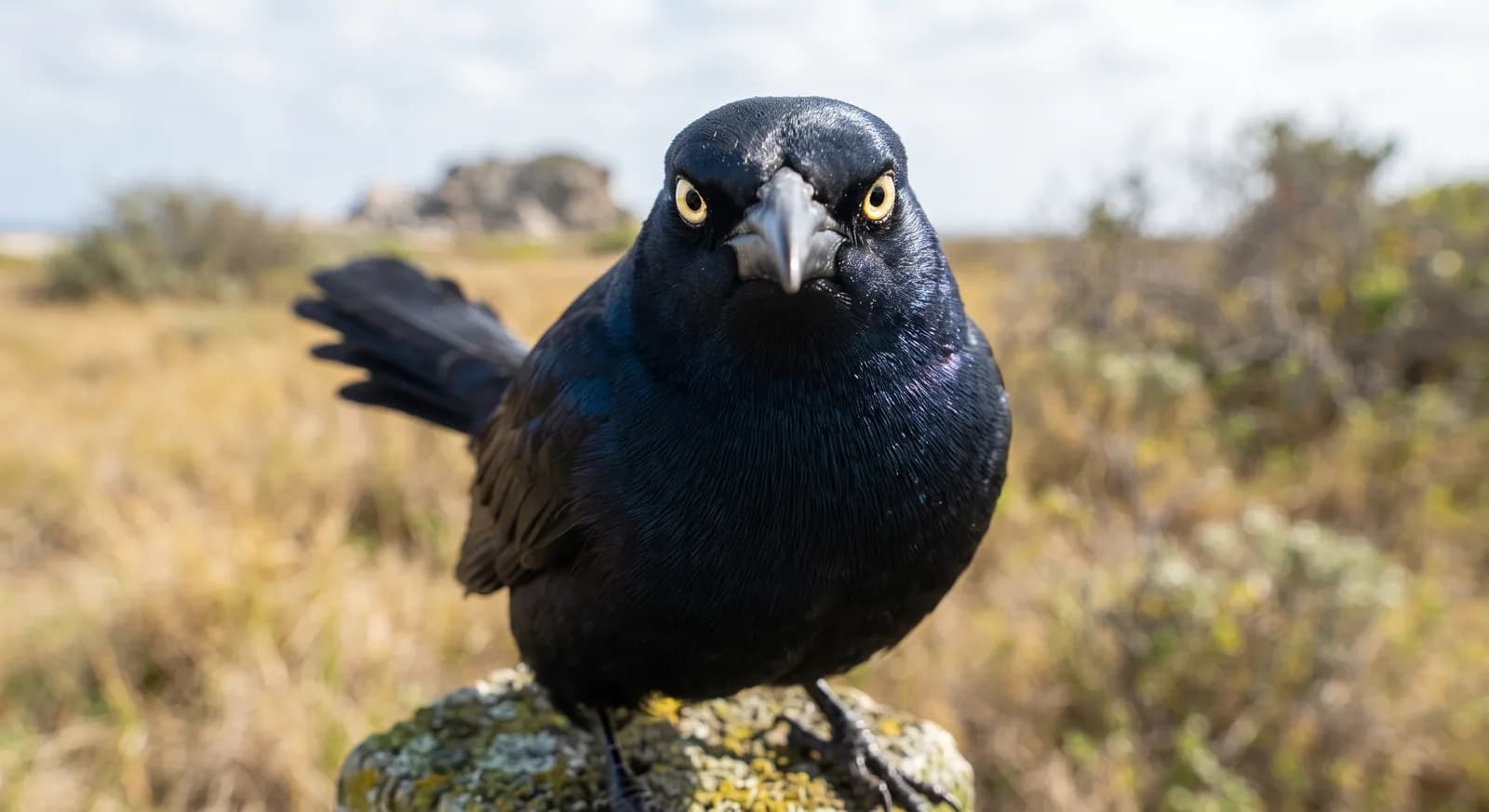
The great-tailed grackle is an icterid with a long, keel-shaped tail and black plumage with violet sheens in the male, much smaller and brown in the female. It is one of the most characteristic urban birds of Mexico and Central America, where it fills the plazas at dusk with deafening roosts. Its range has expanded enormously over the past century, following agriculture and cities northwards.

Weight

100 g – 265 g

Size

38 cm – 46 cm

Life expectancy

15 years
Diet

Omnivore

Combines animal and plant food depending on availability.

Activity

Diurnal

Active mainly during the day.

Social structure

Colony

Lives in large concentrations, often for breeding reasons.

Sighting difficulty

Easy

OceanFreshwaterGrassland
37countries58parks6same family

AI-generated images: illustrations, not photographs.

Fun facts

  • It has expanded its range spectacularly over the past century: in 1900 it barely reached southern Texas and today it breeds as far as Canada, following irrigation and built-up areas.
  • Its vocal repertoire is among the most varied and strident in the Americas: whistles, clicks, metallic shrieks and sounds like machinery, all from the same bird.
  • Mexican tradition holds that the grackle stole its seven songs from the sea, and that is why it has seven different voices.

Life cycle and biology

Skeleton type
Vertebrate - internal bony skeleton (bird)
Habitat and environment
Plazas, urban parks, farmland, mangroves and wetlands of the Americas, from the United States to Peru
Sexual maturity
12 months
Gestation / incubation
13 days
Litter / clutch size
3

Sources consulted: https://en.wikipedia.org/wiki/Great-tailed_grackle

Where to find it

Loading map…

Where to see it

Parks and dive sites where this species has been documented — showing 10 of 58.

Related species

Other species in the catalogue with the most in common with Great-tailed Grackle — same habitat, park, country, tags or family.

Same taxonomic family
Shares a park
Shares a park

Keep exploring

Based on what we already know about great-tailed grackle.

Comments

Share an experience, a fun fact or a tip for seeing the great-tailed grackle.

Be the first to comment.

See full glossary
This page in other languages: Español · Deutsch · Français · Português · Italiano

The pins mark the parks where its presence is documented.

See its range on the interactive map→
EvergladesUnited States
Big BendUnited States
Sian Ka'anMexico
CalakmulMexico
Monarch ButterflyMexico
Sumidero CanyonMexico
Sierra GordaMexico
Nevado de ColimaMexico
CorcovadoCosta Rica
TortugueroCosta Rica
See all 58 parks
Least Concern

Red-Winged Blackbird

Agelaius phoeniceus

Least Concern

Brown-headed Cowbird

Molothrus ater

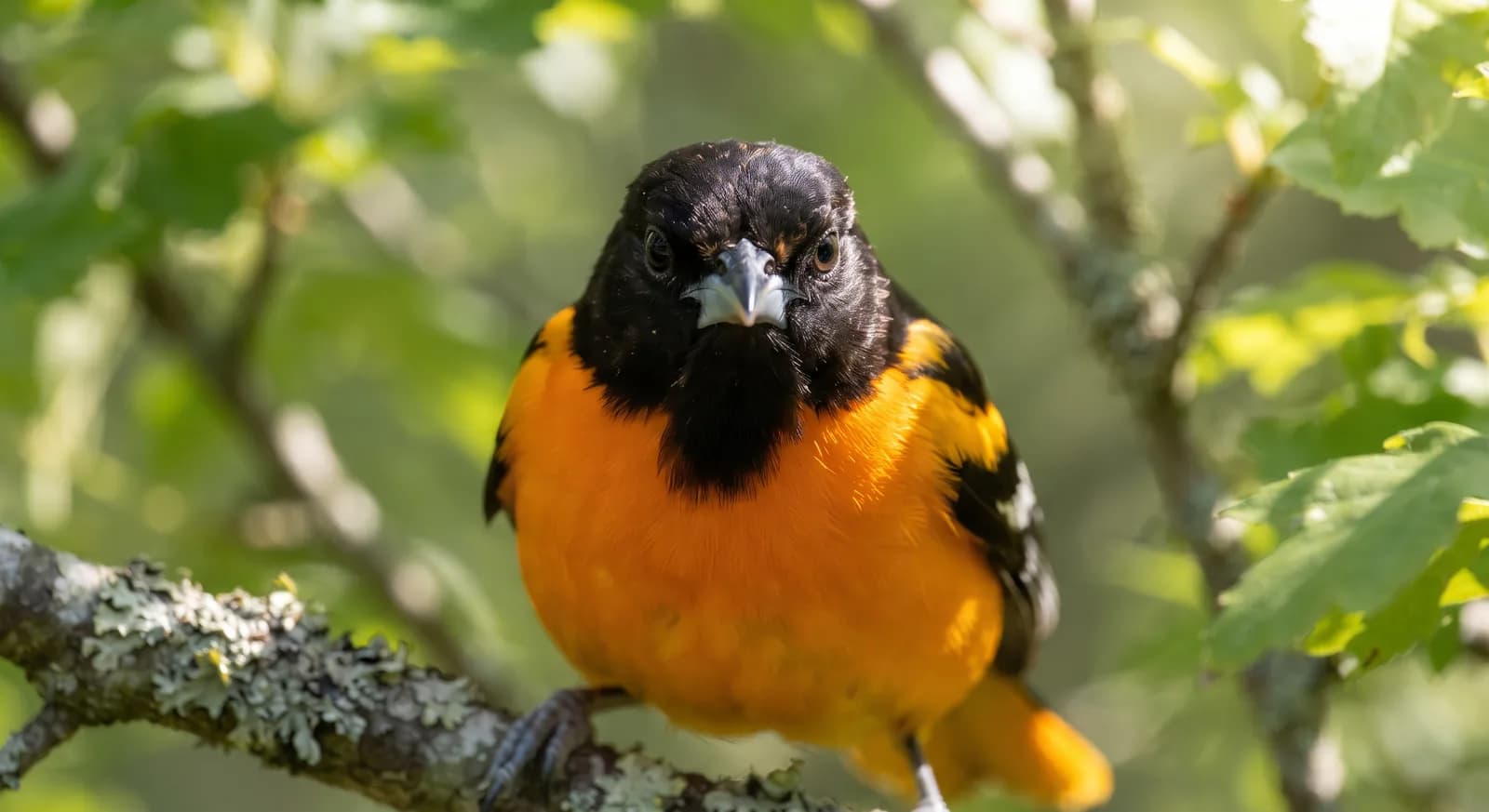
Baltimore OrioleLeast Concern

Baltimore Oriole

Icterus galbula

Near Threatened

Eastern Meadowlark

Sturnella magna

Least Concern

Wood Duck

Aix sponsa

Greater RoadrunnerLeast Concern

Greater Roadrunner

Geococcyx californianus

CountriesMexico
ParksEvergladesUnited States
TagsOmnivore
Omnivore
Diurnal
Colonial
Bird
Ocean
Freshwater
Grassland

North America33

South America4

Mexico
Costa Rica
United States
Guatemala
Panama
Honduras
Anguilla
Antigua and Barbuda
Aruba
Bahamas
Barbados
Belize
Bermuda
British Virgin Islands
Cayman Islands
Costa Rica
Cuba
Curaçao
Dominica
Dominican Republic
El Salvador
Grenada
Guadeloupe
Guatemala
Haiti
Honduras
Jamaica
Martinique
Mexico
Nicaragua
Panama
Puerto Rico
Saint Kitts and Nevis
Saint Lucia
Saint Vincent and Grenadines
Trinidad and Tobago
Turks and Caicos Islands
U.S. Virgin Islands
United States
Colombia
Ecuador
Peru
Venezuela