Skip to content
WAnimals
  • Map
  • Species
  • Parks
  • Diving
Log inCreate account
WAnimals

The guide for travellers and animal lovers: discover, plan and share your wild adventures around the world.

Discover wildlife

  • Species
  • Ecosystems
  • Glossary
  • Tags

Explore places

  • Map
  • Countries
  • Parks
  • Diving

Plan experiences

  • Guides

Learn

  • Blog

Resources

  • About us
  • How we build our profiles
  • Help centre
  • Contact
  • Install the app

Follow us

Account

  • Log in
  • Create account

© 2026 WAnimals. All rights reserved.

Terms of servicePrivacyCookiesLegal notice
MapSpeciesParksDiving
  1. Home
  2. Species
  3. Greater Roadrunner
Greater Roadrunner (Geococcyx californianus)

Birds · Cuculiformes · Cuculidae

Greater Roadrunner

Geococcyx californianus

Least Concern

The species is abundant and widely distributed; it faces no significant short-term risk.

Spotted something wrong?

The greater roadrunner is a long-legged ground cuckoo with a very long tail that would rather run than fly. It reaches 30 kilometres an hour chasing lizards, snakes, insects and rodents. It is extraordinarily well adapted to the desert: it gets water from its prey, excretes excess salt through a nasal gland and spends cold nights in torpor, warming itself in the morning sun with black back feathers that it exposes like solar panels.

Weight

220 g – 540 g

Size

52 cm – 62 cm

Life expectancy

8 years
Diet

Omnivore

Combines animal and plant food depending on availability.

Activity

Diurnal

Active mainly during the day.

Social structure

In pairs

Usually lives in pairs, sometimes for life.

DesertGrassland
2countries8parks4same family

AI-generated images: illustrations, not photographs.

Fun facts

  • It recharges in the sun: in the morning it raises its back feathers and exposes a patch of black skin beneath them to direct sunlight, a biological solar panel that lets it recover its body temperature after a night in torpor without spending energy.
  • It kills rattlesnakes by beating them against the ground and swallows them whole, leaving the tail hanging from its beak while the swallowed part digests.
  • It does not go meep meep: its real call is a low, descending coo like a dove's, and the cartoon sound is an invention of the Warner studios.

Life cycle and biology

Skeleton type
Vertebrate - internal bony skeleton (bird)
Habitat and environment
Scrub desert, chaparral and arid grassland of the south-western United States and Mexico
Sexual maturity
12 months
Gestation / incubation
20 days
Litter / clutch size
4

Sources consulted: IUCN Red List · Animal Diversity Web · Wikipedia (es)

Where to find it

Loading map…

The pins mark the parks where its presence is documented.

Where to see it

Parks and dive sites where this species has been documented.

Related species

Other species in the catalogue with the most in common with Greater Roadrunner — same habitat, park, country, tags or family.

Shares a park
Shares a park
Shares a park
Shares a park
Shares a park
Shares a park

Keep exploring

Based on what we already know about greater roadrunner.

Share an experience, a fun fact or a tip for seeing the greater roadrunner.
See full glossary
This page in other languages: Español · Deutsch · Français · Português · Italiano
See its range on the interactive map→
Death ValleyUnited States
Big BendUnited States
El Pinacate and Gran Desierto de AltarMexico
Joshua TreeUnited States
SaguaroUnited States
White SandsUnited States
Carlsbad CavernsUnited States
Guadalupe MountainsUnited States
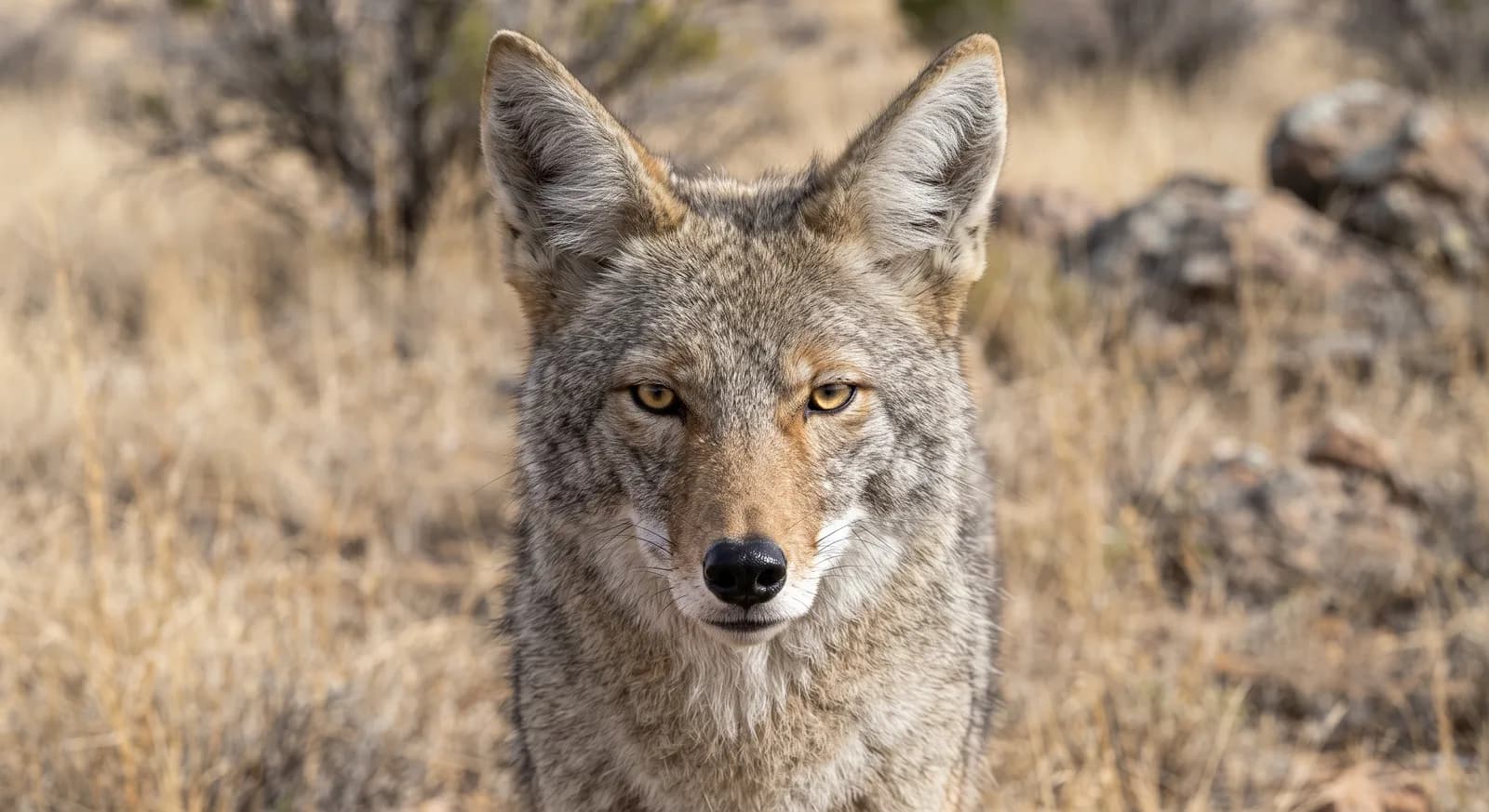
CoyoteLeast Concern

Coyote

Canis latrans

Least Concern

Mourning Dove

Zenaida macroura

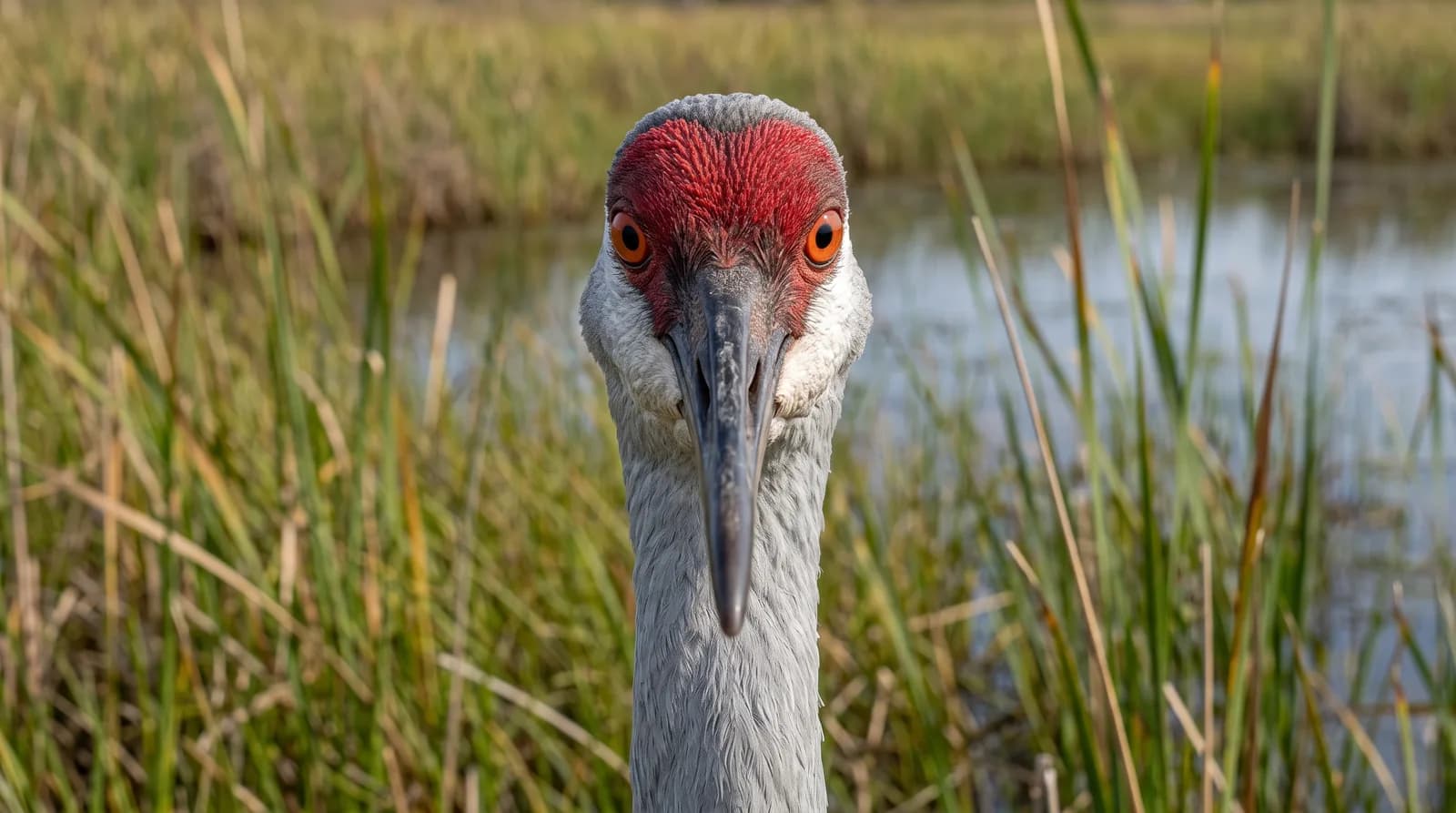
Sandhill CraneLeast Concern

Sandhill Crane

Antigone canadensis

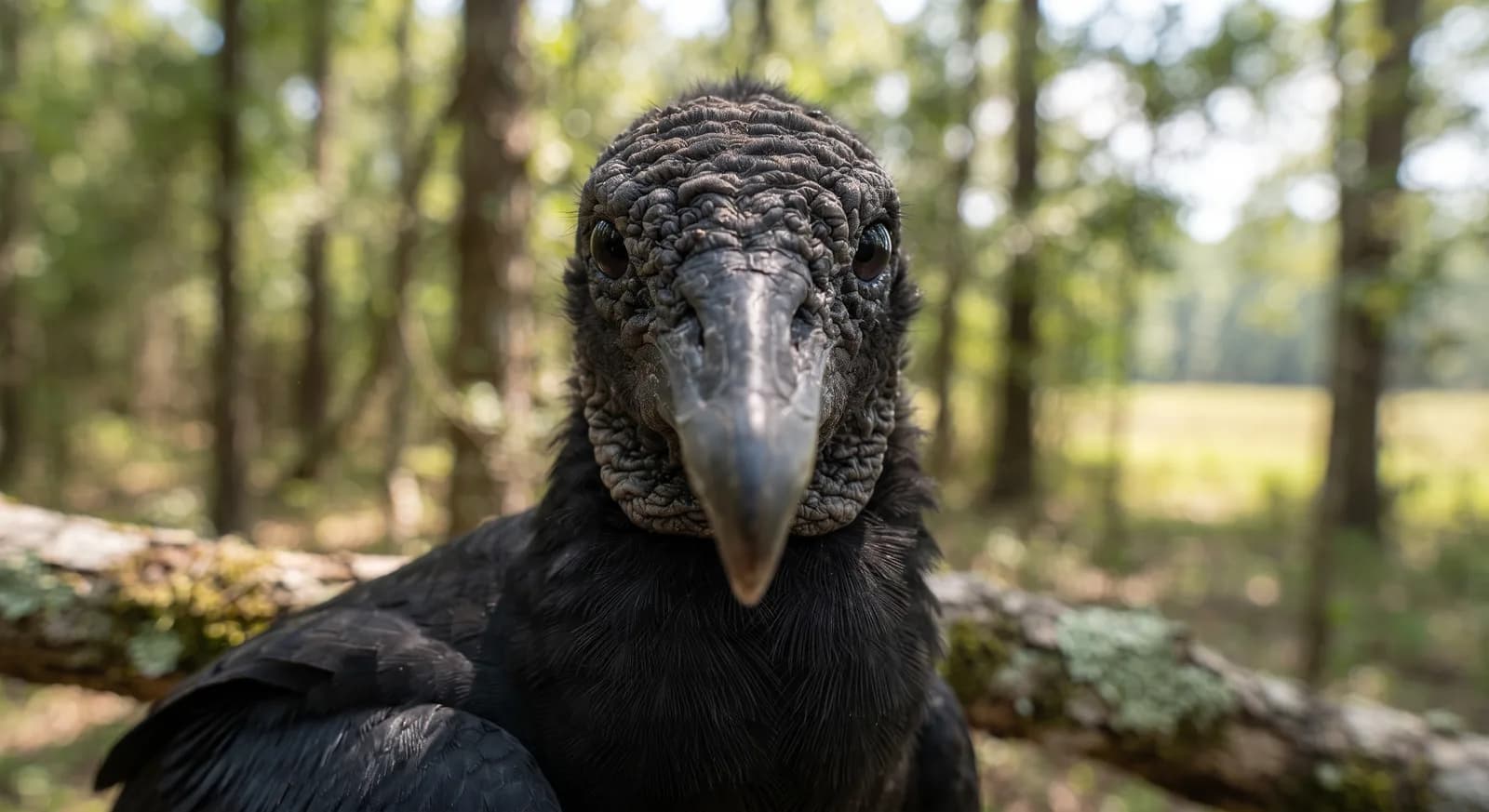
Black VultureLeast Concern

Black Vulture

Coragyps atratus

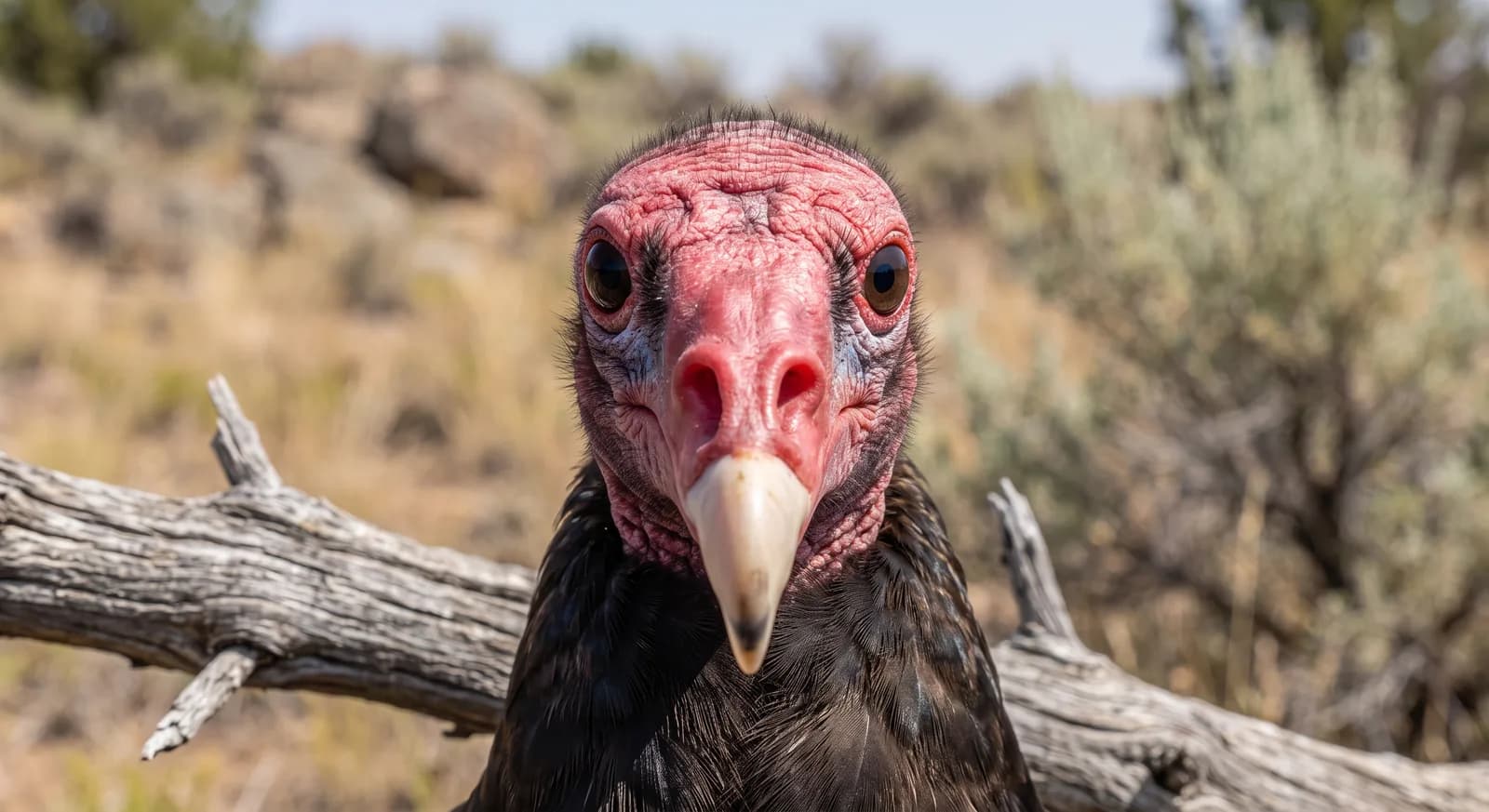
Turkey VultureLeast Concern

Turkey Vulture

Cathartes aura

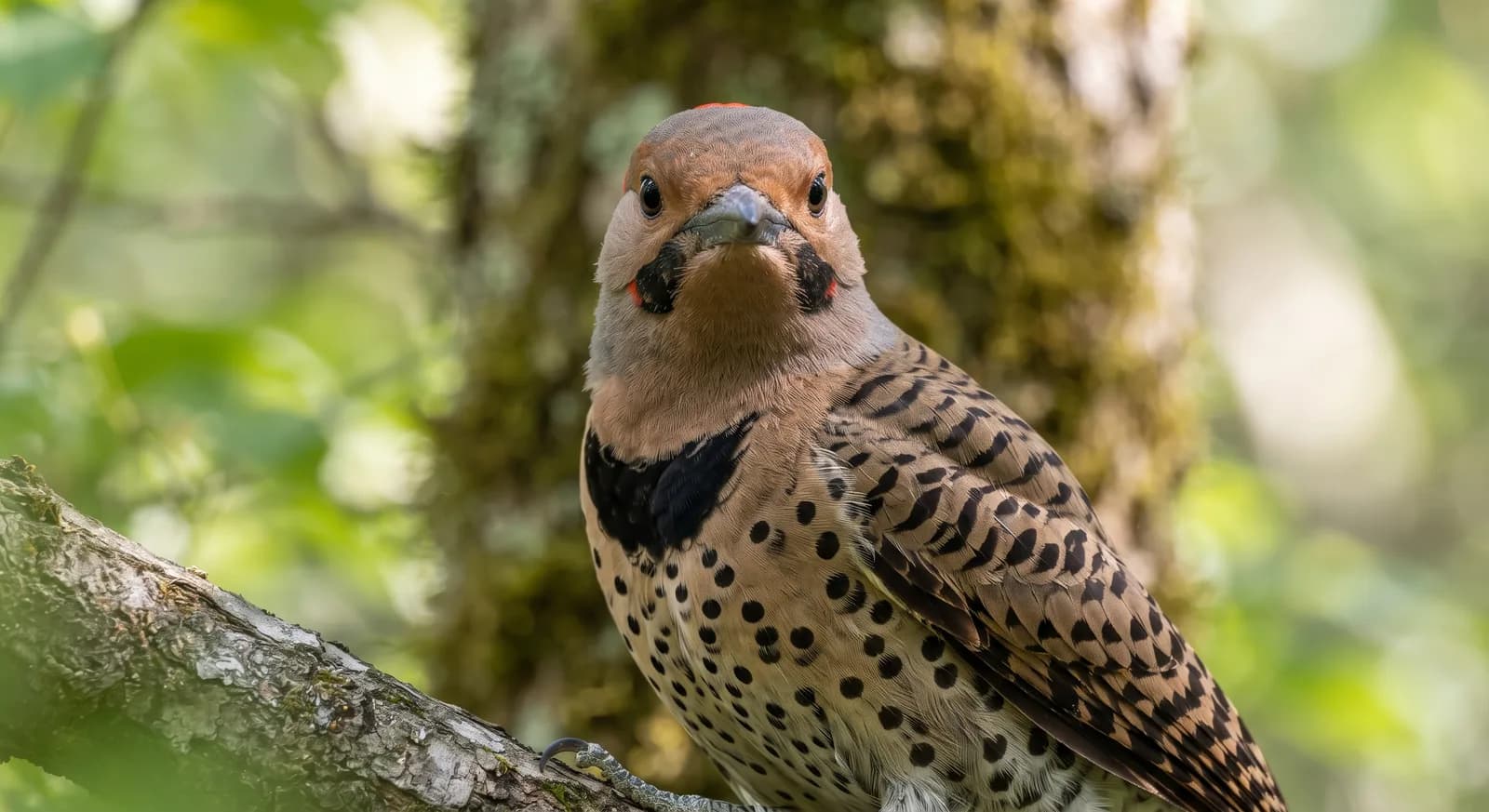
Northern FlickerLeast Concern

Northern Flicker

Colaptes auratus

CountriesUnited States
ParksDeath ValleyUnited States
TagsCarnivore
Carnivore
Omnivore
Diurnal
In pairs
Bird
Desert
Grassland
United States
Mexico