Skip to content
WAnimals
  • Map
  • Species
  • Parks
  • Diving
Log inCreate account
WAnimals

The guide for travellers and animal lovers: discover, plan and share your wild adventures around the world.

Discover wildlife

  • Species
  • Ecosystems
  • Glossary
  • Tags

Explore places

  • Map
  • Countries
  • Parks
  • Diving

Plan experiences

  • Guides

Learn

  • Blog

Resources

  • About us
  • How we build our profiles
  • Help centre
  • Contact
  • Install the app

Follow us

Account

  • Log in
  • Create account

© 2026 WAnimals. All rights reserved.

Terms of servicePrivacyCookiesLegal notice
MapSpeciesParksDiving
  1. Home
  2. Species
  3. Turkey Vulture
Turkey Vulture (Cathartes aura)

Birds · Cathartiformes · Cathartidae

Turkey Vulture

Cathartes aura

Least Concern

The species is abundant and widely distributed; it faces no significant short-term risk.

Spotted something wrong?

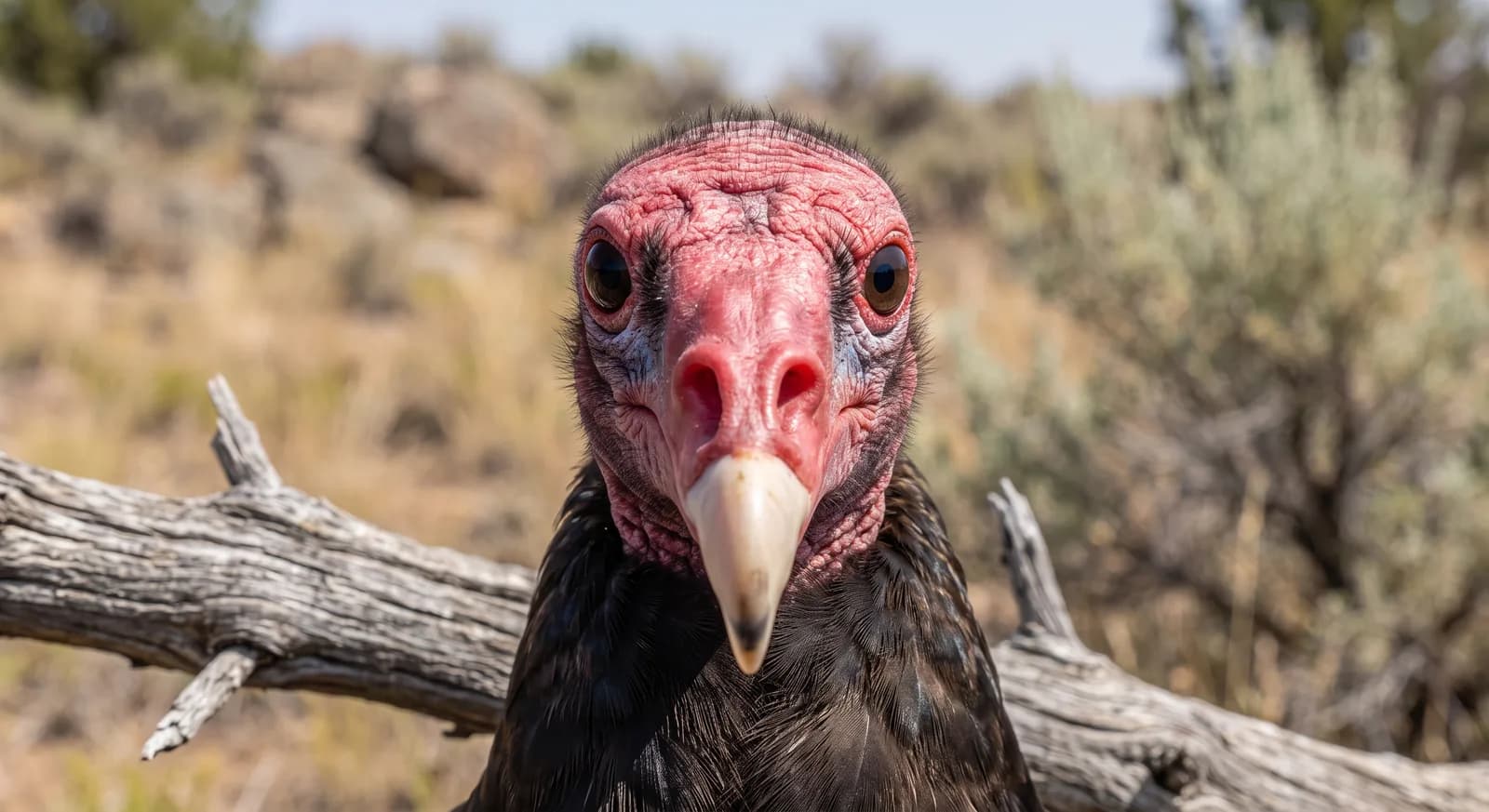
The turkey vulture is a species of Cathartiformes bird of the family Cathartidae. Its range extends from the far south of South America to southern Canada. It lives in a variety of open and semi-open areas, including subtropical forest, scrub, grassland and desert. It is a large bird, with a wingspan of 170-183 cm, a length of 64-81 cm and a weight that can range between 0.85 and 2.26 kg. Its plumage is dark brown to black; the head and neck are unfeathered and purple-red. Its bill is short, hooked and ivory-coloured. It is classed as least concern on the IUCN Red List.

Weight

850 g – 2.2 kg

Size

62 cm – 81 cm

Life expectancy
25 years

Diet

Carnivore

Feeds mainly on other animals.

Activity

Diurnal

Active mainly during the day.

Social structure

Colony

Lives in large concentrations, often for breeding reasons.

RainforestTemperate forestDesertGrassland
43countries95parks4same family1natural phenomena

AI-generated images: illustrations, not photographs.

Fun facts

  • sentidosIt is one of the few birds of prey that can smell out carrion, even under dense cover, thanks to an olfactory bulb that is large for its body size.
  • It detects a carcass by smell from more than a kilometre away, and American gas companies made use of that ability: they added to natural gas the same compound that carcasses give off, and located leaks by following where the vultures gathered.
  • Its stomach is extraordinarily acidic: it neutralises botulism, anthrax and cholera, so it can eat carcasses that would kill any other animal.
  • It vomits as a defence: an acidic, foul-smelling vomit thrown with good aim that drives off most predators and lightens it enough to take off faster.

Life cycle and biology

Skeleton type
Vertebrate - internal bony skeleton (bird)
Habitat and environment
Practically any open or semi-open environment in the Americas, from Canada to Tierra del Fuego
Sexual maturity
11 years
Gestation / incubation
39 days
Litter / clutch size
2

Sources consulted: Wikipedia (es): Cathartes aura

Where to find it

Loading map…

Where to see it

Parks and dive sites where this species has been documented — showing 10 of 95.

Related species

Other species in the catalogue with the most in common with Turkey Vulture — same habitat, park, country, tags or family.

Same taxonomic family
Shares a park
Shares a park
Shares a park

Keep exploring

Based on what we already know about turkey vulture.

Share an experience, a fun fact or a tip for seeing the turkey vulture.
See full glossary
This page in other languages: Español · Deutsch · Français · Português · Italiano

The pins mark the parks where its presence is documented.

See its range on the interactive map→
Yellowstone National ParkUnited States
YosemiteUnited States
Grand CanyonUnited States
EvergladesUnited States
GlacierUnited States
Great Smoky MountainsUnited States
RedwoodUnited States
Death ValleyUnited States
ZionUnited States
AcadiaUnited States
See all 95 parks
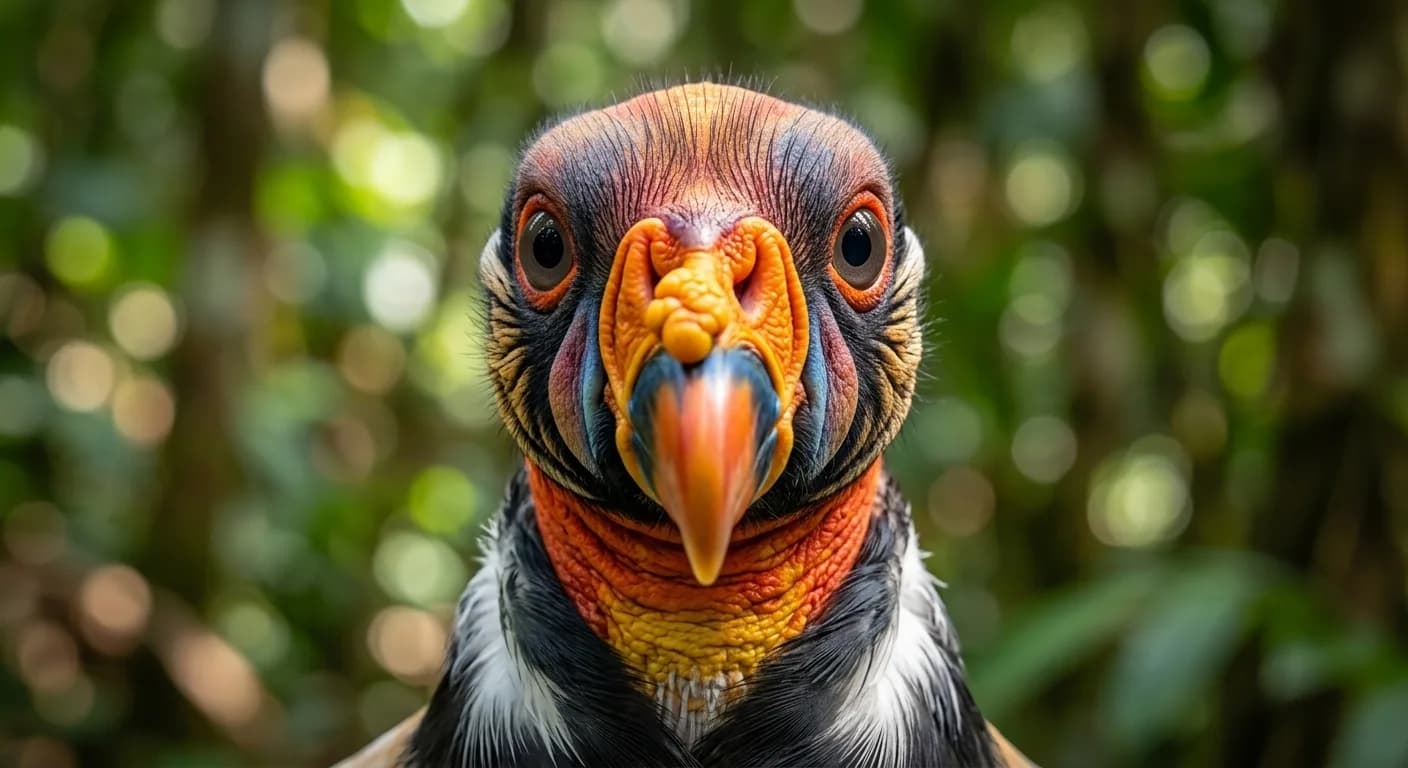
King VultureLeast Concern

King Vulture

Sarcoramphus papa

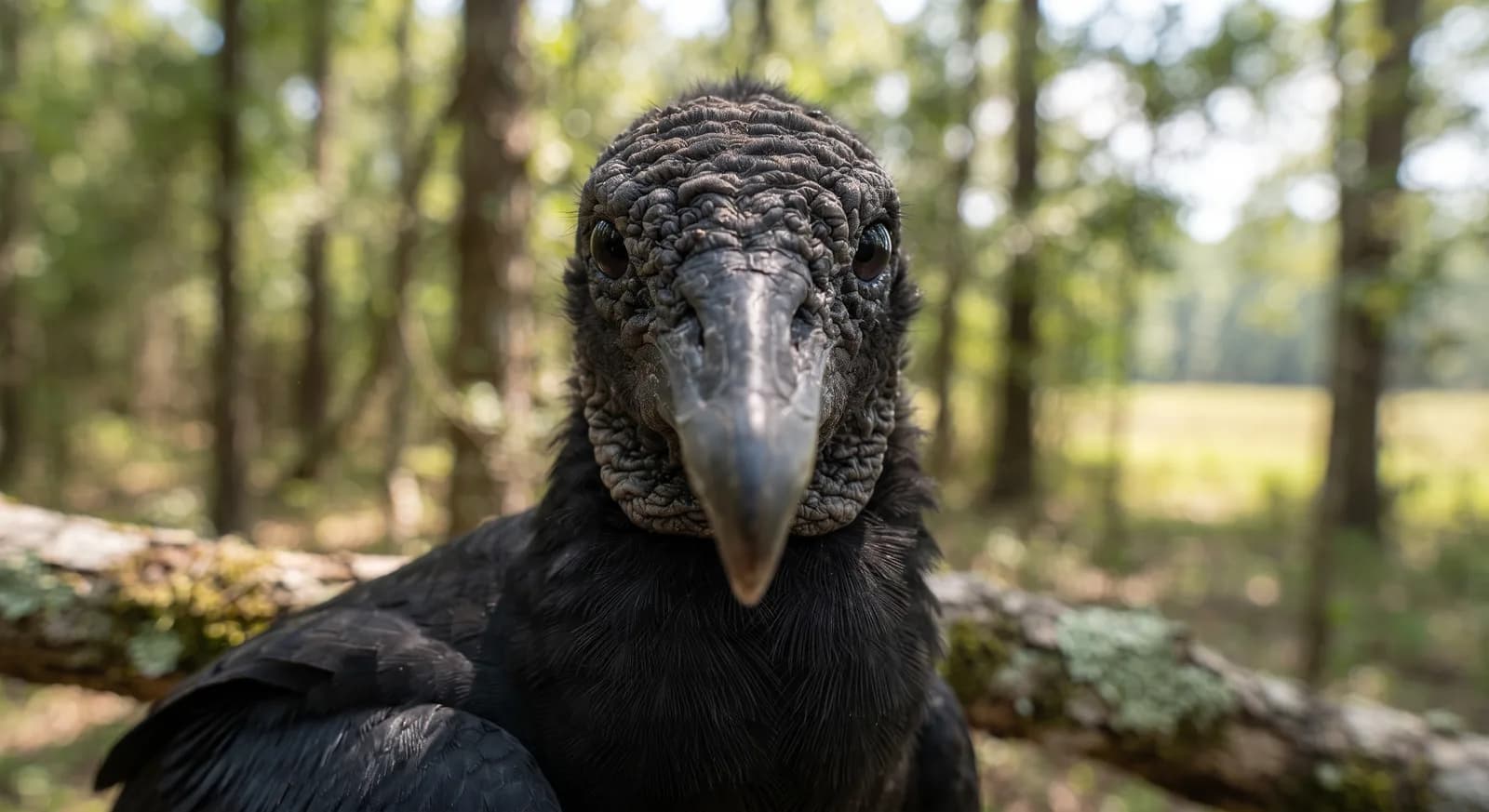
Black VultureLeast Concern

Black Vulture

Coragyps atratus

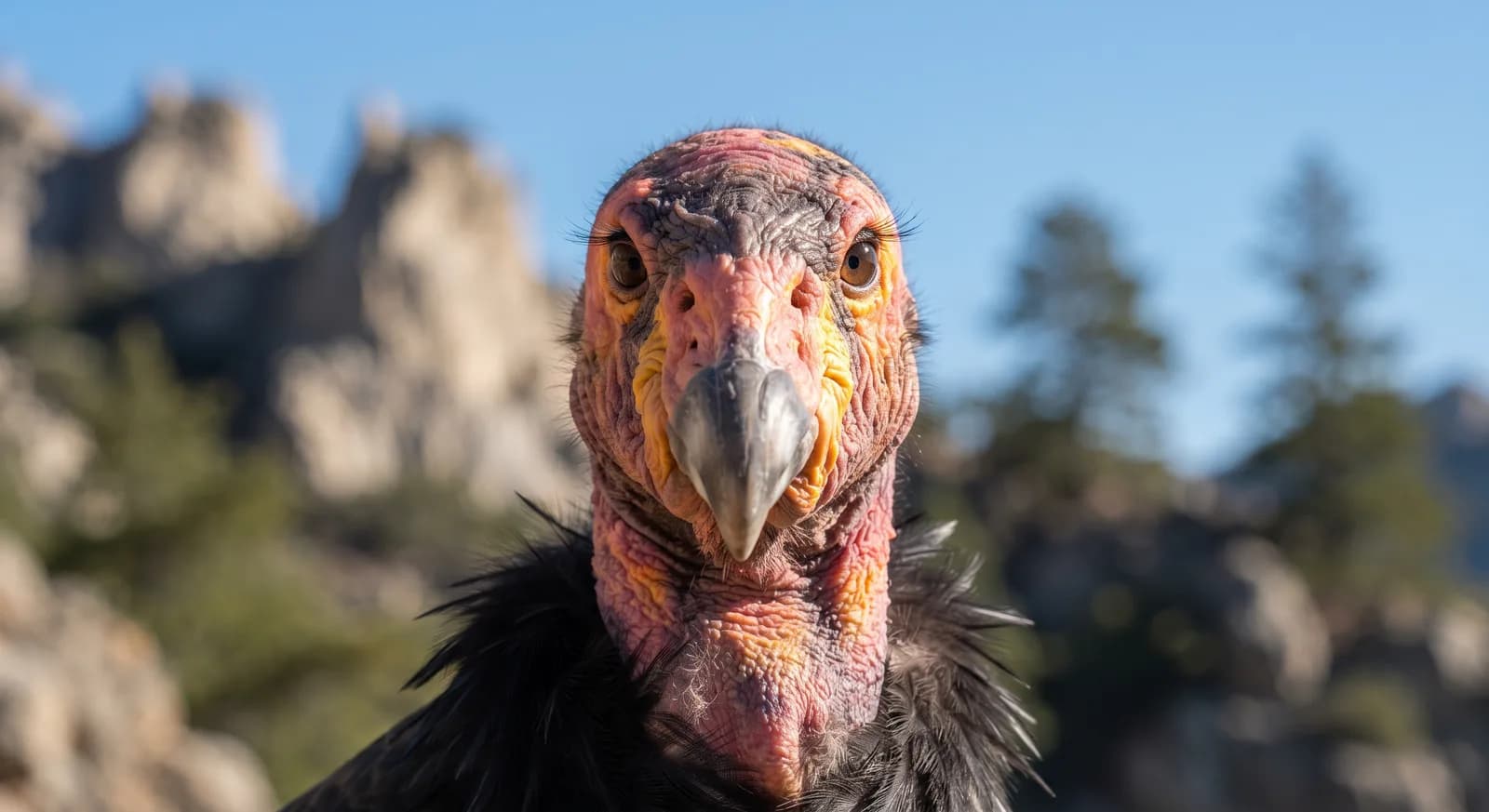
California CondorCritically Endangered

California Condor

Gymnogyps californianus

Least Concern

Big Brown Bat

Eptesicus fuscus

Least Concern

Mourning Dove

Zenaida macroura

Greater RoadrunnerLeast Concern

Greater Roadrunner

Geococcyx californianus

CountriesUnited States
ParksYellowstone National ParkUnited States
TagsCarnivore
Carnivore
Diurnal
Colonial
Bird
Rainforest
Temperate forest
Desert
Grassland

North America34

South America9

United States
Canada
Mexico
Anguilla
Antigua and Barbuda
Argentina
Anguilla
Antigua and Barbuda
Aruba
Bahamas
Barbados
Belize
Bermuda
British Virgin Islands
Canada
Cayman Islands
Costa Rica
Cuba
Curaçao
Dominica
Dominican Republic
El Salvador
Grenada
Guadeloupe
Guatemala
Haiti
Honduras
Jamaica
Martinique
Mexico
Nicaragua
Panama
Puerto Rico
Saint Kitts and Nevis
Saint Lucia
Saint Vincent and Grenadines
Trinidad and Tobago
Turks and Caicos Islands
U.S. Virgin Islands
United States
Argentina
Bolivia
Brazil
Chile
Colombia
Ecuador
Peru
Uruguay
Venezuela