 Critically Endangered
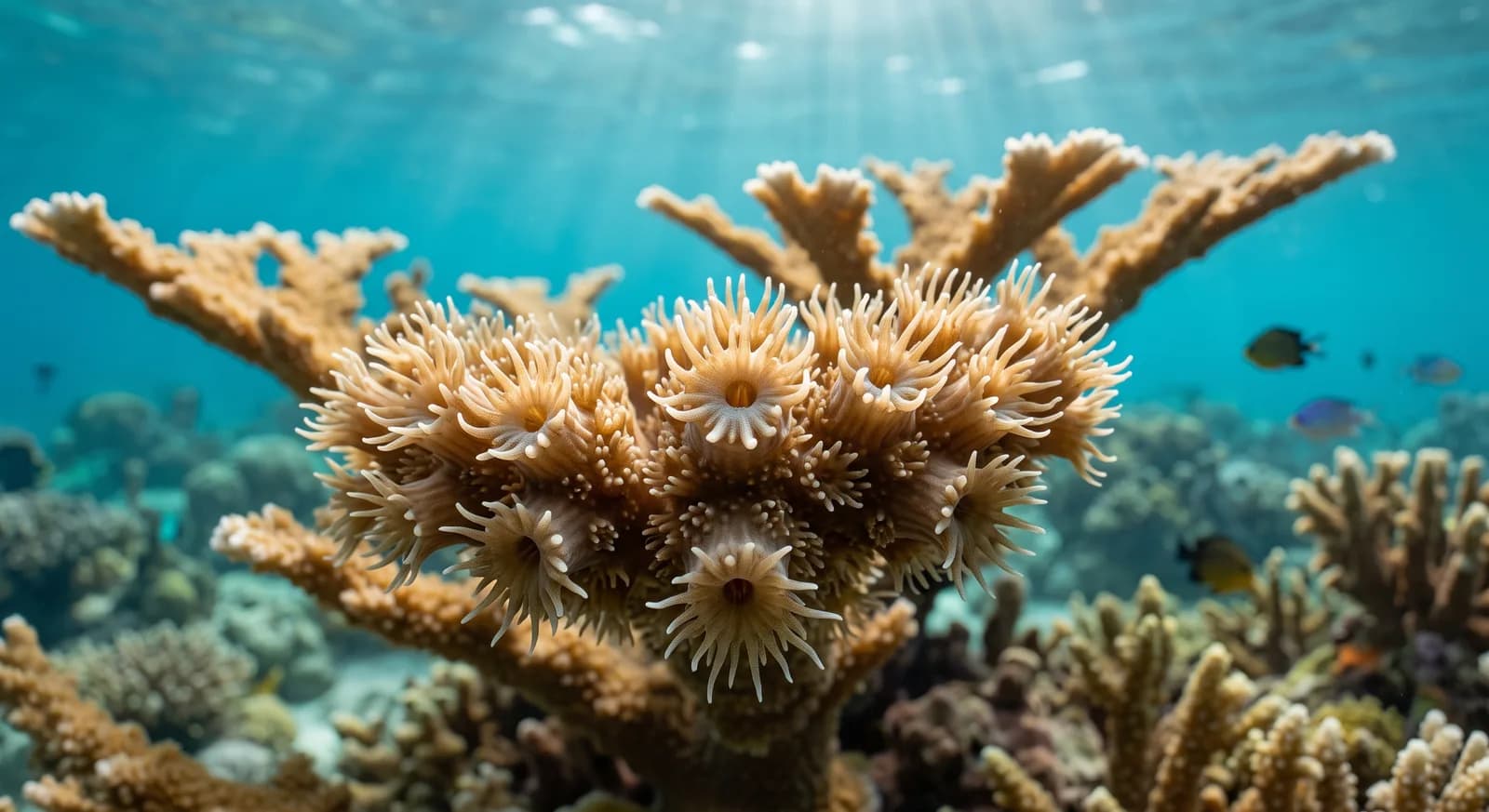
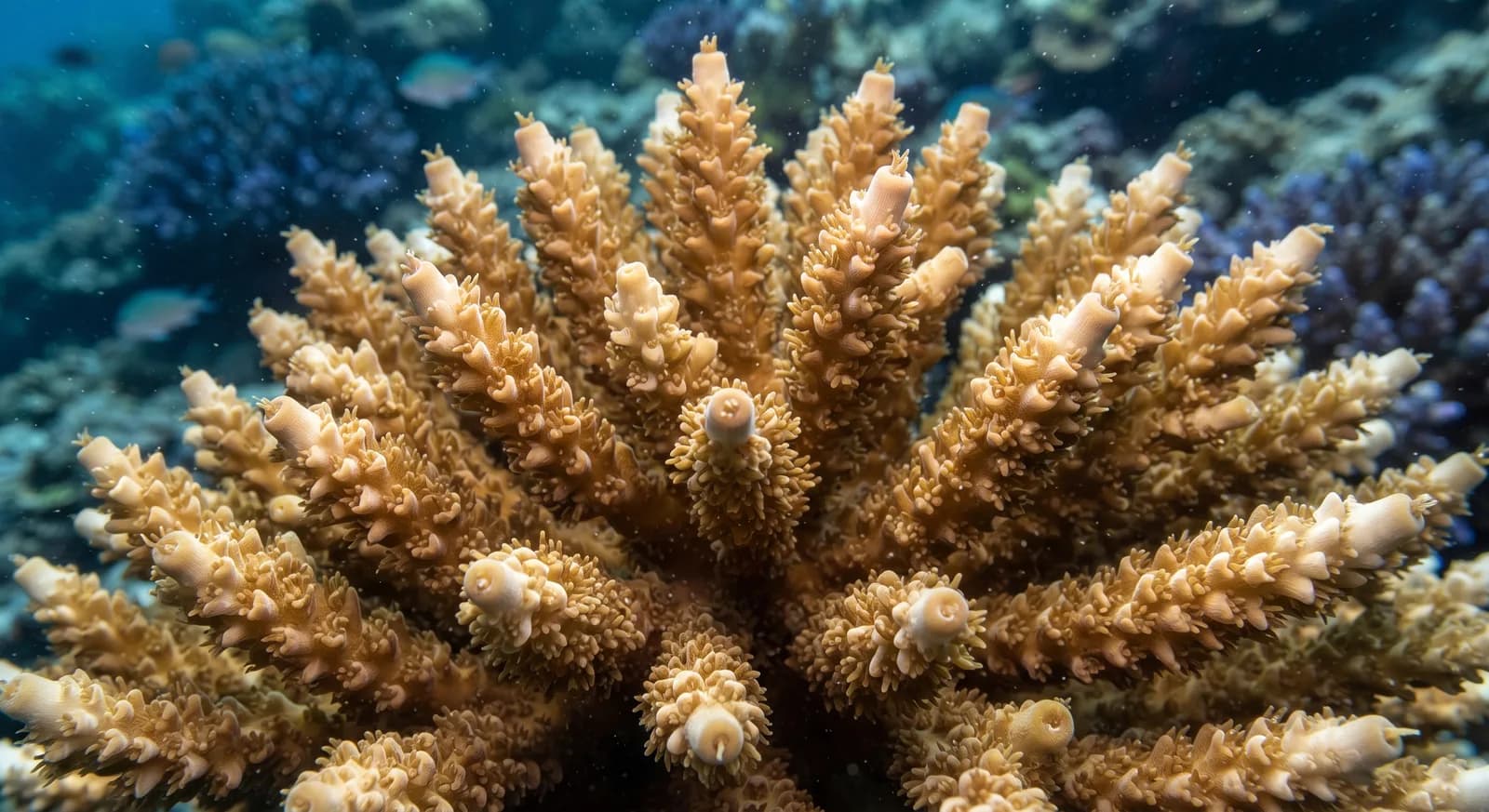
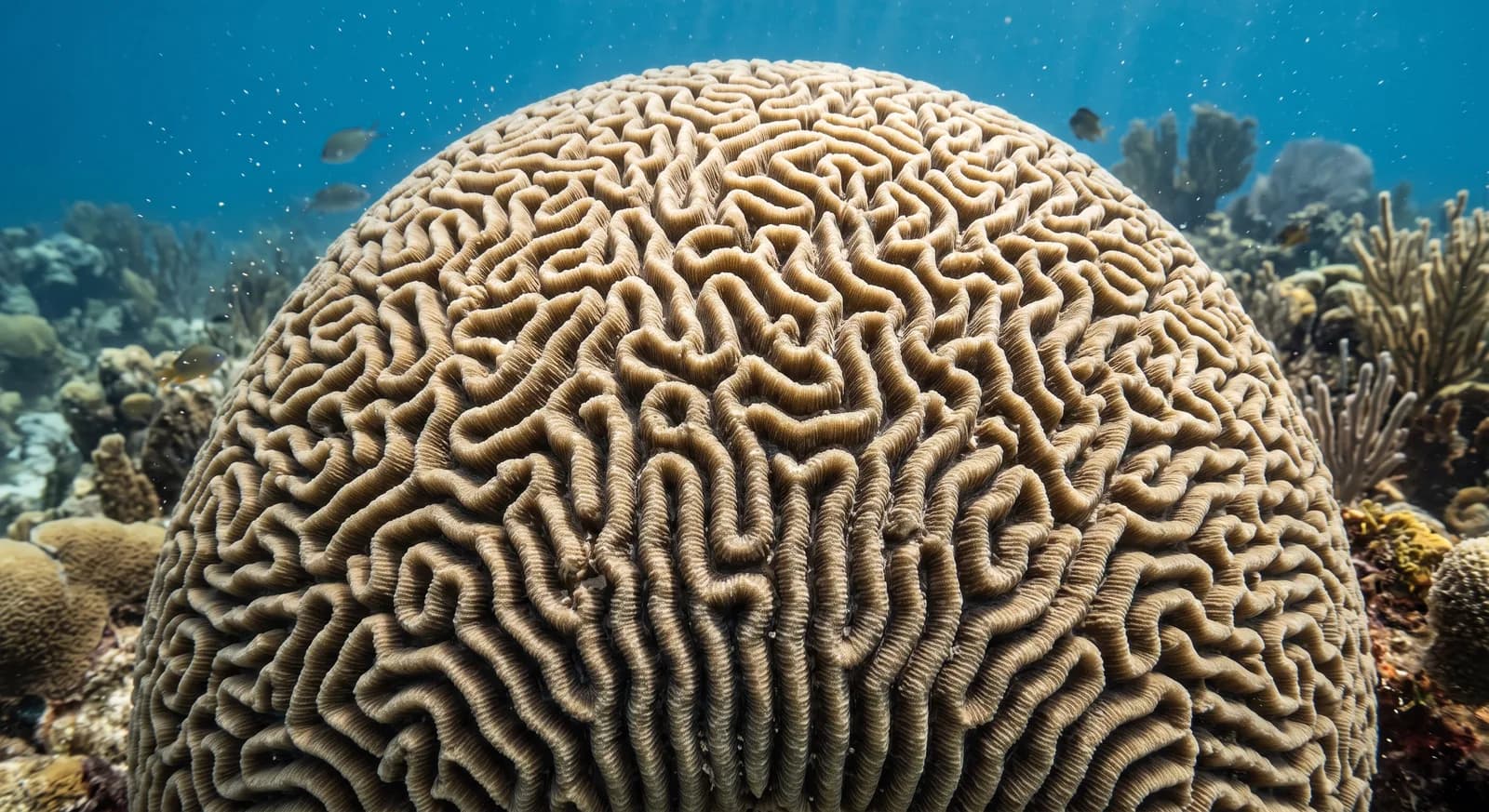
Grooved Brain Coral
Diploria labyrinthiformis
North America
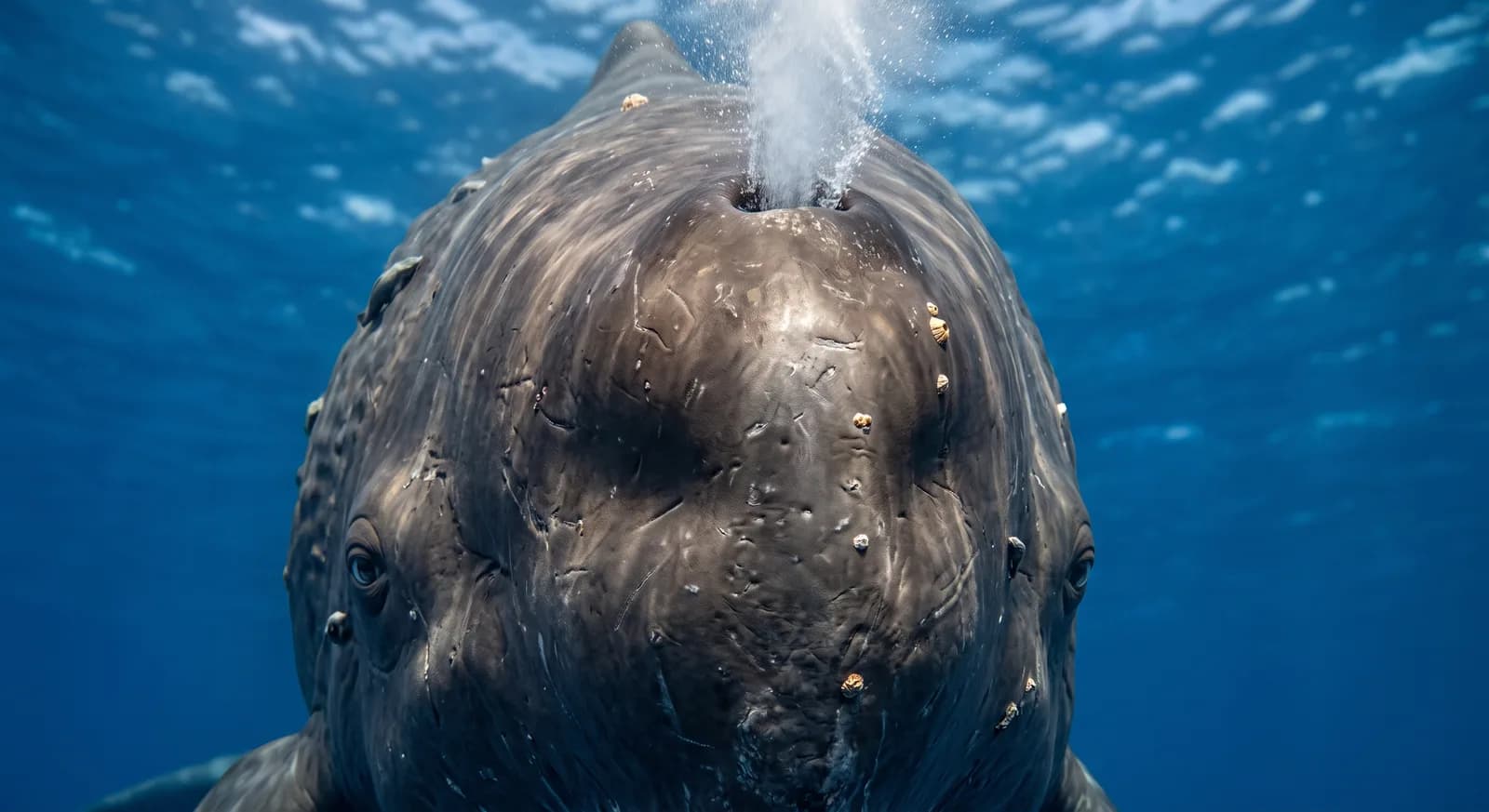
Dominica is known as the nature island because it keeps a far higher proportion of forest than the rest of the Lesser Antilles, thanks to an extremely rugged volcanic relief that made plantation agriculture difficult. It has nine potentially active volcanoes, more rivers than there are days in the year according to the local saying, and in Morne Trois Pitons national park, a World Heritage Site, lies the Boiling Lake, a flooded fumarole that is one of the largest bodies of boiling water on the planet. Its forests hold two endemic parrots, and its waters, very deep close inshore, sustain something exceptional in the Caribbean: families of sperm whales resident year-round.
National animal: The imperial amazon, or sisserou, the endemic national bird and the only one to appear on a country's flag
Off the west coast of Dominica live families of sperm whales that do not migrate and that stay in the same waters generation after generation. They communicate through sequences of clicks called codas, and the island's groups use combinations of their own that work as a dialect distinct from that of other Atlantic clans. In 2023 the country announced the creation of the world's first marine reserve dedicated specifically to protecting sperm whales.
Hurricane Maria, in 2017, devastated the island's forest and drastically reduced the imperial amazon population, of which very few birds were left and which remains under intensive monitoring. The mountain chicken, a giant amphibian that became a traditional dish, was decimated by the chytrid fungus.
Morne Diablotin at dawn for the two endemic amazons. The west coast between November and March for sperm whales. Soufrière-Scott's Head year-round for reefs and geothermal bubbles.
Where else might I want to travel?
Same region: Central America and the Caribbean
Same region: Central America and the Caribbean
Same region: Central America and the Caribbean
Same region: Central America and the Caribbean
113 species found
Based on what we already know about Dominica.