Skip to content
WAnimals
  • Map
  • Species
  • Parks
  • Diving
Log inCreate account
WAnimals

The guide for travellers and animal lovers: discover, plan and share your wild adventures around the world.

Discover wildlife

  • Species
  • Ecosystems
  • Glossary
  • Tags

Explore places

  • Map
  • Countries
  • Parks
  • Diving

Plan experiences

  • Guides

Learn

  • Blog

Resources

  • Help centre
  • Contact
  • Install the app

Follow us

Account

  • Log in
  • Create account

© 2026 WAnimals. All rights reserved.

About usHow we build our profilesTerms of servicePrivacyLegal notice
MapSpeciesParksDiving
  1. Home
  2. Species
  3. Lemon Shark

Lemon Shark (Negaprion brevirostris)

Cartilaginous fish · Carcharhiniformes · Carcharhinidae

Lemon Shark

Negaprion brevirostris

Vulnerable

At high risk of extinction in the wild over the medium term.

Spotted something wrong?

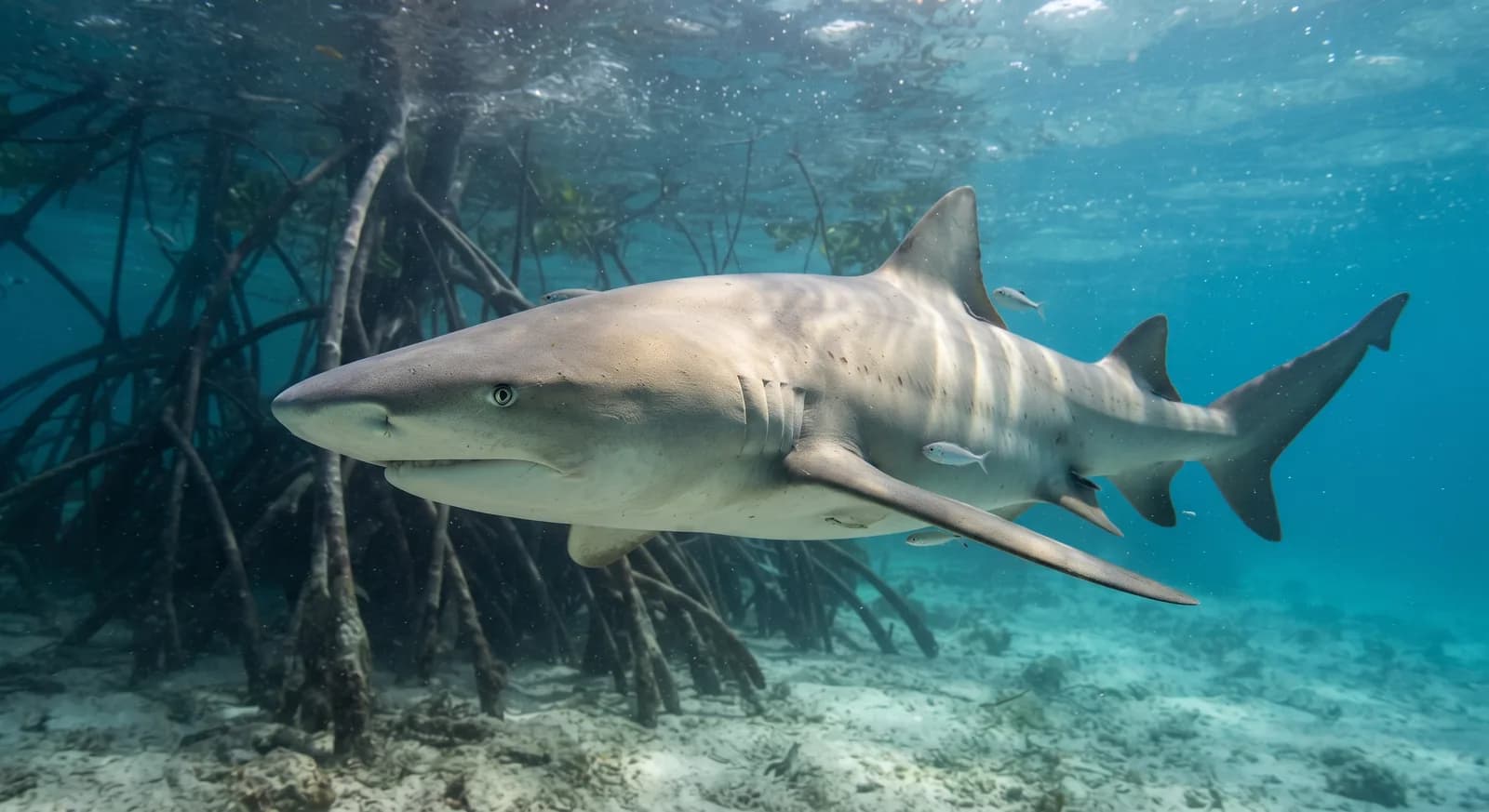
The lemon shark is a shark belonging to the family Carcharhinidae that can grow to 3 m. It is called the lemon shark because at certain depths the interaction of light with sea water can give it a tanned, yellowish appearance, like the skin of a lemon. It is easy to tell apart from other shark species because its two dorsal fins are almost the same size.

Weight

101 kg on average

Size

up to 3.4 m

Life expectancy

27 years
Diet

Carnivore

Feeds mainly on other animals.

Activity

Nocturnal

Active mainly at night.

Social structure

Colony

Lives in large concentrations, often for breeding reasons.

Sighting difficulty

Moderate

OceanFreshwater
81countries20parks34dive sites9same family

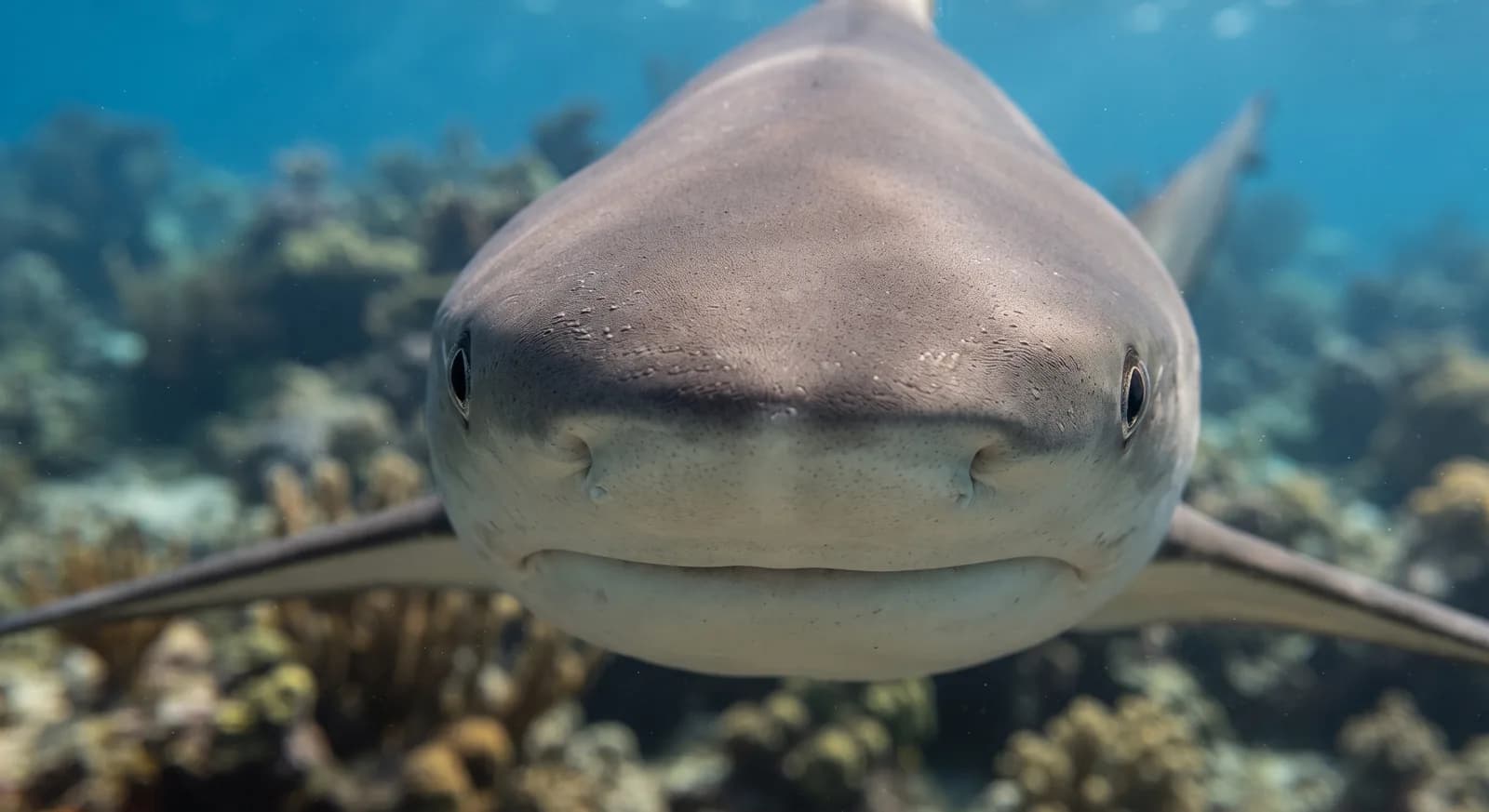
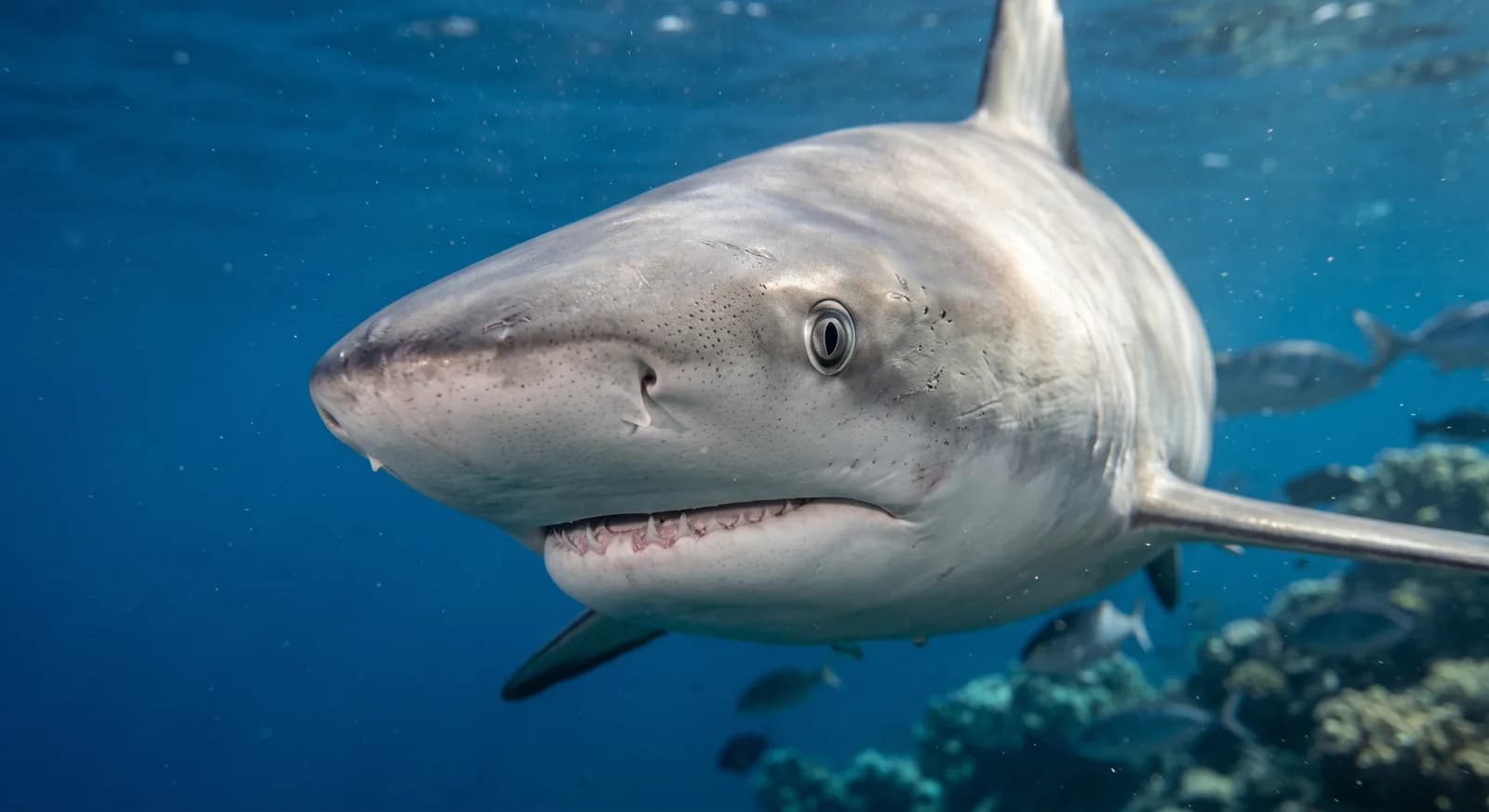
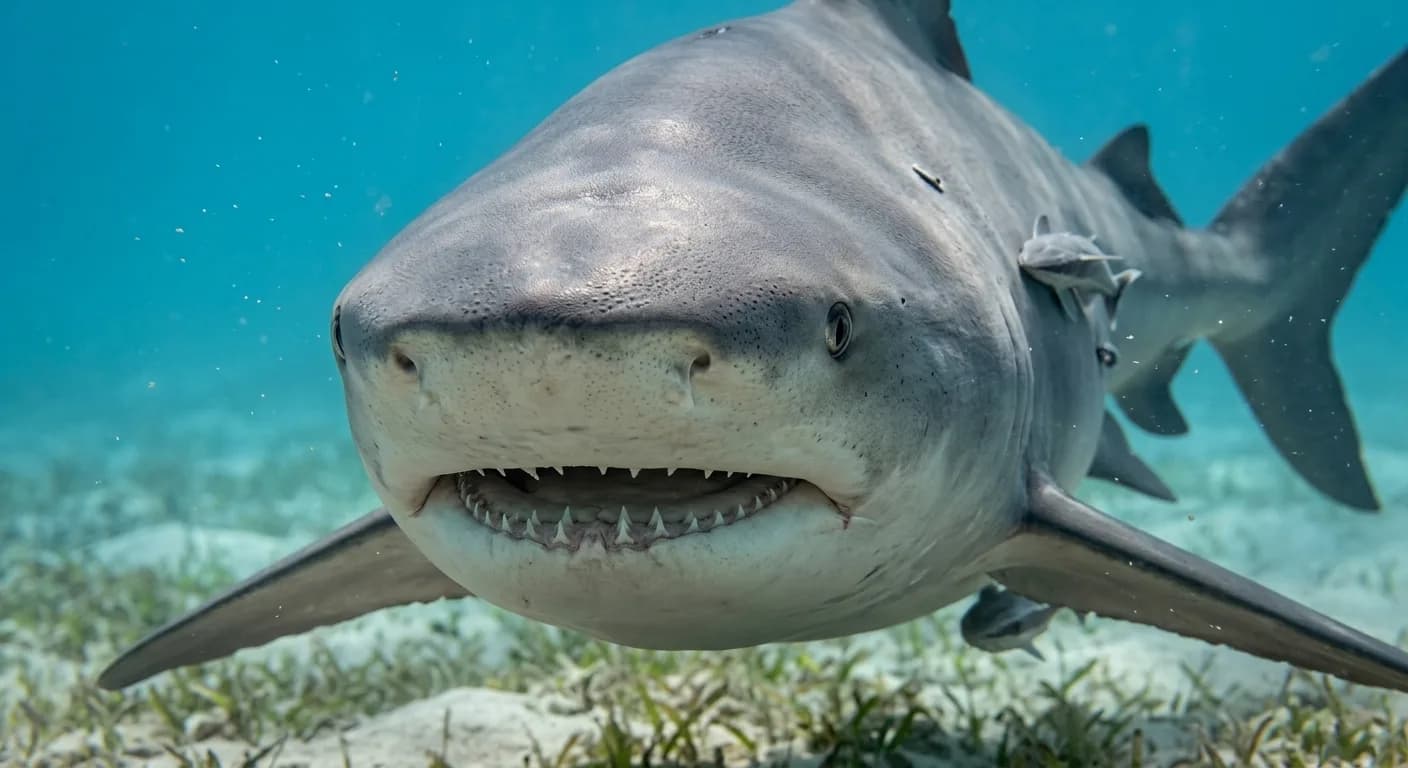
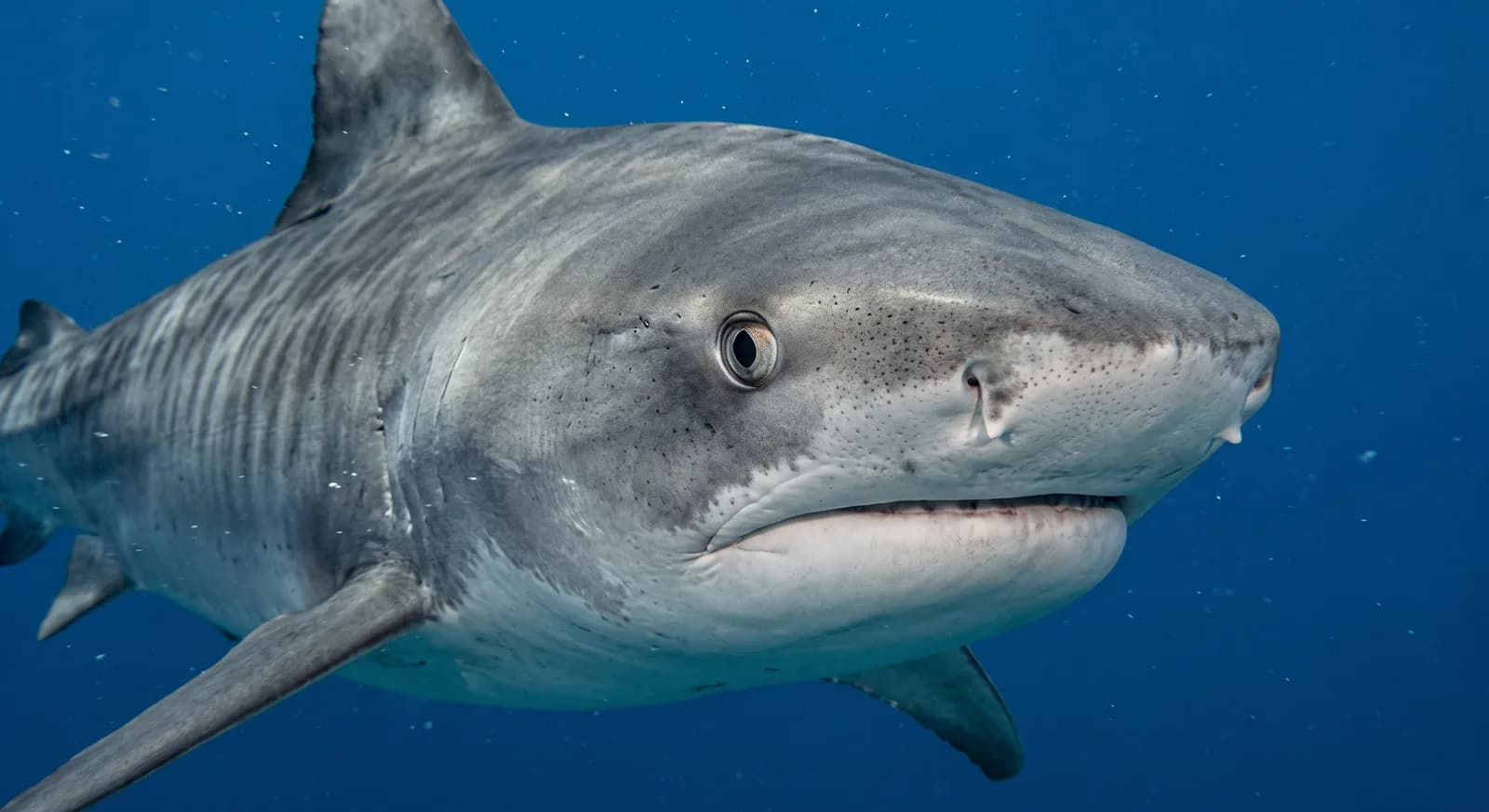
AI-generated images: illustrations, not photographs.

Fun facts

  • GeneralIts pups grow up sheltered among mangrove roots for years.
  • It is one of the few large sharks that live in groups, and that social life brings it real advantages: better communication, courtship, hunting and protection.
  • Females are faithful to their breeding grounds: they return to give birth in the same mangrove nursery where they were born, and the pups spend their first years there.
  • Females are polyandrous: a single litter can have several fathers.
  • It hunts mostly at night and locates its prey with the electroreceptors of its snout, the ampullae of Lorenzini.
  • It owes its name to its yellowish skin, which camouflages it over the sandy bottoms of the Caribbean.

Life cycle and biology

Skeleton type
Vertebrate - cartilaginous skeleton (chondrichthyan fish)
Habitat and environment
Mangroves, coastal lagoons and shallow reefs
Sexual maturity
12.7 years
Gestation / incubation
From 10 to 12 months, with a biennial breeding cycle
Litter / clutch size
7.4 (average)

Sources consulted: https://es.wikipedia.org/wiki/Negaprion_brevirostris

Where to find it

Loading map…

Where to see it

Parks and dive sites where this species has been documented — showing 20 of 54.

Related species

Other species in the catalogue with the most in common with Lemon Shark — same habitat, park, country, tags or family.

Same taxonomic family

How to help

The lemon shark is classified as vulnerable. Organisations such as the IUCN, WWF and the Wildlife Conservation Society work specifically on its conservation and that of its habitat; looking into their programmes is a good starting point if you want to get involved.

It's documented in 13 protected areas — one reason why protecting these places matters for its conservation.

Related guides

Keep exploring

Based on what we already know about lemon shark.

Comments

Share an experience, a fun fact or a tip for seeing the lemon shark.

Be the first to comment.

One of the 26 sharks on WAnimals
See full glossary
This page in other languages: Español · Deutsch · Français · Português · Italiano

The pins mark the parks and dive sites where its presence is documented.

See its range on the interactive map→
Galápagos National ParkEcuador
EvergladesUnited States
Cocos IslandCosta Rica
Virgin Islands (St John)U.S. Virgin Islands
Tobago Main RidgeTrinidad and Tobago
Exuma Cays Land and Sea ParkBahamas
Fernando de NoronhaBrazil
Los RoquesVenezuela
Banc d'ArguinMauritania
FakaravaFrench Polynesia
Turneffe AtollBelize
Tiger BeachBahamas
Jardines de la ReinaCuba
Ilha GrandeBrazil
Arraial do CaboBrazil
Fernando de NoronhaBrazil
Molasses ReefUnited States
Cape Verde (Sal Island)Cabo Verde
Blue Heron BridgeUnited States
Ambergris CayeBelize
See all 20 parks
See all 34 dive sites
Silky SharkVulnerable

Silky Shark

Carcharhinus falciformis

Caribbean Reef SharkEndangered

Caribbean Reef Shark

Carcharhinus perezi

Galapagos SharkLeast Concern

Galapagos Shark

Carcharhinus galapagensis

Bull SharkNear Threatened

Bull Shark

Carcharhinus leucas

Tiger SharkNear Threatened

Tiger Shark

Galeocerdo cuvier

Blue SharkNear Threatened

Blue Shark

Prionace glauca

Where to dive with Lemon Shark8 places
CountriesUnited States
ParksGalápagos National ParkEcuador
TagsCarnivore
Carnivore
Nocturnal
Colonial
Vulnerable
Fish
Ocean
Freshwater

North America32

Africa23

Oceania19

South America7

United States
Brazil
Bahamas
Mexico
Belize
Cabo Verde
Anguilla
Antigua and Barbuda
Aruba
Bahamas
Barbados
Belize
Bermuda
British Virgin Islands
Cayman Islands
Costa Rica
Cuba
Curaçao
Dominica
Dominican Republic
Grenada
Guadeloupe
Guatemala
Haiti
Honduras
Jamaica
Martinique
Mexico
Nicaragua
Panama
Puerto Rico
Saint Kitts and Nevis
Saint Lucia
Saint Vincent and Grenadines
Trinidad and Tobago
Turks and Caicos Islands
U.S. Virgin Islands
United States
Angola
Cabo Verde
Cameroon
Comoros
Djibouti
Egypt
Eritrea
Gabon
Gambia
Guinea-Bissau
Kenya
Mauritania
Mauritius
Mayotte
Mozambique
Réunion
São Tomé and Príncipe
Senegal
Seychelles
Somalia
South Africa
Sudan
Tanzania
American Samoa
Cook Islands
Fiji
French Polynesia
Guam
Kiribati
Marshall Islands
Micronesia
Nauru
New Caledonia
Niue
Northern Mariana Islands
Palau
Papua New Guinea
Samoa
Solomon Islands
Tonga
Tuvalu
Vanuatu
Brazil
Colombia
Ecuador
French Guiana
Guyana
Suriname
Venezuela