 Critically Endangered
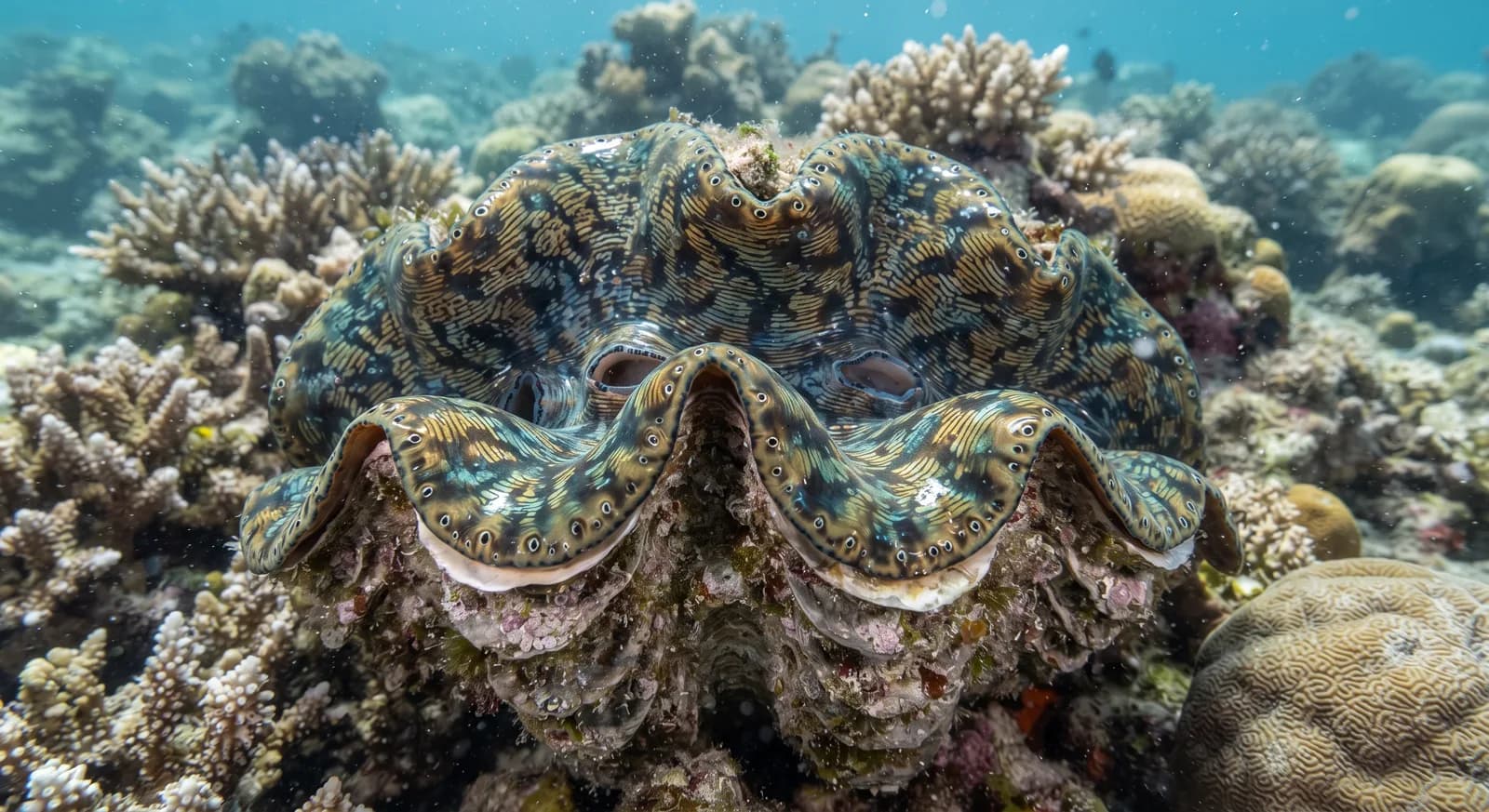
Giant Clam
Tridacna gigas
Africa
The Comoros are a volcanic archipelago in the Mozambique Channel, between Africa and Madagascar, and their position explains a fauna that mixes African and Malagasy influences with a high degree of endemism. Grande Comore is dominated by Karthala, one of the largest active volcanoes in the world, with an enormous crater and cloud forest on its slopes. Mohéli, the smallest and least populated island, keeps the best native forest and a marine park that protects green turtle nesting beaches, seagrass meadows with dugongs and waters through which humpback whales pass to breed. Anjouan and Mohéli are home to an enormous fruit bat that lives nowhere else and that ranks among the largest in the world, with a wingspan of almost a metre and a half.
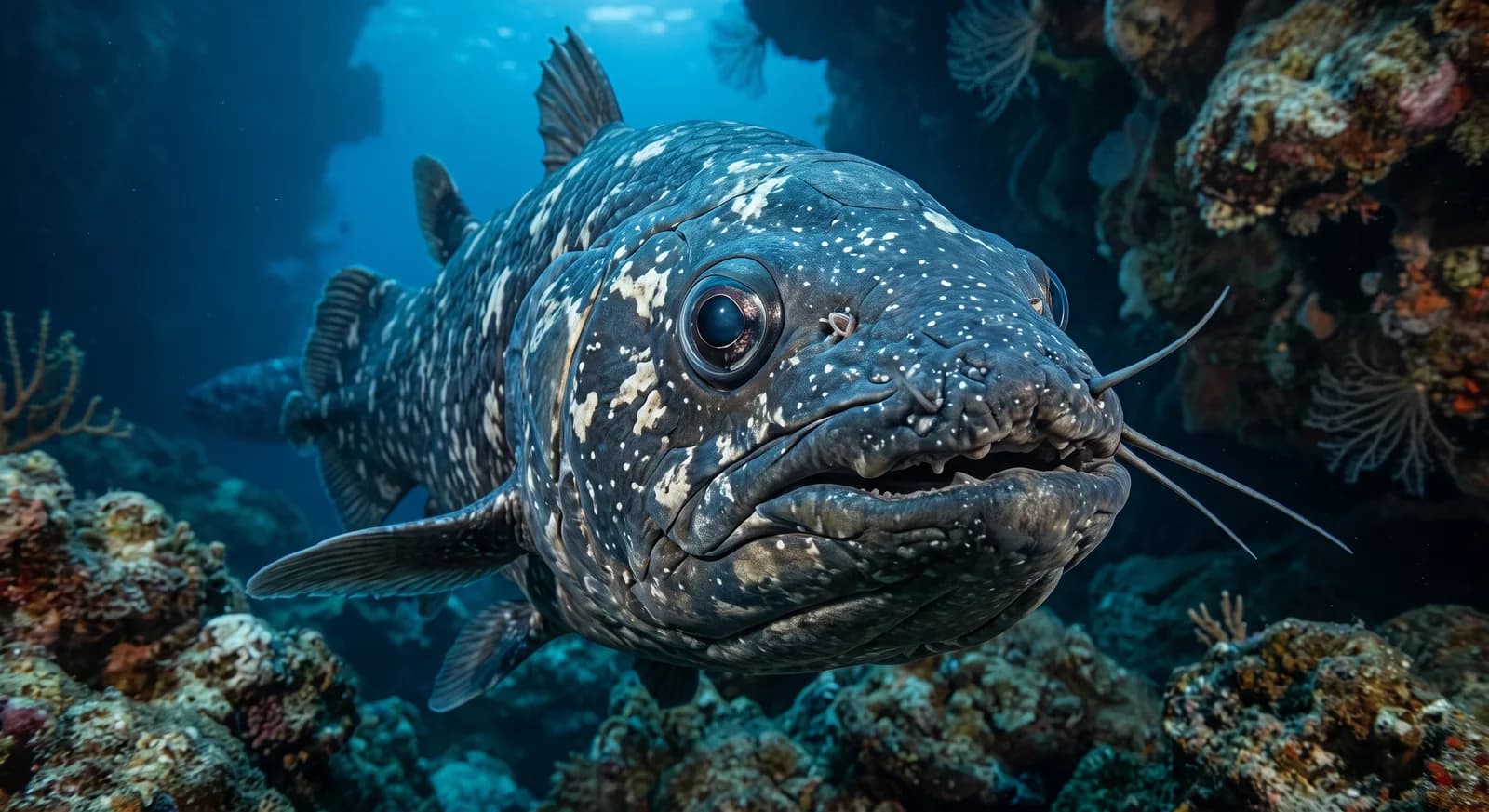
National animal: No official national animal; the coelacanth is the archipelago's emblematic species
The coelacanth, a lobe-finned fish known only from fossils and believed extinct for sixty-five million years, turned out to be alive. After the specimen found in 1938 in South African waters, it emerged that its known population was concentrated on the submerged volcanic slopes of the Comoros, where local fishermen caught it occasionally without knowing that they had in their hands one of the greatest zoological finds of the century.
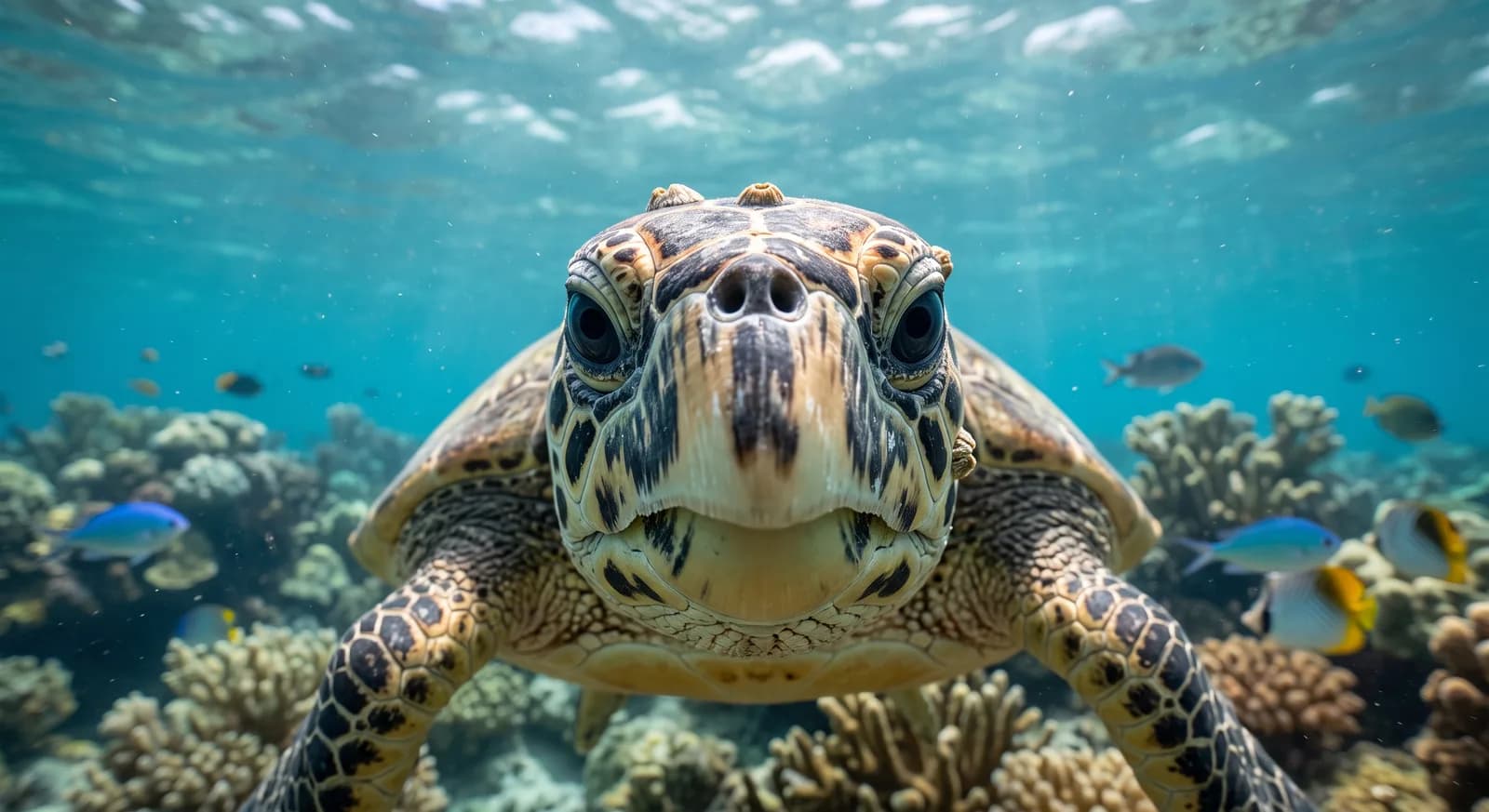
Itsamia beach, on Mohéli, is one of the main green turtle nesting sites in the western Indian Ocean and is watched over by community associations. Deforestation of the slopes threatens Livingstone's fruit bat, reduced to a few thousand individuals.
Mohéli between July and October for humpback whales and year-round for turtles at Itsamia. The forests of Anjouan at dusk for Livingstone's flying fox. Karthala in the dry season.
Where else might I want to travel?
Same region: East Africa and the Horn of Africa
Same region: East Africa and the Horn of Africa
Same region: East Africa and the Horn of Africa
Same region: East Africa and the Horn of Africa
123 species found
Based on what we already know about Comoros.