 Critically Endangered
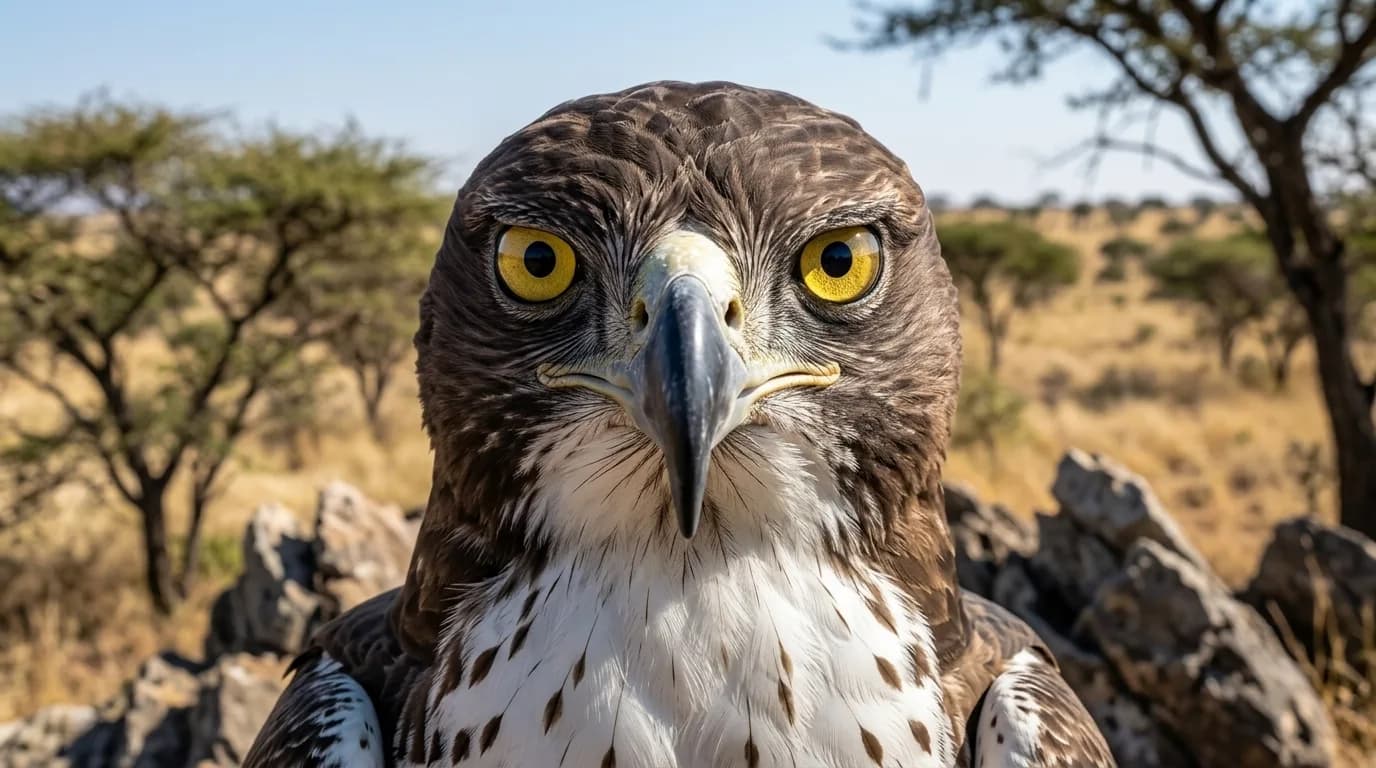
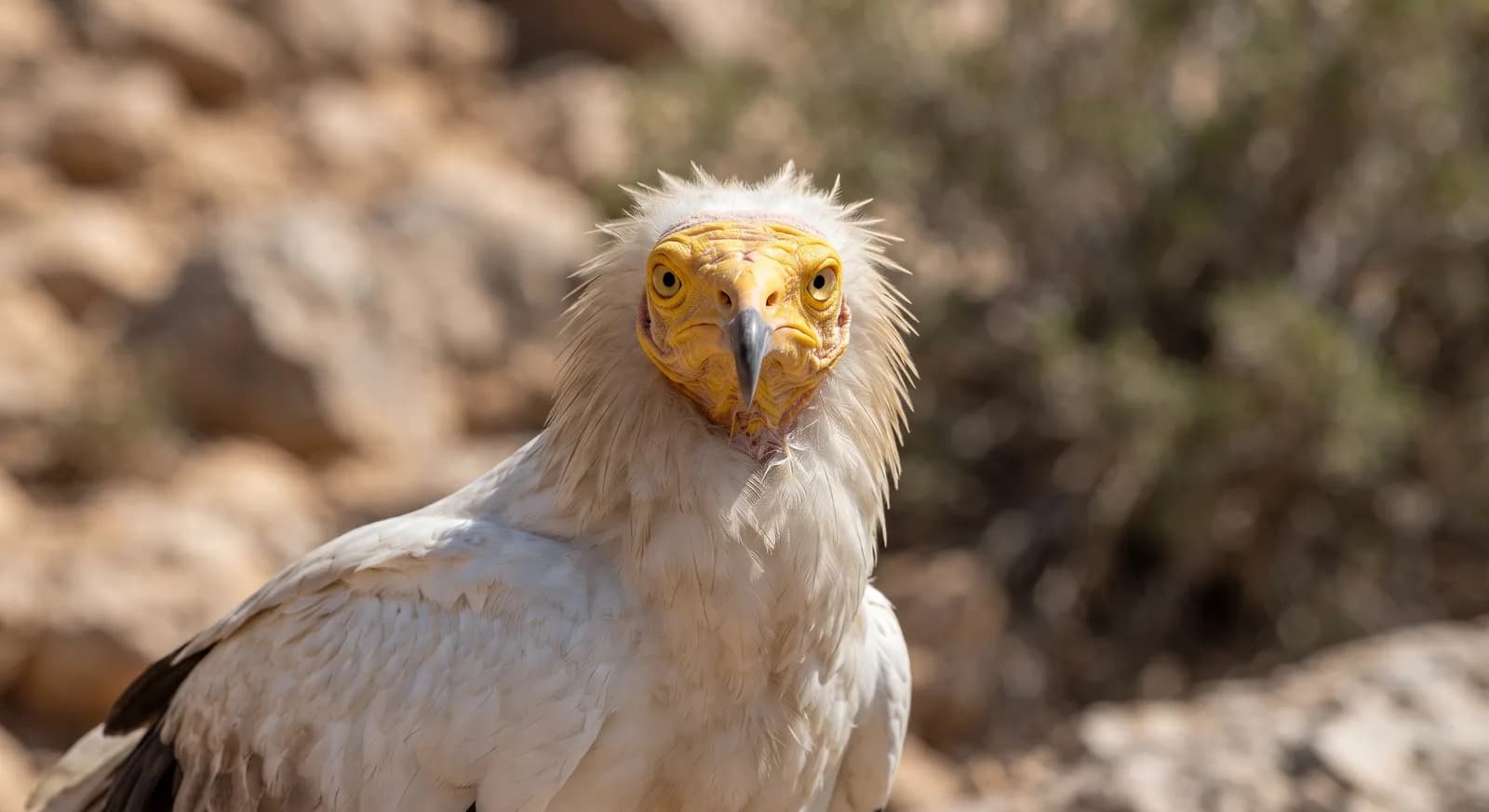
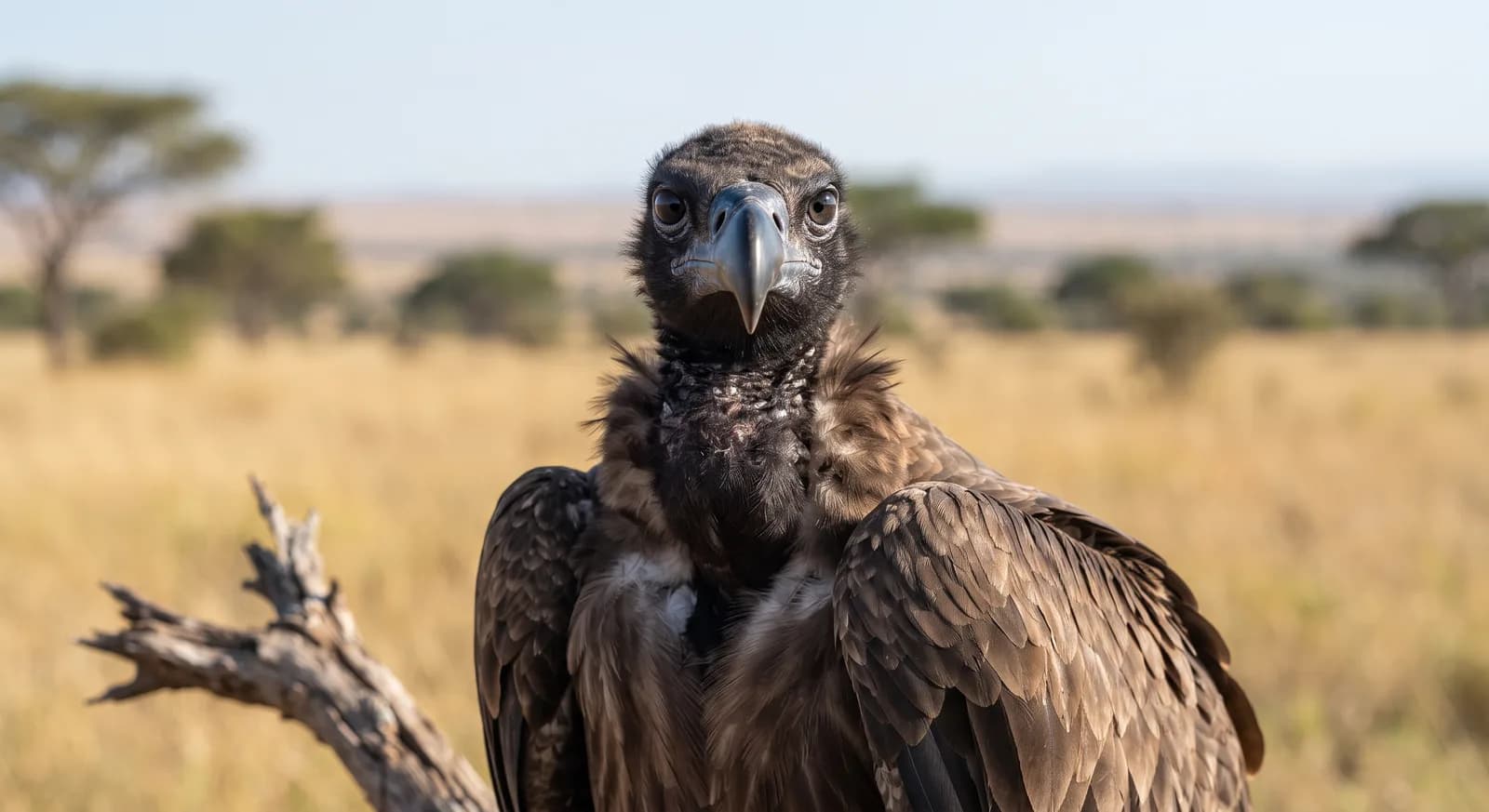
White-backed Vulture
Gyps africanus
Africa
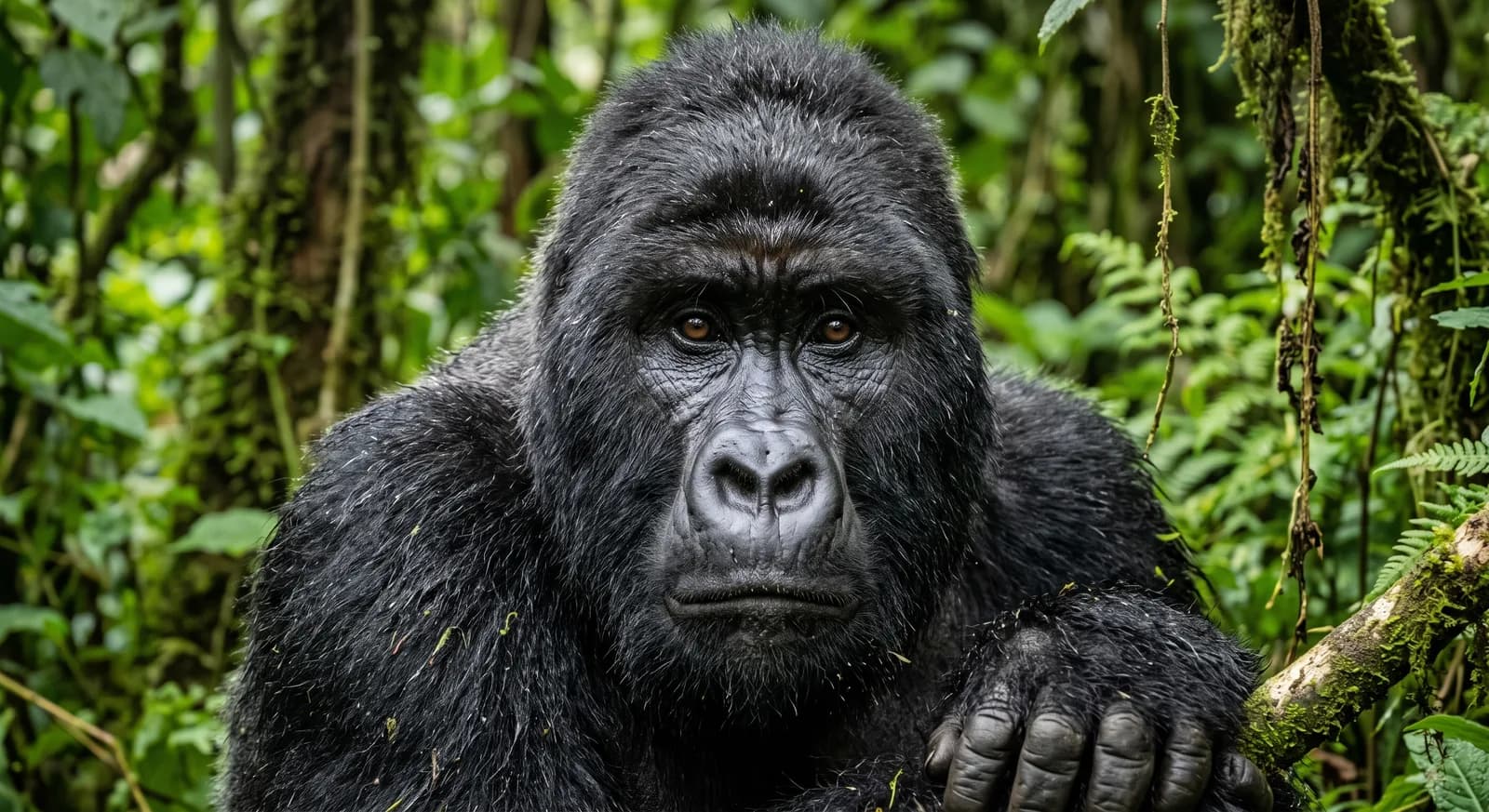
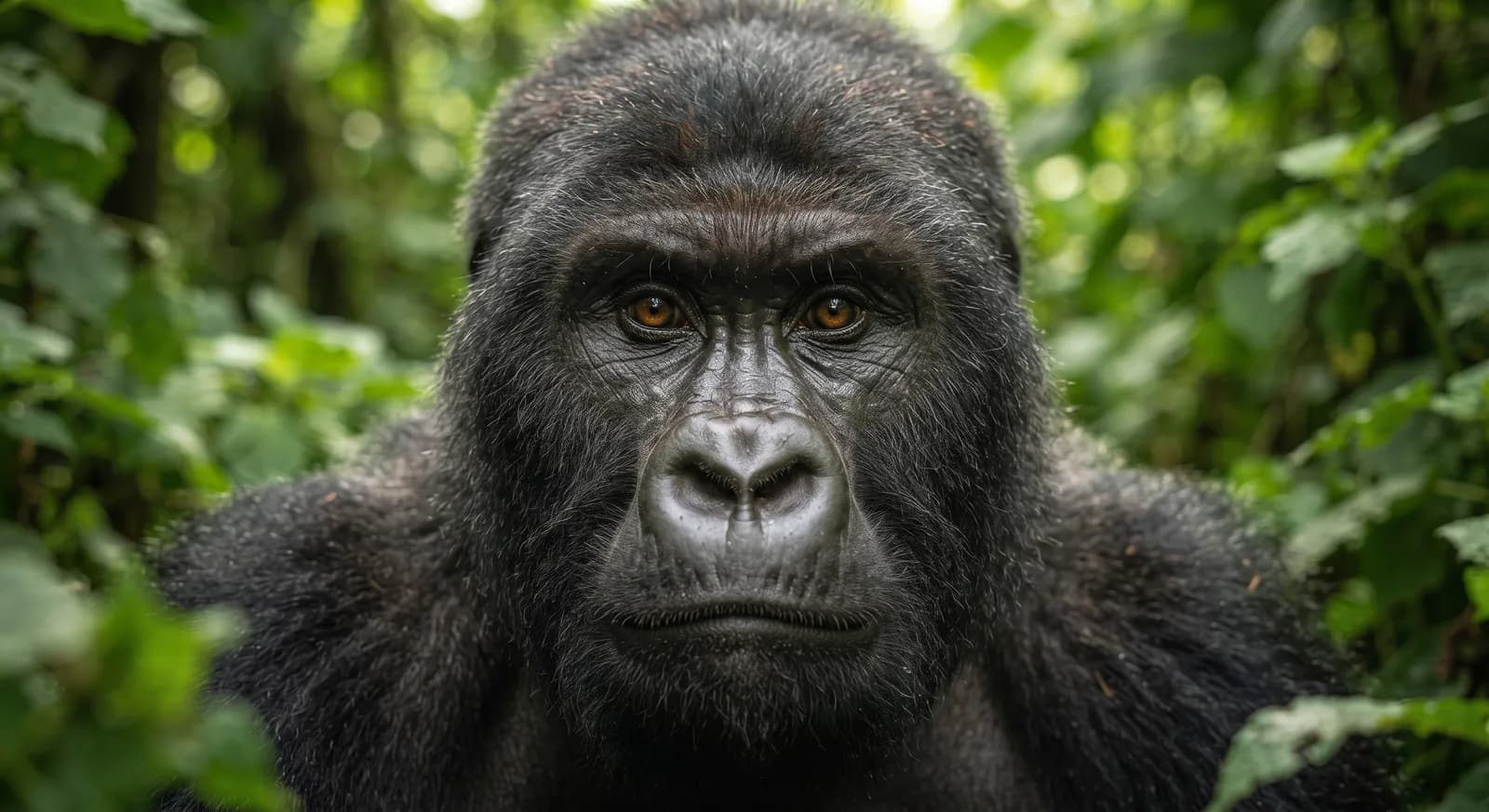
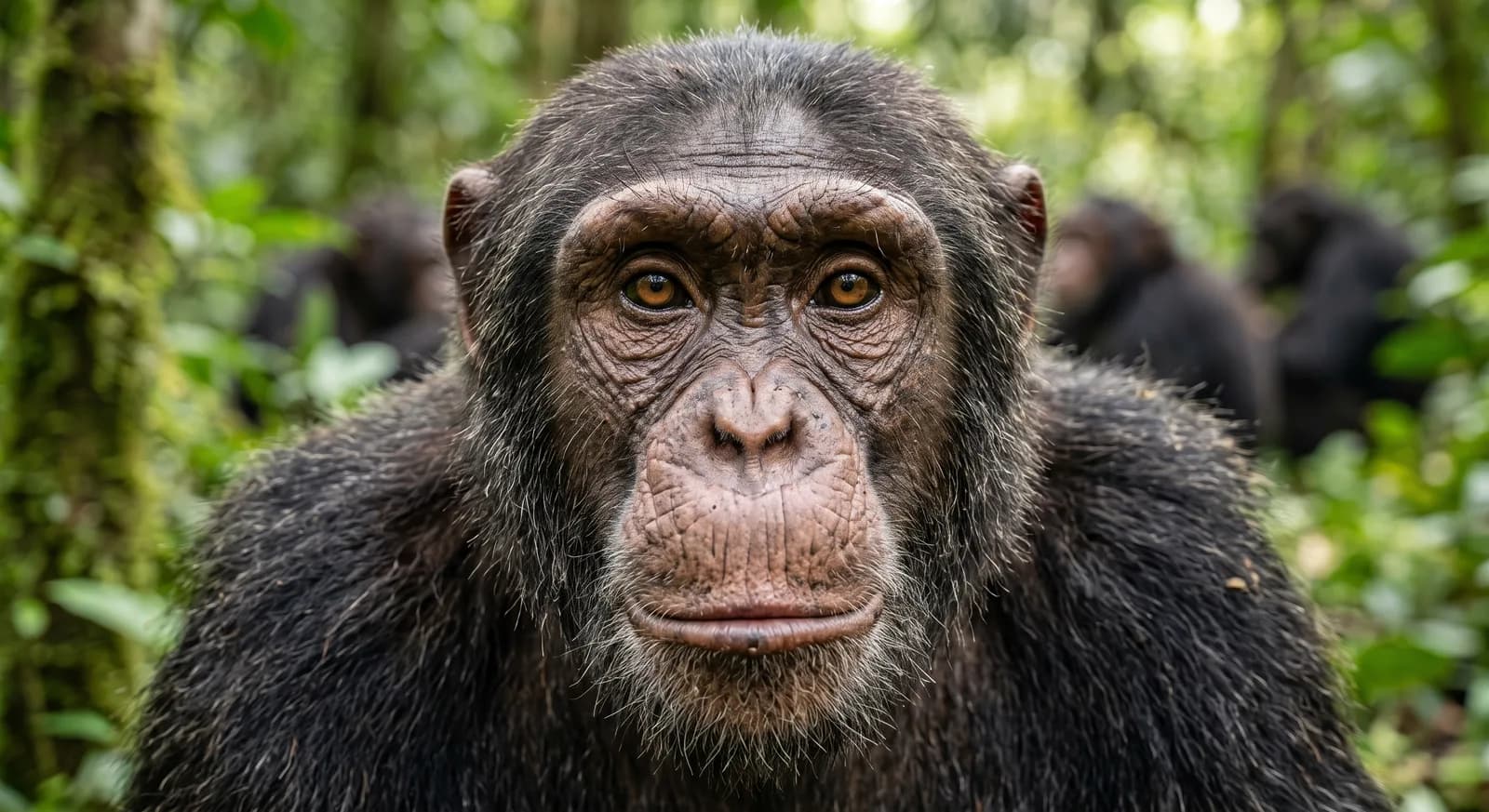
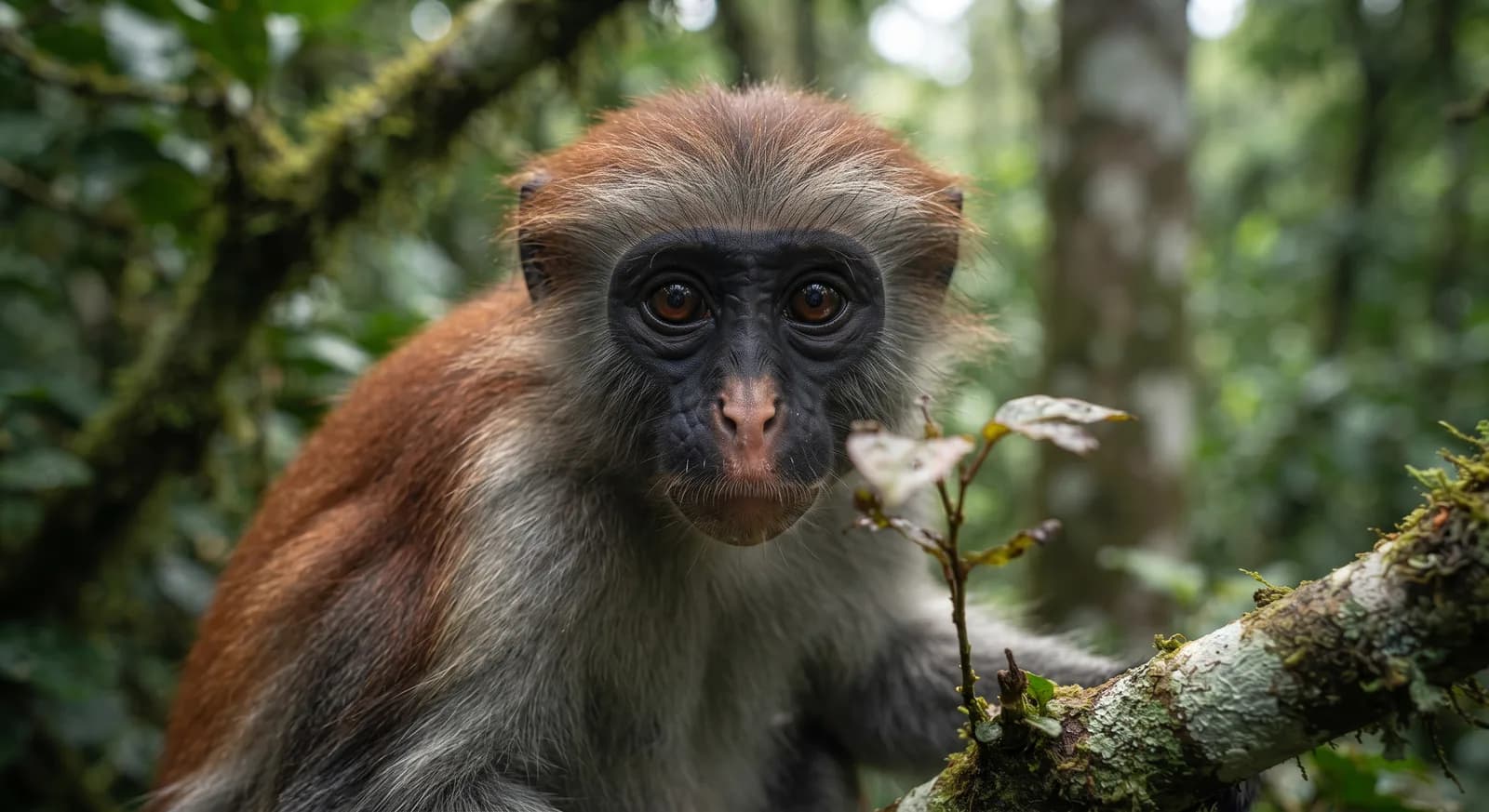
Rwanda, the country of a thousand hills, is small, mountainous and densely populated, and has concentrated its wild nature in three large and very different areas. To the northwest, Volcanoes National Park protects the Rwandan slope of the Virunga chain, with bamboo and hagenia forest on the flanks of volcanoes above four thousand metres, home to the mountain gorillas that Dian Fossey studied from 1967. To the southwest, Nyungwe keeps one of the oldest and most extensive montane rainforests in Africa, with thirteen primate species, chimpanzees and a walkway suspended above the canopy. To the east, Akagera combines savannah, lakes and papyrus in a very different landscape, where one of the most ambitious rewilding programmes on the continent has been completed.
National animal: No official national animal; the mountain gorilla is the country's natural emblem
The mountain gorilla is the only great ape in the world whose population is increasing. From some two hundred and fifty individuals counted in the 1980s it has passed a thousand, thanks to permanent patrolling, veterinary care in the field and tightly regulated tourism that returns income to the communities. In 2018 that growth allowed its threat category to be lowered from Critically Endangered to Endangered.
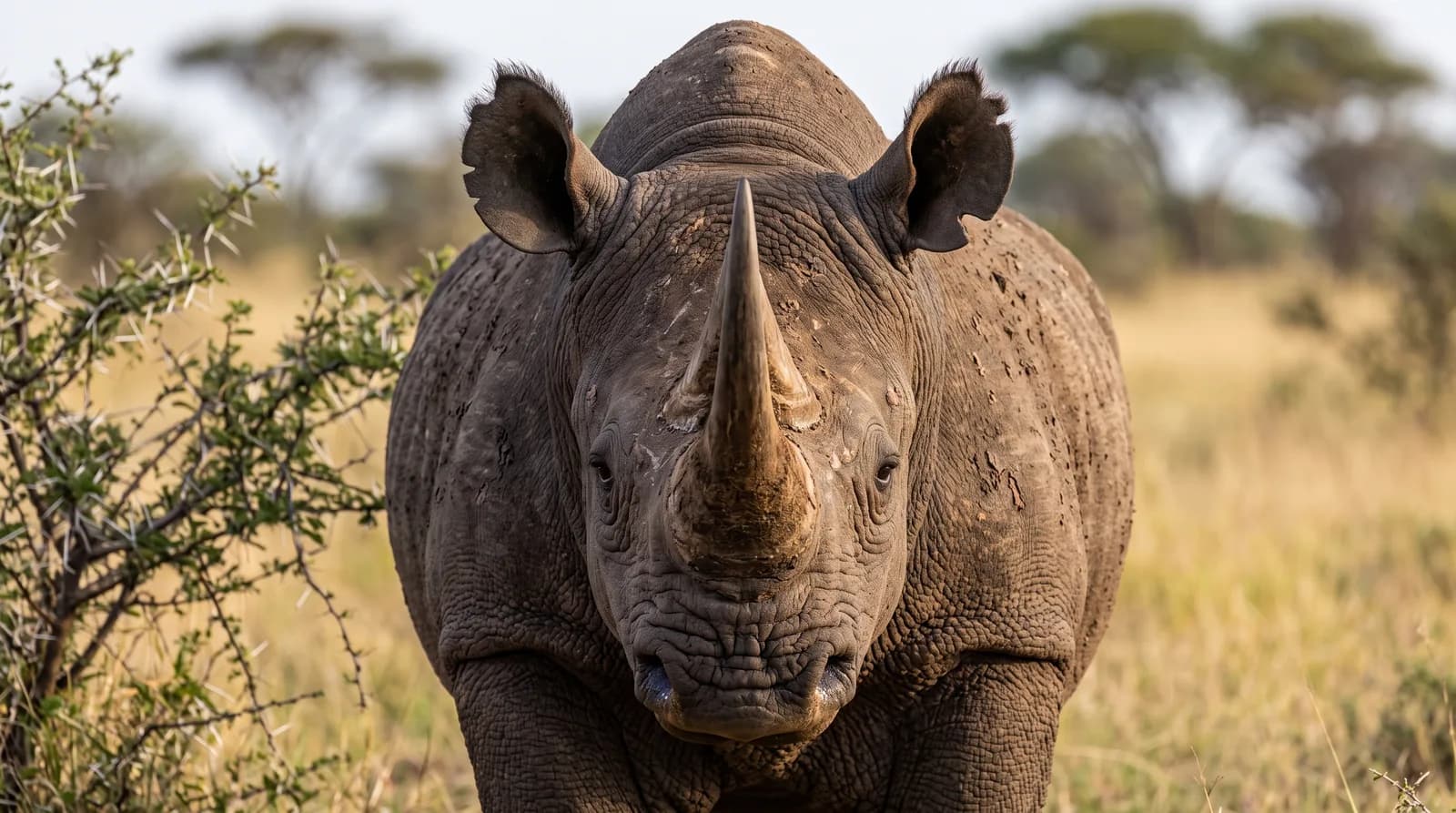
Akagera brought back lions in 2015, after two decades without them, and black rhinoceroses from 2017, in a restoration process managed with an international foundation. Population pressure on the land is the country's great environmental constraint.
Volcanoes National Park year-round for mountain gorillas. Nyungwe between June and September for chimpanzees and the canopy walkway. Akagera in the dry season for savannah wildlife.
Where else might I want to travel?
Same region: East Africa and the Horn of Africa
Same region: East Africa and the Horn of Africa
Same region: East Africa and the Horn of Africa
Same region: East Africa and the Horn of Africa
176 species found
Based on what we already know about Rwanda.