 Critically Endangered
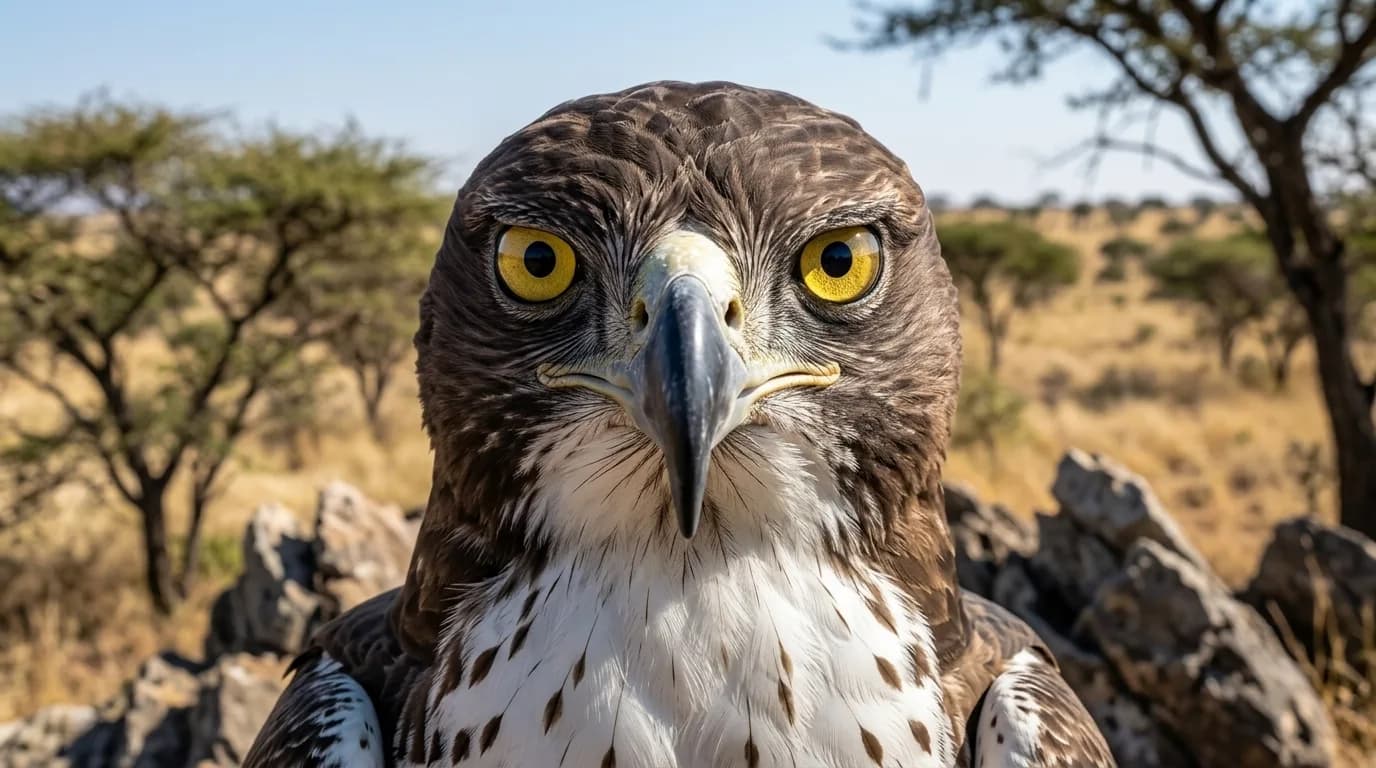
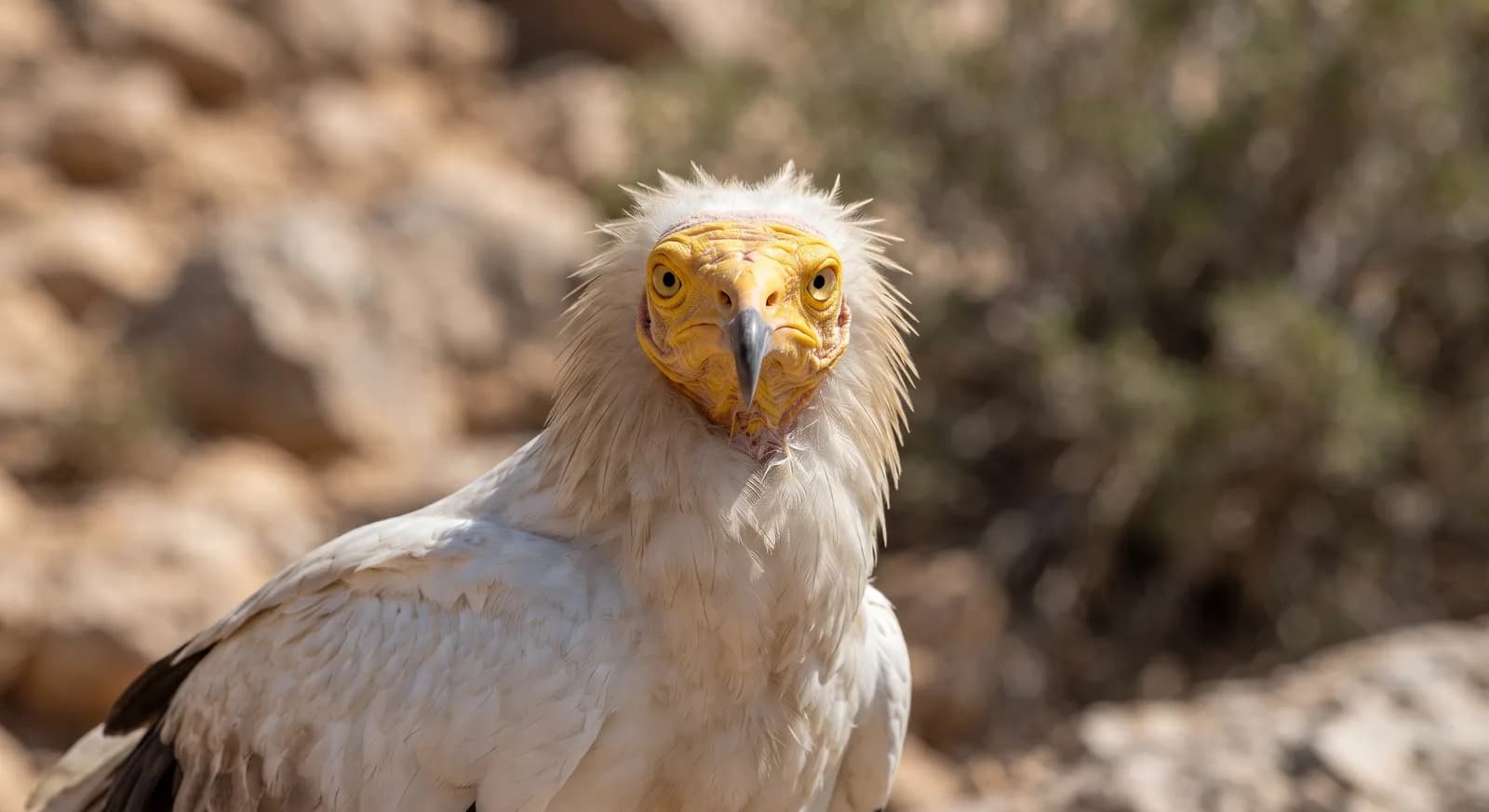
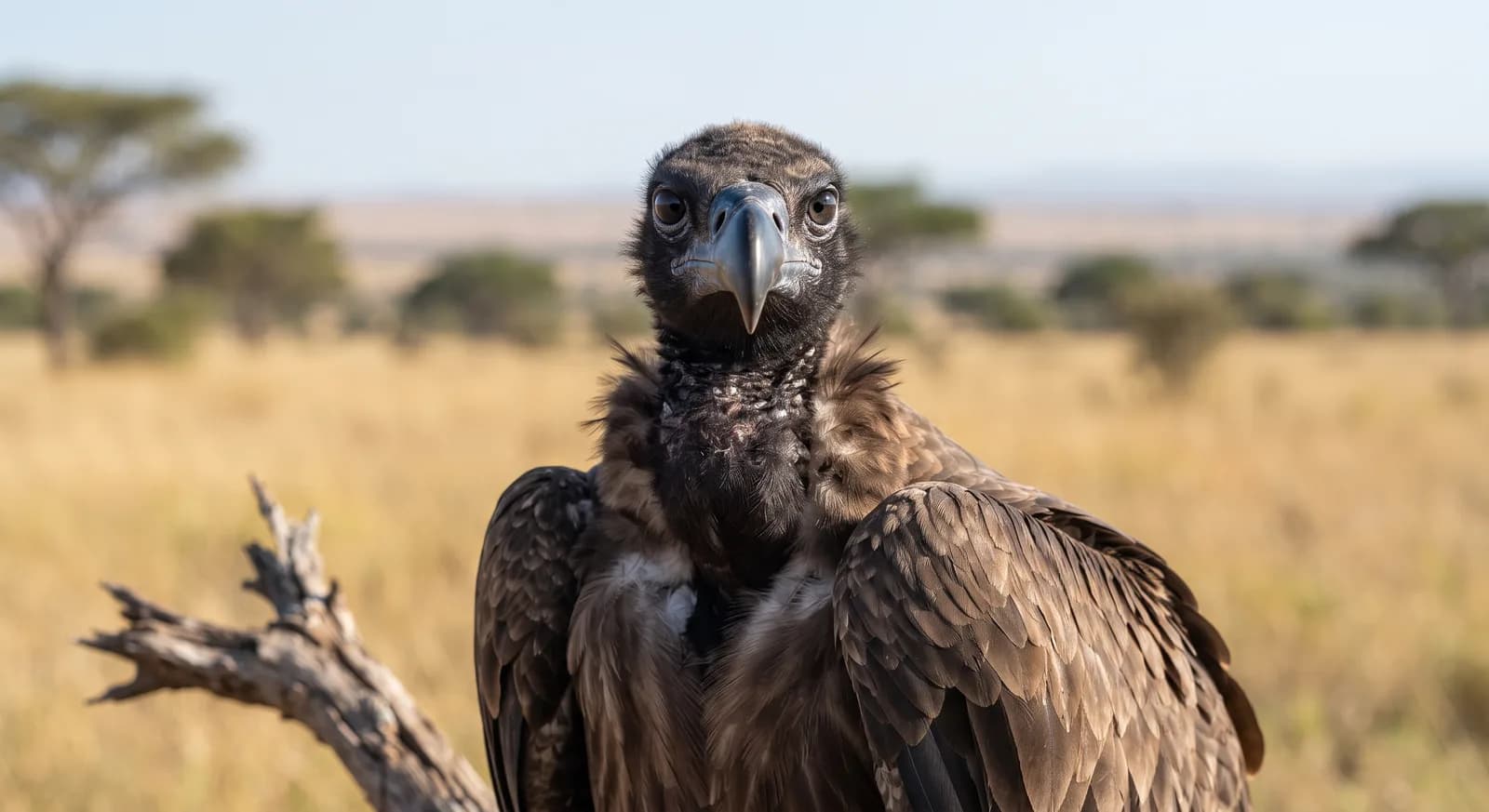
White-backed Vulture
Gyps africanus
Africa
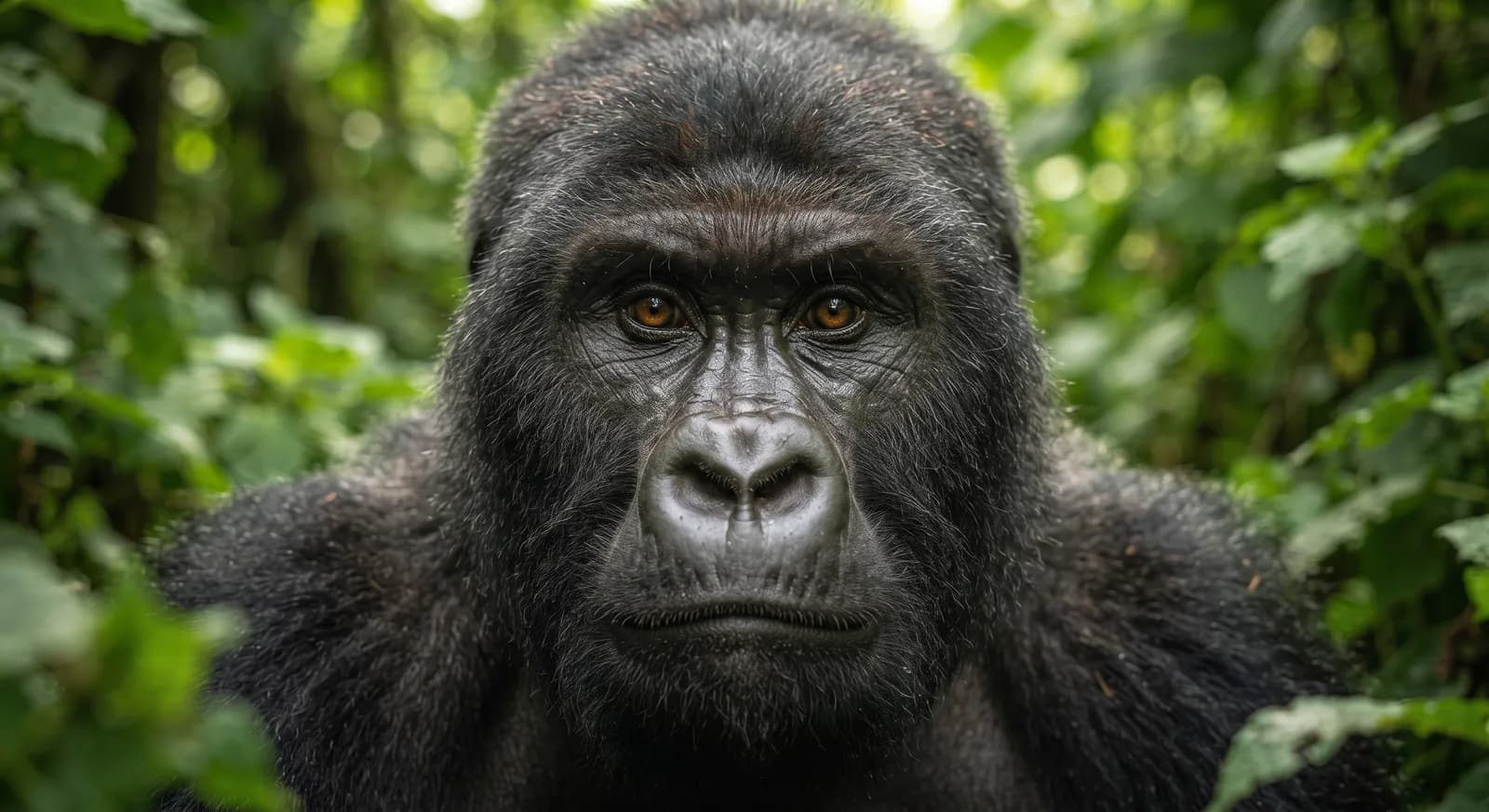
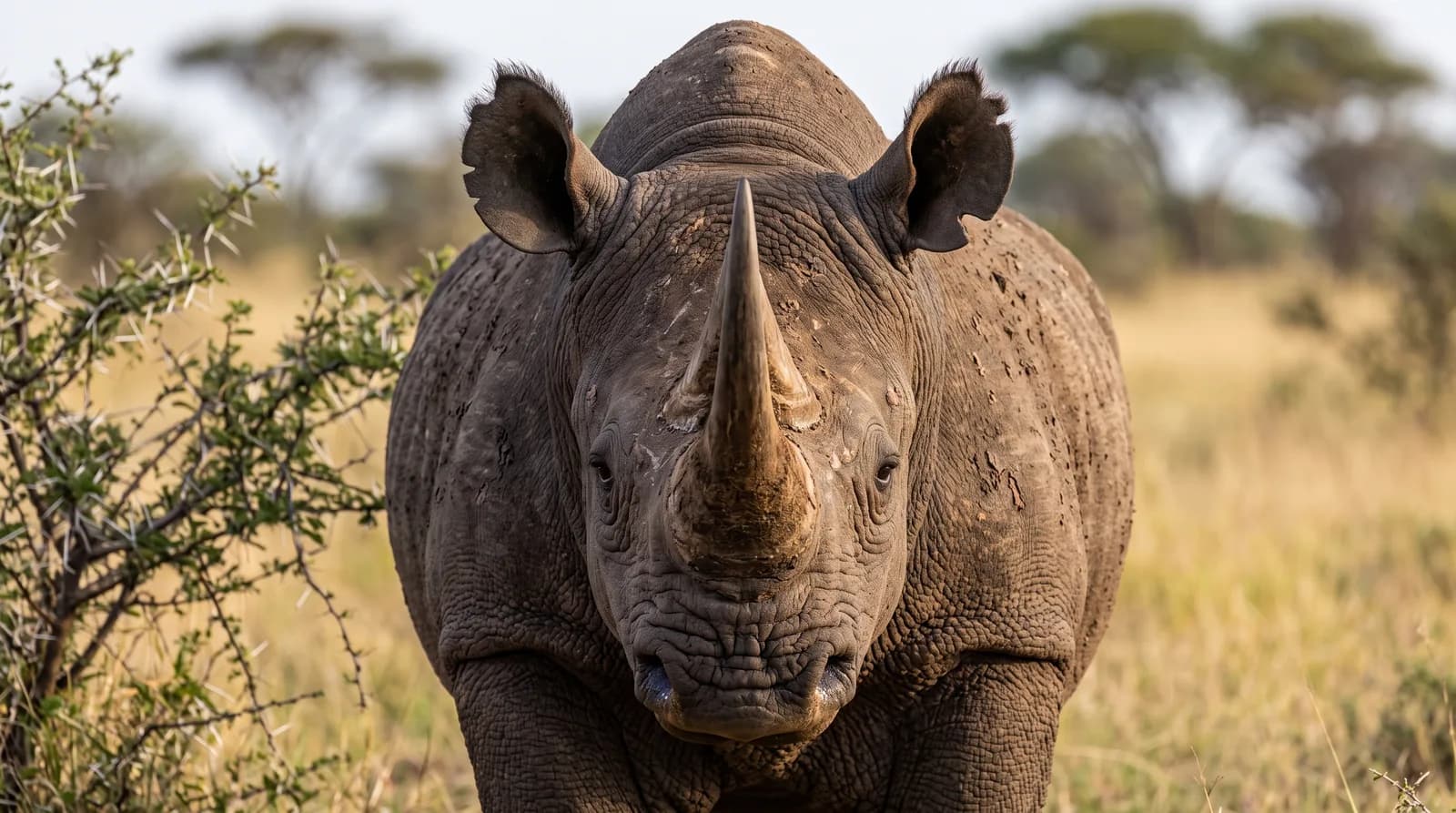
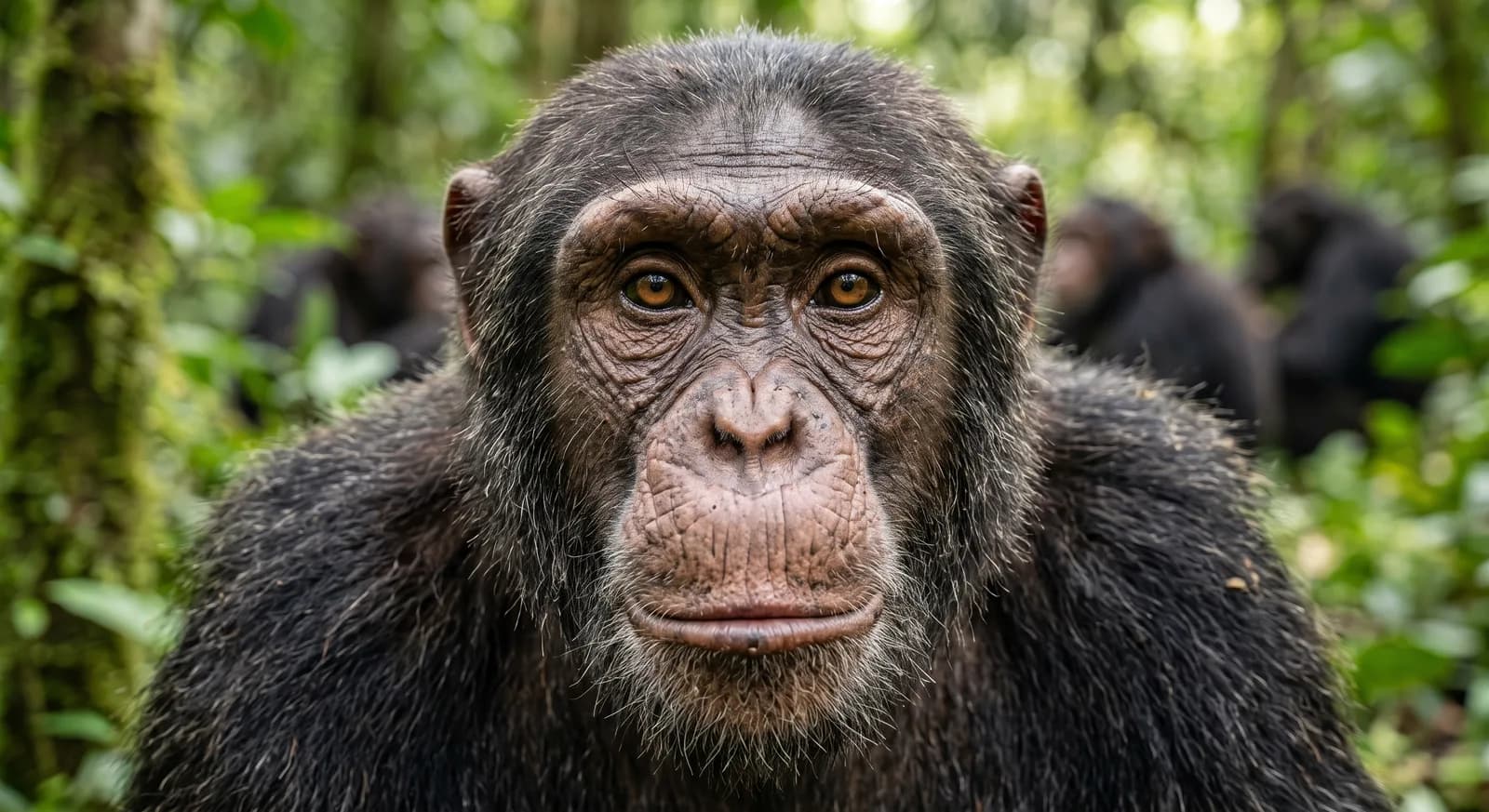
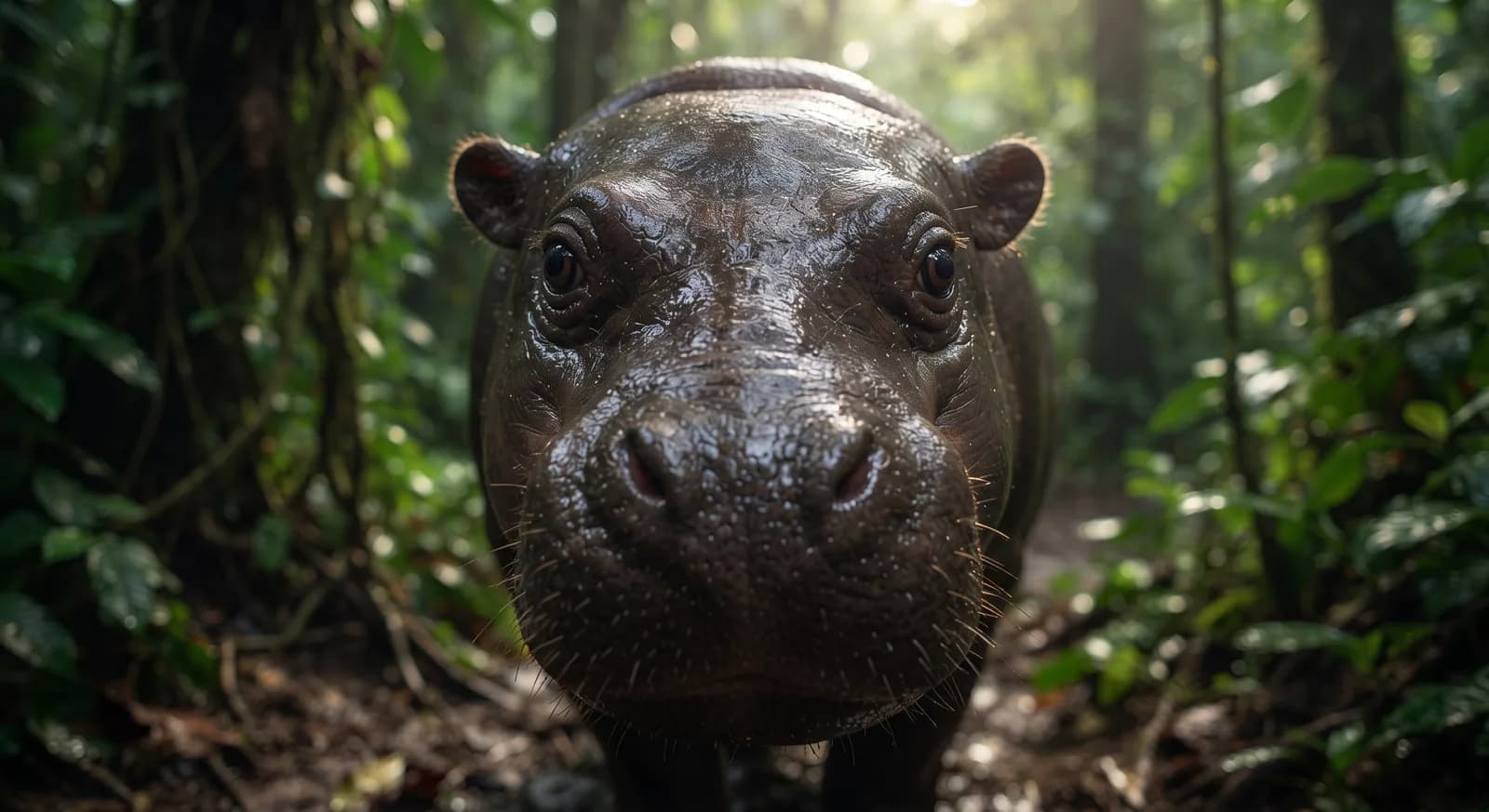
South Sudan is dominated by the Sudd, one of the largest wetlands in the world, a floodplain where the White Nile spreads out into a maze of channels, papyrus and floating islands of vegetation that shift position with the floods. That wetland is the refuge of the shoebill, an enormous, prehistoric-looking bird, and of large populations of sitatunga, crocodiles and hippopotamuses. To the east and south open immense, thinly peopled savannahs, at Boma and Badingilo, with seasonal grasslands that sustain antelope herds on a continental scale. In the far south, the forest of Western Equatoria links with the Congo basin and holds forest elephants, bongos and chimpanzees. The country is one of the least explored in Africa from a biological point of view.
National animal: The African fish eagle, represented on the national coat of arms
In 2007, the first scientific aerial surveys after more than twenty years of war revealed that the great antelope migration in the east of the country had not only survived but was still one of the largest on the planet: more than a million white-eared kob, tiang and Mongalla gazelle crossing the savannahs between Boma and the Sudd. Nobody expected to find anything of the kind after decades of conflict.
The Boma and Badingilo migration is, alongside that of the Serengeti, the largest land migration of mammals in the world. The spread of weapons after the war and the schemes to drain the Sudd in order to increase the flow of the Nile are its main threats.
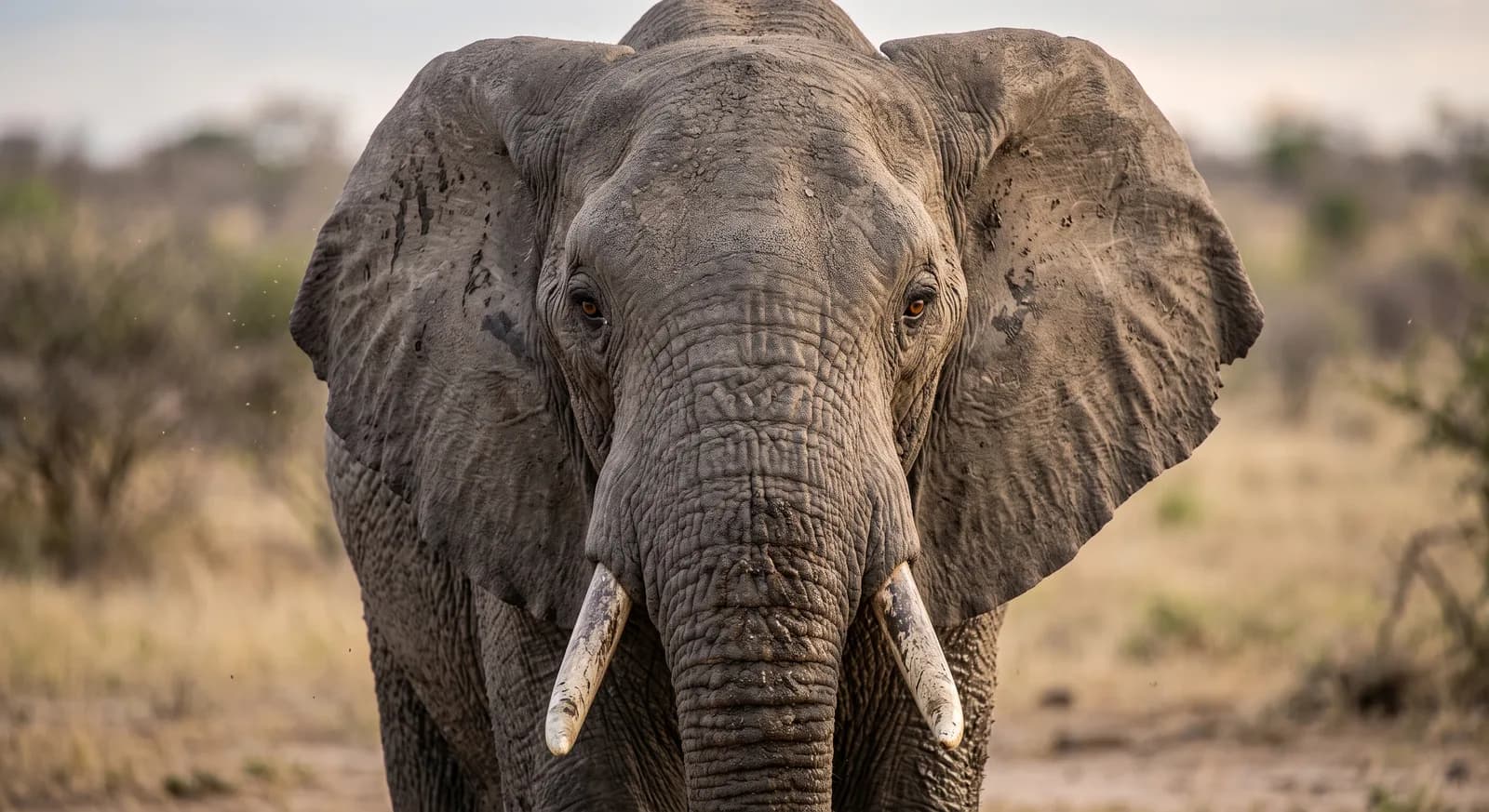
Boma and Badingilo between December and April for the antelope migration. The Sudd in the dry season for shoebills and waterbirds. Nimule for elephants beside the Nile.
180 species found
Based on what we already know about South Sudan.