Wildlife you can see now
What is worth looking out for this month in Tonga?
 Least Concern
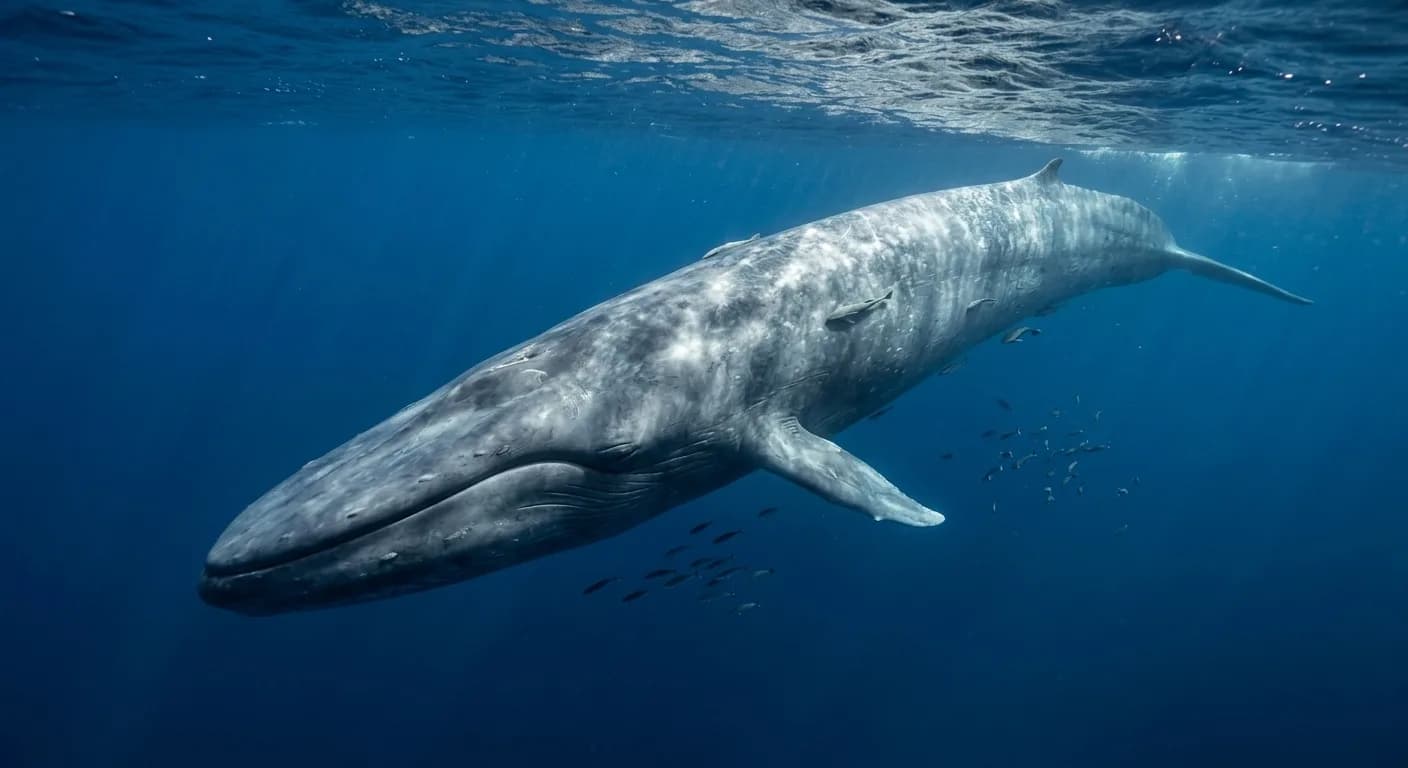
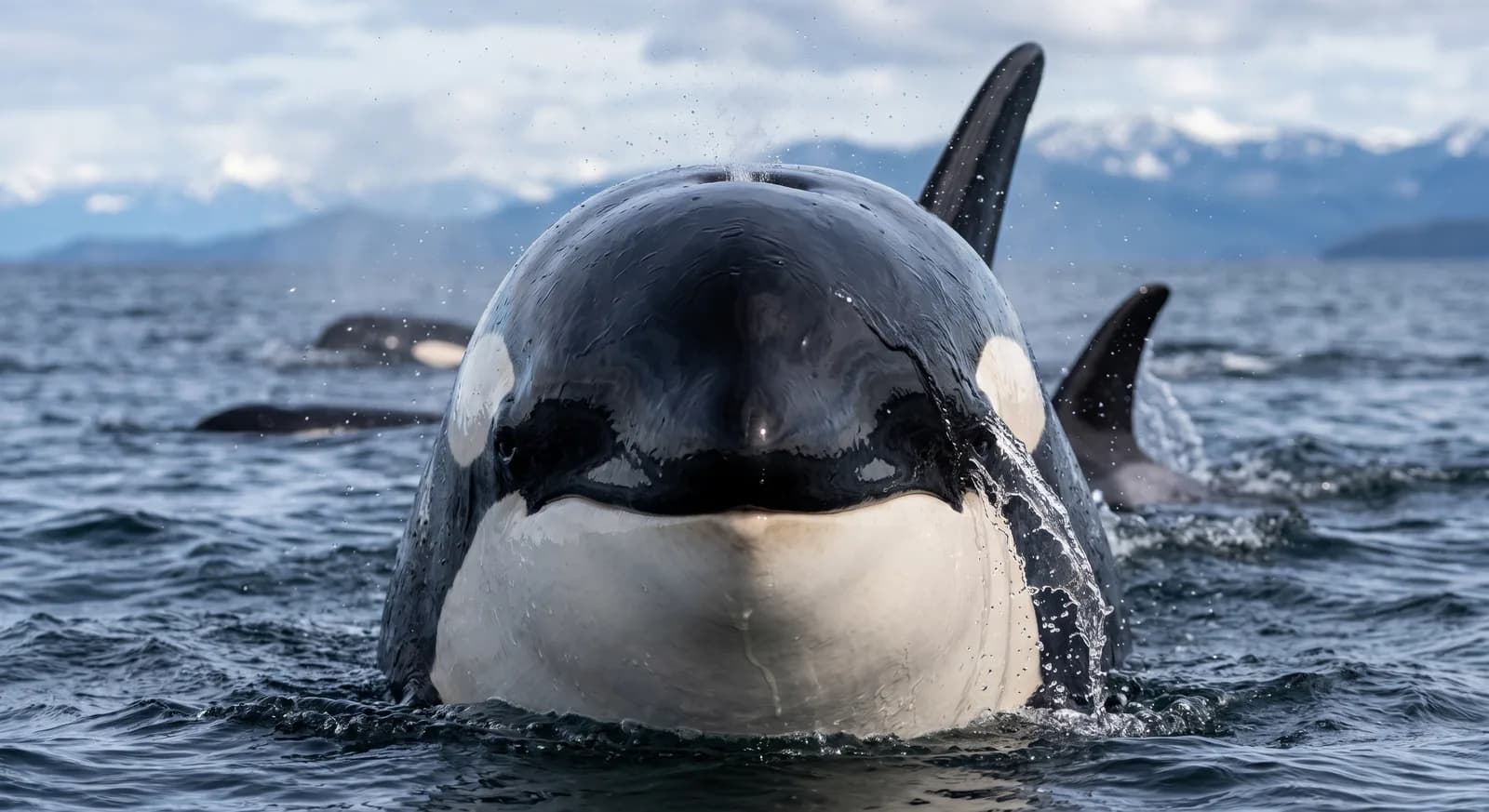
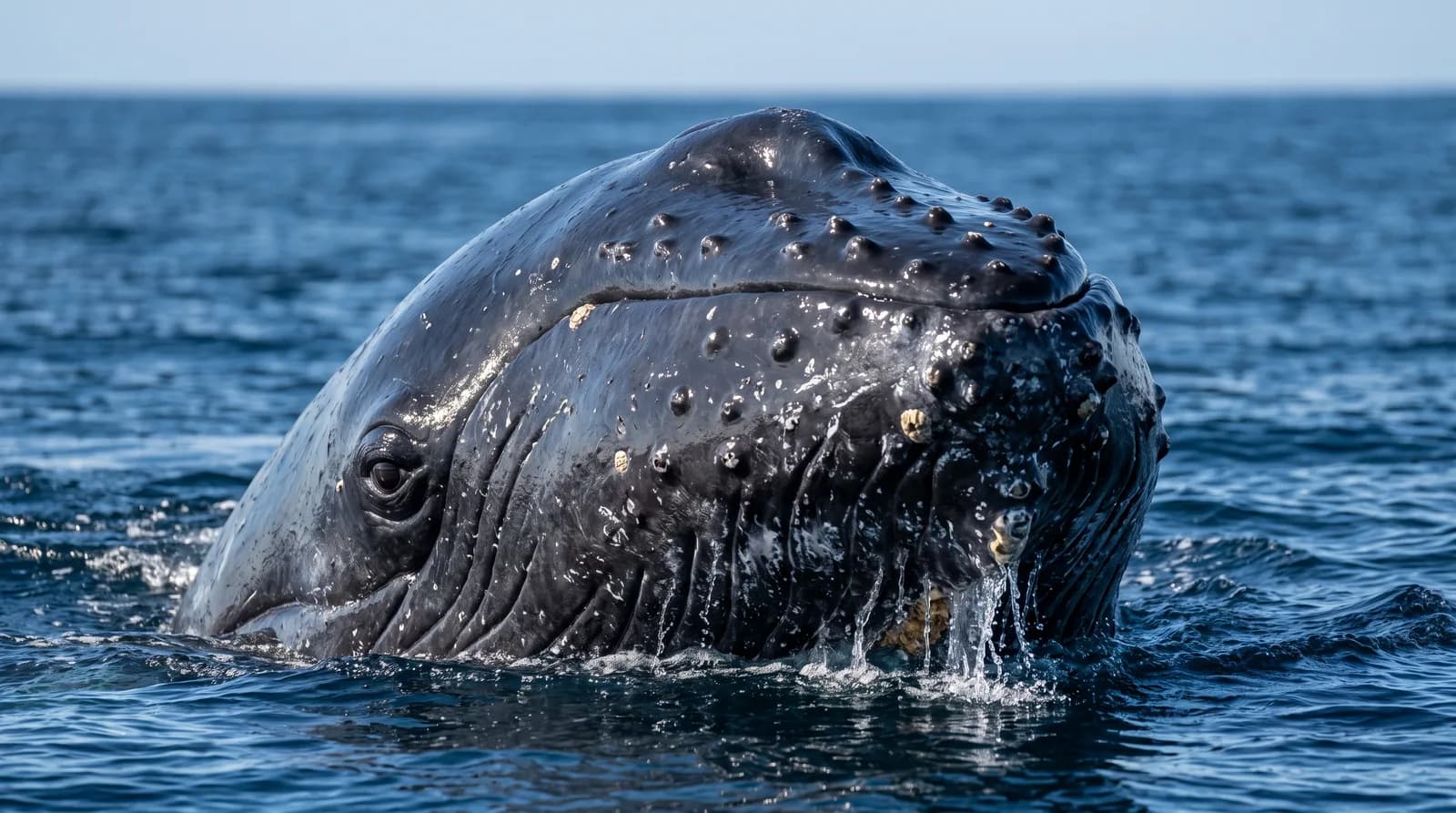
Humpback Whale
Megaptera novaeangliae
Now is a good time: Humpback whale season in Tonga (Mid-June to October (peak Aug-Sep))
Oceania
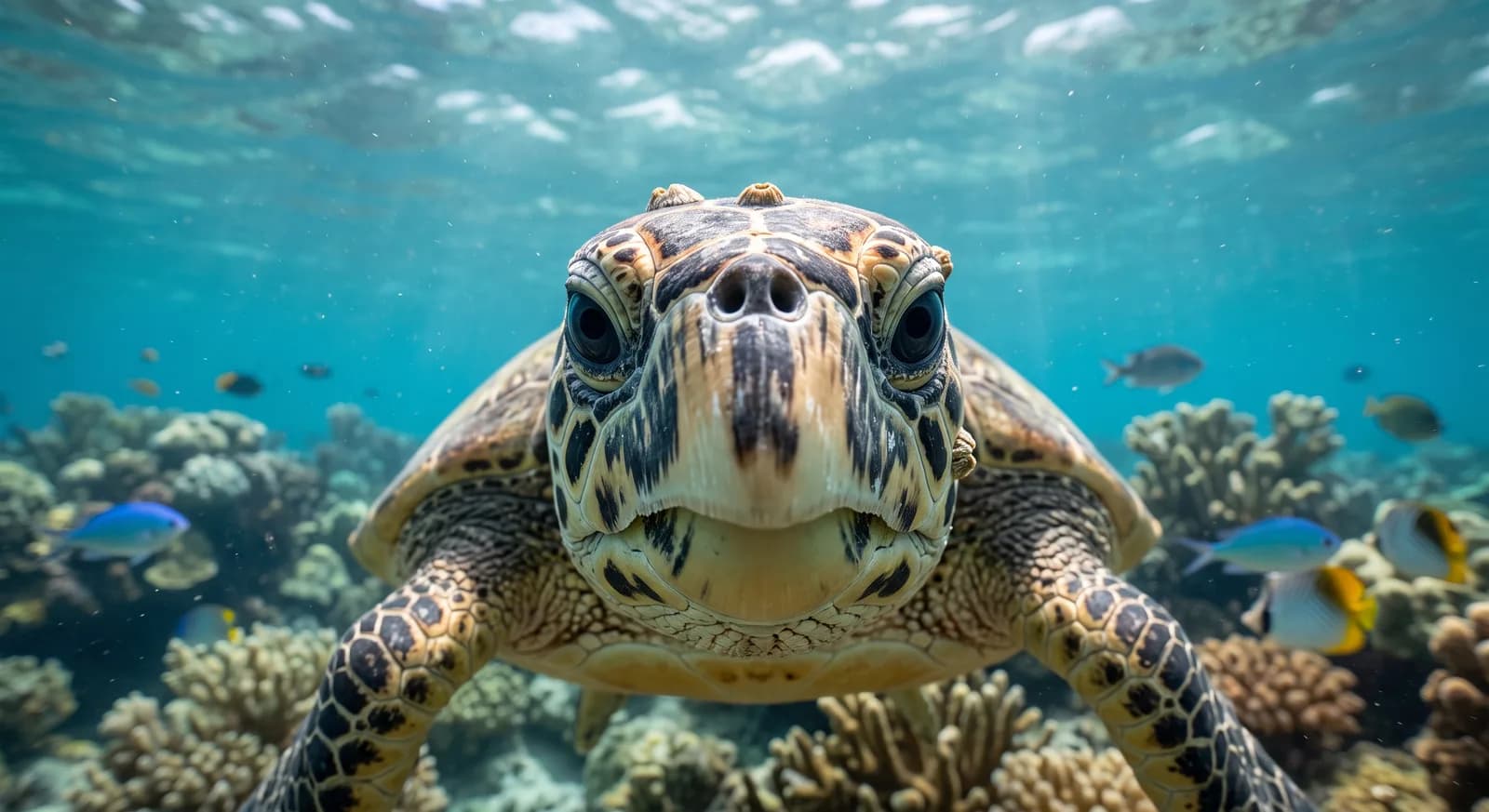
Tonga is an archipelago of more than a hundred and seventy islands, only a minority of them inhabited, spread across two chains: a western one, volcanic and active, where new islands have emerged in recent eruptions, and an eastern one of low limestone islands raised by tectonics. The Vava'u group, with its sheltered channels between islets, forms a maze of calm, transparent water. The Tongan reefs hold hard corals, turtles and reef fish, and the islands keep coastal forests with fruit doves and megapodes. Marine wildlife is the country's great natural heritage: its warm, sheltered waters work as a nursery for one of the humpback whale populations of the southern hemisphere.
National animal: No official national animal; the flying fox is a sacred animal protected by royal tradition
Every southern winter, humpback whales travel thousands of kilometres from the Antarctic seas, where they have fed for months, to the warm waters of Tonga, where they give birth and raise their calves while eating almost nothing. Tonga is one of the very few places in the world where swimming with them is permitted and regulated, under limited licences and minimum distances so as not to disturb the mothers.
Tonga banned whaling by royal decree in 1978, when the South Pacific humpback population was severely depleted, and it has recovered steadily ever since. The flying fox colony at Kolovai is protected by a traditional rule that reserves these animals for the monarchy.
Vava'u between July and October for humpback whales with calves. Eua year-round for forest birds. Kolovai at dusk for the flying fox colony.
What is worth looking out for this month in Tonga?
Least ConcernHumpback Whale
Megaptera novaeangliae
Now is a good time: Humpback whale season in Tonga (Mid-June to October (peak Aug-Sep))
Where else might I want to travel?
Same region: Oceania
Same region: Oceania
Same region: Oceania
Same region: Oceania
130 species found
Based on what we already know about Tonga.