 Critically Endangered
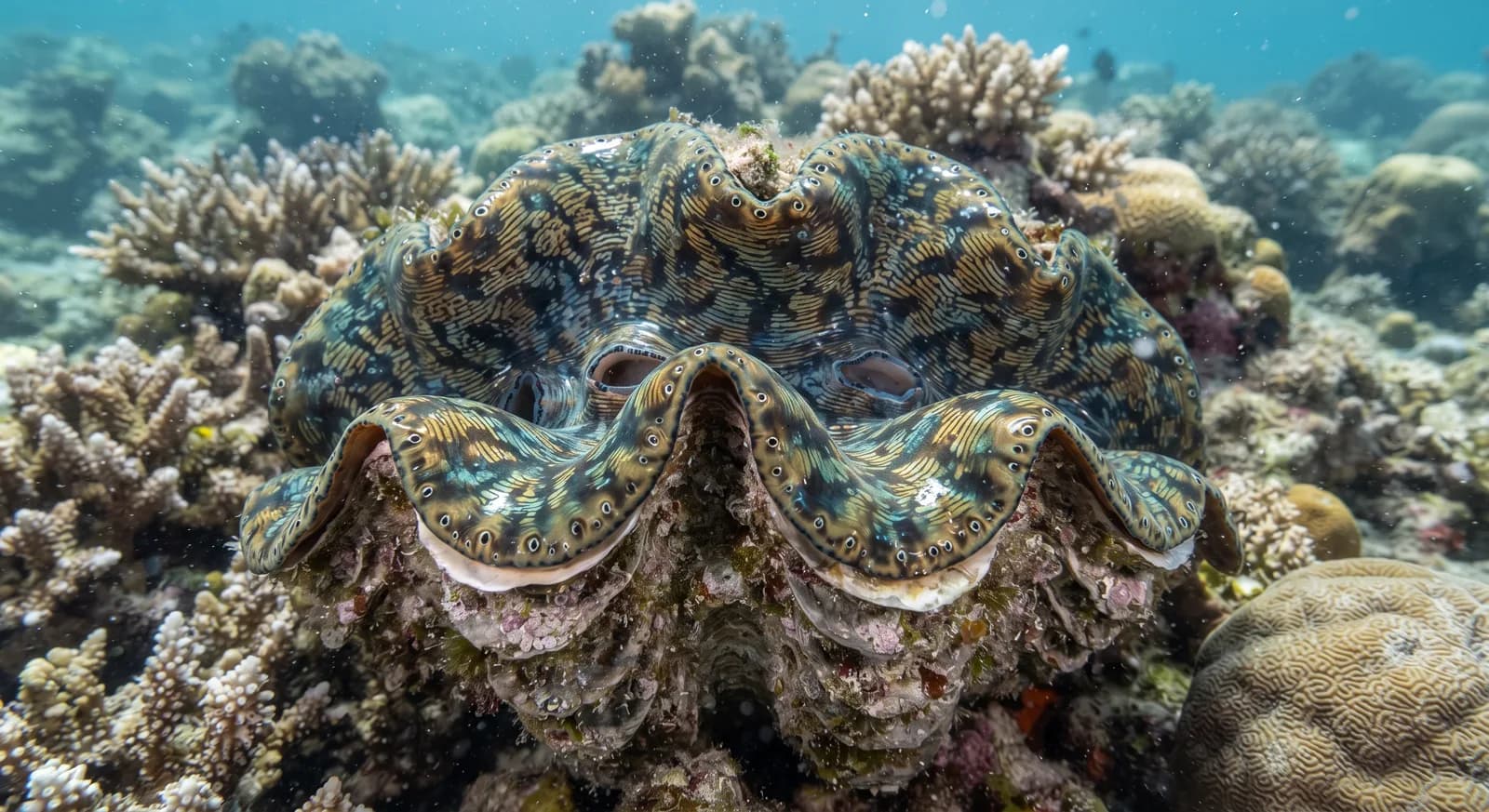
Giant Clam
Tridacna gigas
Oceania
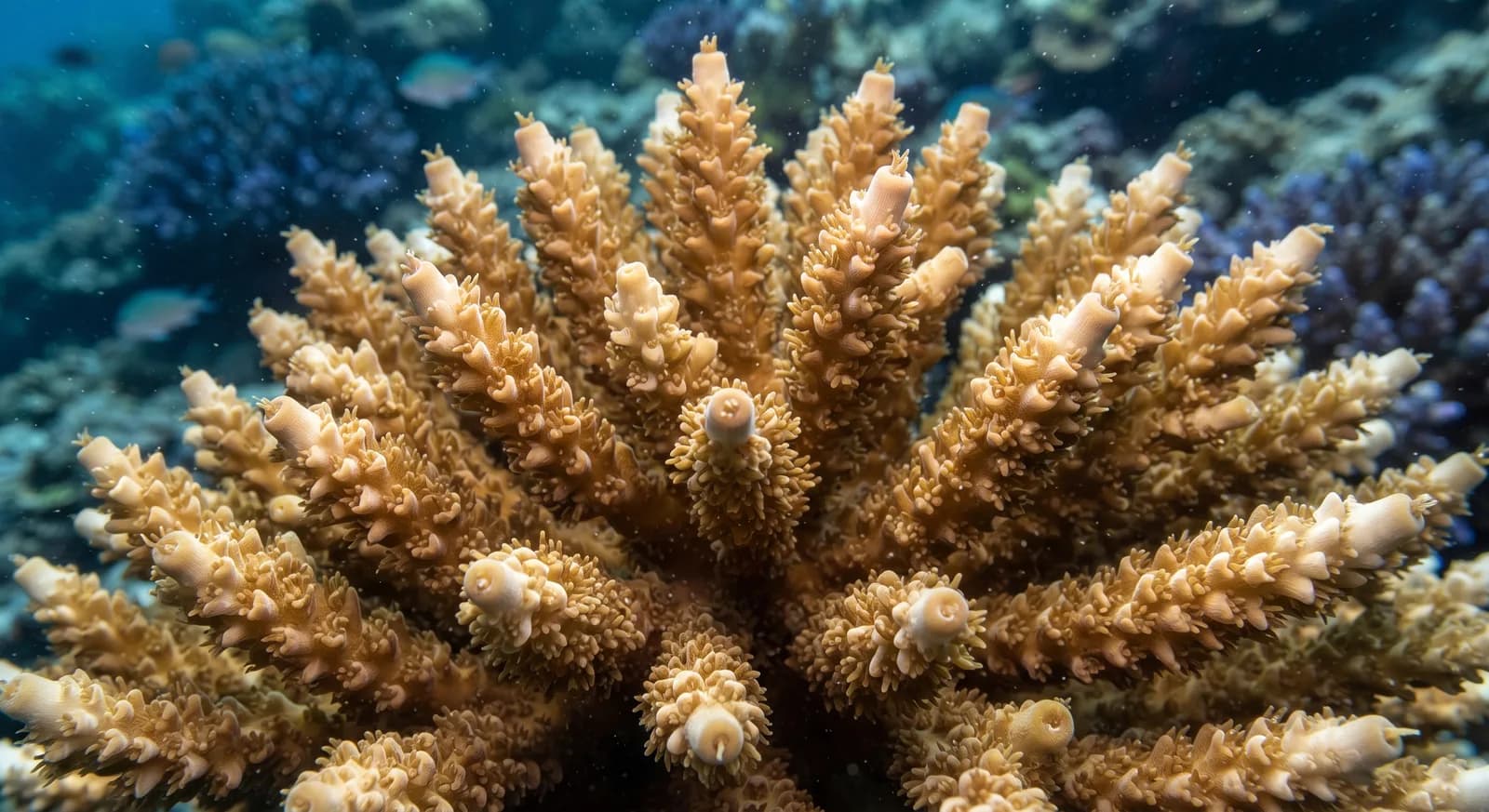
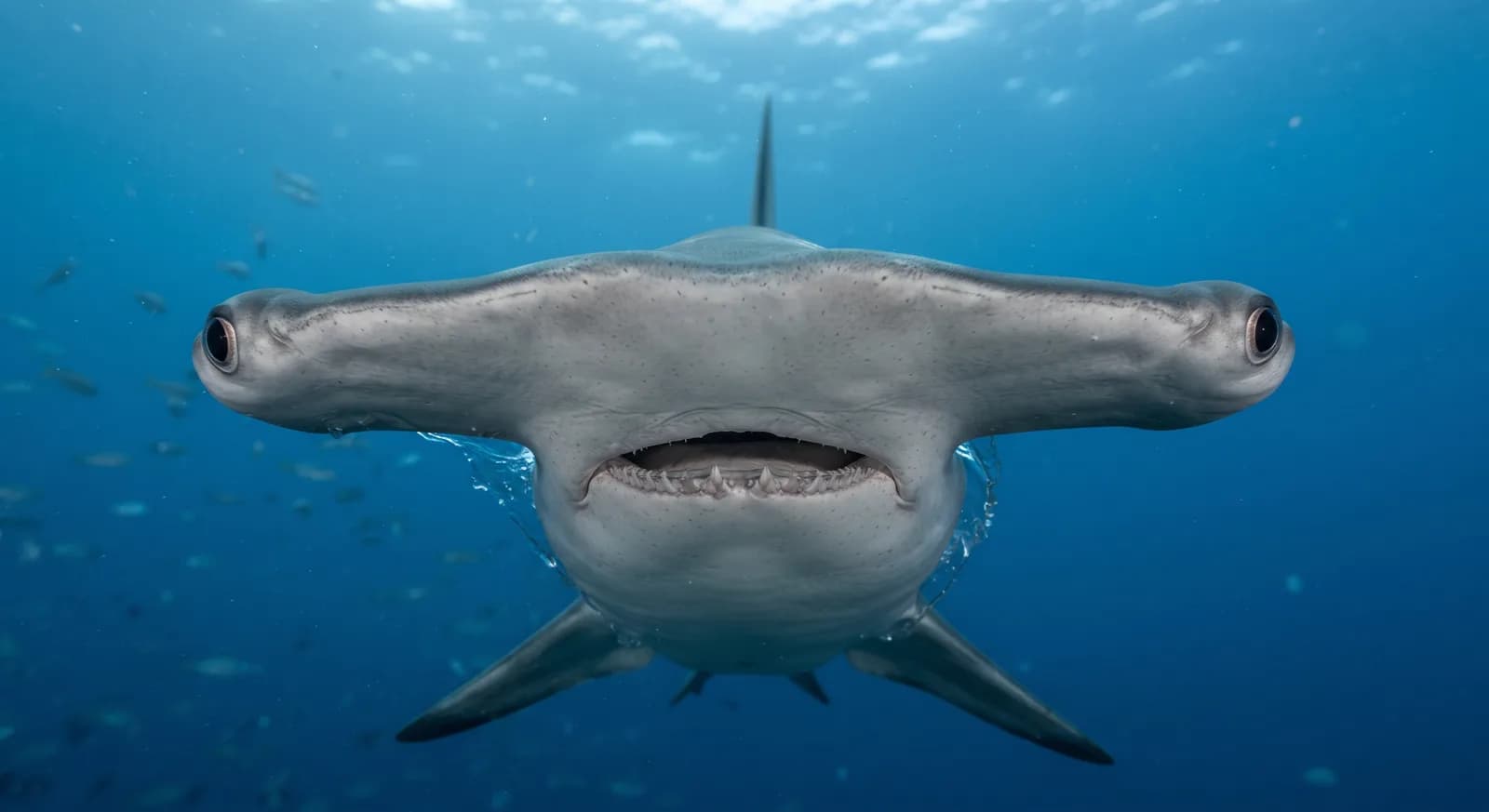
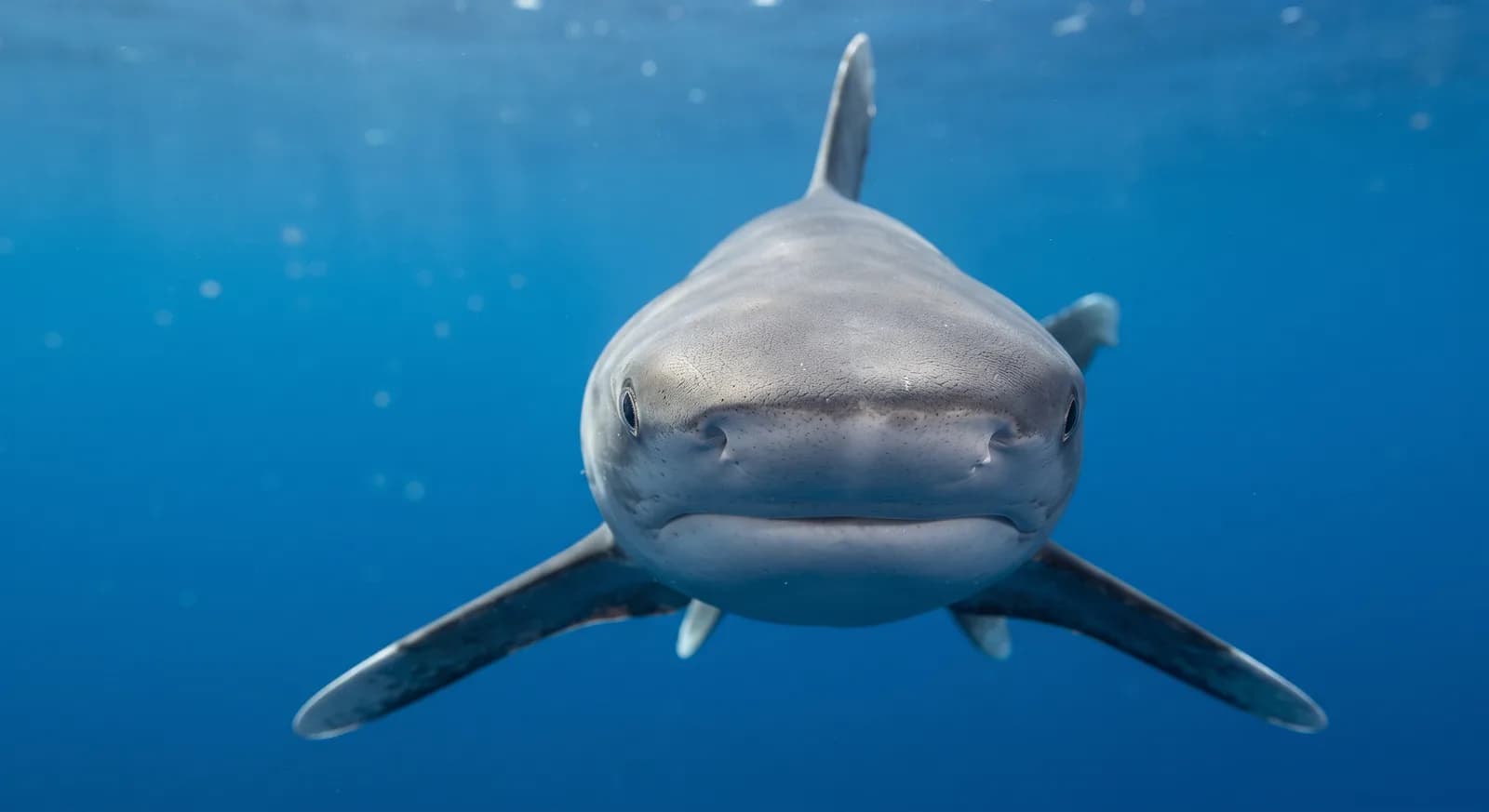
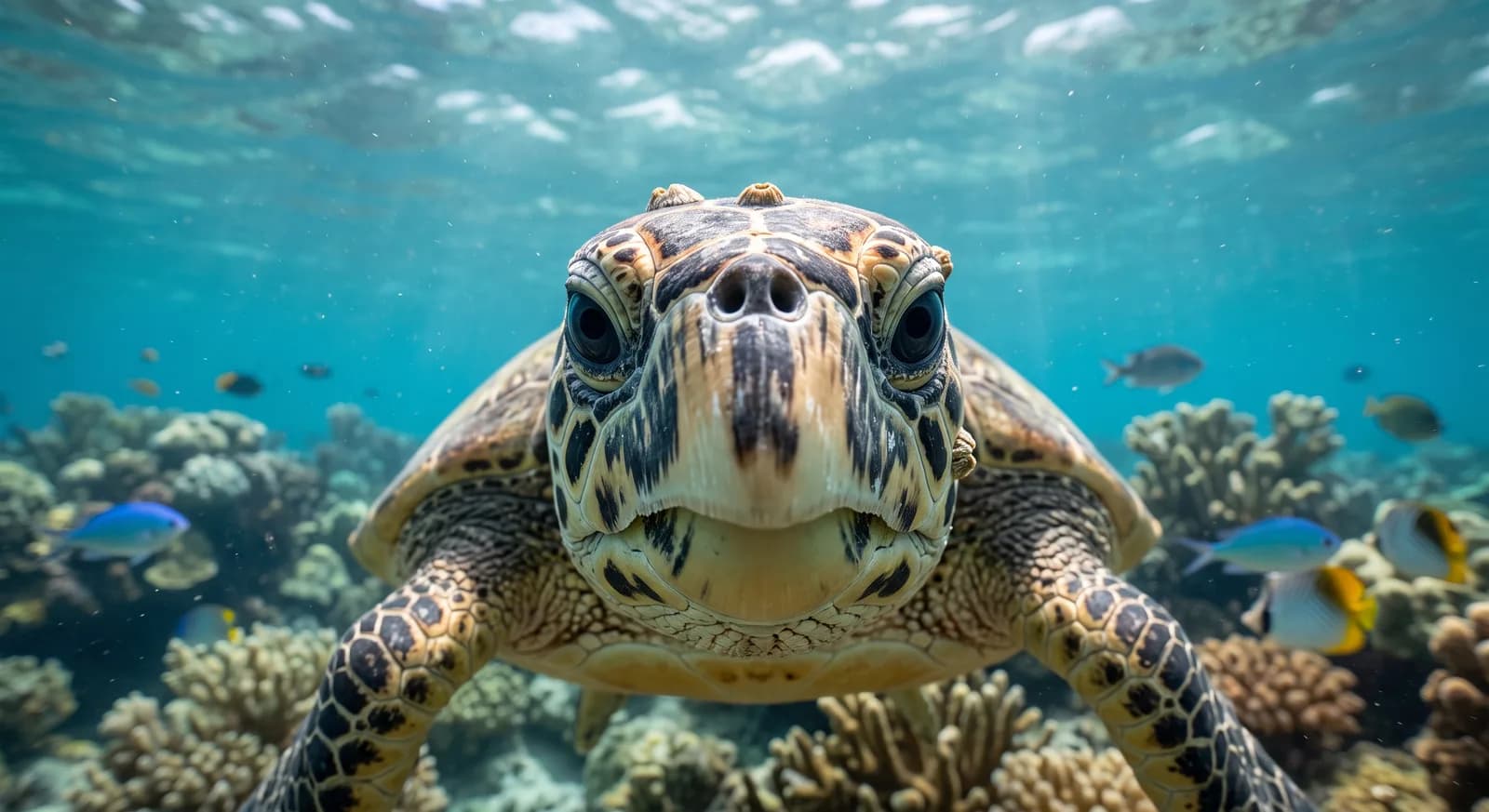
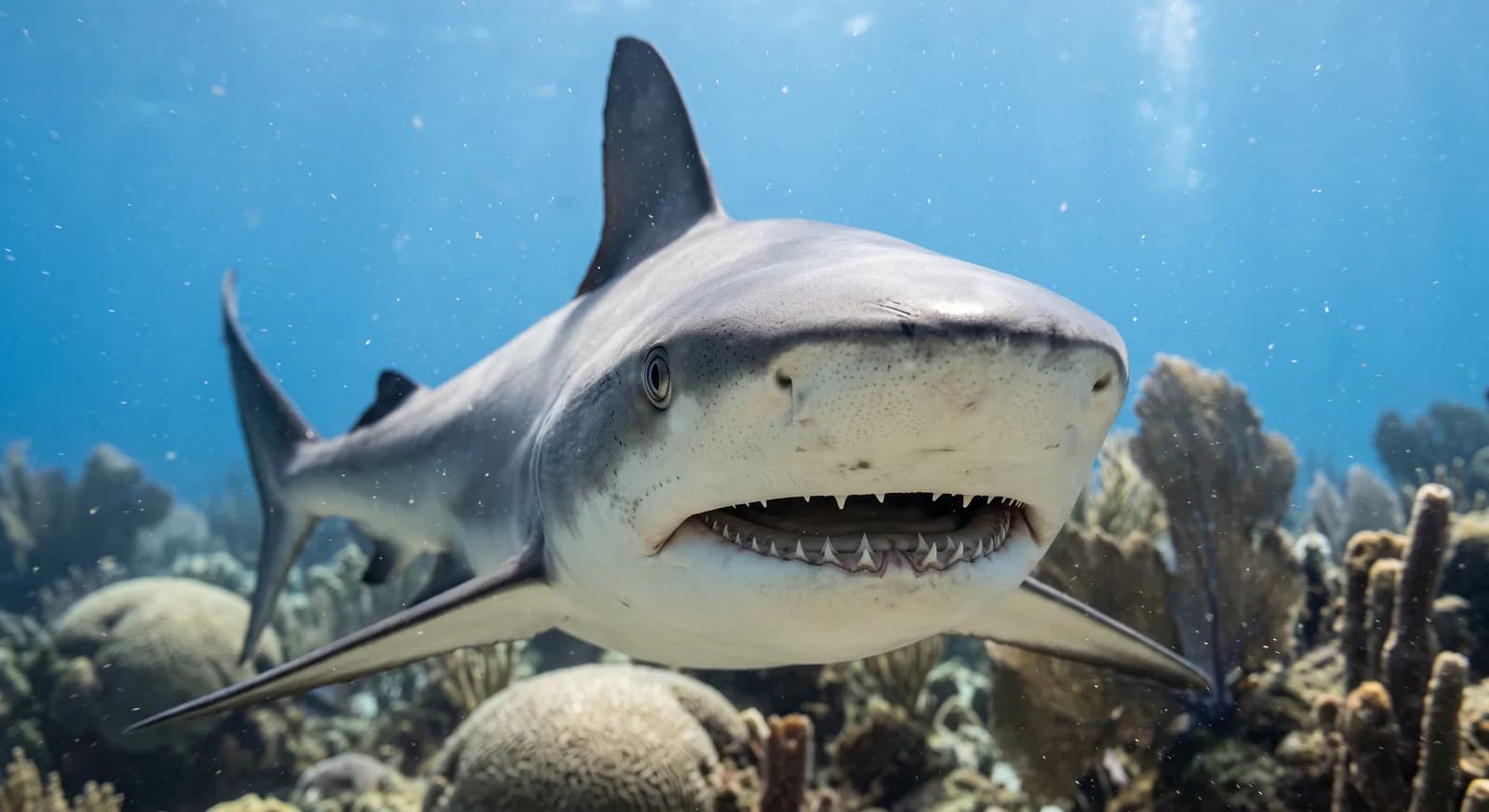
Fiji is an archipelago of more than three hundred islands of volcanic origin, of which only a third are inhabited. The large islands, Viti Levu and Vanua Levu, have a mountainous interior with rainforest on the windward slope and savannah and dry forest on the leeward one, a contrast set by the trade winds. That dry forest, today greatly reduced, is one of the most threatened habitats in the Pacific. The Fijian reefs, among them the Great Astrolabe Reef, one of the largest barrier reefs in the world, sustain spectacular soft corals and sharks. The waters of Beqa hold one of the most studied bull shark aggregations on the planet, inside a protected area managed by the coastal communities.
National animal: No official national animal; the Fijian crested iguana is the archipelago's emblematic species
The iguanas of Fiji are a biogeographical puzzle: their closest living relatives are in the Americas, more than nine thousand kilometres away across the open Pacific. The most widely accepted explanation is that their ancestors crossed the ocean on rafts of vegetation carried by the currents, in one of the longest colonising voyages ever proposed for a land vertebrate.
The islet of Yadua Taba, free of goats and rats, concentrates most of the world population of Fijian crested iguana. The marine areas managed by the villages, with traditional temporary closures, have been shown to restore fish populations quickly.
Beqa year-round for bull sharks on regulated dives. Bouma in the dry season for forest birds. The waters of Vanua Levu between July and September for humpback whales.
Where else might I want to travel?
Same region: Oceania
Same region: Oceania
Same region: Oceania
Same region: Oceania
153 species found
Based on what we already know about Fiji.