 Critically Endangered
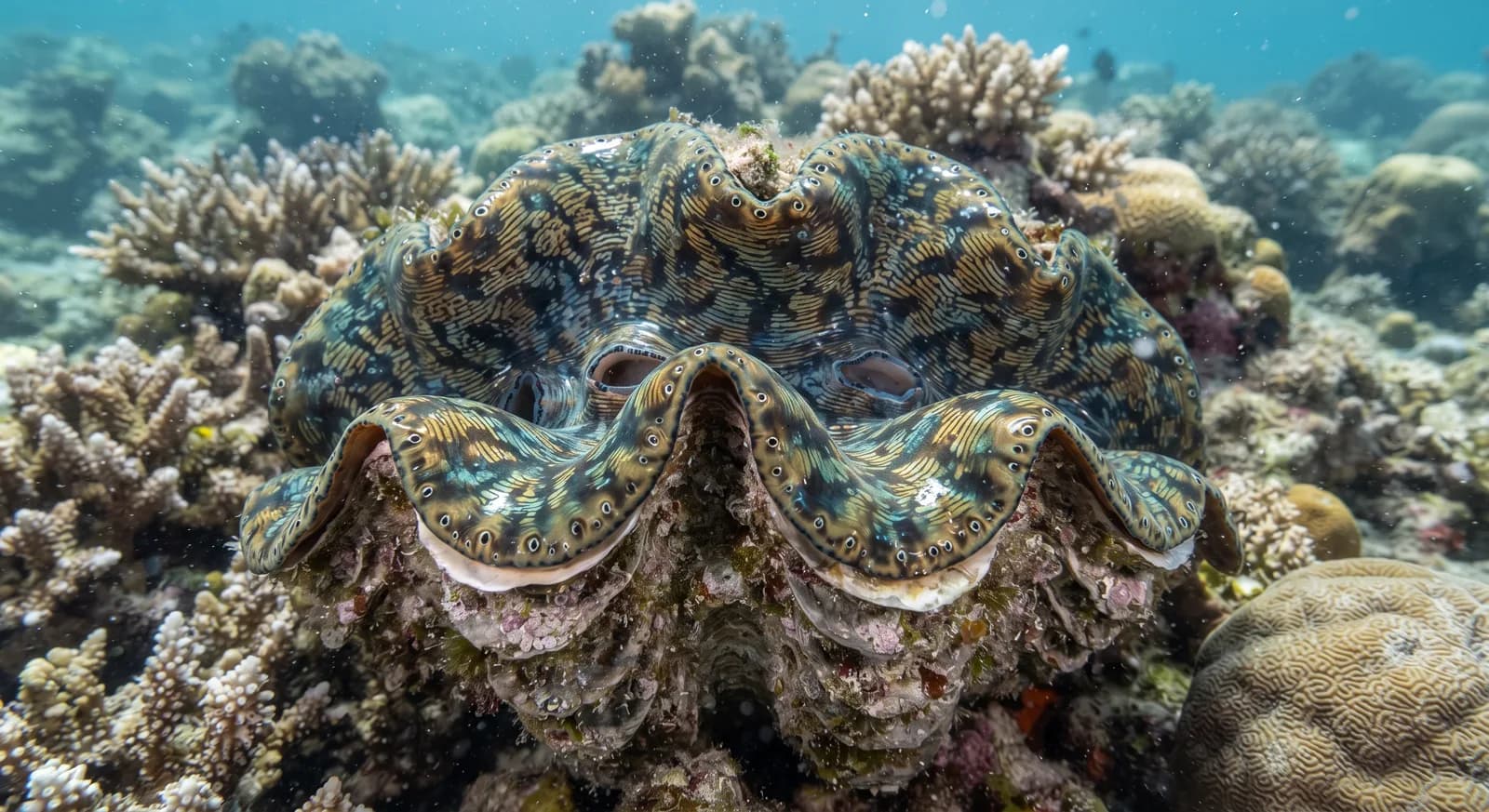
Giant Clam
Tridacna gigas
Oceania
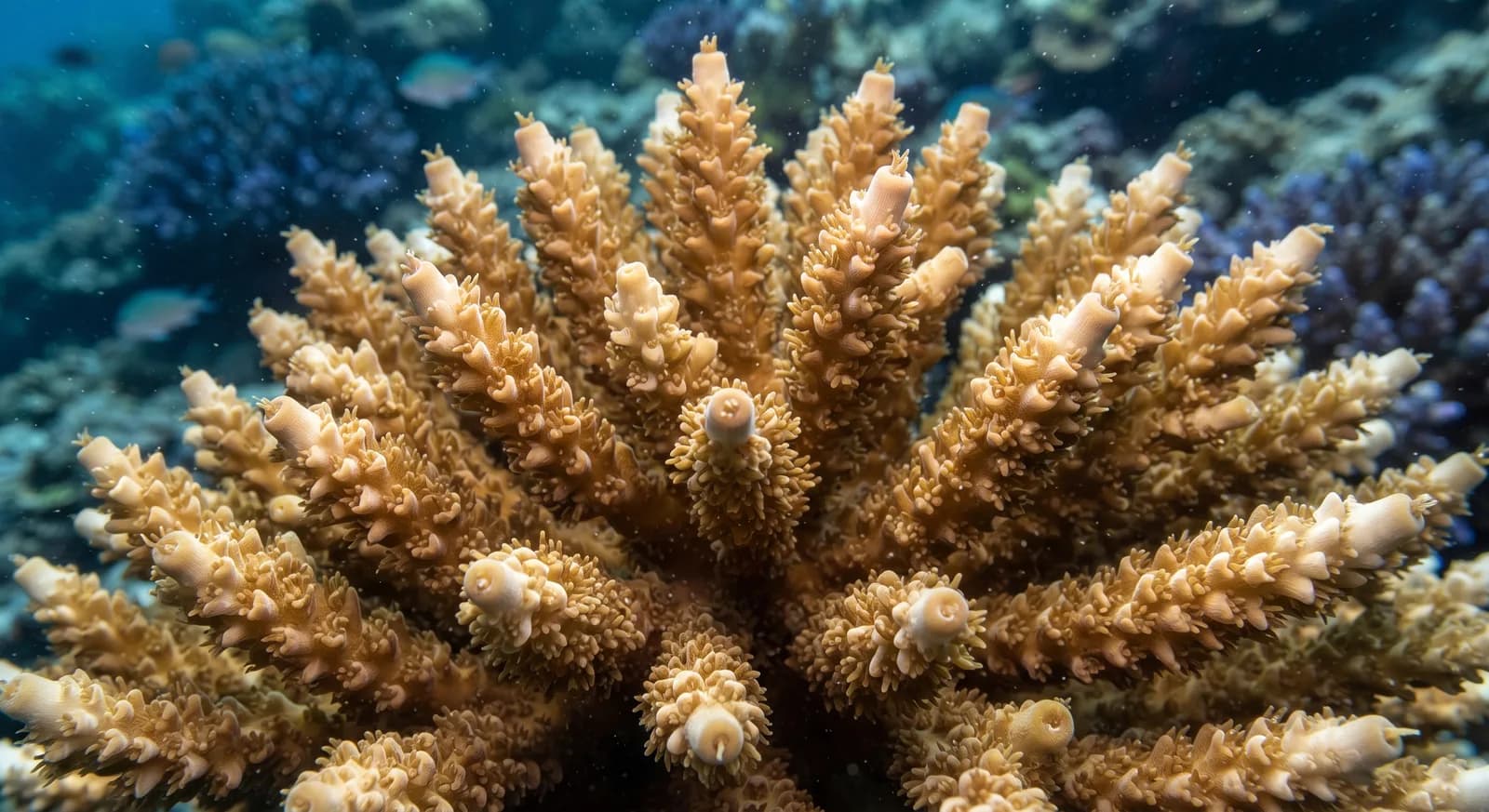
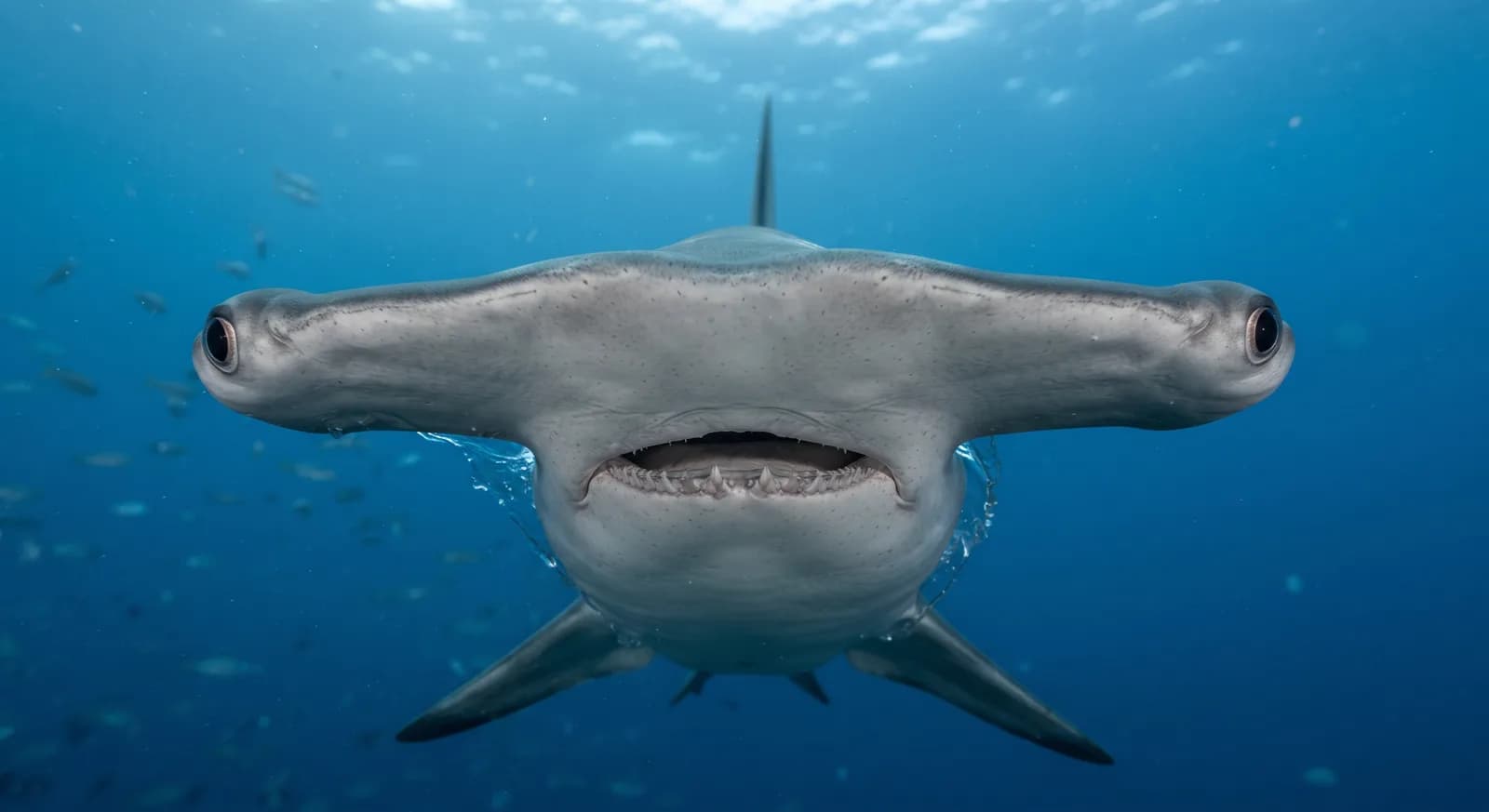
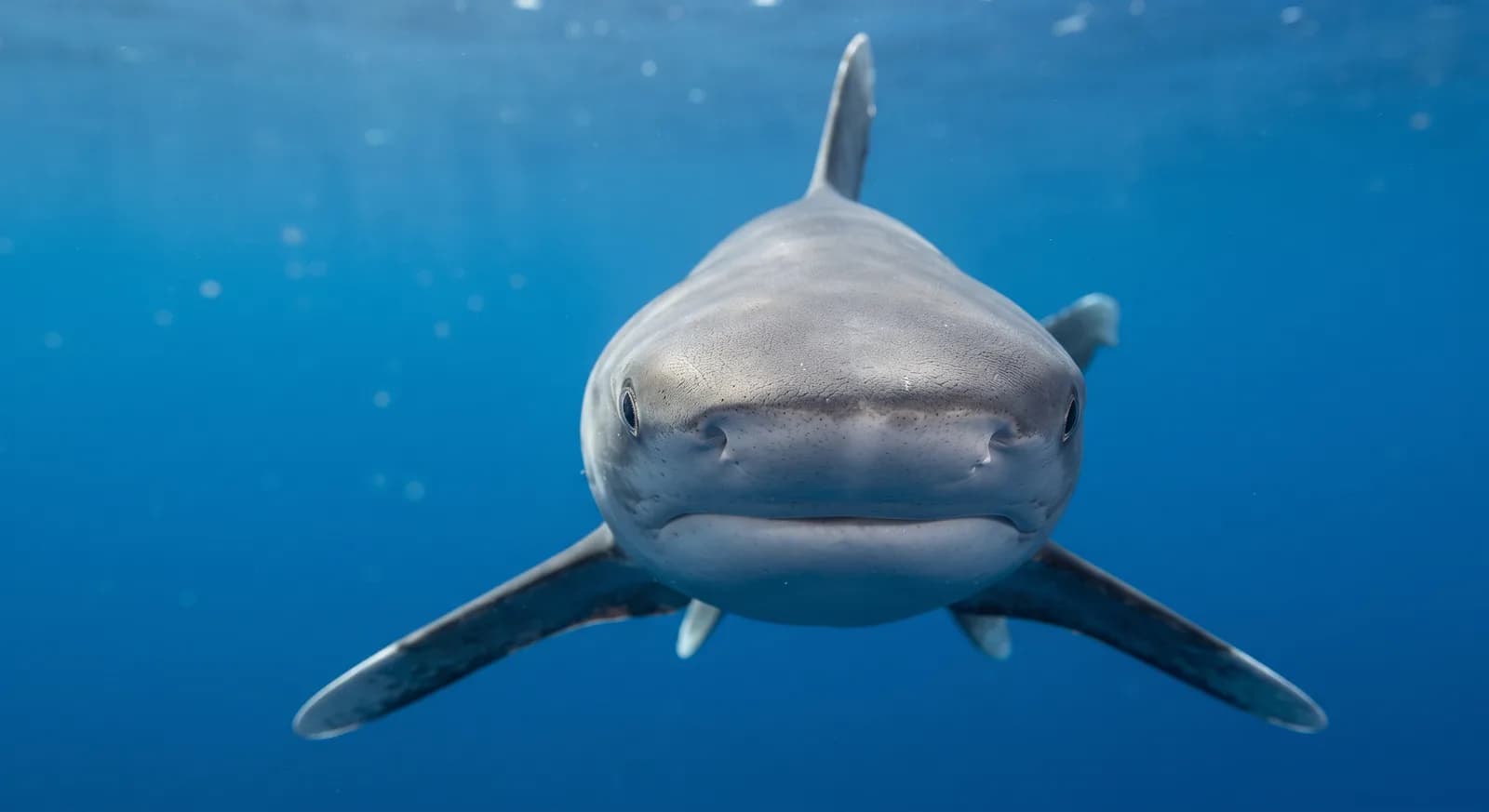
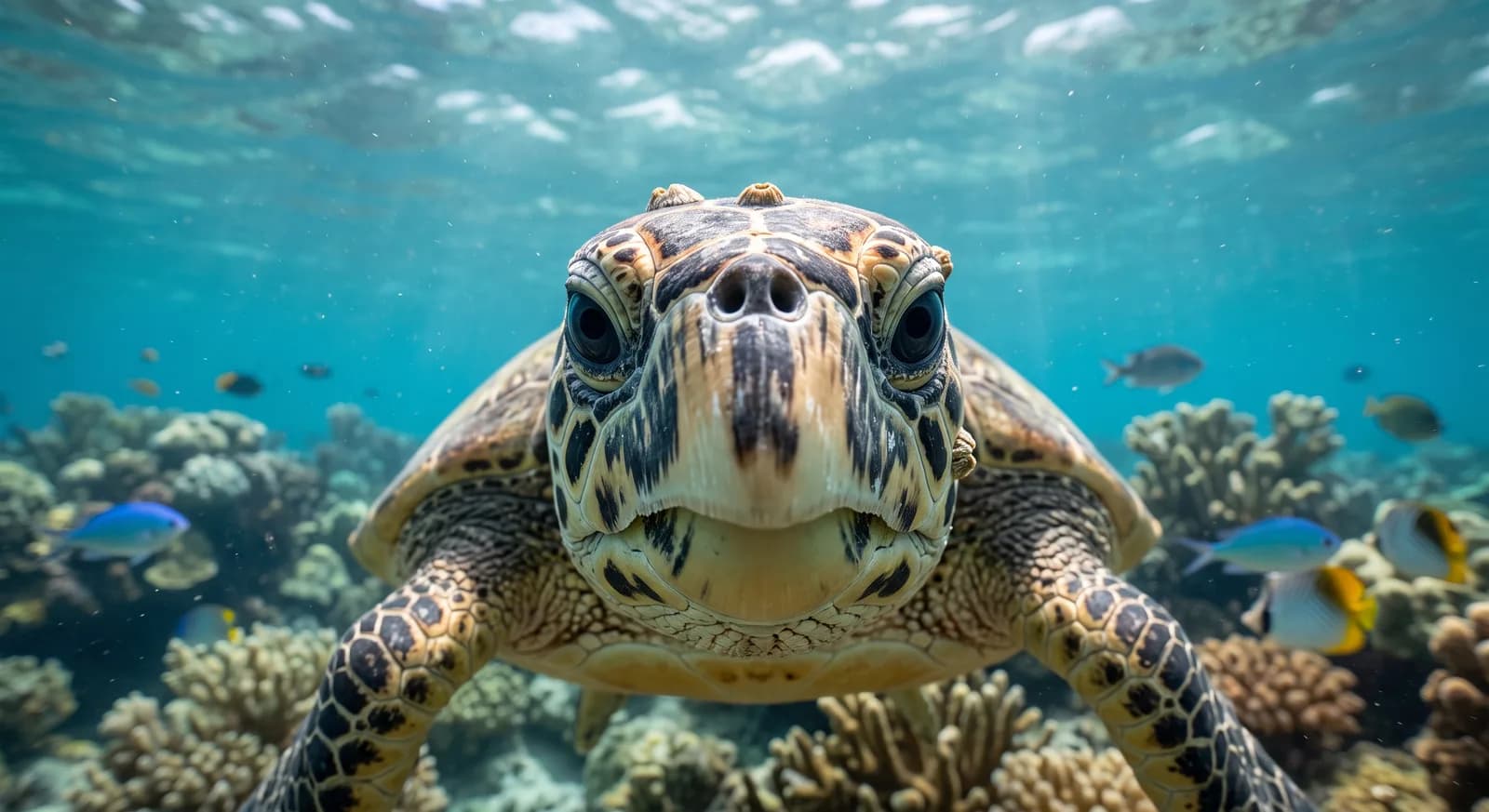
The Federated States of Micronesia bring together more than six hundred islands spread across four states along almost three thousand kilometres of ocean. Pohnpei, mountainous and volcanic, is one of the rainiest places on the planet and keeps cloud forest on its summits, with plant species and birds that exist on no other island. Kosrae holds exceptionally well-preserved mangroves and reefs under little fishing pressure. Chuuk encloses an immense lagoon shut in by a coral barrier, on whose floor rests a fleet sunk during the Second World War that has become an artificial reef colonised by soft corals and fish. Yap, to the west, is famous for its waters and for its enormous stone discs traditionally used as money.
National animal: No official national animal
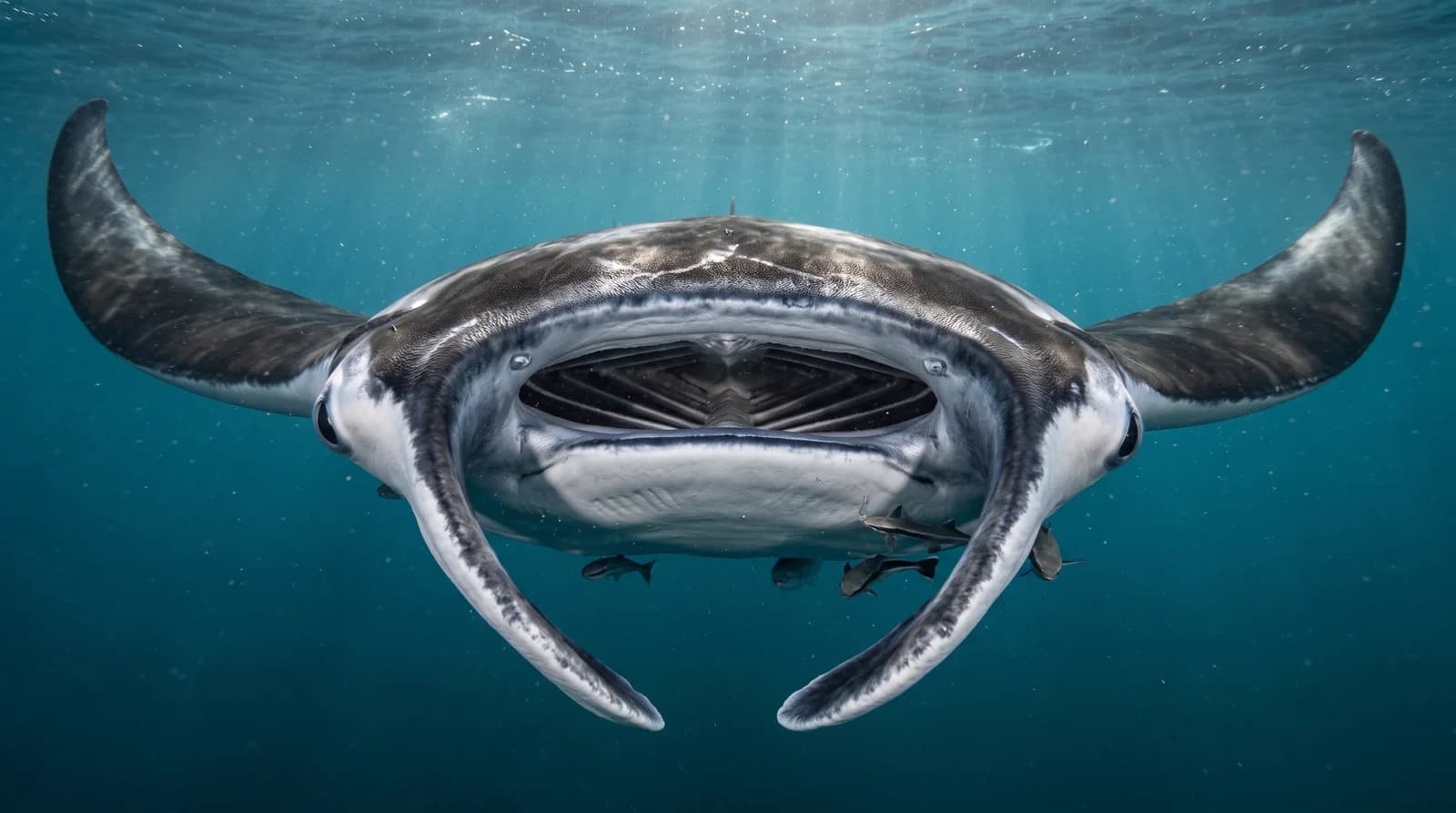
The waters of Yap hold a resident population of reef mantas that does not migrate and that comes every day to particular points on the reef known as cleaning stations, where small wrasse take on the job of removing their parasites and dead skin. Researchers have spent decades identifying individuals by the unique pattern of spots on their bellies, which has made it possible to follow the lives of particular animals for more than thirty years.
The regional Micronesia Challenge initiative committed the countries and territories of the region to protecting a significant percentage of their marine and terrestrial resources. The mangroves of Kosrae are among the best preserved in the Pacific and shield the coast from storms.
Yap between December and April for mantas at the cleaning stations. Chuuk year-round for wrecks colonised by coral. Pohnpei in the less rainy season for endemic highland birds.
Where else might I want to travel?
Same region: Oceania
Same region: Oceania
Same region: Oceania
Same region: Oceania
132 species found
Based on what we already know about Micronesia.