 Critically Endangered
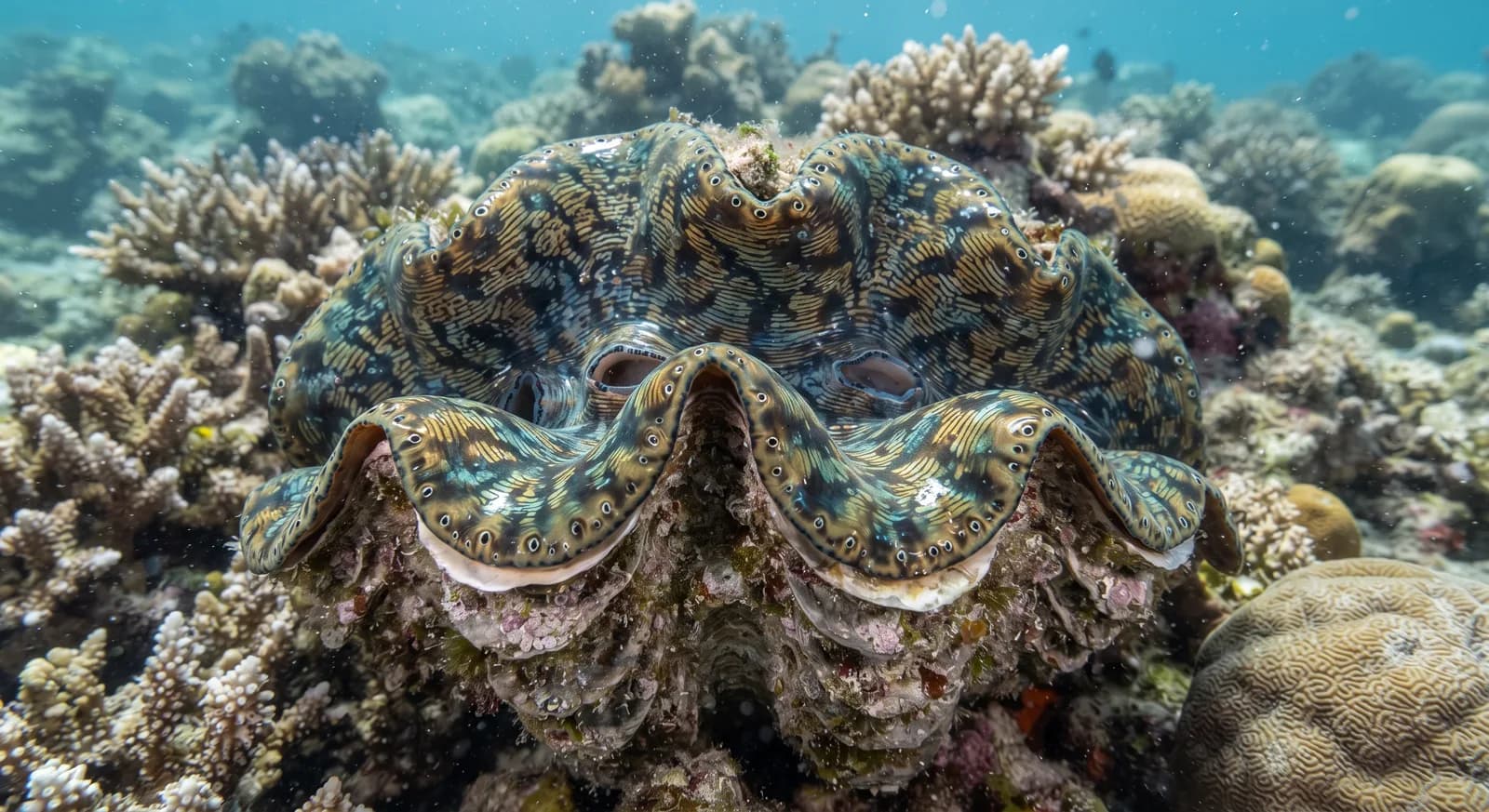
Giant Clam
Tridacna gigas
Africa
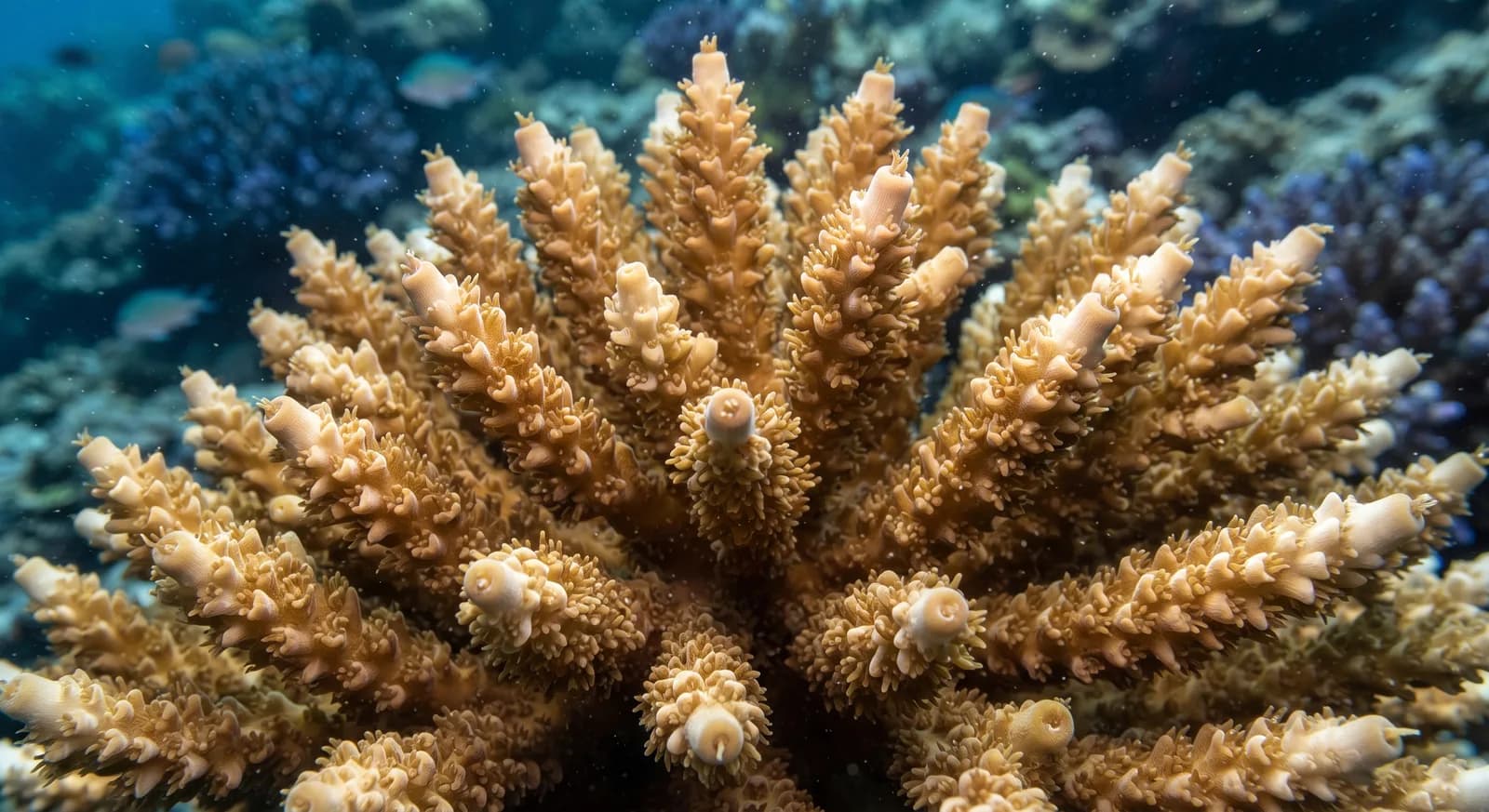
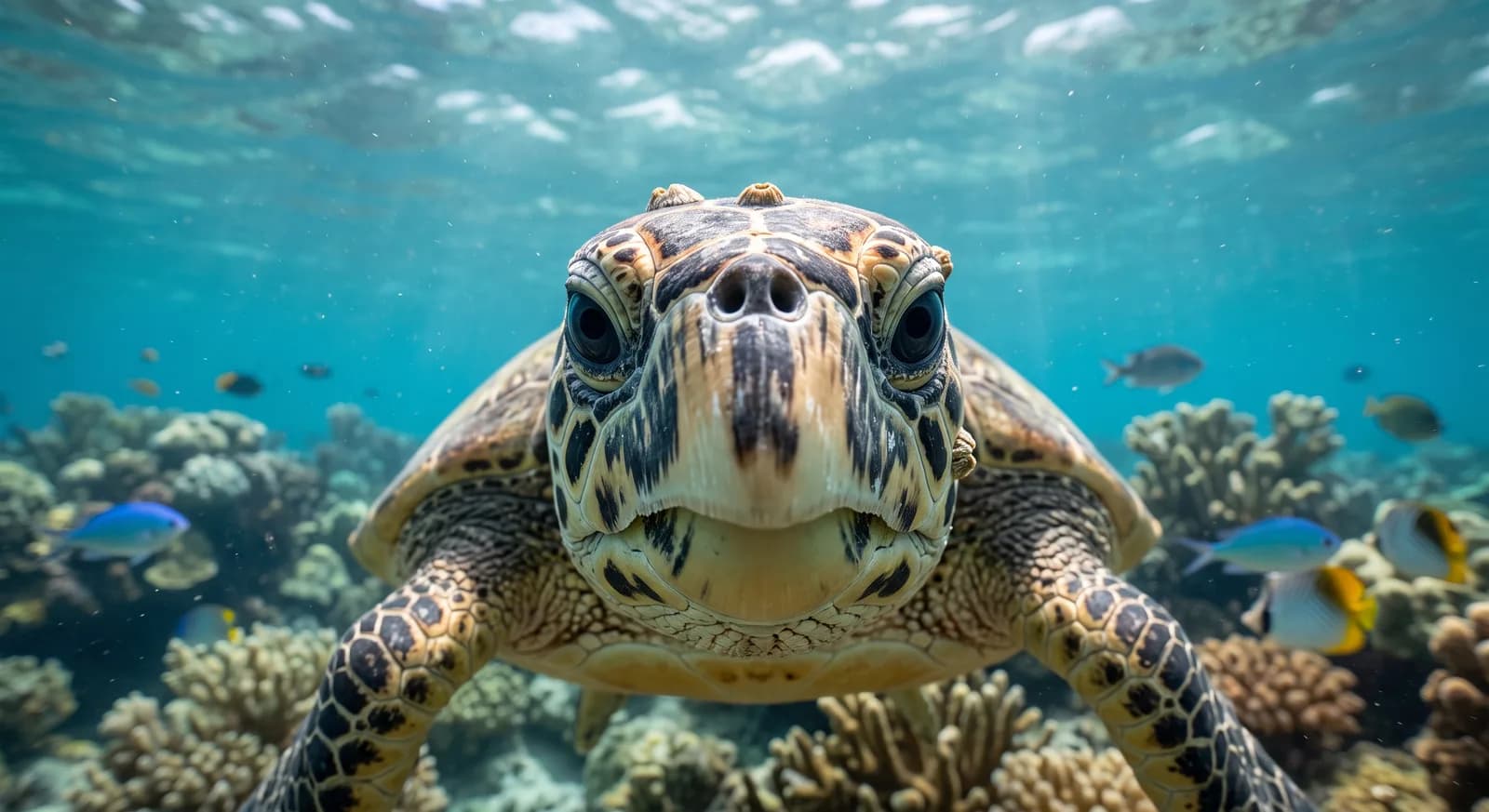
Seychelles is the only archipelago in the world made up of granite islands in the middle of an ocean: its inner islands are fragments of the ancient supercontinent of Gondwana, not emerged volcanoes, which explains why they keep very ancient lineages of plants and animals. To that group are added dozens of outer coral islands, among them Aldabra atoll, one of the largest on the planet and virtually uninhabited. The Vallée de Mai, on Praslin, keeps a forest of coco de mer palms, whose seed is the largest and heaviest in the plant kingdom. The islands hold seabirds in massive colonies, endemic land birds brought back from minute populations and coral reefs that have suffered severe bleaching and are studied as a laboratory of resilience.
National animal: The Aldabra giant tortoise is the emblematic animal; the Seychelles black parrot of Praslin is the national bird
Aldabra atoll holds around one hundred thousand giant tortoises, the largest population of giant land tortoises in the world, far above that of the Galápagos. There also lives a flightless rail, the last flightless bird left in the Indian Ocean, whose history is astonishing: the atoll sank beneath the sea some 136,000 years ago and its fauna disappeared, and when it re-emerged the species colonised it again from Madagascar and lost the ability to fly for a second time.
The Seychelles warbler was down to barely twenty birds on a single island and has recovered through translocations to predator-free islands. Aldabra is a World Heritage Site and one of the least altered atolls on the planet.
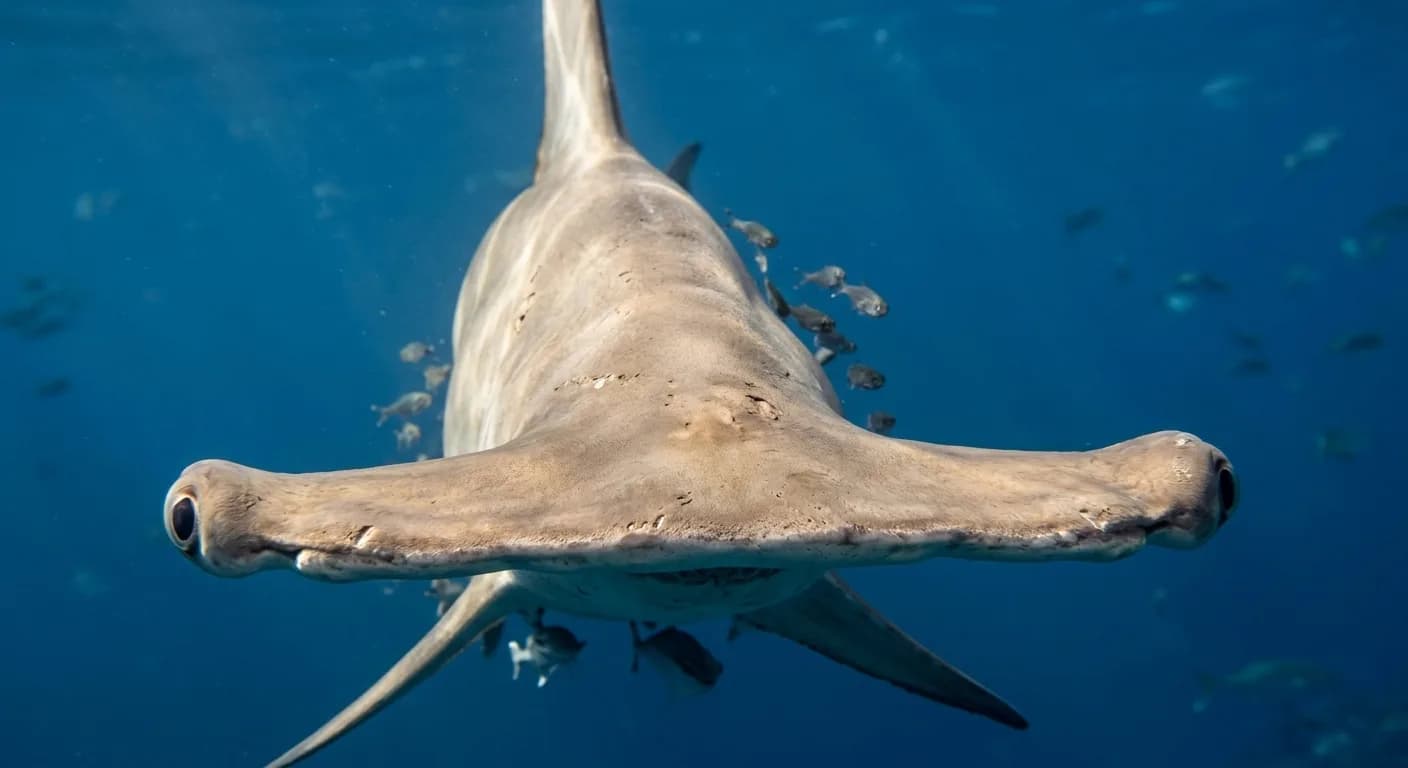
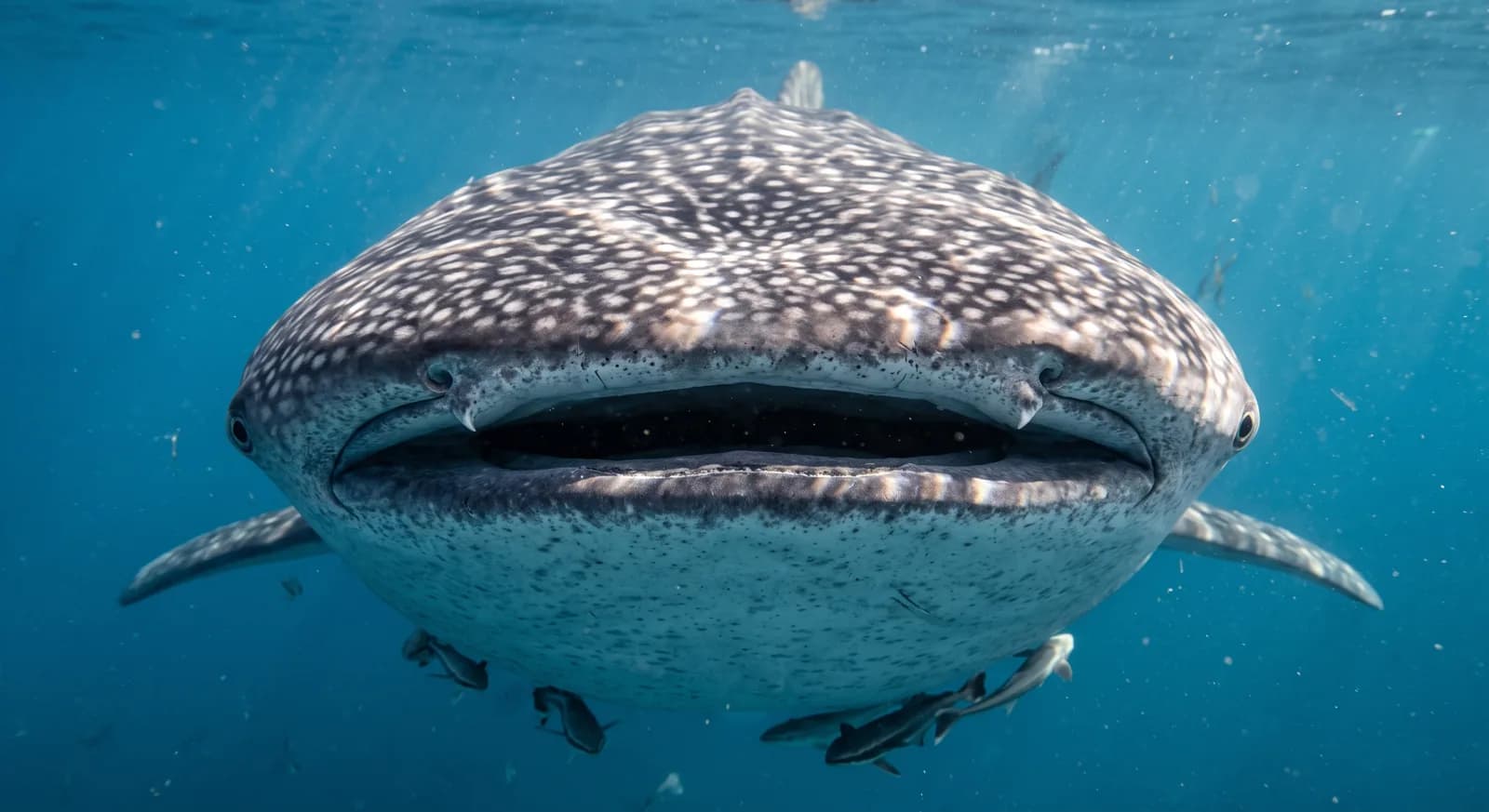
Cousin and Aride between April and October for seabird colonies. Aldabra, with very restricted access, for giant tortoises. The waters of Mahé between October and November for whale sharks.
125 species found
Based on what we already know about Seychelles.