 Critically Endangered
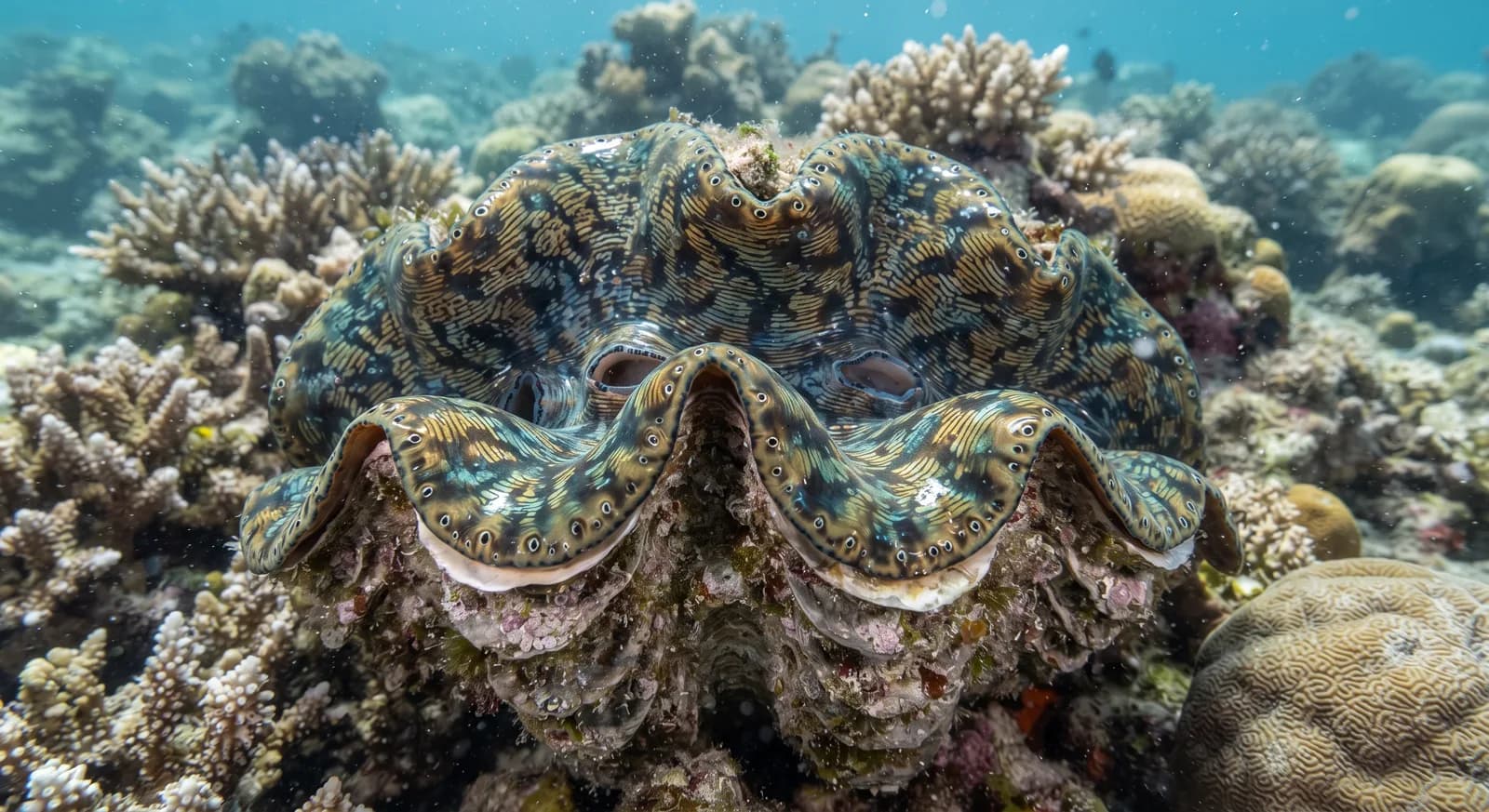
Giant Clam
Tridacna gigas
Oceania
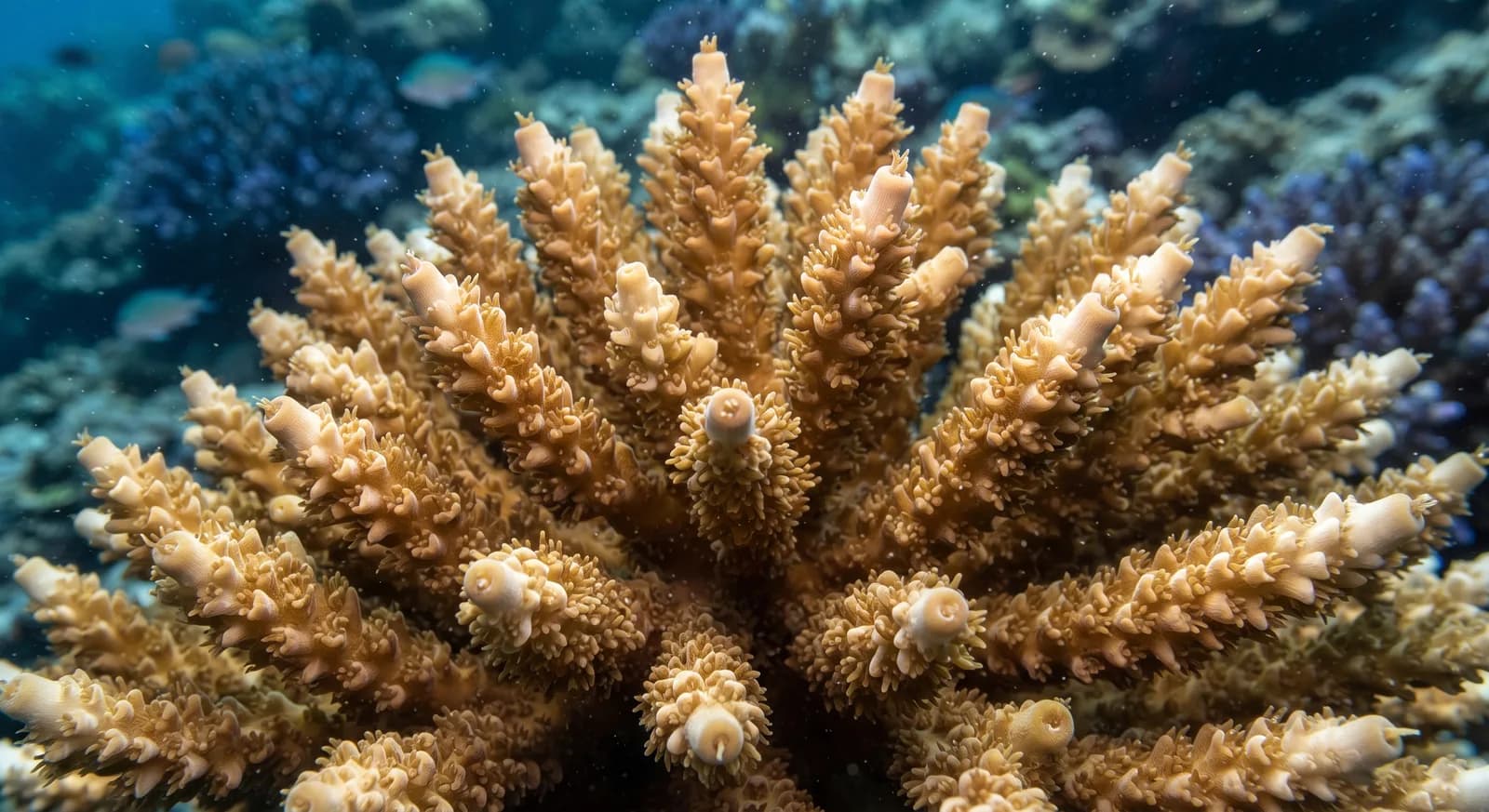
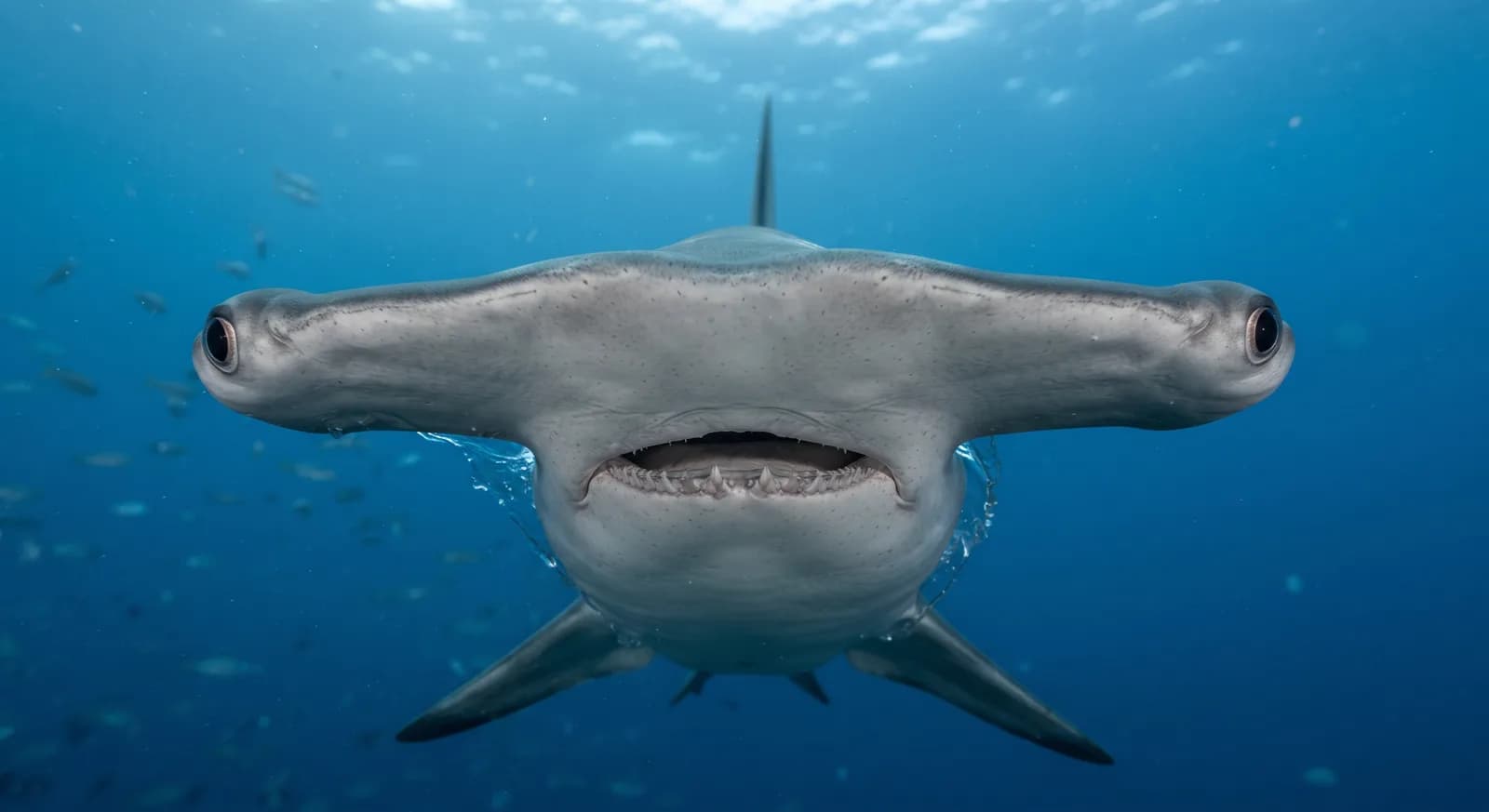
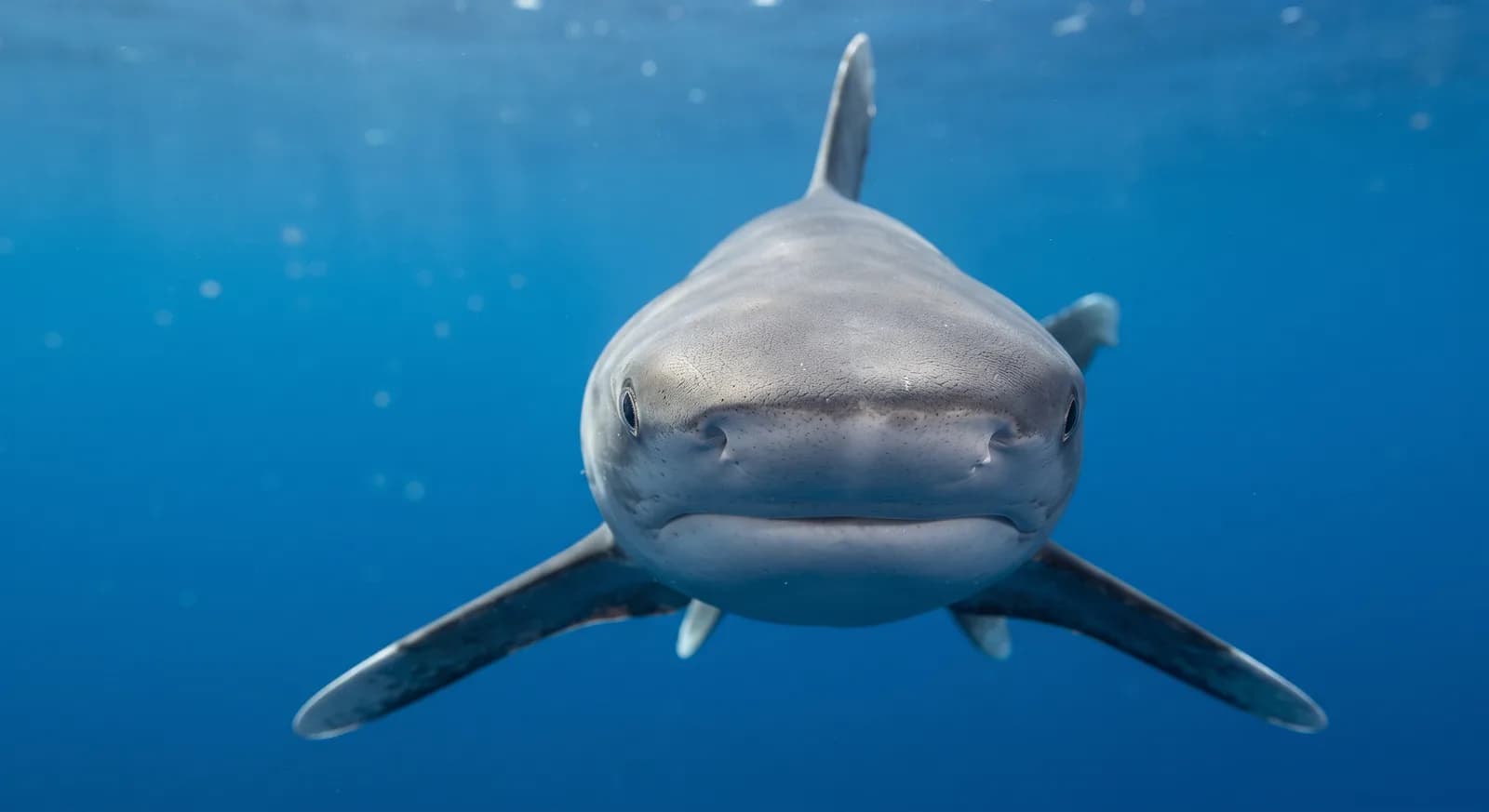
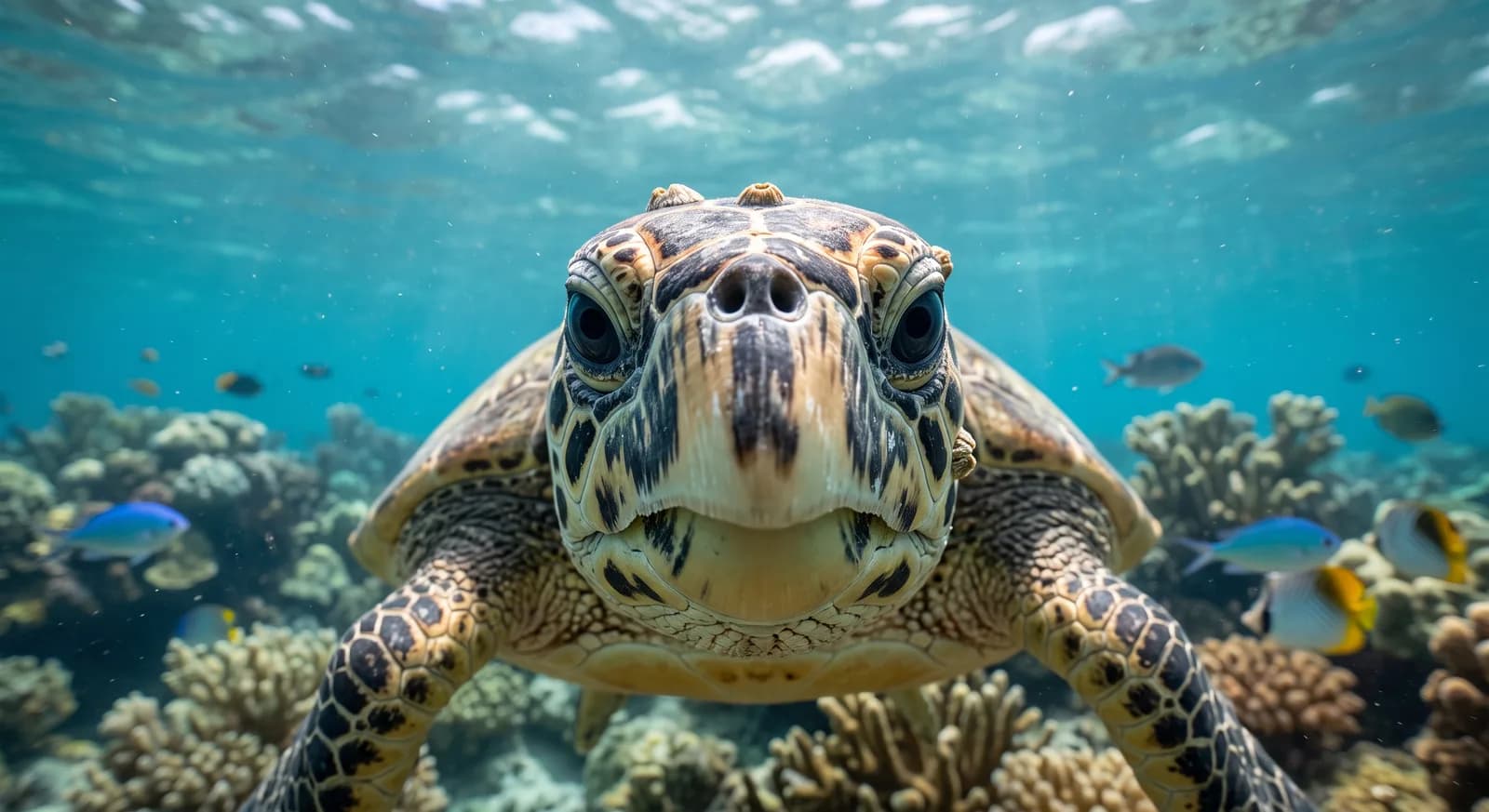
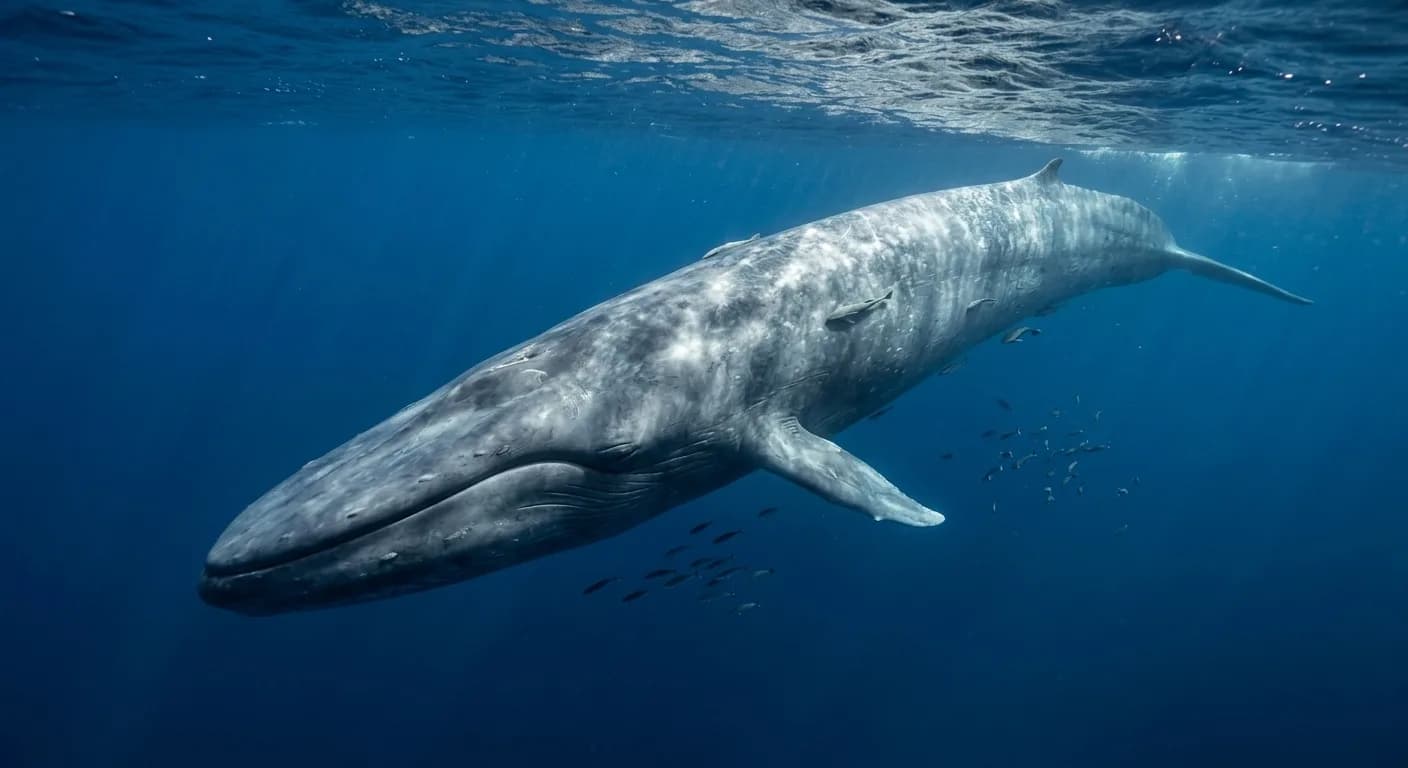
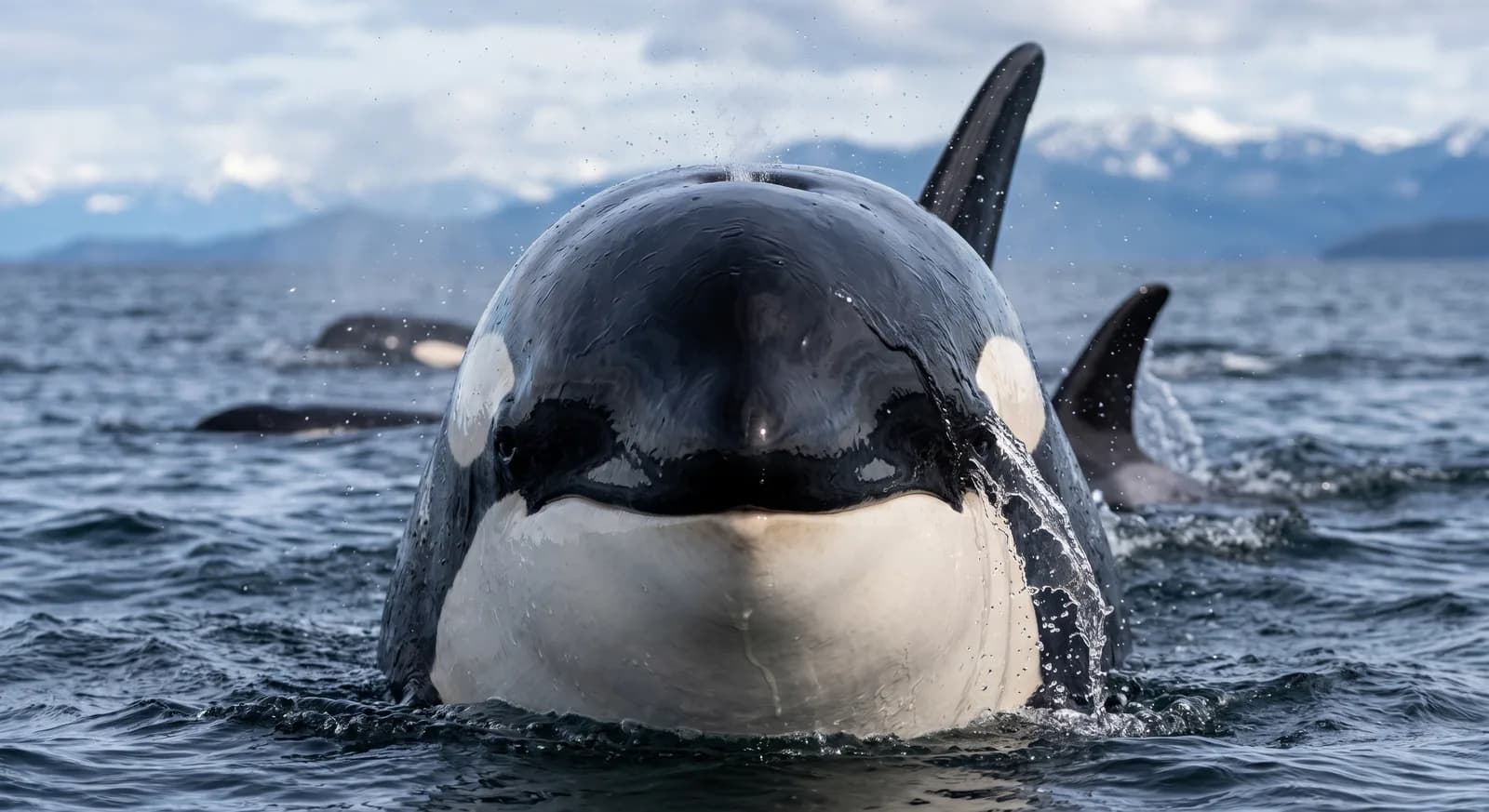
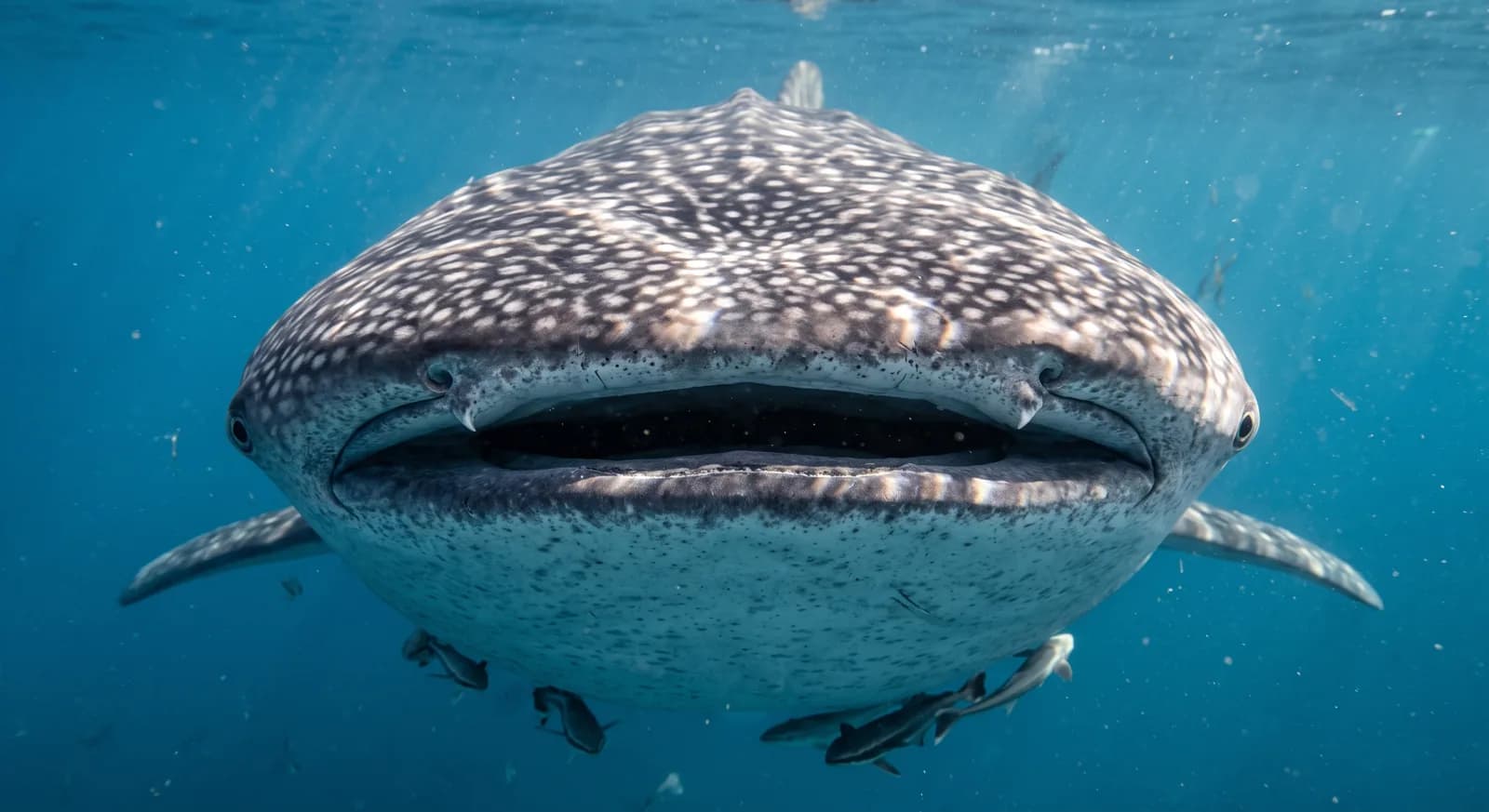
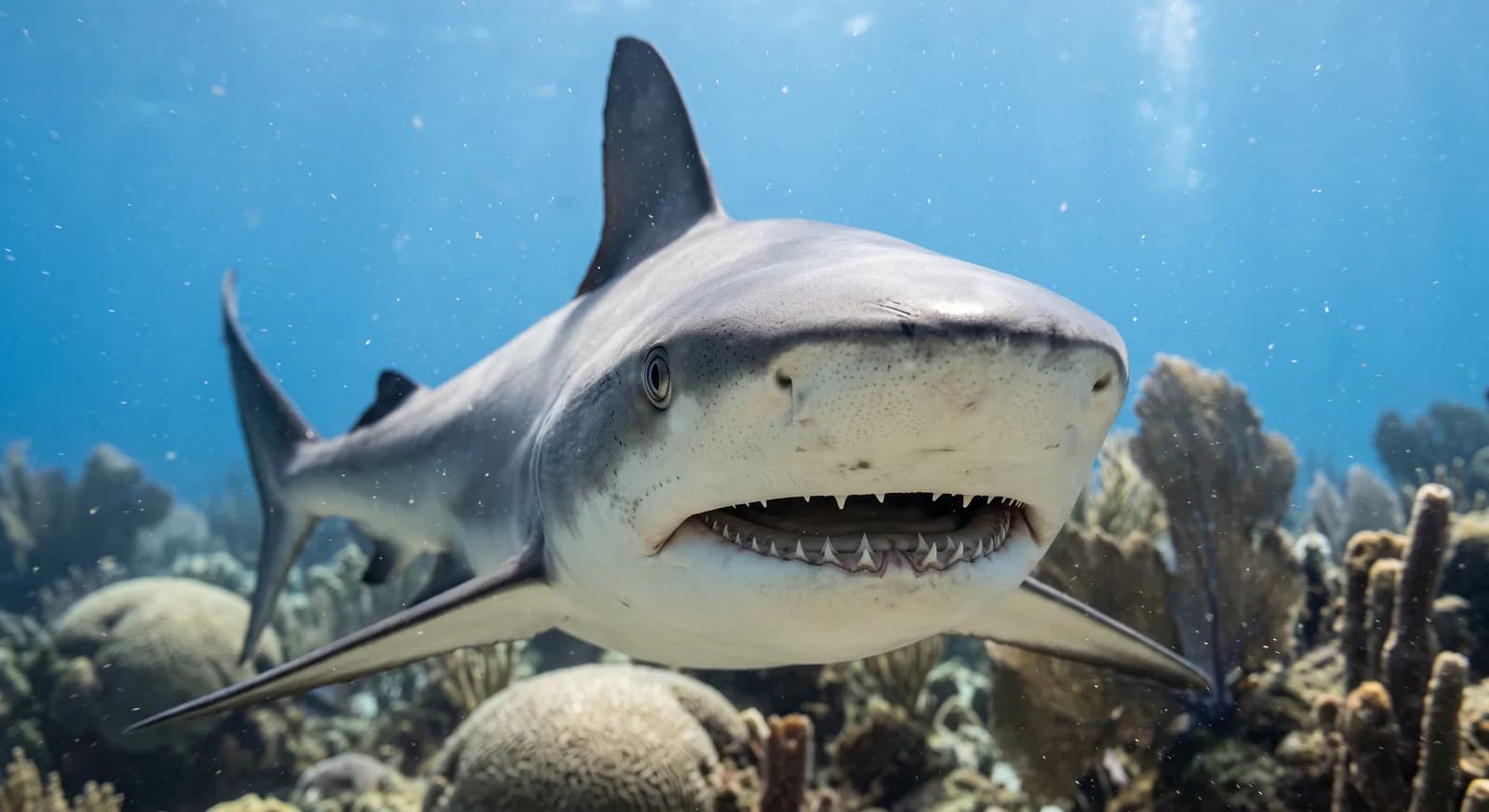
The Marshall Islands are made up of twenty-nine atolls and five coral islands arranged in two parallel chains across an immense expanse of ocean. Their land area is minimal and very low-lying, but their lagoons are among the largest in the world: Kwajalein's encloses a body of inland water comparable in area to that of a small country. The Marshallese reefs, far from any large centre of population, keep their coral and fish communities in good condition, with an abundance of sharks unusual in the Pacific. In 2011 the country declared a shark sanctuary covering its entire exclusive economic zone, one of the largest on the planet at the time. Its beaches are green turtle nesting grounds.
National animal: No official national animal
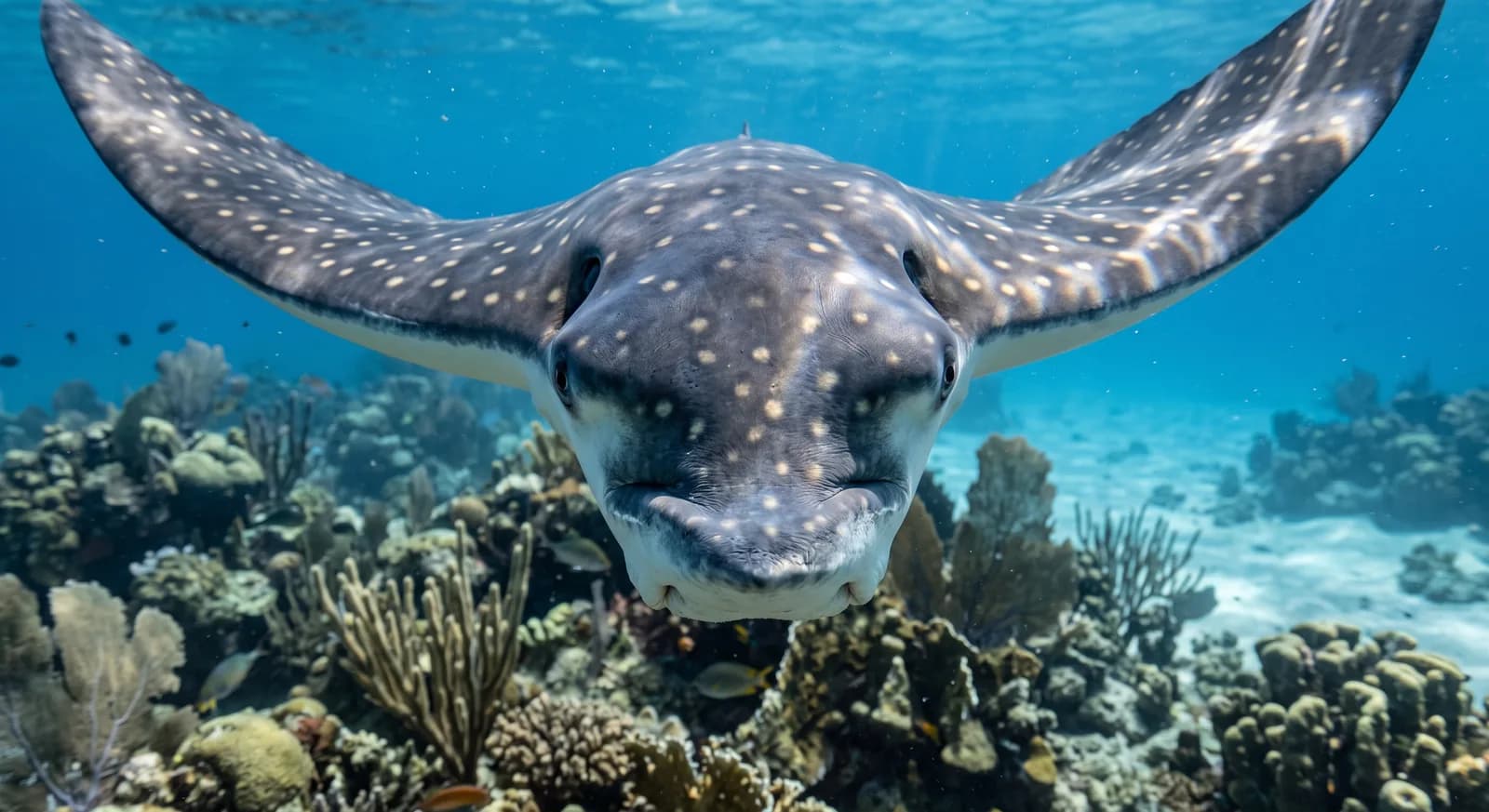
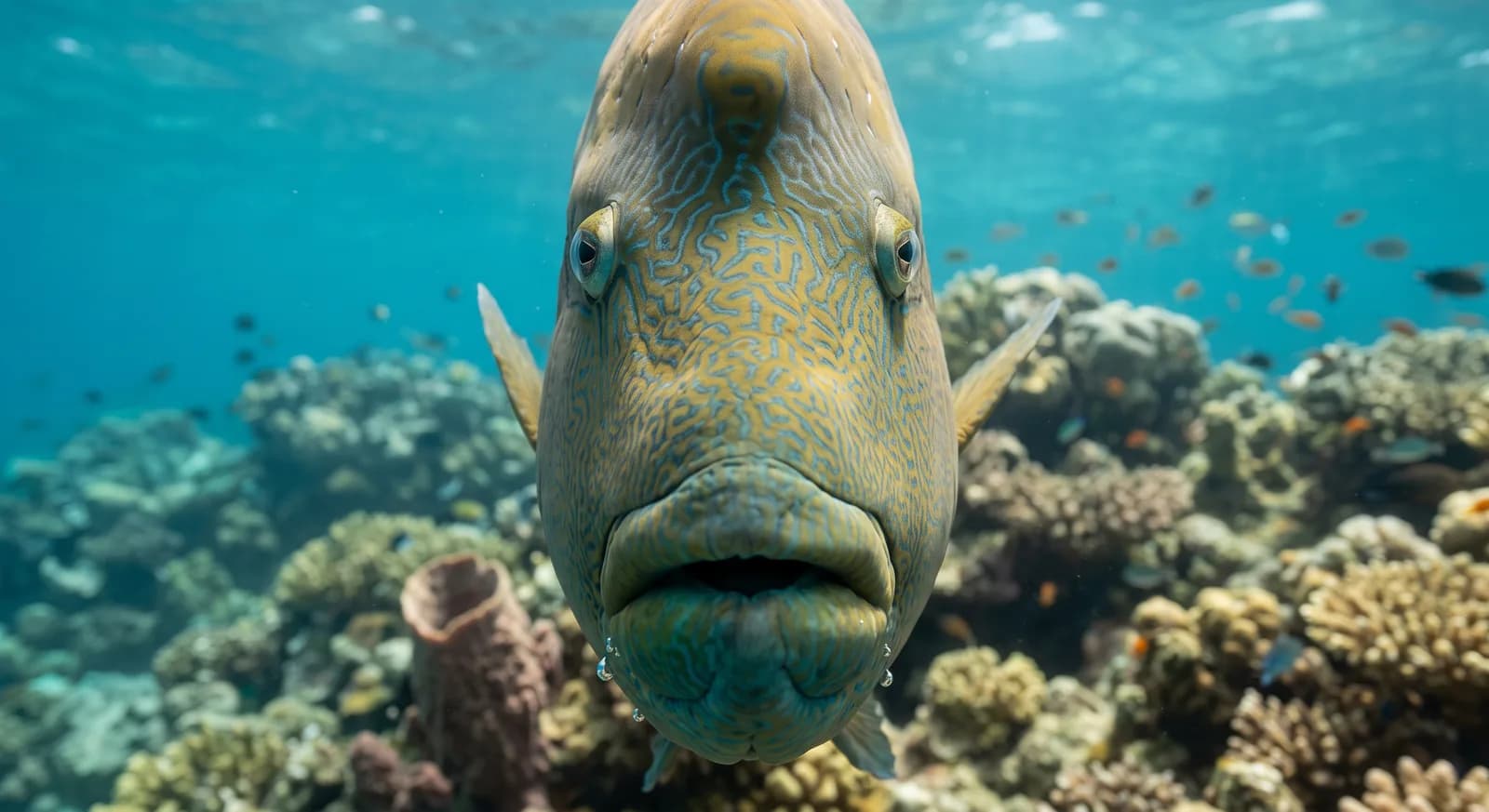
Bikini atoll was the setting for twenty-three nuclear tests between 1946 and 1958, including one that left a crater two kilometres across on the floor of the lagoon. Decades later, that crater is covered in large corals and the lagoon is patrolled by sharks and reef fish at very high densities. The reason is as simple as it is uncomfortable: once the area became uninhabitable for people, fishing disappeared completely.
Bikini is a World Heritage Site as a testimony to the nuclear age. The shark sanctuary bans shark fishing and the retention of their fins across more than one and a half million square kilometres, although effective surveillance over so vast an area remains a challenge.
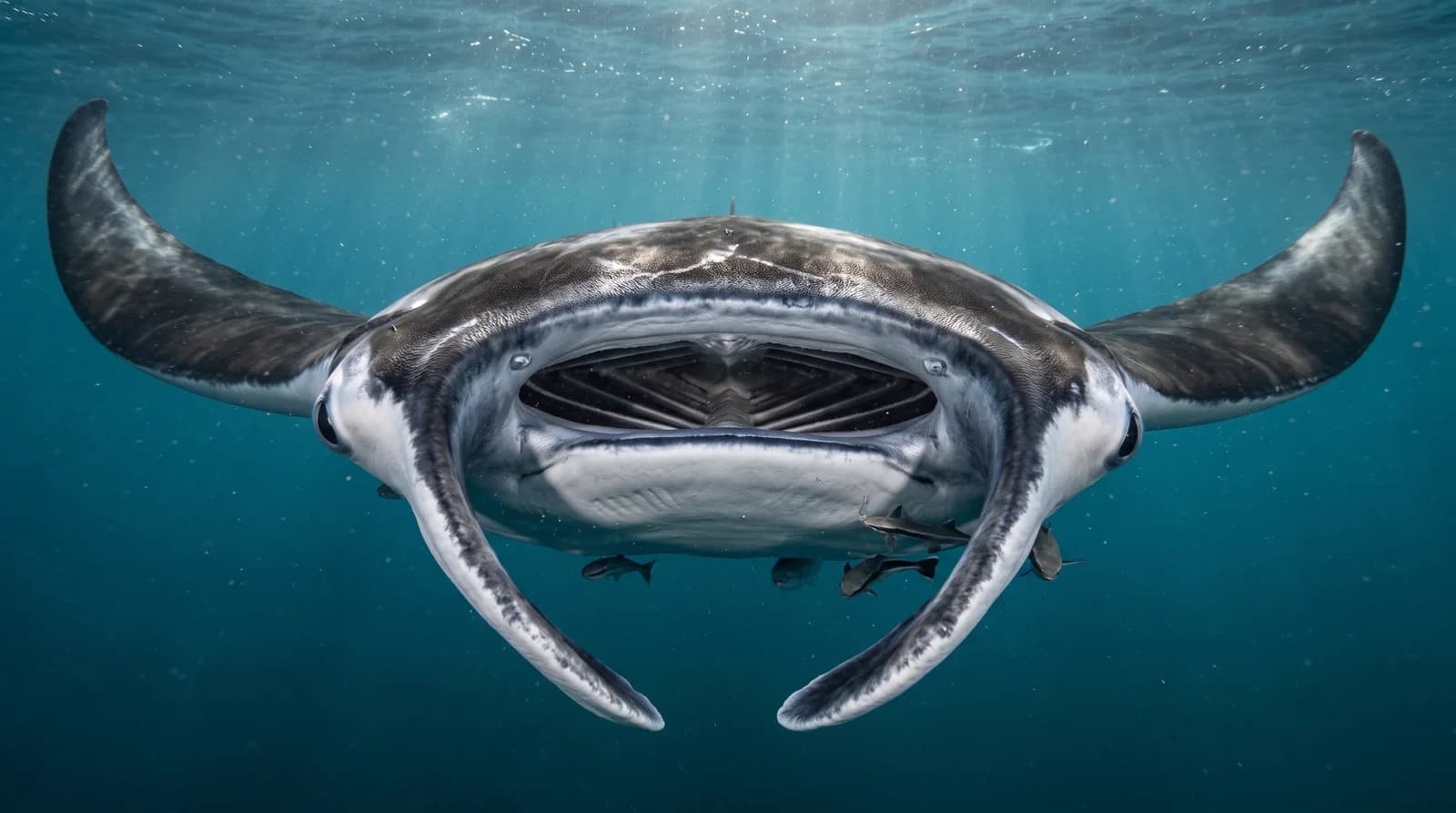
Bikini, with restricted access, for reefs and sharks. Namdrik and the southern atolls for seabirds and turtles. The northern lagoons between March and October for mantas and cetaceans.
Where else might I want to travel?
Same region: Oceania
Same region: Oceania
Same region: Oceania
Same region: Oceania
131 species found
Based on what we already know about Marshall Islands.