Skip to content
WAnimals
  • Map
  • Species
  • Parks
  • Diving
Log inCreate account
WAnimals

The guide for travellers and animal lovers: discover, plan and share your wild adventures around the world.

Discover wildlife

  • Species
  • Ecosystems
  • Glossary
  • Tags

Explore places

  • Map
  • Countries
  • Parks
  • Diving

Plan experiences

  • Guides

Learn

  • Blog

Resources

  • Help centre
  • Contact
  • Install the app

Follow us

Account

  • Log in
  • Create account

© 2026 WAnimals. All rights reserved.

About usHow we build our profilesTerms of servicePrivacyLegal notice
MapSpeciesParksDiving
  1. Home
  2. countries
  3. New Zealand

New Zealand

Oceania

Capital: WellingtonDecember to February

148

Documented species

16

Parks and reserves

10

Dive sites

New Zealand broke away from Gondwana some eighty million years ago and was left without land mammals apart from a couple of bat species, so it was the birds that took on every ecological role: there were herbivorous birds the size of a horse, predatory birds at the top of the chain and many that lost the power of flight because nothing hunted them. The arrival of humans and of the rats, stoats and possums they brought with them triggered one of the most severe island extinctions on the planet. The country retains glaciers, fjords, active volcanoes, podocarp and southern beech forests, and has turned its predator-free islands into arks in which to rebuild its original ecosystems.

Nature in New Zealand

National animal: The kiwi, the national bird and the informal name New Zealanders give themselves

Did you know?

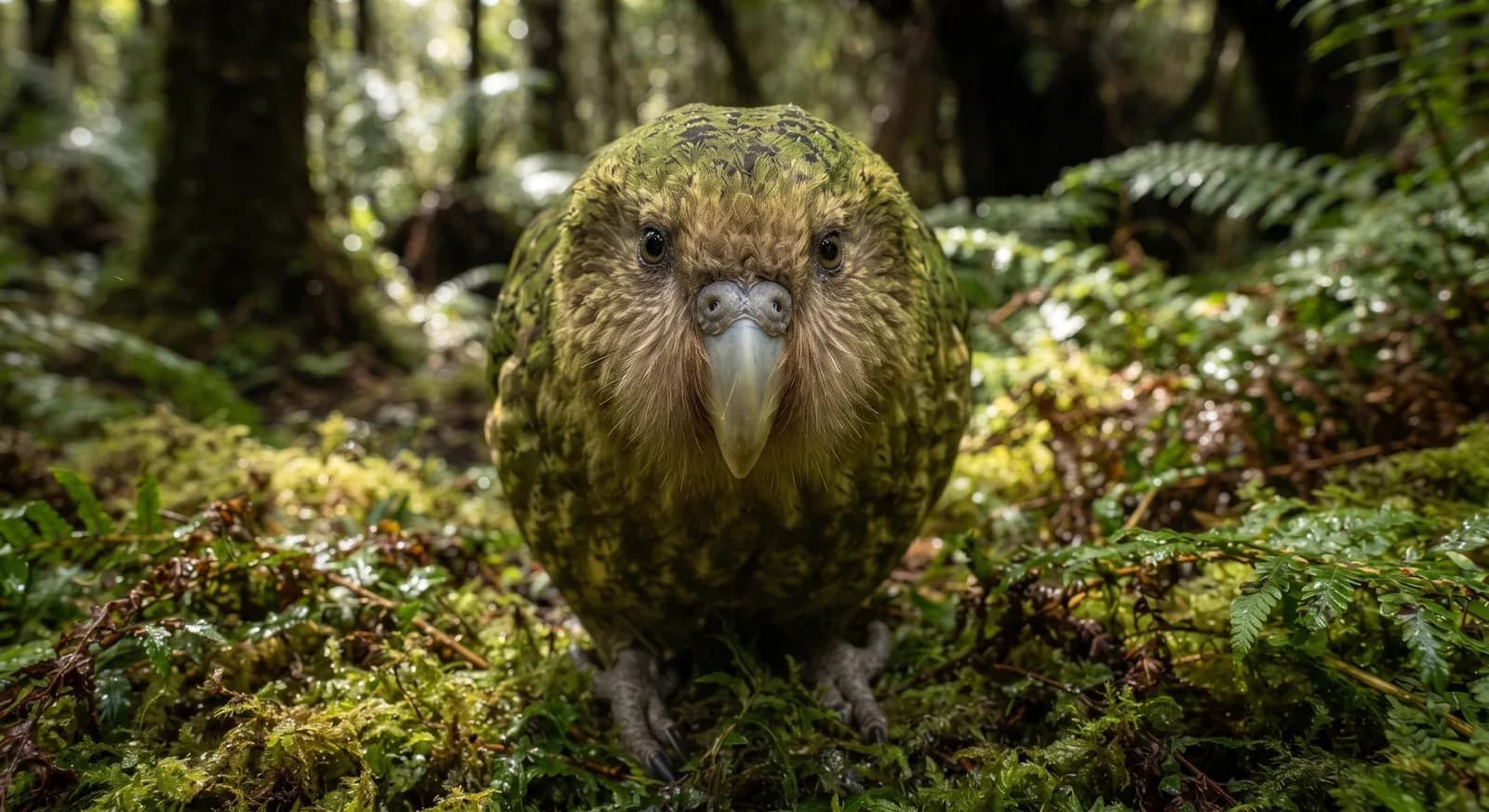
The kākāpō is the only flightless parrot in the world and also the heaviest: it can top three kilos, is nocturnal, smells of flowers and breeds only in years when the rimu fruits, which can mean waits of two to four years. Little more than two hundred are left, every one with its own name, health record, radio tracking and a level of individual monitoring probably given to no other wild animal on the planet.

Biodiversity profile

Conservation

The country has taken on the goal of eradicating rats, stoats and possums from its entire territory by 2050, a project on a scale never attempted anywhere. The tuatara, sole survivor of an order of reptiles that split from the rest more than two hundred million years ago, survives thanks to rodent-free islands.

Where and when to watch wildlife

Fiordland in the austral summer for kea and mountain birds. The Otago peninsula year-round for albatrosses and yellow-eyed penguins. Kaikōura for sperm whales and Hector's dolphins.

Natural phenomena in New Zealand

  • Resident sperm whales in the Kaikoura Canyon — Year-round

Parks and reserves

National Park

Aoraki/Mount Cook

It protects Aoraki, New Zealand's highest peak and the cradle of New Zealand mountaineering, where Edmund Hillary trained

See park
National Park

Fiordland

New Zealand's largest national park; it takes in Milford Sound, which Rudyard Kipling called the eighth wonder of the world

See park
World Heritage Site (Natural)

New Zealand Sub-Antarctic Islands

Five Southern Ocean archipelagos with the greatest seabird diversity on the planet.

See park
National Park

Mount Aspiring

Nicknamed the Matterhorn of New Zealand for its near-perfect pyramid, visible from a great distance

See park
World Heritage Site (Natural)

Te Wahipounamu

The "place of greenstone": fjords, glaciers and relict Gondwanan forests in the south-west of the South Island.

See park
National Park

Tongariro

New Zealand's first national park and the fourth in the world; the only one voluntarily gifted by the indigenous people who owned it

See park
National Park

Westland Tai Poutini

The Franz Josef and Fox glaciers descending almost into temperate rainforest, a few kilometres from the sea.

See park
National Park

Abel Tasman

New Zealand's smallest national park but one of the most visited, with golden beaches reachable only on foot or by kayak

See park
National Park

Egmont/Taranaki

Mount Taranaki is an almost perfectly conical volcano, so symmetrical that it often doubles for Mount Fuji in films

See park
National Park

Kahurangi

New Zealand's second largest national park; it holds more than 80% of all the country's plant species

See park
National Park

Nelson Lakes

Two large glacial lakes, Rotoiti and Rotoroa, ringed by all but untouched native beech forest

See park
National Park

Paparoa

The Pancake Rocks, limestone formations stacked like pancakes, with blowholes that force seawater out under pressure

See park
National Park

Arthur's Pass

The first national park on New Zealand's South Island; the kea, the only alpine parrot in the world, is a regular in its high country

See park
National Park

Rakiura (Stewart Island)

It covers 85% of New Zealand's third main island; one of the best places in the world to see wild kiwi by day

See park
Protected area with its own legal personality

Te Urewera

In 2014 it became the first natural area in the world to be granted its own legal personality, ceasing to be anyone's property

See park
National Park

Whanganui

The Whanganui River, which runs through the park, was granted its own legal personality in 2017, as a living being with legal rights

See park

Diving and snorkelling

Wreck/Temperate reef

Bay of Islands

It holds the remains of Greenpeace's Rainbow Warrior, sunk in 1985; temperate water rich in biodiversity.

See dive site
Alpine freshwater lake

Blue Lake (Nelson Lakes)

Certified by New Zealand scientists as the clearest natural water ever measured, with visibility comparable to air.

See dive site
Cave/Rocky reef

Cathedral Cove

A limestone arch formation famous from film appearances, with temperate rocky reefs around it.

See dive site
Cold-water fjord

Fiordland (Milford Sound)

A unique phenomenon: a dark freshwater layer lets black coral grow at barely 10 m.

See dive site
Temperate rocky reef

Goat Island Marine Reserve

New Zealand's first marine reserve (1975), with a notable recovery of fish after decades of complete protection.

See dive site
Cold-water wreck

Mikhail Lermontov wreck

A Soviet liner of 175.8 m and some 20,000 tonnes, built at Wismar in 1972. On 16 February 1986 she struck the rocks off Cape Jackson, in the Marlborough Sounds, with her hull opened in three places; she limped as far as Port Gore and sank that same night. Of the 738 people aboard only one died, the refrigeration engineer Pavel Zaglyadimov. She lies whole on her starboard side, with the port bow at 12-14 m and the seabed at 36-38, which makes her the largest diveable wreck in Australasia.

See dive site
Wreck / Artificial reef

Rainbow Warrior wreck

The Greenpeace flagship, originally the British trawler Sir William Hardy (1955), some 40 m long. On the night of 10 July 1985 French secret service agents placed two bombs on her hull in Auckland harbour, as she was preparing to protest against French nuclear testing at Mururoa. The damage made repair impossible and in 1987 she was deliberately sunk off the Cavalli Islands as an artificial reef. She rests on sand at 26 m, with the shallowest part at around 14.

See dive site
Sea cave (the largest in the world)

Poor Knights Islands

A volcanic marine reserve listed by Cousteau among the ten best dive sites in the world for its caves and arches.

See dive site
Subantarctic kelp forest

Stewart Island (Foveaux Strait)

New Zealand's southernmost inhabited point, with subantarctic water rich in endemic wildlife and giant kelp.

See dive site
Actively volcanic/Fumaroles

White Island (Whakaari)

An active volcano with underwater fumaroles nearby; land access has been restricted since the 2019 eruption, but diving around it continues.

See dive site

Wildlife you can see now

What is worth looking out for this month in New Zealand?
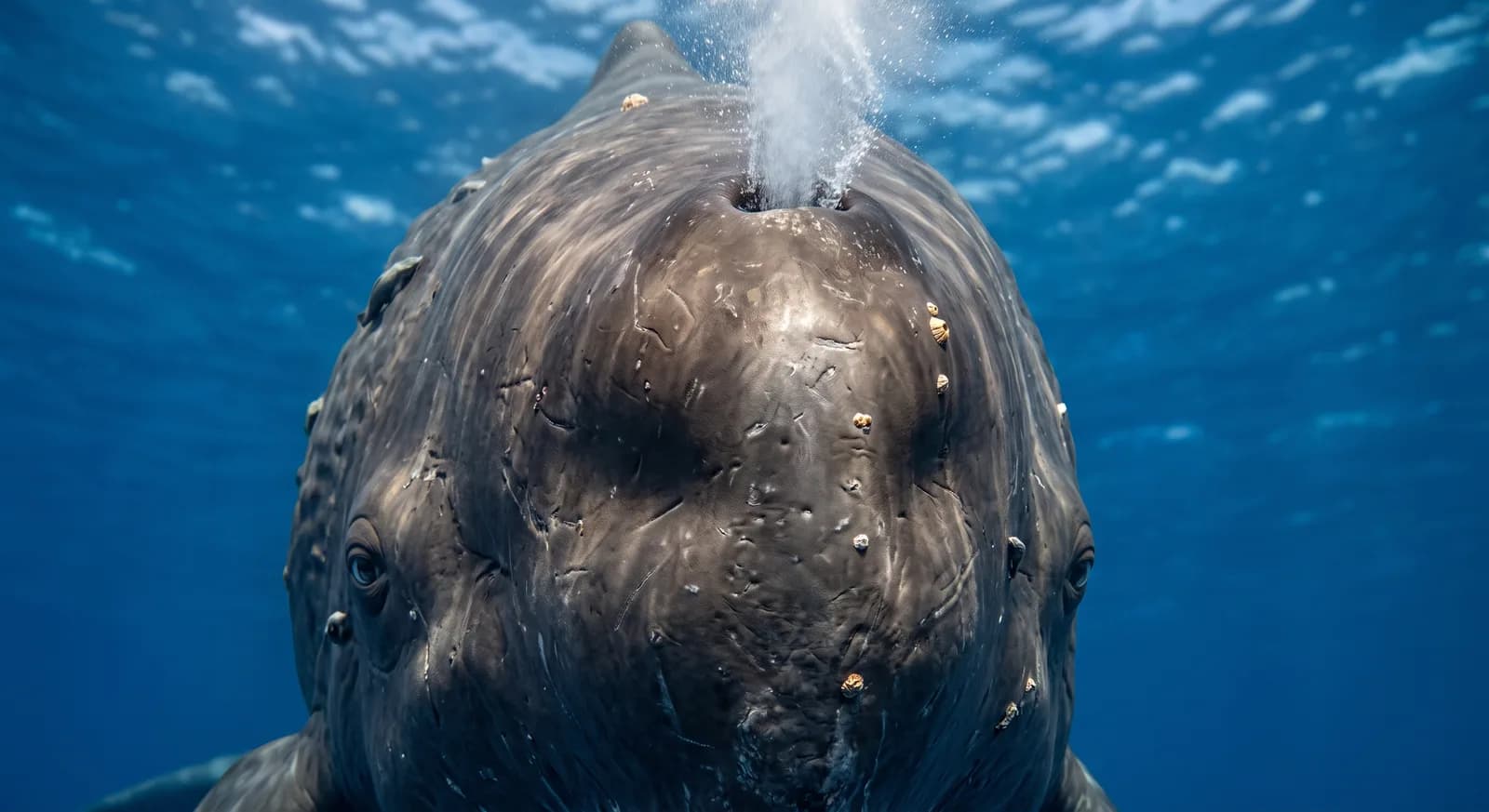
Sperm WhaleVulnerable

Sperm Whale

Physeter macrocephalus

Now is a good time: Resident sperm whales in the Kaikoura Canyon (Year-round)

Similar countries

Where else might I want to travel?

Papua New Guinea

Same region: Oceania

Palau

Same region: Oceania

Solomon Islands

Same region: Oceania

Vanuatu

Same region: Oceania

Species documented in New Zealand

Filter
Class
Family
Habitat
Diet
Conservation

148 species found

Related guides

  • Birds in New Zealand14 species
  • Threatened birds of New Zealand14 species
  • Mammals in New Zealand14 species
  • Threatened fish of New Zealand12 species
  • Threatened mammals of New Zealand9 species
  • Fish in New Zealand4 species

Keep exploring

Based on what we already know about New Zealand.
ParkAoraki/Mount CookDivingBay of Islands

Explore on the map

Interactive map

This page in other languages: Español · Deutsch · Français · Português · Italiano
KakapoCritically Endangered

Kakapo

Strigops habroptilus

Grey-Headed AlbatrossEndangered

Grey-Headed Albatross

Thalassarche chrysostoma

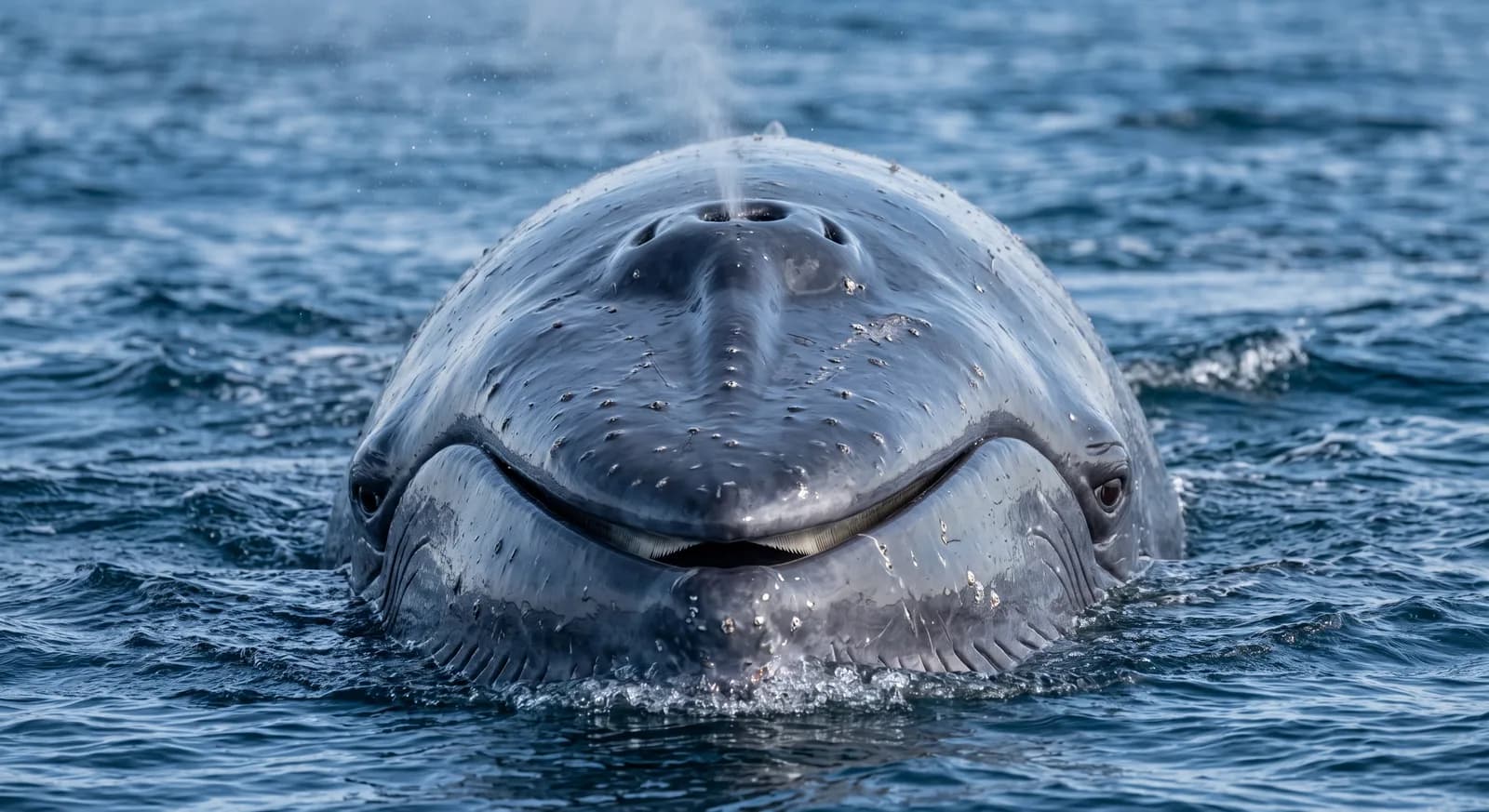
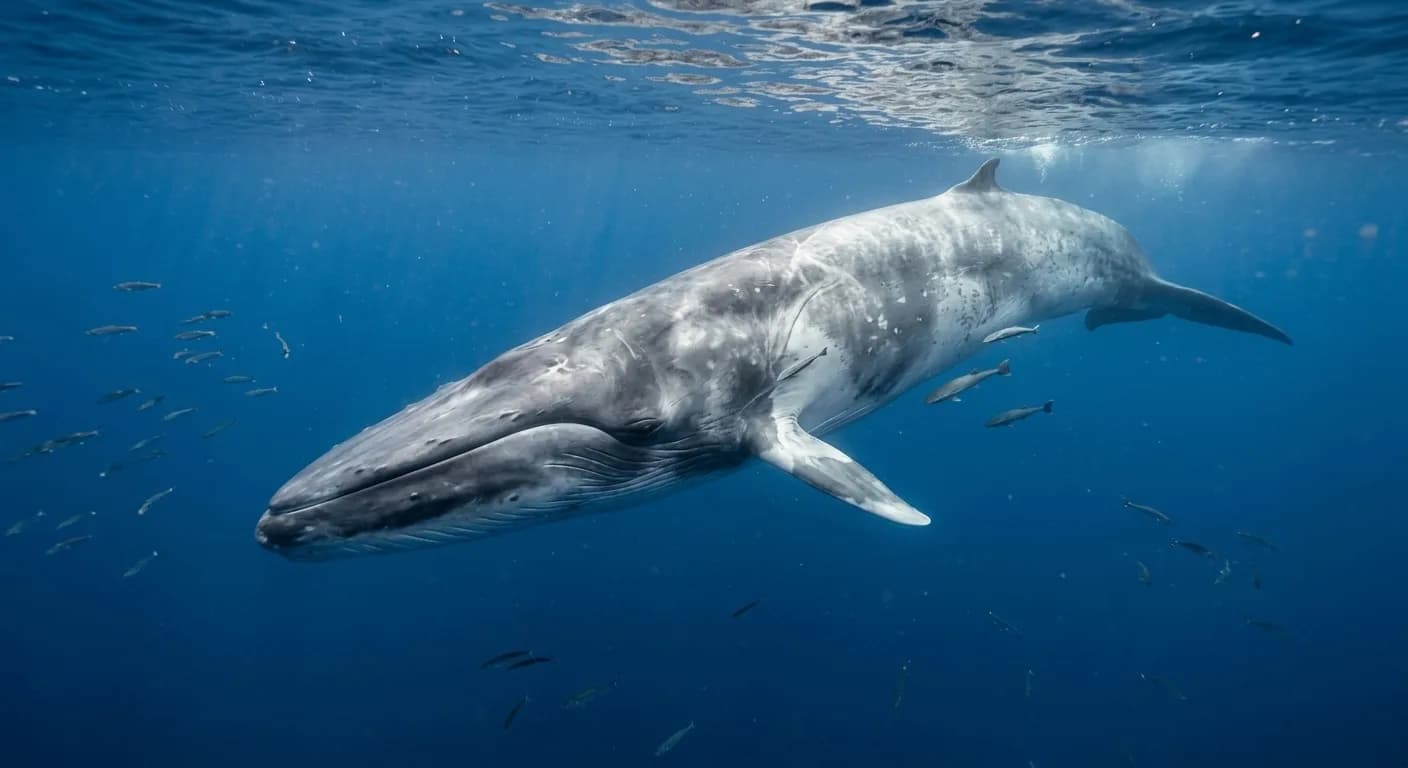
Blue WhaleEndangered

Blue Whale

Balaenoptera musculus

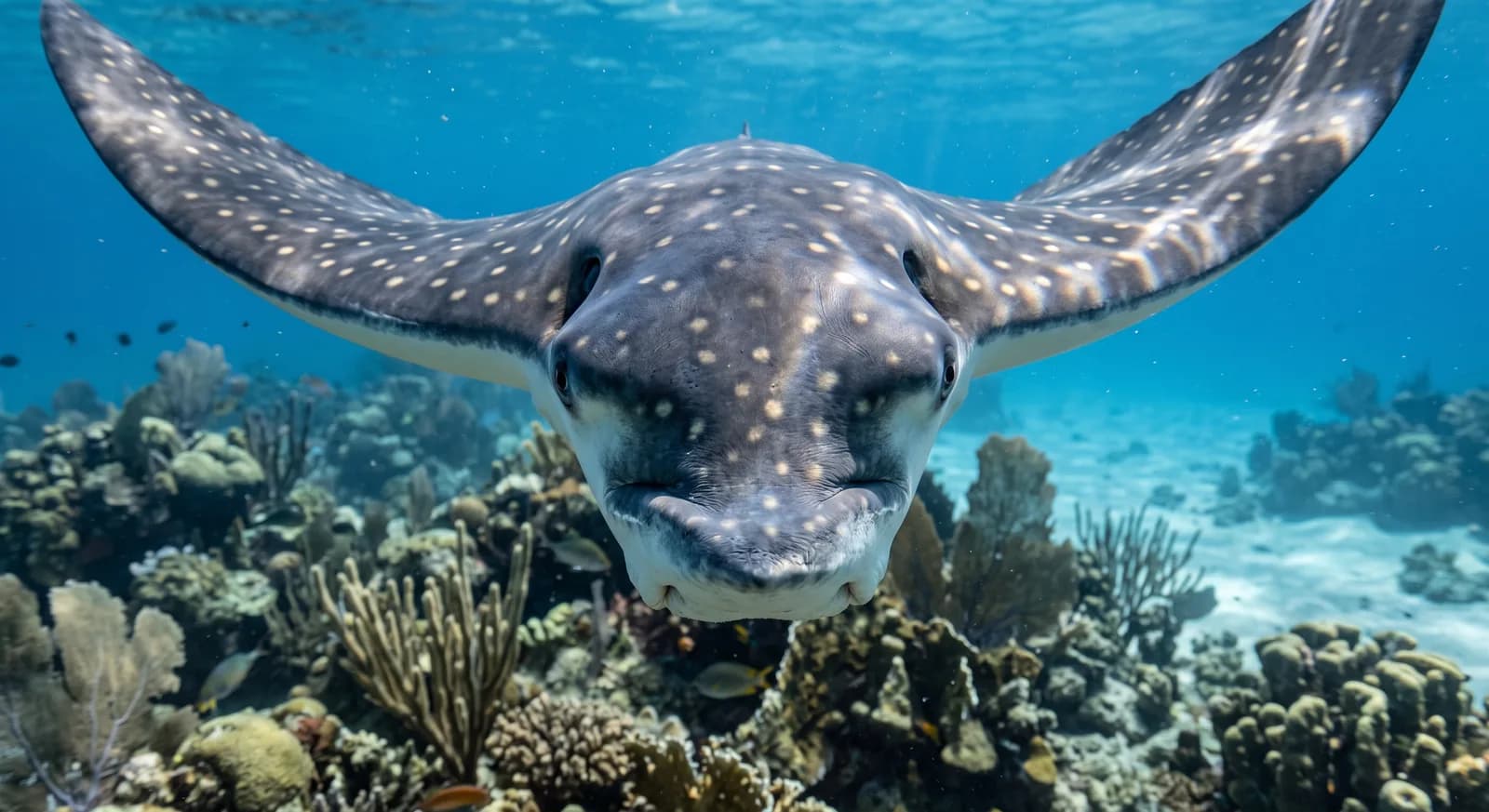
Spotted Eagle RayEndangered

Spotted Eagle Ray

Aetobatus narinari

New Zealand KakaEndangered

New Zealand Kaka

Nestor meridionalis

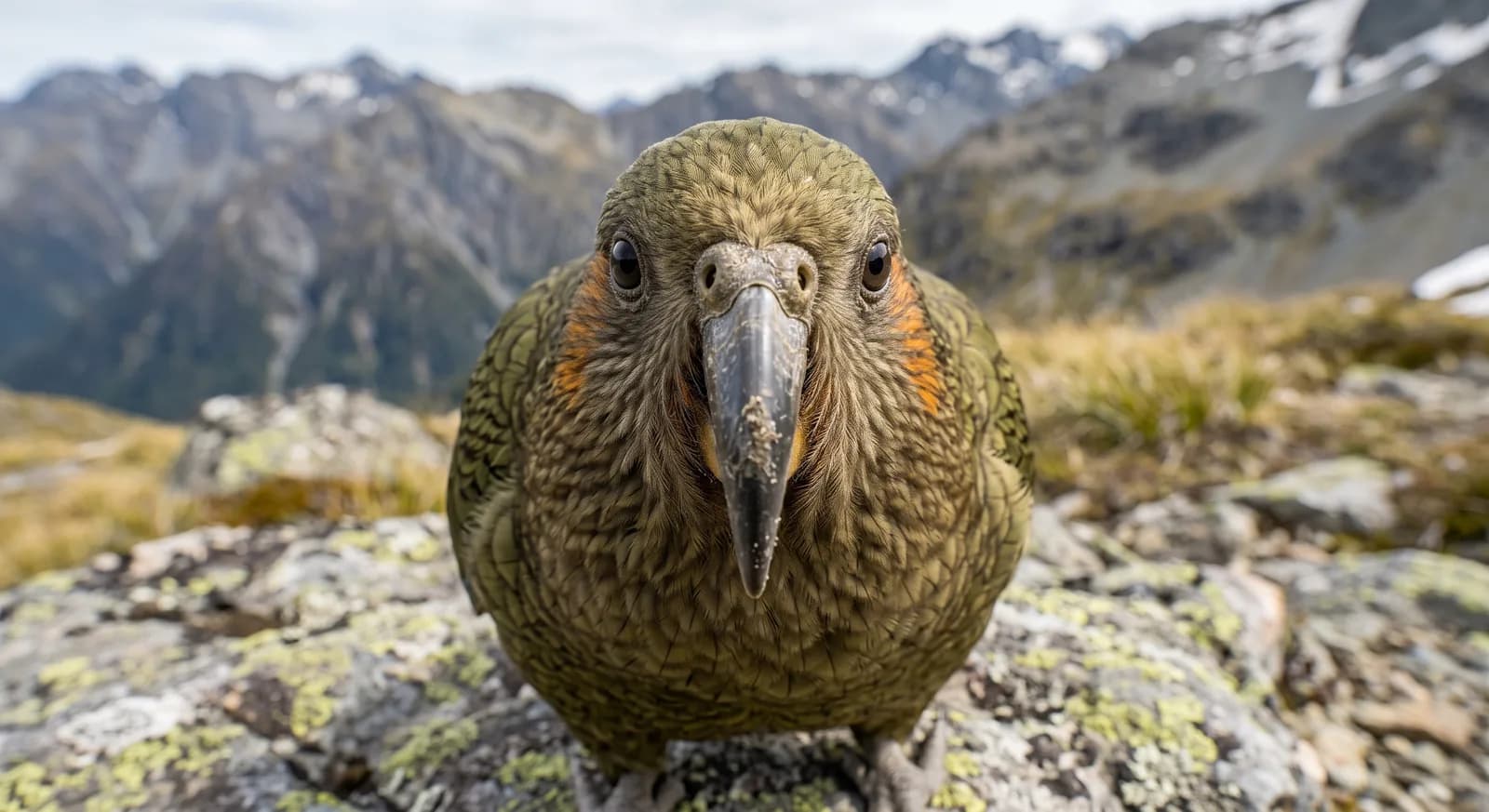
KeaEndangered

Kea

Nestor notabilis

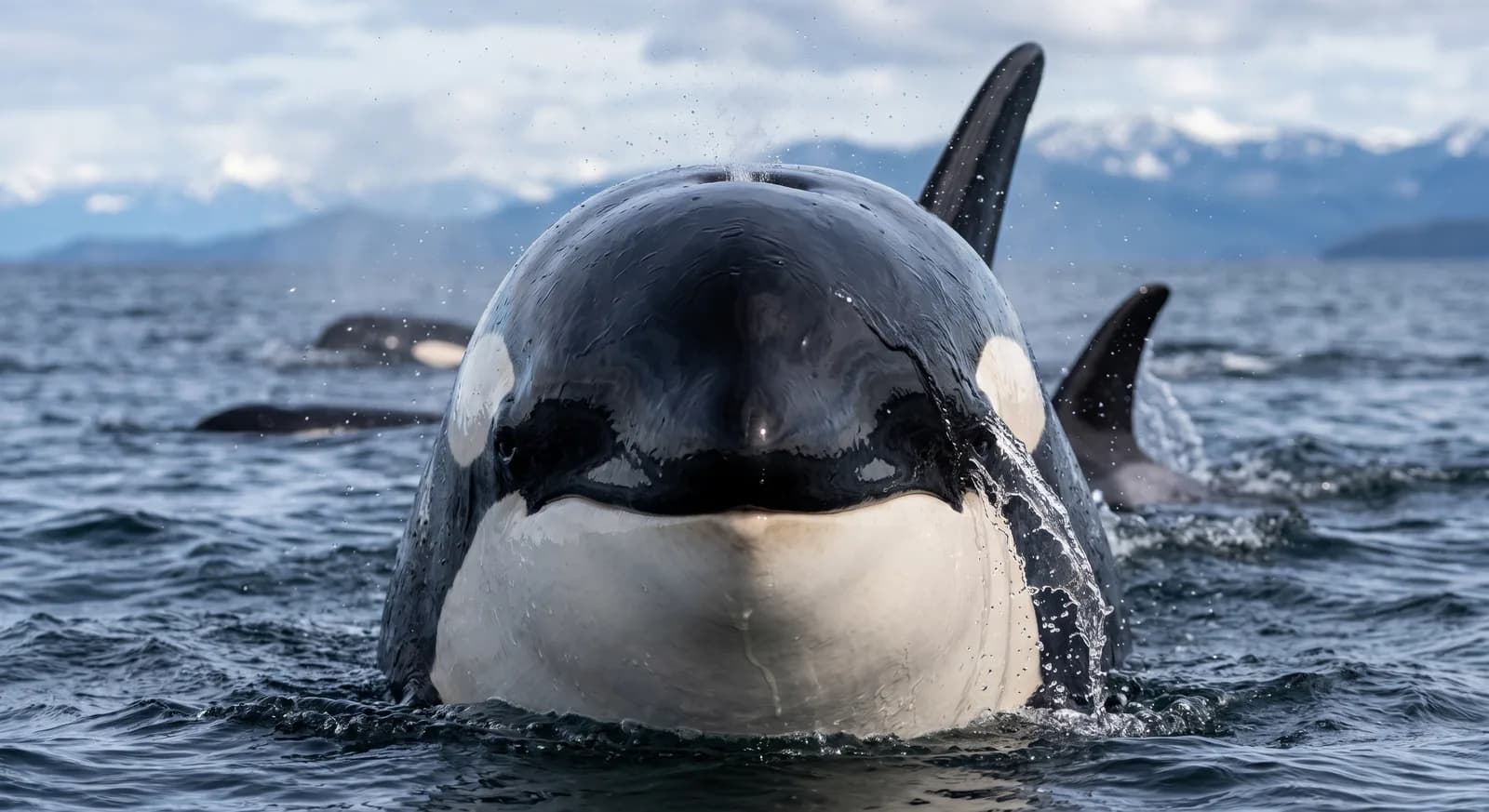
Killer WhaleEndangered

Killer Whale

Orcinus orca

Yellow-eyed PenguinEndangered

Yellow-eyed Penguin

Megadyptes antipodes

Sei WhaleEndangered

Sei Whale

Balaenoptera borealis

Fin WhaleEndangered

Fin Whale

Balaenoptera physalus

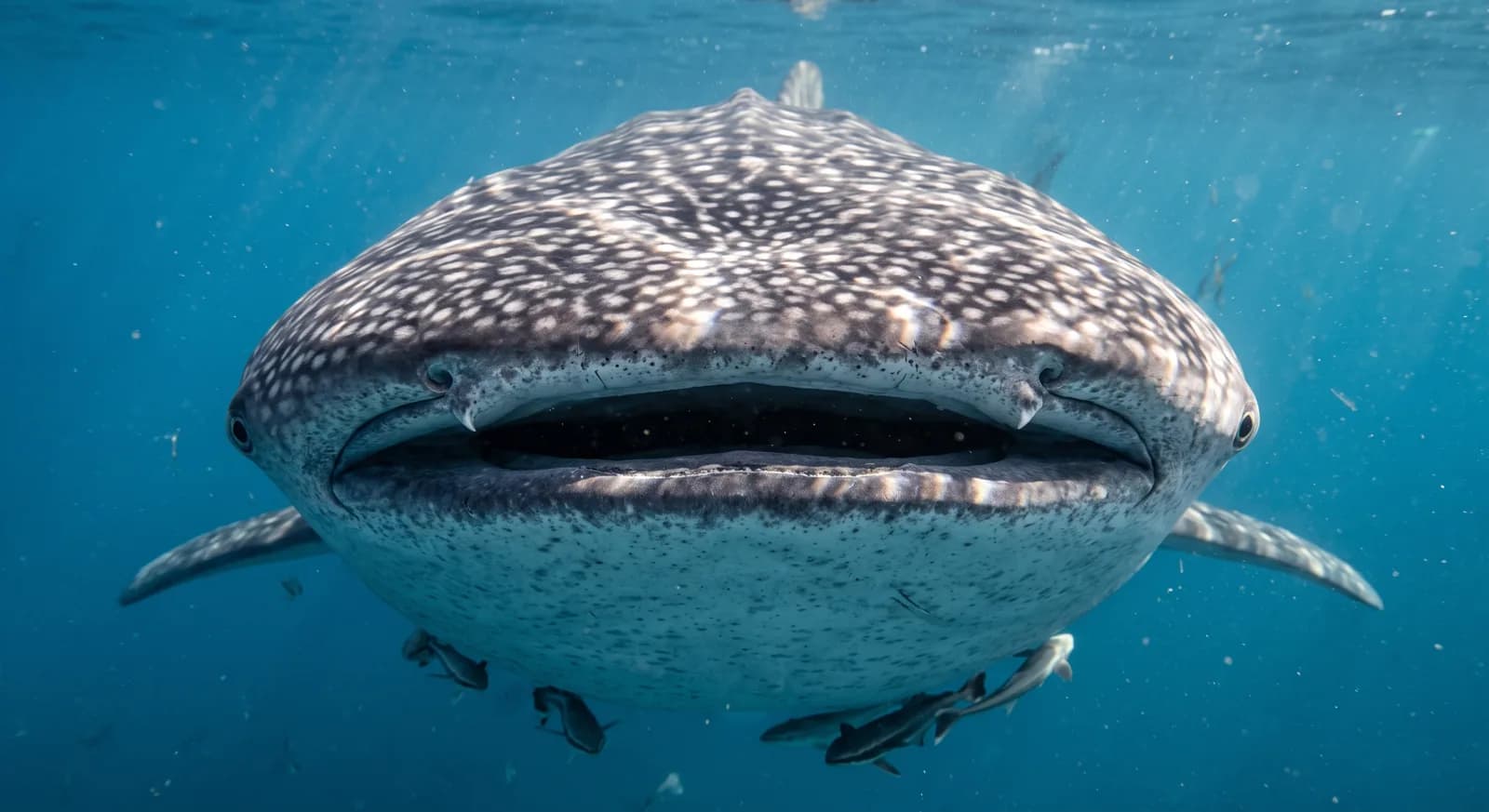
Whale SharkEndangered

Whale Shark

Rhincodon typus

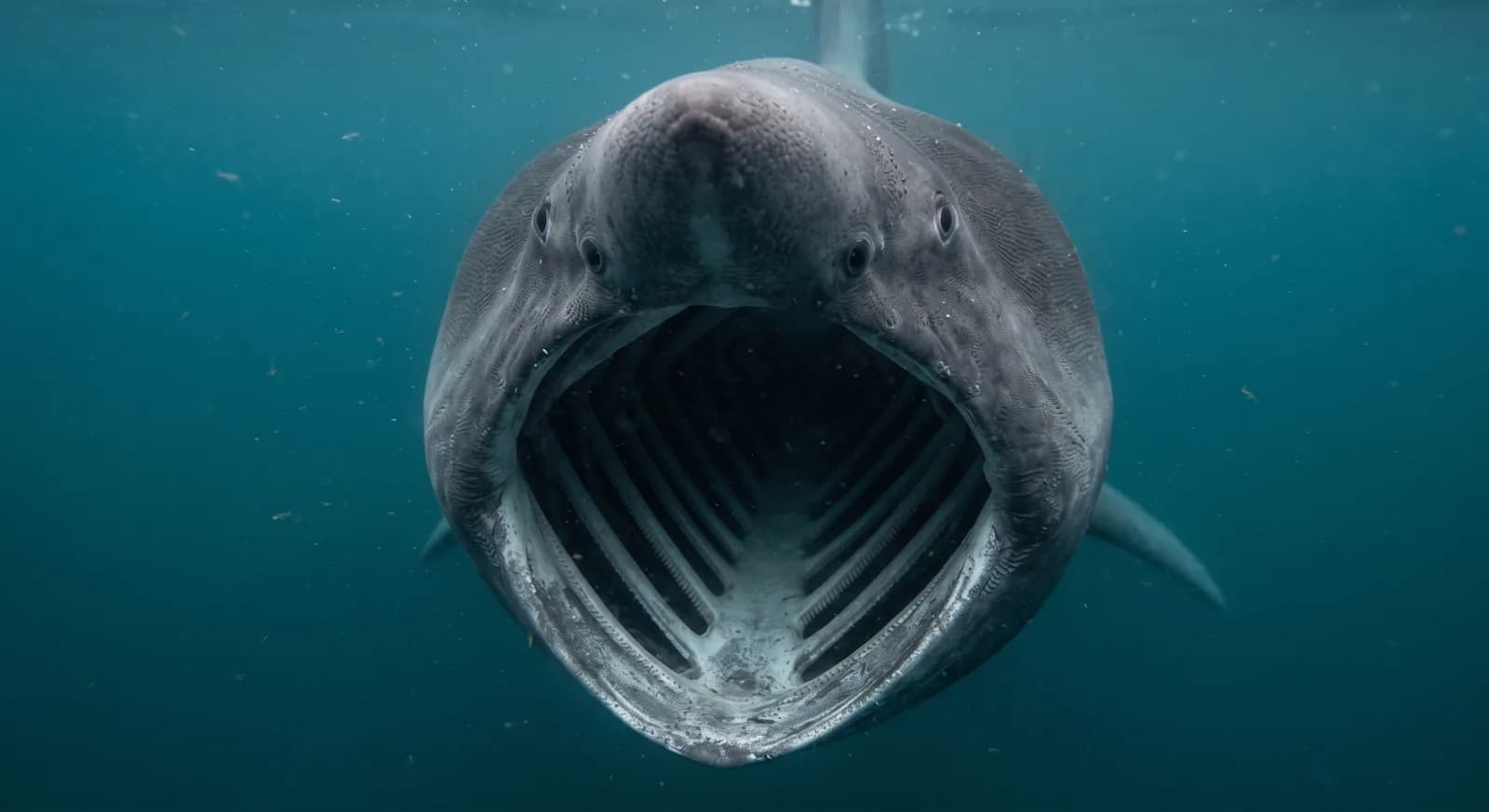
Basking SharkEndangered

Basking Shark

Cetorhinus maximus

Page 1 of 13
Temperate forest
Grassland
Freshwater