Two large glacial lakes, Rotoiti and Rotoroa, ringed by all but untouched native beech forest
Area
1,018 km²
Protection category
IUCN II
Parque nacional —
Designated in
1956
Declared in 1956, it protects two large lakes of glacial origin, Rotoiti and Rotoroa, cut by the advance and later retreat of glaciers during the last ice age and ringed by extensive, practically untouched forests of southern beech (Nothofagus). The park hosts one of the most intensive introduced-predator control programmes in New Zealand, centred on protecting native bird species such as the mohua, whose populations collapsed after Europeans introduced stoats, rats and possums, all of them nest predators against which New Zealand birds — evolved over millions of years without predatory land mammals — have no natural defences.
1 dive site within 300 km is also shown.
Threatened:
Ecosystems found in New Zealand, where Nelson Lakes lies.
Where can I dive near here?
3 km away
What is worth looking out for this month in New Zealand?
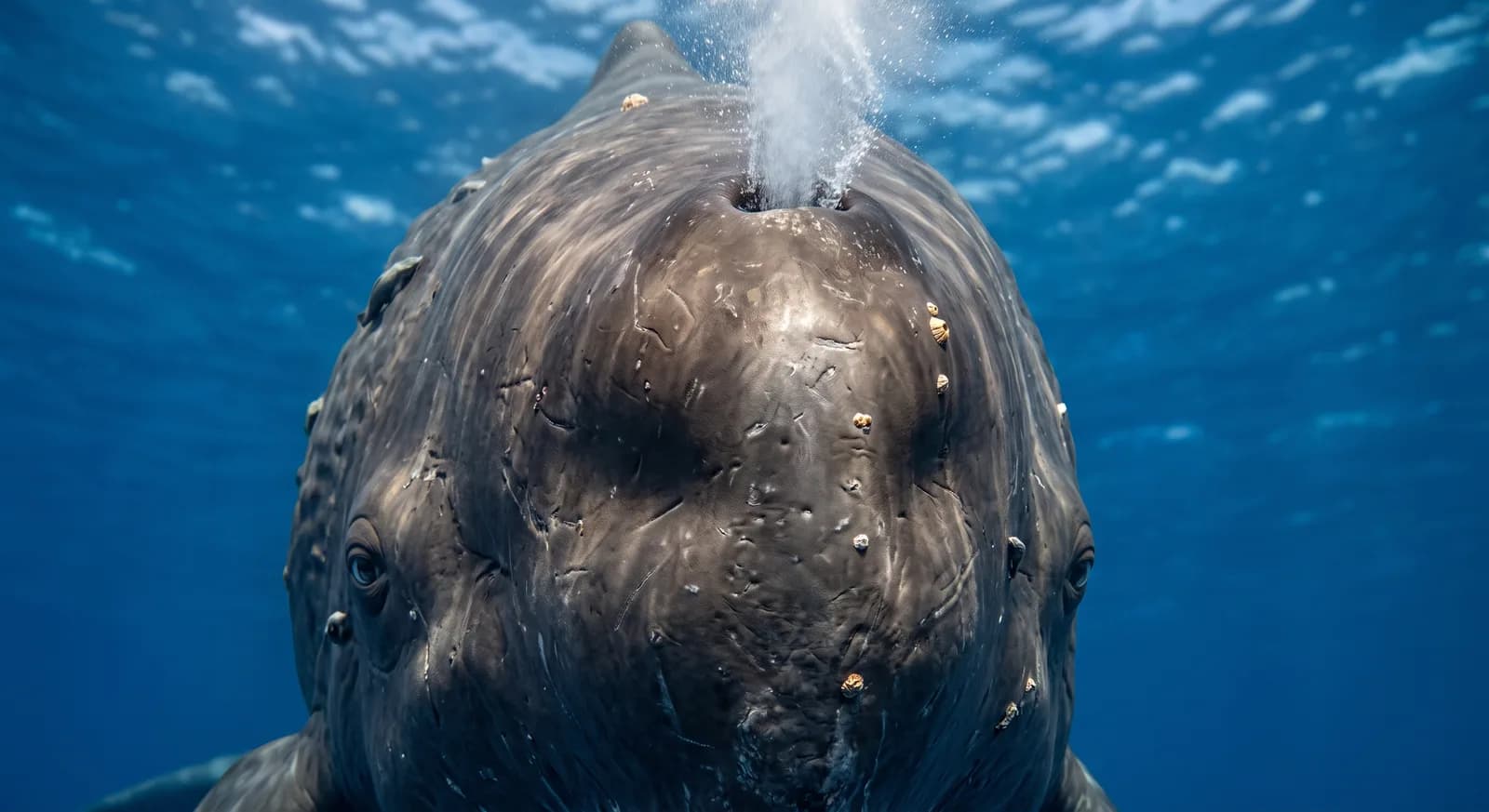
Now is a good time: Resident sperm whales in the Kaikoura Canyon (Year-round)
Which other parks are like this one?
Same country: New Zealand
Based on what we already know about this park.
Share your experience visiting Nelson Lakes, or a tip for other travellers.
Be the first to comment.
Region
South Island
Climate
Tropical, Temperate, Mountain
Best season
December to February
EndangeredNew Zealand Kaka
Nestor meridionalis
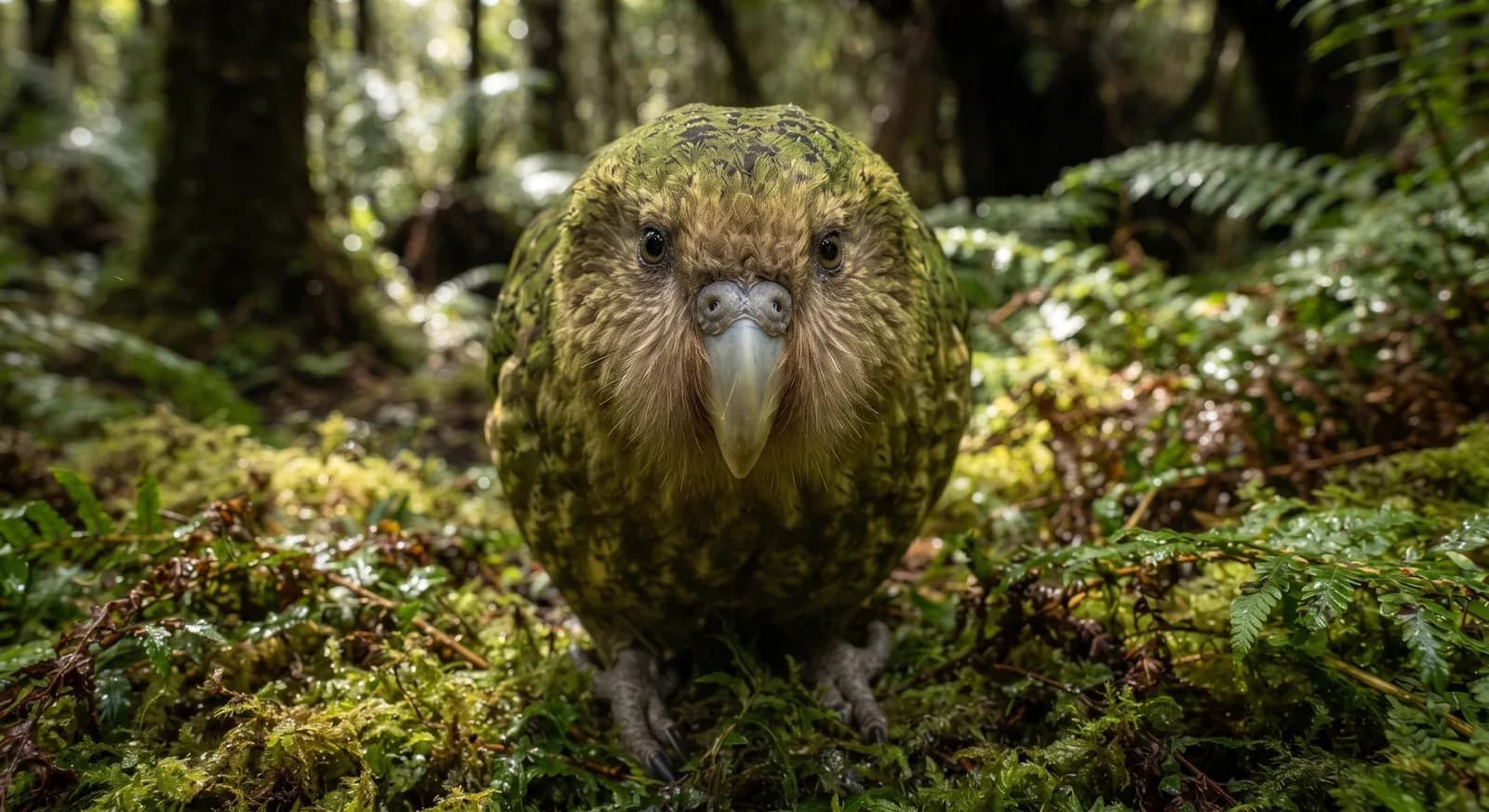
Critically EndangeredKakapo
Strigops habroptilus
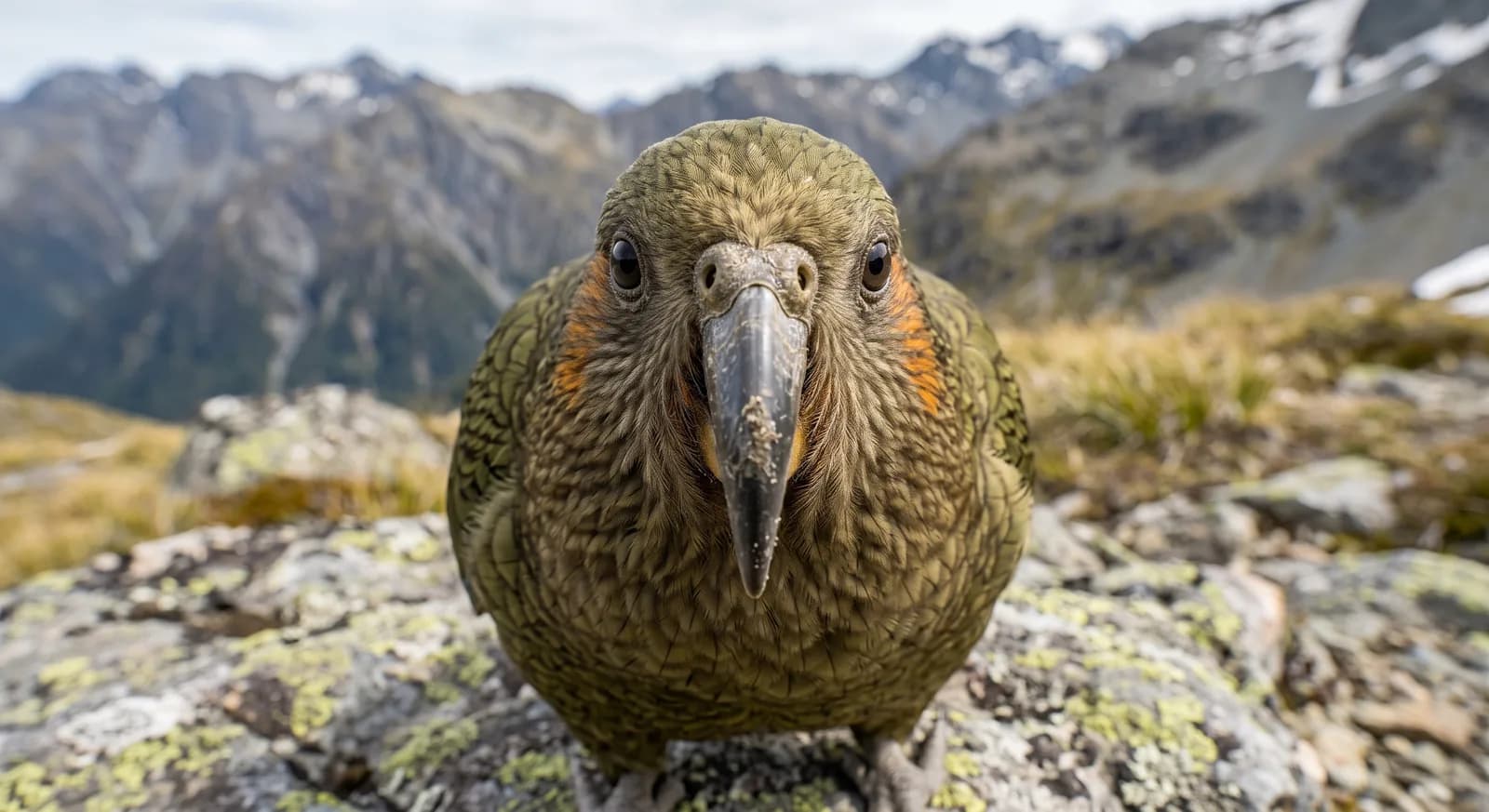
EndangeredKea
Nestor notabilis
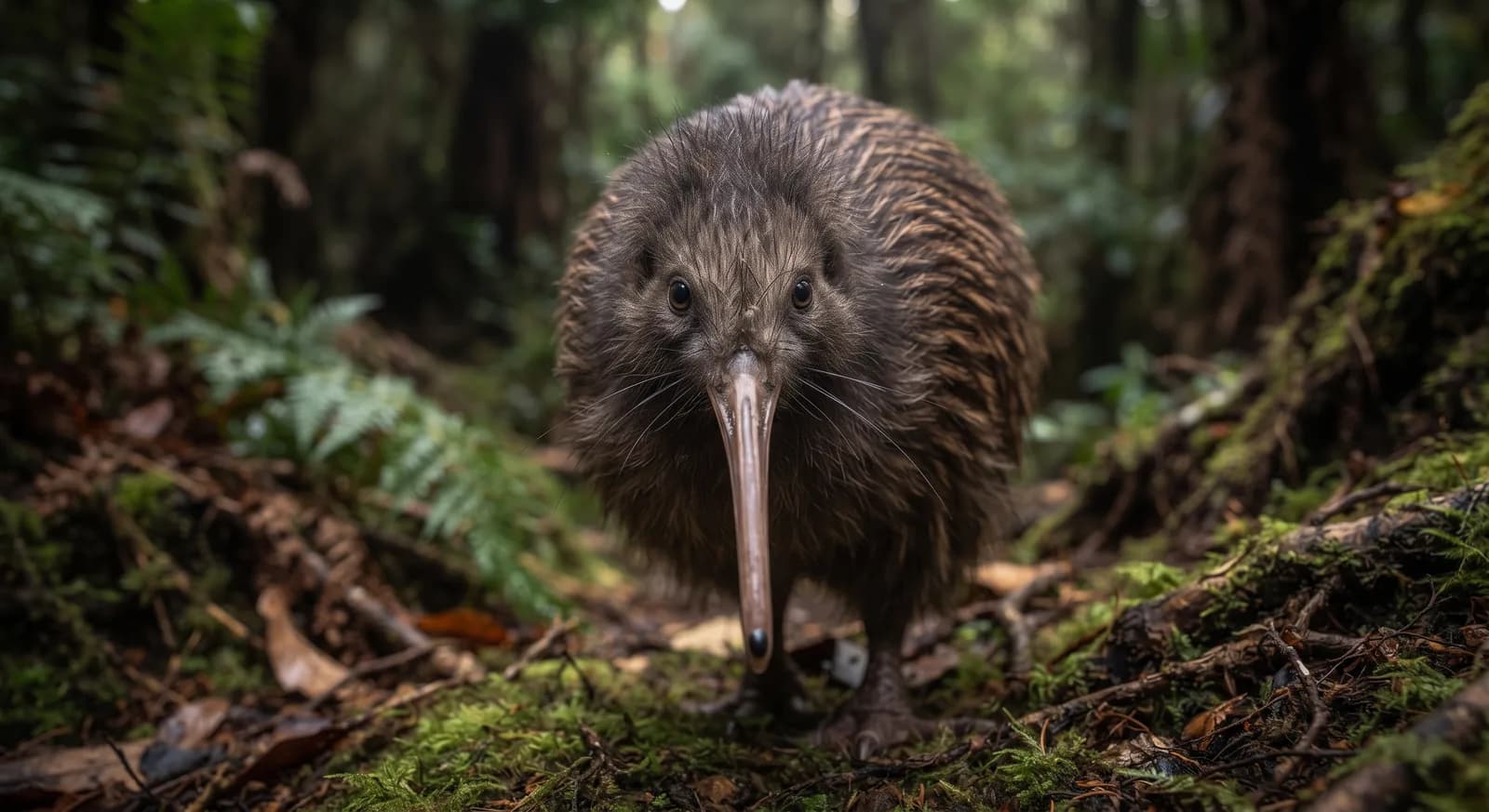
VulnerableGreat Spotted Kiwi
Apteryx haastii
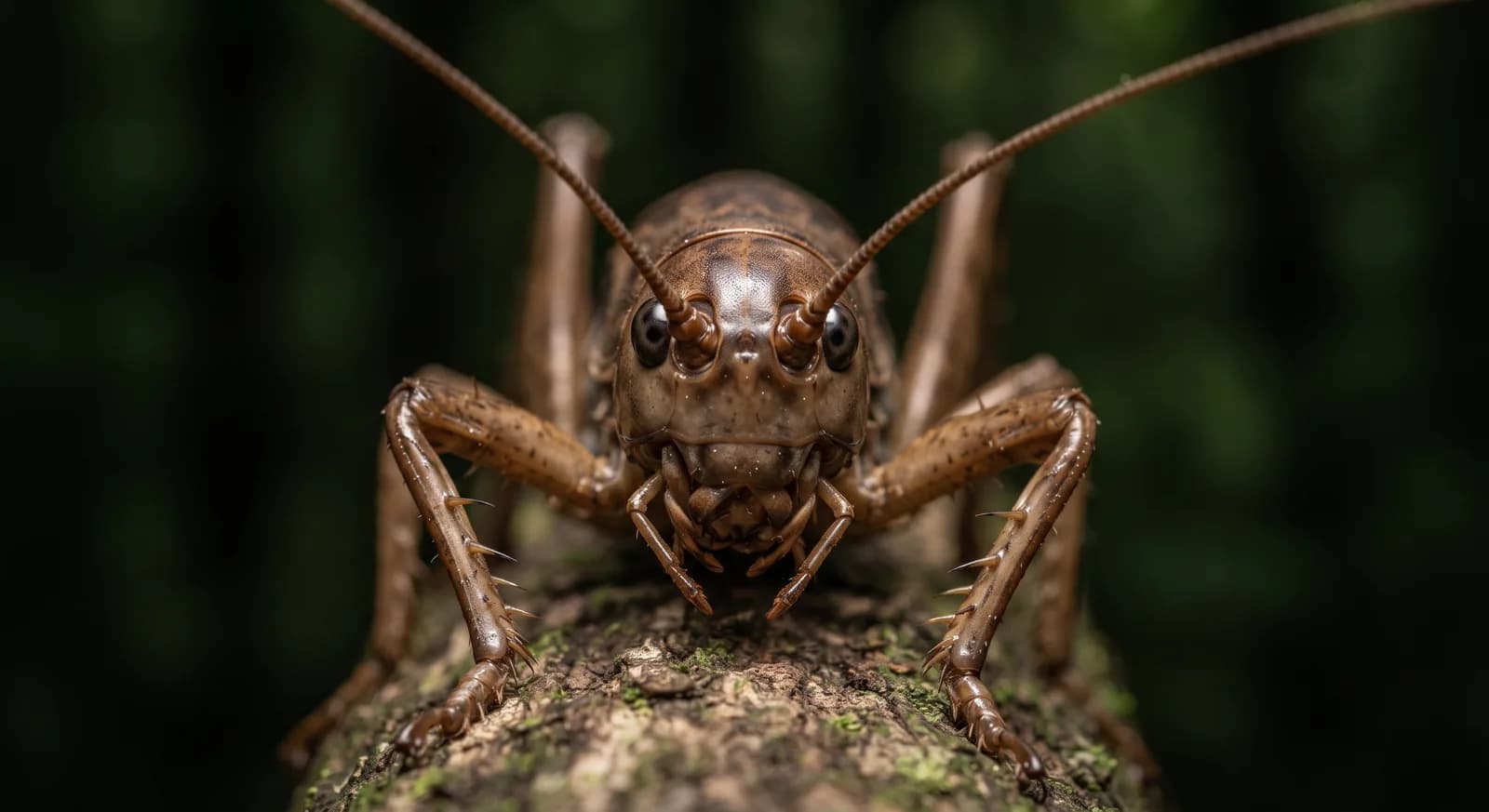
VulnerableWetapunga
Deinacrida heteracantha
Black Swan
Cygnus atratus
Spotted Shag
Phalacrocorax punctatus
Great Pied Cormorant
Phalacrocorax varius
Common Brush-tailed Possum
Trichosurus vulpecula
Fungus Gnat
Arachnocampa luminosa
Australian Magpie
Cracticus tibicen