Skip to content
WAnimals
  • Map
  • Species
  • Parks
  • Diving
Log inCreate account
WAnimals

The guide for travellers and animal lovers: discover, plan and share your wild adventures around the world.

Discover wildlife

  • Species
  • Ecosystems
  • Glossary
  • Tags

Explore places

  • Map
  • Countries
  • Parks
  • Diving

Plan experiences

  • Guides

Learn

  • Blog

Resources

  • About us
  • How we build our profiles
  • Help centre
  • Contact
  • Install the app

Follow us

Account

  • Log in
  • Create account

© 2026 WAnimals. All rights reserved.

Terms of servicePrivacyCookiesLegal notice
MapSpeciesParksDiving
  1. Home
  2. Species
  3. Great Pied Cormorant

One of the 13 cormorants on WAnimals

Birds · Suliformes · Phalacrocoracidae

Great Pied Cormorant

Phalacrocorax varius

Least Concern

The species is abundant and widely distributed; it faces no significant short-term risk.

Spotted something wrong?

The pied cormorant is a black-and-white cormorant that is very common in Australia and New Zealand, on the coast and on inland waters alike. It is told apart by a bare yellow and orange stripe on the face. It fishes alone or in coordinated groups that drive shoals of fish into shallow water. It is one of the most familiar birds of Australian harbours and reservoirs.

Weight

1.7 kg – 2.2 kg

Size

65 cm – 85 cm

Life expectancy

15 years

Diet

Carnivore

Feeds mainly on other animals.

Activity

Diurnal

Active mainly during the day.

Social structure

Colony

Lives in large concentrations, often for breeding reasons.

OceanFreshwater
4countries49parks12same family

Fun facts

  • It fishes in groups with remarkable coordination: dozens of birds advance in a line, driving the shoals of fish into shallow water where they are easier to catch.
  • It is one of the easiest birds to see in Australia: it perches on piles, buoys and harbour railings, always with its wings spread in the sun after each dive.
  • It breeds in mixed colonies with other waterbirds and often reuses the same platform nests for years, enlarging them season after season.

Life cycle and biology

Skeleton type
Vertebrate - internal bony skeleton (bird)
Habitat and environment
Coasts, estuaries, lakes and reservoirs of Australia and New Zealand
Sexual maturity
3 years
Gestation / incubation
28 days of incubation
Litter / clutch size
3 eggs

Sources consulted: Wikipedia (es): Phalacrocorax varius

Where to find it

Loading map…

Where to see it

Parks and dive sites where this species has been documented — showing 10 of 49.

Related species

Other species in the catalogue with the most in common with Great Pied Cormorant — same habitat, park, country, tags or family.

Same taxonomic family
Shares a park
Shares a park
Shares a park
Shares a park
Shares a park

Keep exploring

Based on what we already know about great pied cormorant.

Share an experience, a fun fact or a tip for seeing the great pied cormorant.
See full glossary
This page in other languages: Español · Deutsch · Français · Português · Italiano

The pins mark the parks where its presence is documented.
See its range on the interactive map→
KakaduAustralia
Uluru-Kata TjutaAustralia
Great Barrier ReefAustralia
DaintreeAustralia
Blue MountainsAustralia
K'gari (Fraser Island)Australia
FreycinetAustralia
KosciuszkoAustralia
Nitmiluk (Katherine Gorge)Australia
LitchfieldAustralia
See all 49 parks
Least Concern

Spotted Shag

Phalacrocorax punctatus

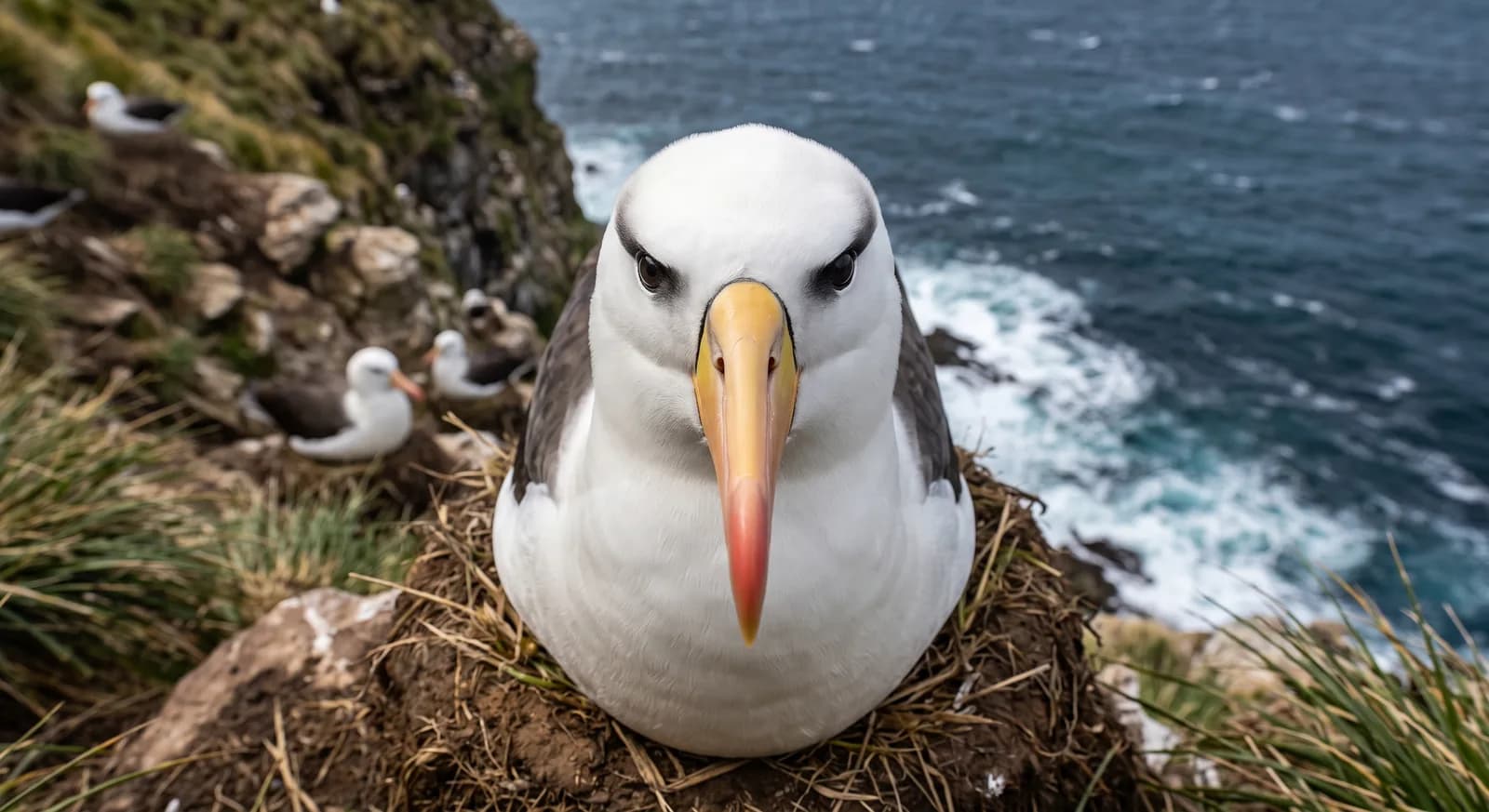
Black-browed AlbatrossLeast Concern

Black-browed Albatross

Thalassarche melanophris

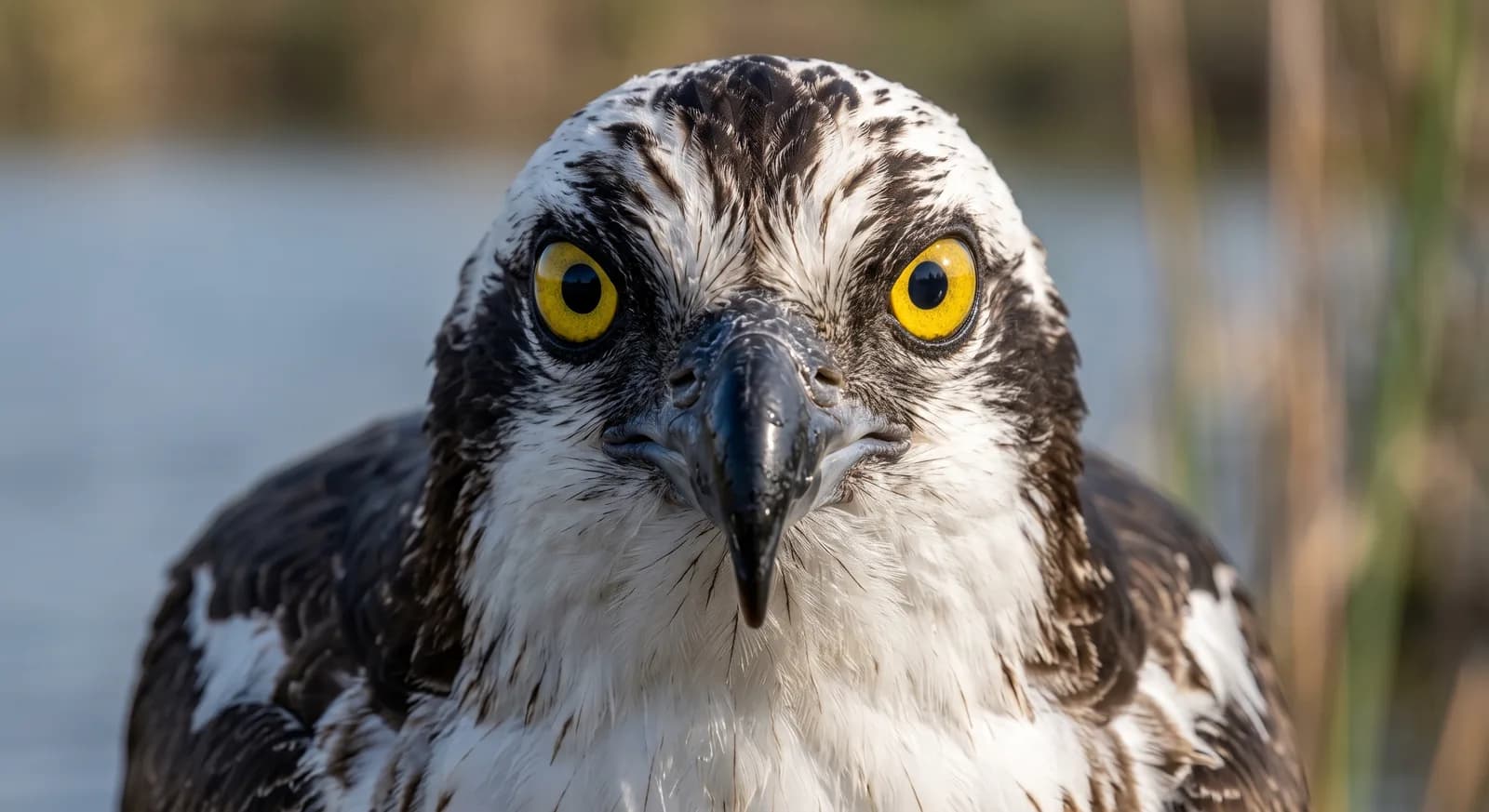
OspreyLeast Concern

Osprey

Pandion haliaetus

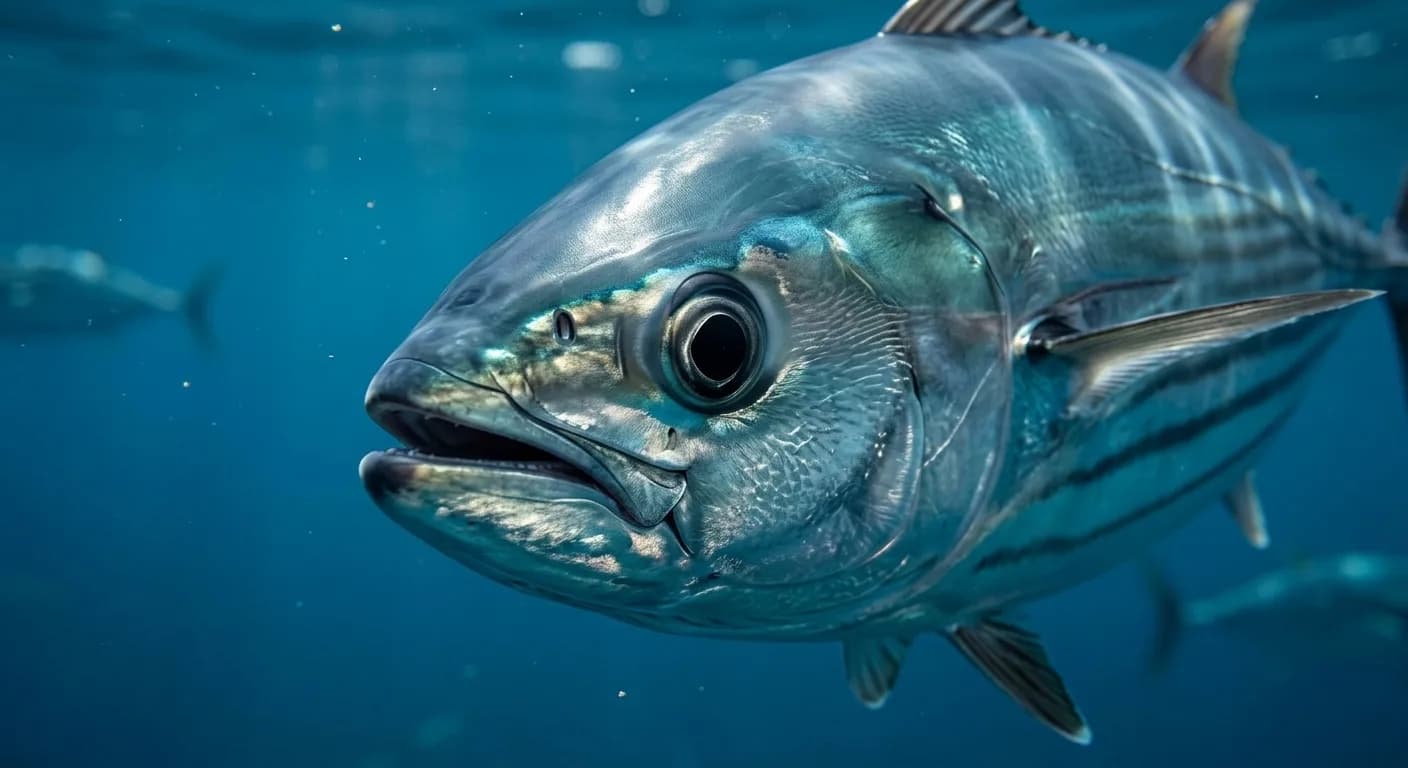
SkipjackLeast Concern

Skipjack

Katsuwonus pelamis

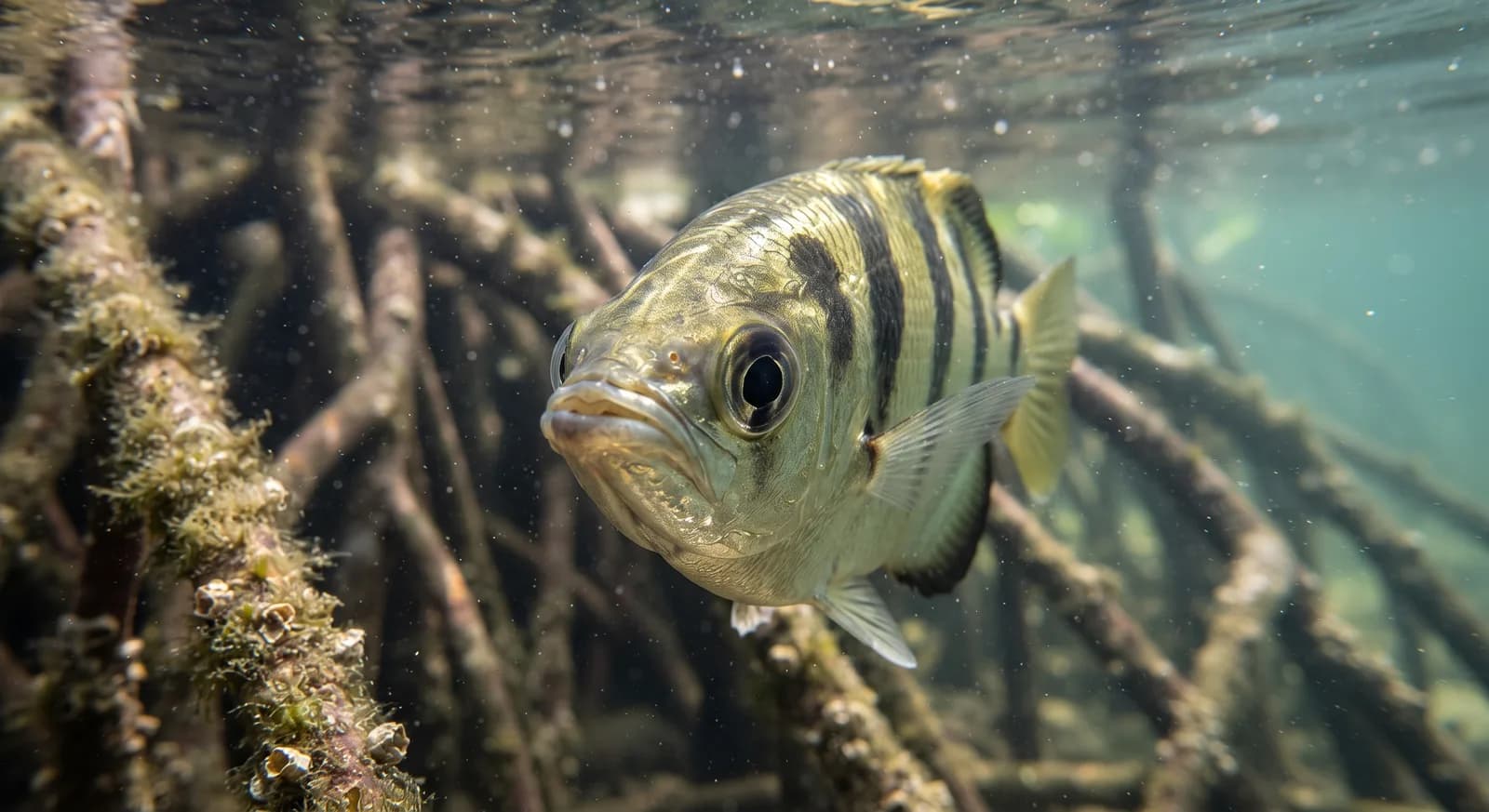
Banded ArcherfishLeast Concern

Banded Archerfish

Toxotes jaculatrix

Least Concern

Little Penguin

Eudyptula minor

CountriesAustralia
ParksKakaduAustralia
TagsCarnivore
Carnivore
Diurnal
Colonial
Bird
Ocean
Freshwater
Australia
New Zealand
Indonesia
Papua New Guinea