Skip to content
WAnimals
  • Map
  • Species
  • Parks
  • Diving
Log inCreate account
WAnimals

The guide for travellers and animal lovers: discover, plan and share your wild adventures around the world.

Discover wildlife

  • Species
  • Ecosystems
  • Glossary
  • Tags

Explore places

  • Map
  • Countries
  • Parks
  • Diving

Plan experiences

  • Guides

Learn

  • Blog

Resources

  • Help centre
  • Contact
  • Install the app

Follow us

Account

  • Log in
  • Create account

© 2026 WAnimals. All rights reserved.

About usHow we build our profilesTerms of servicePrivacyLegal notice
MapSpeciesParksDiving
  1. Home
  2. Species
  3. Spotted Shag

One of the 13 cormorants on WAnimals

Birds · Suliformes · Phalacrocoracidae

Spotted Shag

Phalacrocorax punctatus

Least Concern

The species is abundant and widely distributed; it faces no significant short-term risk.

Spotted something wrong?

The spotted shag is a cormorant endemic to New Zealand, bluish grey with dark speckling on the back, two tufts of feathers on the head in the breeding season and facial skin of intense turquoise green and blue. It breeds in colonies on sea-cliff ledges and fishes in coastal waters, diving to considerable depth.

Weight

1 kg – 2.4 kg

Size

64 cm – 74 cm

Life expectancy

15 years

Diet

Carnivore

Feeds mainly on other animals.

Activity

Diurnal

Active mainly during the day.

Social structure

Colony

Lives in large concentrations, often for breeding reasons.

Sighting difficulty

Easy

OceanIslands
1countries16parks12same family

Fun facts

  • In the breeding season its facial skin takes on a turquoise and green so intense that it looks like make-up, a feature visible only at close range and one that disappears for the rest of the year.
  • It is endemic to New Zealand, a country that holds an exceptional diversity of cormorants: more than a dozen species, many of them restricted to a few islands or fjords.
  • Like all cormorants, it spreads its wings in the sun after each dive because its plumage is not waterproof, which reduces buoyancy and makes diving easier.

Life cycle and biology

Skeleton type
Vertebrate - internal bony skeleton (bird)
Habitat and environment
Rocky coasts, fjords and bays of New Zealand; breeds on cliffs and islets
Sexual maturity
3 years
Gestation / incubation
30 days of incubation
Litter / clutch size
3 eggs

Sources consulted: https://www.iucnredlist.org/ | https://animaldiversity.org/ | https://es.wikipedia.org/

Where to find it

Loading map…

The pins mark the parks where its presence is documented.

Where to see it

Parks and dive sites where this species has been documented — showing 10 of 16.

Related species

Other species in the catalogue with the most in common with Spotted Shag — same habitat, park, country, tags or family.

Same taxonomic family
Shares a park
Shares a park
Shares a park
Shares a park
Shares a park

Keep exploring

Based on what we already know about spotted shag.

Comments

Share an experience, a fun fact or a tip for seeing the spotted shag.

Be the first to comment.
See full glossary
This page in other languages: Español · Deutsch · Français · Português · Italiano
See its range on the interactive map→
FiordlandNew Zealand
TongariroNew Zealand
Aoraki/Mount CookNew Zealand
Abel TasmanNew Zealand
Egmont/TaranakiNew Zealand
PaparoaNew Zealand
Te UreweraNew Zealand
Nelson LakesNew Zealand
WhanganuiNew Zealand
Rakiura (Stewart Island)New Zealand
See all 16 parks
Least Concern

Great Pied Cormorant

Phalacrocorax varius

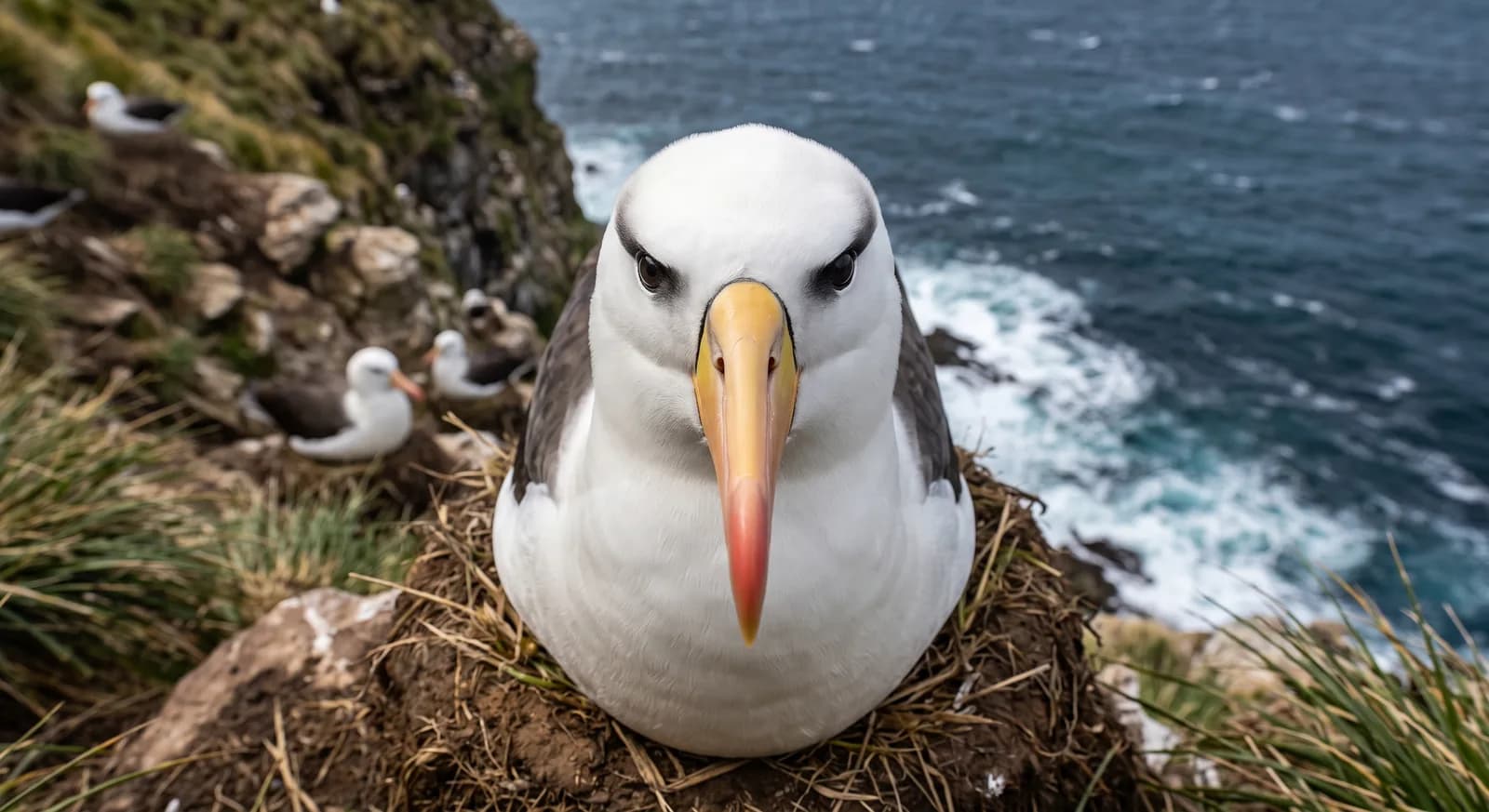
Black-browed AlbatrossLeast Concern

Black-browed Albatross

Thalassarche melanophris

Least Concern

Little Penguin

Eudyptula minor

Least Concern

Common Diving-Petrel

Pelecanoides urinatrix

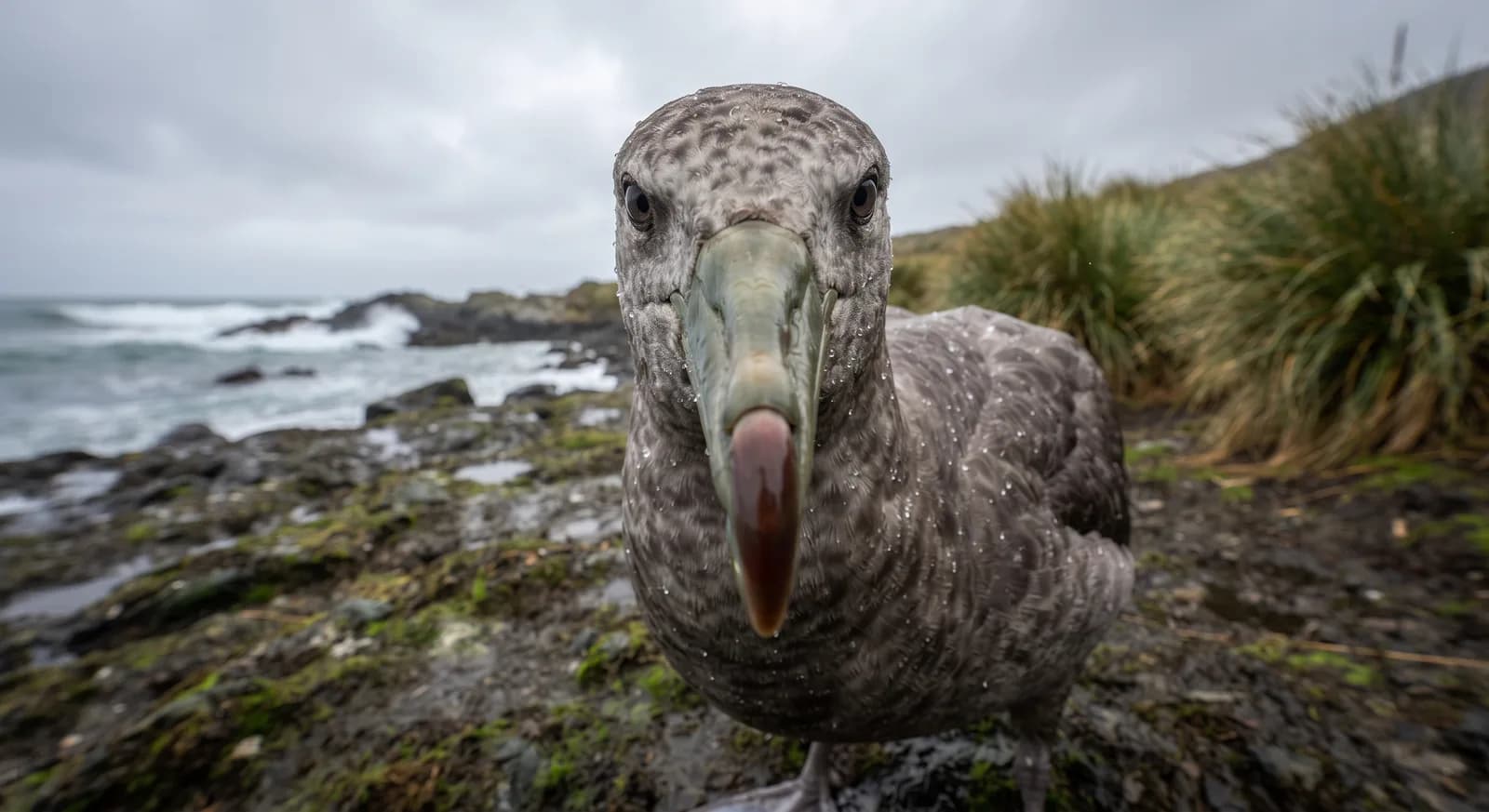
Southern Giant PetrelLeast Concern

Southern Giant Petrel

Macronectes giganteus

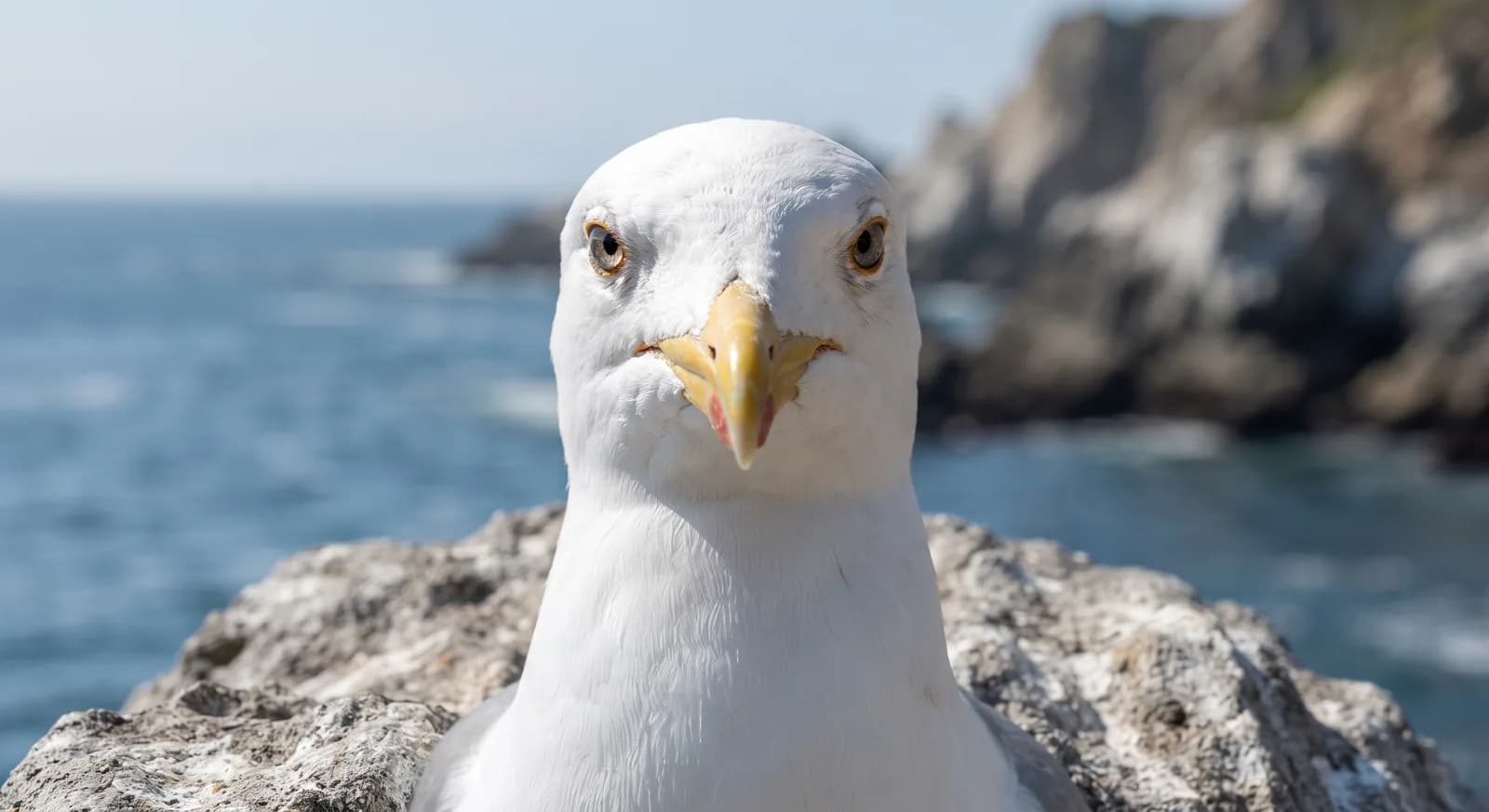
Kelp GullLeast Concern

Kelp Gull

Larus dominicanus

CountriesNew Zealand
ParksFiordlandNew Zealand
TagsCarnivore
Carnivore
Diurnal
Colonial
Bird
Ocean
Islands
New Zealand