Skip to content
WAnimals
  • Map
  • Species
  • Parks
  • Diving
Log inCreate account
WAnimals

The guide for travellers and animal lovers: discover, plan and share your wild adventures around the world.

Discover wildlife

  • Species
  • Ecosystems
  • Glossary
  • Tags

Explore places

  • Map
  • Countries
  • Parks
  • Diving

Plan experiences

  • Guides

Learn

  • Blog

Resources

  • Help centre
  • Contact
  • Install the app

Follow us

Account

  • Log in
  • Create account

© 2026 WAnimals. All rights reserved.

About usHow we build our profilesTerms of servicePrivacyLegal notice
MapSpeciesParksDiving
  1. Home
  2. Species
  3. Kelp Gull

One of the 9 gulls on WAnimals
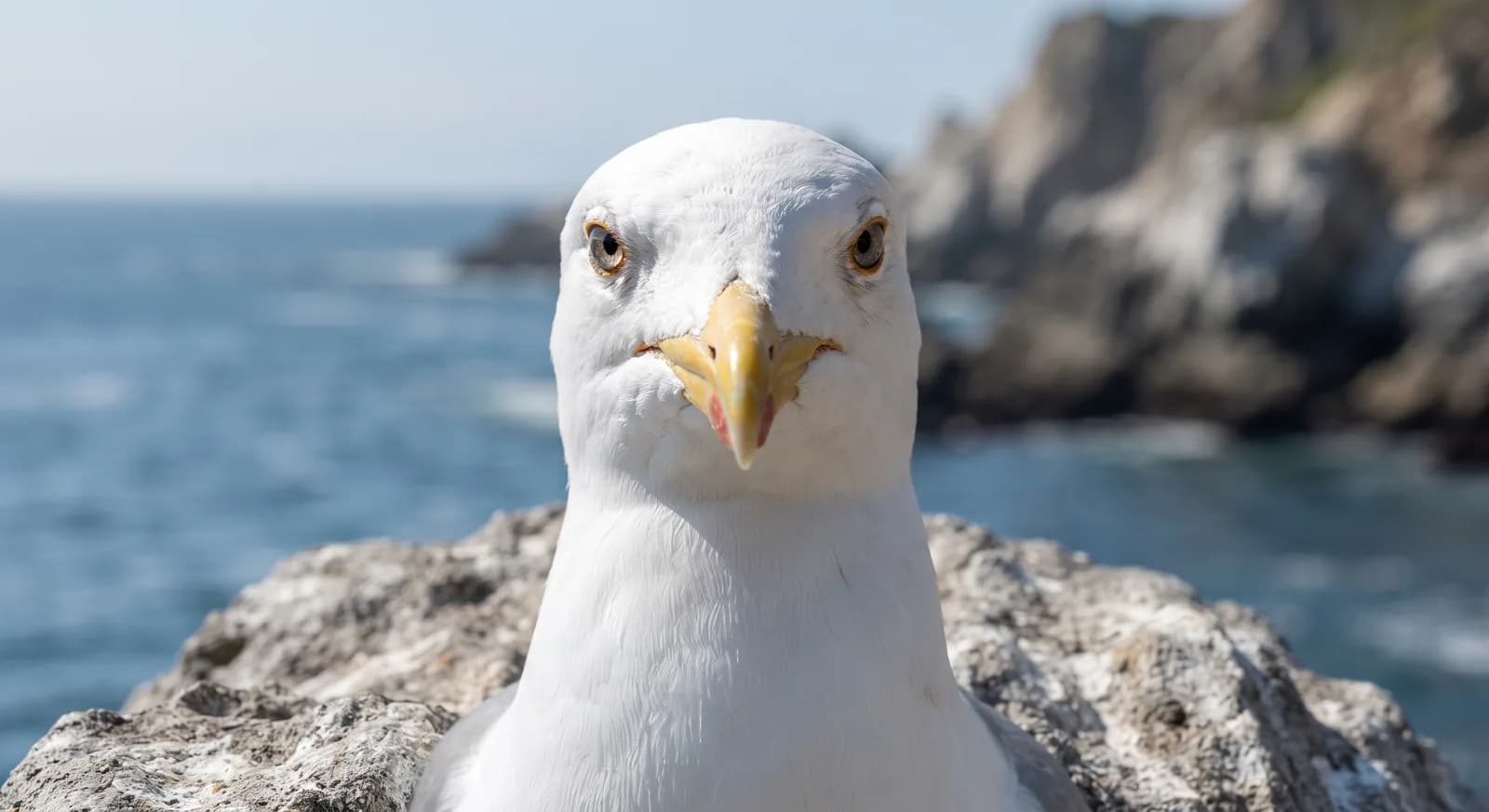
Kelp Gull (Larus dominicanus)

Birds · Charadriiformes · Laridae

Kelp Gull

Larus dominicanus

Least Concern

The species is abundant and widely distributed; it faces no significant short-term risk.

Spotted something wrong?

The kelp gull is the large gull of the southern hemisphere: it occurs on the coasts of South America, southern Africa, Australia, New Zealand and the subantarctic islands, and is the only gull that breeds in Antarctica. It is opportunistic and aggressive, and its expansion, fed by landfill sites and fishery discards, has made it a problem for other seabirds.

Weight

850 g – 1.3 kg

Size

54 cm – 65 cm

Life expectancy

25 years
Diet

Omnivore

Combines animal and plant food depending on availability.

Activity

Diurnal

Active mainly during the day.

Social structure

Colony

Lives in large concentrations, often for breeding reasons.

Sighting difficulty

Easy

OceanPolarIslands
13countries34parks19same family

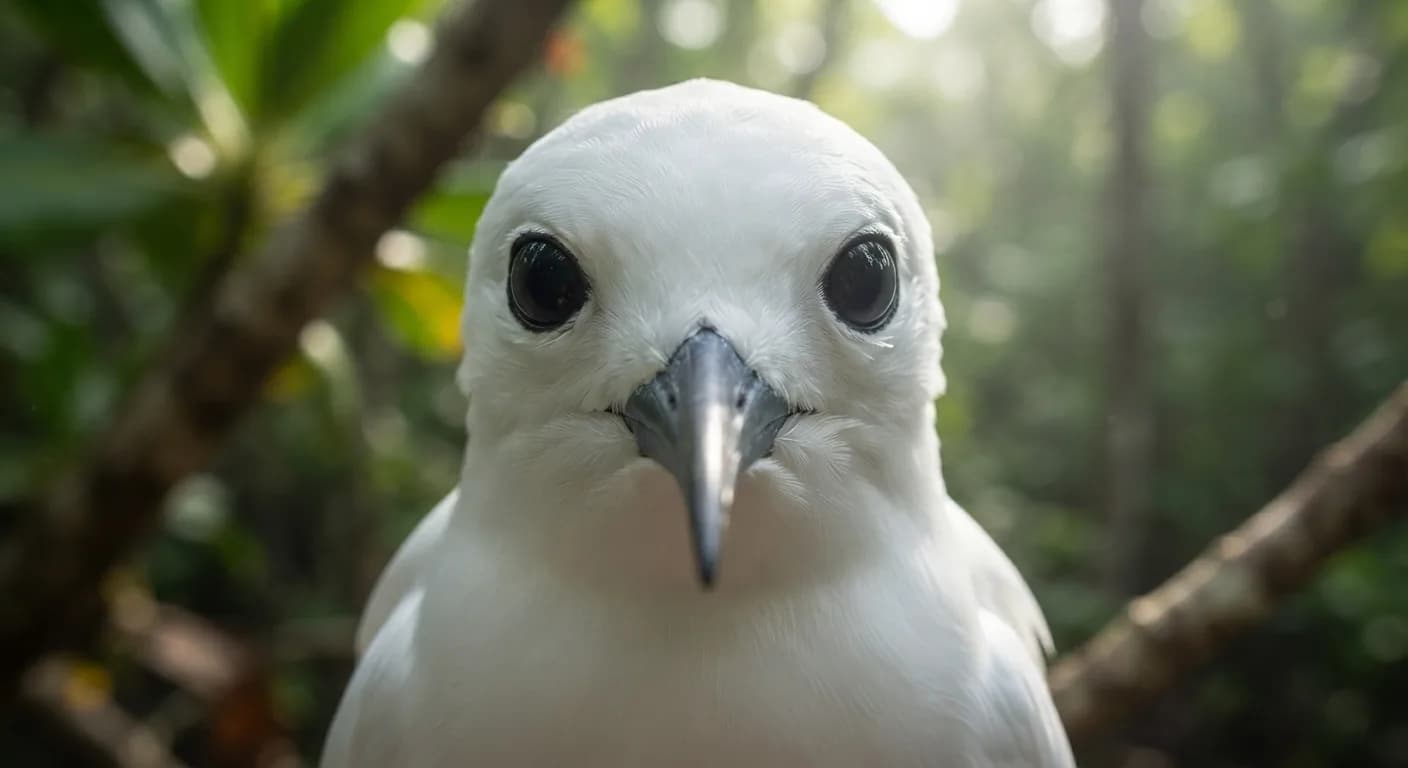
AI-generated images: illustrations, not photographs.

Fun facts

  • On the Valdés Peninsula in Argentina it has developed behaviour that did not exist decades ago: it attacks living right whales at the surface to tear pieces of skin and blubber from their backs, to the point that the whales have changed the way they breathe so as to expose less of themselves.
  • It is the only gull that breeds in Antarctica, and it also feeds on limpets by dropping them from the air onto the rocks.
  • Its expansion, fed by landfill sites and discards, has turned it into a predator of penguin and cormorant colonies all along the South American coast.

Life cycle and biology

Skeleton type
Vertebrate - internal bony skeleton (bird)
Habitat and environment
Coasts, harbours, landfill sites and islands throughout the southern hemisphere, including Antarctica
Sexual maturity
4 years
Gestation / incubation
27 days of incubation
Litter / clutch size
3 eggs

Sources consulted: https://es.wikipedia.org/wiki/Larus_dominicanus

Where to find it

Loading map…

Where to see it

Parks and dive sites where this species has been documented — showing 10 of 34.

Related species

Other species in the catalogue with the most in common with Kelp Gull — same habitat, park, country, tags or family.

Same taxonomic family

Keep exploring

Based on what we already know about kelp gull.

Comments

Share an experience, a fun fact or a tip for seeing the kelp gull.

Be the first to comment.

See full glossary
This page in other languages: Español · Deutsch · Français · Português · Italiano

The pins mark the parks where its presence is documented.

See its range on the interactive map→
Nahuel HuapiArgentina
Los GlaciaresArgentina
Tierra del FuegoArgentina
Torres del PaineChile
Patagonia (Patagonia National Park)Chile
ParacasPeru
FiordlandNew Zealand
Abel TasmanNew Zealand
Egmont/TaranakiNew Zealand
South Georgia (Grytviken and St Andrews Bay)South Georgia and South Sandwich Islands
See all 34 parks
Least Concern

Gray Gull

Leucophaeus modestus

Least Concern

Sandwich Tern

Thalasseus sandvicensis

Atlantic White TernLeast Concern

Atlantic White Tern

Gygis alba

Brown NoddyLeast Concern

Brown Noddy

Anous stolidus

Royal TernLeast Concern

Royal Tern

Thalasseus maximus

Sooty TernLeast Concern

Sooty Tern

Onychoprion fuscatus

CountriesArgentina
ParksNahuel HuapiArgentina
TagsOmnivore
Omnivore
Diurnal
Colonial
Bird
Ocean
Polar
Islands

South America5

Africa3

Antarctica3

Oceania2

Argentina
Chile
New Zealand
South Georgia and South Sandwich Islands
Antarctica
Australia
Argentina
Brazil
Chile
Peru
Uruguay
Madagascar
Namibia
South Africa
Antarctica
French Southern Territories
South Georgia and South Sandwich Islands
Australia
New Zealand