Mount Taranaki is an almost perfectly conical volcano, so symmetrical that it often doubles for Mount Fuji in films
Area
340 km²
Protection category
IUCN II
Parque nacional —
Designated in
1900
Declared in 1900 — New Zealand's second national park — it protects Mount Taranaki, a stratovolcano of almost perfectly conical form whose symmetry has led to it being used repeatedly as a film double for Japan's Mount Fuji, in productions such as The Last Samurai (2003), shot here rather than in Japan for reasons of logistics and access. In local Māori mythology the volcano was once a member of a family of mountains living in the centre of the North Island alongside Tongariro, until a rivalry in love over the mountain Pihanga forced it into exile to the west, leaving behind the deep valley of the Whanganui River that its flight carved into the landscape.
Ecosystems found in New Zealand, where Egmont/Taranaki lies.
What is worth looking out for this month in New Zealand?
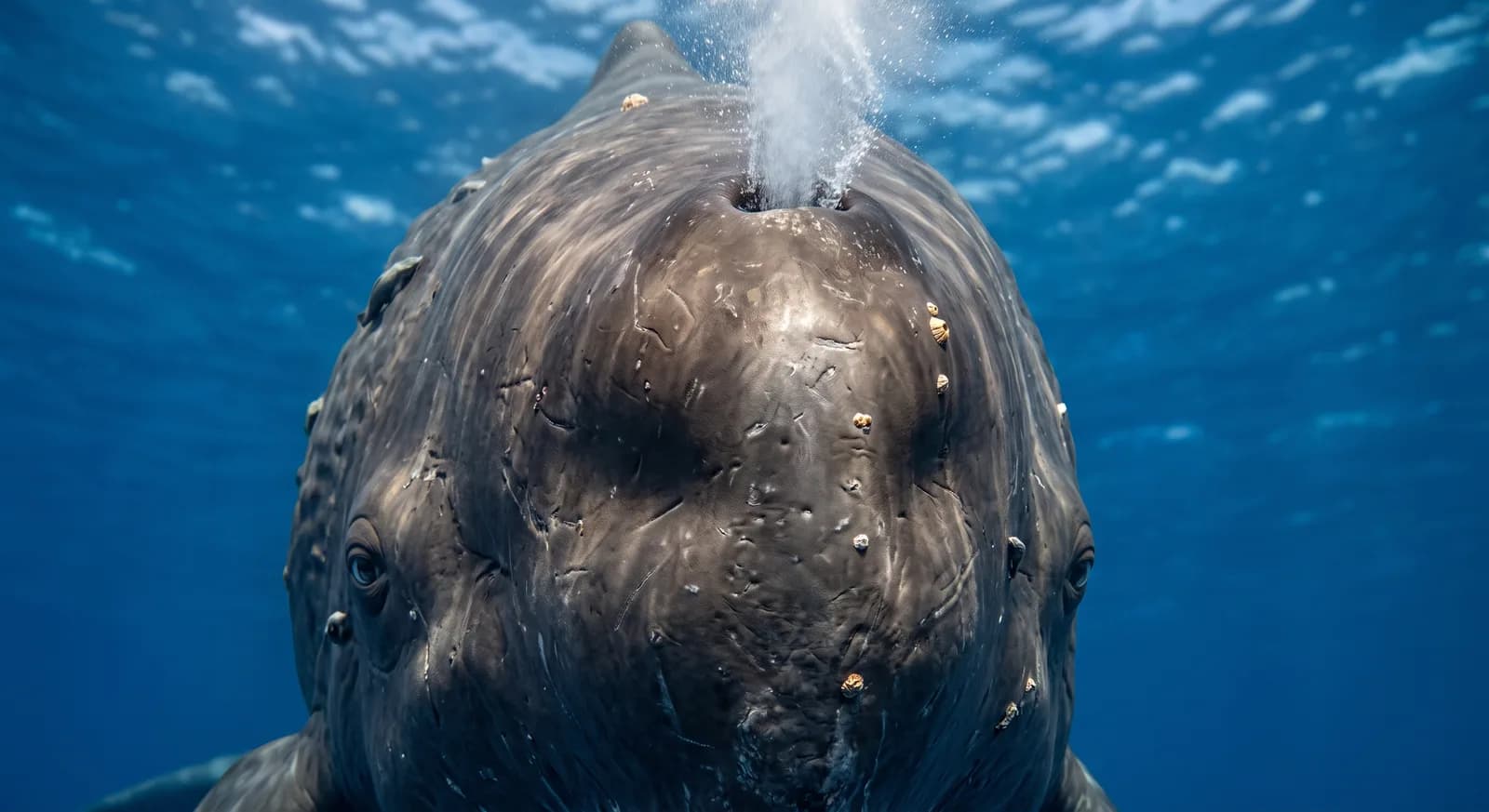
Now is a good time: Resident sperm whales in the Kaikoura Canyon (Year-round)
Which other parks are like this one?
Same country: New Zealand
Based on what we already know about this park.
Region
North Island
Climate
Tropical, Temperate, Mountain
Best season
December to February
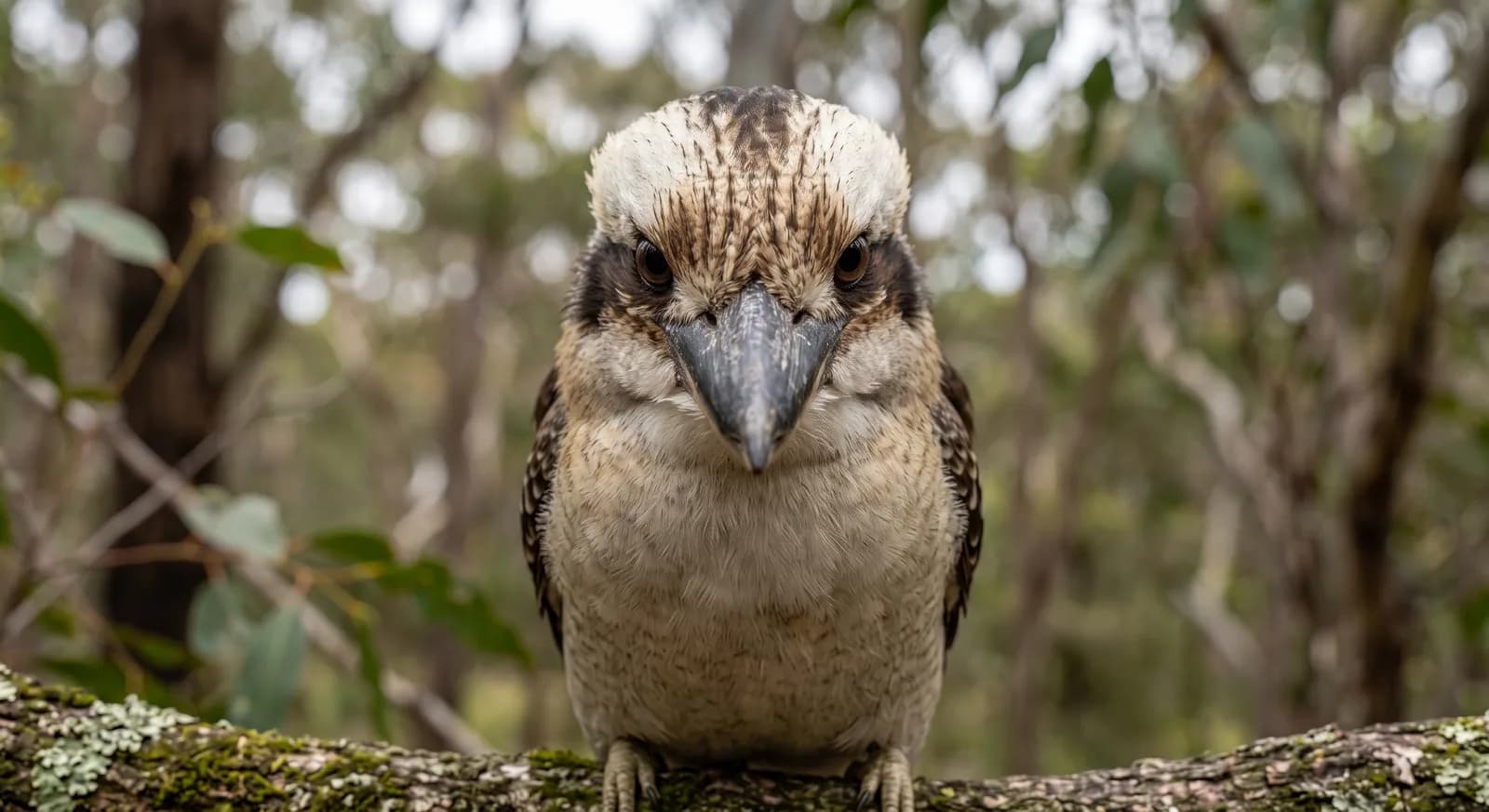
Least ConcernLaughing Kookaburra
Dacelo novaeguineae
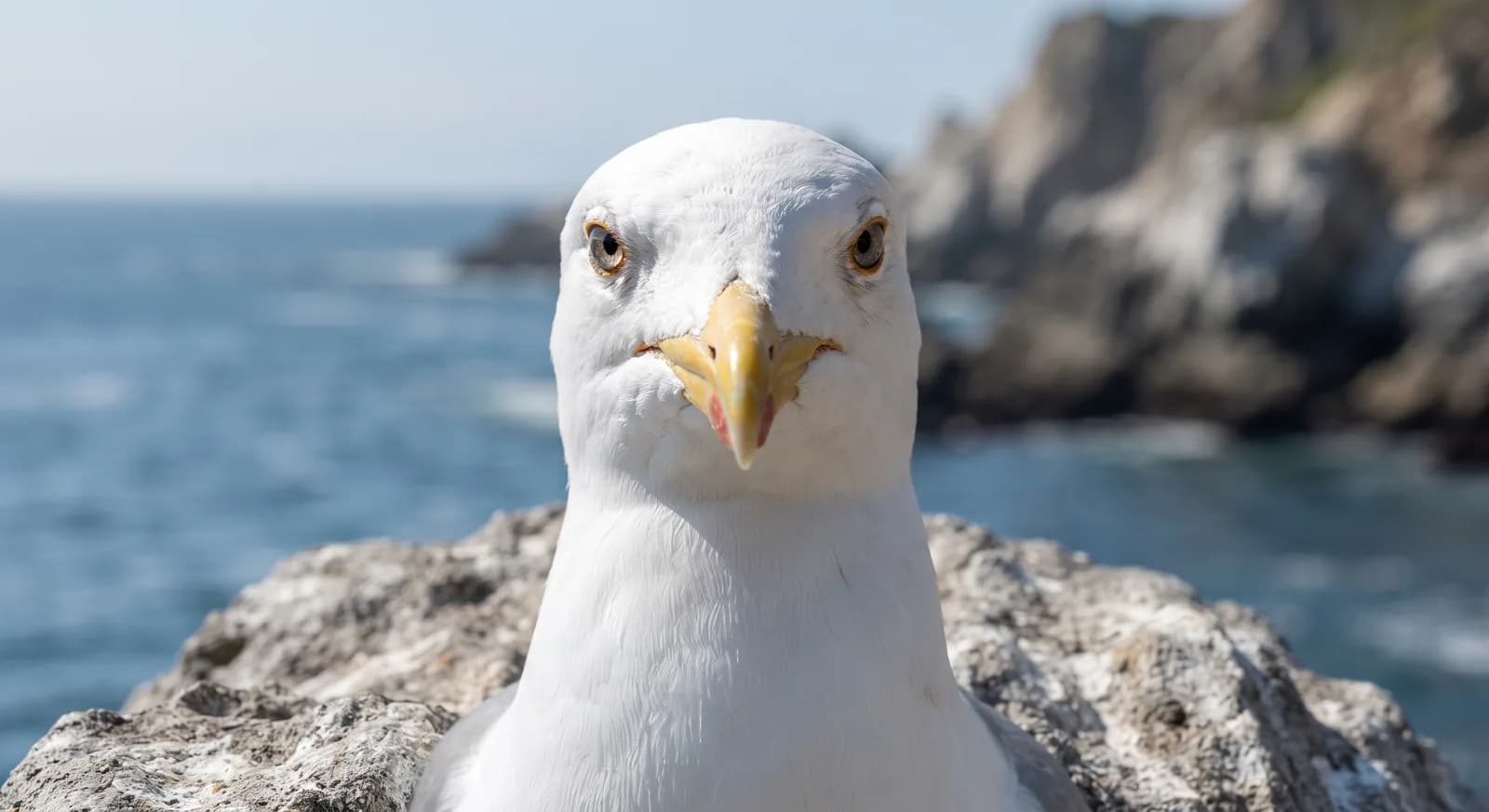
Least ConcernKelp Gull
Larus dominicanus
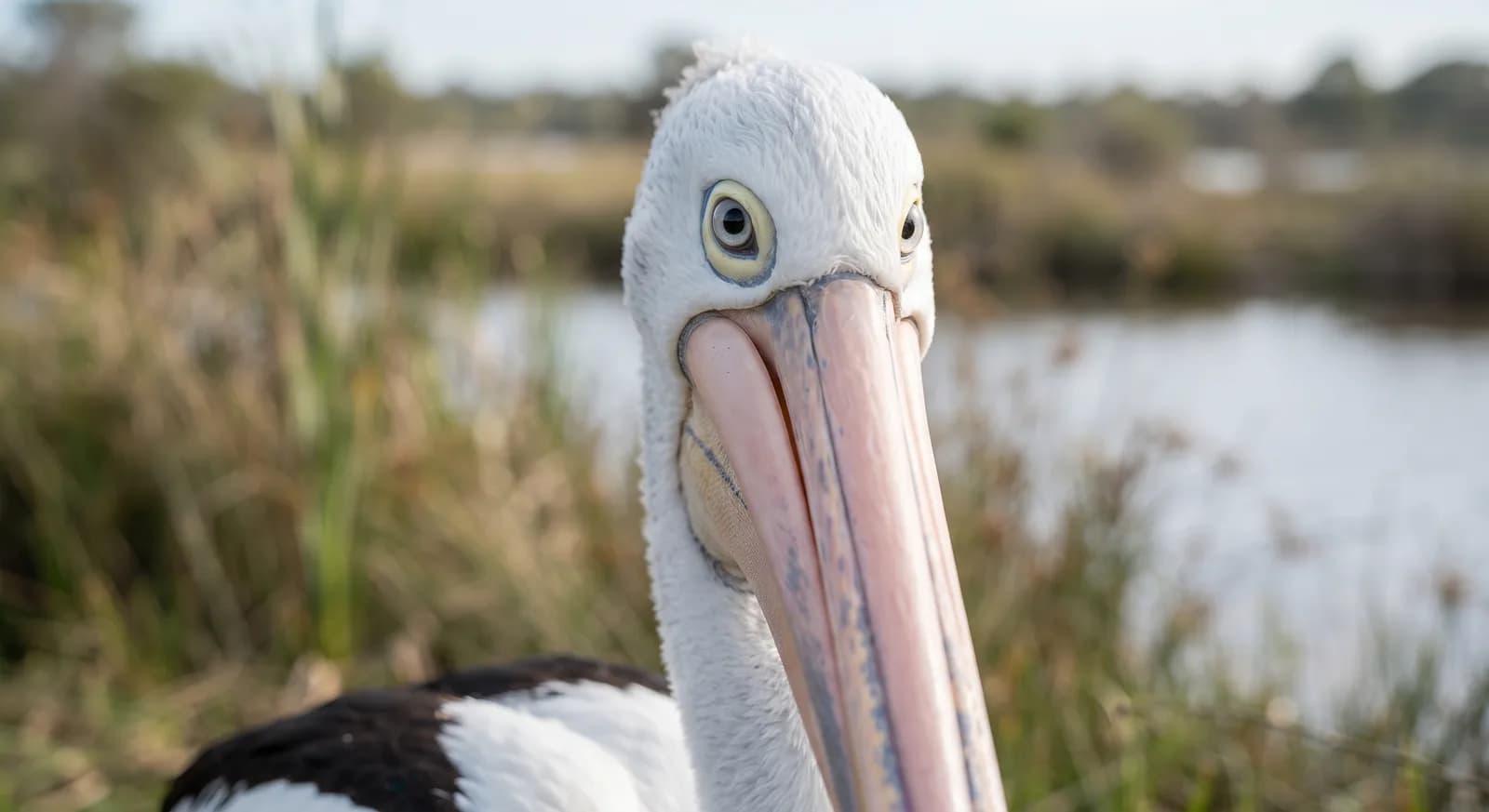
Least ConcernAustralian Pelican
Pelecanus conspicillatus
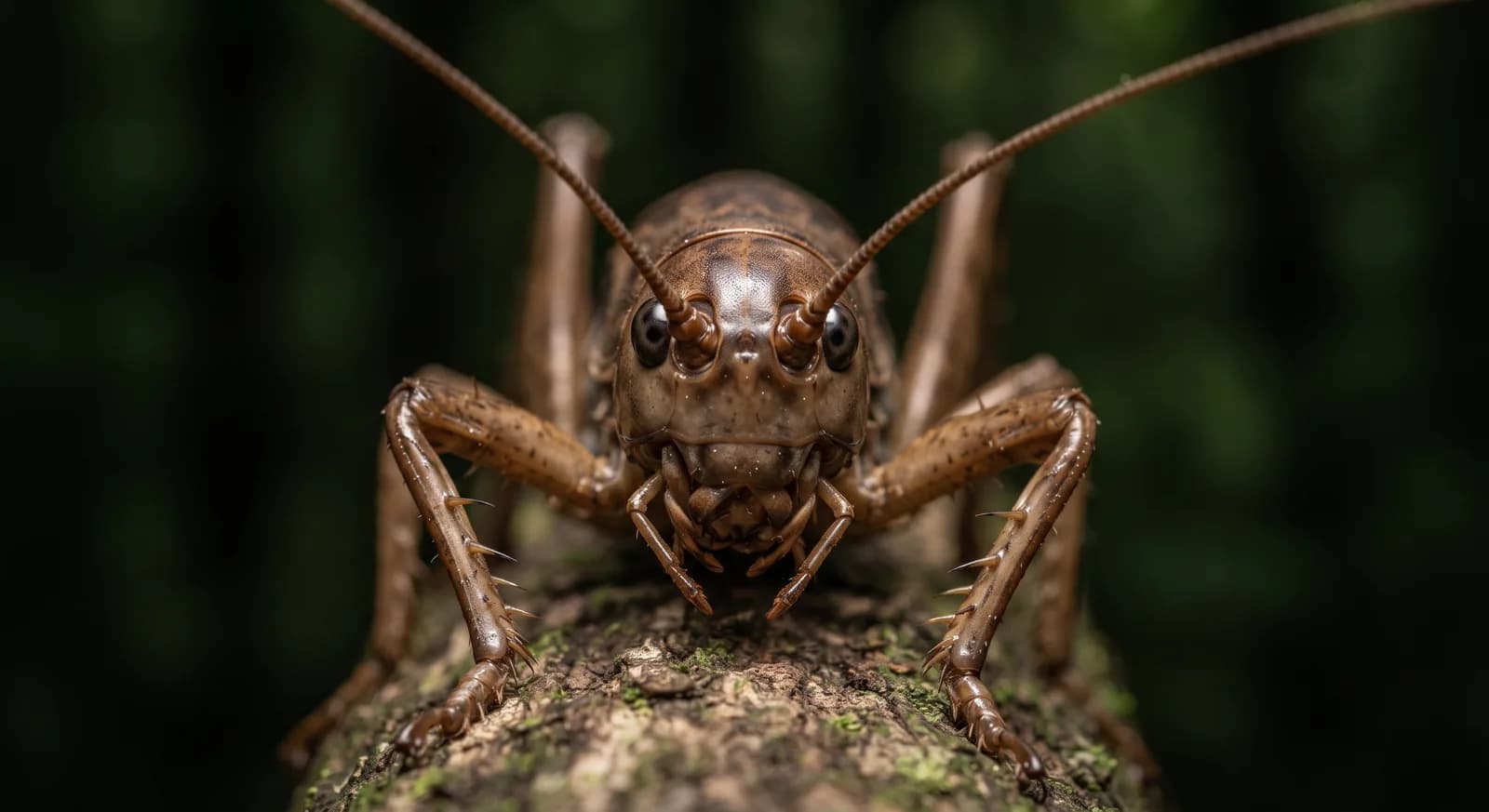
VulnerableWetapunga
Deinacrida heteracantha
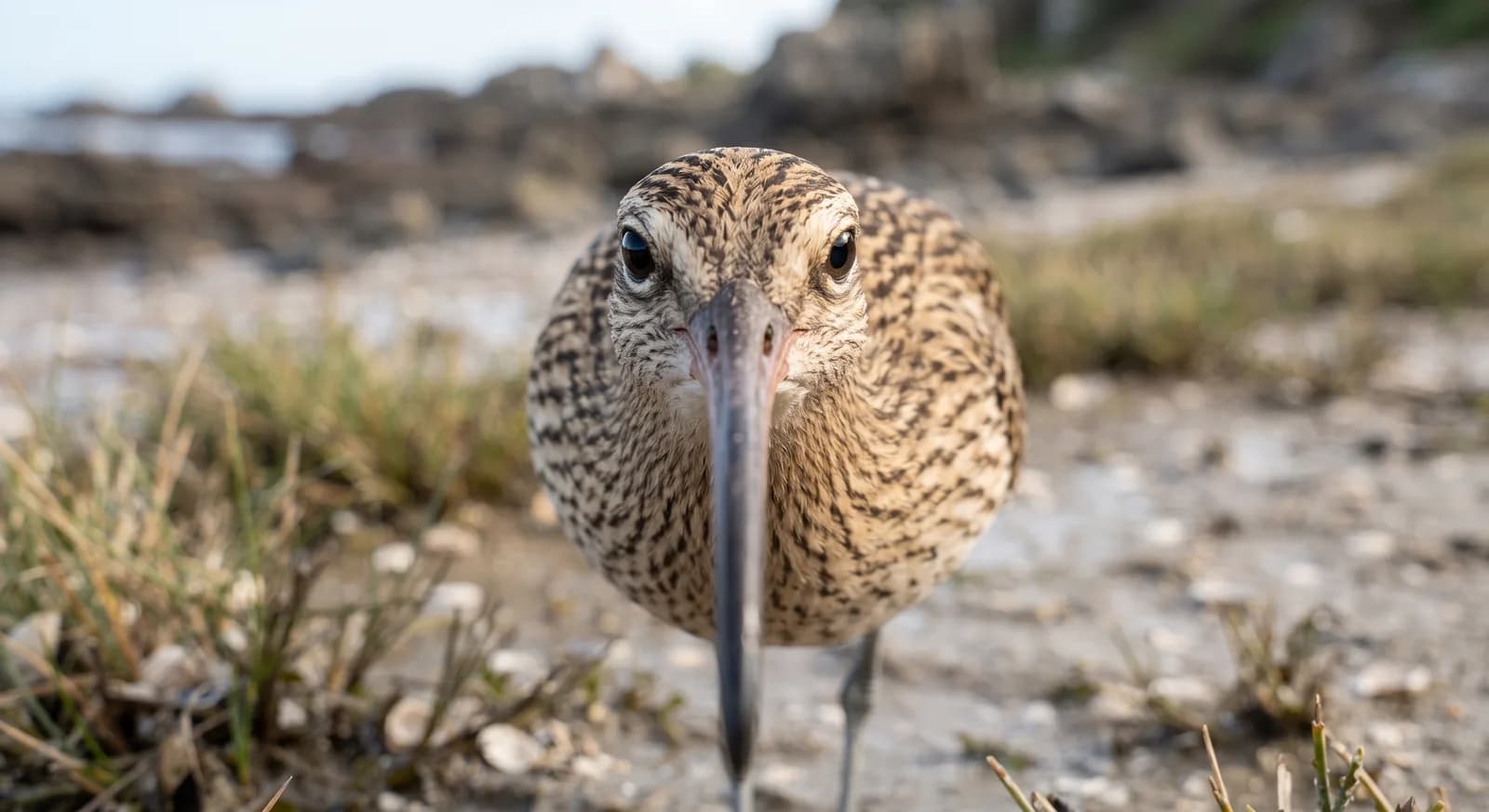
VulnerableBristle-thighed Curlew
Numenius tahitiensis
Redback
Latrodectus hasselti
Sulphur-crested Cockatoo
Cacatua galerita
Black Swan
Cygnus atratus
Spotted Shag
Phalacrocorax punctatus
Great Pied Cormorant
Phalacrocorax varius
Common Brush-tailed Possum
Trichosurus vulpecula
North Island Brown Kiwi
Apteryx mantelli