Skip to content
WAnimals
  • Map
  • Species
  • Parks
  • Diving
Log inCreate account
WAnimals

The guide for travellers and animal lovers: discover, plan and share your wild adventures around the world.

Discover wildlife

  • Species
  • Ecosystems
  • Glossary
  • Tags

Explore places

  • Map
  • Countries
  • Parks
  • Diving

Plan experiences

  • Guides

Learn

  • Blog

Resources

  • About us
  • How we build our profiles
  • Help centre
  • Contact
  • Install the app

Follow us

Account

  • Log in
  • Create account

© 2026 WAnimals. All rights reserved.

Terms of servicePrivacyCookiesLegal notice
MapSpeciesParksDiving
  1. Home
  2. Species
  3. Wetapunga
Wetapunga (Deinacrida heteracantha)

Insects · Orthoptera · Anostostomatidae

Wetapunga

Deinacrida heteracantha

Vulnerable

At high risk of extinction in the wild over the medium term.

Spotted something wrong?

Weight

9 g – 71 g

Size

up to 10 cm

Life expectancy

2 years

Diet

Herbivore

Feeds mainly on plants.

Activity

Nocturnal

Active mainly at night.

Social structure

Solitary

Lives and hunts alone, joining others only to breed.

Temperate forest
1countries10parks

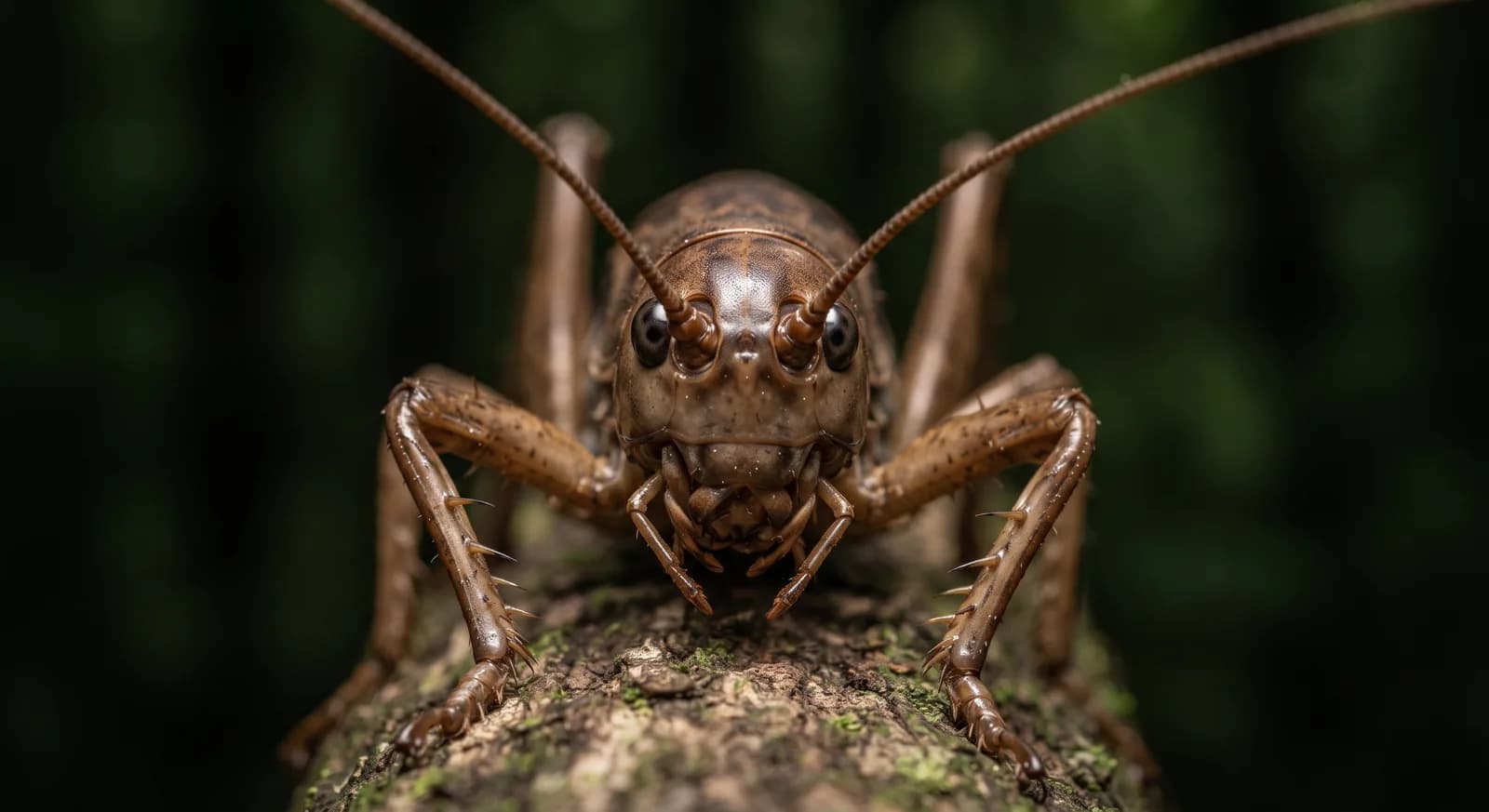
AI-generated images: illustrations, not photographs.

Fun facts

  • GeneralOne of the heaviest insects in the world: a gravid female reaches 70 grams.
  • récordIt can outweigh a sparrow, making it one of the heaviest insects known, and in New Zealand's ecosystems it fills the niche small rodents occupy elsewhere.
  • It is the largest insect in New Zealand and can weigh up to 71 g, more than a sparrow.
  • It survived only on Hauturu Island, free of mammalian predators; after the Pacific rat was eradicated in 2004 the population began to recover.
  • It has been translocated to other predator-free islands: in 2018, 300 individuals bred at Auckland Zoo were released, and by then 4,300 had already been freed in the Hauraki Gulf.
  • It cannot fly, and as an adult it lives a nomadic life, moving about without settling anywhere.
  • It makes defensive sounds by rubbing pegs on the femur against ridges on the abdomen, with peaks of up to 40-50 kHz.

Life cycle and biology

Skeleton type
Invertebrate - chitin exoskeleton (insect)
Habitat and environment
Island temperate forest
Size at birth
Egg 7 mm long by 2.5 mm wide
Sexual maturity
It reaches maturity at around eighteen months and breeds only at the end of its two years of life: it is a slow and unprolific breeder for its size
Gestation / incubation
The eggs take about 125 days on average to hatch and the nymph goes through ten instars to maturity, one more than the other wetas; it takes around eighteen months to become an adult
Litter / clutch size
The eggs, oval and about 7 mm long by 2.5 wide, are laid buried in the ground: the female's ovipositor is long enough to place them 50 mm deep

Sources consulted: Wikipedia (en): Deinacrida heteracantha · Te Papa, ficha wetapunga · Predator Free NZ Trust, ficha wetapunga · Te Papa · Britannica, ficha Giant weta · Animalia, ficha Deinacrida heteracantha · Predator Free NZ Trust · Britannica · Encyclopedia of Life, ficha Deinacrida heteracantha

Where to find it

Best time: It feeds mainly at night, although it is also active by day on the vegetation; it is tree-dwelling and shelters under loose bark and in cavities of mahoe and pohutukawa. It survives only on Hauturu (Little Barrier Island) and on predator-free islands where it has been reintroduced

Loading map…

The pins mark the parks where its presence is documented.

Where to see it

Parks and dive sites where this species has been documented.

Related species

Other species in the catalogue with the most in common with Wetapunga — same habitat, park, country, tags or family.

Shares a park
Shares a park
Shares a park
Shares a park
Shares a park
Shares a park

How to help

The wetapunga is classified as vulnerable. Organisations such as the IUCN, WWF and the Wildlife Conservation Society work specifically on its conservation and that of its habitat; looking into their programmes is a good starting point if you want to get involved.

It's documented in 9 protected areas — one reason why protecting these places matters for its conservation.

Keep exploring

Based on what we already know about wetapunga.

Share an experience, a fun fact or a tip for seeing the wetapunga.
See full glossary
This page in other languages: Español · Deutsch · Français · Português · Italiano
See its range on the interactive map→
TongariroNew Zealand
Egmont/TaranakiNew Zealand
PaparoaNew Zealand
Te UreweraNew Zealand
Nelson LakesNew Zealand
WhanganuiNew Zealand
Rakiura (Stewart Island)New Zealand
KahurangiNew Zealand
Arthur's PassNew Zealand
Mount AspiringNew Zealand
Vulnerable

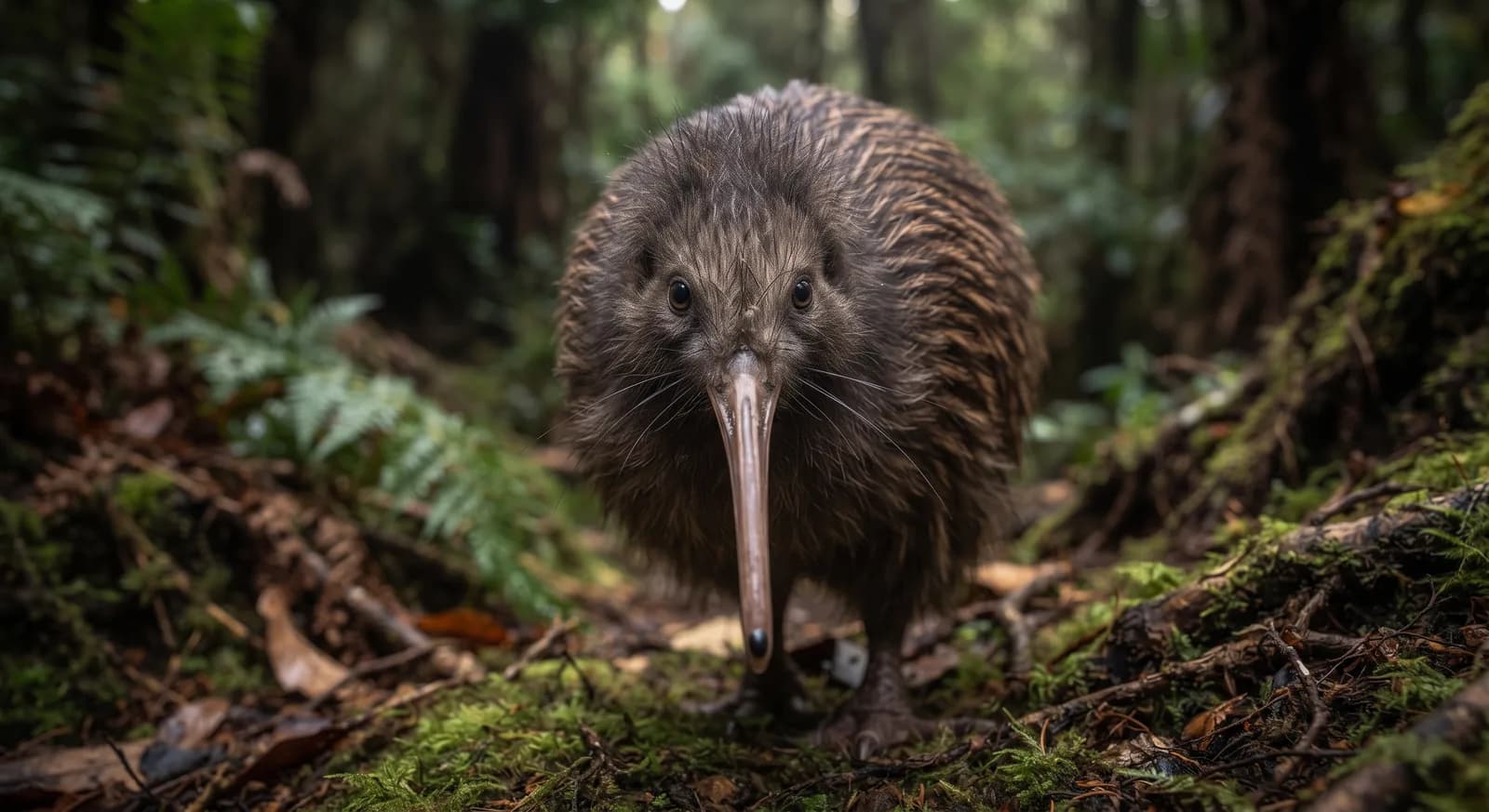
North Island Brown Kiwi

Apteryx mantelli

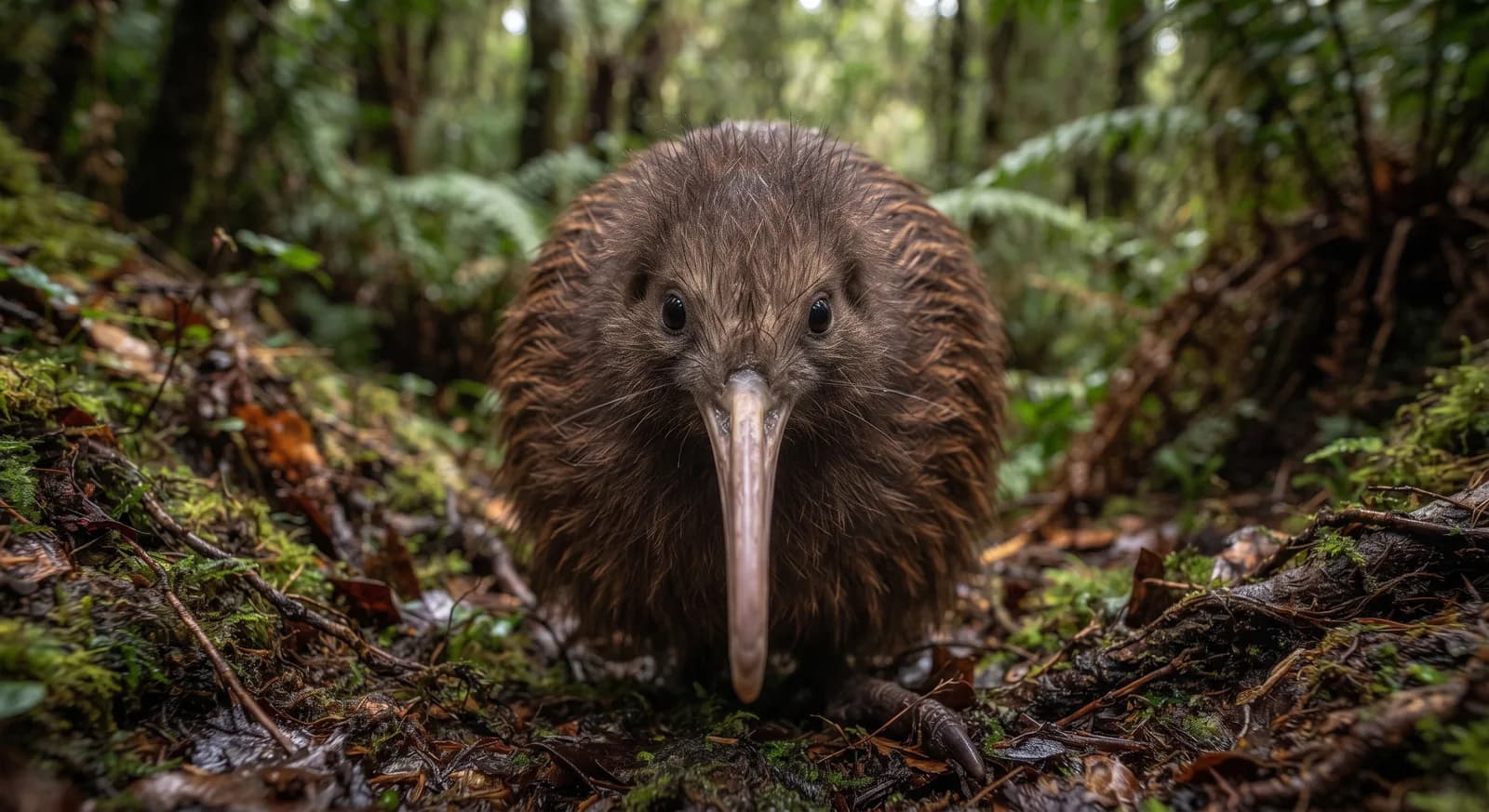
Southern Brown KiwiVulnerable

Southern Brown Kiwi

Apteryx australis

Great Spotted KiwiVulnerable

Great Spotted Kiwi

Apteryx haastii

Least Concern

Common Brush-tailed Possum

Trichosurus vulpecula

Not Evaluated

Fungus Gnat

Arachnocampa luminosa

WekaVulnerable

Weka

Gallirallus australis

CountriesNew Zealand
ParksTongariroNew Zealand
TagsHerbivore
Herbivore
Nocturnal
Solitary
Vulnerable
Insect
Temperate forest
New Zealand