Skip to content
WAnimals
  • Map
  • Species
  • Parks
  • Diving
Log inCreate account
WAnimals

The guide for travellers and animal lovers: discover, plan and share your wild adventures around the world.

Discover wildlife

  • Species
  • Ecosystems
  • Glossary
  • Tags

Explore places

  • Map
  • Countries
  • Parks
  • Diving

Plan experiences

  • Guides

Learn

  • Blog

Resources

  • About us
  • How we build our profiles
  • Help centre
  • Contact
  • Install the app

Follow us

Account

  • Log in
  • Create account

© 2026 WAnimals. All rights reserved.

Terms of servicePrivacyCookiesLegal notice
MapSpeciesParksDiving
  1. Home
  2. Species
  3. Bristle-thighed Curlew

One of the 3 curlews on WAnimals
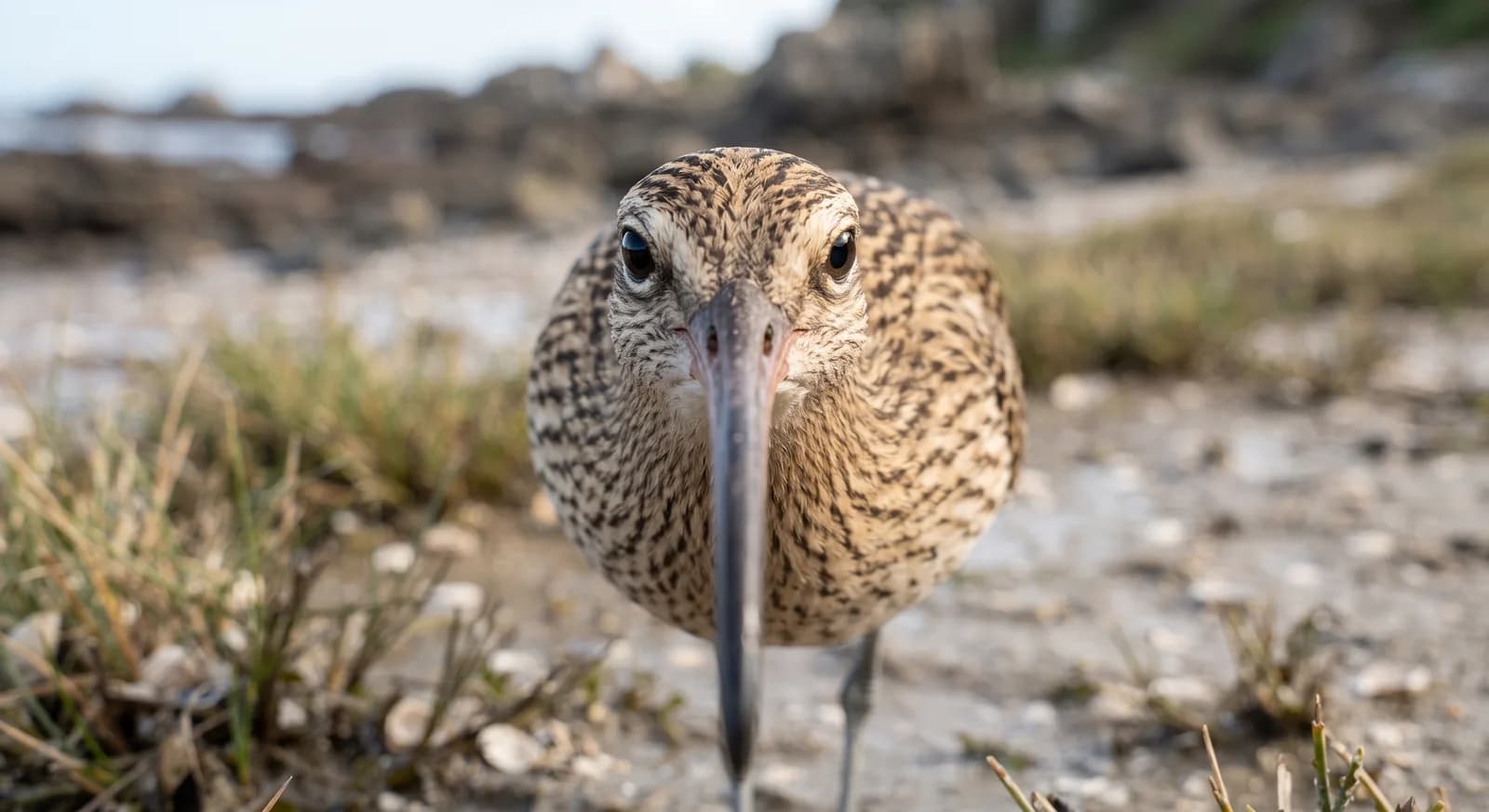
Bristle-thighed Curlew (Numenius tahitiensis)

Birds · Charadriiformes · Scolopacidae

Bristle-thighed Curlew

Numenius tahitiensis

Vulnerable

At high risk of extinction in the wild over the medium term.

Spotted something wrong?

The bristle-thighed curlew breeds in a small strip of tundra in western Alaska and spends the winter spread across the atolls and islands of the tropical Pacific, from Hawaii to Polynesia. Its migration includes a non-stop flight of more than 4,000 kilometres over open ocean. It has an exceptional vulnerability: it is the only wader in the world that moults all its flight feathers at once and is left unable to fly for weeks.

Weight

310 g – 800 g

Size

40 cm – 44 cm

Life expectancy

25 years

Diet

Insectivore

Feeds mainly on insects and other invertebrates.

Activity

Diurnal

Active mainly during the day.

Estimated population

Around 10,000 individuals

TundraOceanIslands
22countries7parks13same family

AI-generated images: illustrations, not photographs.

Fun facts

  • It is the only wader in the world that loses the ability to fly while moulting: it renews all its flight feathers at once and spends several weeks on the ground on Pacific atolls, completely defenceless against introduced rats and cats.
  • The young migrate alone: the adults leave Alaska weeks before the juveniles, which then cross thousands of kilometres of ocean on their own to islands they have never seen.

Life cycle and biology

Skeleton type
Vertebrate - internal bony skeleton (bird)
Habitat and environment
Tundra of western Alaska for breeding; tropical Pacific islands and atolls for wintering
Sexual maturity
2.9 years
Gestation / incubation
25 days of incubation
Litter / clutch size
4

Sources consulted: Wikipedia (es): Numenius tahitiensis

Where to find it

Loading map…

The pins mark the parks where its presence is documented.

Where to see it

Parks and dive sites where this species has been documented.

Related species

Other species in the catalogue with the most in common with Bristle-thighed Curlew — same habitat, park, country, tags or family.

Same taxonomic family
Shares a park
Shares a park
Shares a park
Shares a park

How to help

The bristle-thighed curlew is classified as vulnerable. Organisations such as the IUCN, WWF and the Wildlife Conservation Society work specifically on its conservation and that of its habitat; looking into their programmes is a good starting point if you want to get involved.

It's documented in 6 protected areas — one reason why protecting these places matters for its conservation.

Keep exploring

Based on what we already know about bristle-thighed curlew.

Share an experience, a fun fact or a tip for seeing the bristle-thighed curlew.
See full glossary
This page in other languages: Español · Deutsch · Français · Português · Italiano
See its range on the interactive map→
DenaliUnited States
Abel TasmanNew Zealand
Egmont/TaranakiNew Zealand
WhanganuiNew Zealand
Gates of the ArcticUnited States
Kobuk ValleyUnited States
Takitumu Conservation AreaCook Islands
WhimbrelLeast Concern

Whimbrel

Numenius phaeopus

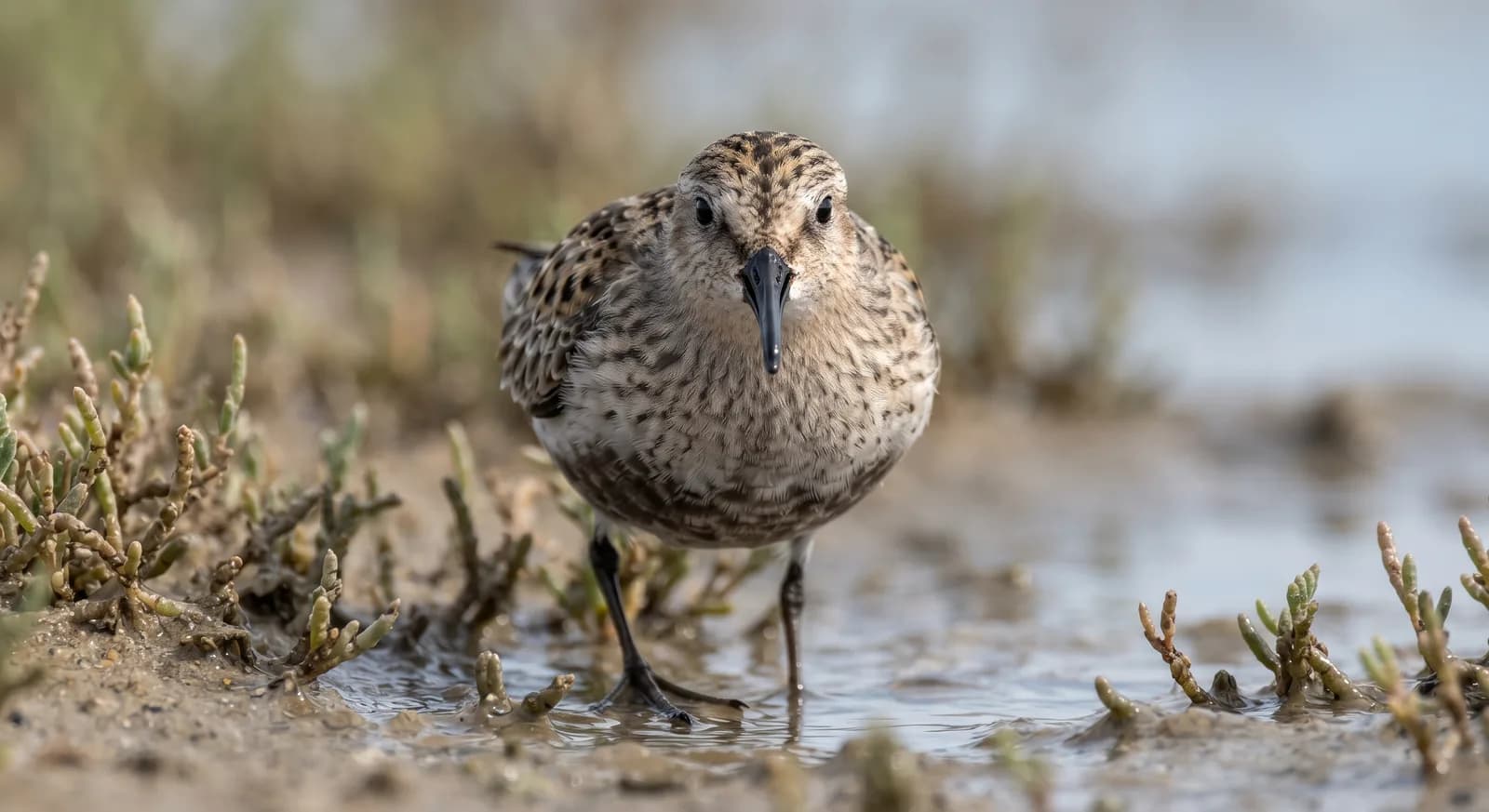
Semipalmated SandpiperNear Threatened

Semipalmated Sandpiper

Calidris pusilla

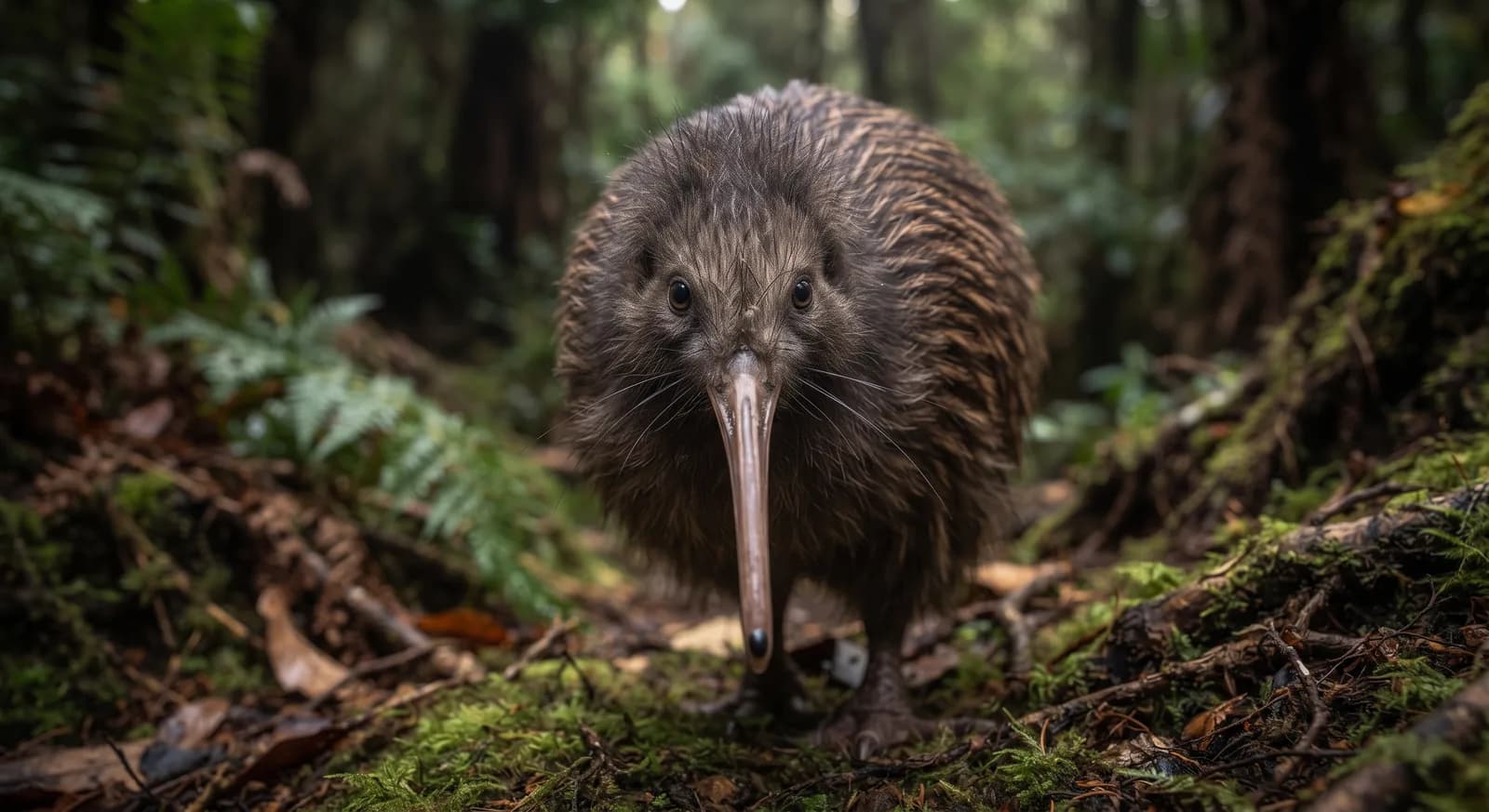
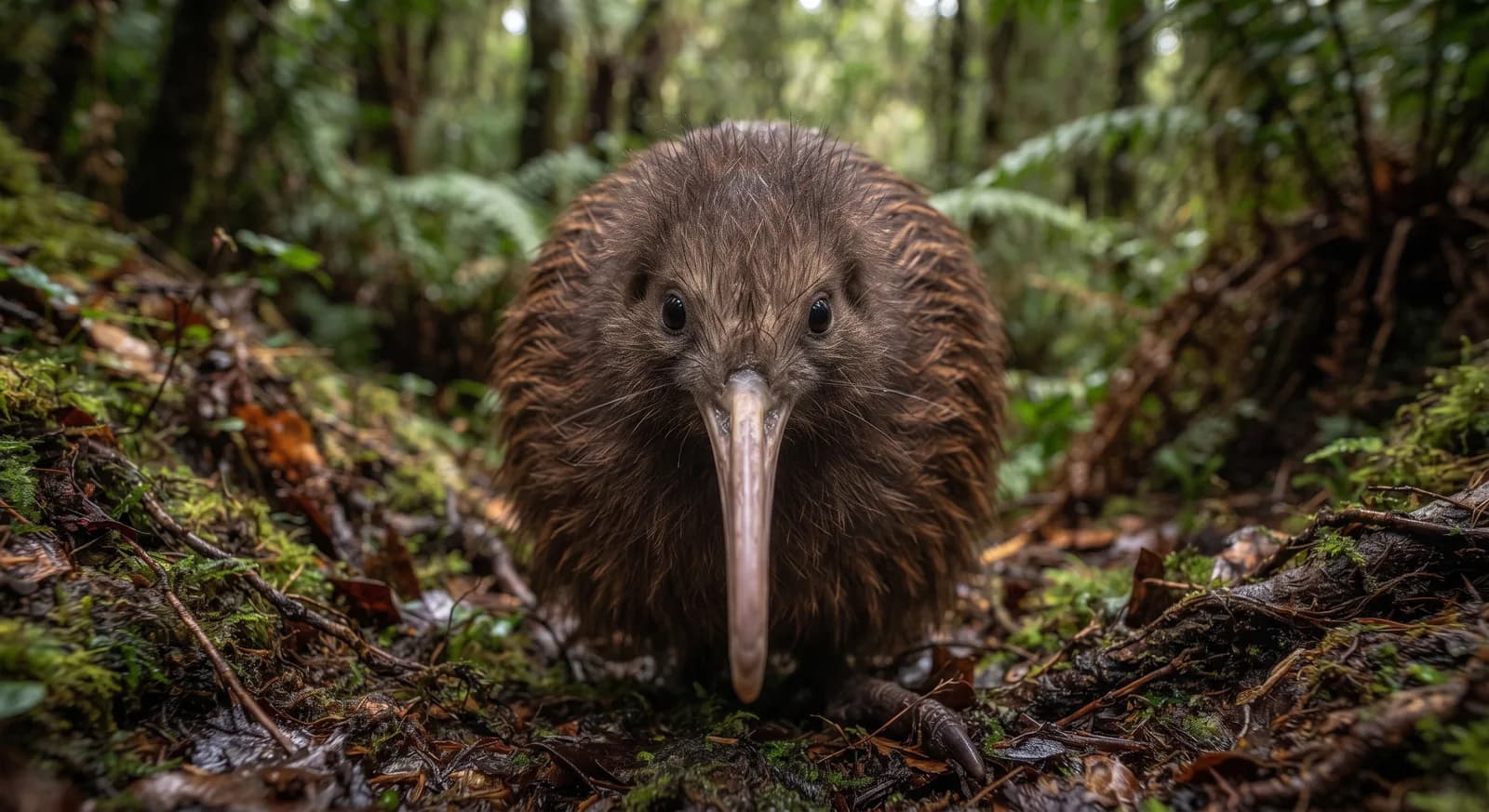
Great Spotted KiwiVulnerable

Great Spotted Kiwi

Apteryx haastii

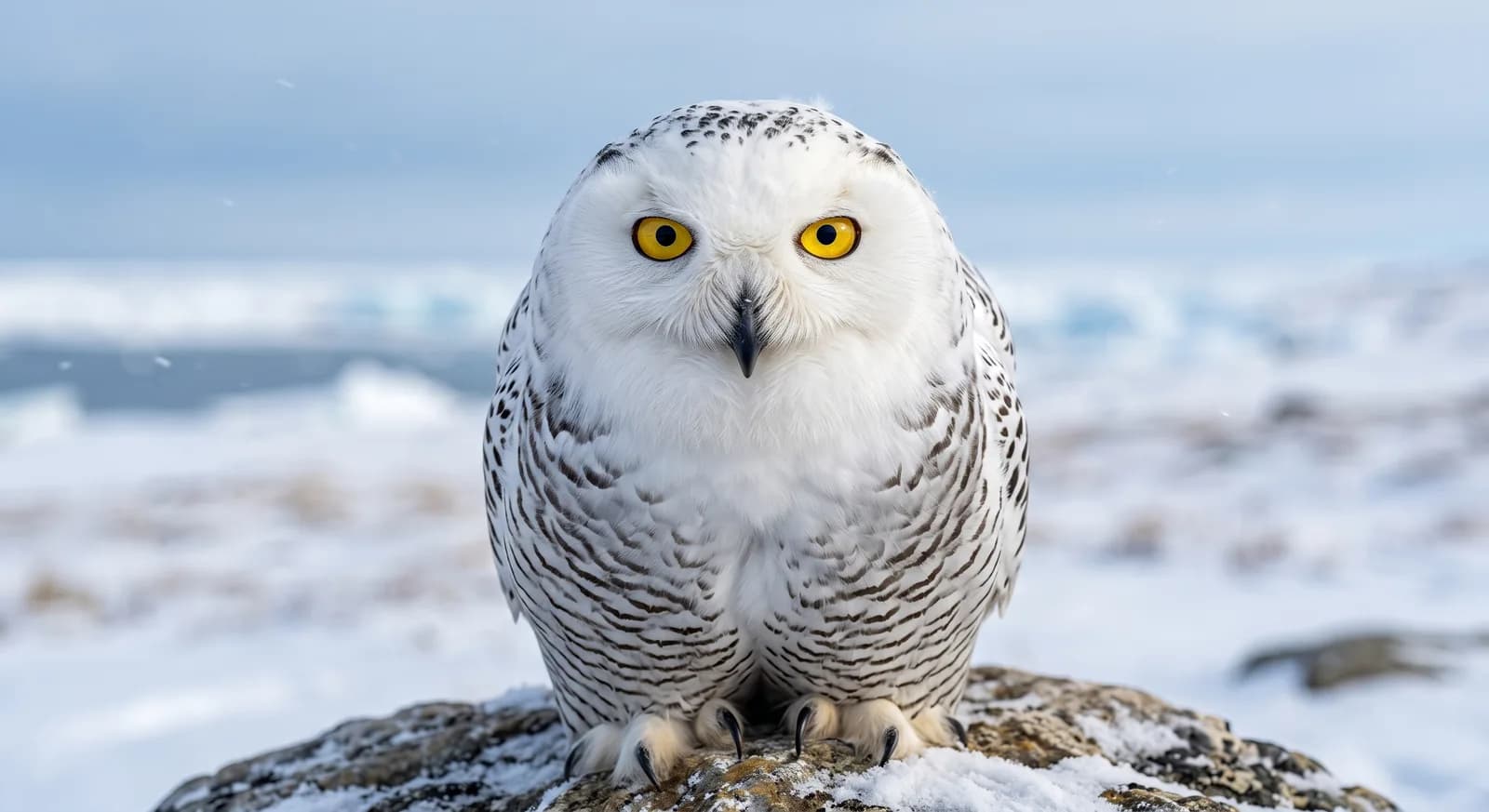
Snowy OwlVulnerable

Snowy Owl

Bubo scandiacus

Vulnerable

Rarotonga Starling

Aplonis cinerascens

WekaVulnerable

Weka

Gallirallus australis

CountriesNew Zealand
ParksDenaliUnited States
TagsInsectivore
Insectivore
Diurnal
Vulnerable
Bird
Tundra
Ocean
Islands

Oceania20

Europe1

North America1

New Zealand
United States
Cook Islands
American Samoa
Fiji
France
American Samoa
Cook Islands
Fiji
French Polynesia
Guam
Kiribati
Marshall Islands
Micronesia
Nauru
New Caledonia
New Zealand
Niue
Northern Mariana Islands
Palau
Papua New Guinea
Samoa
Solomon Islands
Tonga
Tuvalu
Vanuatu
France
United States