Skip to content
WAnimals
  • Map
  • Species
  • Parks
  • Diving
Log inCreate account
WAnimals

The guide for travellers and animal lovers: discover, plan and share your wild adventures around the world.

Discover wildlife

  • Species
  • Ecosystems
  • Glossary
  • Tags

Explore places

  • Map
  • Countries
  • Parks
  • Diving

Plan experiences

  • Guides

Learn

  • Blog

Resources

  • About us
  • How we build our profiles
  • Help centre
  • Contact
  • Install the app

Follow us

Account

  • Log in
  • Create account

© 2026 WAnimals. All rights reserved.

Terms of servicePrivacyCookiesLegal notice
MapSpeciesParksDiving
  1. Home
  2. Species
  3. Rarotonga Starling

One of the 5 starlings on WAnimals

Birds · Passeriformes · Sturnidae

Rarotonga Starling

Aplonis cinerascens

Vulnerable

At high risk of extinction in the wild over the medium term.

Spotted something wrong?

The Rarotonga starling is a greyish-brown bird endemic to a single South Pacific island, Rarotonga, in the Cook Islands. It survives in the native forest of the mountainous interior, above the settled areas of the coast. Its total population is around fifteen hundred birds and depends entirely on that forest remaining standing and free of rats.

Weight

60 g – 90 g

Size

19 cm – 22 cm

Life expectancy

12 years

Diet

Omnivore

Combines animal and plant food depending on availability.

Activity

Diurnal

Active mainly during the day.

Social structure

In pairs

Usually lives in pairs, sometimes for life.

Estimated population

Around 1,500 individuals

RainforestMountainIslands
1countries1parks6same family

Fun facts

  • The whole species lives on an island of 67 square kilometres, and in practice only in the mountainous interior: the lowland forest was replaced centuries ago by crops and settlements.
  • It is one of the few native birds to have survived on Rarotonga after the arrival of rats, cats and common mynas, a combination that finished off several of the island's species.
  • Its population is stable but tiny, so the species depends entirely on the control of introduced predators in the interior of the island.

Life cycle and biology

Skeleton type
Vertebrate - internal bony skeleton (bird)
Habitat and environment
Native montane forest of the interior of Rarotonga, in the Cook Islands
Sexual maturity
2 years
Gestation / incubation
15 days of incubation
Litter / clutch size
2 eggs

Sources consulted: Wikipedia (es): Aplonis cinerascens

Where to find it

Loading map…

The pins mark the parks where its presence is documented.

Where to see it

Parks and dive sites where this species has been documented.

Related species

Other species in the catalogue with the most in common with Rarotonga Starling — same habitat, park, country, tags or family.

Shares a park
Same taxonomic family
Shares a park
Same taxonomic family

How to help

The rarotonga starling is classified as vulnerable. Organisations such as the IUCN, WWF and the Wildlife Conservation Society work specifically on its conservation and that of its habitat; looking into their programmes is a good starting point if you want to get involved.

Keep exploring

Based on what we already know about rarotonga starling.
Share an experience, a fun fact or a tip for seeing the rarotonga starling.
See full glossary
This page in other languages: Español · Deutsch · Français · Português · Italiano
See its range on the interactive map→
Takitumu Conservation AreaCook Islands
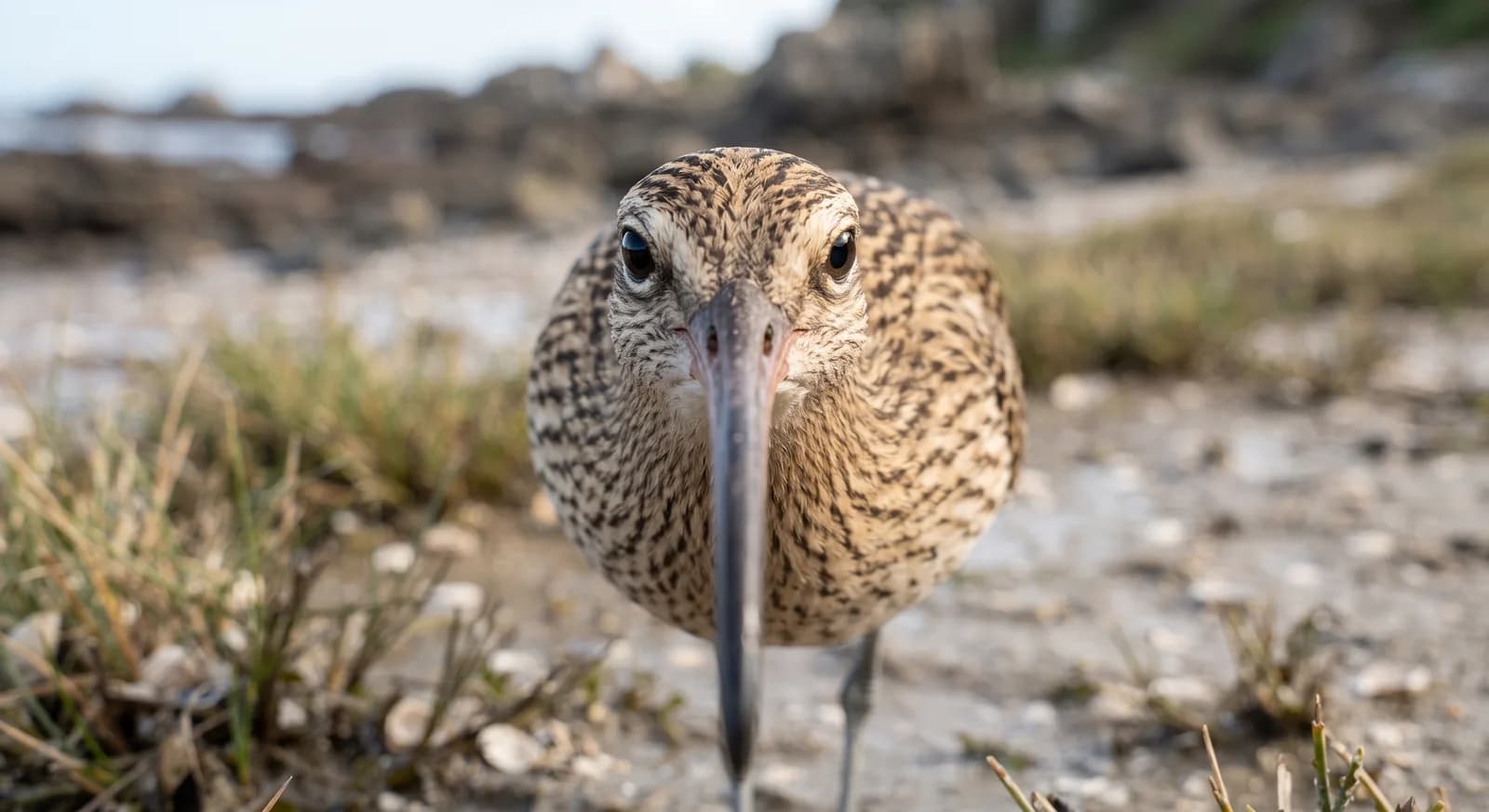
Bristle-thighed CurlewVulnerable

Bristle-thighed Curlew

Numenius tahitiensis

Least Concern

Common Myna

Acridotheres tristis

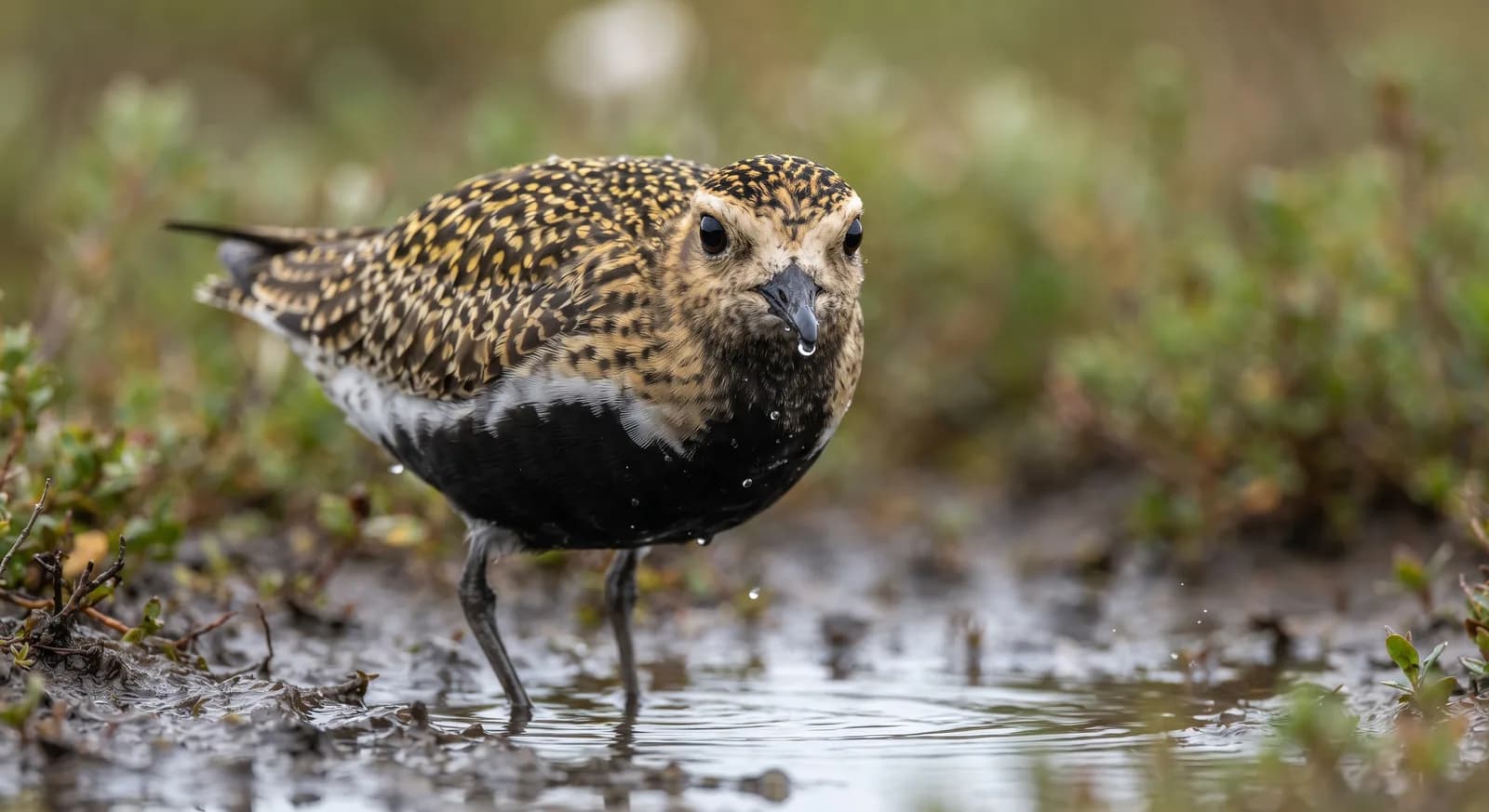
Pacific Golden PloverLeast Concern

Pacific Golden Plover

Pluvialis fulva

Least Concern

Common Hill Myna

Gracula religiosa

Least Concern

Socotra Starling

Onychognathus frater

Least Concern

Superb Starling

Lamprotornis superbus

CountriesCook Islands
ParksTakitumu Conservation AreaCook Islands
TagsOmnivore
Omnivore
Diurnal
In pairs
Vulnerable
Bird
Rainforest
Mountain
Islands
Cook Islands