 Critically Endangered
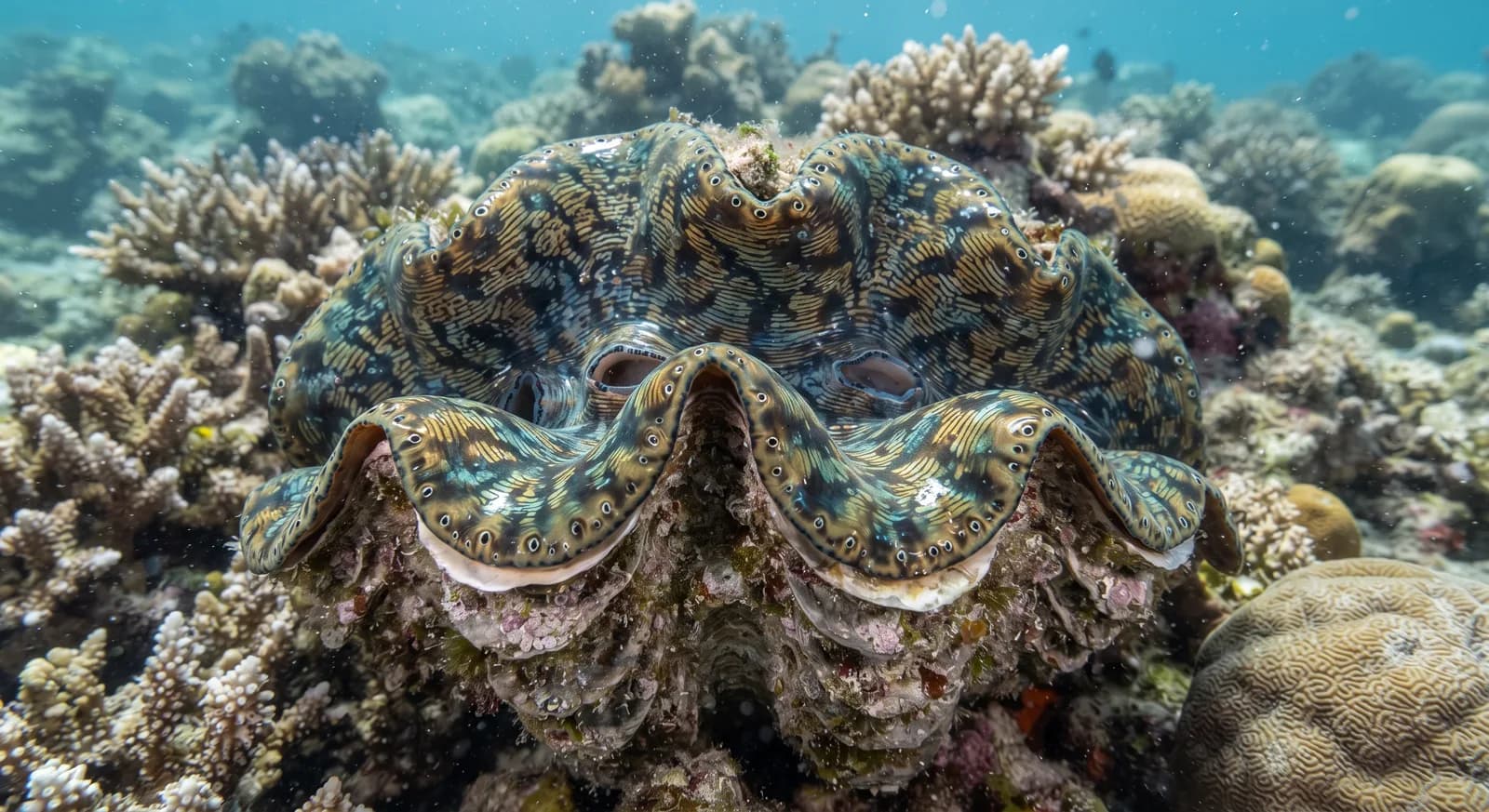
Giant Clam
Tridacna gigas
Oceania
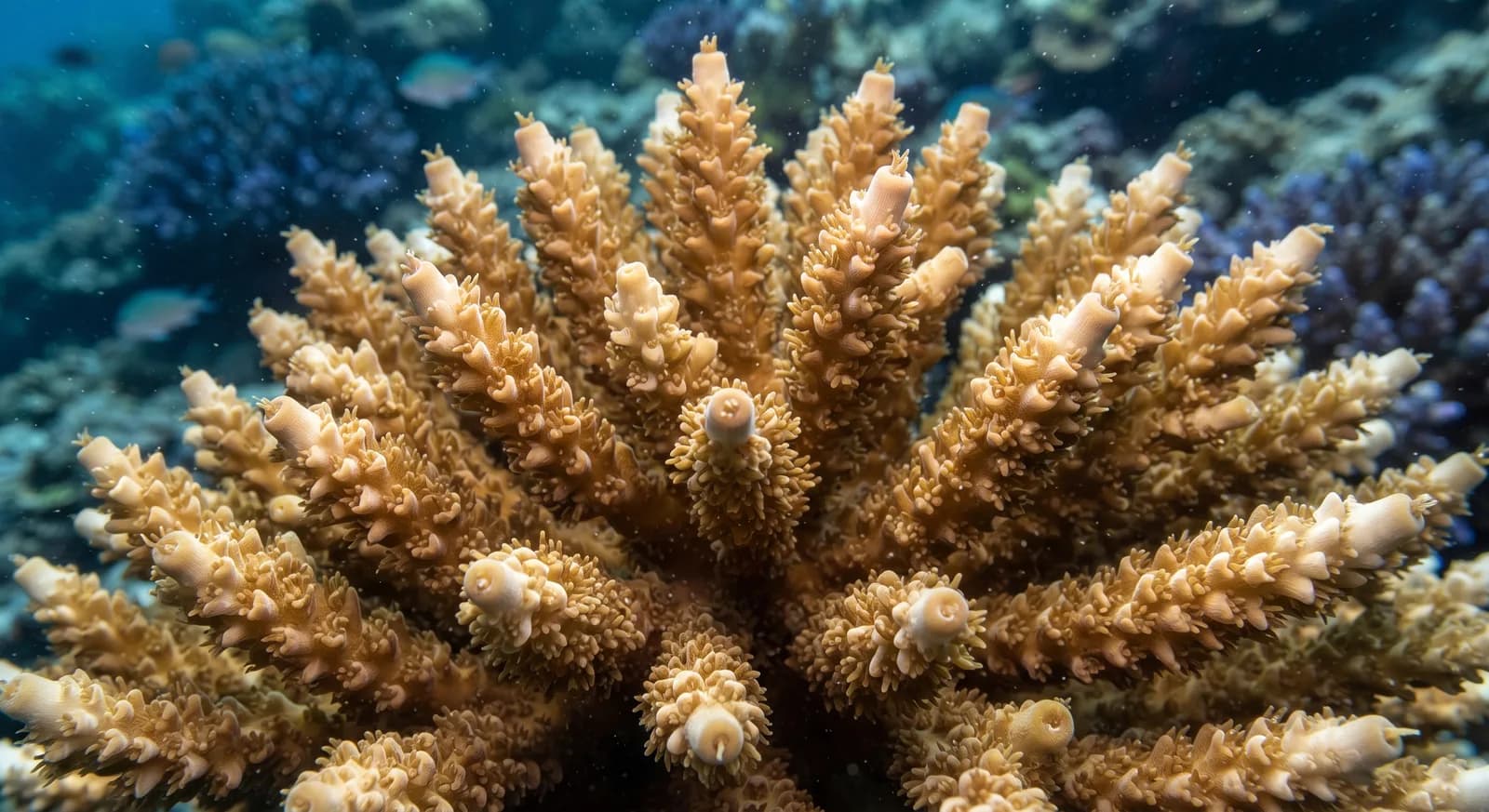
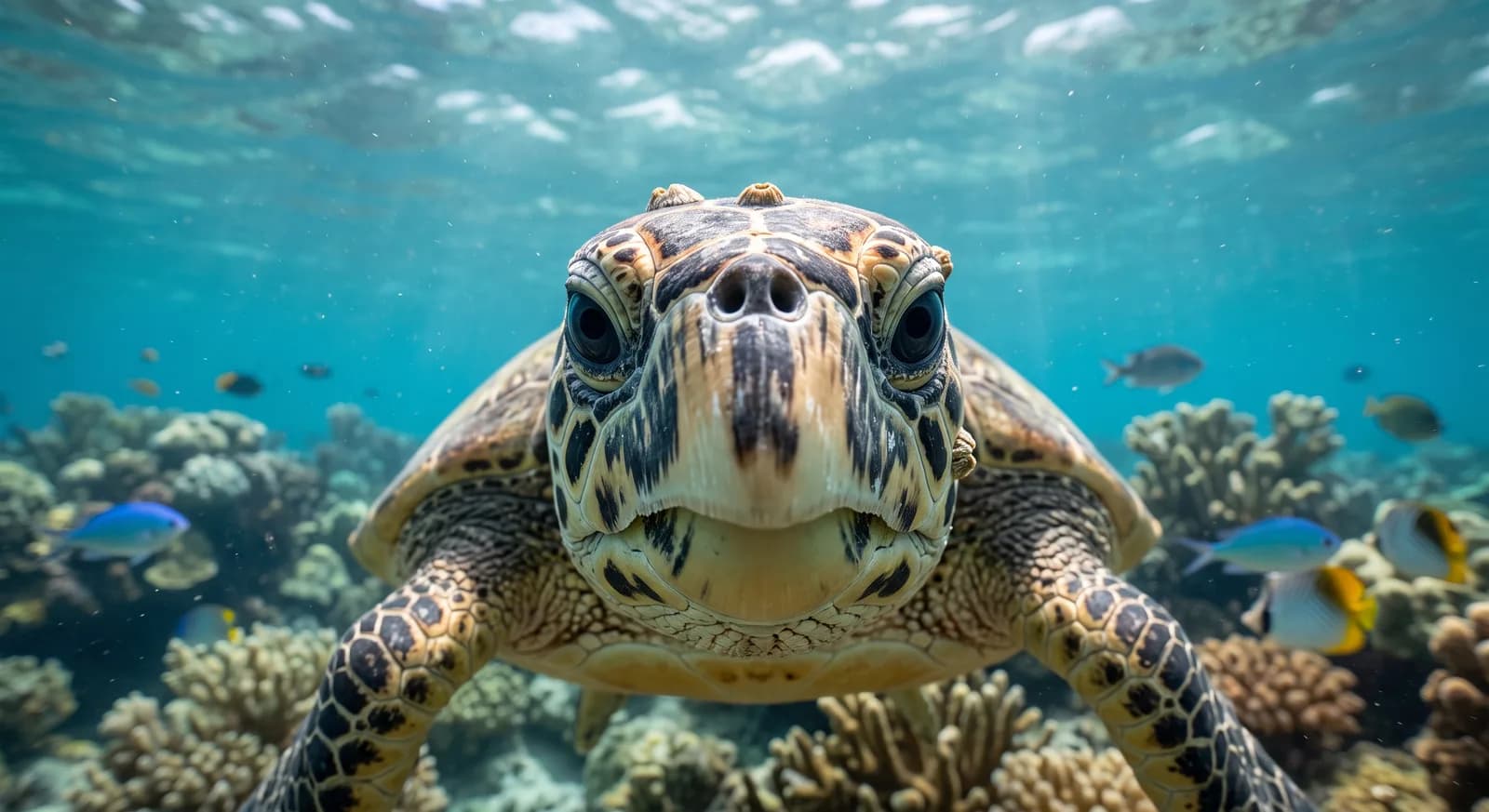
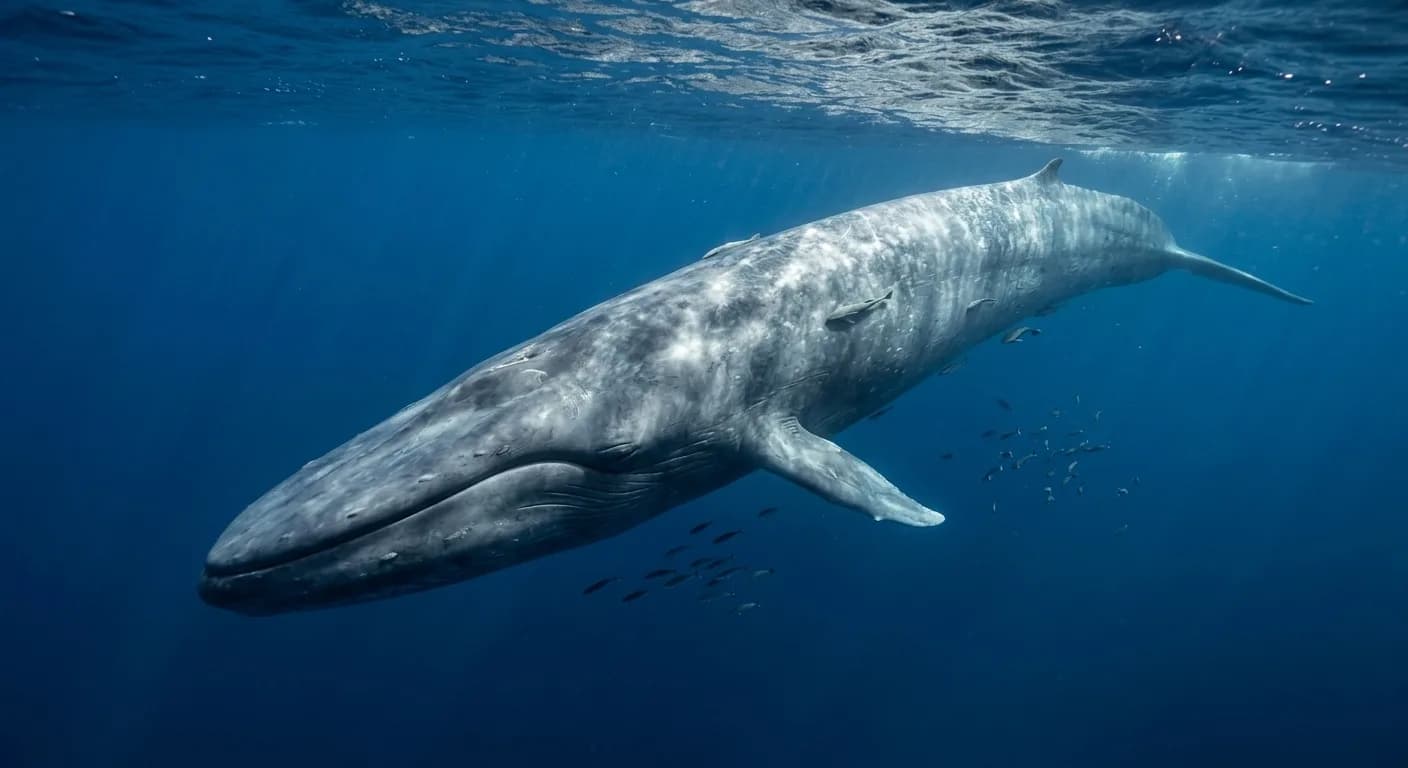
Samoa is made up of two main volcanic islands, Upolu and Savai'i, the latter with recent lava fields and some of the largest shield volcanoes in the Pacific. Its interior keeps humid montane rainforest with tree ferns and giant trees, and its coast alternates lava cliffs, white sand beaches and reefs. As these are oceanic islands a long way from any continent, the land fauna is limited but very distinctive: there are no native mammals other than bats, and the flying foxes play an essential role as pollinators and seed dispersers for the forest trees. Samoan waters receive humpback whales in the southern winter and hold green turtles and reefs protected by community fishing closures.
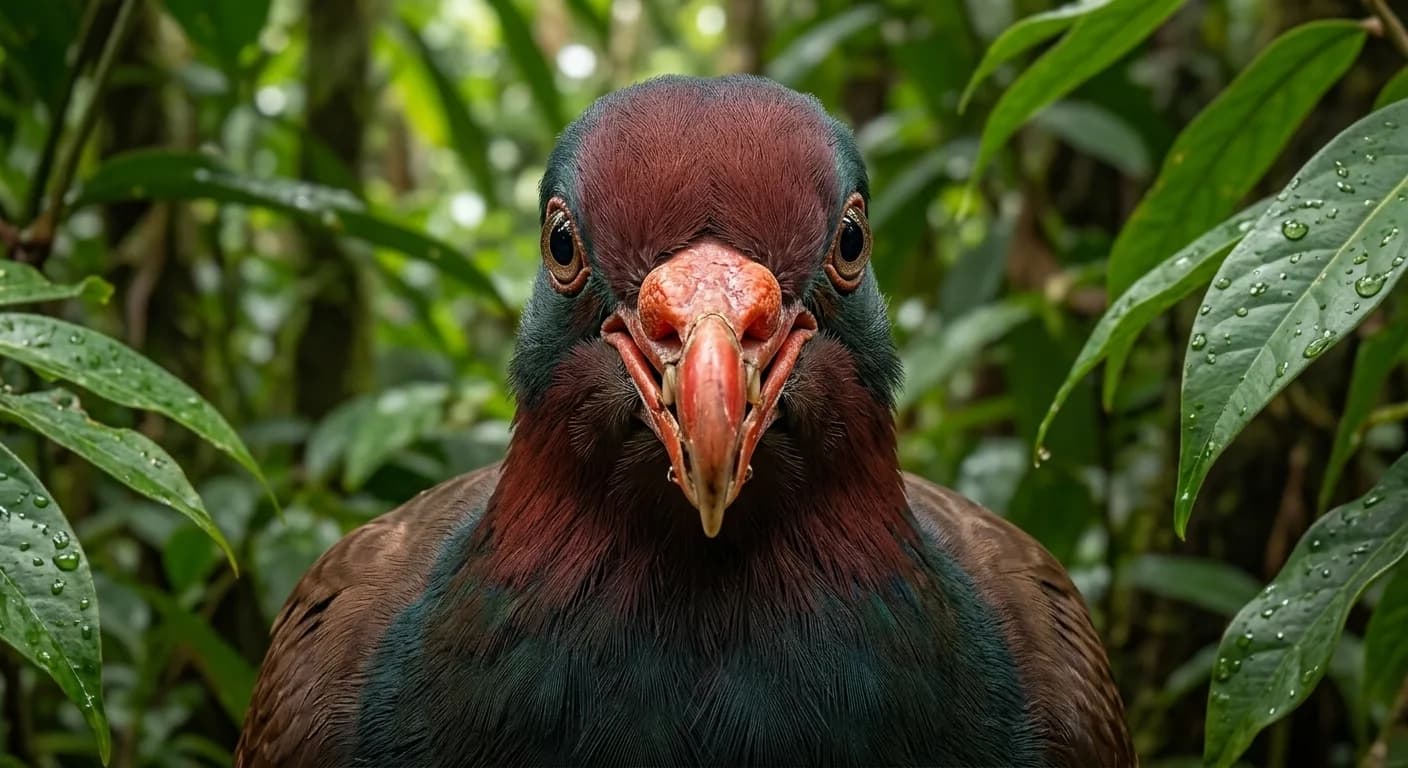
National animal: The manumea, or tooth-billed pigeon, the country's national bird
The manumea, the tooth-billed pigeon, is regarded as the closest living relative of the dodo and exists only in Samoa. It is so scarce and so unobtrusive that for years not a single photograph of a living bird could be obtained, and current estimates put the population at fewer than a hundred. It appears on the country's banknotes and coins, and the search for it has been turned into a national campaign.
The cyclones of the 1990s and hunting drastically reduced the flying fox populations, whose disappearance would compromise the regeneration of the forest because many trees depend on them to disperse their seeds. The marine closures managed by the villages are the basis of coastal conservation.
O Le Pupu-Pue at dawn for forest birds. The south coast between July and October for humpback whales. Falealupo at dusk for flying fox colonies.
Where else might I want to travel?
Same region: Oceania
Same region: Oceania
Same region: Oceania
Same region: Oceania
130 species found
Based on what we already know about Samoa.