 Critically Endangered
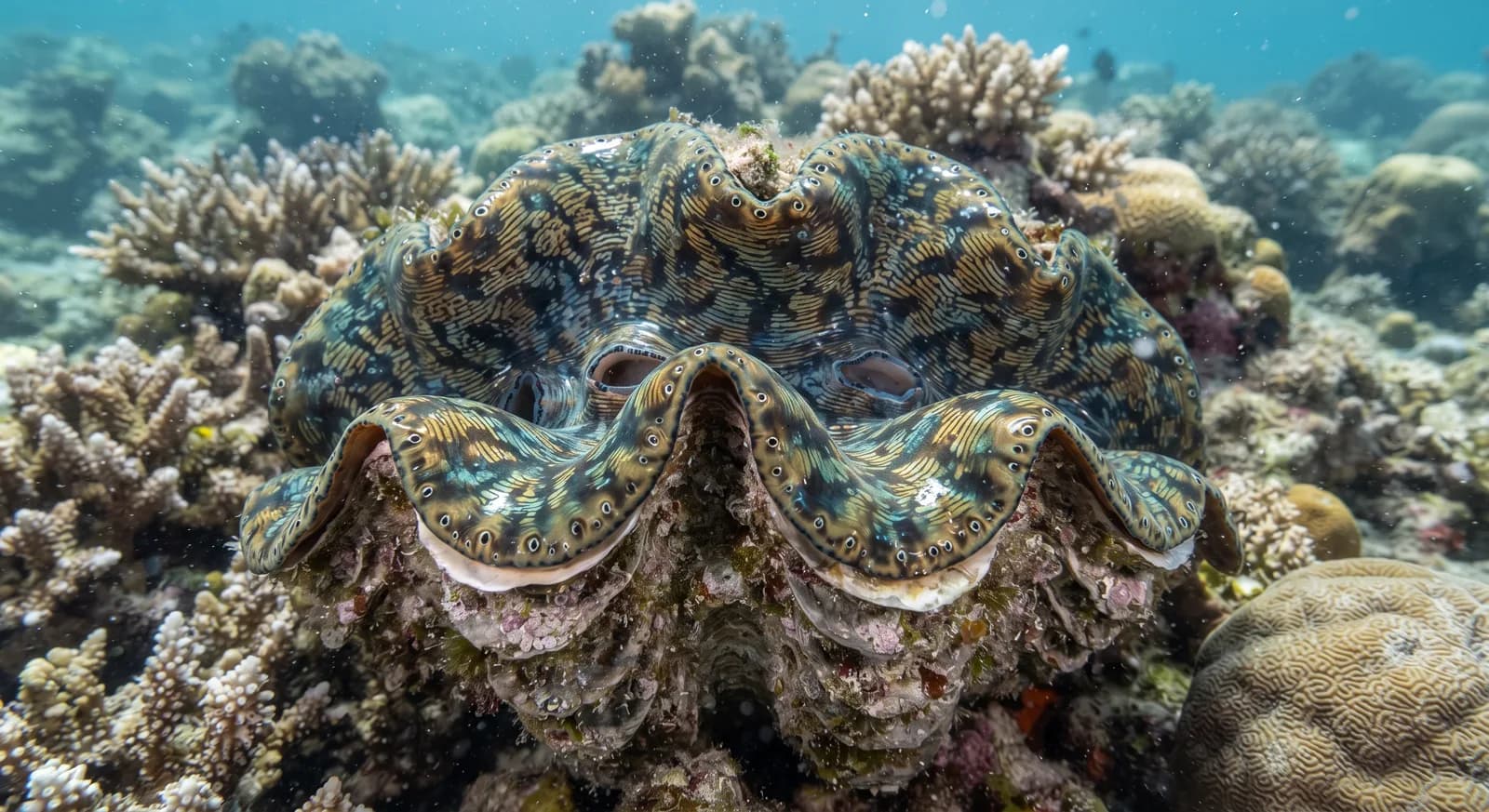
Giant Clam
Tridacna gigas
Oceania
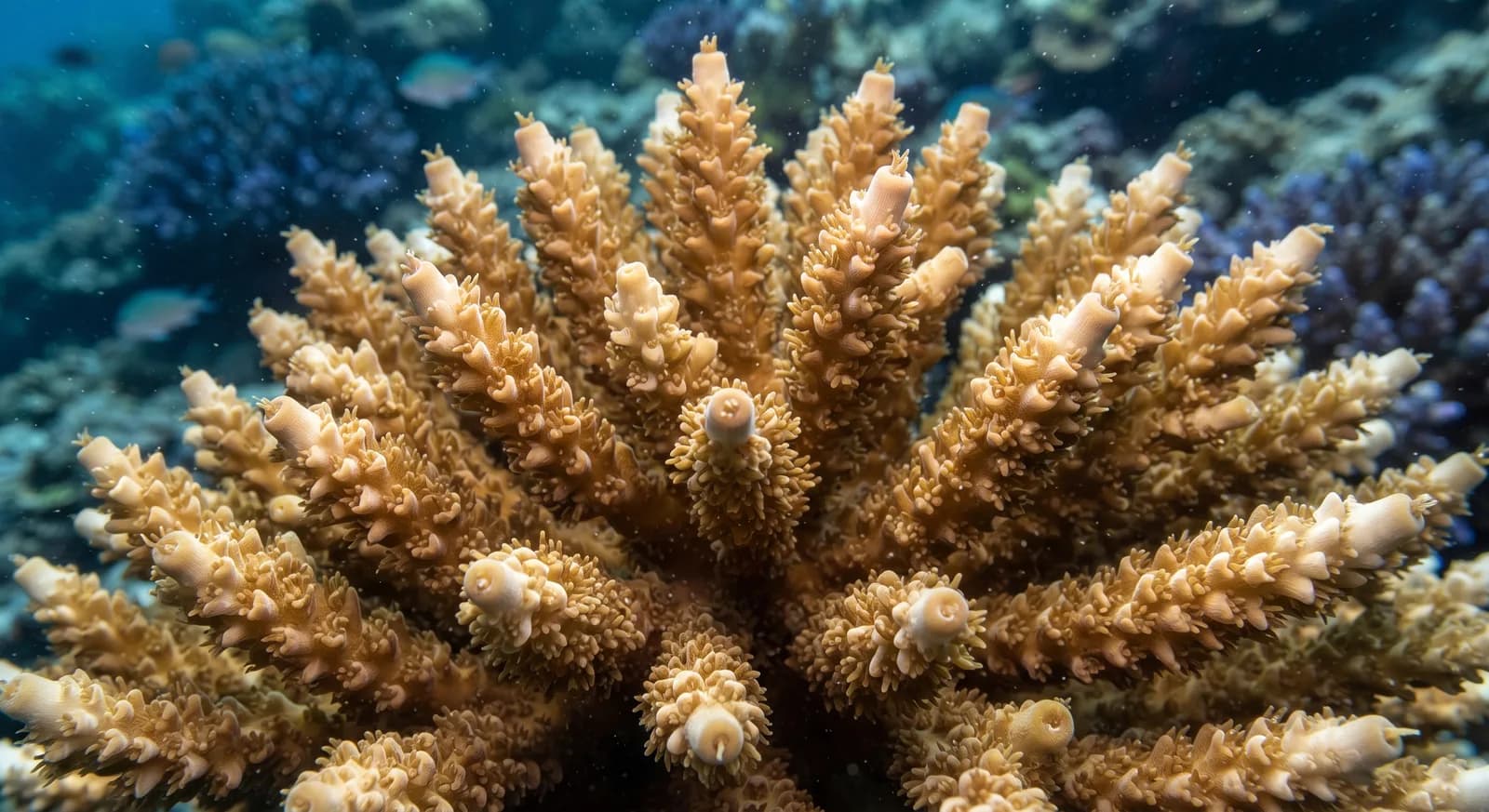
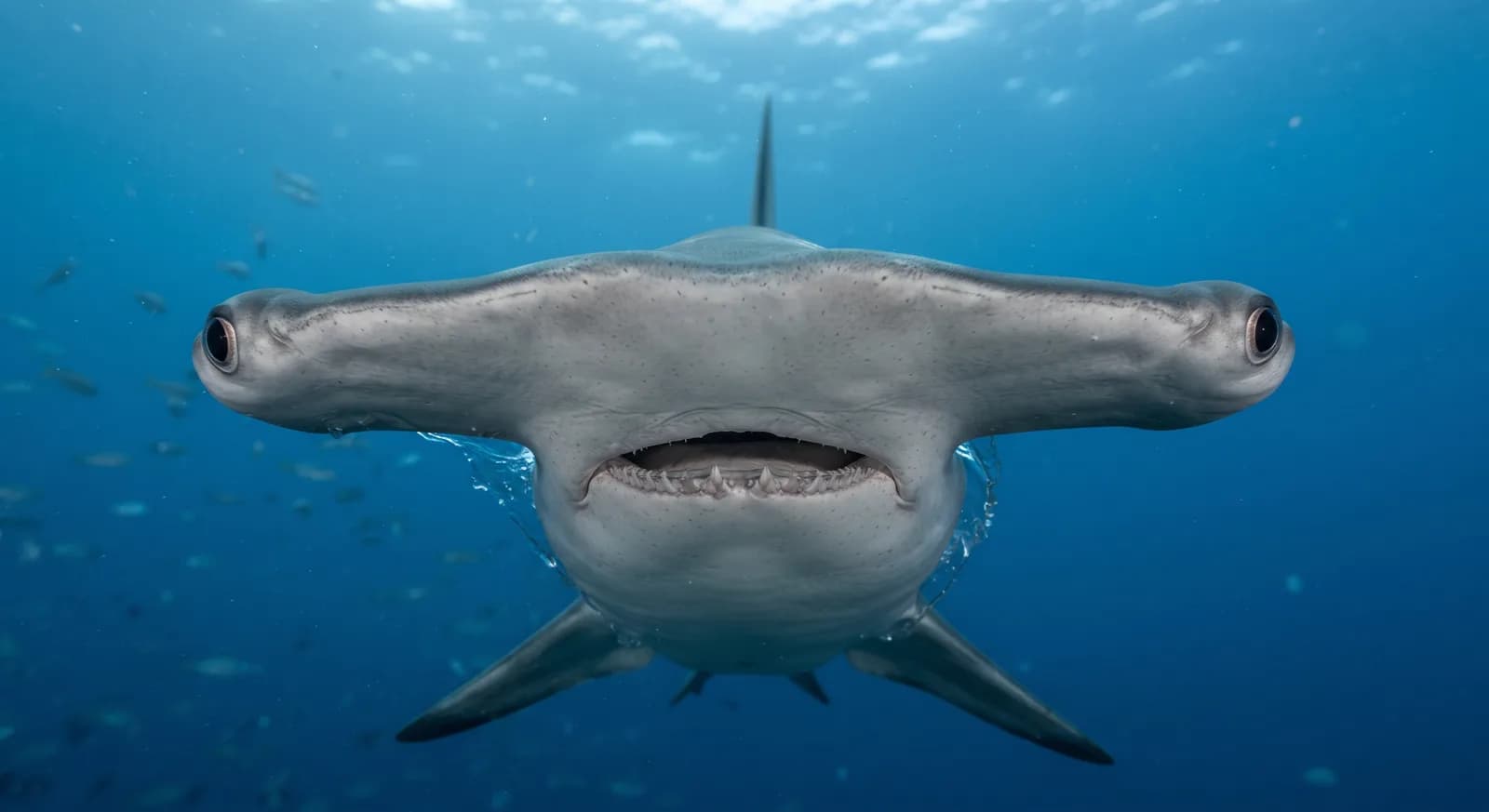
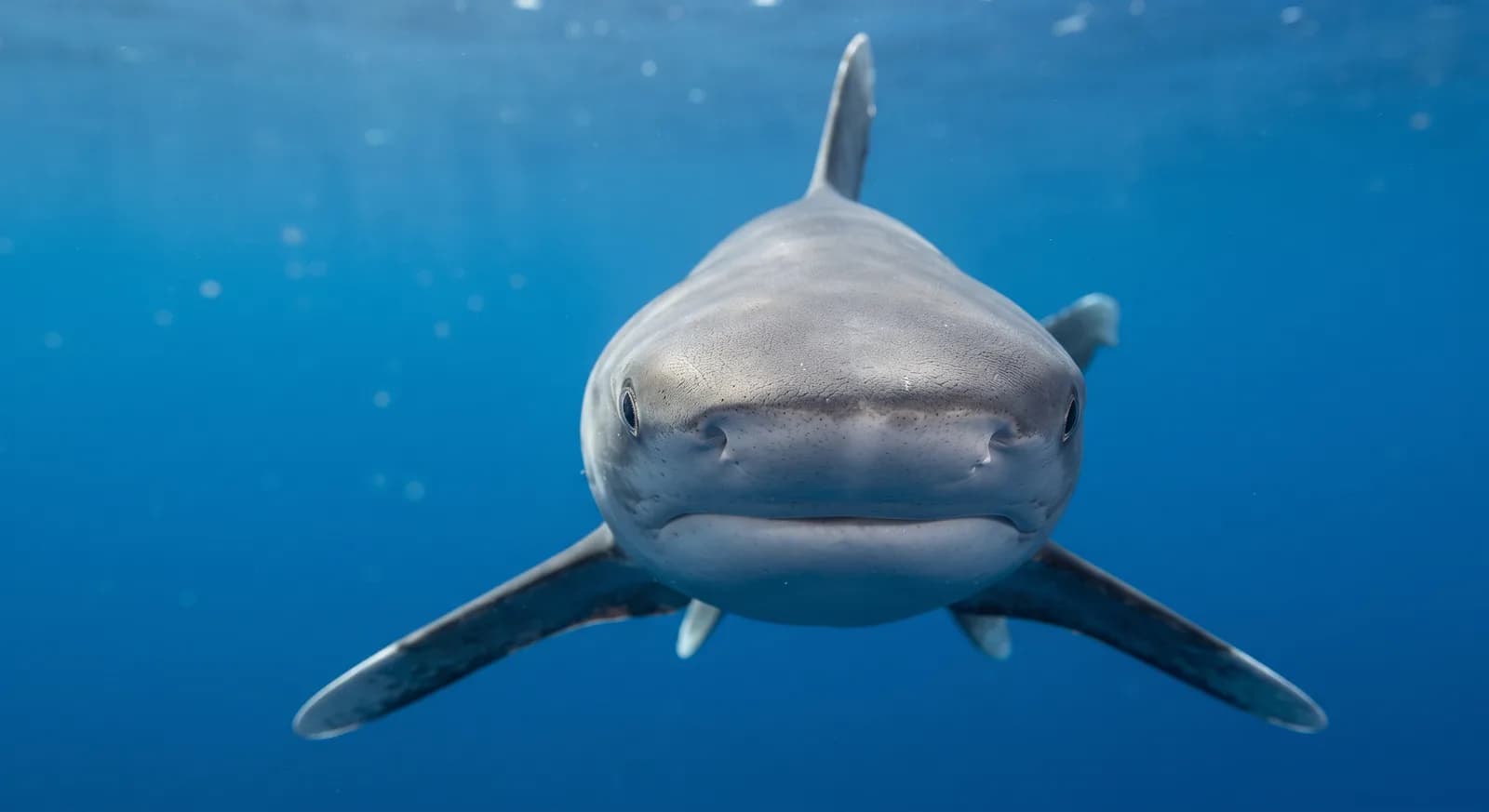
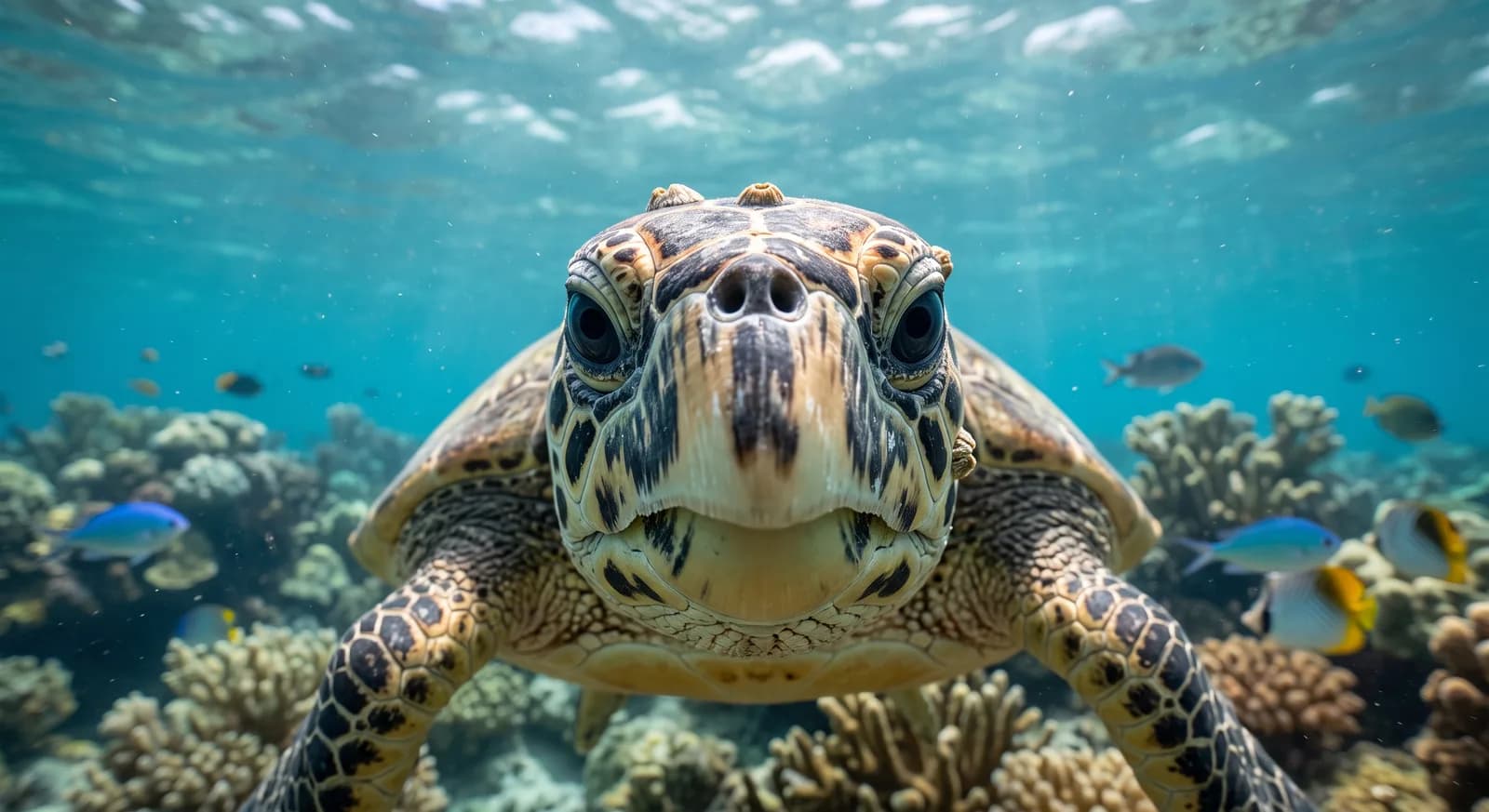
Kiribati is made up of thirty-three atolls and coral islands scattered across more than three and a half million square kilometres of ocean, which makes it one of the most widely dispersed countries in the world despite having a minimal land area. Almost all of its territory rises barely a few metres above the sea. Kiritimati, in the Line Islands group, is the coral atoll with the greatest emerged land area on the planet and holds seabird colonies of millions of individuals, with terns, shearwaters, boobies and frigatebirds. In the practically uninhabited Phoenix group, one of the largest marine protected areas in the world has been declared: a set of atolls and seamounts with almost intact reefs and dense shark populations.
National animal: The great frigatebird, the bird represented on the national flag
The bristle-thighed curlew crosses non-stop from Alaska to these atolls, a flight of more than four thousand kilometres over open sea. The astonishing part is what happens next: it is the only wader in the world that can become temporarily unable to fly while moulting its feathers, so it can only winter on islands without land predators. The arrival of rats and cats on an atoll is enough to condemn the curlews that choose it.
The Phoenix Islands Protected Area is a World Heritage Site and one of the largest marine spaces closed to fishing on the planet. The eradication of rats on several atolls has allowed the recovery of seabird colonies that had been gone for a century.
Kiritimati year-round for seabird colonies. The Phoenix Islands, with very restricted access, for reefs and sharks. The western atolls between September and April for migratory waders.
Where else might I want to travel?
Same region: Oceania
Same region: Oceania
Same region: Oceania
Same region: Oceania
126 species found
Based on what we already know about Kiribati.