Named for the bluish haze its eucalypt forests give off, from the volatile oils they release
Area
2,679 km²
Protection category
IUCN II
Parque nacional —
Designated in
1959
Declared in 1959, it is named for the bluish haze that usually hangs over its valleys, produced by the volatile oils its extensive eucalypt forests give off as they evaporate in the sun, an optical effect that scatters blue light selectively. It has been a UNESCO World Heritage Site since 2000 for preserving an exceptional diversity of eucalypts — more than 90 species within its boundaries, around 13% of all the species in the genus known worldwide. Its most celebrated rock formation, the Three Sisters, comes from a Gundungurra legend in which three sisters were turned to stone by a tribal sorcerer to keep them safe from a threat, and left petrified for ever in the landscape that the Echo Point lookout surveys.
1 dive site within 300 km is also shown.
Ecosystems found in Australia, where Blue Mountains lies.
Where can I dive near here?
267 km away
What is worth looking out for this month in Australia?
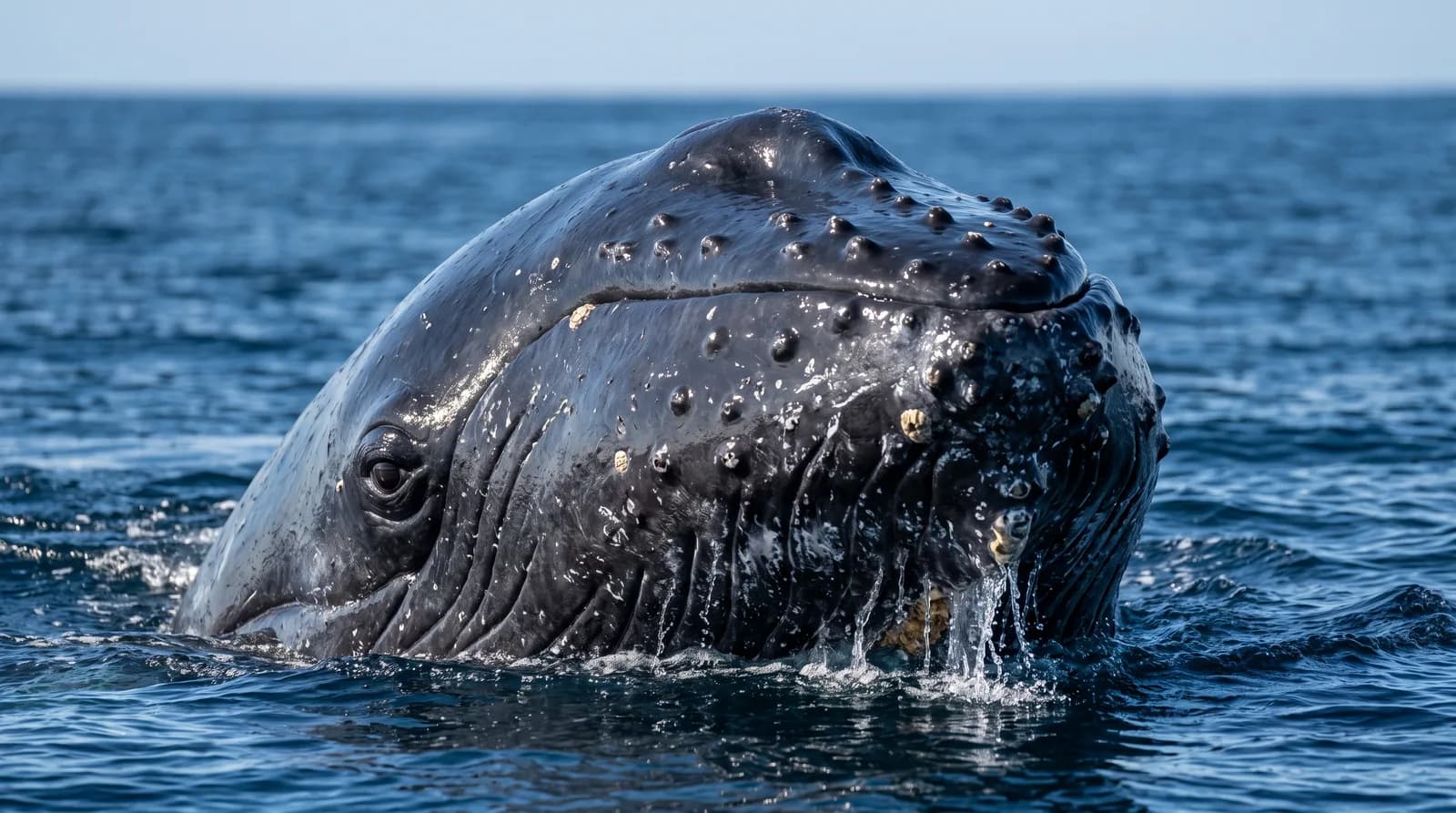
Now is a good time: The Humpback Highway on Australia's east coast (May to November (northbound May to August, southbound return August to November))
Now is a good time: Red crab migration on Christmas Island (October to January (spawning Nov-Dec))
Which other parks are like this one?
Same country: Australia
Based on what we already know about this park.
Share your experience visiting Blue Mountains, or a tip for other travellers.
Be the first to comment.
Region
New South Wales
Climate
Tropical, Arid / desert, Temperate, Mediterranean
Best season
March to May
Endemic species of Australia:Superb Lyrebird,Koala,Platypus
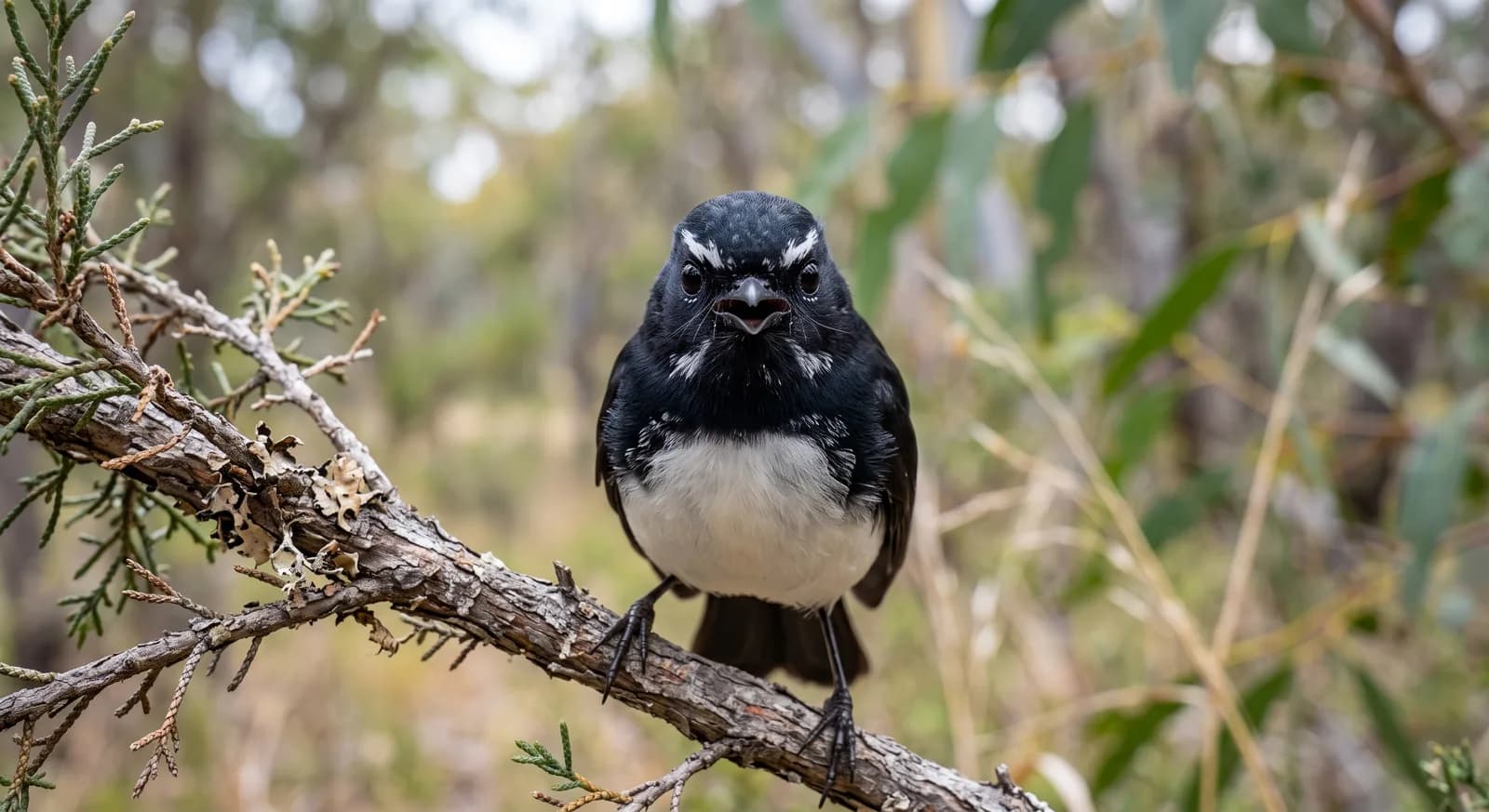
Least ConcernWillie Wagtail
Rhipidura leucophrys
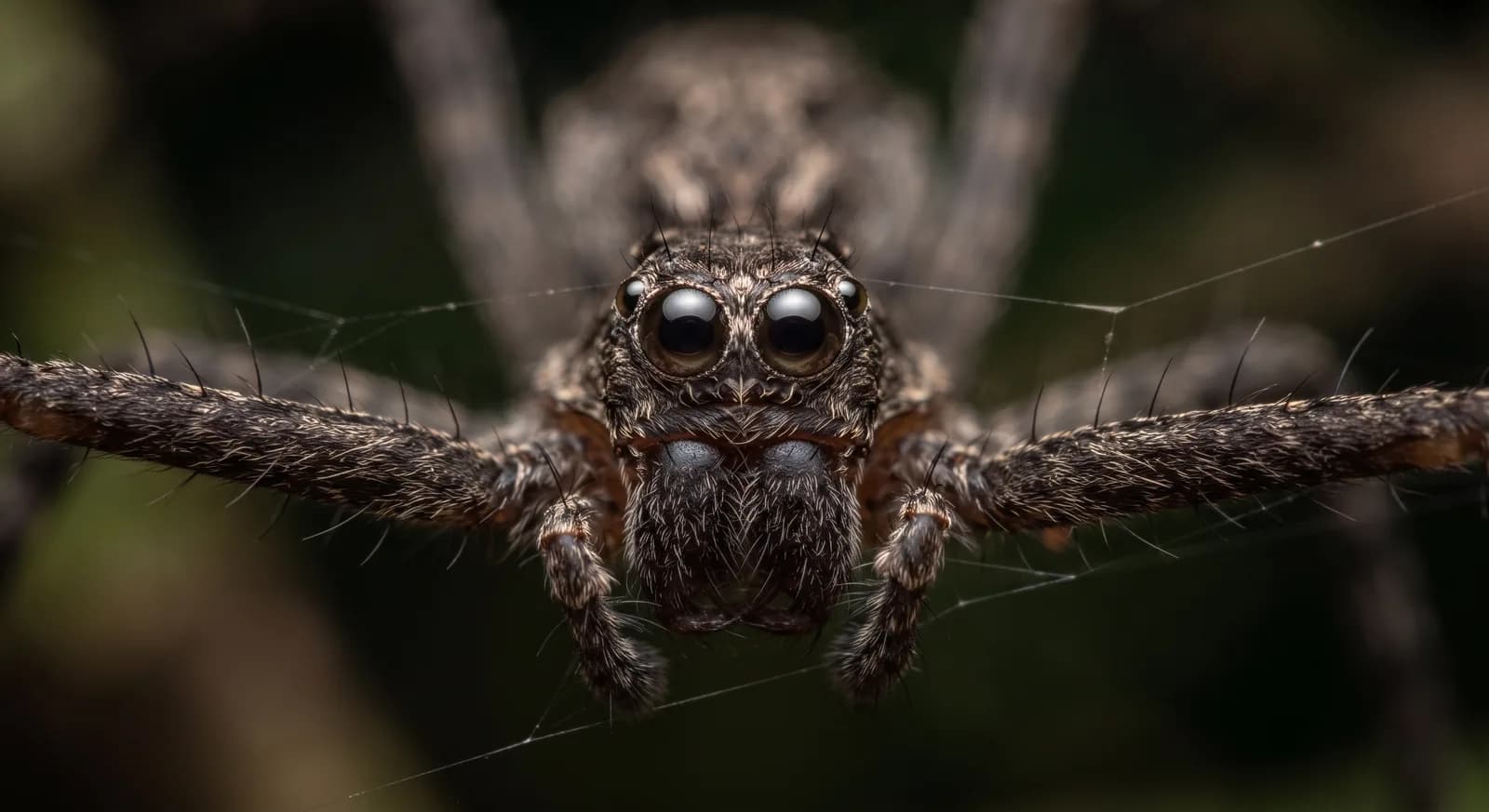
Not EvaluatedOgrefaced Spider
Deinopis spinosa
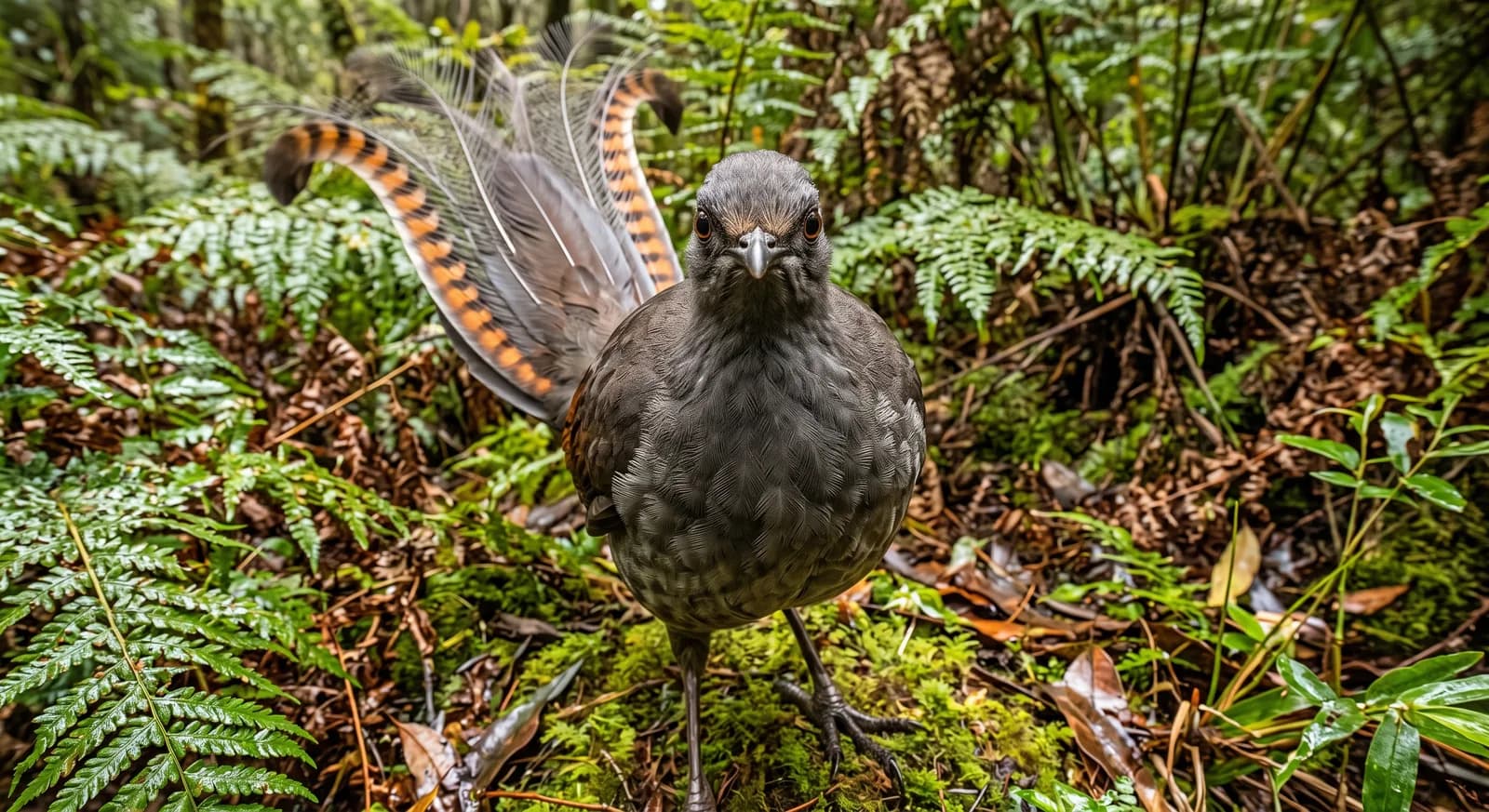
Least ConcernSuperb Lyrebird
Menura novaehollandiae
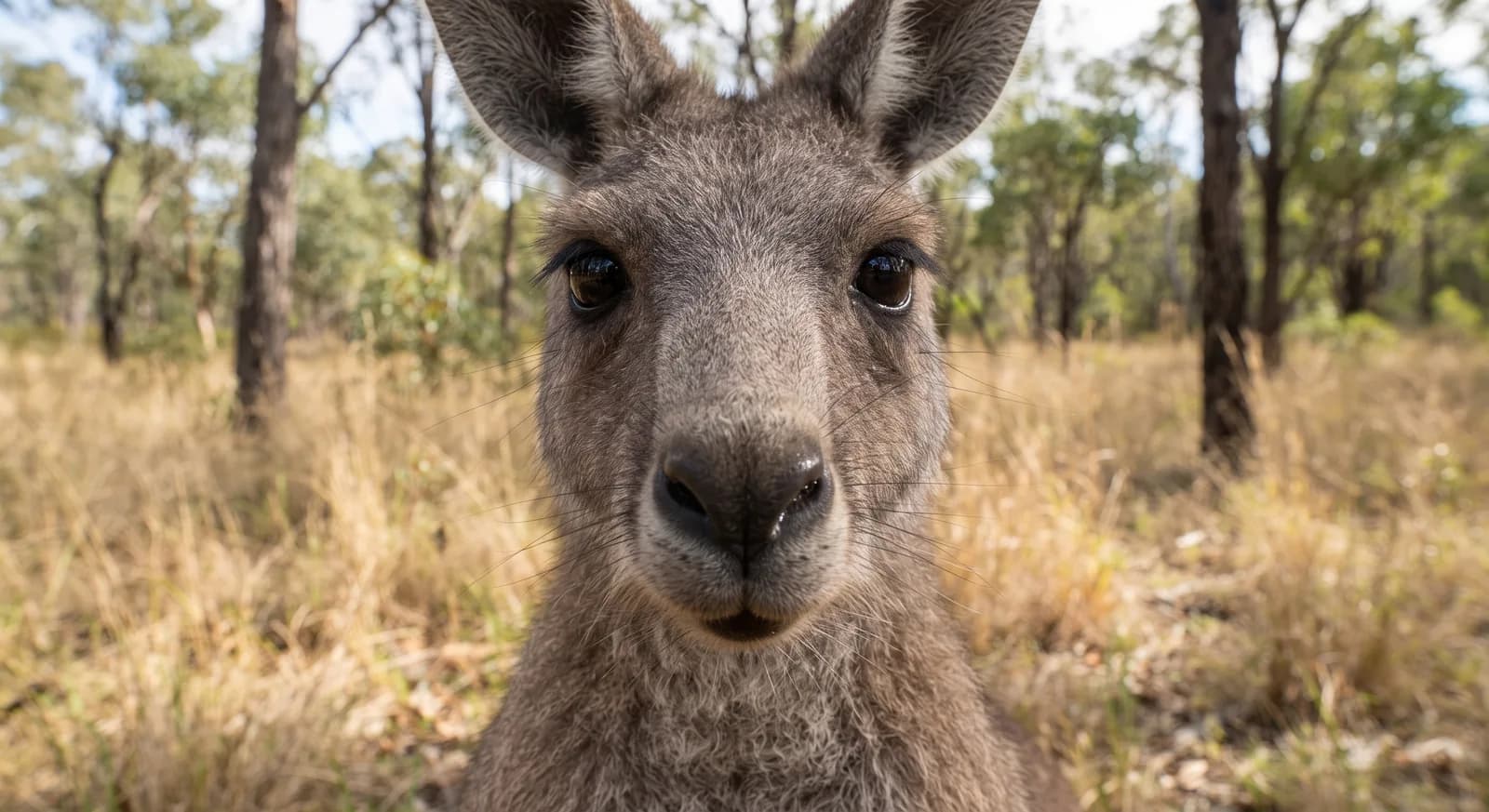
Least ConcernEastern Grey Kangaroo
Macropus giganteus
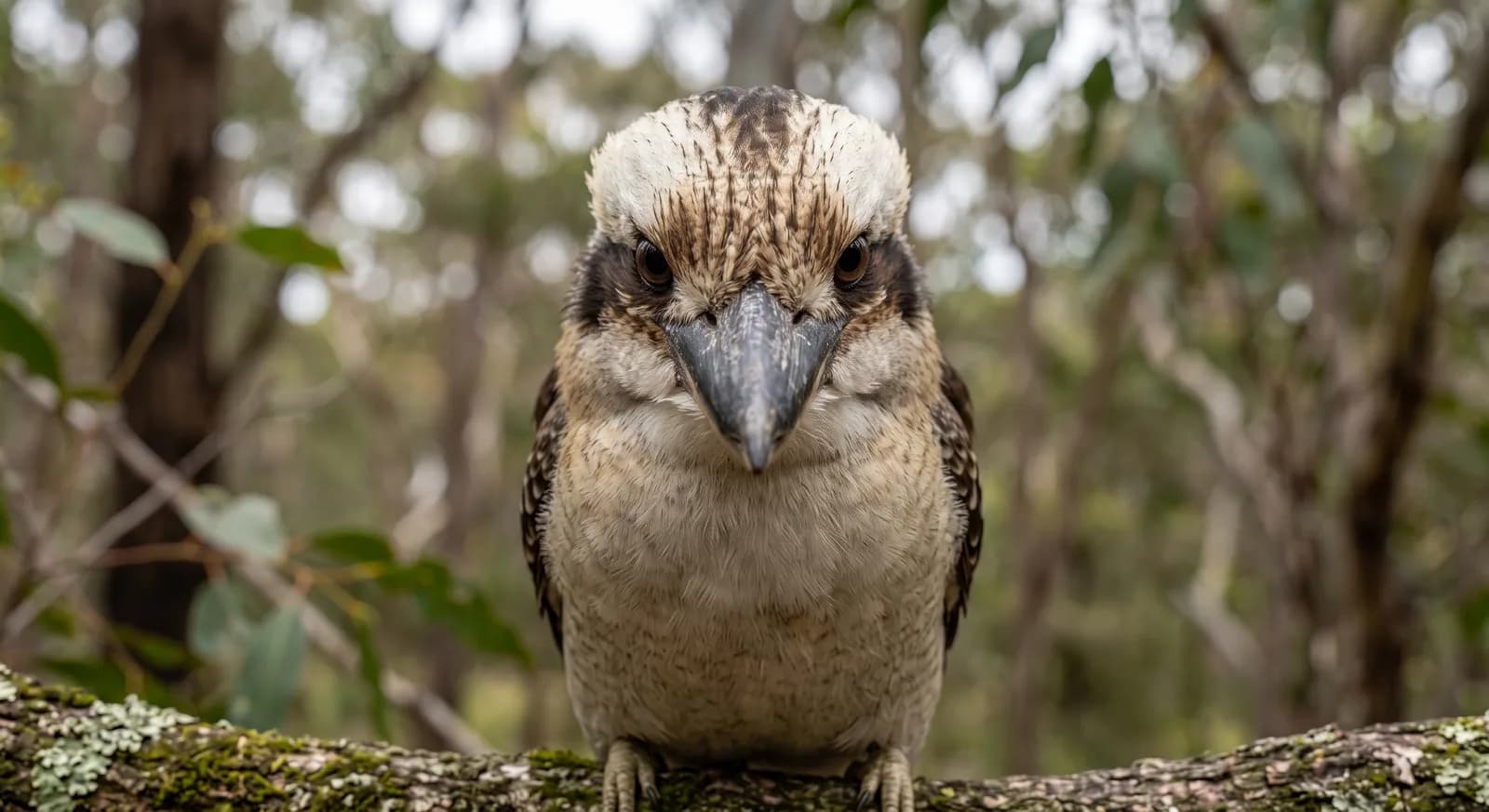
Least ConcernLaughing Kookaburra
Dacelo novaeguineae
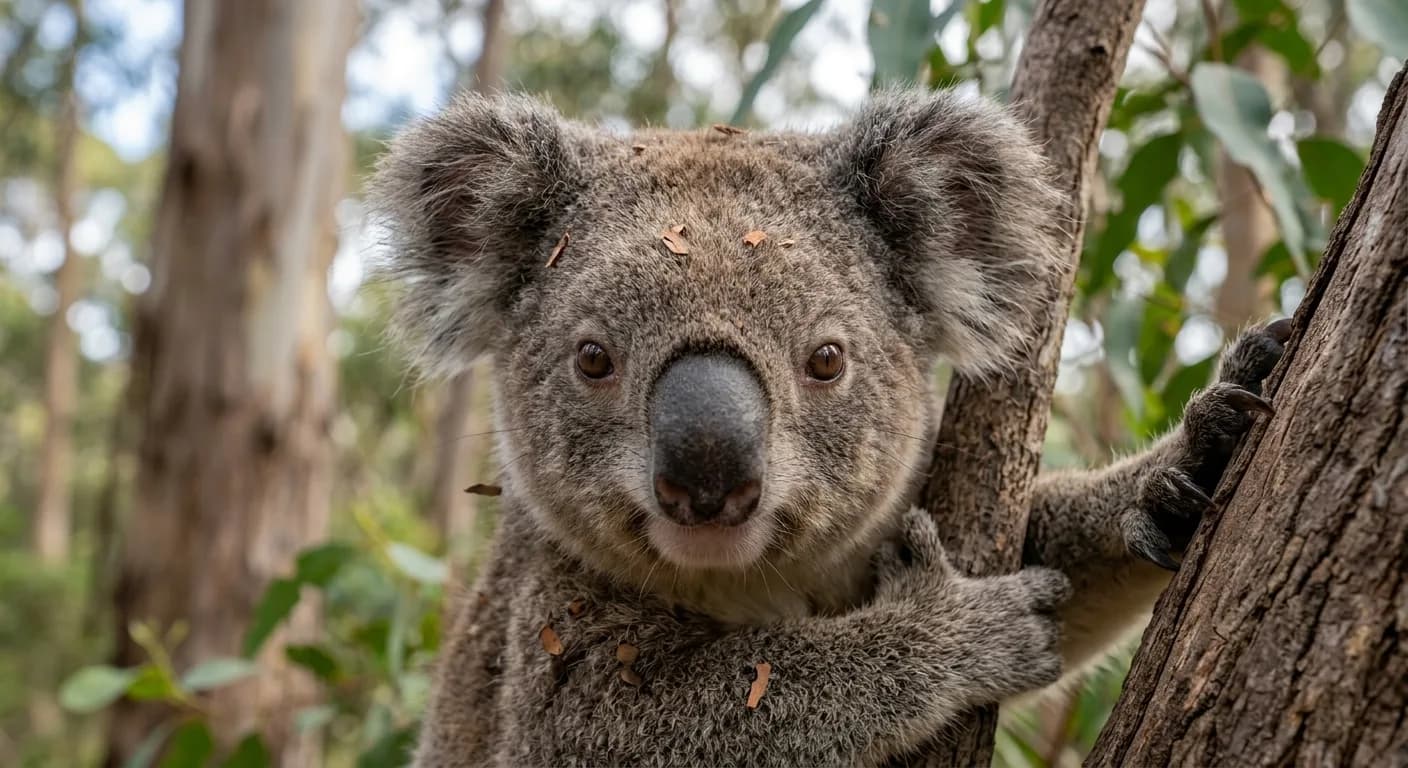
VulnerableKoala
Phascolarctos cinereus
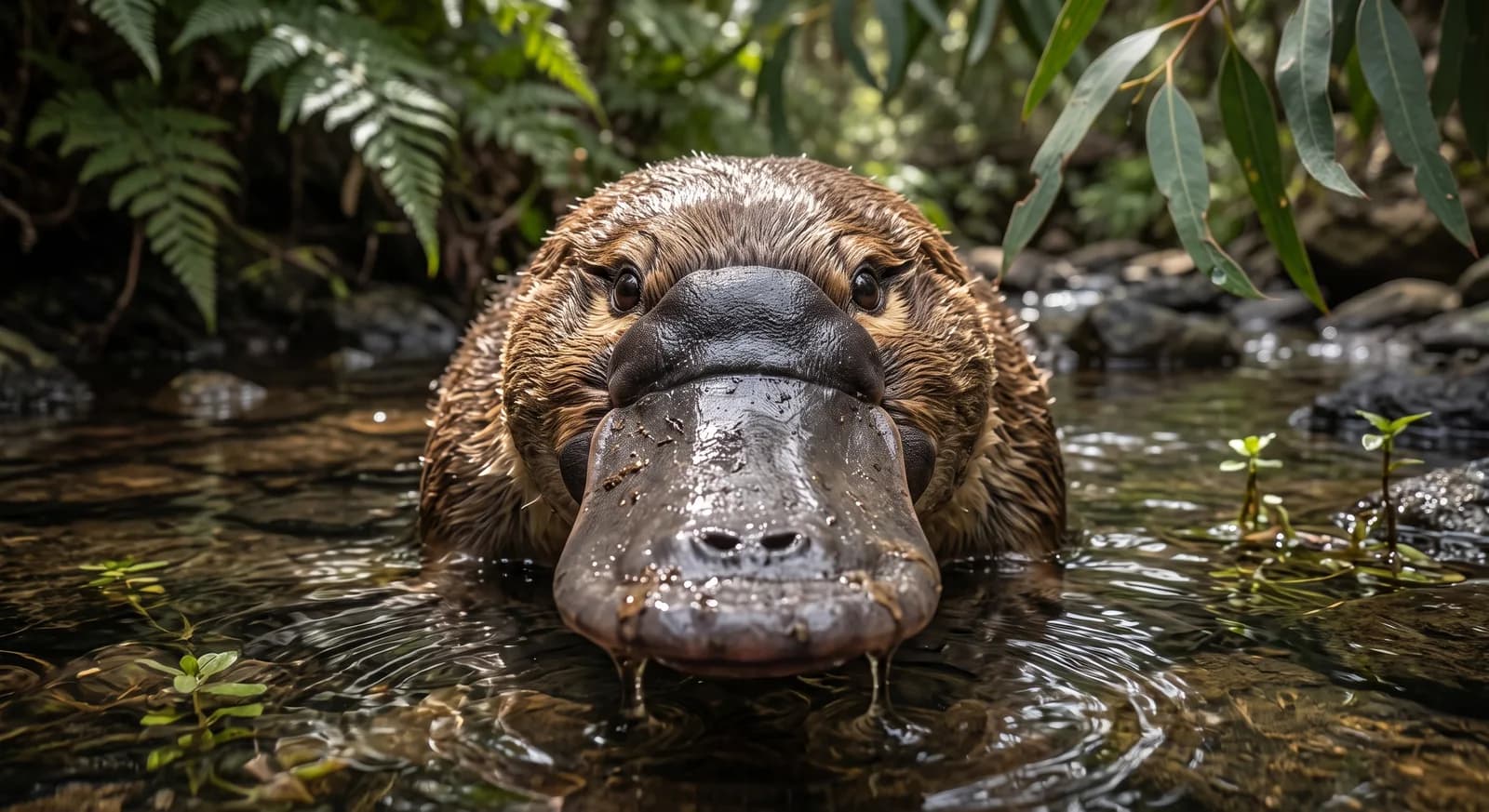
Near ThreatenedPlatypus
Ornithorhynchus anatinus
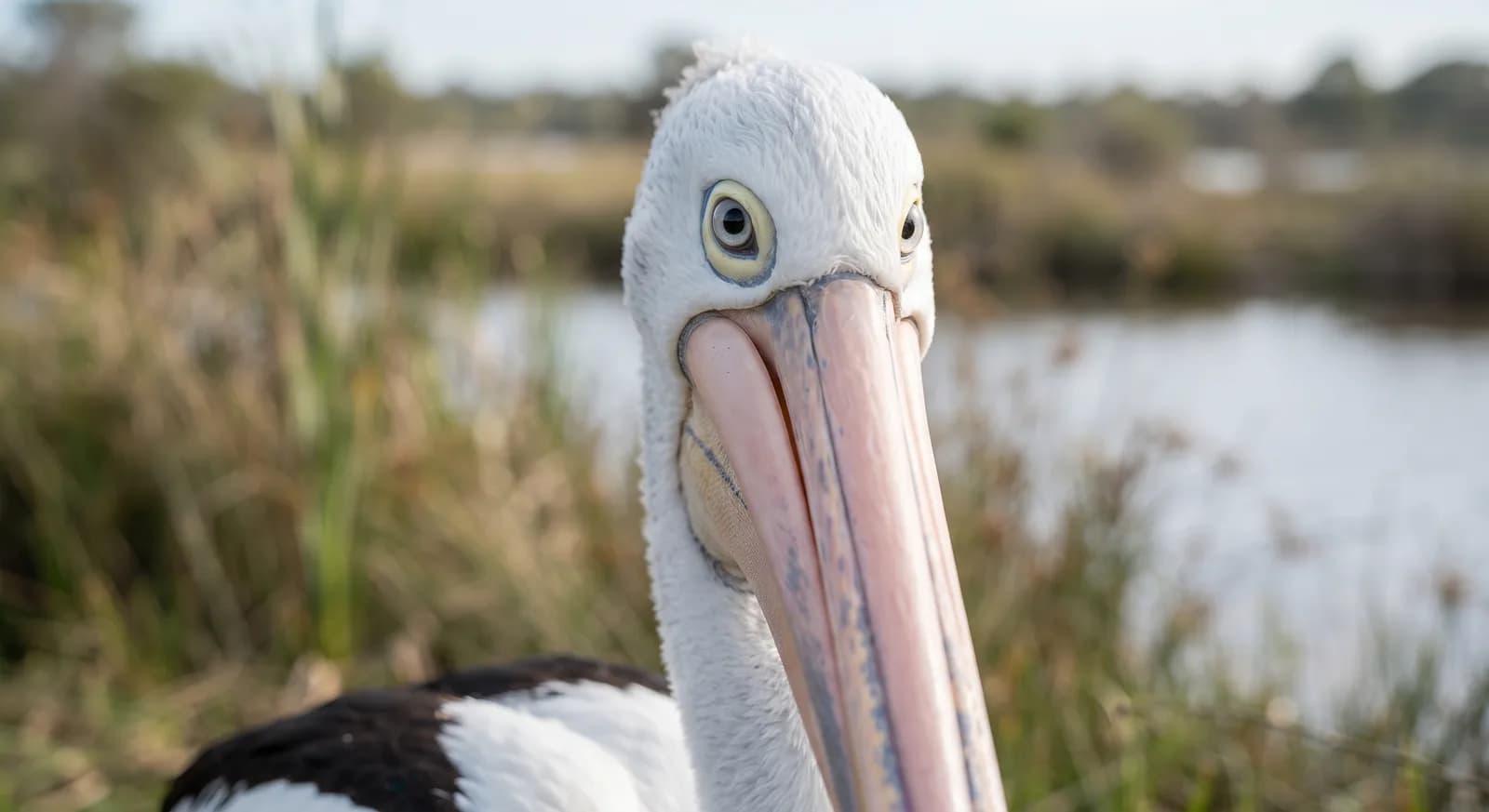
Least ConcernAustralian Pelican
Pelecanus conspicillatus
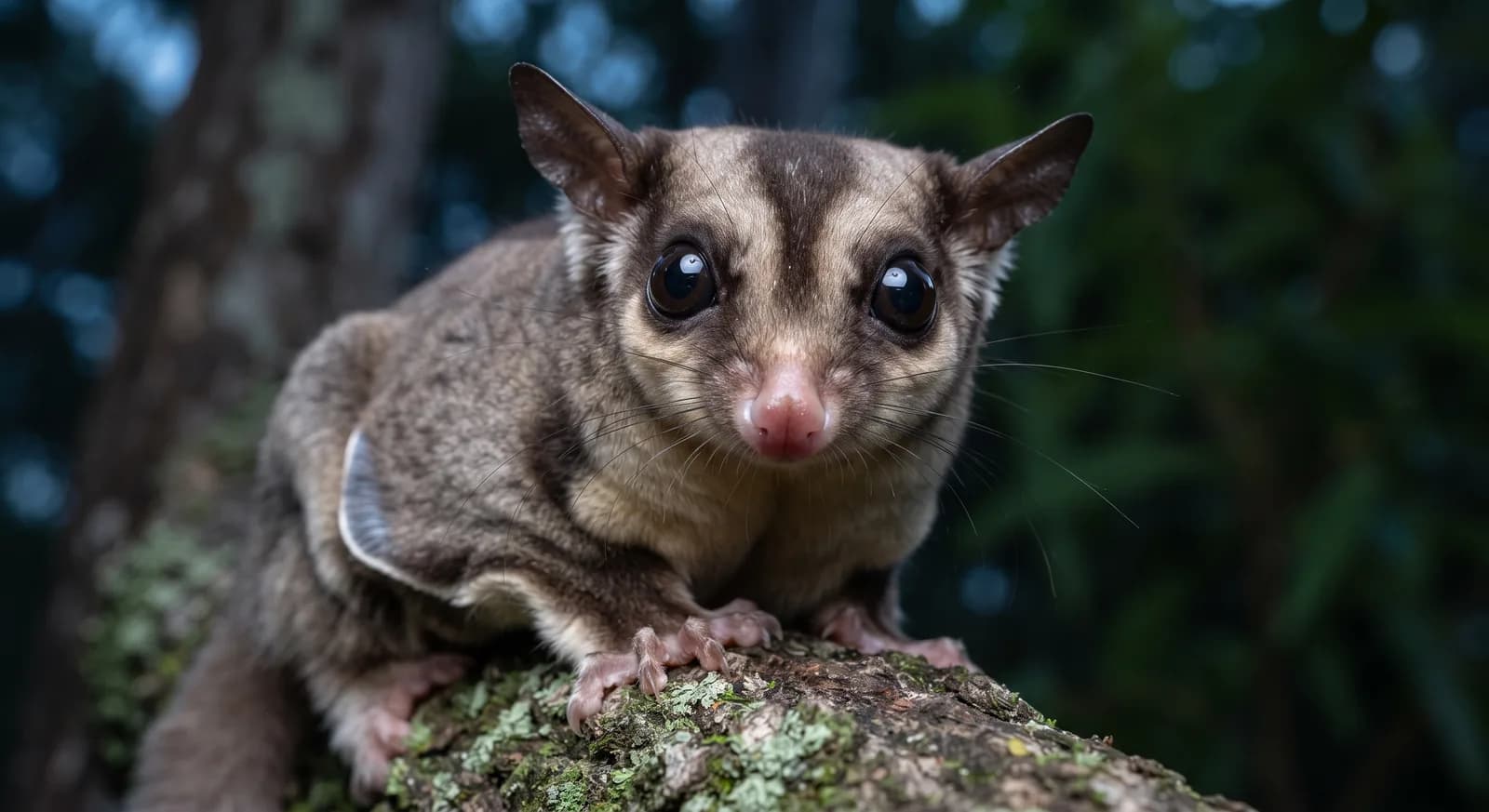
Least ConcernSugar Glider
Petaurus breviceps
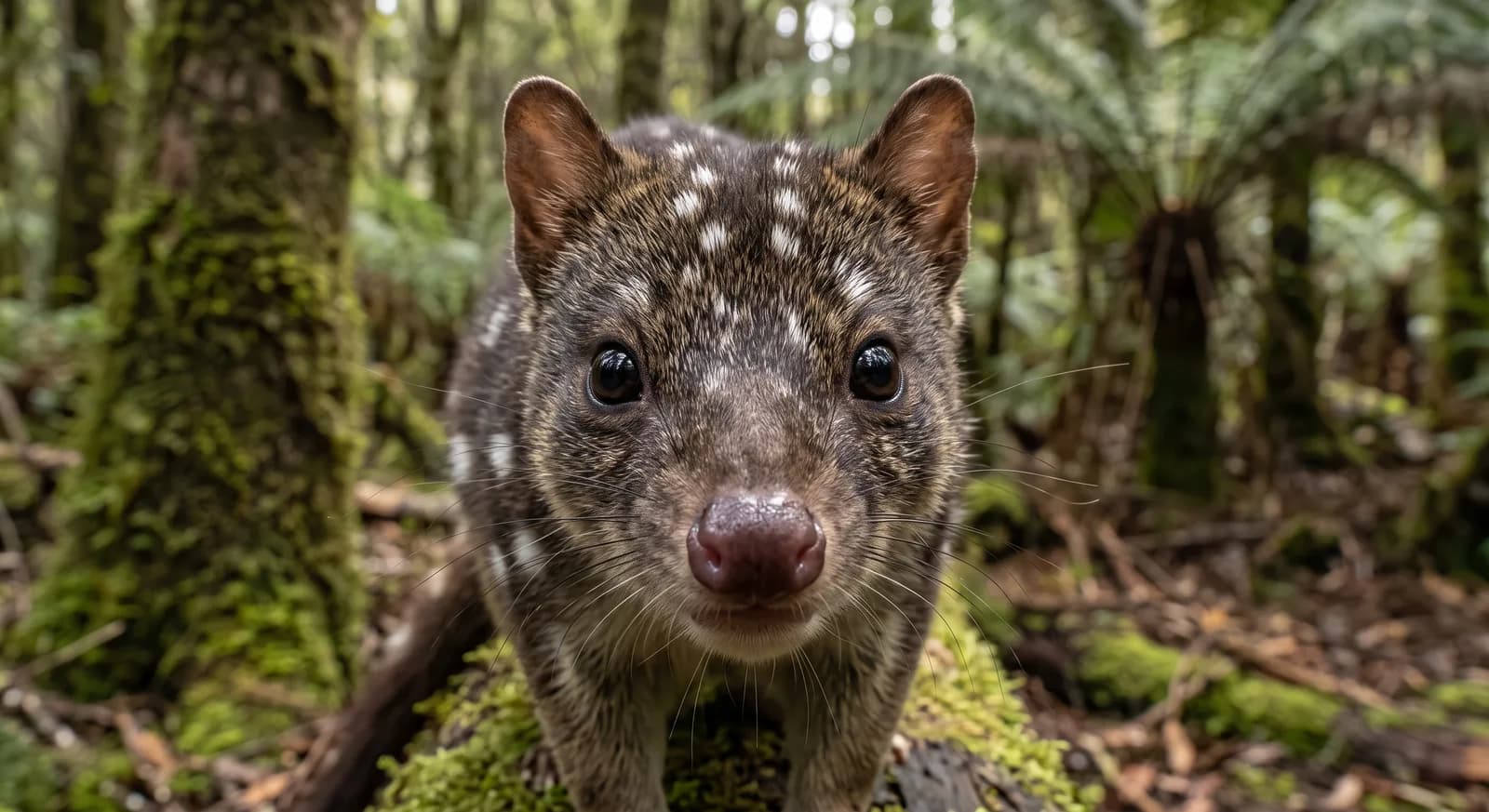
Near ThreatenedSpotted-tailed Quoll
Dasyurus maculatus
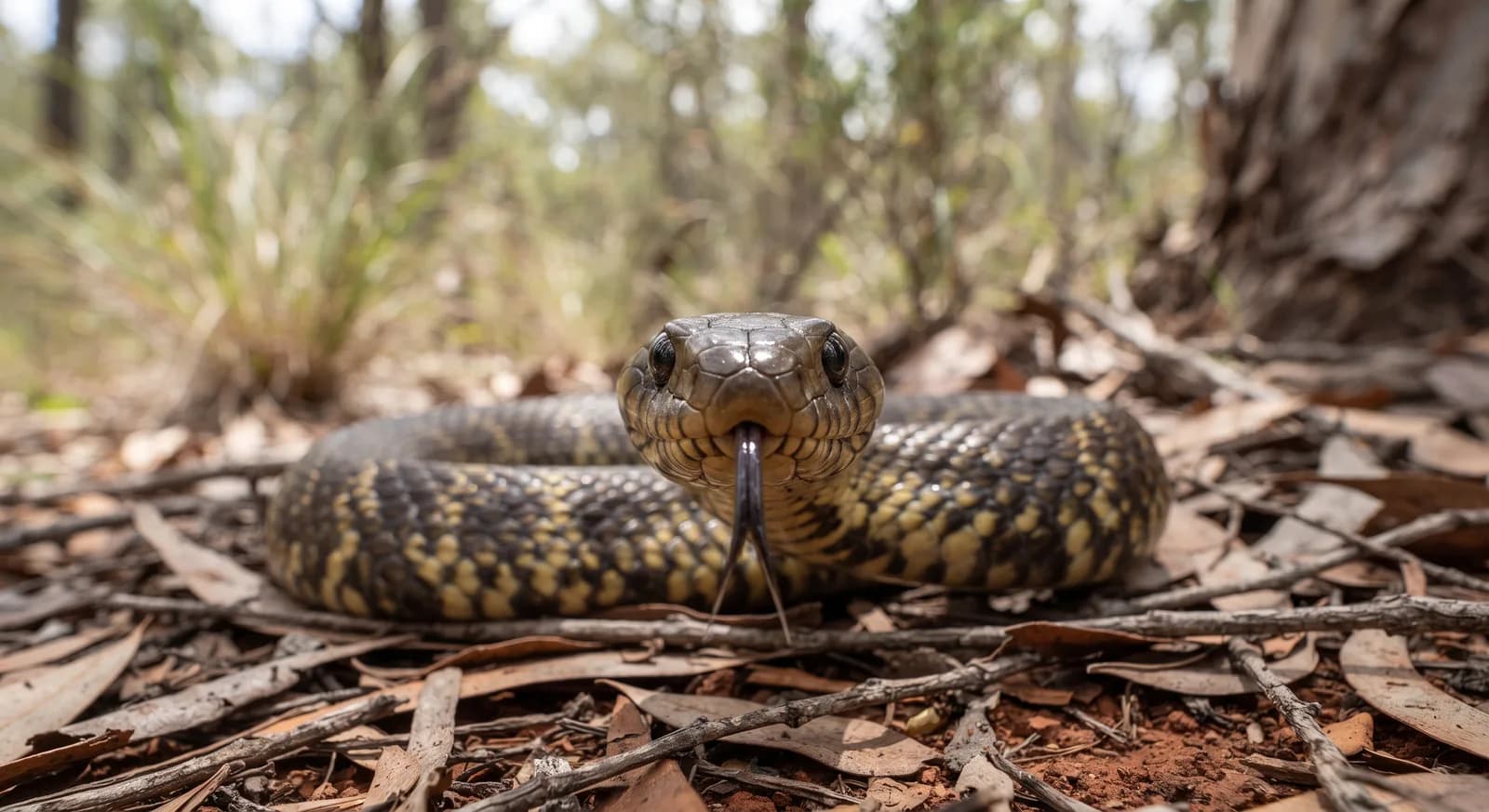
Least ConcernMainland Island Snake
Notechis scutatus
Least ConcernRed-necked Wallaby
Notamacropus rufogriseus