Skip to content
WAnimals
  • Map
  • Species
  • Parks
  • Diving
Log inCreate account
WAnimals

The guide for travellers and animal lovers: discover, plan and share your wild adventures around the world.

Discover wildlife

  • Species
  • Ecosystems
  • Glossary
  • Tags

Explore places

  • Map
  • Countries
  • Parks
  • Diving

Plan experiences

  • Guides

Learn

  • Blog

Resources

  • About us
  • How we build our profiles
  • Help centre
  • Contact
  • Install the app

Follow us

Account

  • Log in
  • Create account

© 2026 WAnimals. All rights reserved.

Terms of servicePrivacyCookiesLegal notice
MapSpeciesParksDiving
  1. Home
  2. Species
  3. Australian Magpie

One of the 3 magpies on WAnimals

Birds · Passeriformes · Artamidae

Australian Magpie

Cracticus tibicen

Least Concern

The species is abundant and widely distributed; it faces no significant short-term risk.

Spotted something wrong?

The Australian magpie is a passerine bird of the family Artamidae, native to Australia and southern New Guinea and the only representative of the genus Gymnorhina. The species is closely related to the members of the genus Cracticus, especially the black butcherbird. Despite its name, it is not related to the magpie, which is a corvid. In the past three separate species were recognised, but the hybridisation zones of each of them reinforced the view that this was a single population with several subspecies. Nine are recognised today.

Weight

220 g – 350 g

Size

37 cm – 43 cm

Life expectancy

25 years

Diet

Omnivore

Combines animal and plant food depending on availability.

Activity

Diurnal

Active mainly during the day.

Social structure

Family group

Lives in small family groups with close bonds.

Temperate forestGrassland
4countries68parks

Fun facts

  • Its song is one of the most complex vocalisations in the world: a fluid, polyphonic warble known as carolling that groups perform in chorus at dawn, and into which they can weave imitations of other birds, dogs and even sirens.
  • It recognises individual human faces and remembers for years who has bothered it: in the breeding season it selectively swoops those people and lets everyone else pass, to the point that Australia has crowd-sourced maps of aggressive magpies.

Life cycle and biology

Skeleton type
Vertebrate - internal bony skeleton (bird)
Habitat and environment
Grassland with scattered trees, parks, gardens and farmland of Australia and southern New Guinea
Birth weight
Altricial: born blind, naked or with sparse down and entirely dependent
Size at birth
Altricial: born blind, naked or with sparse down and entirely dependent
Sexual maturity
3 years
Gestation / incubation
20 days of incubation
Litter / clutch size
3 eggs

Sources consulted: Wikipedia (es): Gymnorhina tibicen

Where to find it

Best time: All year round in Australia, by day; its fluting song at dawn is one of the most characteristic sounds of the country.

Loading map…

Where to see it

Parks and dive sites where this species has been documented — showing 10 of 68.

Related species

Other species in the catalogue with the most in common with Australian Magpie — same habitat, park, country, tags or family.

Shares a park
Shares a park
Shares a park
Shares a park
Shares a park
Shares a park

Keep exploring

Based on what we already know about australian magpie.

Share an experience, a fun fact or a tip for seeing the australian magpie.
See full glossary
This page in other languages: Español · Deutsch · Français · Português · Italiano

The pins mark the parks where its presence is documented.

See its range on the interactive map→
KakaduAustralia
Uluru-Kata TjutaAustralia
DaintreeAustralia
Blue MountainsAustralia
K'gari (Fraser Island)Australia
Purnululu (Bungle Bungle)Australia
FreycinetAustralia
KosciuszkoAustralia
Nitmiluk (Katherine Gorge)Australia
LitchfieldAustralia
See all 68 parks
Least Concern

Australian Brushturkey

Alectura lathami

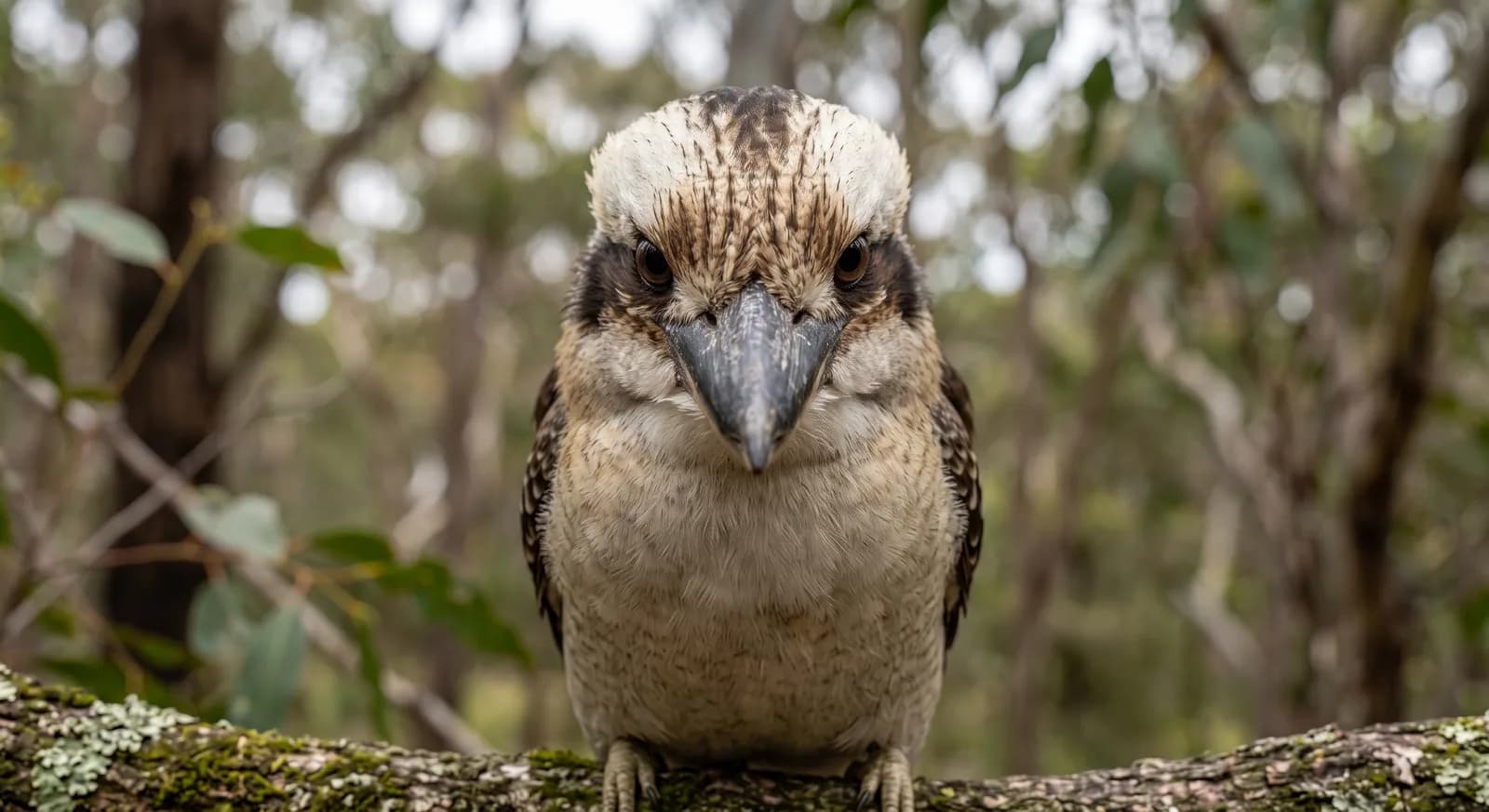
Laughing KookaburraLeast Concern

Laughing Kookaburra

Dacelo novaeguineae

Least Concern

Sulphur-crested Cockatoo

Cacatua galerita

Least Concern

Common Bluetongue

Tiliqua scincoides

Least Concern

Satin Bowerbird

Ptilonorhynchus violaceus

Least Concern

Superb Fairywren

Malurus cyaneus

CountriesAustralia
ParksKakaduAustralia
TagsOmnivore
Omnivore
Diurnal
Family group
Bird
Temperate forest
Grassland
Australia
New Zealand
Indonesia
Papua New Guinea