Skip to content
WAnimals
  • Map
  • Species
  • Parks
  • Diving
Log inCreate account
WAnimals

The guide for travellers and animal lovers: discover, plan and share your wild adventures around the world.

Discover wildlife

  • Species
  • Ecosystems
  • Glossary
  • Tags

Explore places

  • Map
  • Countries
  • Parks
  • Diving

Plan experiences

  • Guides

Learn

  • Blog

Resources

  • About us
  • How we build our profiles
  • Help centre
  • Contact
  • Install the app

Follow us

Account

  • Log in
  • Create account

© 2026 WAnimals. All rights reserved.

Terms of servicePrivacyCookiesLegal notice
MapSpeciesParksDiving
  1. Home
  2. Parks
  3. New Zealand
  4. Te Wahipounamu
World Heritage Site (Natural)UNESCO World Heritage

Te Wahipounamu

New ZealandDesignated in 199026,000 km²
Spotted something wrong?

The "place of greenstone": fjords, glaciers and relict Gondwanan forests in the south-west of the South Island.

Area

26,000 km²

Designated in

1990

Region

New Zealand

Highlight

Glacial fjords and relict Gondwanan forests

Te Wahipounamu was inscribed on the World Heritage List in 1990 and takes in some 26,000 km² of the south-west of New Zealand's South Island, around 10% of the country's area. It is a serial property bringing together four national parks: Fiordland, Mount Aspiring, Westland Tai Poutini and Aoraki/Mount Cook.

In Māori its name means "the place of greenstone", in allusion to pounamu, or New Zealand jade, which is quarried in this region and carries enormous cultural value for Ngāi Tahu. The landscape was shaped by ice: deep fjords gouged well below sea level, U-shaped valleys, long narrow lakes, permanent snowfields and glaciers that in Westland descend almost into the temperate rainforest.

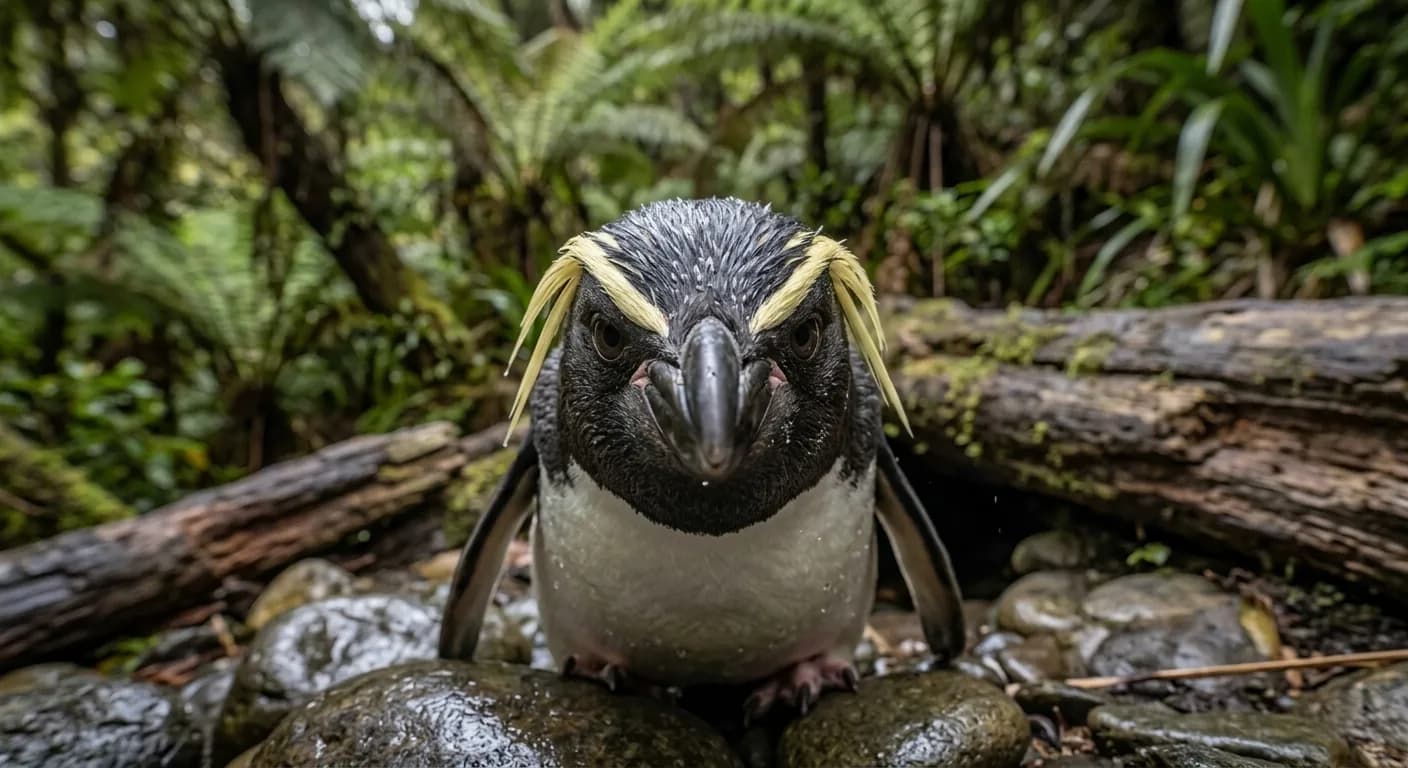
Its biological value comes from isolation. New Zealand separated from Gondwana some eighty million years ago and its flora and fauna evolved without land mammals: the forests of southern beech and podocarps are direct relicts of that supercontinent, and birds took the niches that elsewhere fall to mammals. Here survive the kea, the only alpine parrot in the world, the takahē, a flightless bird thought extinct until its rediscovery in 1948 in the Murchison Mountains of Fiordland, the Okarito kiwi and the Fiordland penguin, which nests in the coastal forest.

Location

Loading map…

2 dive sites within 300 km are also shown.

Te Wahipounamu: 7 documented species

Mammals1Birds6

Threatened:,

Endemic species of New Zealand:

Flora and ecosystems

Ecosystems found in New Zealand, where Te Wahipounamu lies.

Temperate forestMarine / coastalTundra / polarWetland

Experiences in this park

Diving and snorkellingBirdwatching

Nearby dive sites

Where can I dive near here?

49 km away

269 km away

Wildlife you can see now

What is worth looking out for this month in New Zealand?

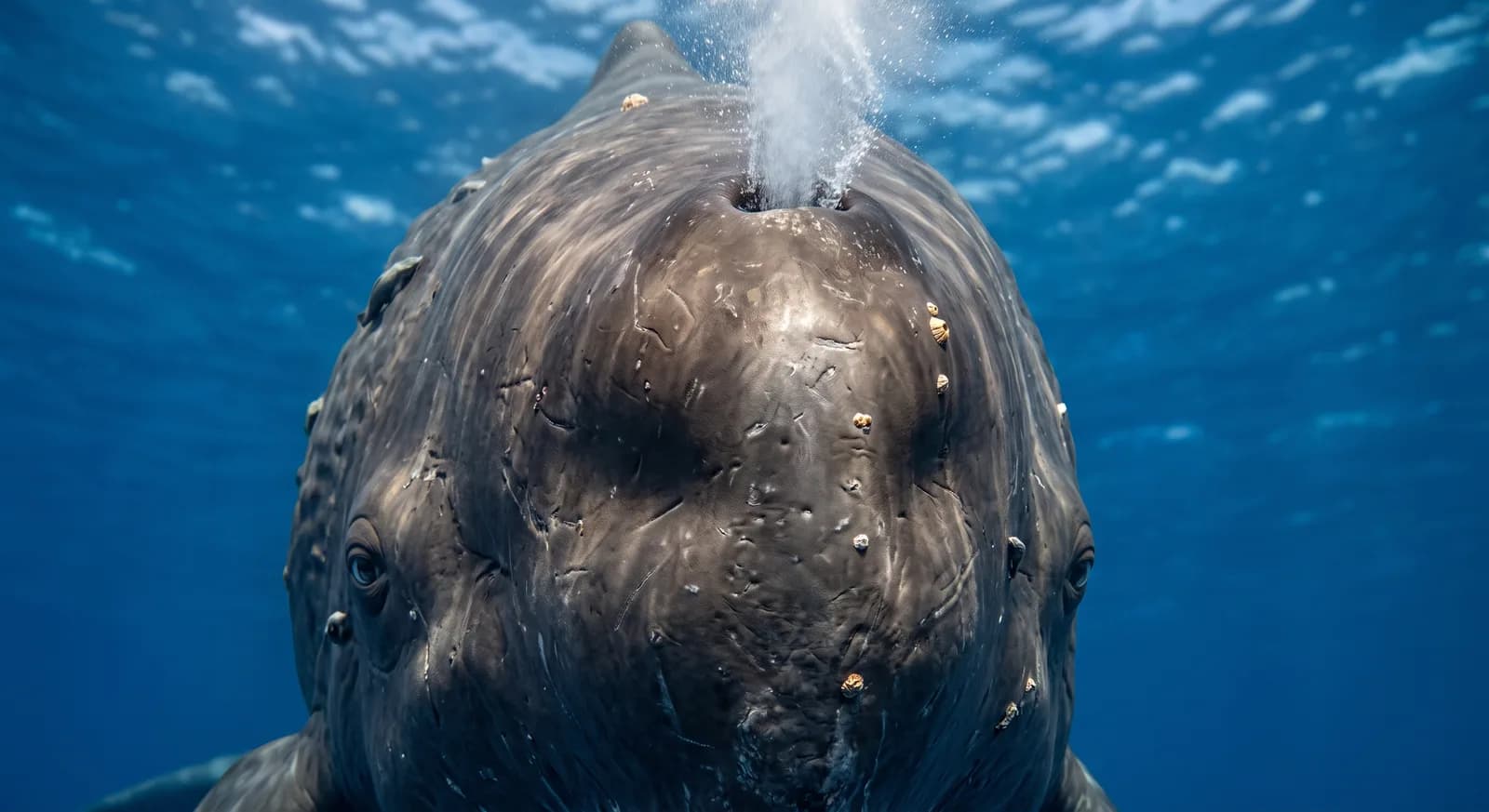
Now is a good time: Resident sperm whales in the Kaikoura Canyon (Year-round)

Similar parks

Which other parks are like this one?

Same country: New Zealand

Same country: New Zealand

Same country: New Zealand

Same country: New Zealand

Keep exploring

Based on what we already know about this park.

Share your experience visiting Te Wahipounamu, or a tip for other travellers.

Climate

Tropical, Temperate, Mountain

Best season

December to February

Plan your visit

Best season
December to February
Area
26,000 km²
More places in New ZealandSee location
South Island Takahe
Southern Brown KiwiVulnerable

Southern Brown Kiwi

Apteryx australis

Fiordland PenguinNear Threatened

Fiordland Penguin

Eudyptes pachyrhynchus

Least Concern

Spotted Shag

Phalacrocorax punctatus

Least Concern

Great Pied Cormorant

Phalacrocorax varius

Least Concern

Common Brush-tailed Possum

Trichosurus vulpecula

Endangered

South Island Takahe

Porphyrio hochstetteri

Least Concern

Australian Magpie

Cracticus tibicen

New Zealand · New Zealand
See on the interactive map→
Southern Brown Kiwi
South Island Takahe

Fiordland (Milford Sound)

Stewart Island (Foveaux Strait)

Sperm WhaleVulnerable

Sperm Whale

Physeter macrocephalus

UNESCO
World Heritage Site (Natural)

New Zealand Sub-Antarctic Islands

New Zealand

Southern Royal Albatross · New Zealand Sea Lion

December to February

See park
UNESCO
National Park

Fiordland

New Zealand

Kea (alpine parrot) · great spotted kiwi

December to February

See park
UNESCO
National Park

Tongariro

New Zealand

Kākā (forest parrot) · blue duck (whio)

December to February

See park
National Park

Nelson Lakes

New Zealand

Kaka · mohua (yellowhead)

December to February

See park
DivingFiordland (Milford Sound)49 km away
CountryNew Zealand
This page in other languages: Español · Deutsch · Français · Português · Italiano
Temperate forest
World Heritage