The New Zealand Sub-Antarctic Islands were inscribed on the World Heritage List in 1998 and comprise five island groups in the Southern Ocean, to the south and south-east of New Zealand: the Snares, Bounty, Antipodes, Auckland and Campbell islands, with some 764 km² in all.
They are regarded as the island group with the greatest seabird diversity on the planet. They lie in the convergence zone between subtropical and Antarctic waters, where nutrient upwelling generates enormous productivity, and those islands are practically the only land in thousands of kilometres of ocean. Albatrosses of numerous species breed there, among them the southern royal albatross, almost confined to Campbell, alongside petrels, penguins of several species and the New Zealand sea lion.
Their flora is equally singular: the sub-Antarctic megaherbs, herbaceous plants with enormous leaves and showy flowers adapted to constant wind, damp and low sunshine, form meadows that exist nowhere else. The islands suffered the introduction of goats, pigs, rats and cats by whalers and settlers, and New Zealand has carried out on them some of the most ambitious invasive species eradication campaigns in the world: Campbell, the largest island on the planet cleared of rats, has seen the return of the Campbell Island teal, which survived on an islet of barely twenty hectares.
 Endangered
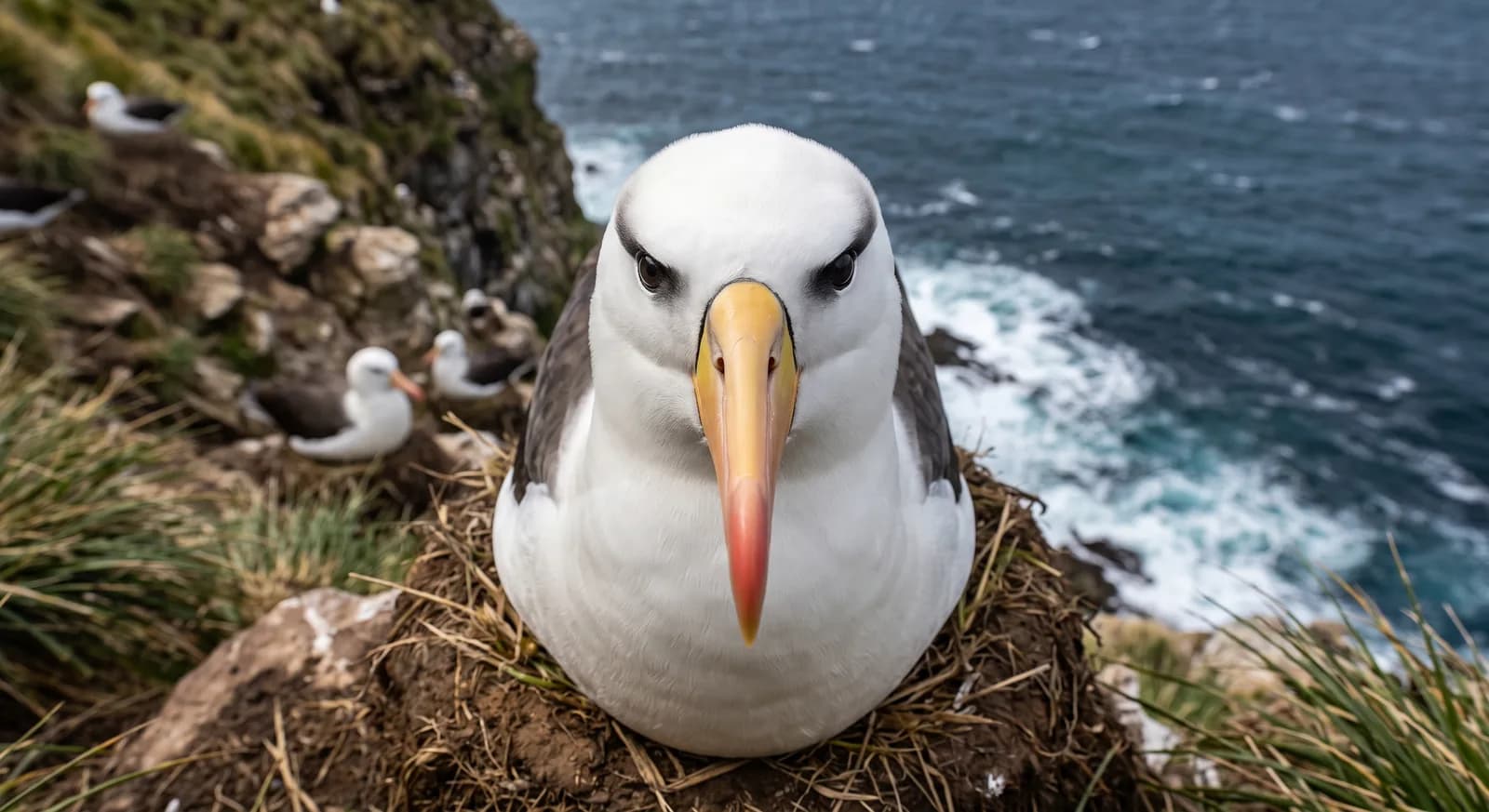 Least Concern
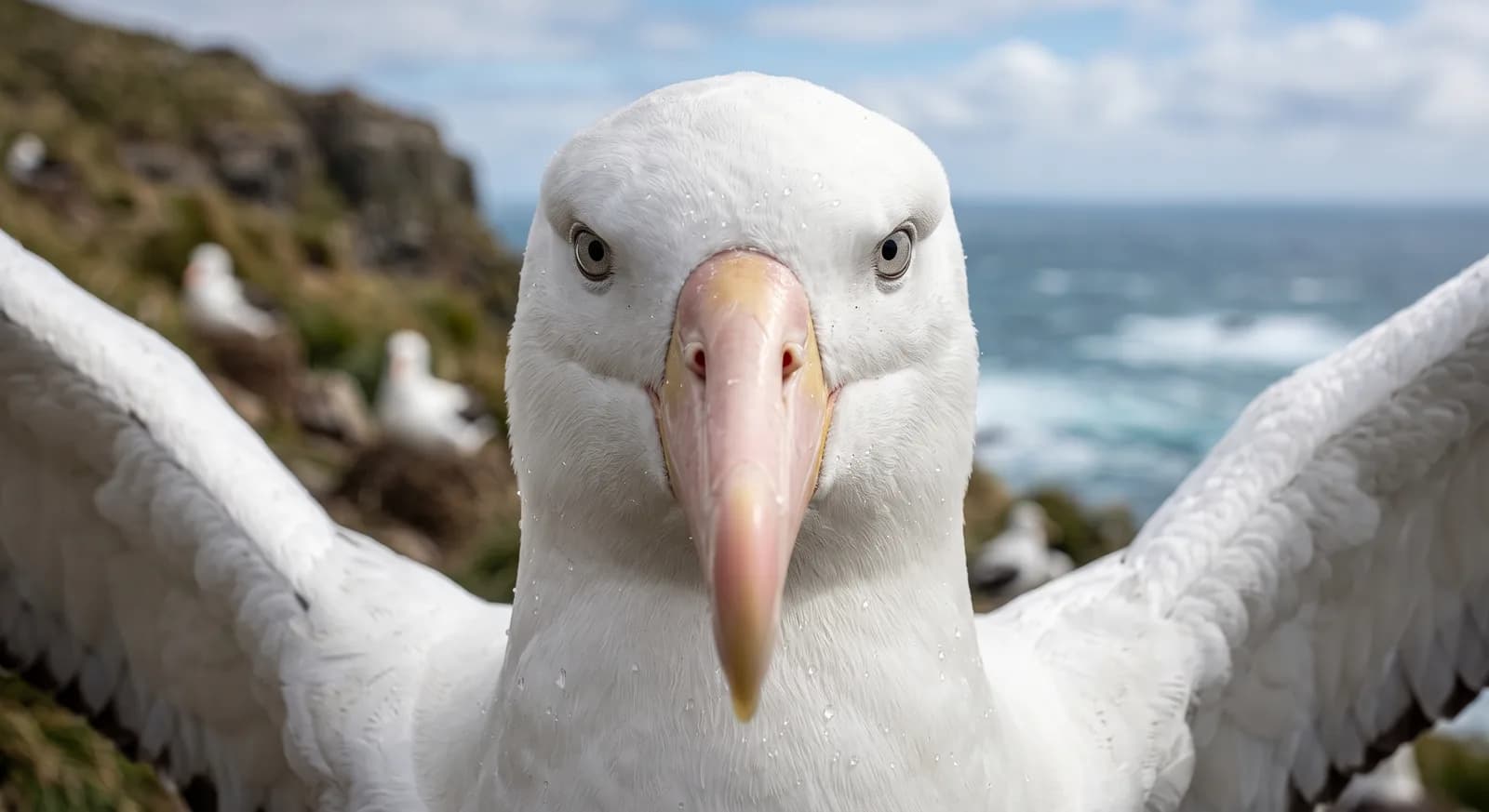 Vulnerable
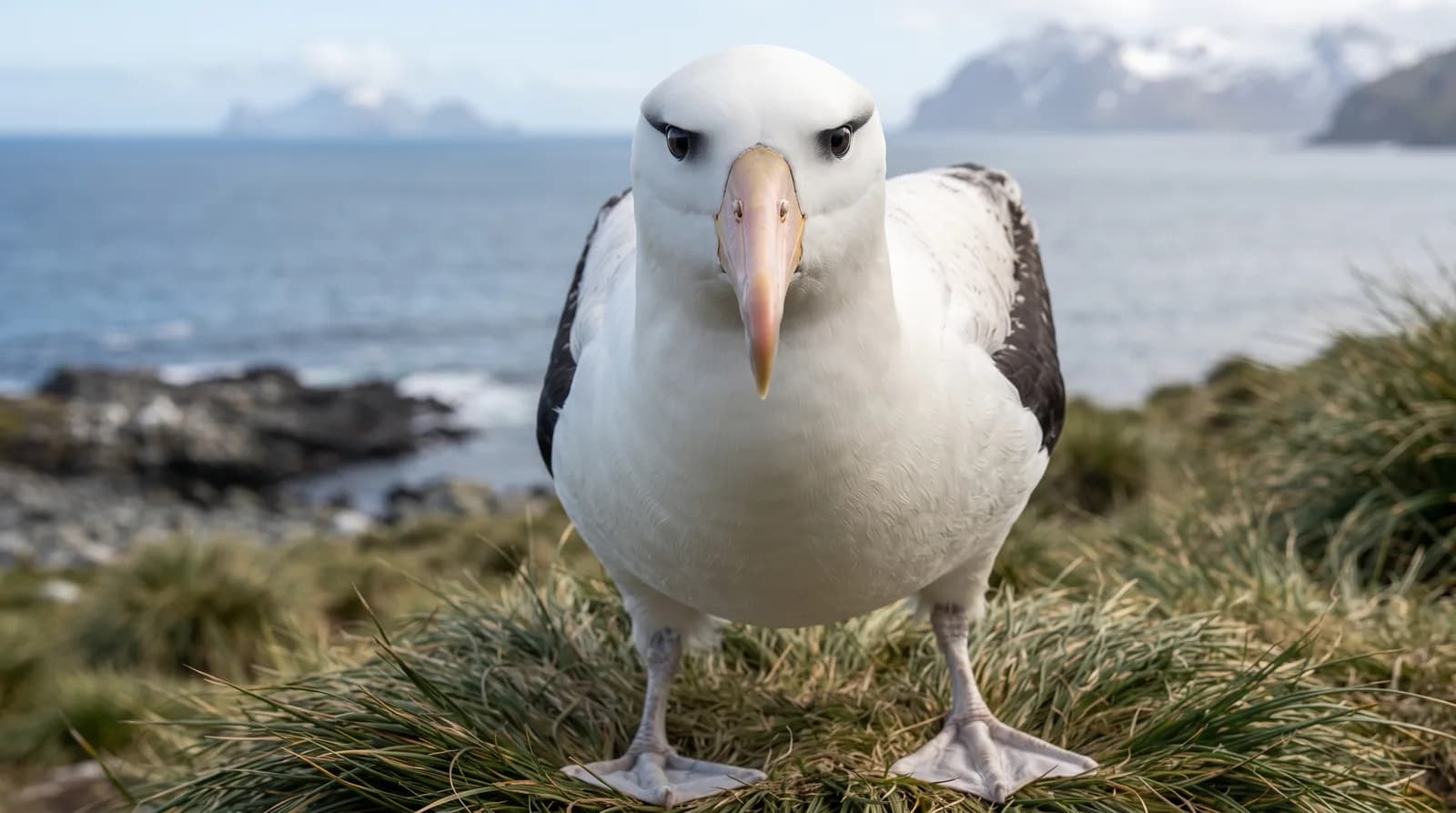 Vulnerable
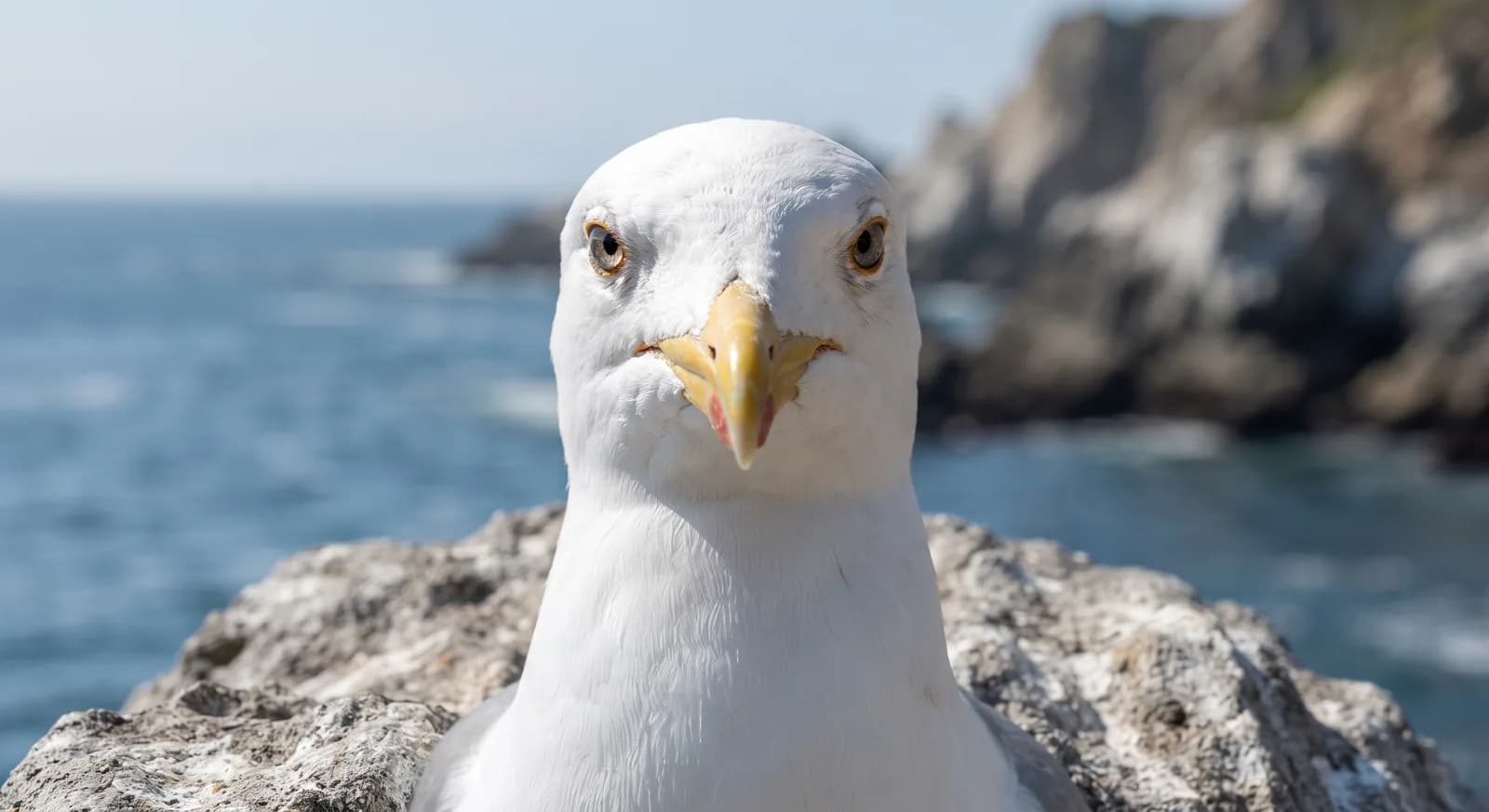 Least Concern
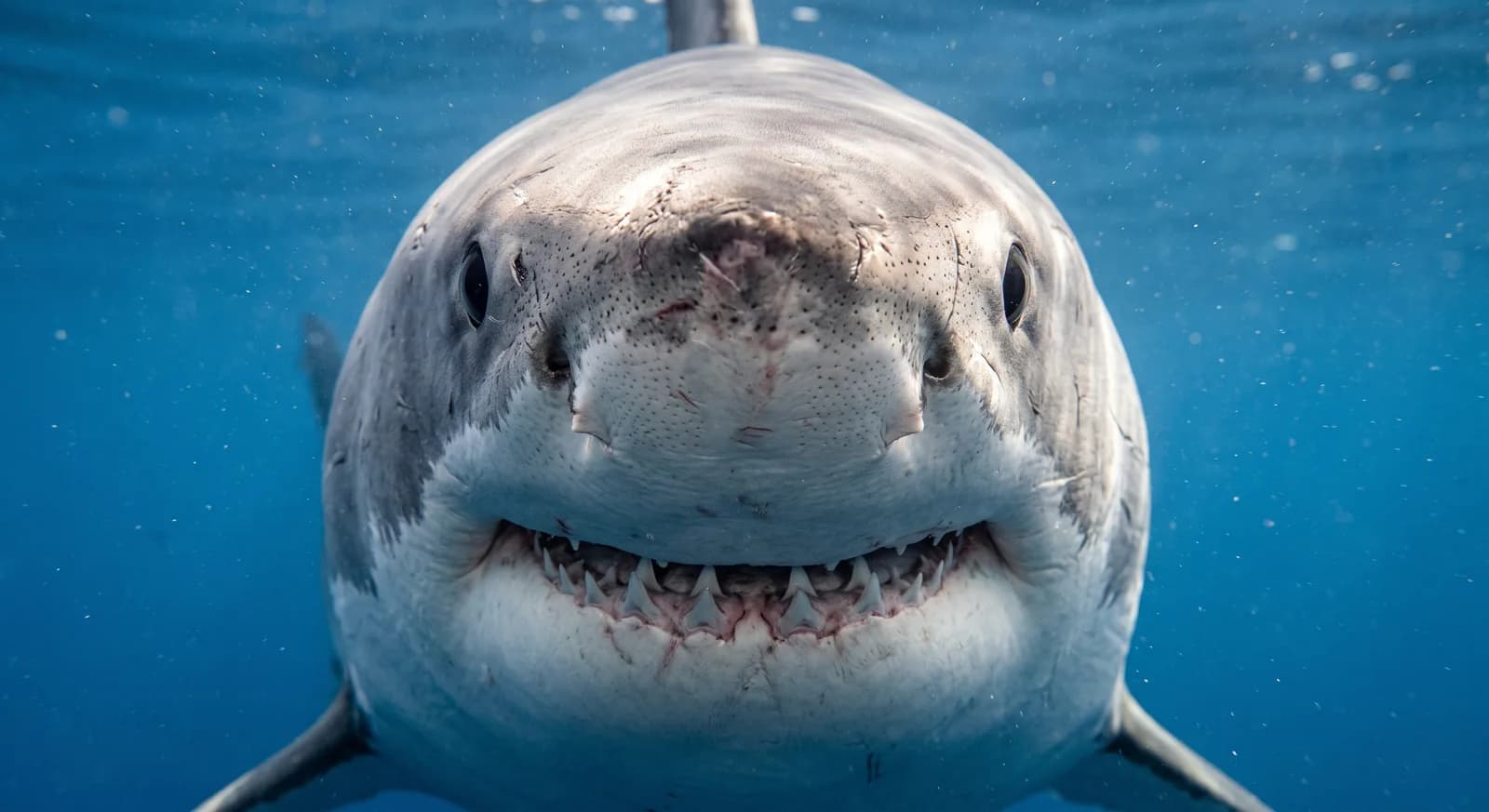 Vulnerable
 Least Concern
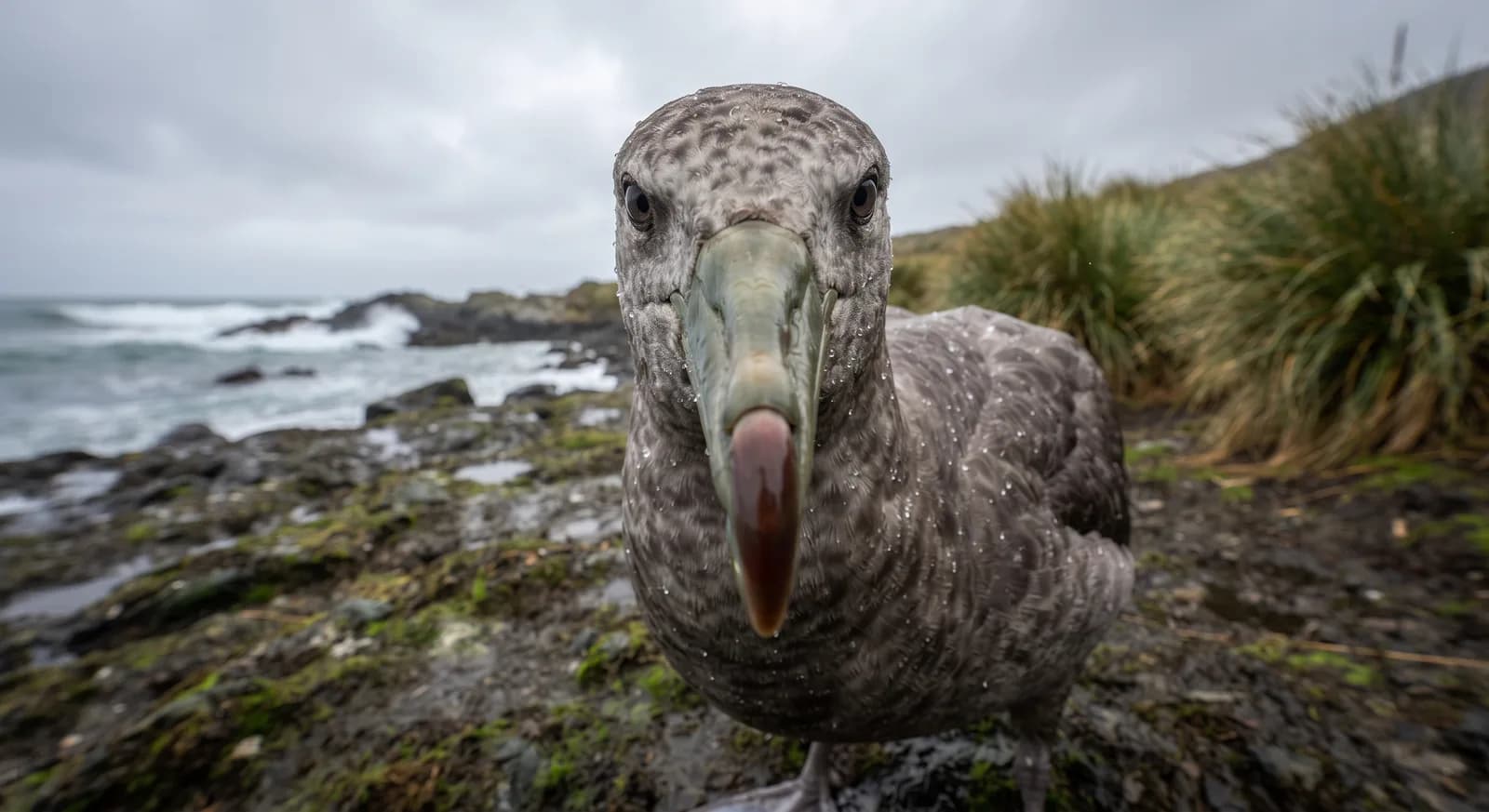 Least Concern
 Endangered
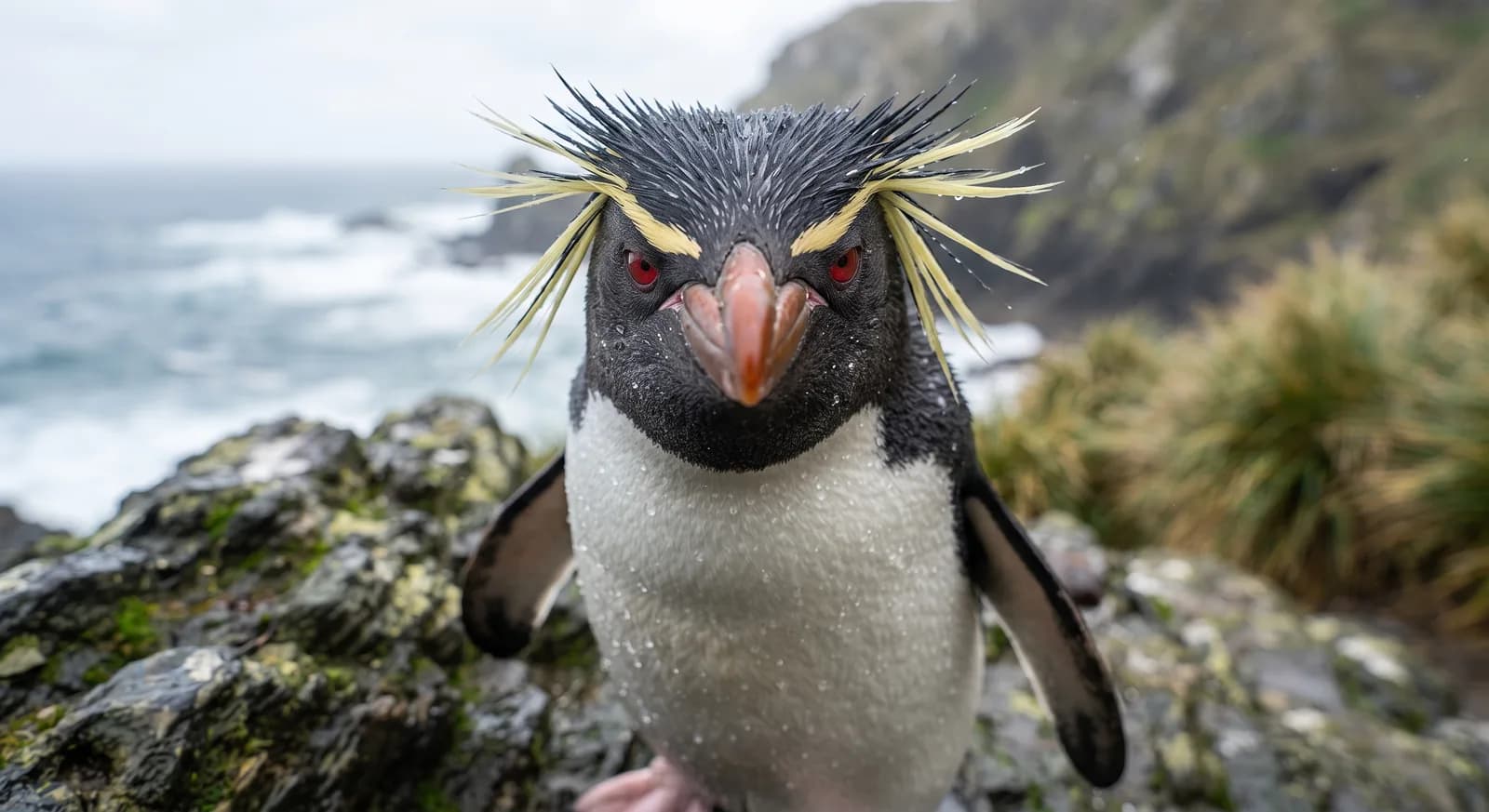 Vulnerable
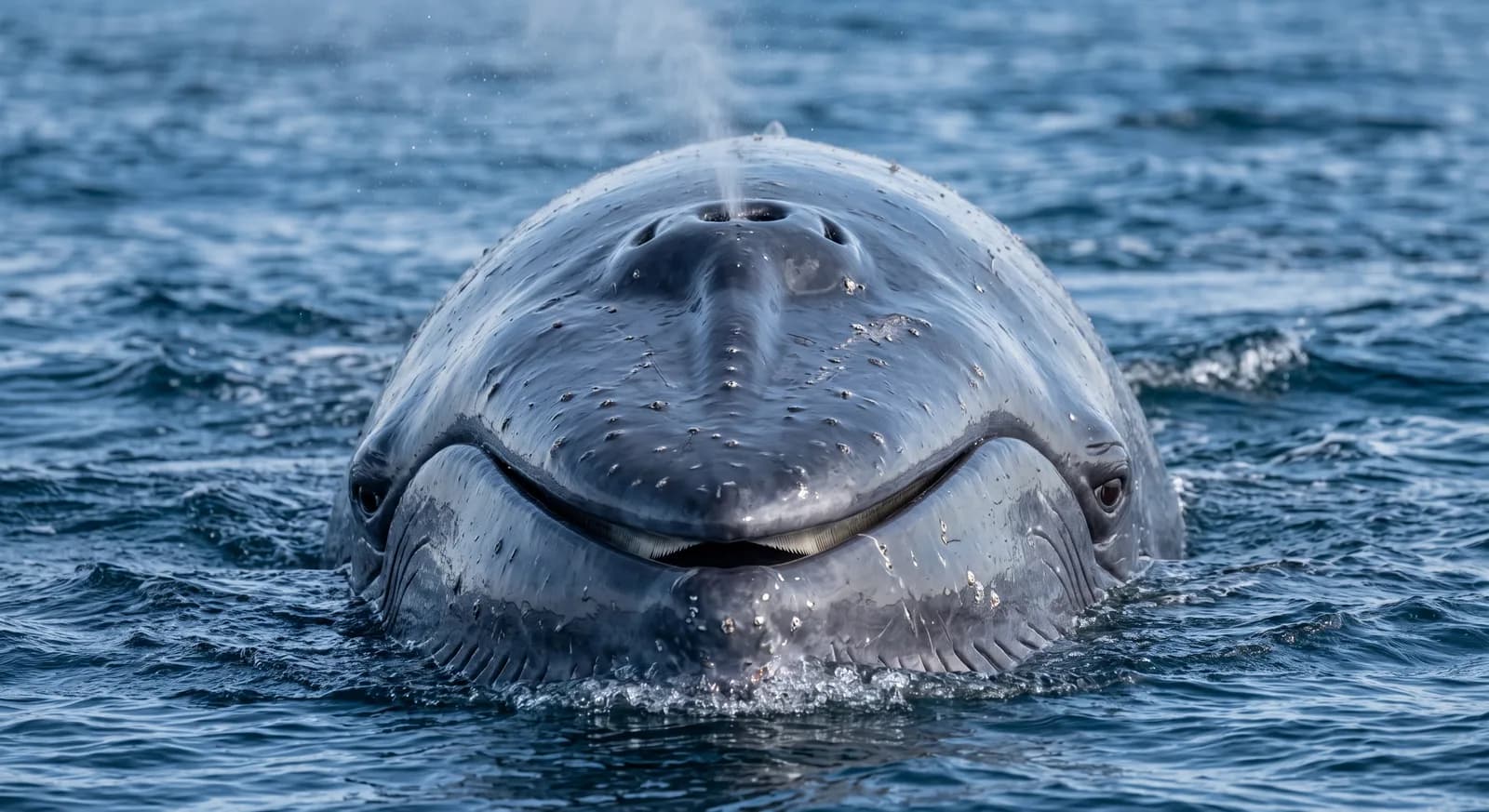 Endangered
 New Zealand