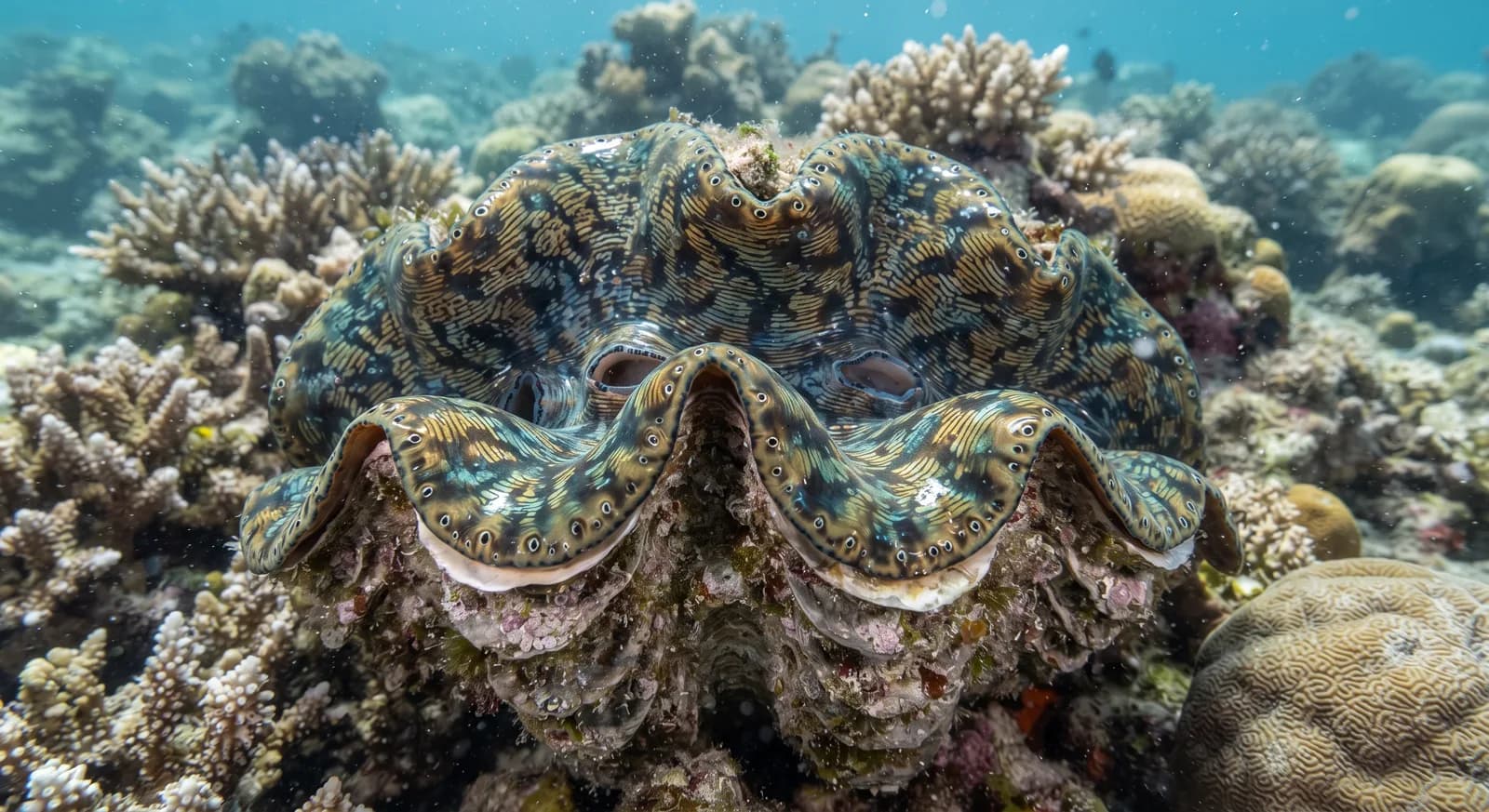
 Critically Endangered
Giant Clam
Tridacna gigas
Africa
Somalia has the longest mainland coastline in Africa and an interior dominated by semi-arid thorn scrub, a formation that looks monotonous but that is one of the most important centres of endemism on the continent for reptiles and plants. The Cal Madow mountains, in the north, hold back the sea moisture and keep relict groves of African juniper and frankincense trees, one of the world's main sources of that resin since antiquity. The Jubba and Shabelle rivers, the only permanent ones, create gallery forest and floodplains in the south. Off the coast, the southwest monsoon drives one of the most intense marine upwellings on the planet, which cools the water by several degrees and generates enormous productivity, the basis of fisheries and of the presence of large fish and cetaceans.
National animal: The leopard, represented twice over on the national coat of arms
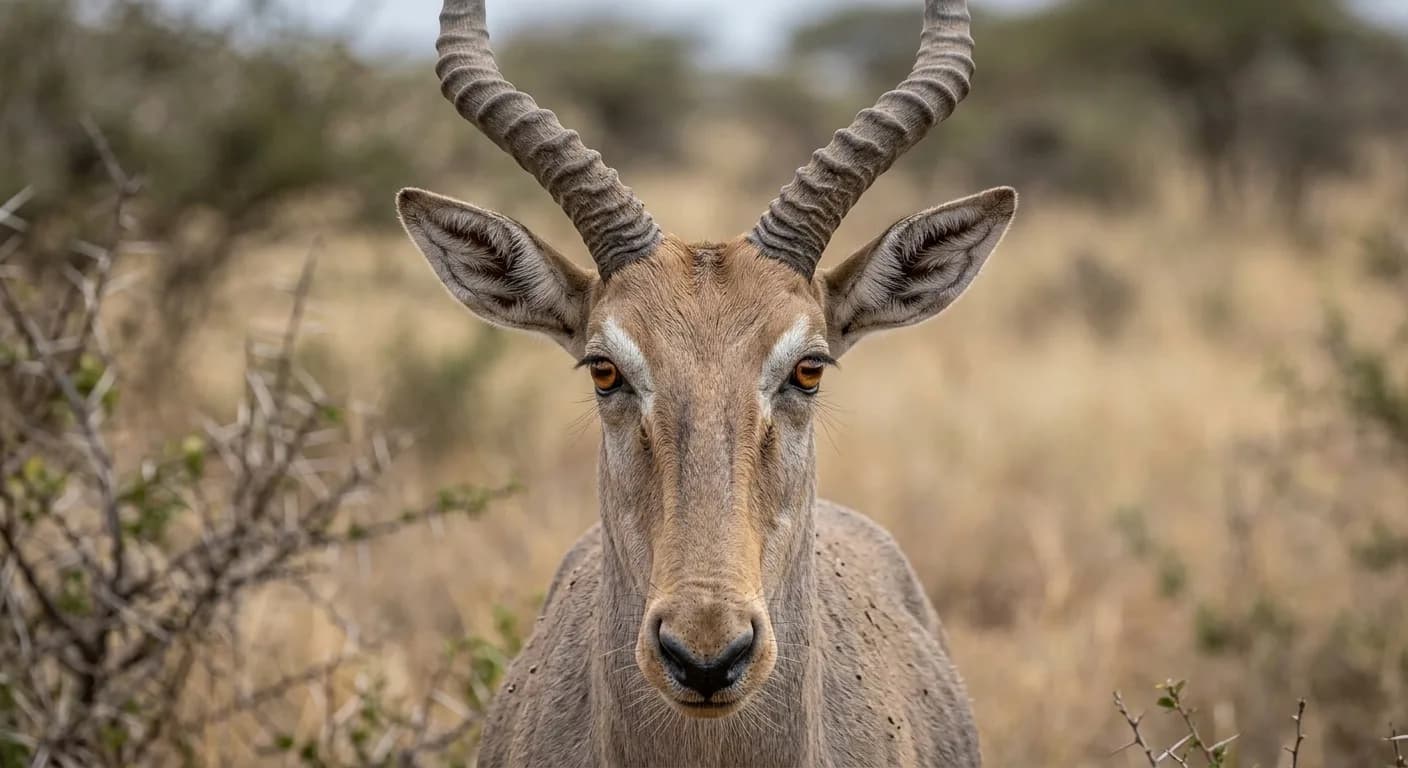
The dibatag is a slender antelope of the Somali scrub with an unmistakable habit: when it flees it raises its long black tail over its back and holds its neck completely upright, so that as it moves off among the bushes it looks like a branch on the move. It is so scarce and lives in such inaccessible areas that reliable recent observations barely exist, and much of what is known about it comes from fieldwork carried out several decades ago.
Decades of conflict have left the protected areas without effective management and have driven up hunting and the felling of frankincense trees, with overexploitation of a resin harvested for millennia. The endemic antelopes of the north are among the least known mammals in the world.
Cal Madow and Daallo in the dry season for birds and relict flora. The northern coast for dugongs and reefs. The interior plains in the rainy season for antelopes.
288 species found
Based on what we already know about Somalia.