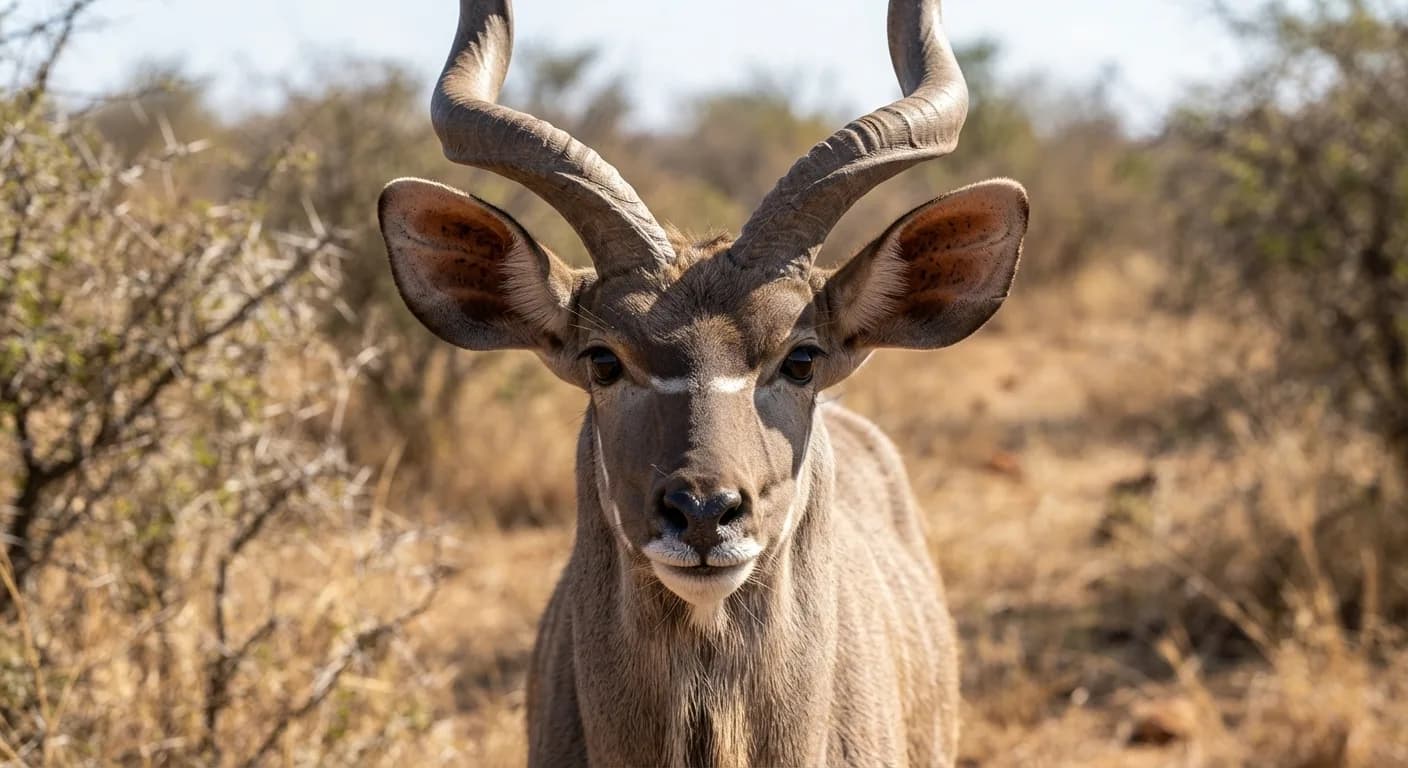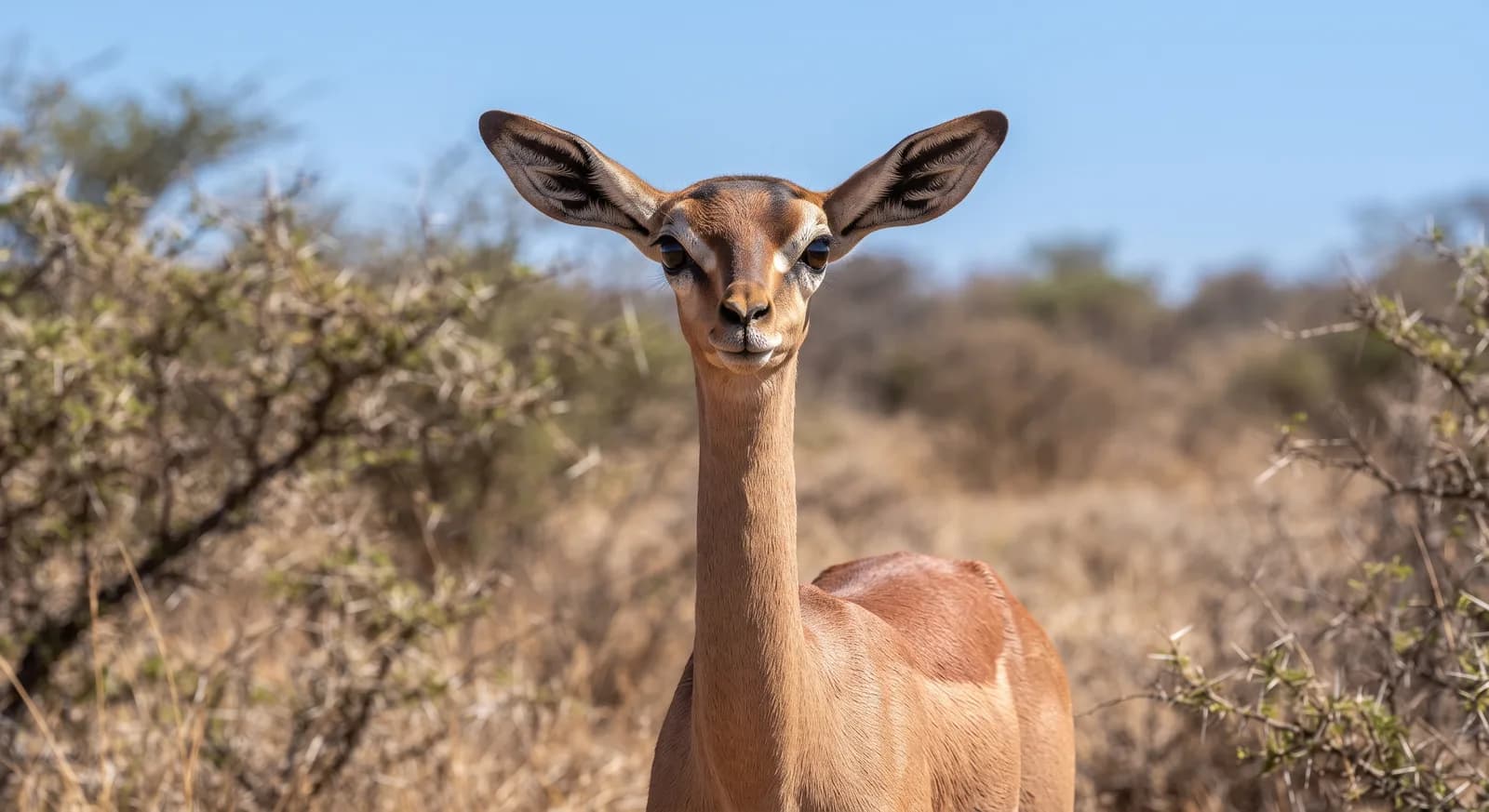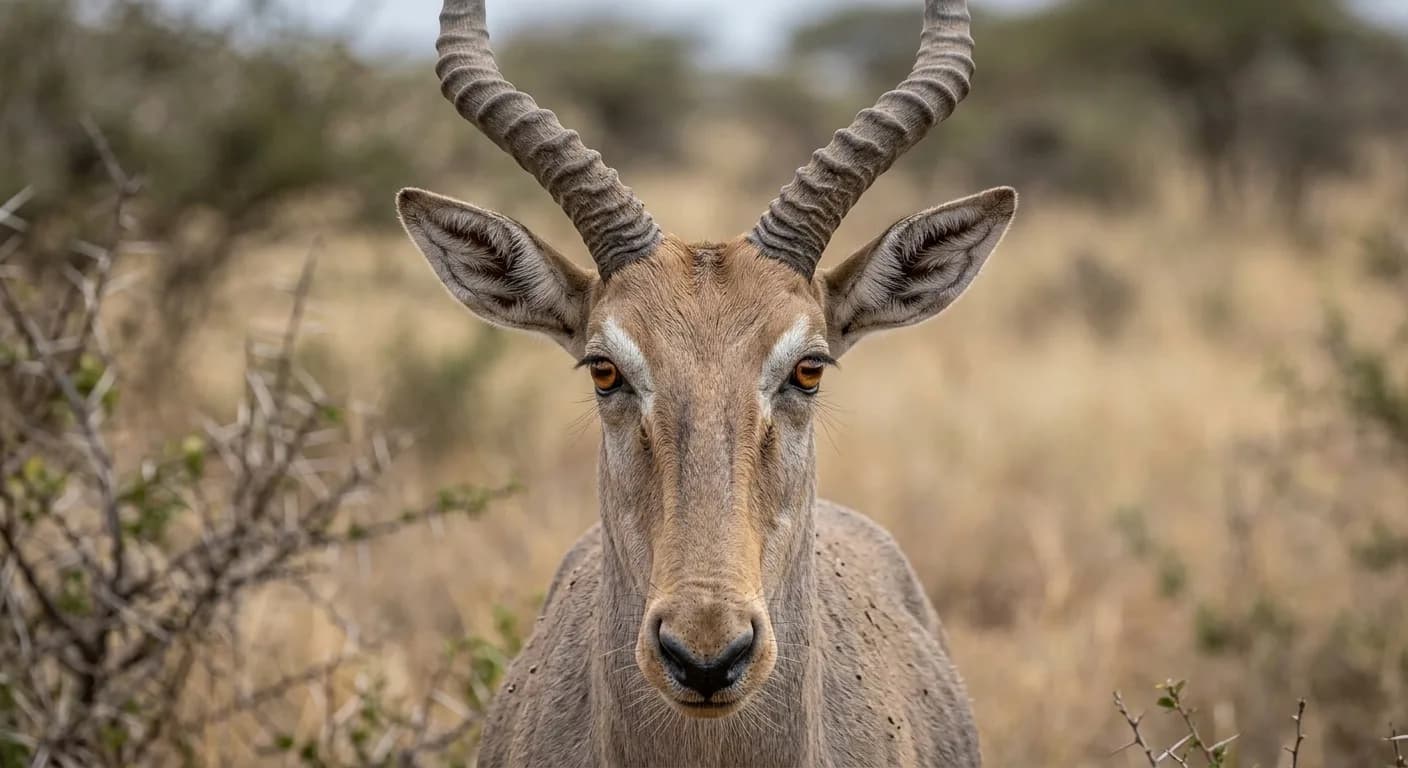
Mammals · Artiodactyla · Bovidae
Beatragus hunteri
At extremely high risk of imminent extinction in the wild.
The hirola, Hunter's antelope or Hunter's hartebeest is an artiodactyl mammal of the subfamily Alcelaphinae. It is the only species in its genus and no subspecies are recognised. The hirola is critically endangered and is found along the border between Kenya and Somalia. It is the only living member of the genus Beatragus. The world population of hirola is estimated at 300-500 animals, there are no hirola in captivity, and the wild population continues to decline. According to the Red List of the International Union for Conservation of Nature, "the loss of the hirola would be the first extinction of a mammalian genus on mainland Africa in modern human history".
Weight
70 kg – 120 kg
Size
1.2 m – 2 m
Life expectancy
10 years
Diet
Herbivore
Feeds mainly on plants.
Activity
Crepuscular
Active mainly at dawn and dusk.
Sighting difficulty
Very hard
Estimated population
Between 300 and 500 individuals
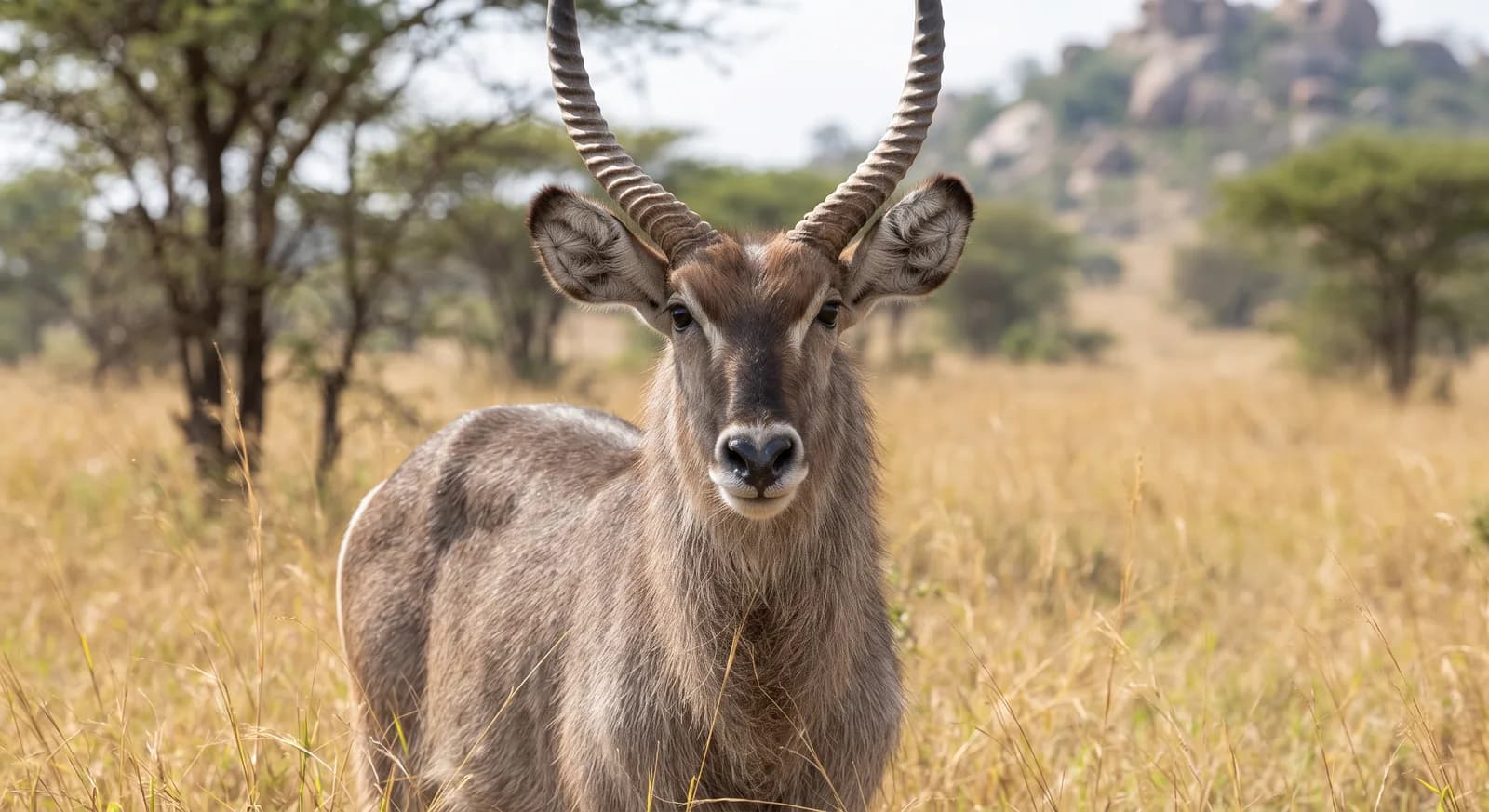
AI-generated images: illustrations, not photographs.
Sources consulted: https://es.wikipedia.org/wiki/Beatragus_hunteri
The pins mark the parks where its presence is documented.
Parks and dive sites where this species has been documented.
Other species in the catalogue with the most in common with Hirola — same habitat, park, country, tags or family.
The hirola is classified as critically endangered. Organisations such as the IUCN, WWF and the Wildlife Conservation Society work specifically on its conservation and that of its habitat; looking into their programmes is a good starting point if you want to get involved.
It's documented in 1 protected area — one reason why protecting these places matters for its conservation.
Based on what we already know about hirola.
Share an experience, a fun fact or a tip for seeing the hirola.
Be the first to comment.