Skip to content
WAnimals
  • Map
  • Species
  • Parks
  • Diving
Log inCreate account
WAnimals

The guide for travellers and animal lovers: discover, plan and share your wild adventures around the world.

Discover wildlife

  • Species
  • Ecosystems
  • Glossary
  • Tags

Explore places

  • Map
  • Countries
  • Parks
  • Diving

Plan experiences

  • Guides

Learn

  • Blog

Resources

  • Help centre
  • Contact
  • Install the app

Follow us

Account

  • Log in
  • Create account

© 2026 WAnimals. All rights reserved.

About usHow we build our profilesTerms of servicePrivacyLegal notice
MapSpeciesParksDiving
  1. Home
  2. Species
  3. Klipspringer

Mammals · Artiodactyla · Bovidae

Klipspringer

Oreotragus oreotragus

Least Concern

The species is abundant and widely distributed; it faces no significant short-term risk.

Spotted something wrong?

The klipspringer is a small, compact antelope specialised in rocky ground. It walks on tiptoe on blunt, cylindrical hooves with a bearing surface the size of a coin, which give it extraordinary grip on bare rock. It lives in pairs that stay together for life, defend a rocky outcrop and hardly ever move more than a few metres apart. Its coat is made of hollow, brittle hairs that cushion knocks and insulate against heat and cold.

Weight

8 kg – 18 kg

Size

75 cm – 1.2 m

Life expectancy

15 years

Diet

Herbivore

Feeds mainly on plants.

Activity

Diurnal

Active mainly during the day.

Social structure

In pairs

Usually lives in pairs, sometimes for life.

Sighting difficulty

Easy

SavannaDesertMountain
43countries27parks86same family

Fun facts

  • GeneralIt stands on the very tips of its hooves, as though on tiptoe across the rock.
  • It literally walks on tiptoe: it puts down only the tips of blunt, cylindrical hooves, with a contact surface the size of a coin, which lets it leap between ledges where no other antelope will fit.
  • Its hairs are hollow and brittle, like small tubes filled with air: they insulate against the heat and cold of the rock and cushion knocks in a fall.

Life cycle and biology

Skeleton type
Vertebrate - internal bony skeleton (mammal)
Habitat and environment
Rock outcrops, koppies, cliffs and scree of eastern and southern Africa and the Horn of Africa
Sexual maturity
12 months
Gestation / incubation
6.4 months
Litter / clutch size
1

Sources consulted: https://es.wikipedia.org/wiki/Oreotragus_oreotragus

Where to find it

Loading map…

Where to see it

Parks and dive sites where this species has been documented — showing 10 of 27.

Related species

Other species in the catalogue with the most in common with Klipspringer — same habitat, park, country, tags or family.

Same taxonomic family

Keep exploring

Based on what we already know about klipspringer.

Comments

Share an experience, a fun fact or a tip for seeing the klipspringer.

Be the first to comment.

See full glossary
This page in other languages: Español · Deutsch · Français · Português · Italiano

The pins mark the parks where its presence is documented.
See its range on the interactive map→
Serengeti National ParkTanzania
Kruger National ParkSouth Africa
NgorongoroTanzania
TsavoKenya
KgalagadiSouth Africa
EtoshaNamibia
Namib-NaukluftNamibia
HwangeZimbabwe
SimienEthiopia
RuahaTanzania
See all 27 parks
Least Concern

Kirk's Dik-dik

Madoqua kirkii

Least Concern

Hartebeest

Alcelaphus buselaphus

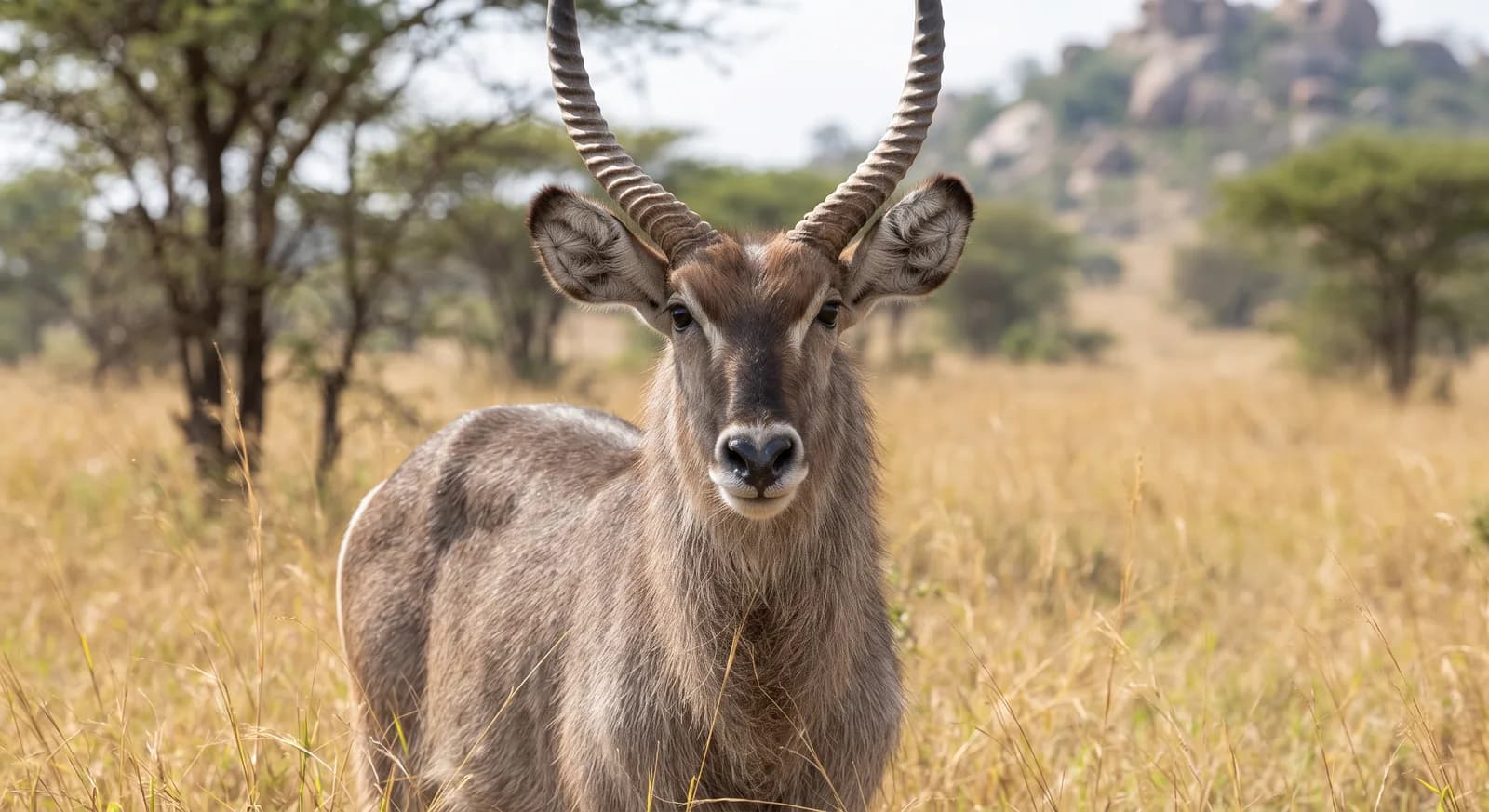
WaterbuckLeast Concern

Waterbuck

Kobus ellipsiprymnus

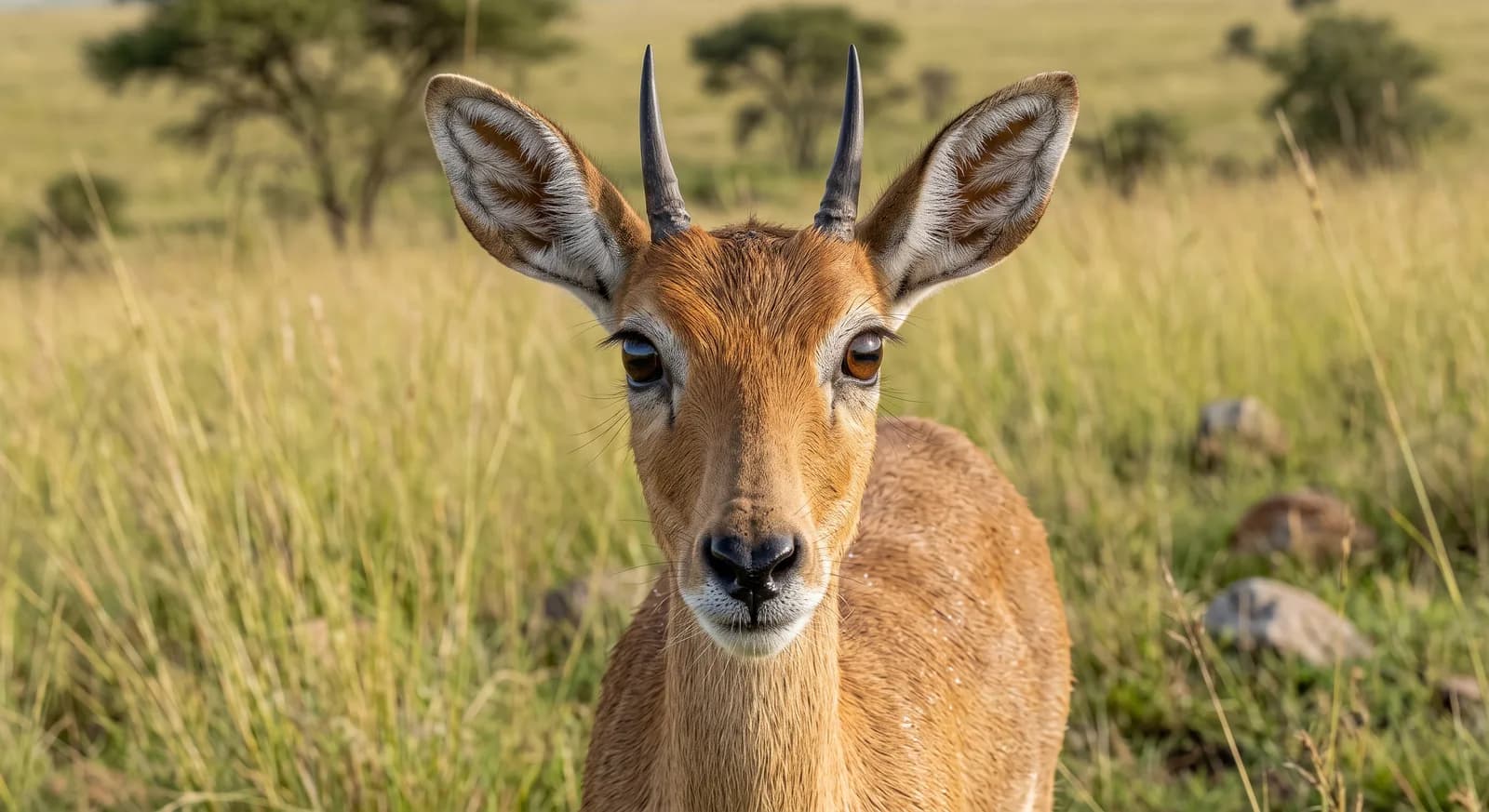
OribiLeast Concern

Oribi

Ourebia ourebi

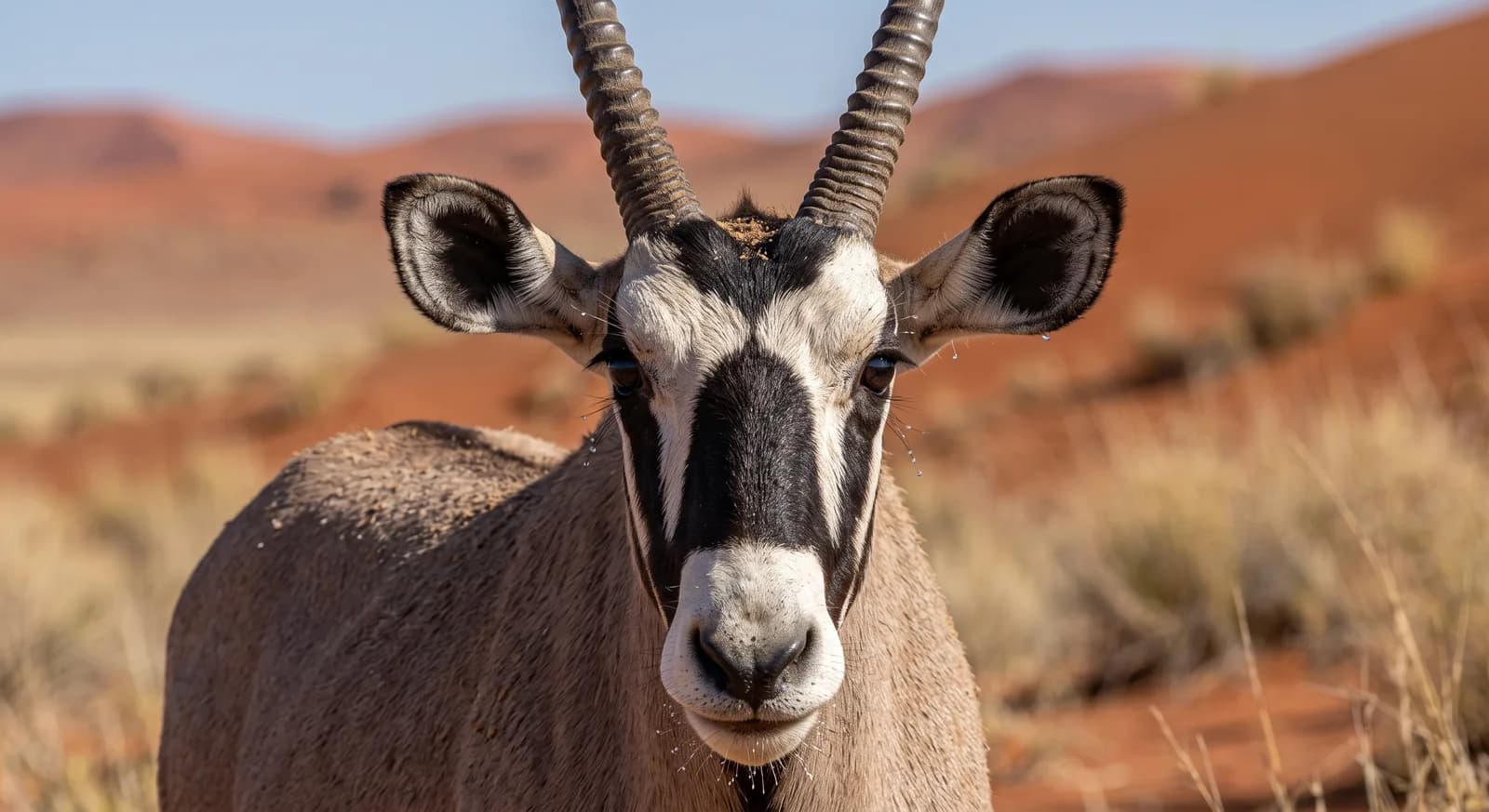
GemsbokLeast Concern

Gemsbok

Oryx gazella

Least Concern

Steenbok

Raphicerus campestris

CountriesSouth Africa
ParksSerengeti National ParkTanzania
TagsHerbivore
Herbivore
Diurnal
In pairs
Savanna
Desert
Mountain
Mammal
South Africa
Kenya
Namibia
Tanzania
Zimbabwe
Ethiopia
Angola
Benin
Botswana
Burkina Faso
Burundi
Cameroon
Central African Republic
Chad
Côte d’Ivoire
Democratic Republic of the Congo
Djibouti
Equatorial Guinea
Eritrea
Eswatini
Ethiopia
Gabon
Gambia
Ghana
Guinea
Guinea-Bissau
Kenya
Lesotho
Liberia
Malawi
Mali
Mauritania
Mozambique
Namibia
Niger
Nigeria
Republic of the Congo
Rwanda
Senegal
Sierra Leone
Somalia
South Africa
South Sudan
Sudan
Tanzania
Togo
Uganda
Zambia
Zimbabwe