 Critically Endangered
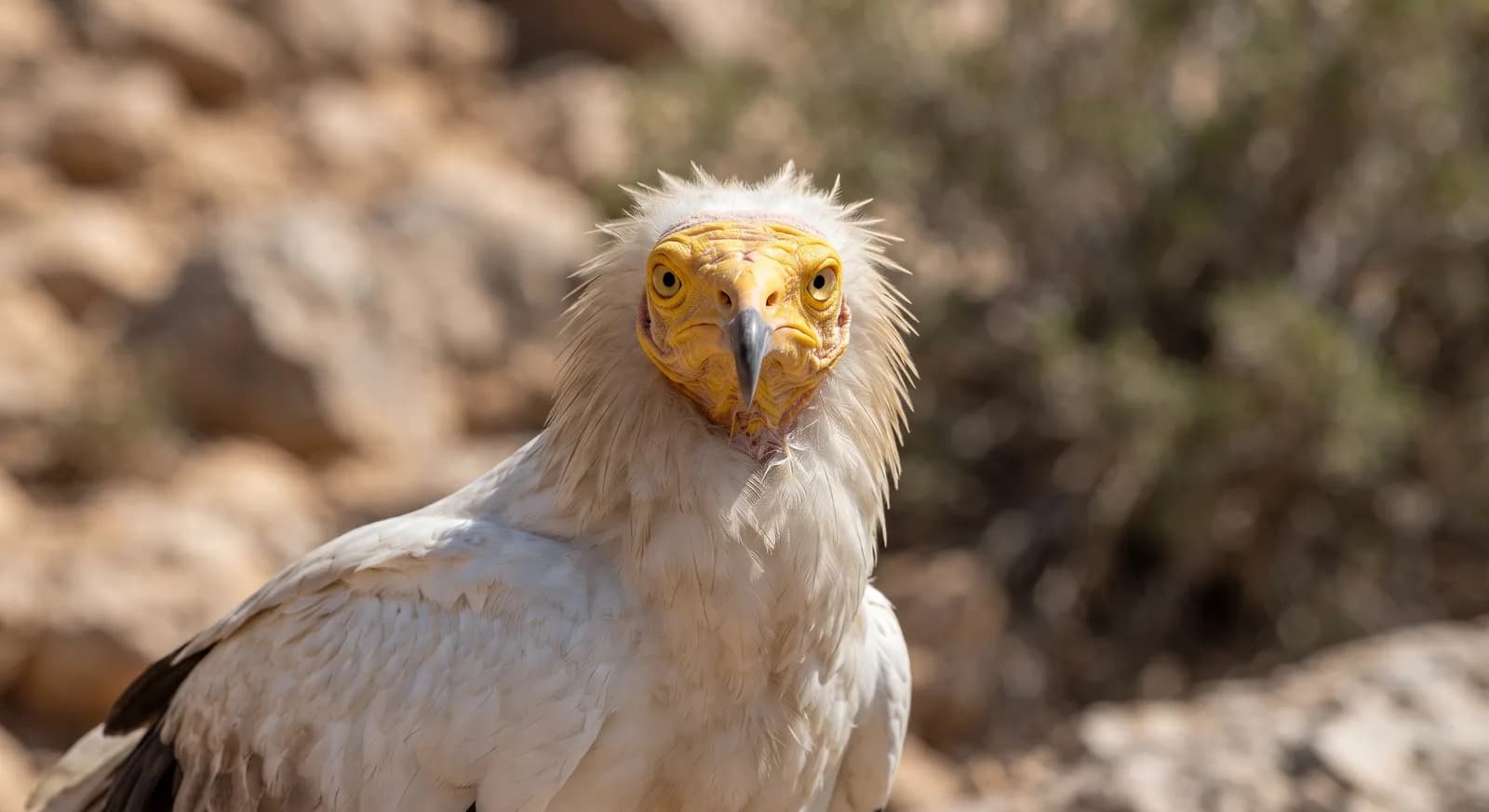
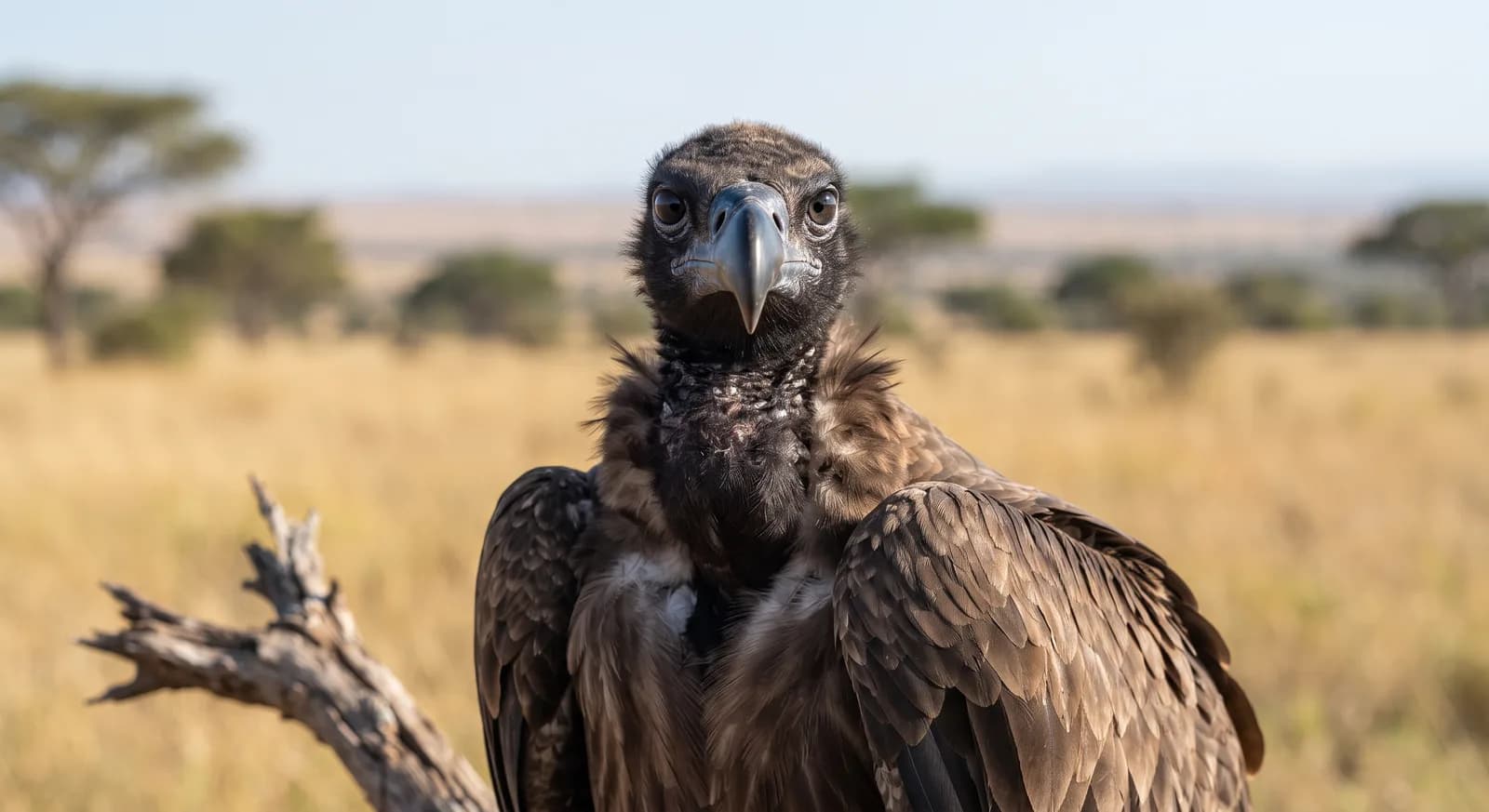
White-backed Vulture
Gyps africanus
Africa
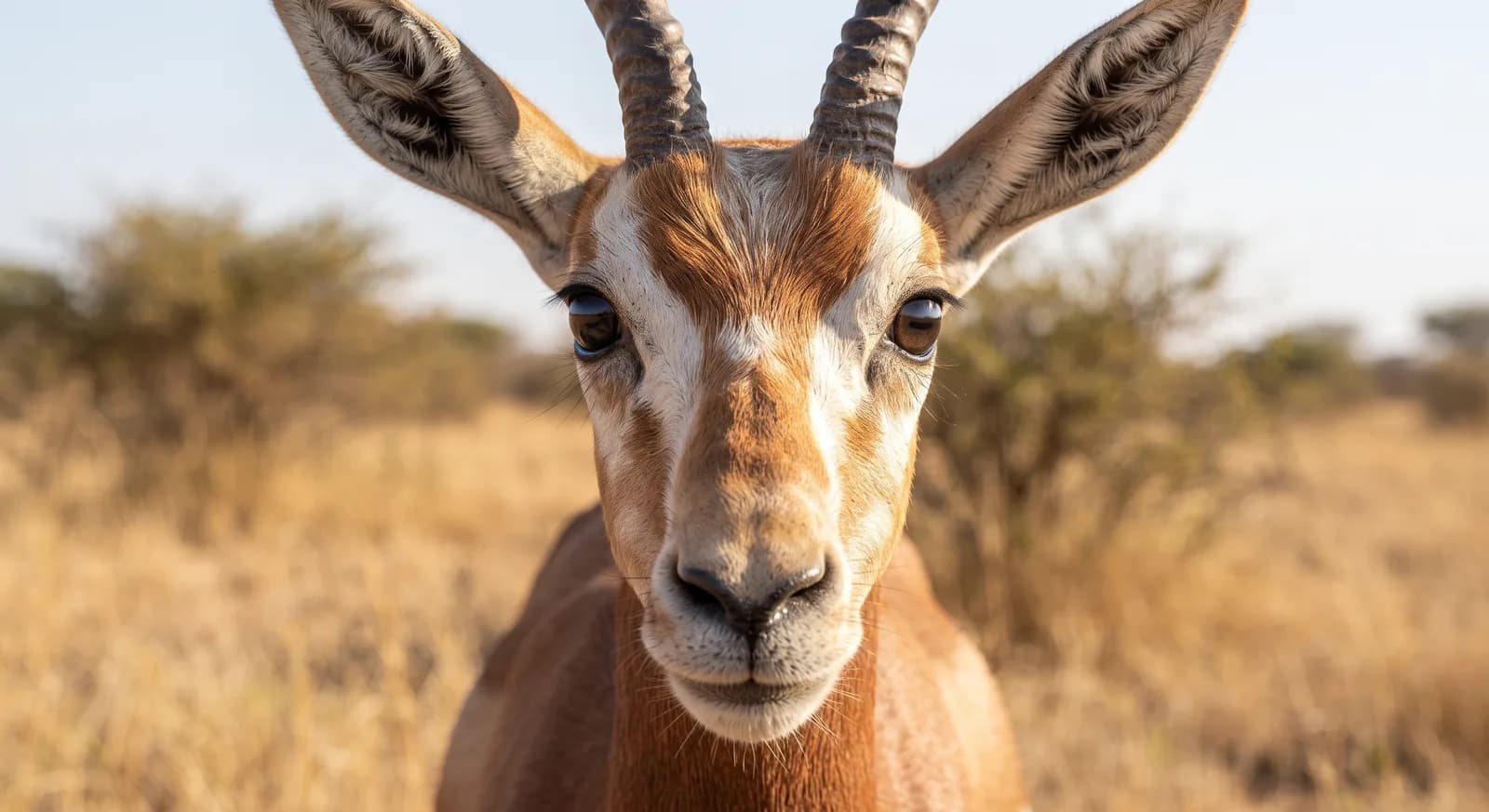
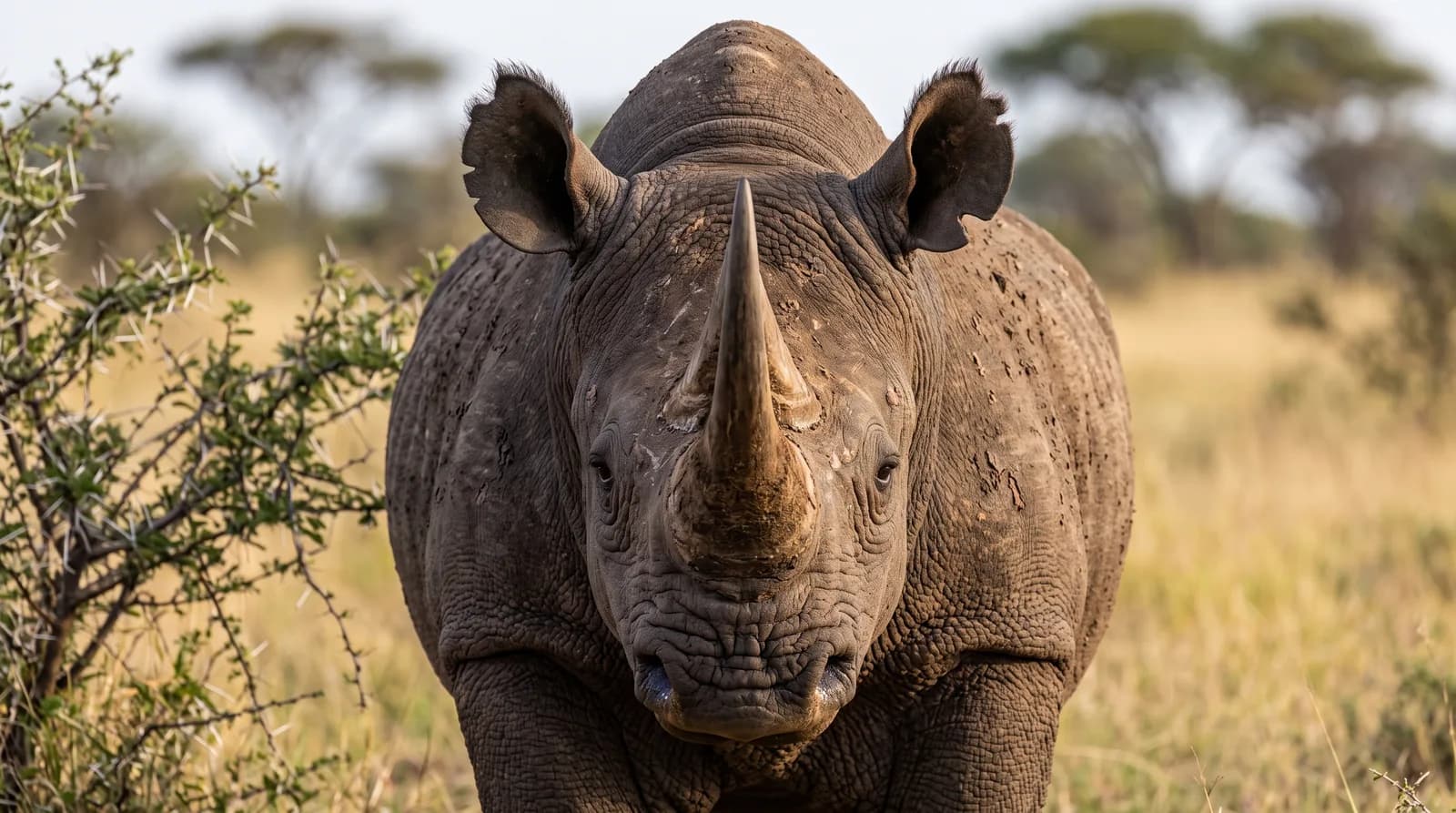
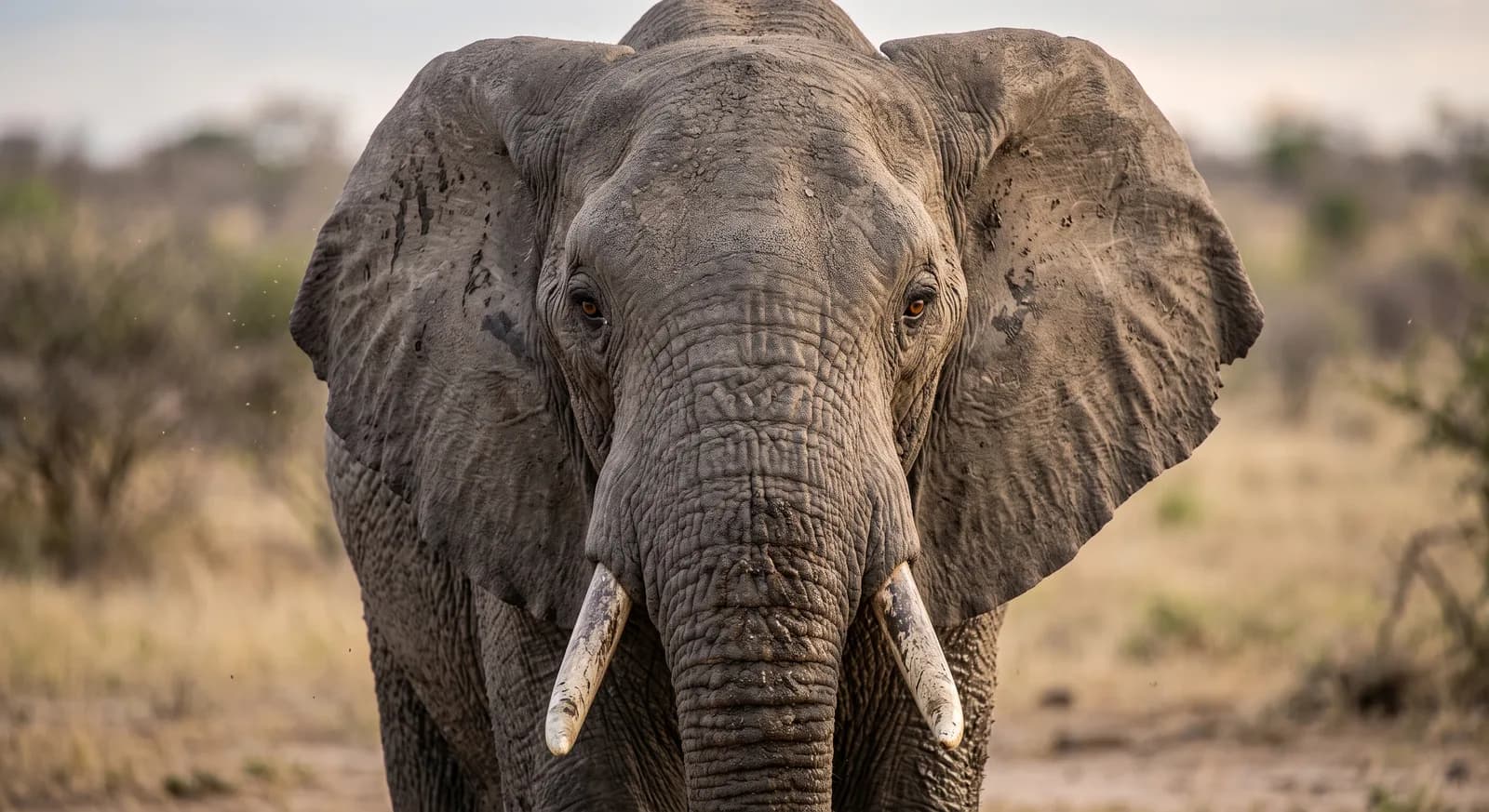
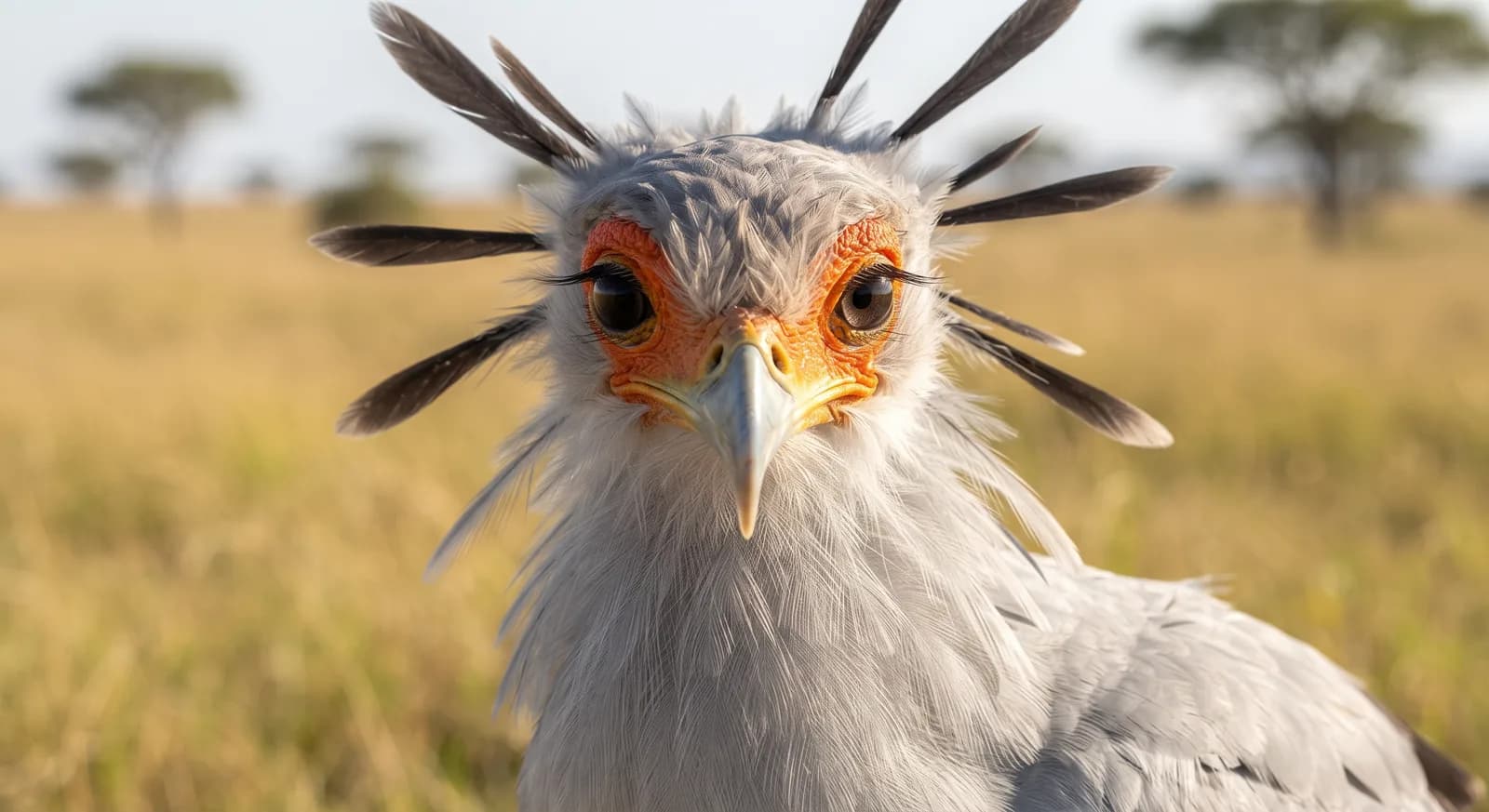
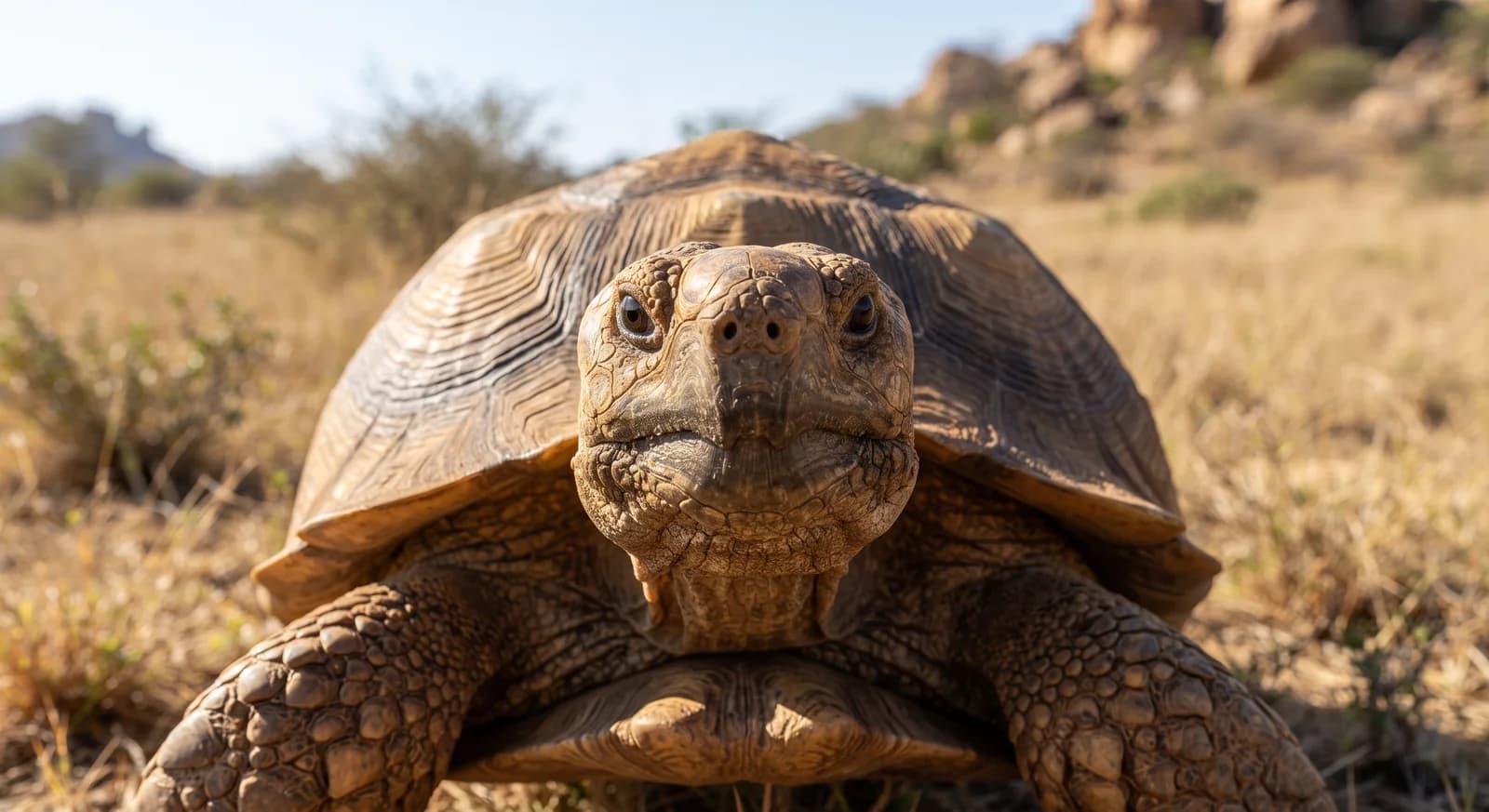
Burkina Faso is a landlocked country of gentle relief, crossed by the transition between the Sahel of the north, dry and thorn-scrubbed, and the Sudanian savannah of the south, more wooded and with gallery forest along the Mouhoun, Nakambé and Nazinon rivers. That southern belt concentrates the wildlife: the Arly and Pendjari complex, a continuation of the W park, forms with its neighbours one of the last great blocks of protected savannah in West Africa, with elephants, buffalo, roan antelope, kob and one of the last lion populations in the region. The Nazinga ranch is known for its high density of elephants around the artificial dams during the dry season. In the west, the Banfora cliffs, the Karfiguéla falls and the Dindéresso woods provide humid environments with primates and forest birds.
National animal: The white horse, represented twice over on the national coat of arms
La Mare aux Hippopotames, near Bobo-Dioulasso, is a shallow lake ringed by flooded forest where a population of hippopotamuses has lived alongside the fishermen of the neighbouring villages for generations. Their survival owes a great deal to a traditional prohibition on killing them, which has worked as a form of local protection since long before the place was declared a biosphere reserve.
The W-Arly-Pendjari complex is a World Heritage Site and the greatest stronghold of savannah wildlife in West Africa, but insecurity in the Sahel region has interrupted management and tourism across many of these areas.
Nazinga between February and May, when the elephants gather at the dams. Arly in the dry season for ungulates and lions. La Mare aux Hippopotames at dawn for hippopotamuses and waterbirds.
Where else might I want to travel?
Same region: West Africa
Same region: West Africa
Same region: West Africa
Same region: West Africa
174 species found
Based on what we already know about Burkina Faso.