 Critically Endangered
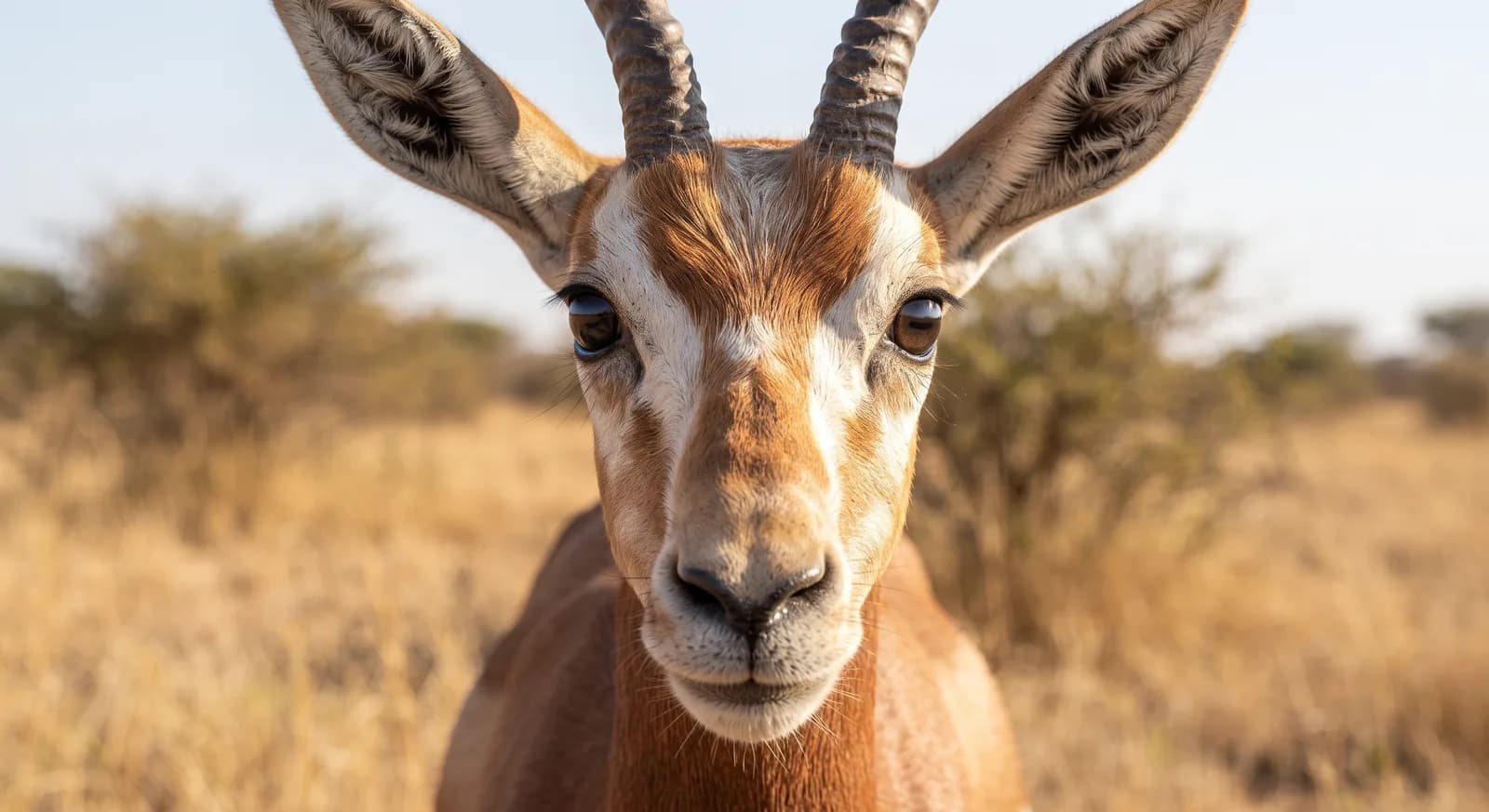
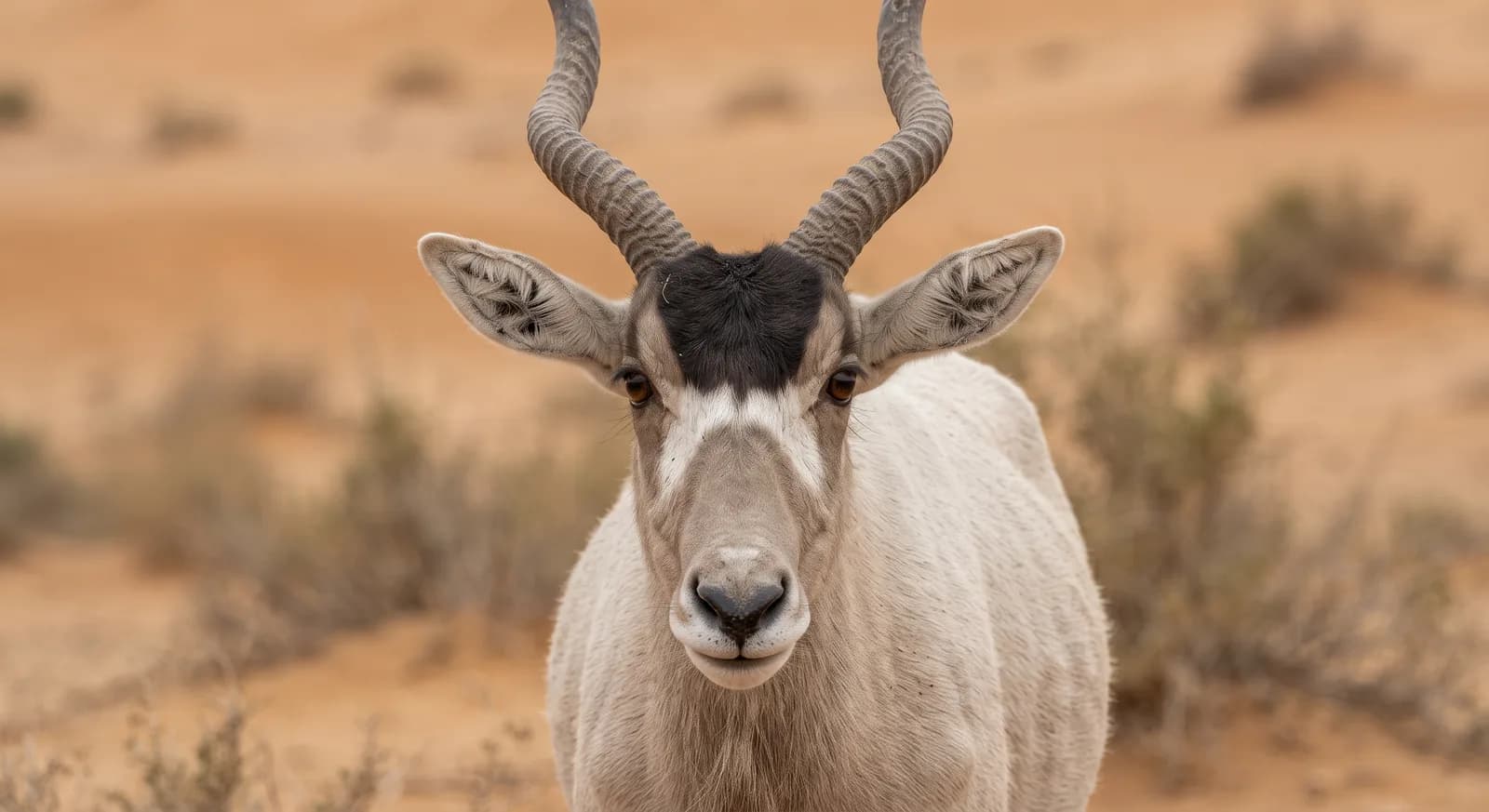
Addax
Addax nasomaculatus
Africa
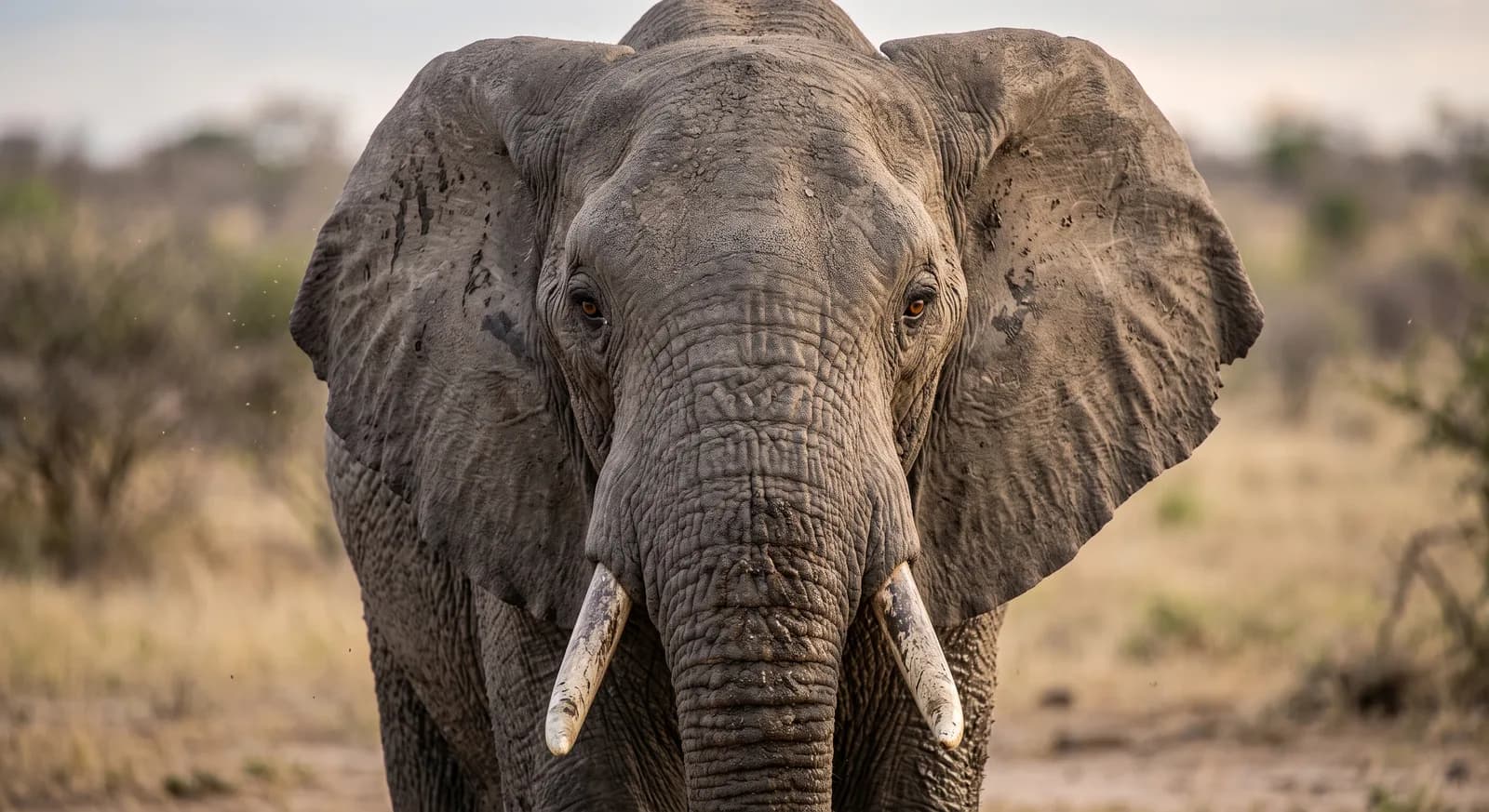
Niger is more than two thirds desert, and its natural life is arranged in three belts: the Sahara of the north, with the volcanic massifs of the Aïr and the dune sea of the Ténéré; the central Sahel, of shrub steppe and transhumant grazing; and the Sudanian belt of the southwest, beside the Niger River, with wooded savannah and gallery forest. The Aïr and Ténéré reserves form one of the largest protected areas in Africa and are the last great refuge of the addax, an antelope able to live without drinking. To the east, the Termit and Tin Toumma reserve protects what remains of the classic Saharan fauna: dorcas and dama gazelles, Saharan cheetah and desert fox. In the southwest, W park, shared with Benin and Burkina Faso, keeps the last significant lion and elephant population in West Africa.
National animal: The West African giraffe serves as the national emblematic animal
The last giraffes of West Africa live in Niger, in the Kouré area, a short distance from Niamey, and they do so not inside any fenced park but sharing territory with villages and crops. Their population fell to some fifty animals in the 1990s and has since passed six hundred thanks to a coexistence agreement with local farmers, in one of the most widely cited cases of community conservation on the continent.
The addax is critically endangered and its wild population is down to a few dozen animals in the Termit, under pressure from motorised hunting and oil prospecting. The Gadabedji reserve has been reinforced with reintroductions of Sahelian wildlife.
Kouré year-round for the giraffes, best first thing. W park between February and May, at the height of the dry season, for large mammals. The Aïr in winter for Saharan wildlife.
Where else might I want to travel?
Same region: West Africa
Same region: West Africa
Same region: West Africa
Same region: West Africa
179 species found
Based on what we already know about Niger.