 Critically Endangered
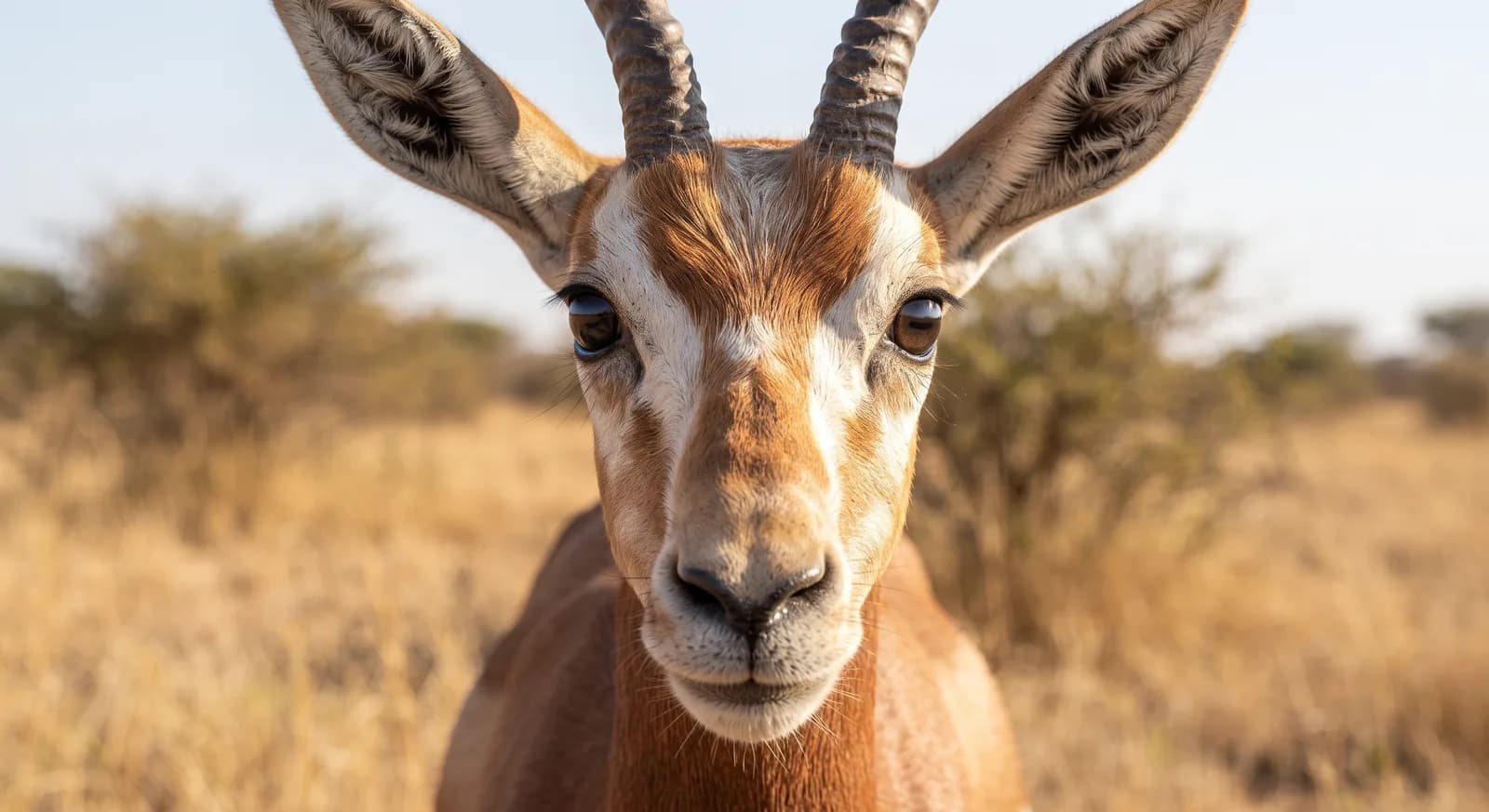
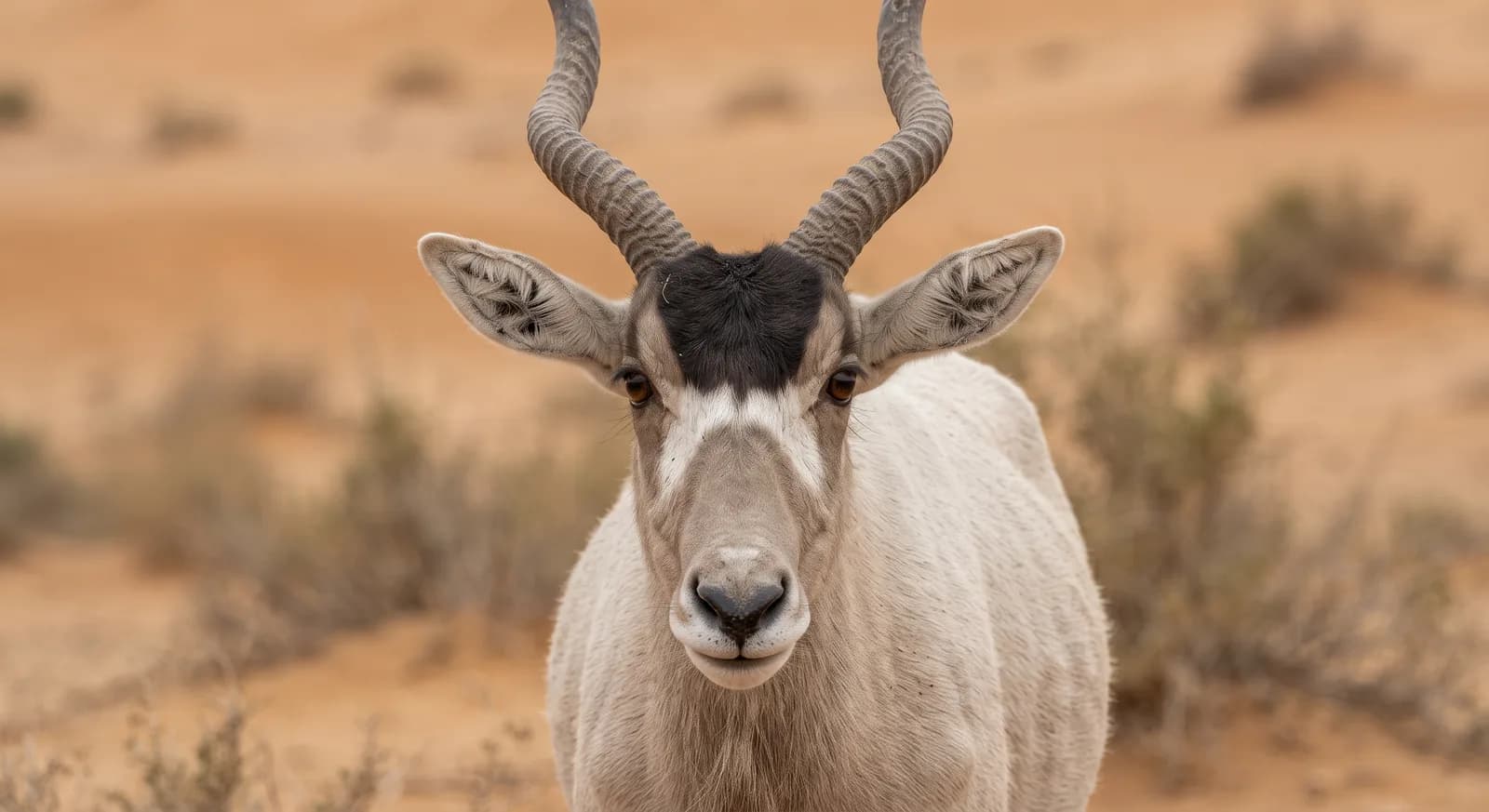
Addax
Addax nasomaculatus
Africa
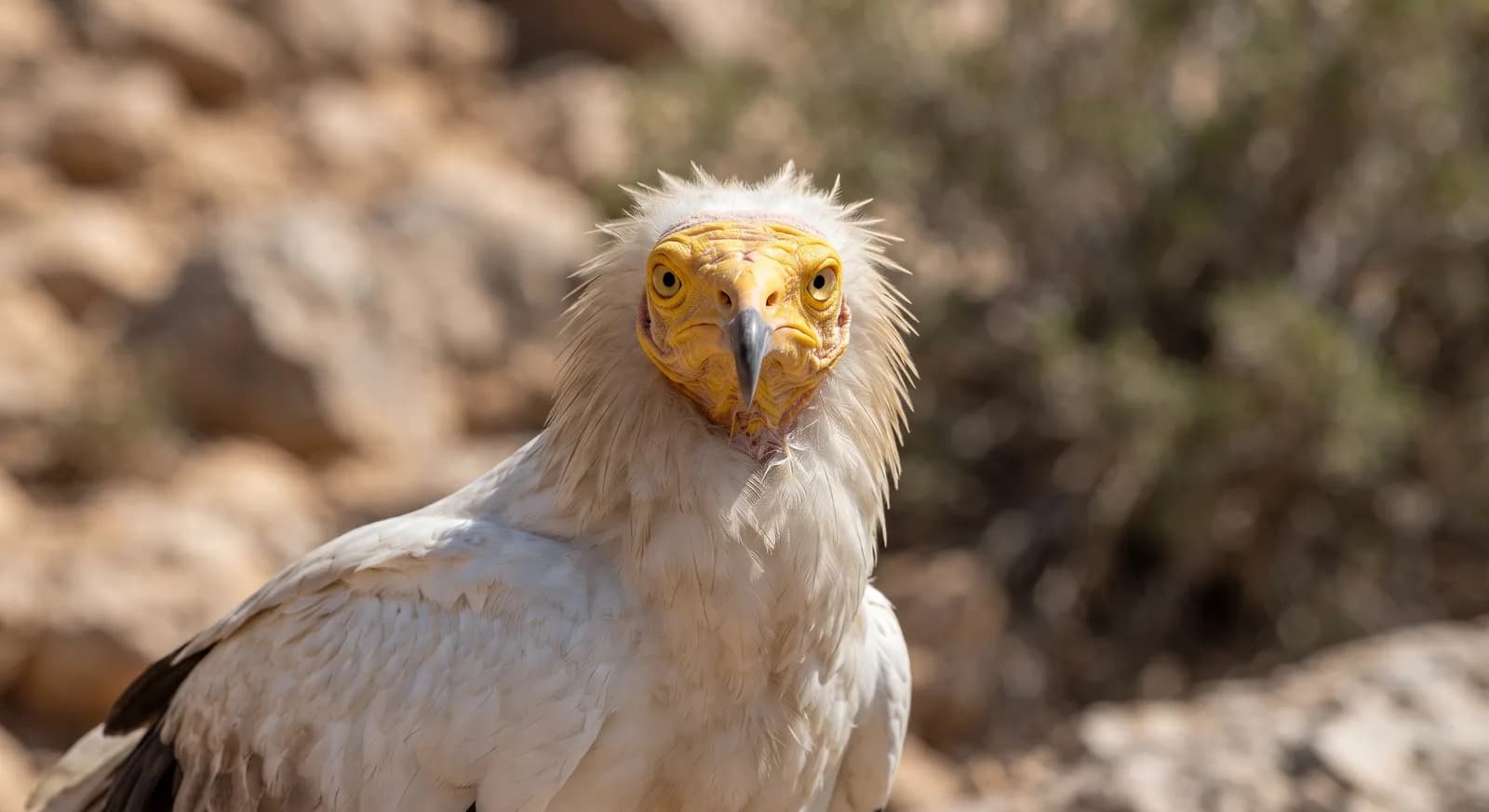
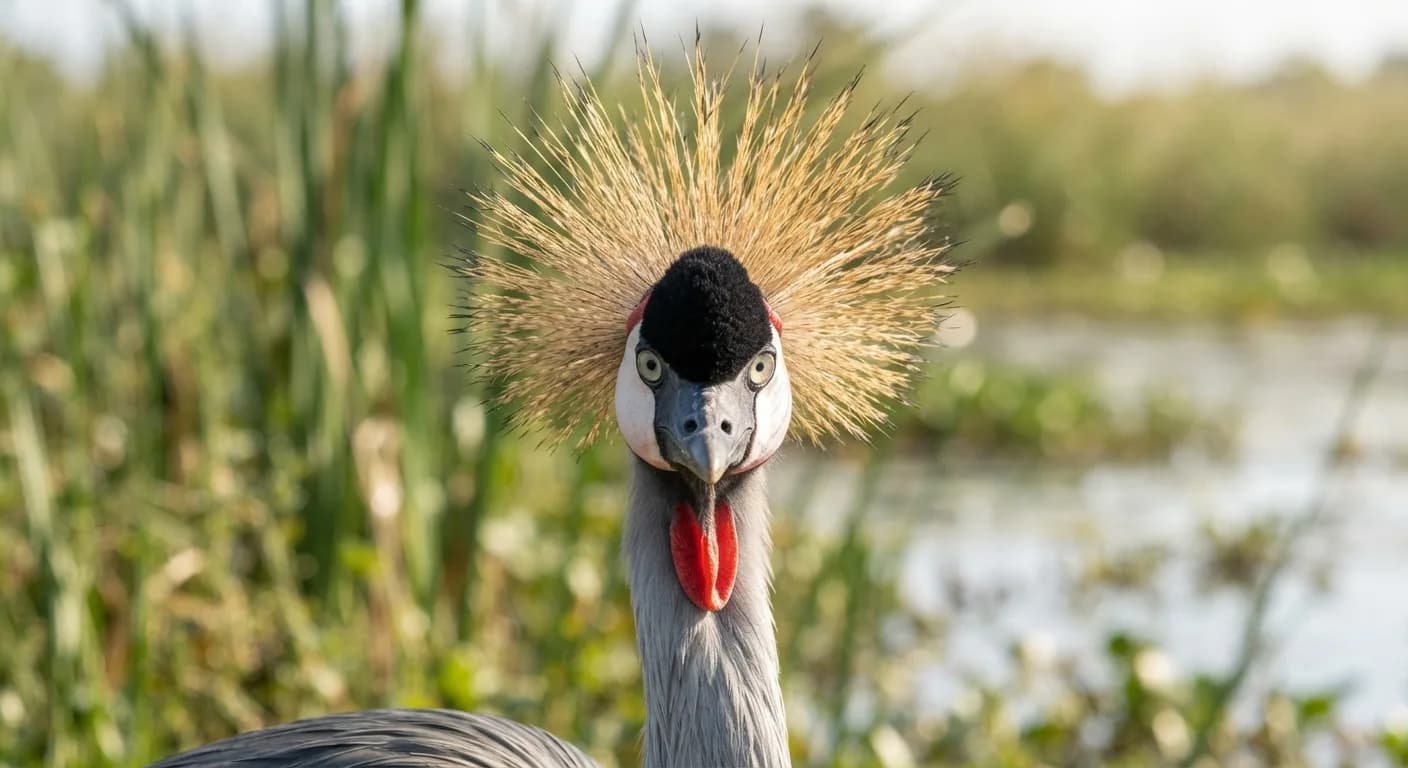
Mali is divided between the Sahara in the north, the central Sahelian belt and the Sudanian savannah of the south, and its whole territory is organised around the Niger River, which crosses it in a great arc. Along its middle course the river overflows every year and forms the Inner Niger Delta, an immense floodplain that changes size with the rains and that sustains fisheries, transhumant herding and enormous concentrations of Palaearctic and African waterbirds. To the north, the Adrar des Ifoghas massif and the Saharan ergs hold wildlife adapted to extreme aridity. In the southeast, the Gourma keeps acacia grassland and seasonal pools, and the Bandiagara escarpment, a World Heritage Site, combines landscape, Dogon culture and a cliff fauna of raptors and hyraxes.
National animal: No official national animal; the hippopotamus and the elephant are the emblematic animals of local tradition
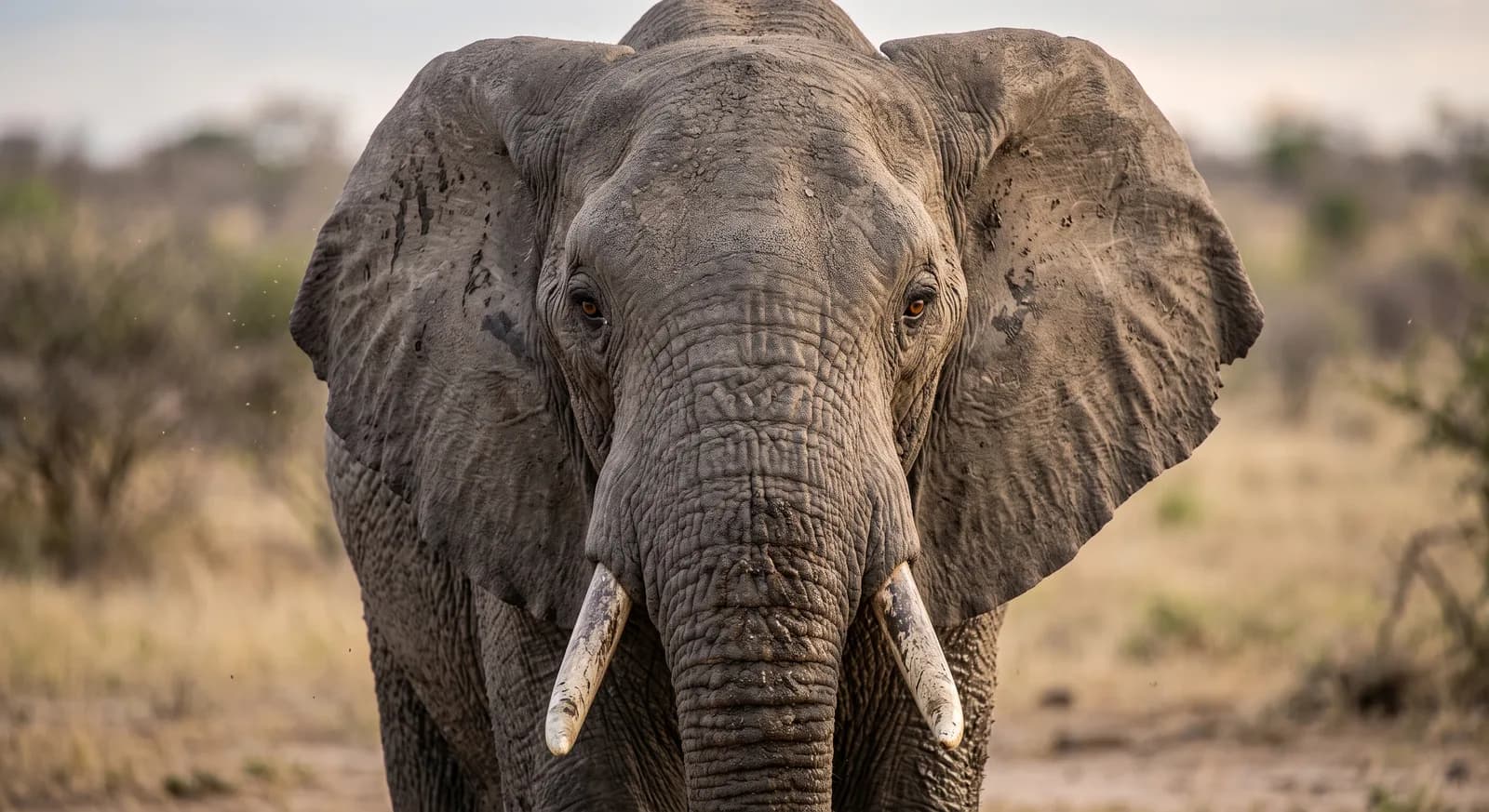
The elephants of the Gourma make the longest migration known in the species: an annual circuit of some six hundred kilometres across the Malian Sahel, following the availability of water and grazing between seasonal pools. It is one of the last desert elephant populations in the world, it survives outside any fenced park, and its route has been mapped with GPS collars in an attempt to keep the corridors open.
The Gourma elephants depend on agreements with local communities to share water in the dry season. Insecurity in the north and centre of the country has reduced surveillance against poaching.
The Inner Niger Delta between December and February for waterbirds and the flood. The Gourma in the dry season, when the elephants gather at the pools. Bandiagara year-round for cliff-nesting raptors.
Where else might I want to travel?
Same region: West Africa
Same region: West Africa
Same region: West Africa
Same region: West Africa
187 species found
Based on what we already know about Mali.