 Critically Endangered
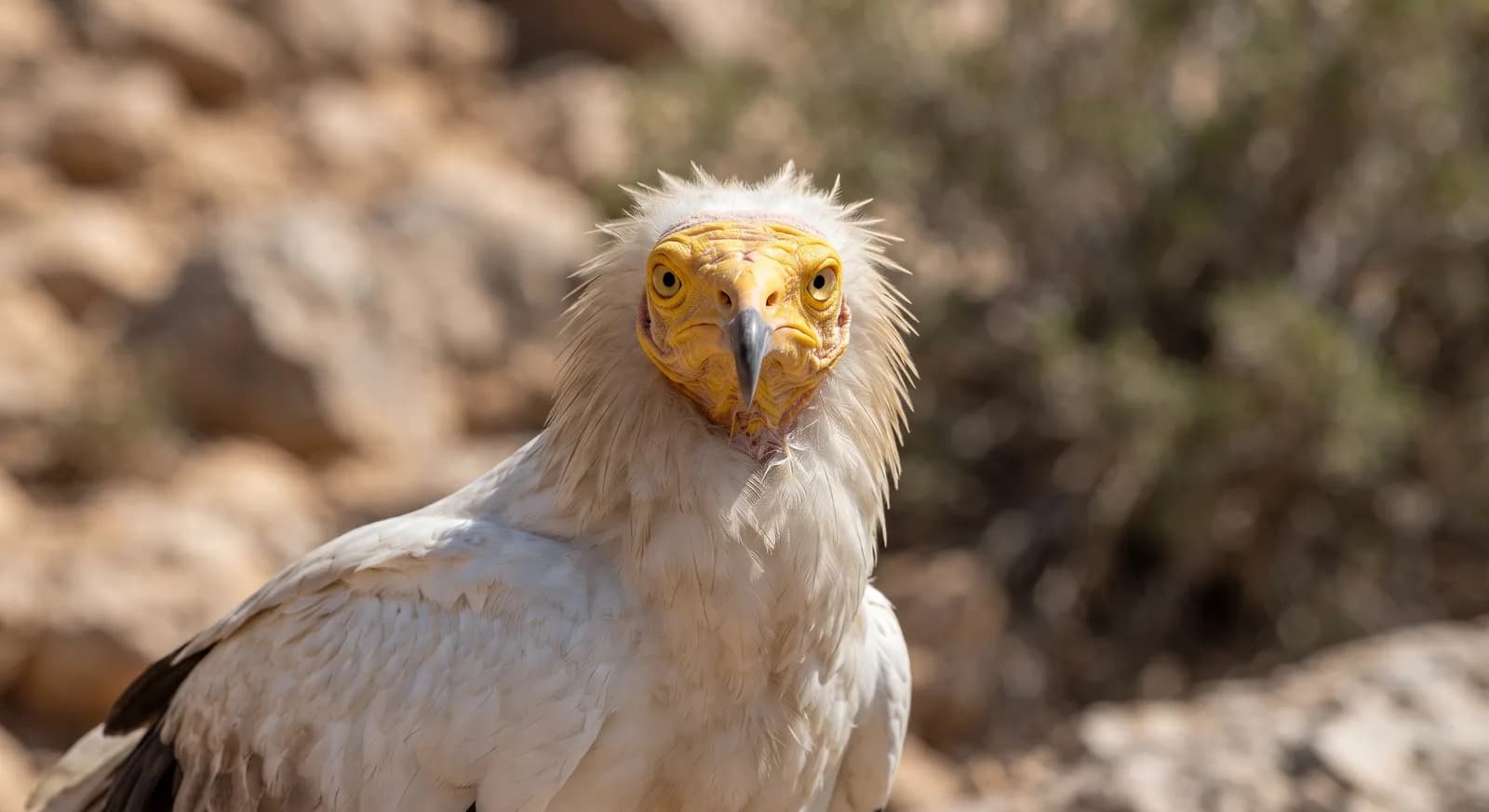
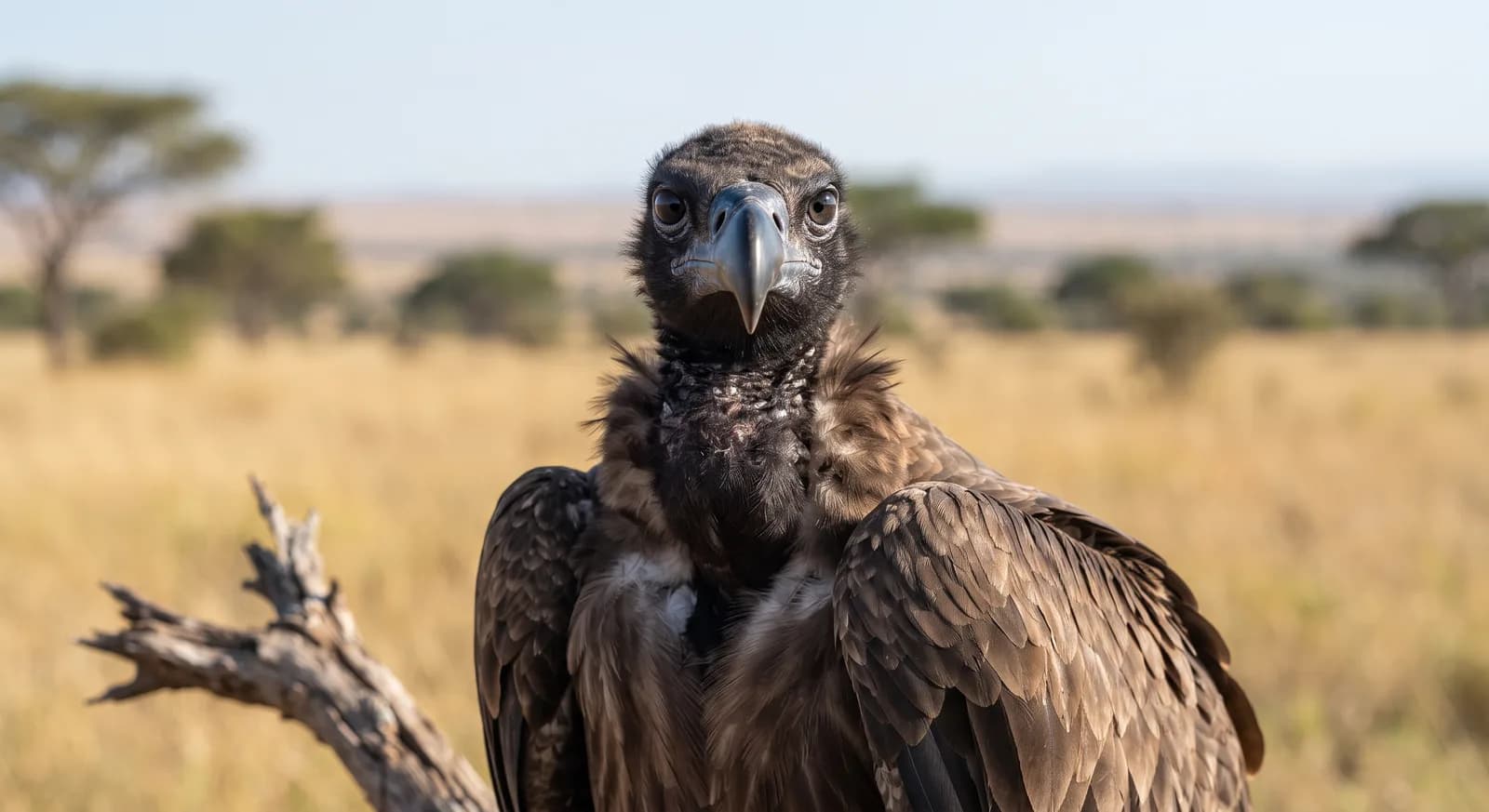
White-backed Vulture
Gyps africanus
Africa
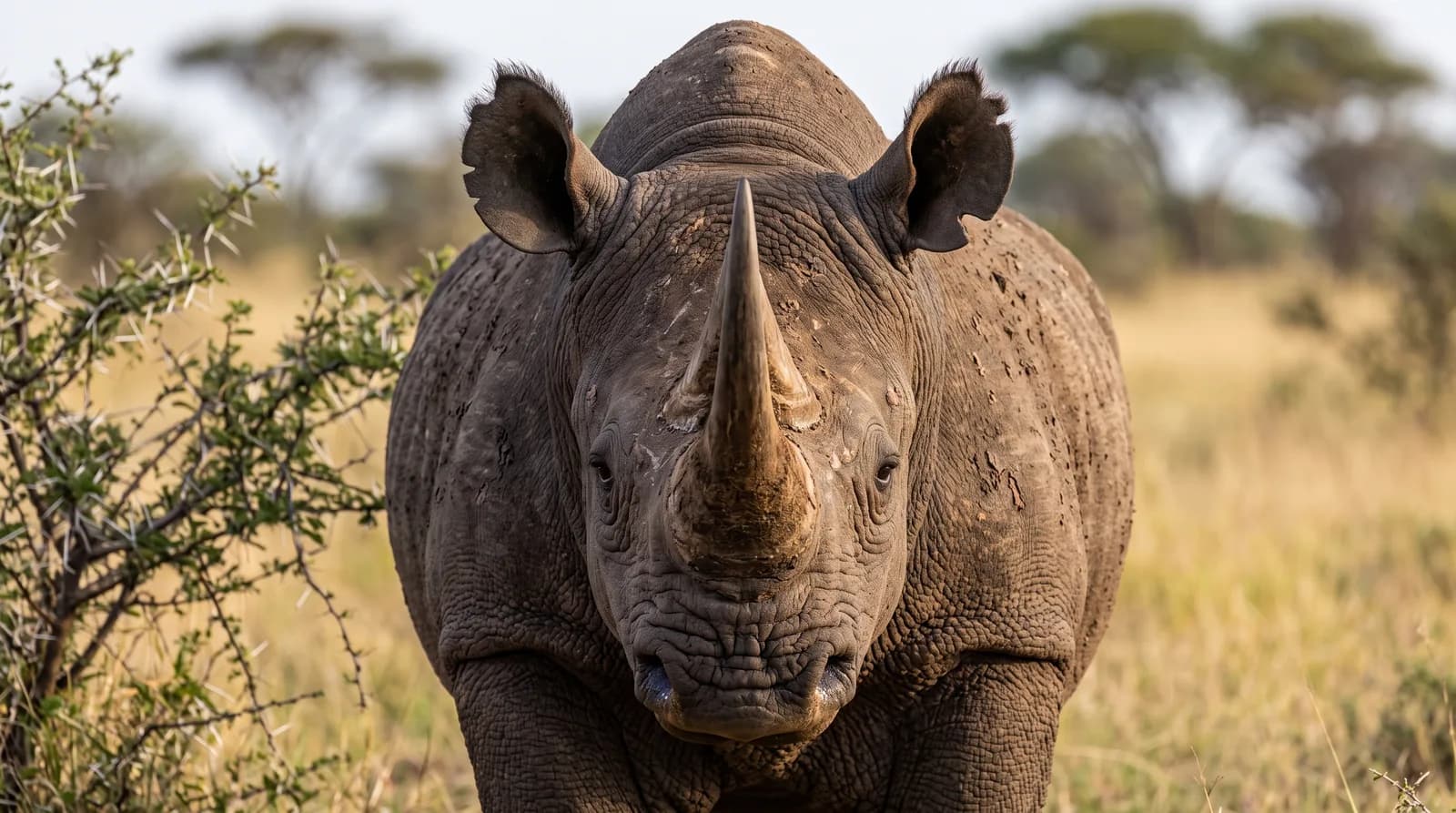
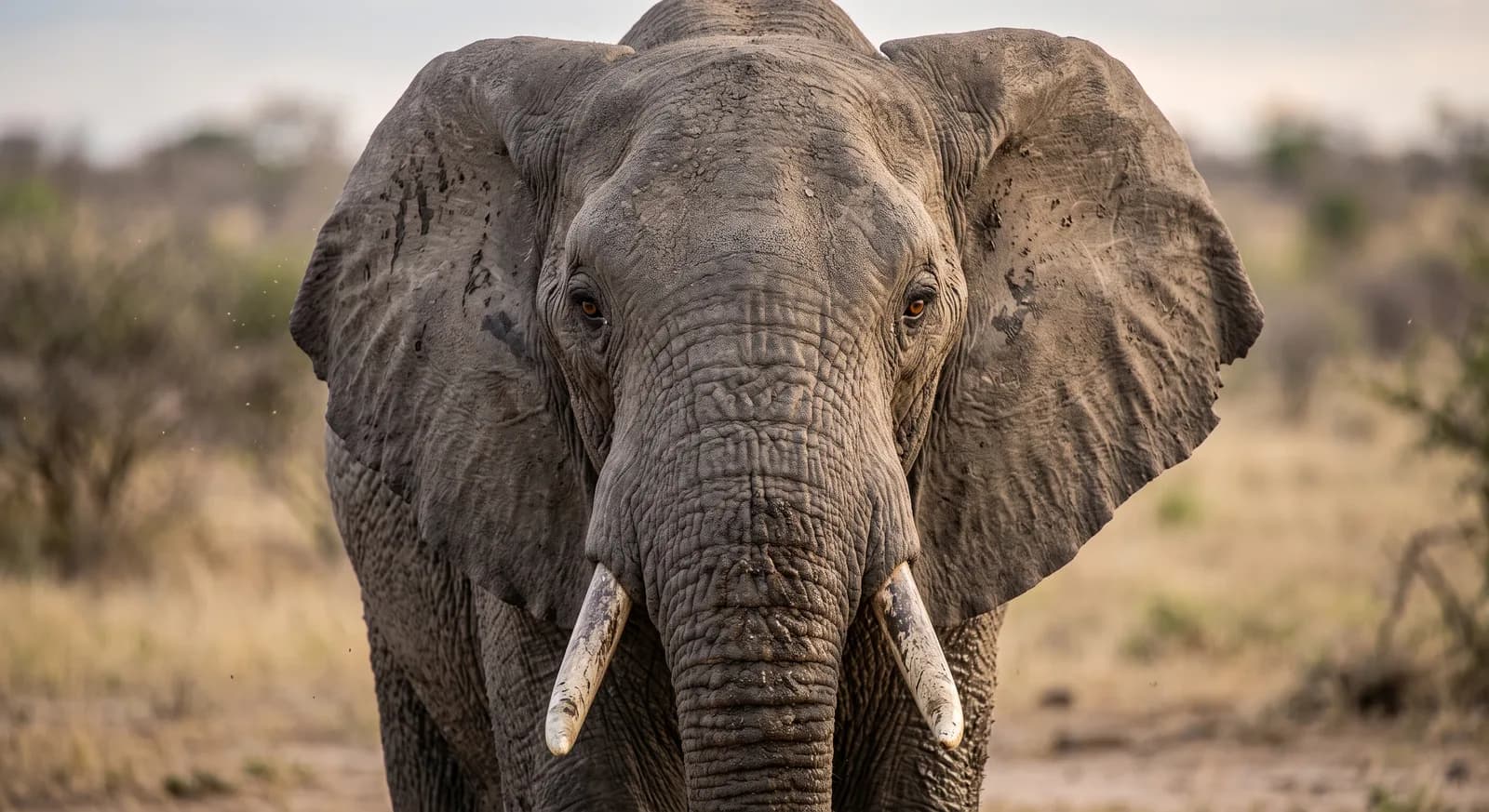
Eswatini is one of the smallest countries in Africa and yet it strings together four clearly distinct ecological tiers in barely two hundred kilometres: the mountainous, humid highveld of the west, the middleveld of hills, the warm lowveld of thorn savannah and the Lubombo mountains, which form the eastern border. That sequence concentrates a remarkable diversity of plants and birds for its size. Malolotja, in the northwest, protects high-altitude grassland, waterfalls and some of the oldest rocks on the planet, with formations more than three billion years old. In the lowveld, Hlane and Mkhaya hold elephants, white and black rhinoceroses, lions and one of the most important vulture populations in the region, with well-established roosts and breeding colonies.
National animal: No official national animal; the lion and the elephant represent the king and the queen mother on the state coat of arms
By the middle of the twentieth century the country's wildlife had been almost entirely wiped out by hunting. The recovery began on a family farm turned into a private sanctuary by its owner in the early 1960s, where species were reintroduced one by one until whole communities had been rebuilt. That family project ended up giving rise to the network of parks that protects the country's wildlife today.
The country passed very severe wildlife protection legislation in the 1990s after a wave of rhinoceros poaching, and since then its losses have been minimal compared with those of its neighbours.
Hlane and Mkhaya in the dry season for rhinoceroses and elephants. Malolotja between September and March for high-altitude flora and birds. Vulture roosts at dusk.
Where else might I want to travel?
Same region: Southern Africa
Same region: Southern Africa
Same region: Southern Africa
Same region: Southern Africa
165 species found
Based on what we already know about Eswatini.